The University of Phayao applies its knowledge, research, and academic expertise to support government agencies at the local, regional, and national levels, contributing to evidence-based policymaking and decision-making.
A key national-level example is the Areas Engagement Mobility (AEM), implemented in collaboration with the Office of the Permanent Secretary, Ministry of Higher Education, Science, Research and Innovation.
The University of Phayao serves as the AEM Project Coordination and Management Center, coordinating implementation among 16 higher education institutions and local administrative organizations nationwide. The University supports and monitors project implementation, collects and analyzes area-based data, synthesizes knowledge and lessons learned from local development initiatives, and translates these findings into policy recommendations for sustainable area-based development.
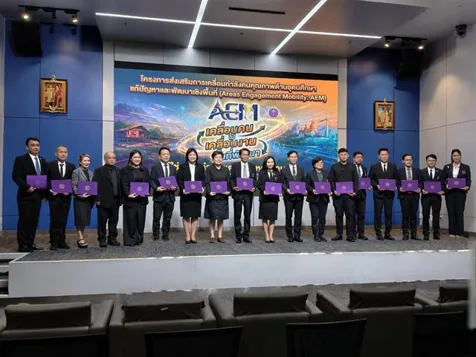
Figure: MOA Signing with 16 Pilot Higher Education Institutions for the Area-Based Talent Mobility (AEM) Project
At the local level, the Legal Clinic of the School of Law, University of Phayao, applies its legal expertise to support Chiang Muan Subdistrict Municipality in developing a draft local ordinance on the conservation and sustainable use of natural resources. The initiative involves collaboration among the municipality, local communities, and partner organizations to analyze issues concerning housing rights, land rights, and overlapping areas involving national reserved forests, agricultural land reform areas, and public land.
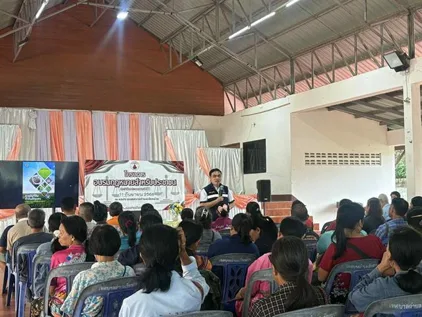
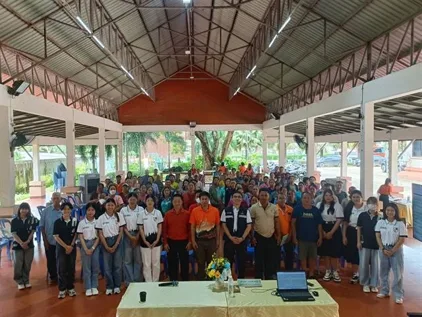
Figure: University of Phayao Law Clinic and Chiang Muan Subdistrict Municipality Initiate a Local Ordinance on Natural Resource Conservation and Use
The University also contributes to the development of consumer protection policy concerning gold sale-and-repurchase agreements. The Legal Clinic works collaboratively with the Phayao Provincial Consumer Protection Center, the Thailand Consumers Council, consumer networks, and affected individuals to develop legal observations and recommendations supporting proposals for appropriate regulation of such contracts.
These recommendations have been submitted for consideration through the relevant consumer protection authorities, demonstrating the University’s role in applying legal expertise and academic knowledge to support policy development and strengthen consumer protection mechanisms.
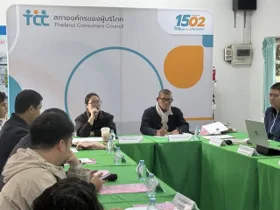
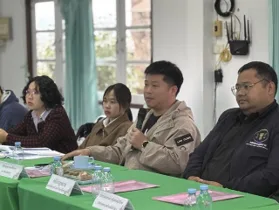
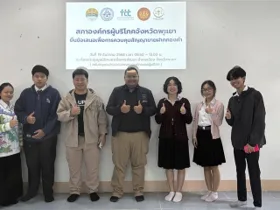
Figure: University of Phayao Law Clinic Collaborates with the Phayao Consumer Protection Center to Propose Measures for Regulating Gold Sale-with-Right-of-Redemption Contracts
These cases reflect the University’s role as a Knowledge and Policy Partner for the public sector, applying academic knowledge and empirical evidence to support policy development at both the national and local levels.