University of Phayao has long been committed to advancing sustainability and environmental responsibility across its campus. One of the key strategies in achieving this vision is the adoption of green building principles in all construction and renovation projects. The elements of green building implementation refer to the comprehensive set of standards, practices, and technologies aimed at reducing environmental impact, optimizing resource efficiency, and improving the quality of life for campus users.
These elements encompass multiple aspects, including energy efficiency, water conservation, sustainable material selection, indoor environmental quality, waste reduction, and innovative design strategies. By embedding these principles in construction and renovation policies, University of Phayao ensures that every new building or upgraded facility contributes to the university's overarching sustainability goals. For example, energy-efficient lighting and HVAC systems, solar energy integration, rainwater harvesting, and environmentally friendly materials are consistently considered in project planning and execution.
Moreover this approach reflects University of Phayao's holistic commitment to creating a green campus environment that not only minimizes ecological footprint but also serves as a living laboratory for research, learning, and innovation in sustainability. Students, researchers, and staff benefit from buildings that support healthier and more productive learning and working environments, while the university demonstrates leadership in sustainable development within the higher education sector.
By integrating green building elements into all construction and renovation policies, University of Phayao aligns itself with global sustainability standards and frameworks, including the Leadership in Energy and Environmental Design (LEED) and the Thailand Green Building Institute (TGBI) guidelines. This systematic approach ensures that environmental responsibility is embedded in the university's infrastructure development, reinforcing University of Phayao's role as a model institution for sustainable practices and as a driver of environmental awareness and action in the community.
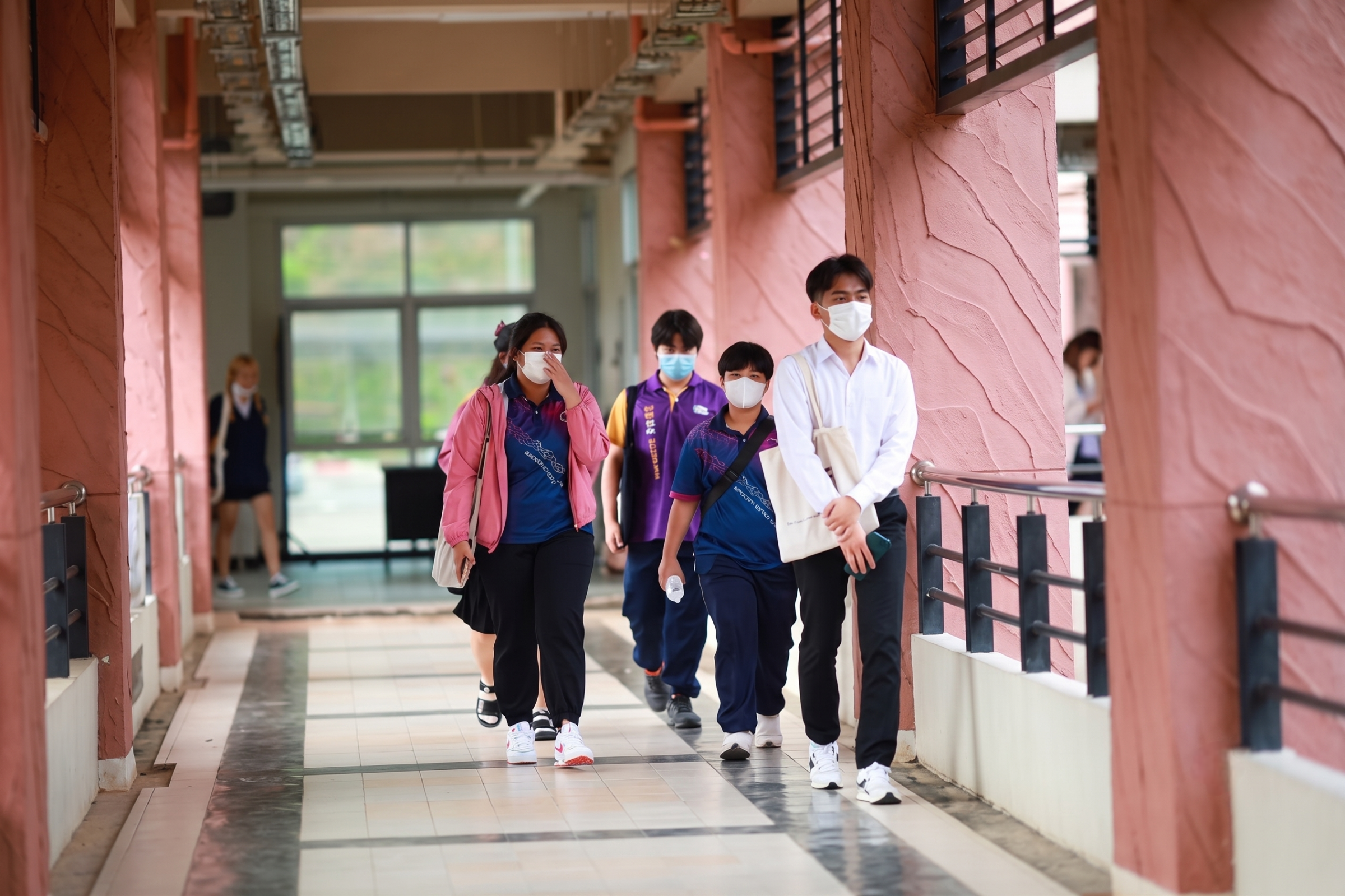

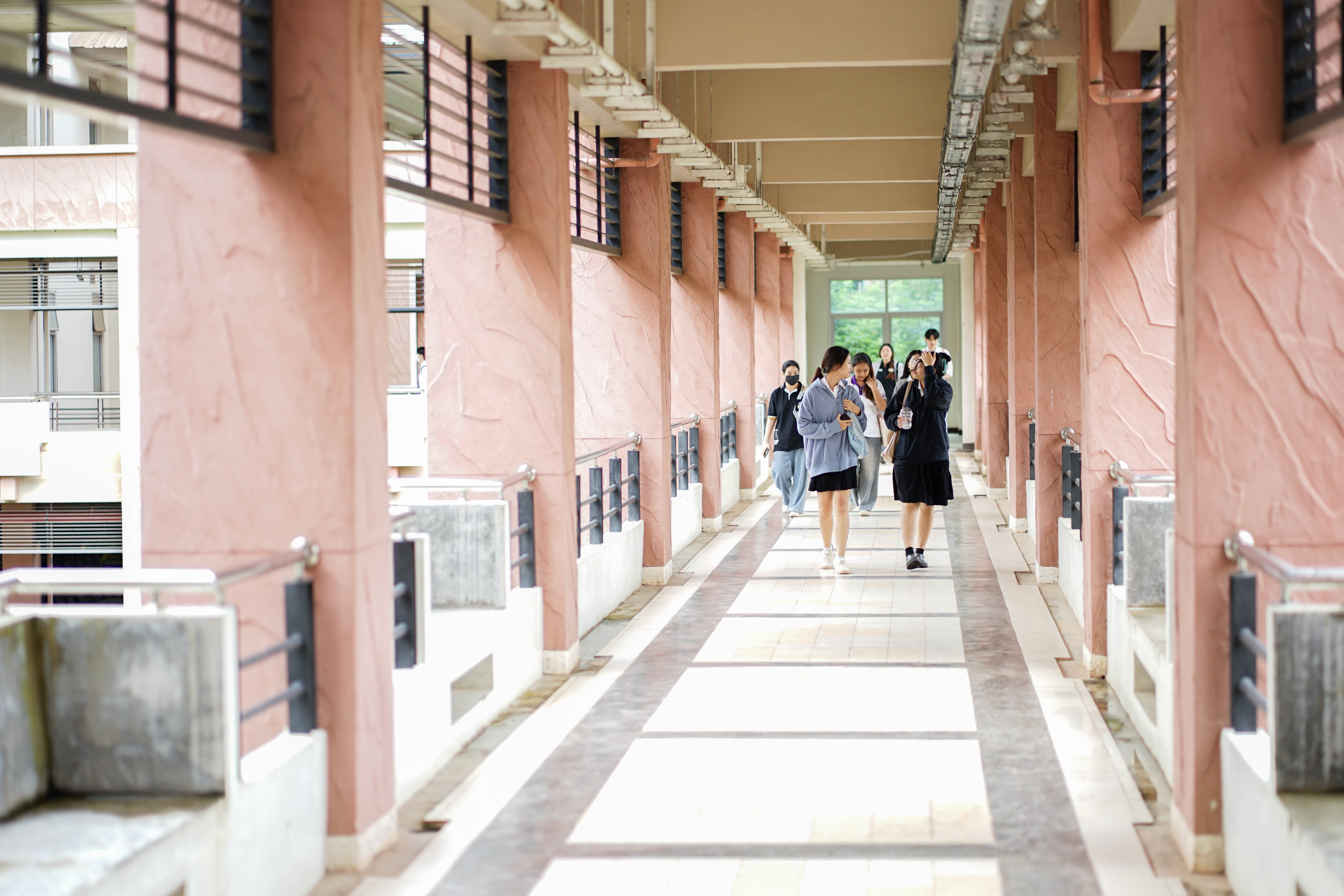
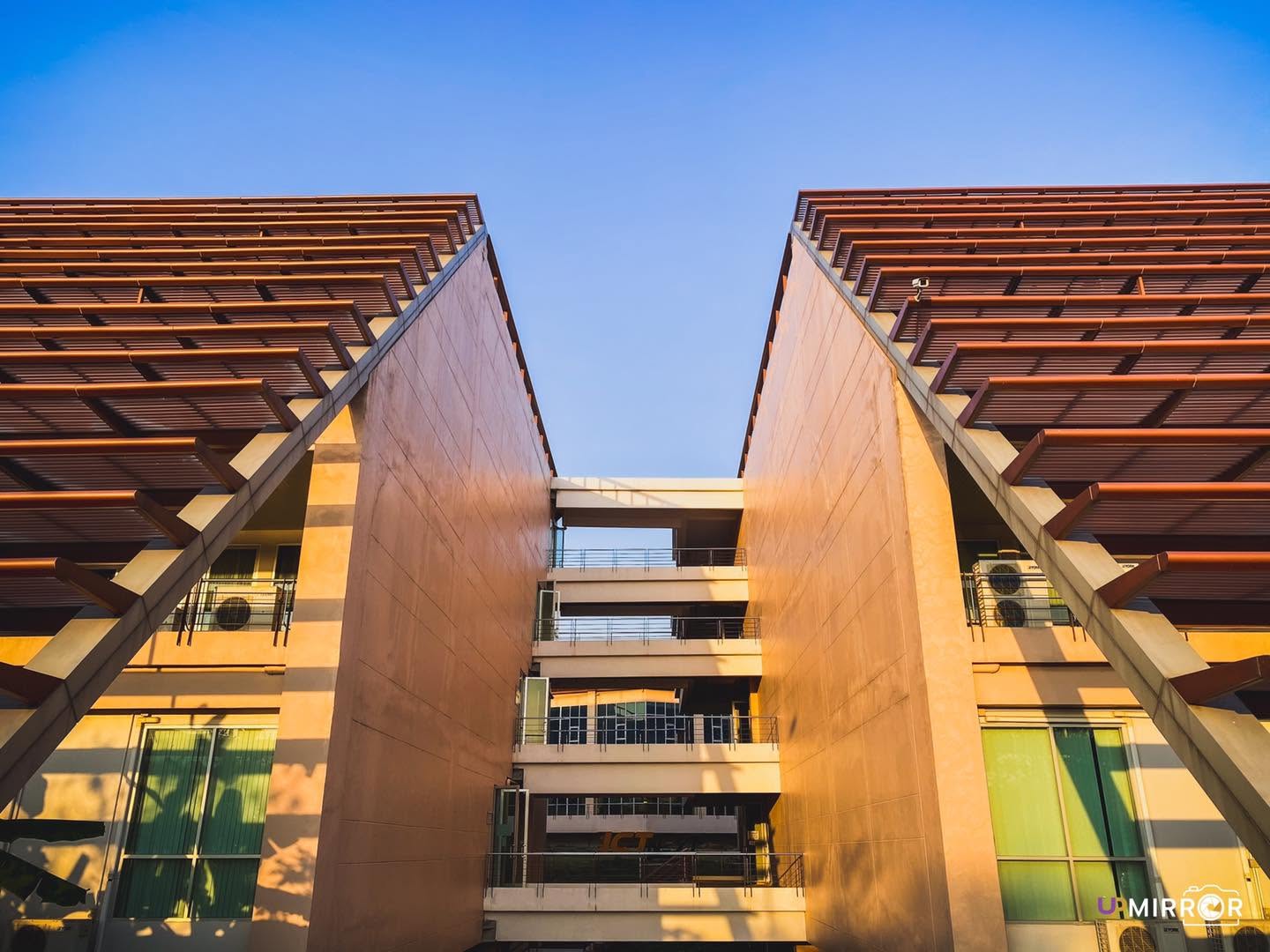
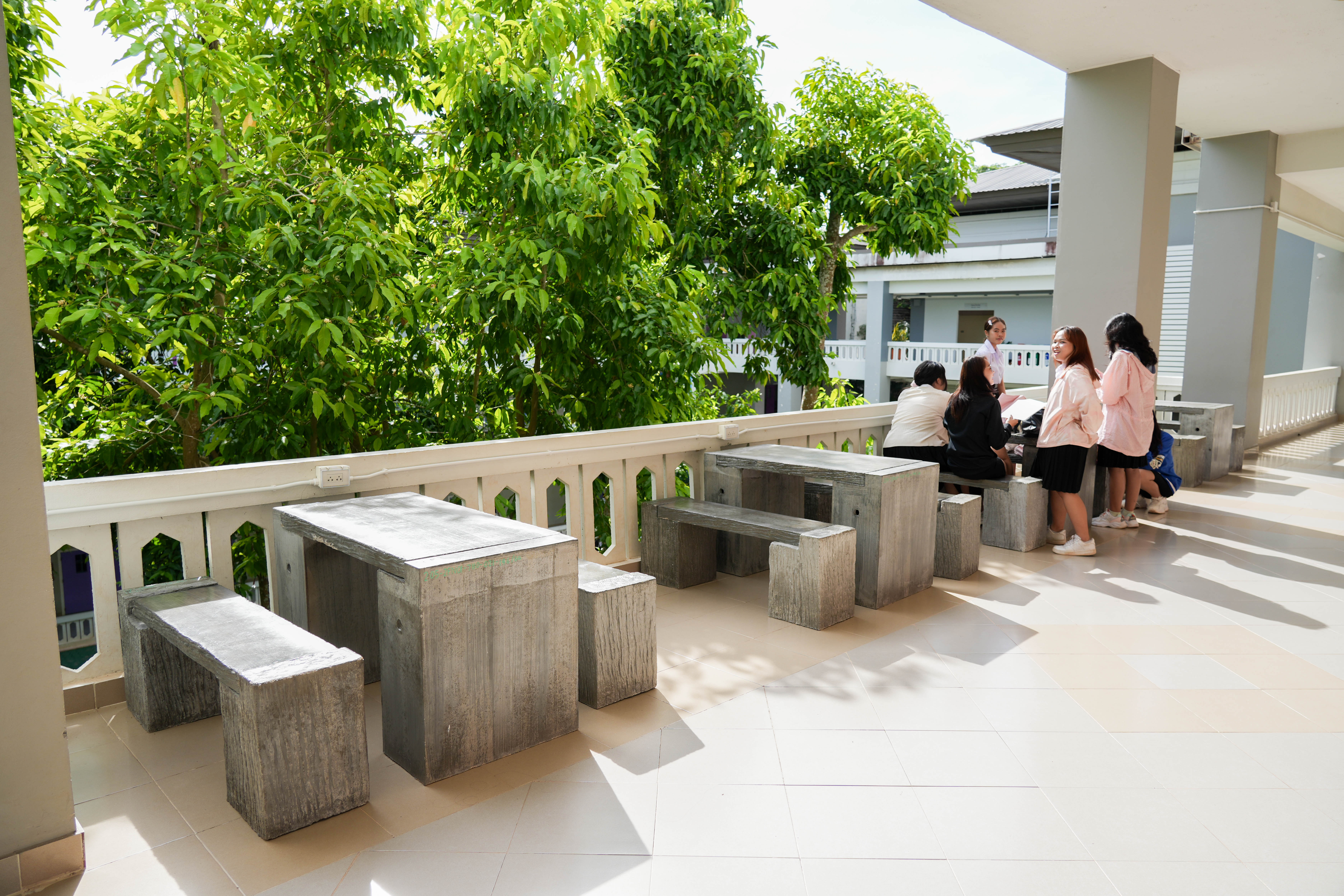
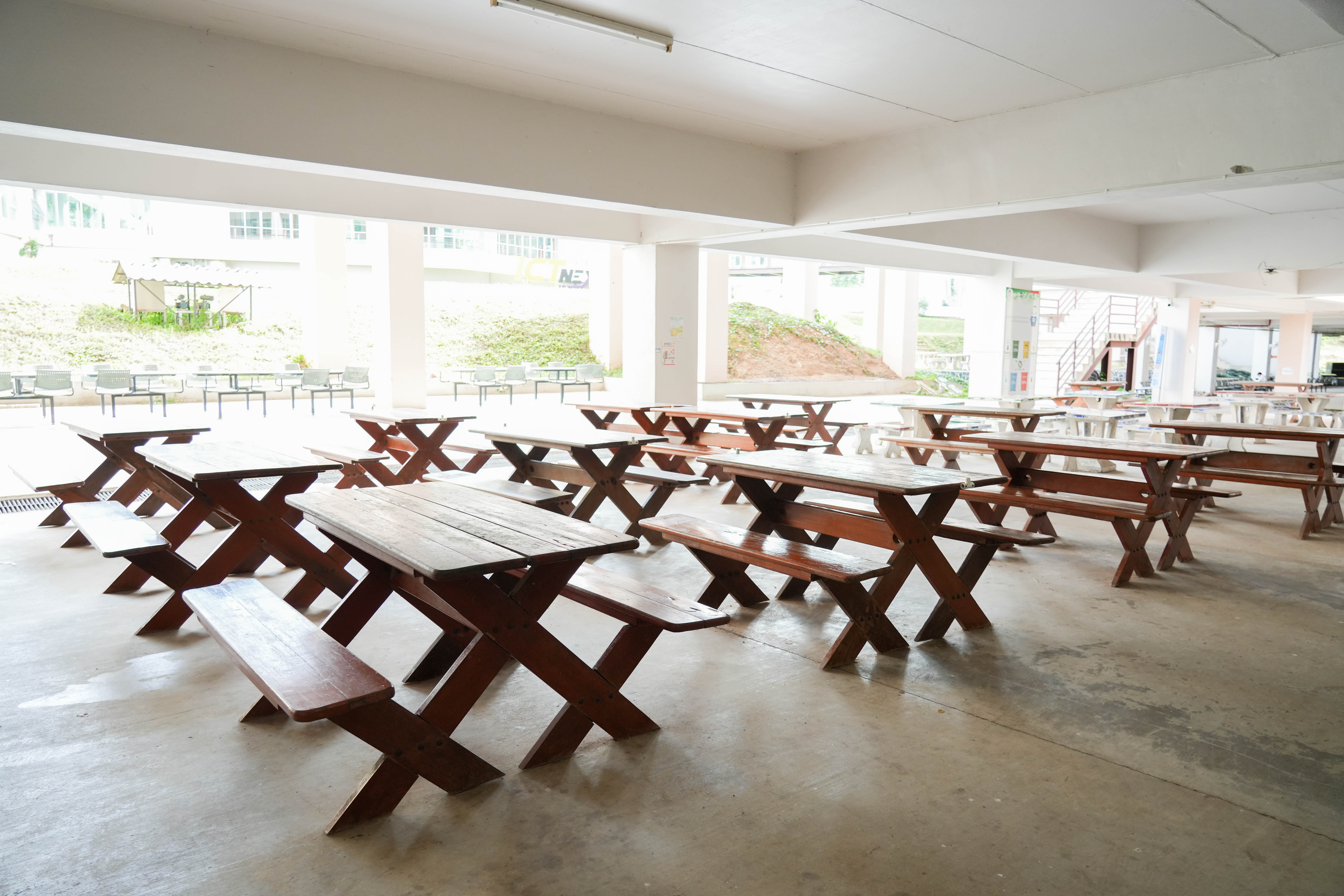
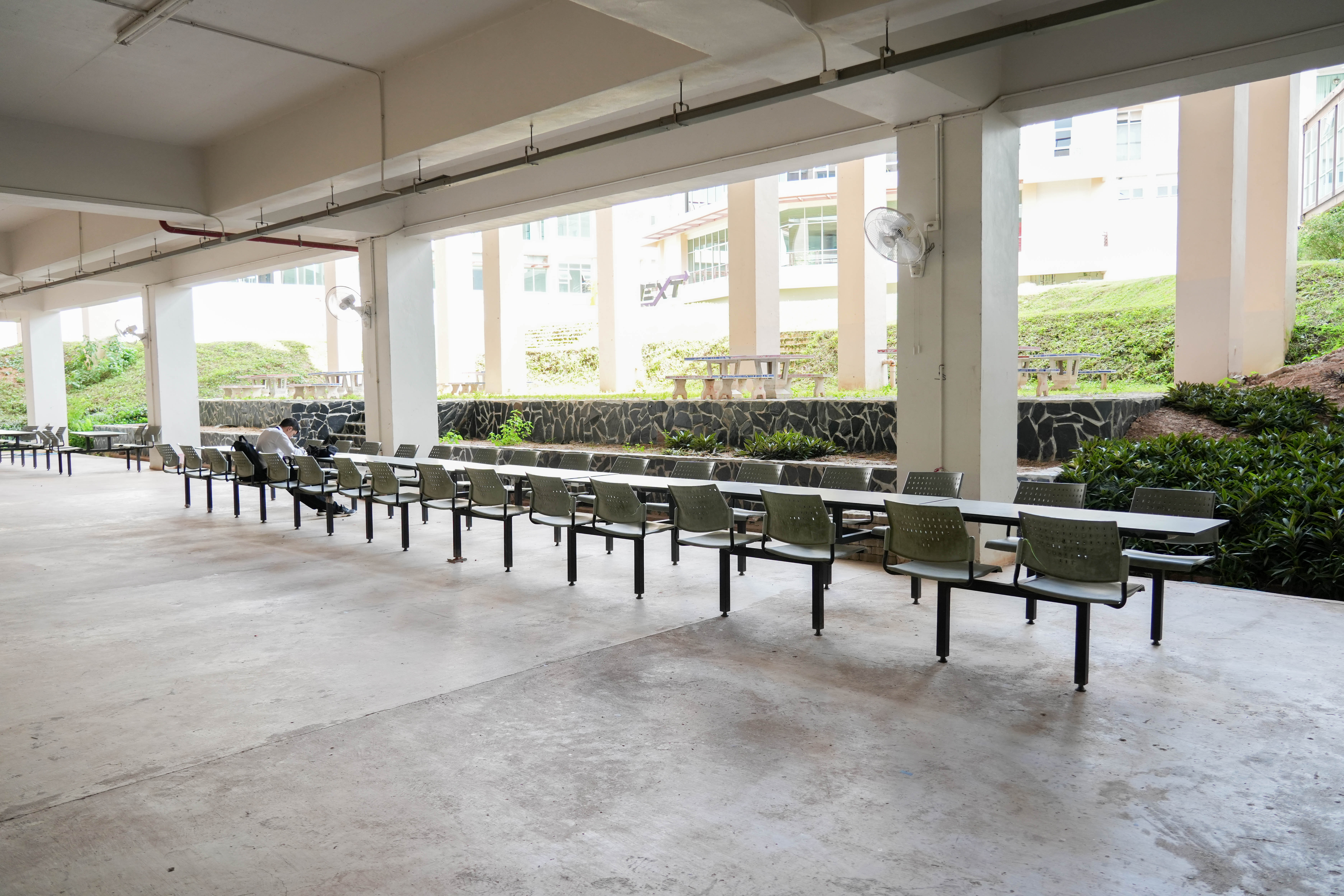 Maximizing Natural Lighting: The design of the building incorporates large windows and heat-reflective glass panels to maximize the use of natural light, reducing the reliance on artificial lighting and electricity consumption.
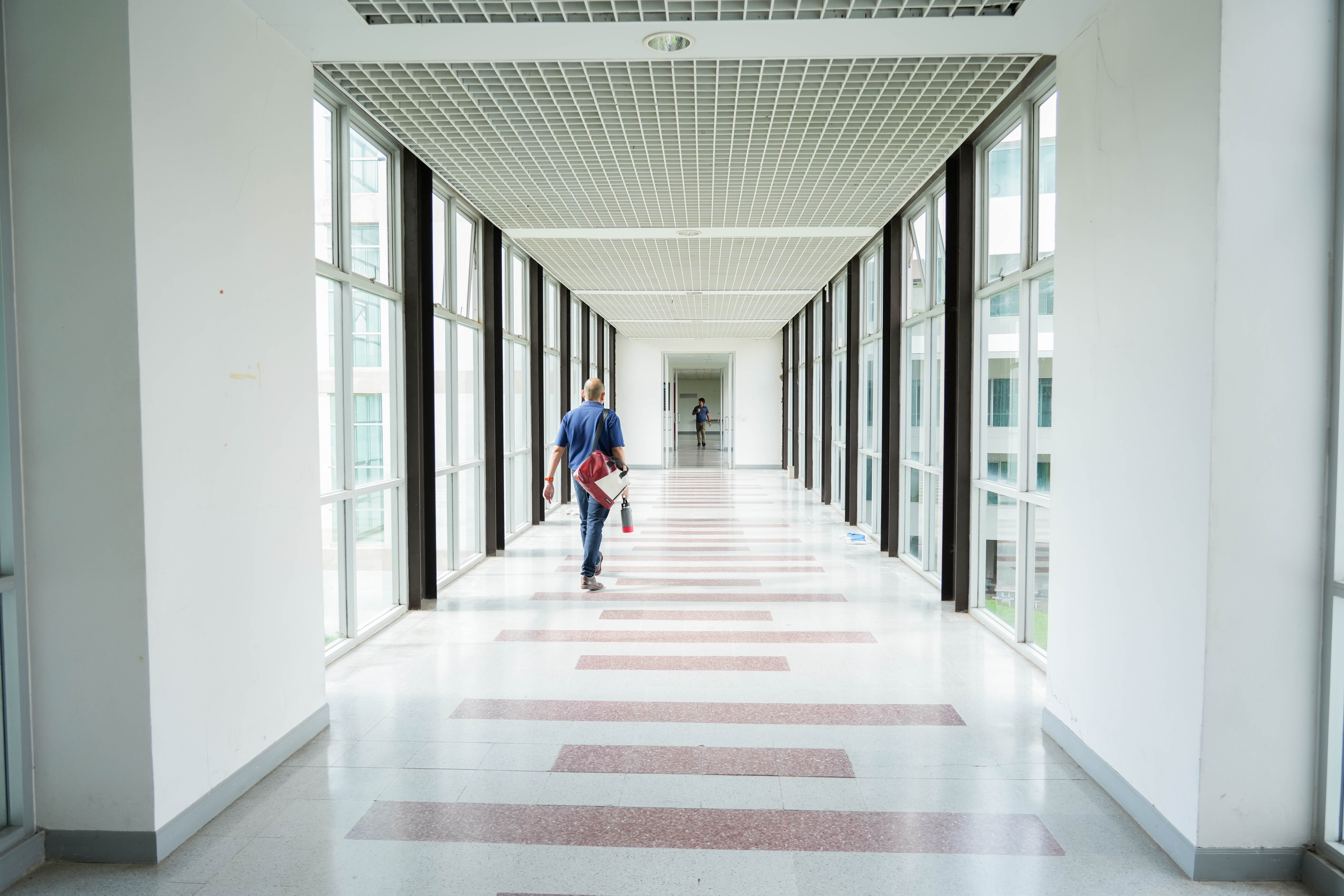
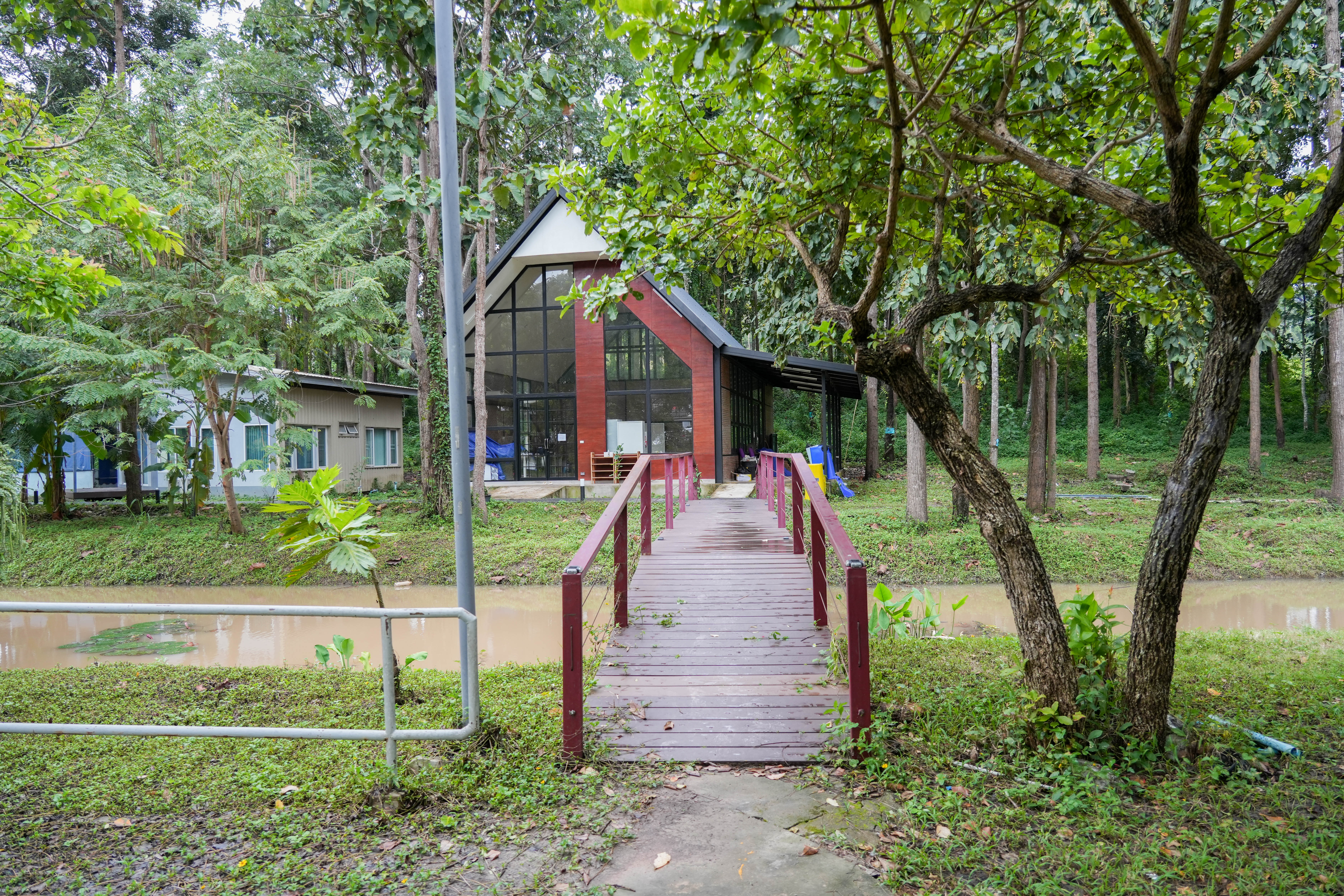
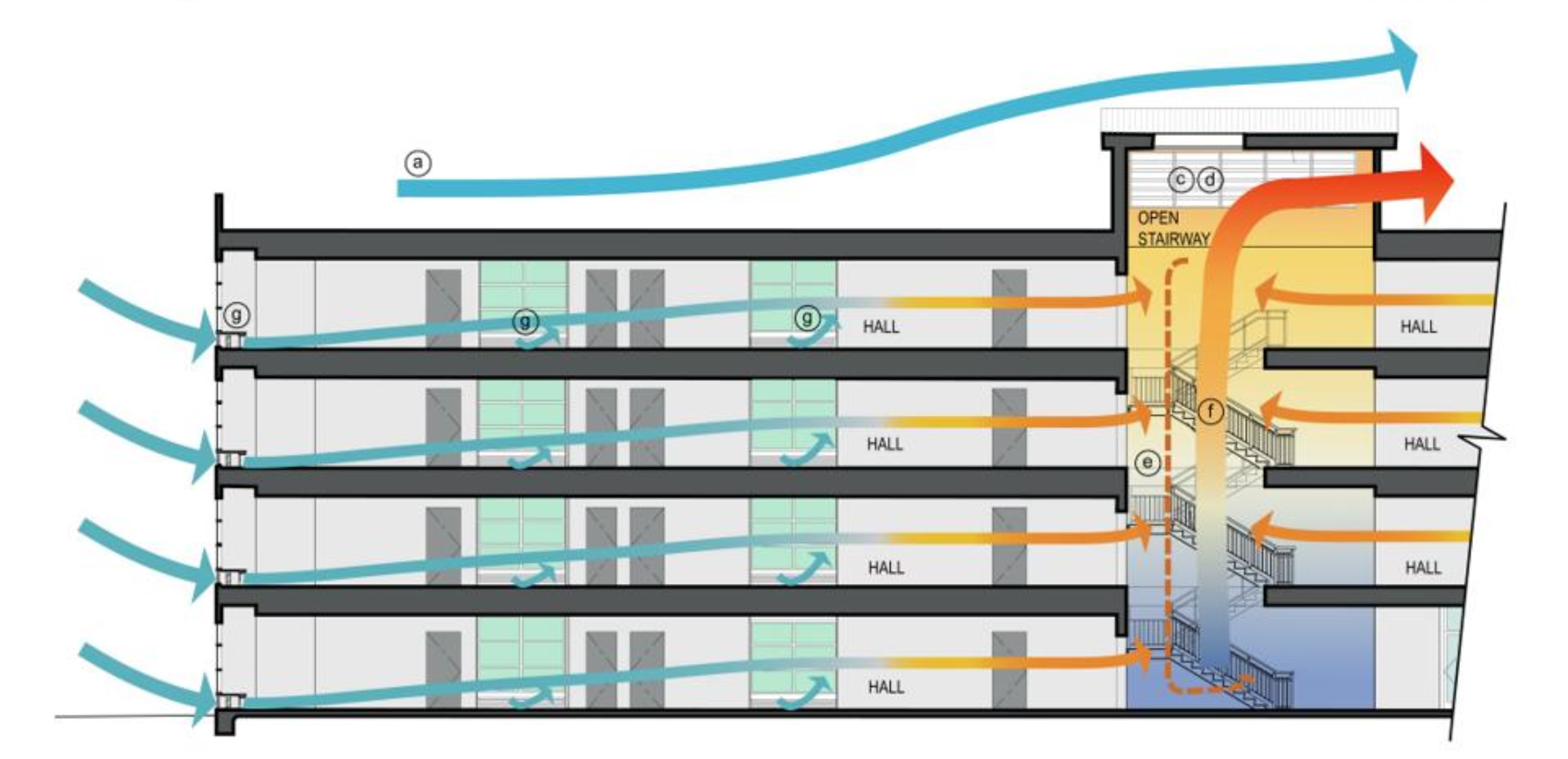
 Efficient Air Circulation: The internal layout of the building is designed to allow for smooth air circulation, avoiding blockages that can obstruct airflow and ensuring that indoor air remains fresh and comfortable.
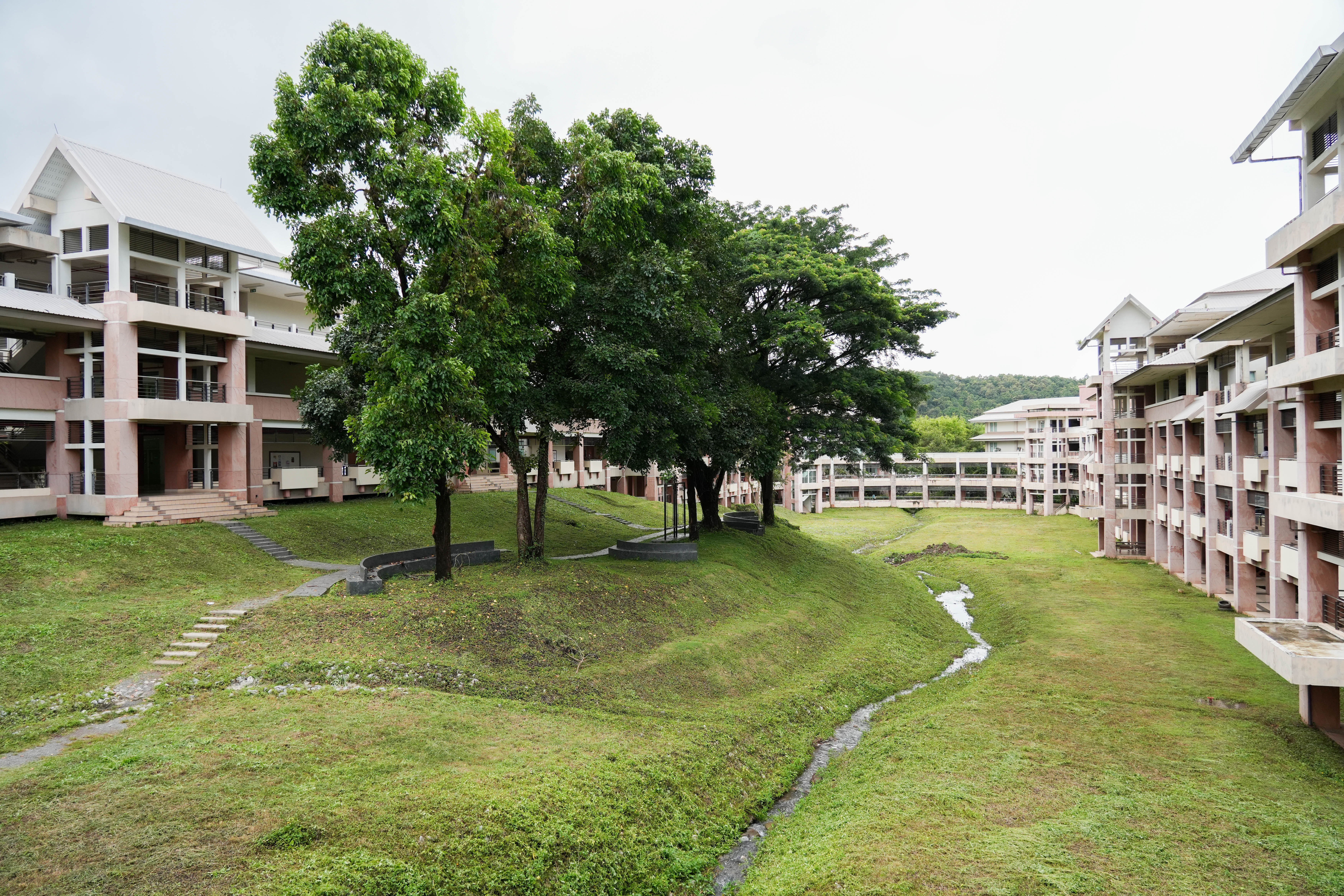
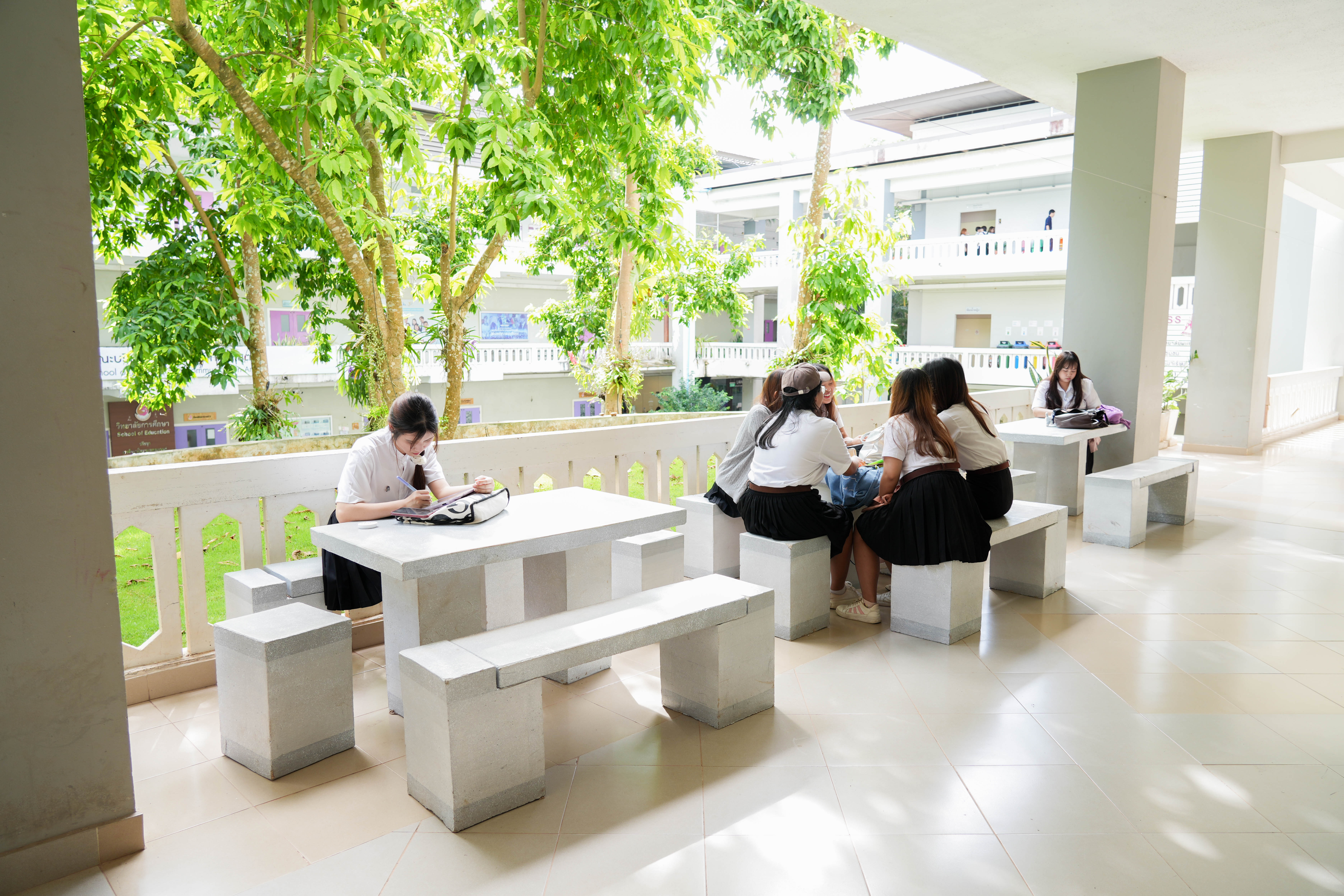 Indoor Green Spaces: The building includes indoor gardens or spaces with plants, which provide environmental and health benefits, such as improved air quality and enhanced occupant well-being.
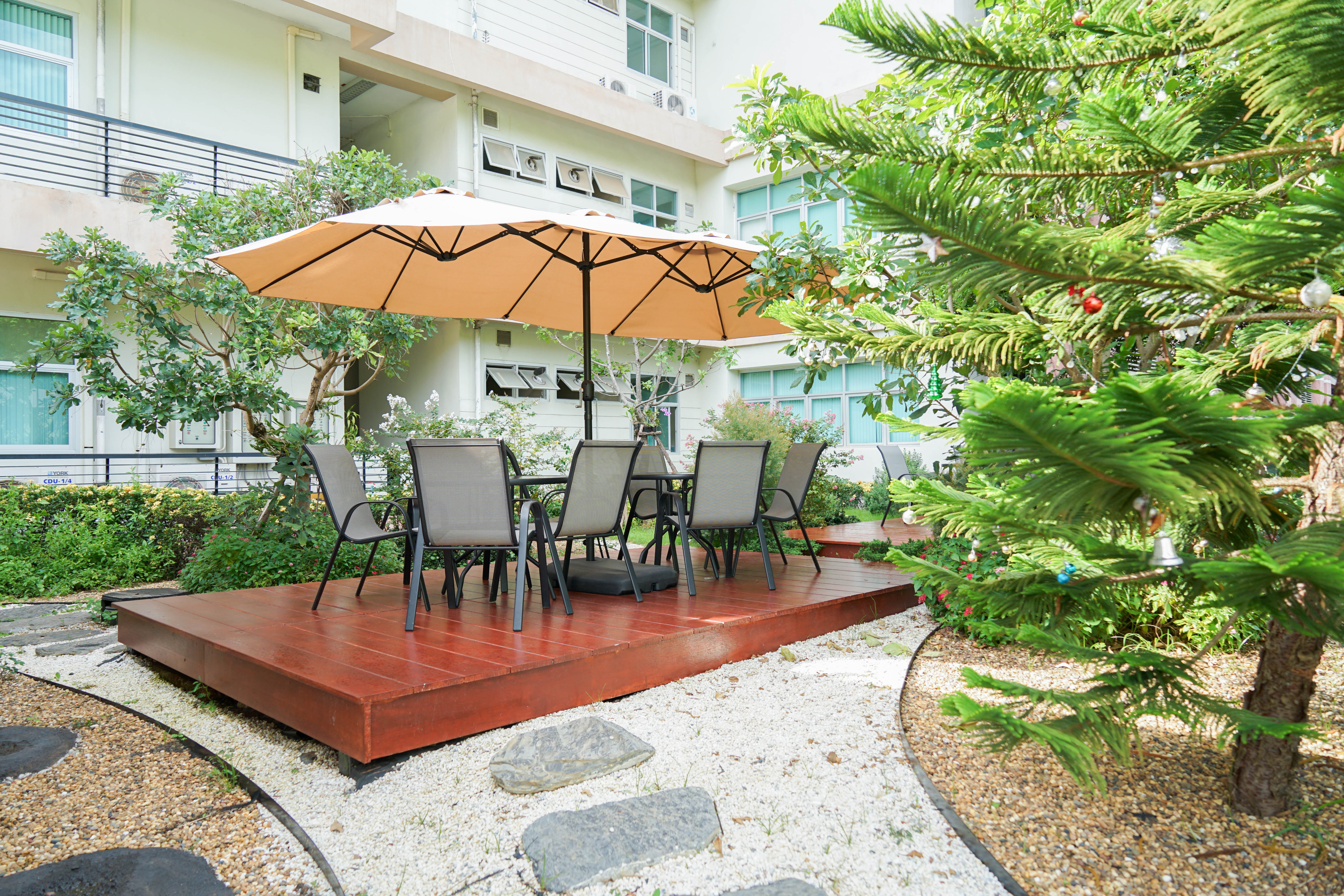
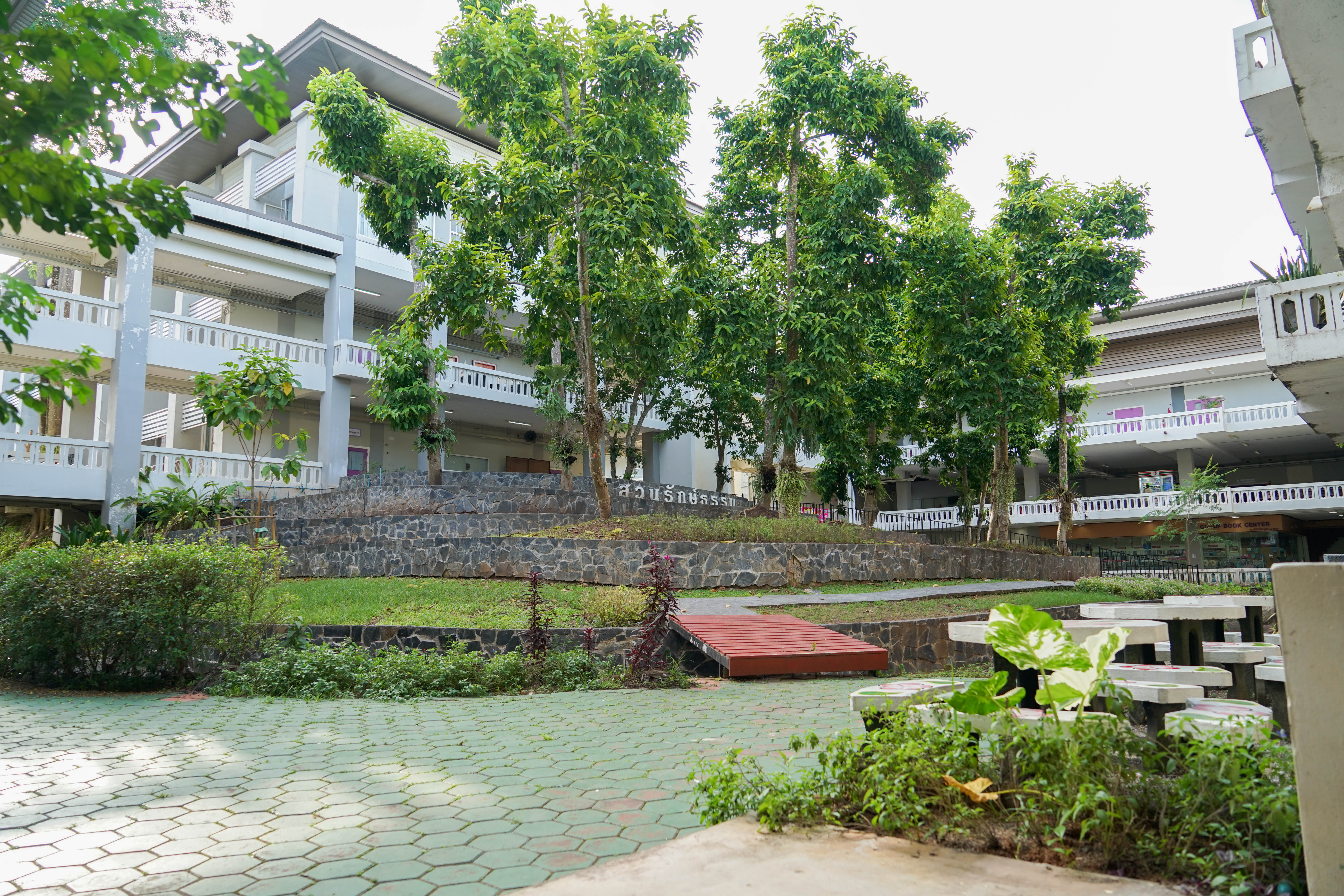
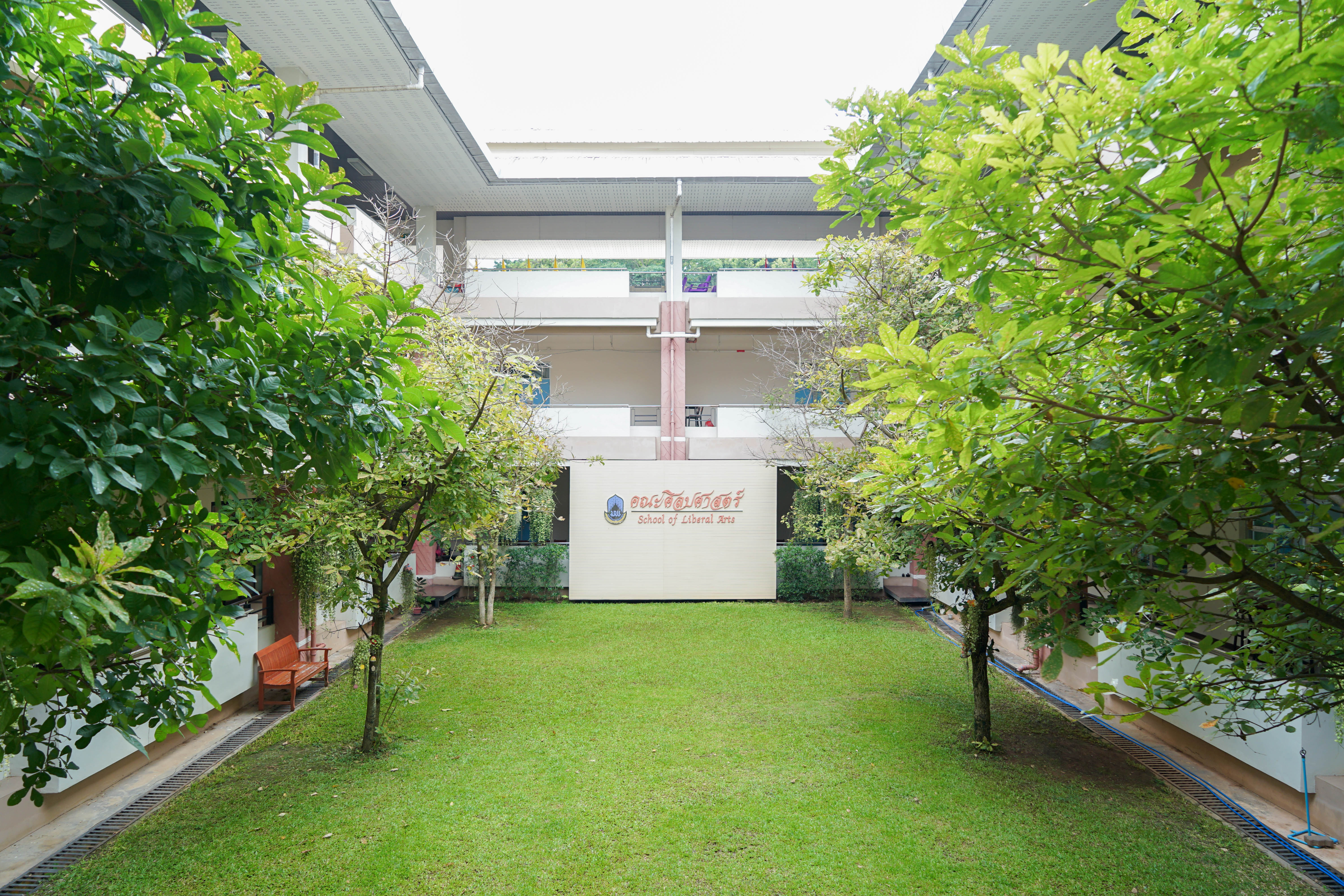
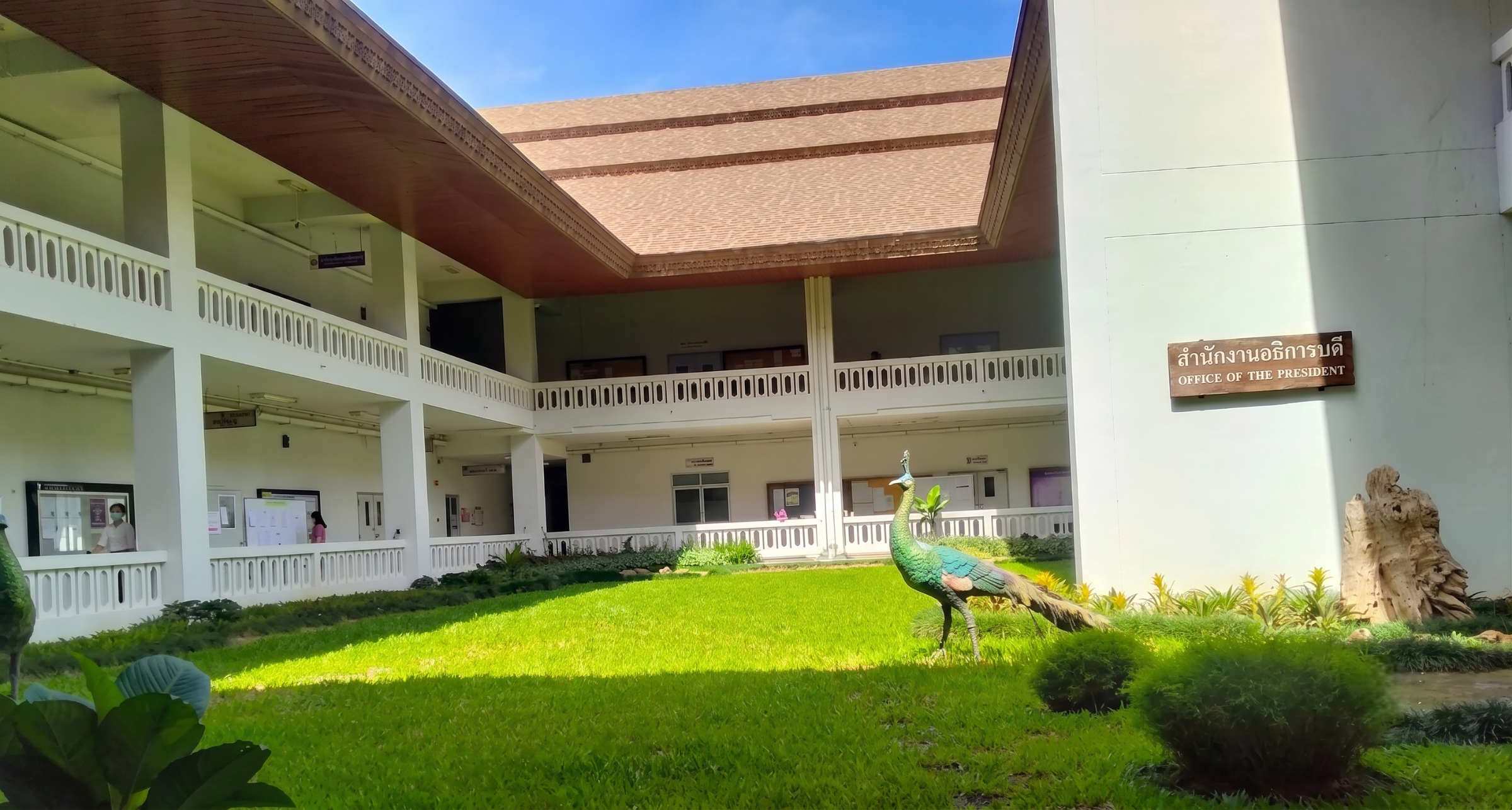
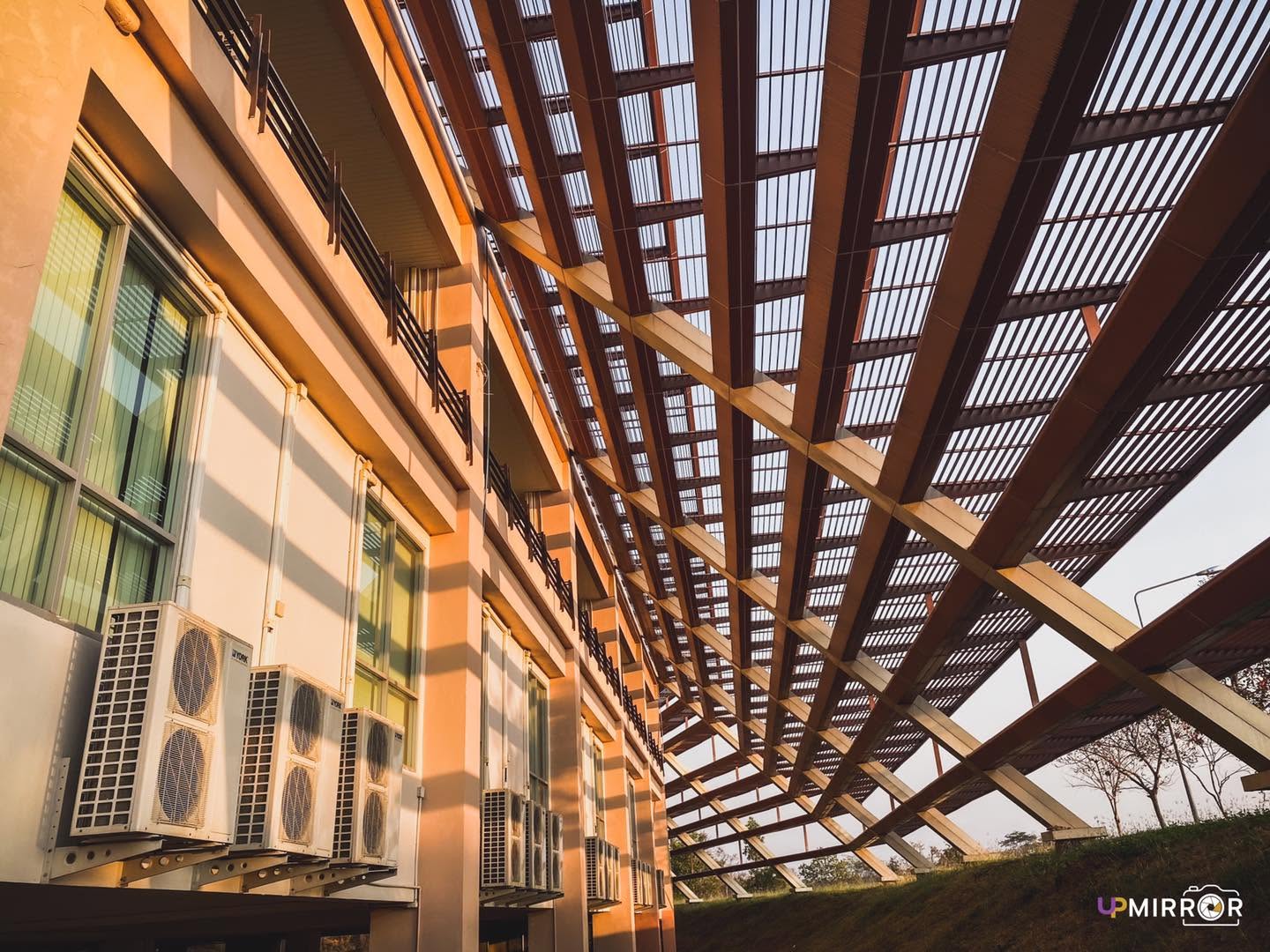
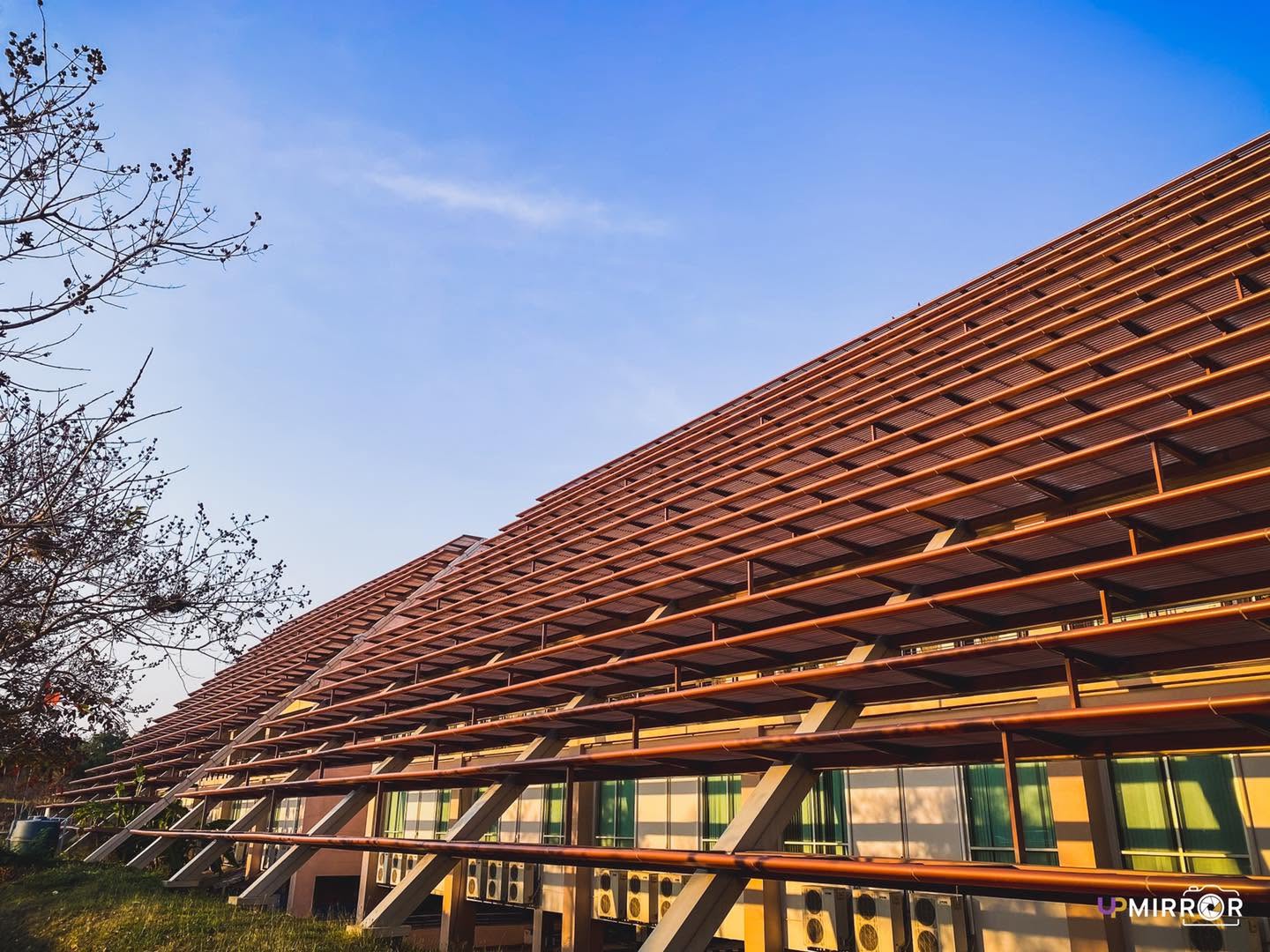
 Society and Policies: According to a criteria of Thai Green Building, University of Phayao has a policy to preserve green spaces by requiring new building size 1,000 square meters or more to have a green roof, green wall or install solar energy, at least 50% of the green roof area totally. All buildings in the university will have natural ventilation system, using a translucent roof, using of shading materials to reduce heat entering the building, and planting trees on the roof. As for the master plan of the university, the buildings that was constructed before, will be renovated. It is another challenge to improve the building to meet the green building criteria.
Green economic recovery: Demanding of energy - saving and environmental friendly buildings is increasing in all parts of the country as of the support, promotion and supervision of the government. According to a policy on energy conservation promotion and the Ministerial Regulations on the design of energy conservation buildings, Which clearly requires that the new building will have to build as environmental friendly in both energy and water saving, as well as increasing green space. This is an opportunity for University of Phayao to issue regulations on building construction which must be environmental friendly, electricity saving, and remain natural in the area. In addition, using all resources in the building worthwhile and to be a source of learning and observing of students and personnel.
"The UP Carbon" in the Context of Green Building involves implementing approaches and strategies to create buildings that have minimal environmental impact and use resources as efficiently as possible, meeting long-term sustainability needs.
Key approaches for Green Buildings include:
Society and Policies: According to a criteria of Thai Green Building, University of Phayao has a policy to preserve green spaces by requiring new building size 1,000 square meters or more to have a green roof, green wall or install solar energy, at least 50% of the green roof area totally. All buildings in the university will have natural ventilation system, using a translucent roof, using of shading materials to reduce heat entering the building, and planting trees on the roof. As for the master plan of the university, the buildings that was constructed before, will be renovated. It is another challenge to improve the building to meet the green building criteria.
Green economic recovery: Demanding of energy - saving and environmental friendly buildings is increasing in all parts of the country as of the support, promotion and supervision of the government. According to a policy on energy conservation promotion and the Ministerial Regulations on the design of energy conservation buildings, Which clearly requires that the new building will have to build as environmental friendly in both energy and water saving, as well as increasing green space. This is an opportunity for University of Phayao to issue regulations on building construction which must be environmental friendly, electricity saving, and remain natural in the area. In addition, using all resources in the building worthwhile and to be a source of learning and observing of students and personnel.
"The UP Carbon" in the Context of Green Building involves implementing approaches and strategies to create buildings that have minimal environmental impact and use resources as efficiently as possible, meeting long-term sustainability needs.
Key approaches for Green Buildings include:
Green Building
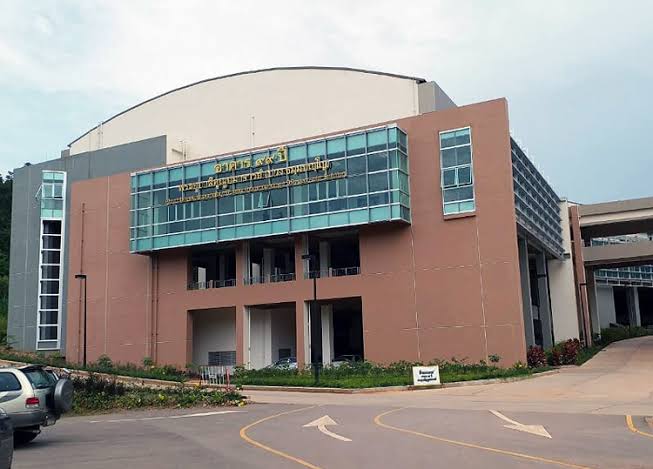
University of Phayao actively pursues initiatives to reduce energy consumption, promote the use of energy-efficient appliances, expand renewable energy deployment, address climate change, and increase green spaces across campus. These efforts aim to meet energy and climate-related challenges by 2023 and directly contribute to the United Nations Sustainable Development Goals (SDGs) 7, 13, and 15. To ensure access to modern, affordable, reliable, and sustainable energy, University of Phayao's energy and climate strategies are aligned with SDG 7 Affordable and Clean Energy and SDG 13 Climate Action. In this regard, the university has implemented comprehensive policies focusing on energy reduction, renewable energy utilization, and greenhouse gas emission mitigation. Key measures include the adoption of energy-efficient appliances, the development of smart and green buildings, monitoring and optimizing overall electricity consumption, implementing energy conservation initiatives, and establishing programs to address climate change through both mitigation and adaptation strategies. Furthermore, University of Phayao encourages investment in energy infrastructure and clean energy technologies while facilitating access to research and innovation in areas such as energy efficiency, renewable energy, and cleaner fossil-fuel technologies. These efforts support the university's goal of fostering sustainable energy practices and advancing knowledge in climate-resilient technologies. Several newly constructed green buildings on campus exemplify University of Phayao's commitment to sustainability, including the President Building, Information Technology and Communication Building, General Instruction Building, and General Instruction Building CE 3-8 and CE 9-12. These buildings reflect the integration of resource-efficient design and environmentally conscious practices throughout every stage of the building life cycle, including planning, design, construction, operation, maintenance, repair, and eventual demolition. Additionally, all building designs comply with Thailand's Designing of Energy Conservation Building, 2009 standards. Through these comprehensive initiatives, University of Phayao demonstrates leadership in promoting energy efficiency, advancing renewable energy adoption, and contributing to climate change mitigation and adaptation, while fostering sustainable development and environmental responsibility across the campus community.-
Green Roofs / Solar Roofs / Vegetative Roofing Alternatives
Green roofs and solar roofs integrate vegetation or solar panels on the rooftop surface, providing multiple benefits. Vegetative roofs reduce heat absorption, lower the urban heat island effect, improve stormwater management, and enhance insulation. Solar roofs contribute to renewable energy production, helping to reduce reliance on fossil fuels and lower the building's carbon footprint. -
Low VOC Paints
Low Volatile Organic Compound (VOC) paints limit the release of odorous, harmful, or irritating chemicals into indoor air. This not only improves indoor air quality but also enhances occupant comfort and health by reducing exposure to toxic substances. Using low VOC paints aligns with sustainable building practices and environmental health standards. -
LED Light Bulbs / Energy-Efficient Bulbs
LED and other energy-efficient lighting technologies consume significantly less electricity than traditional incandescent or fluorescent bulbs while producing less heat. This reduces overall energy demand, lowers operational costs, and contributes to climate change mitigation by decreasing greenhouse gas emissions associated with electricity generation. -
Using Local Materials
Sourcing construction materials locally reduces transportation distances, thereby lowering energy consumption and associated carbon emissions. Local materials also support the regional economy and often have environmental advantages, such as lower embodied energy and better adaptability to local climate conditions. -
Tree Preservation and Relocation
Preserving existing trees and relocating mature trees whenever necessary ensures the protection of biodiversity and maintains the ecological balance on campus. Trees provide shade, reduce urban heat, improve air quality, and contribute to aesthetic and psychological well-being. -
Water-Efficient Appliance Usage
Installing water-efficient appliances, such as low-flow faucets, toilets, and irrigation systems, minimizes water consumption and promotes sustainable water management. This is particularly important for regions facing water scarcity and supports the university's overall resource conservation goals. -
Energy-Efficient Appliance Usage
Using appliances with high energy efficiency ratings reduces electricity consumption while maintaining performance. This includes HVAC systems, laboratory equipment, kitchen appliances, and office electronics. Energy-efficient appliances contribute to lower utility costs and support University of Phayao's energy reduction policies. -
Natural Ventilation and Natural Light
Designing buildings to maximize natural ventilation and daylight reduces dependence on mechanical heating, cooling, and artificial lighting systems. This approach enhances occupant comfort, reduces energy consumption, and improves indoor environmental quality, supporting both sustainability and human well-being. -
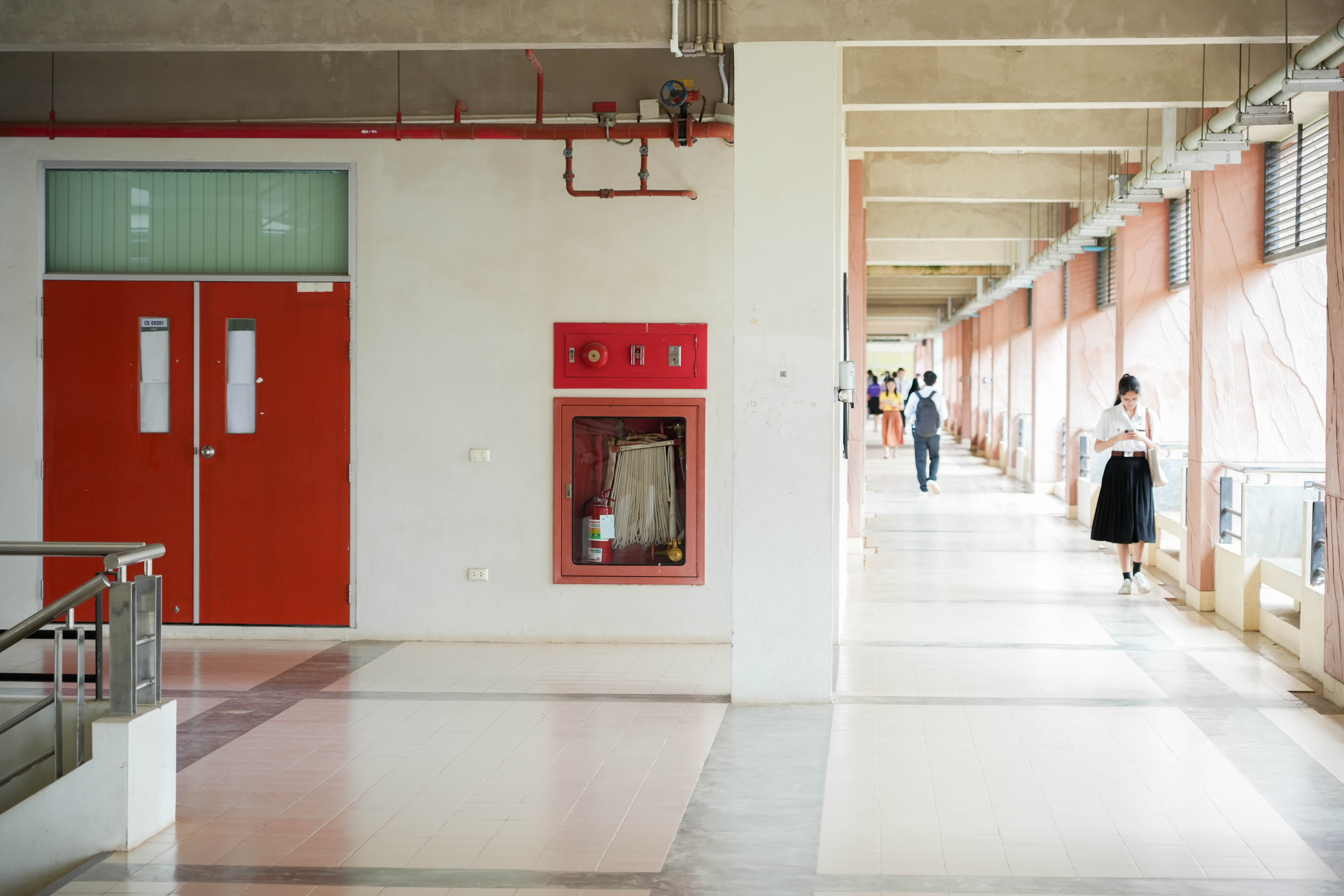
Safety & Emergency System Installation
Ensuring the installation of comprehensive safety and emergency systems—including fire alarms, sprinklers, emergency exits, and monitoring systems—ensures occupant safety and aligns with regulatory compliance. These systems protect both people and assets while integrating seamlessly with sustainable building design. -
Alternative Transportation
Promoting alternative transportation within the campus, such as bicycles, carpooling, vanpooling, bus transit, and safe pedestrian walkways, reduces carbon emissions associated with private vehicle use. These measures also encourage healthier lifestyles, improve accessibility, and support the university's commitment to sustainable mobility.
Wind channels and air circulation systems
Indoor gardens or spaces with plants
Use of Sunlight-Blocking Materials to Reduce Heat: The building incorporates materials that block or reflect sunlight, reducing the amount of heat entering the building. This method improves energy efficiency and enhances indoor comfort by minimizing the need for air conditioning.
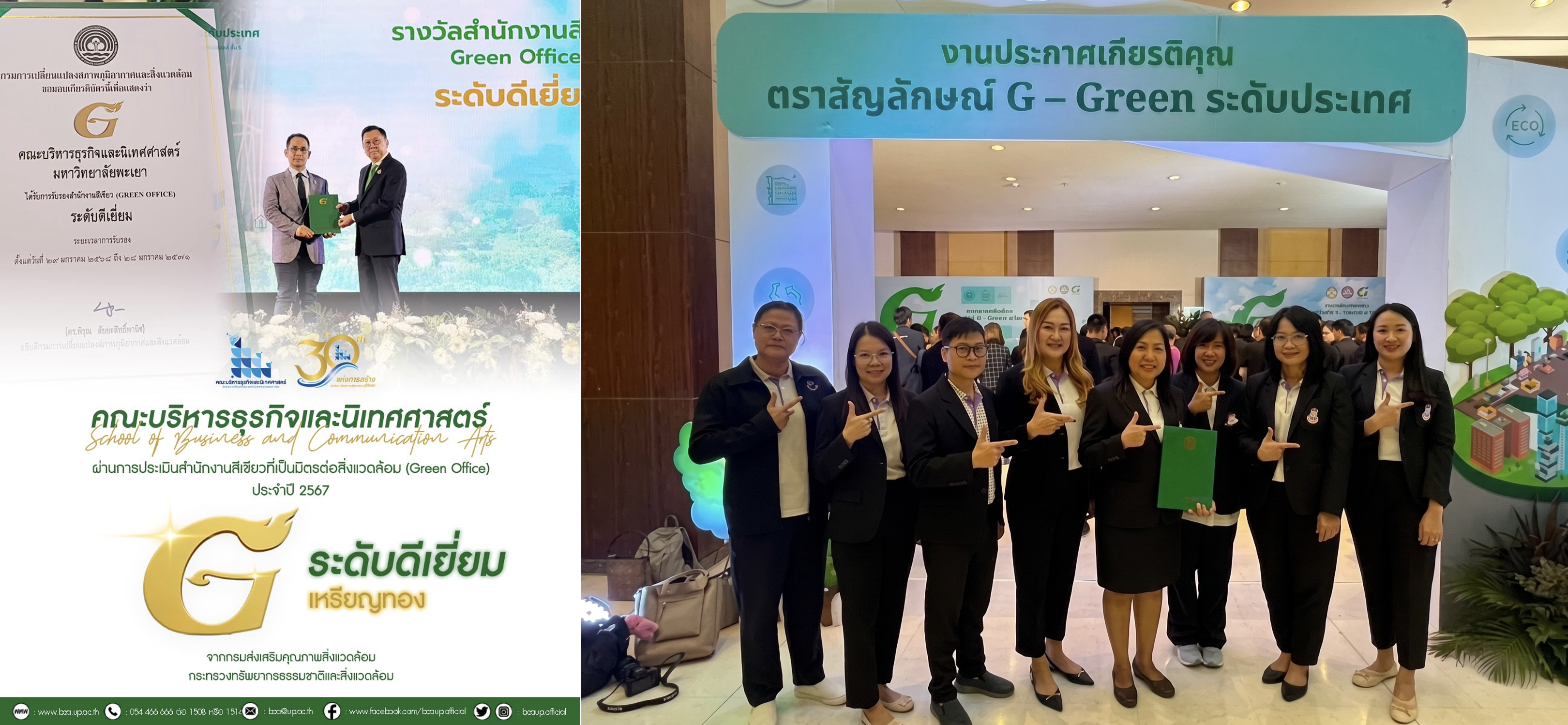
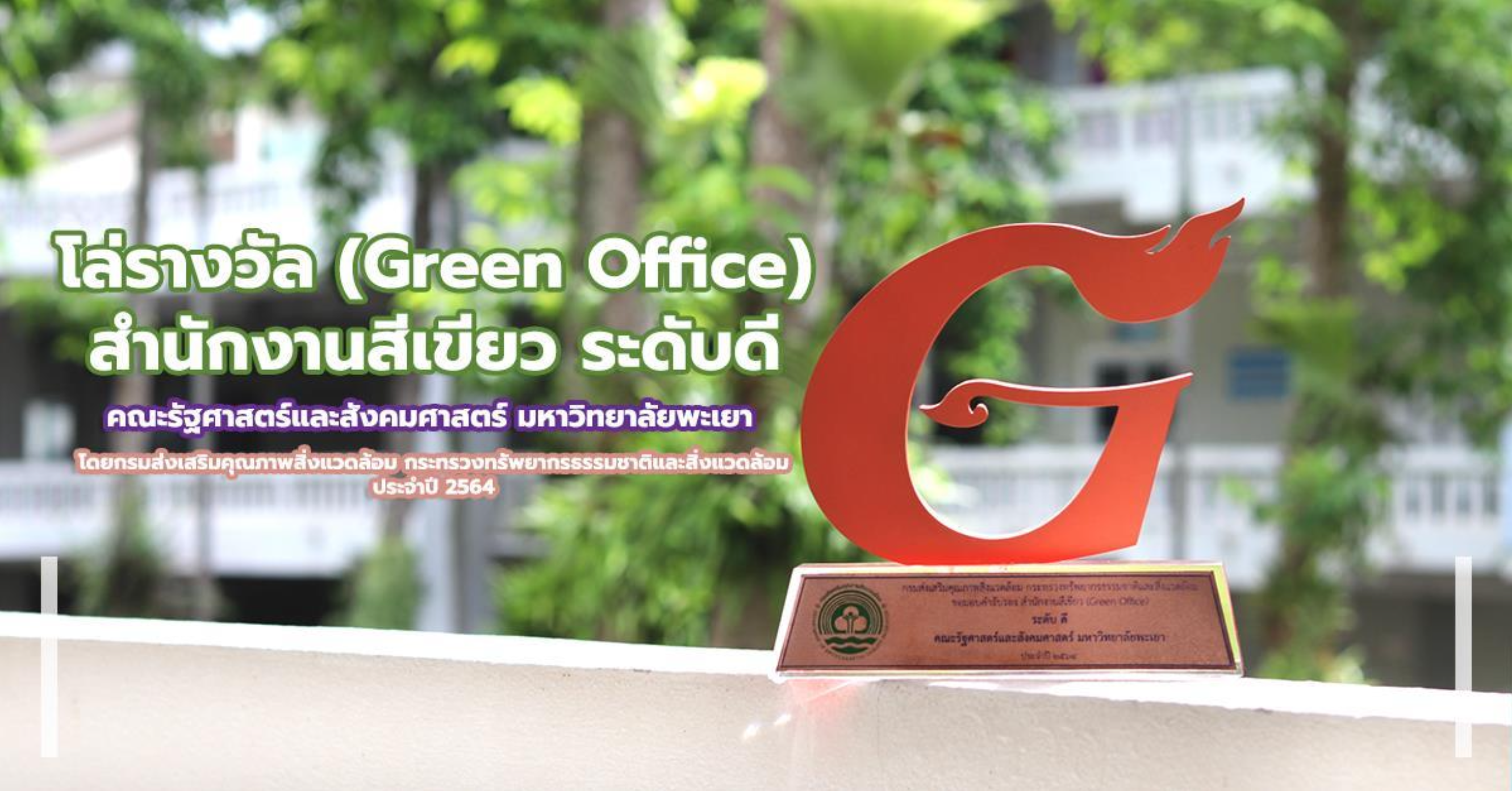
The Green Office
The G-Green Plaque of Honor for the year 2026 is held to honor the accredited agencies of the Green Office by recognizing environmental protection. Energy saving including the selection of materials and office equipment and managed waste or pollution which has certified agencies to assess the green office, University of Phayao Realized the importance of participating in the green office project that is environmentally friendly. Sent 9 agencies to participate in the contest (4 gold shield 3 silver shield and 2 bronze shield) with more than 2021 gold levels (2 gold shield 4 silver shield and 4 bronze shield)
- Energy Efficiency: Installing energy-saving devices, using LED lighting systems that consume less energy, and designing buildings to maximize natural light to reduce electricity use.
- Water Efficiency: Implementing wastewater treatment systems that allow water to be reused and installing water-saving devices within buildings.
- Sustainable Materials: Selecting environmentally friendly, recycled, or reusable construction materials while minimizing the use of toxic substances harmful to health.
- Reducing Carbon Emissions: Decreasing reliance on energy sources emitting carbon dioxide by using renewable energy such as solar panels and designing buildings that reduce the need for heating and cooling.
- Waste Management: Promoting recycling and managing construction waste by designing buildings that minimize waste generation and effectively managing waste in the long term.
- Environmentally Responsive Design: Designing buildings that adapt to the site's environment, such as utilizing sunlight, managing wind direction, and selecting suitable materials and technologies for the climate.
- Renewable Energy Integration: Installing solar panels or wind turbines to reduce dependence on non-renewable energy sources.
- Green Building Certification: Many organizations aim to meet certification standards such as LEED (Leadership in Energy and Environmental Design) or the WELL Building Standard, ensuring that the building meets criteria for efficient use of energy and resources.