Anti-Corruption and Integrity System of the University
Good governance, integrity, and transparency are central to University of Phayao's long-term sustainability, directly supporting UN Sustainable Development Goal 16: Peace, Justice, and Strong Institutions. The university runs a comprehensive Anti-Corruption and Integrity System built around four pillars.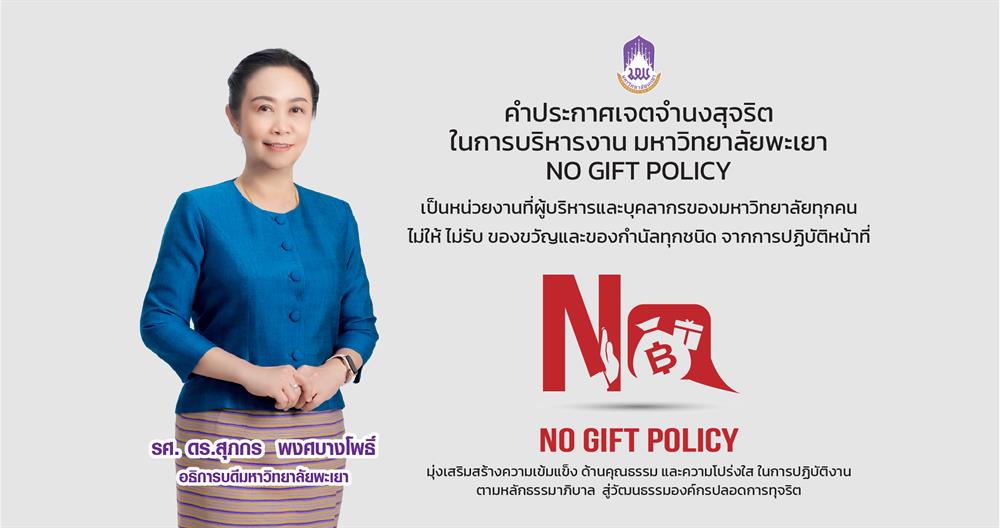
Anti-corruption and integrity system at University of Phayao
1. Institutional Policy and Leadership Commitment
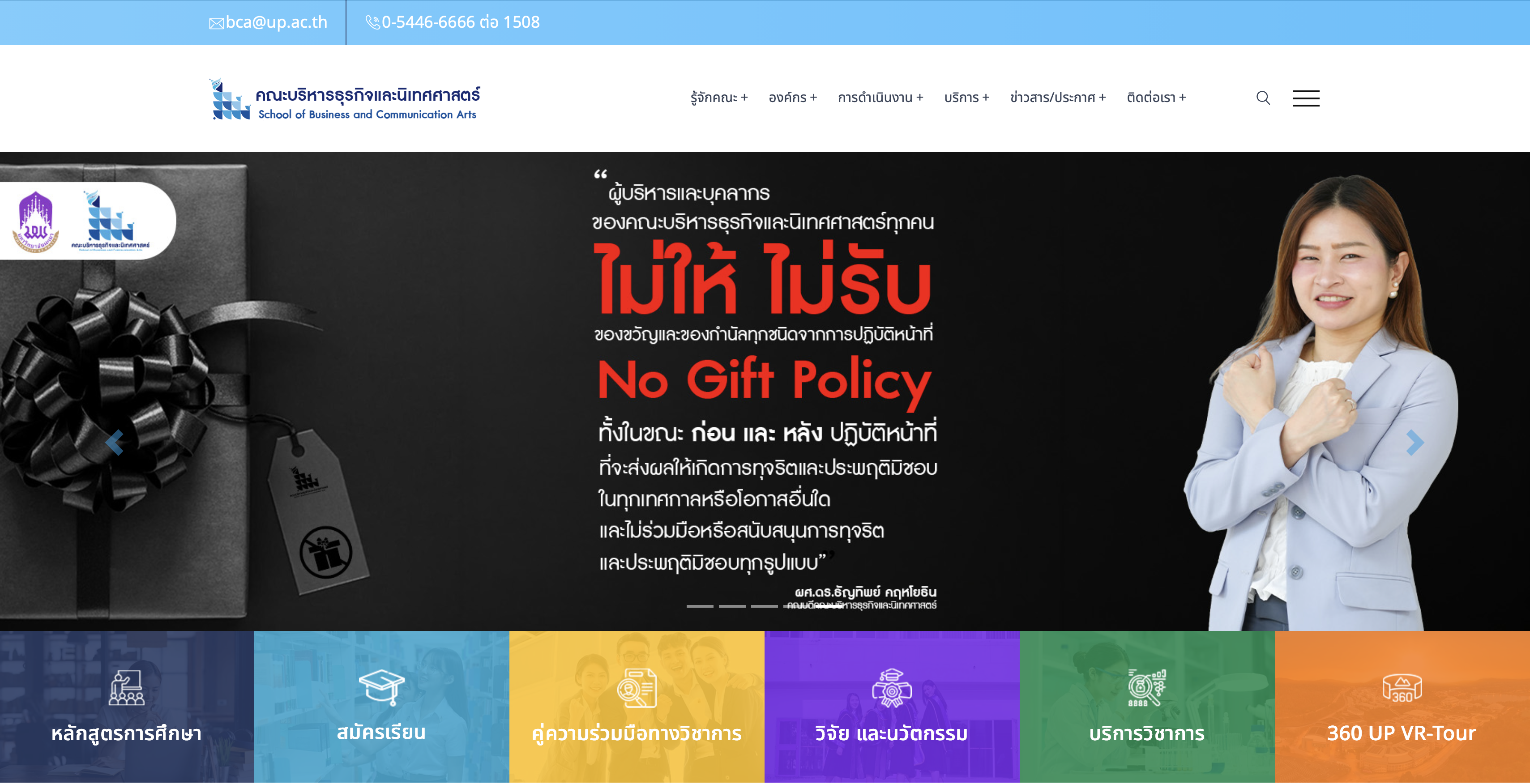
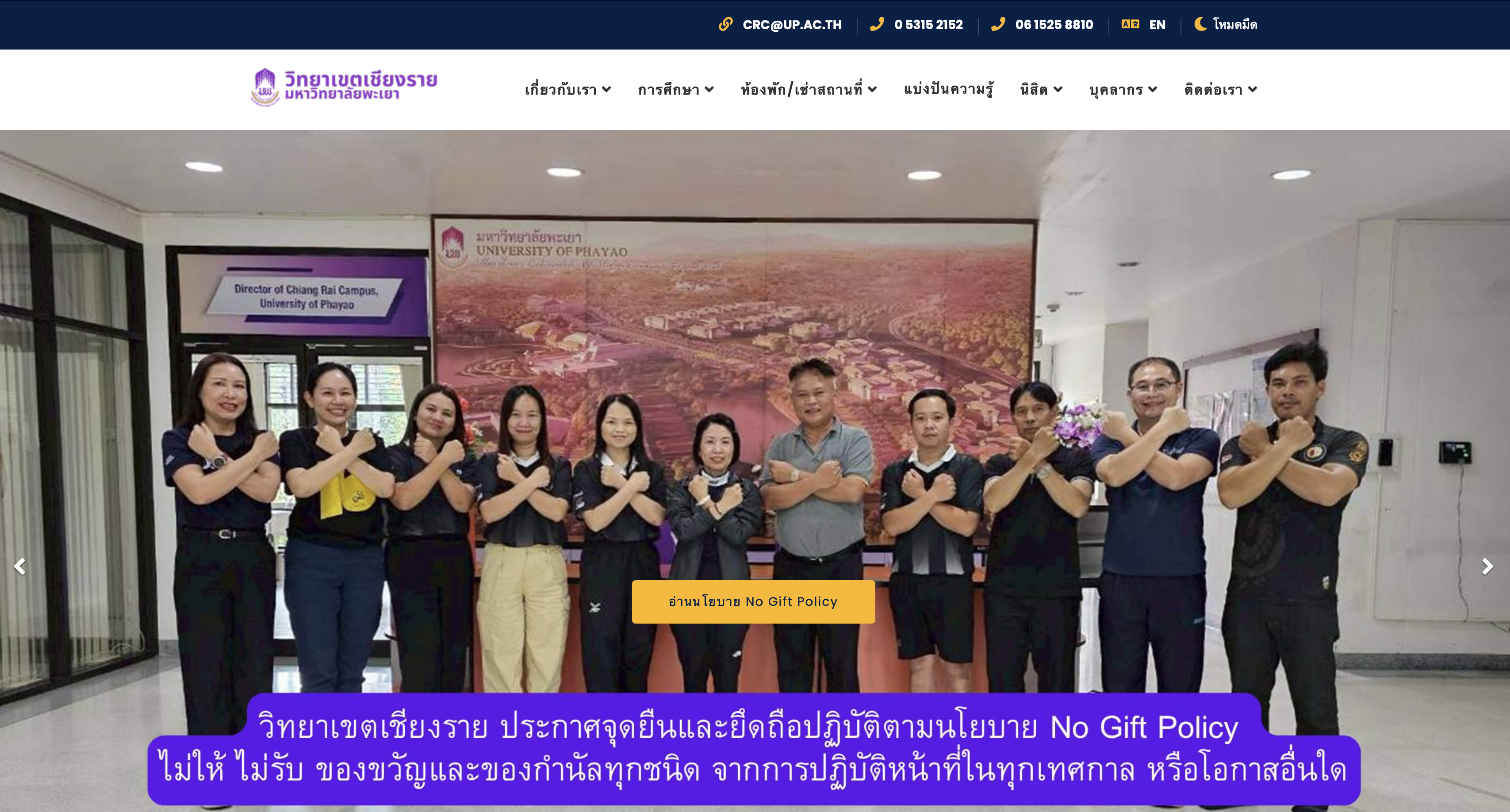
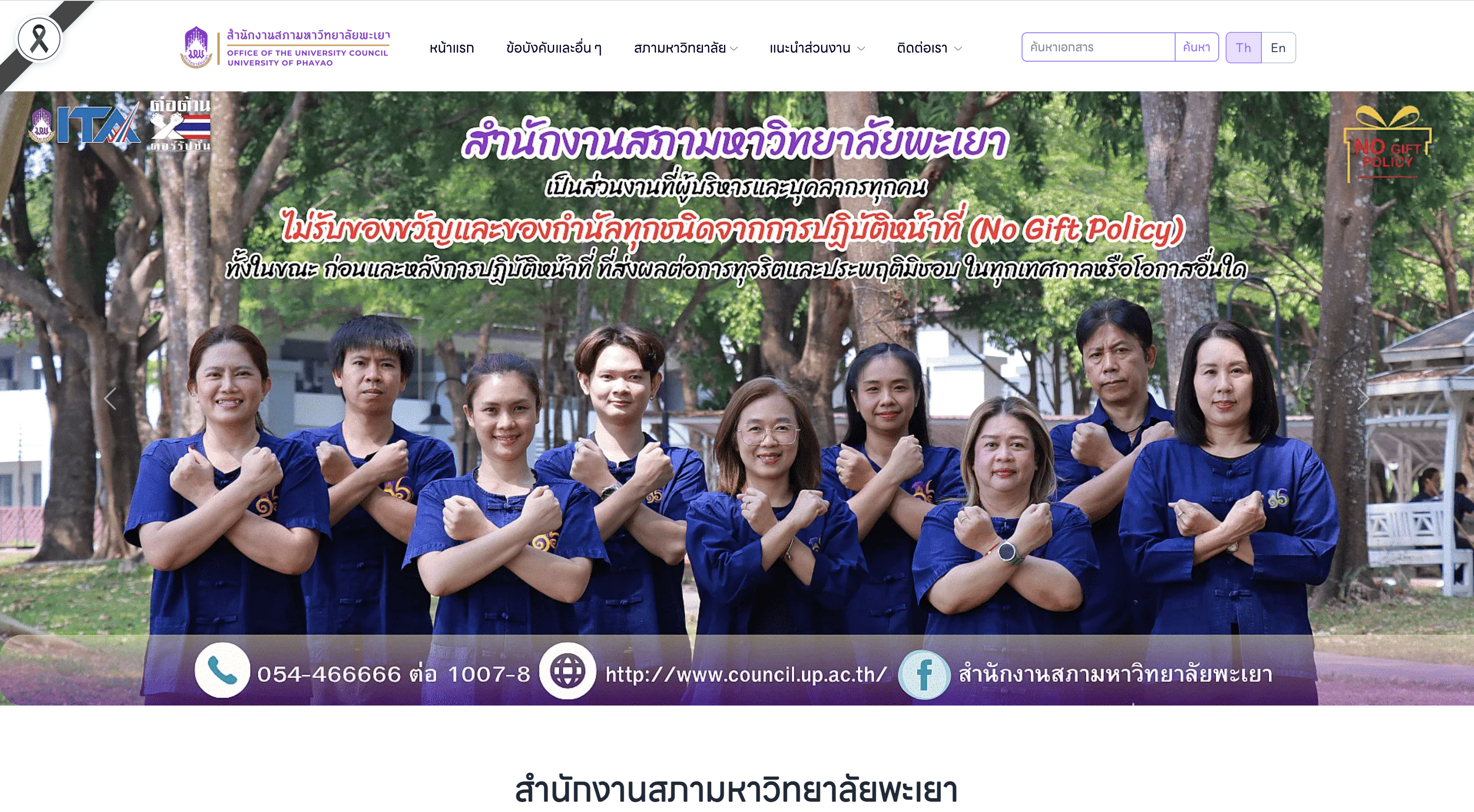
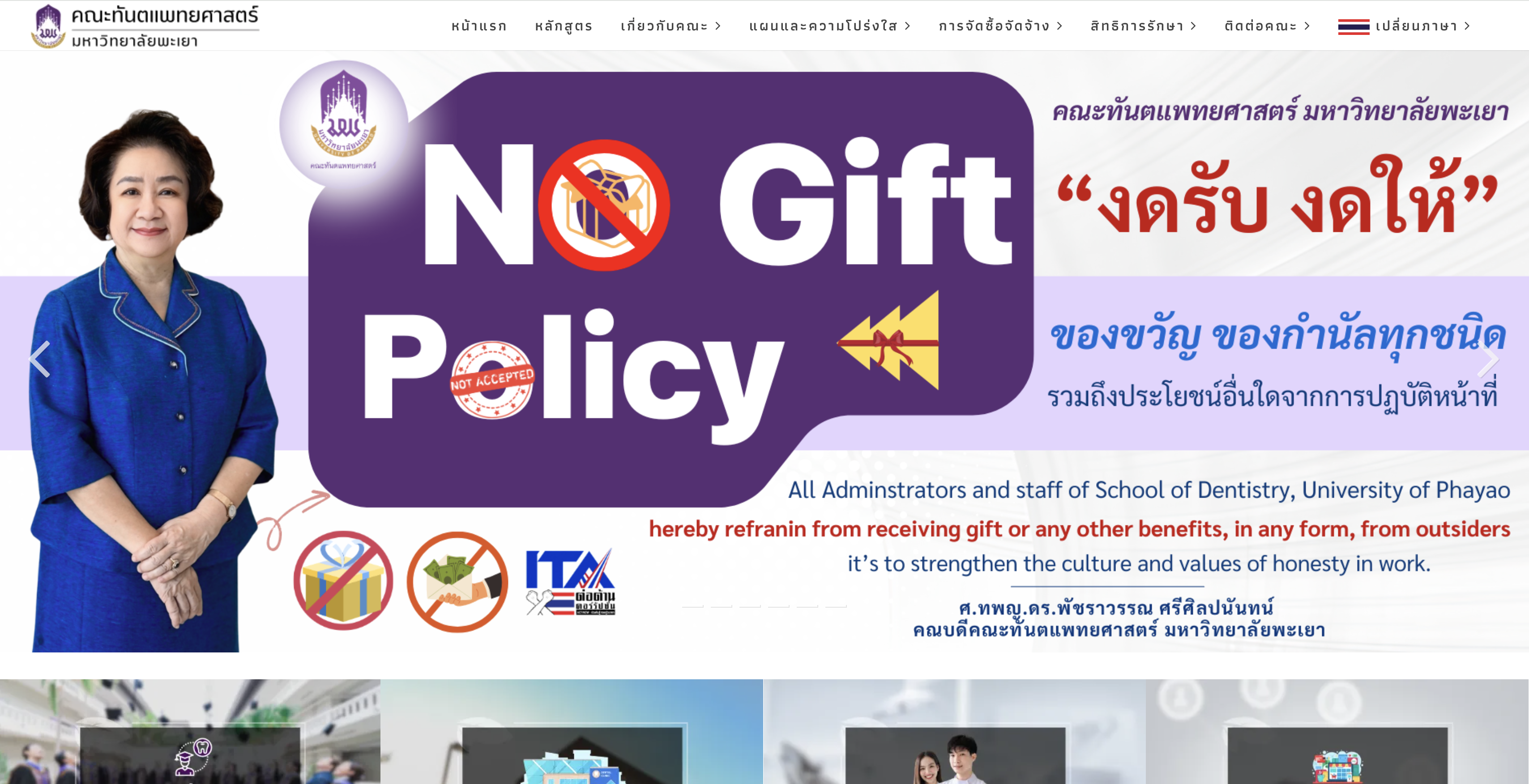
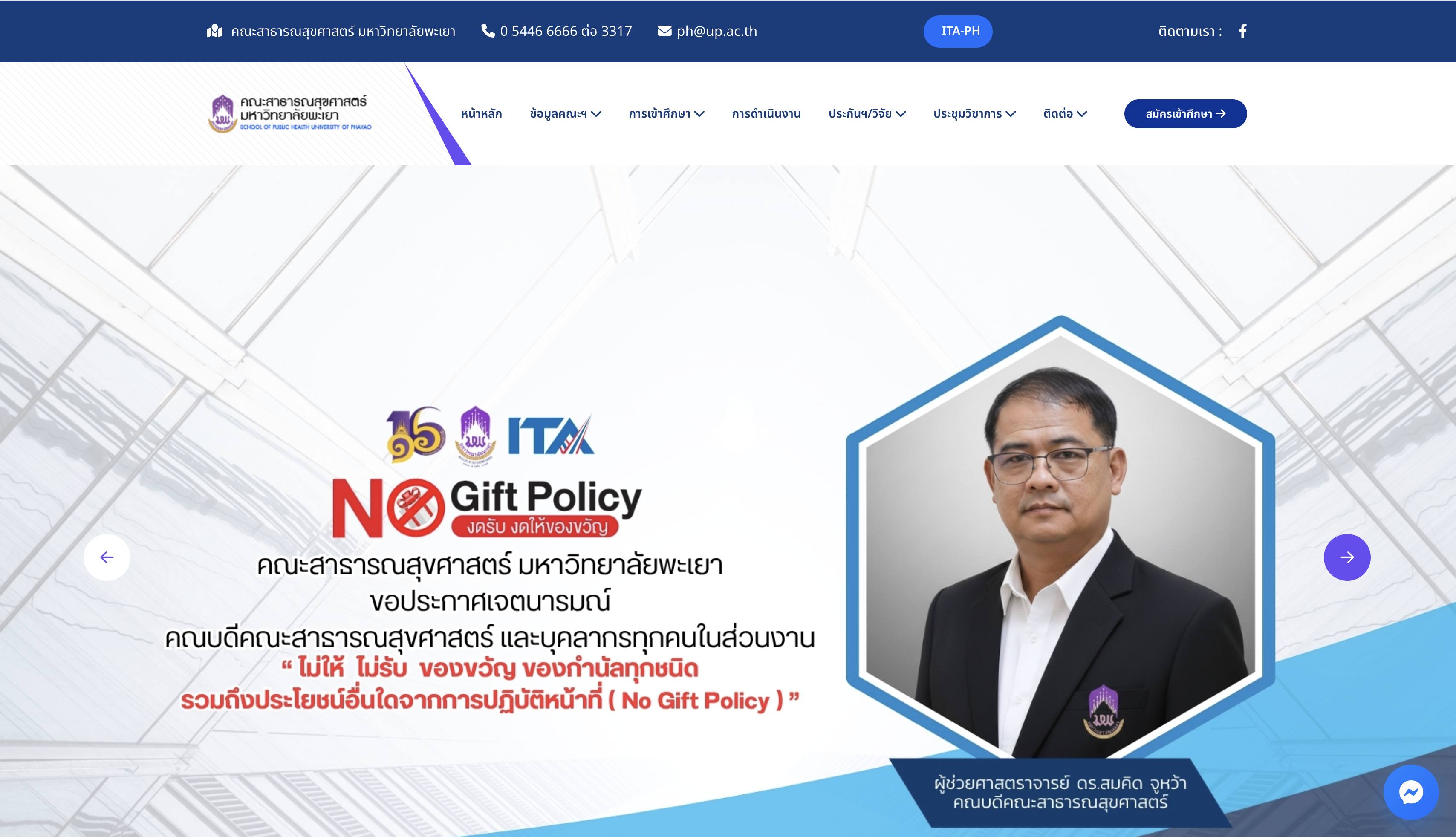
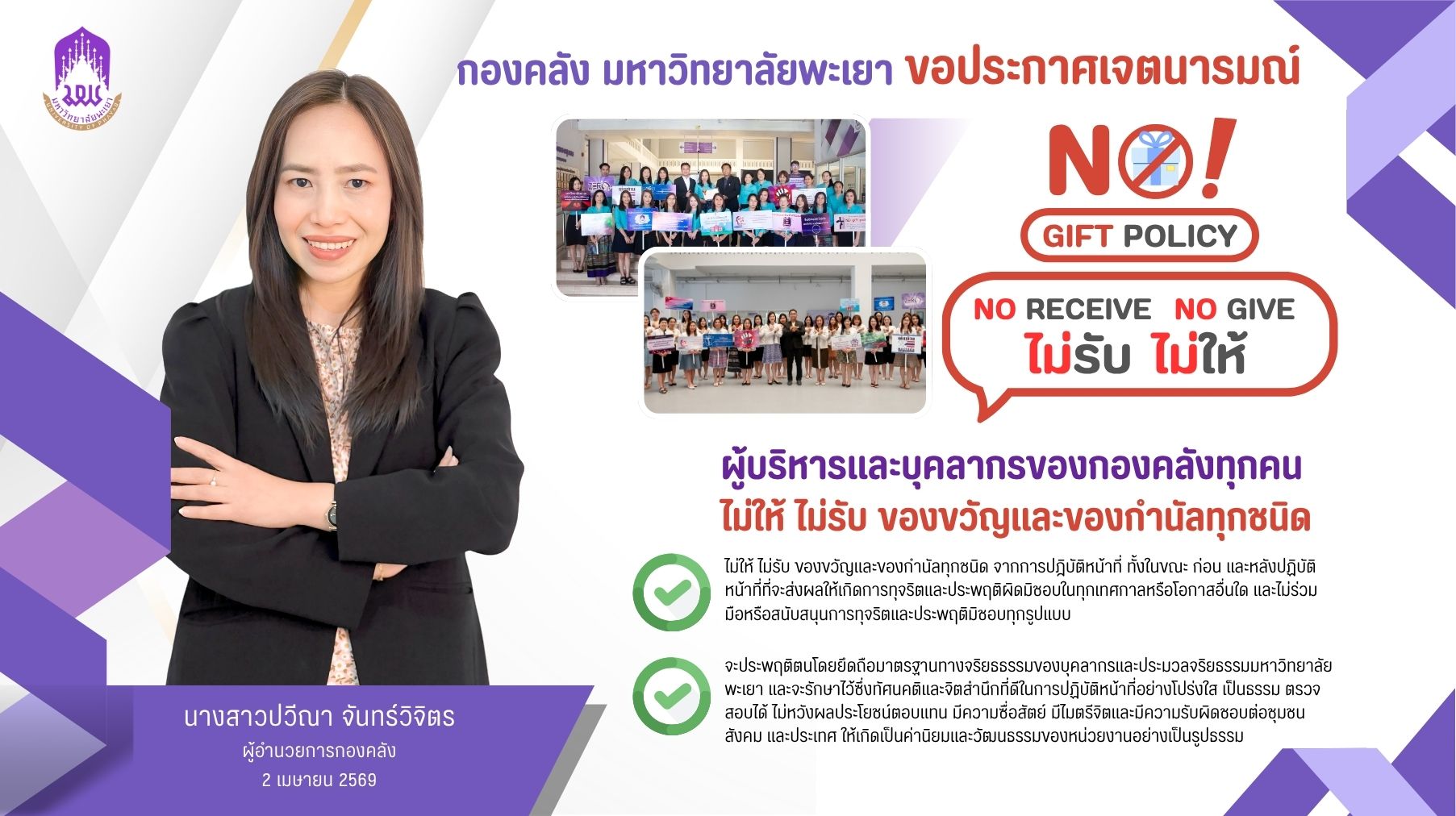
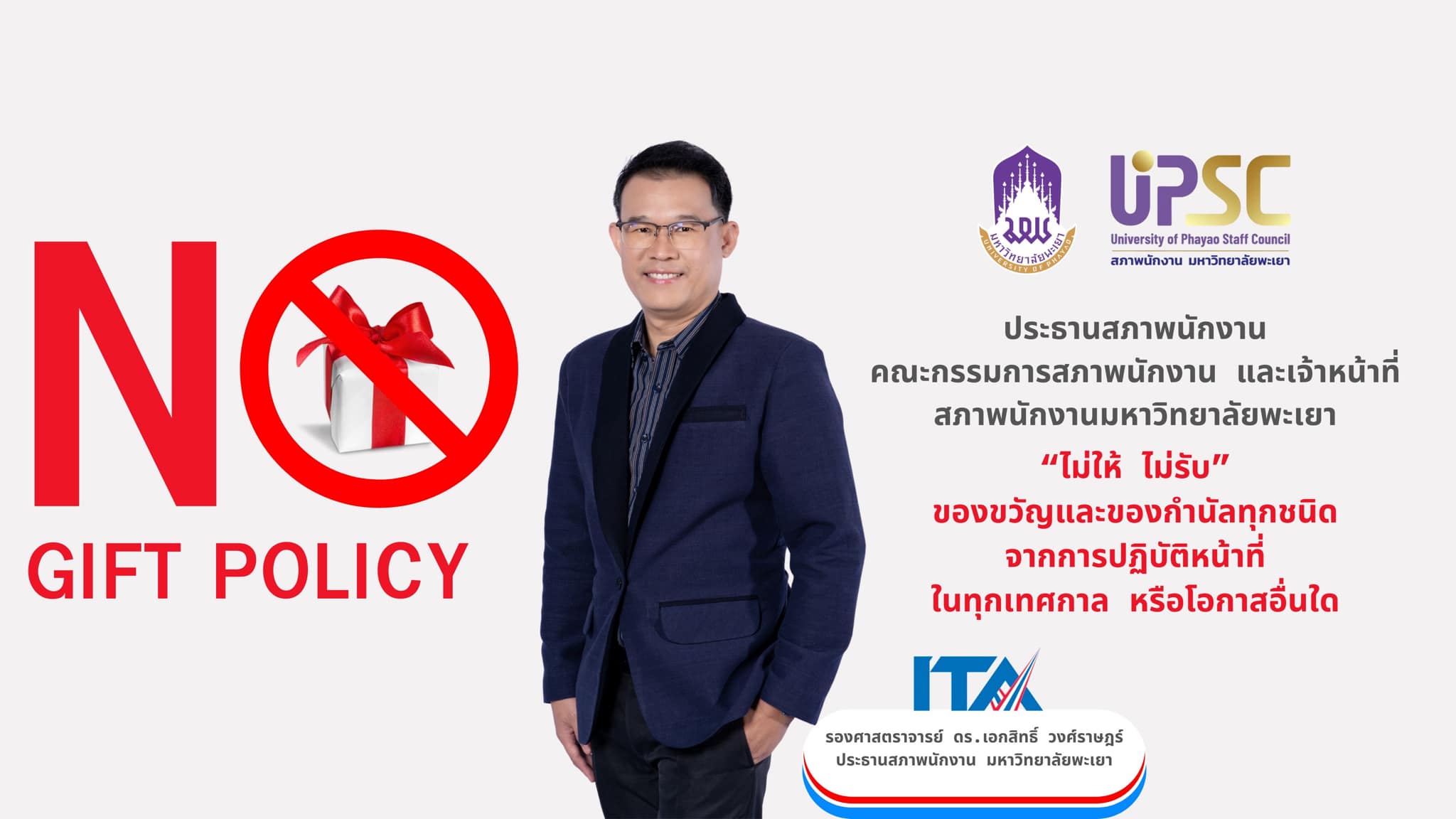
At University of Phayao, ethical leadership and institutional sustainability go hand in hand. Initiated by the University Council and driven by the President and executive board, the university enforces an anti-corruption framework that turns policy into everyday campus culture.Central to this commitment is the "No Gift Policy," which applies to every faculty, research center, and administrative division. It requires all personnel to decline gifts, hospitality, or anything of value from external contractors or stakeholders, ensuring impartial decision-making.
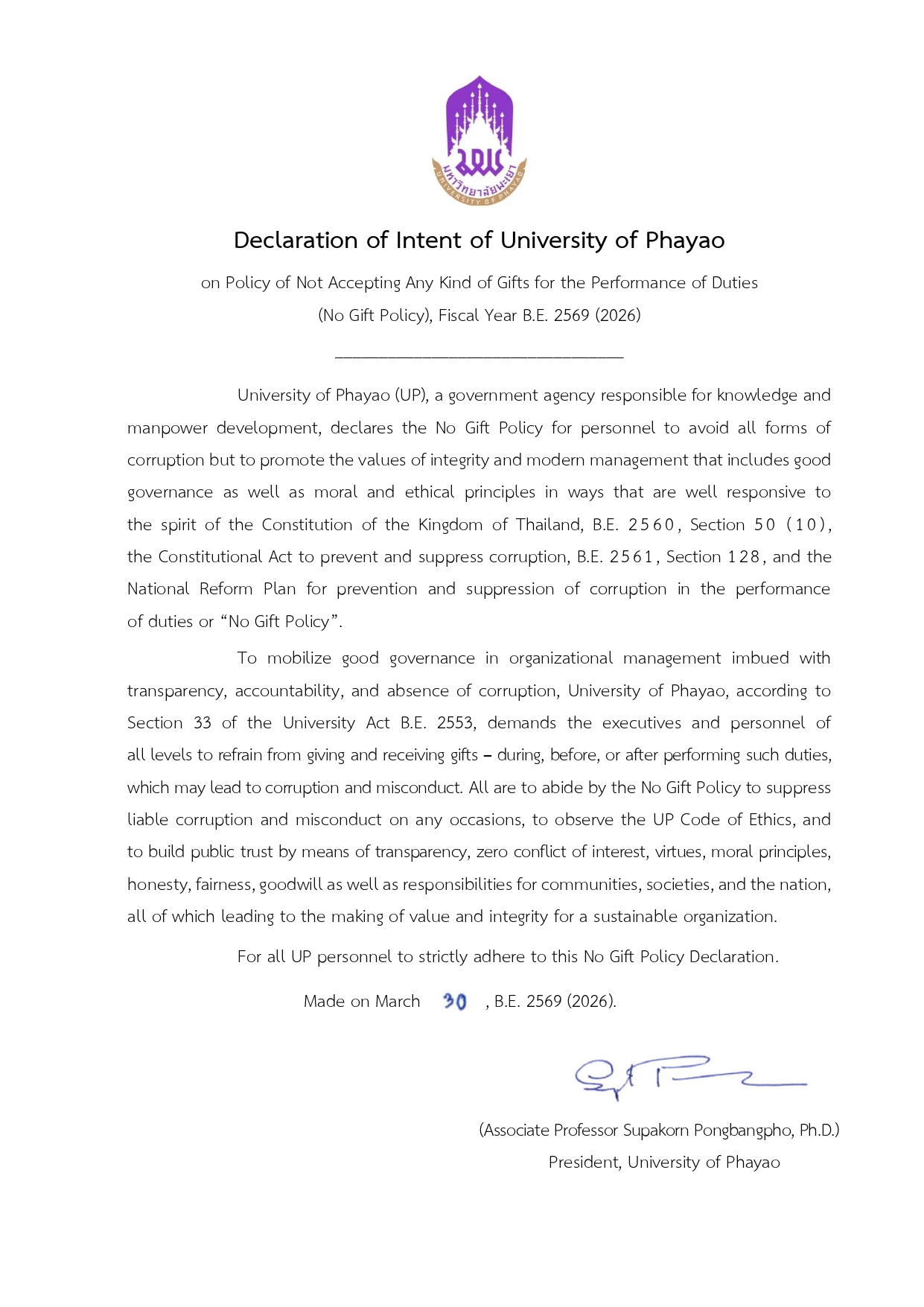
"To mobilize good governance in organizational management imbued with transparency, accountability, and absence of corruption, University of Phayao demands the executives and personnel of all levels to refrain from giving and receiving gifts — during, before, or after performing such duties, which may lead to corruption and misconduct. All are to abide by the No Gift Policy to suppress liable corruption and misconduct on any occasions, to observe the UP Code of Ethics, and to build public trust by means of transparency, zero conflict of interest, virtues, moral principles, honesty, fairness, goodwill as well as responsibilities for communities, societies, and the nation, all of which leading to the making of value and integrity for a sustainable organization."
Declaration of Intent of University of Phayao, on Policy of Not Accepting Any Kind of Gifts for the Performance of Duties (No Gift Policy), Fiscal Year 2026
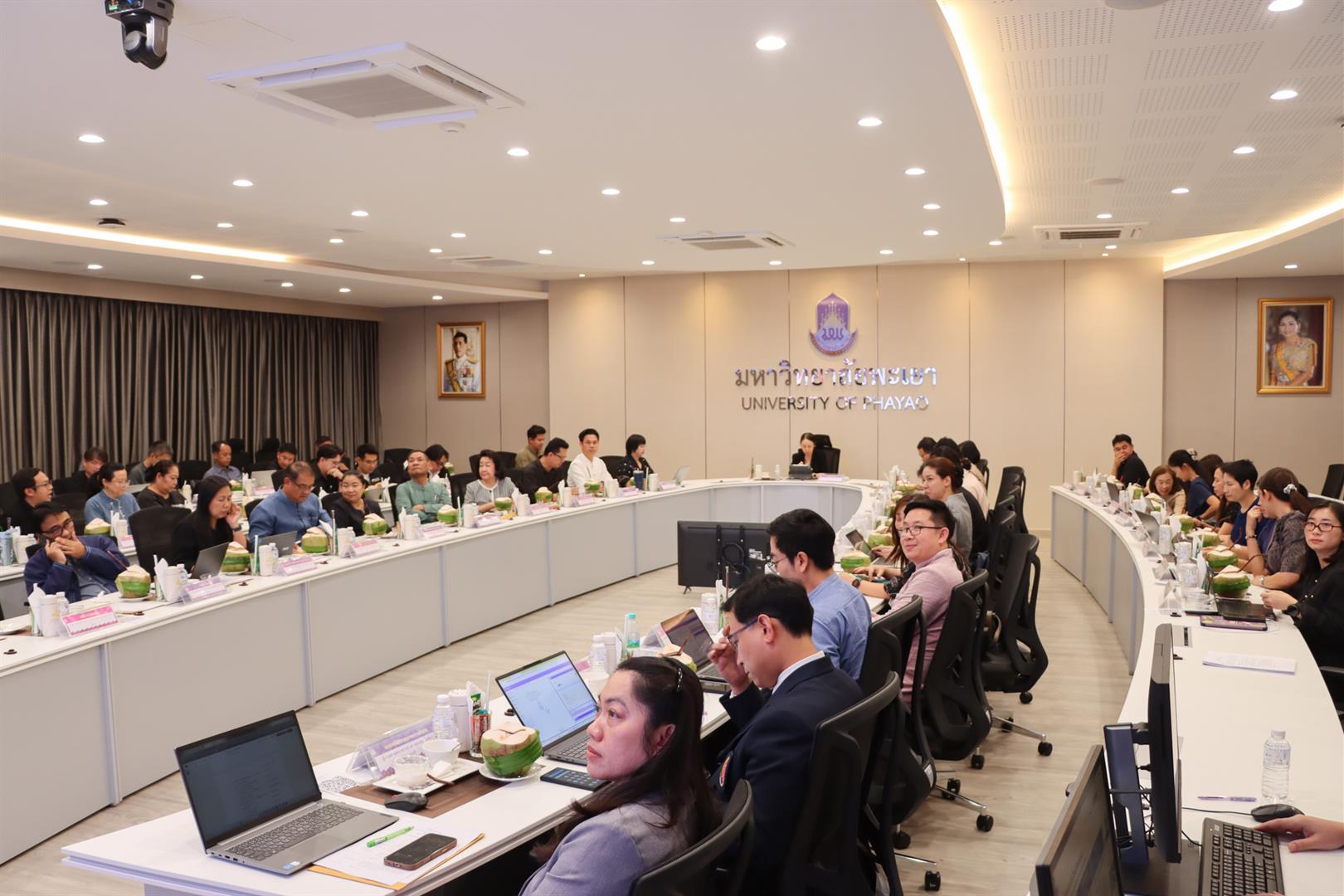
The President, administrators, and staff jointly announced their commitment to the No Gift Policy for fiscal year 2026 at the 18th Meeting (1/2026). Key resolutions from the meeting:
- The President presented the No Gift Policy guidelines to the meeting, in line with the university's official Announcement of Intent on "No Giving, No Receiving of Gifts and Tokens of All Kinds from the Performance of Duties" for Fiscal Year 2026, dated March 30, 2026.
- The Vice President for Policy and Planning and the Assistant to the President outlined the assessment calendar and process — both the national Integrity and Transparency Assessment (ITA) for public agencies and the university's own UP ITA system for internal units — along with overall progress for Fiscal Year 2026.
- The President and committee members briefed attendees on the ethical criteria for state officials receiving property or benefits, under Section 128 of the Organic Act on Anti-Corruption 2018 and the related 2020 Notification of the National Anti-Corruption Commission (NACC).
- Heads of academic and administrative units were tasked with declaring their units' compliance with the No Gift Policy, overseeing adherence to the ethical criteria for receiving property or benefits, and coordinating each unit's UP ITA assessment with its Integrity and Transparency Working Group for Fiscal Year 2026.
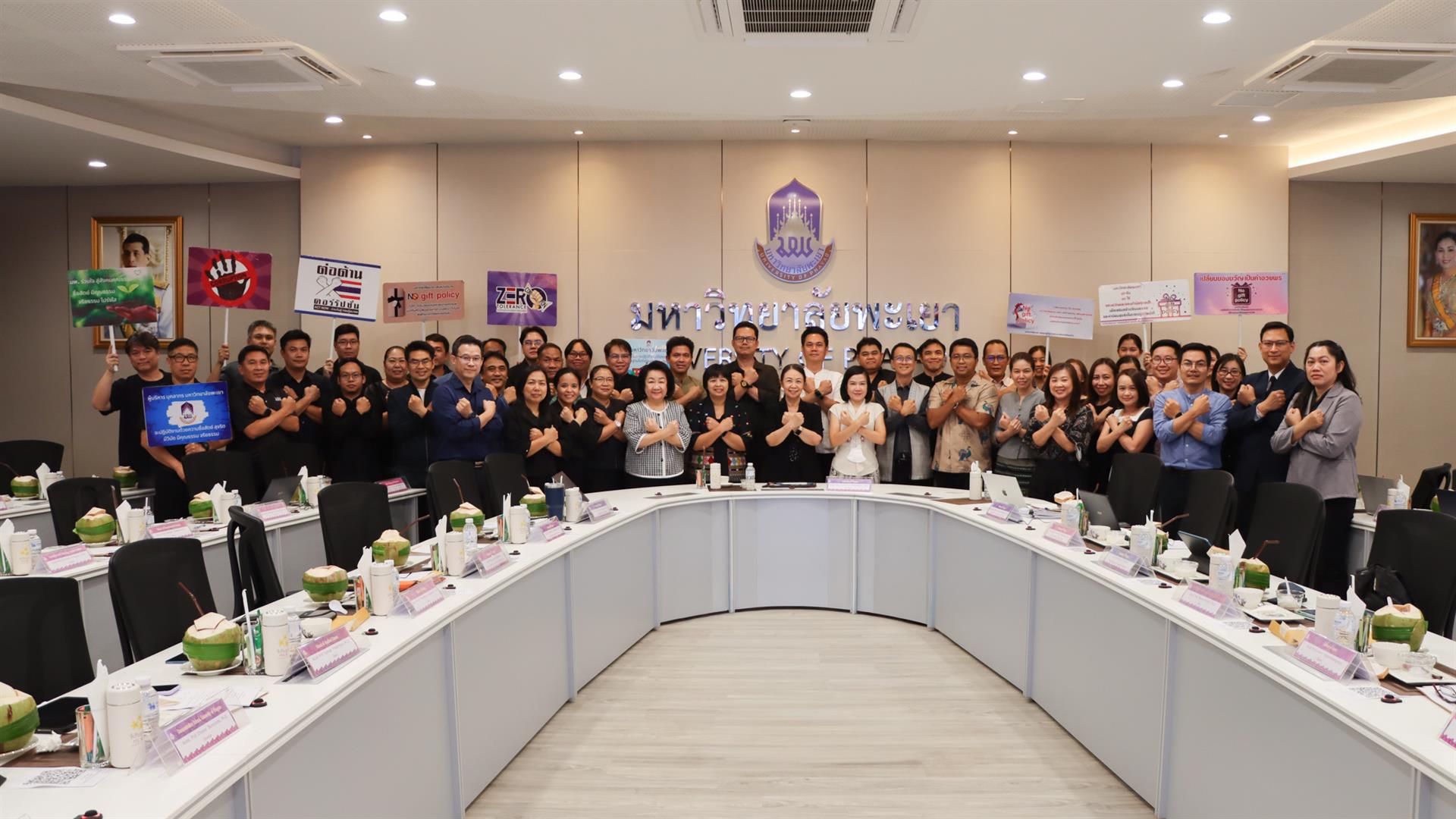
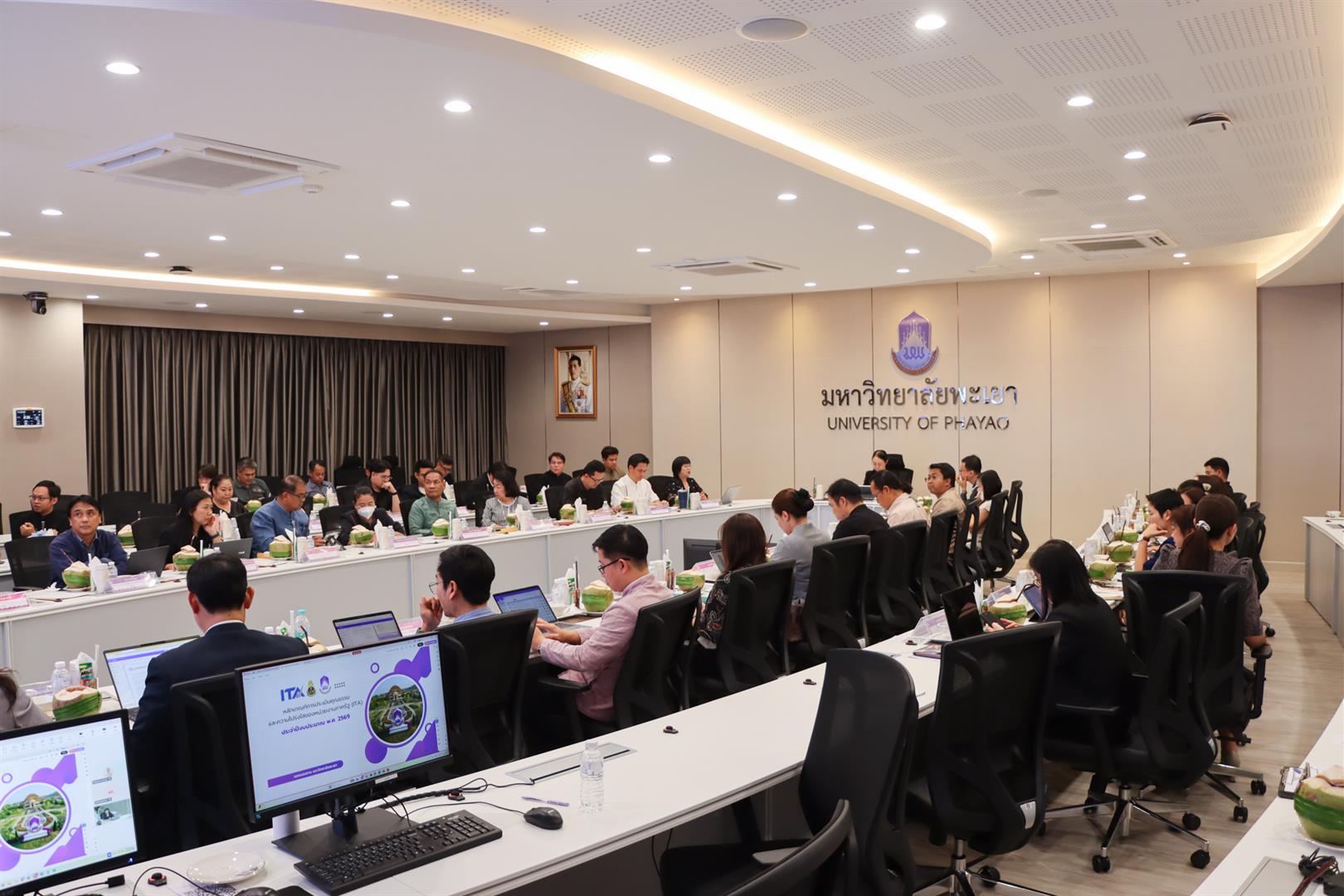
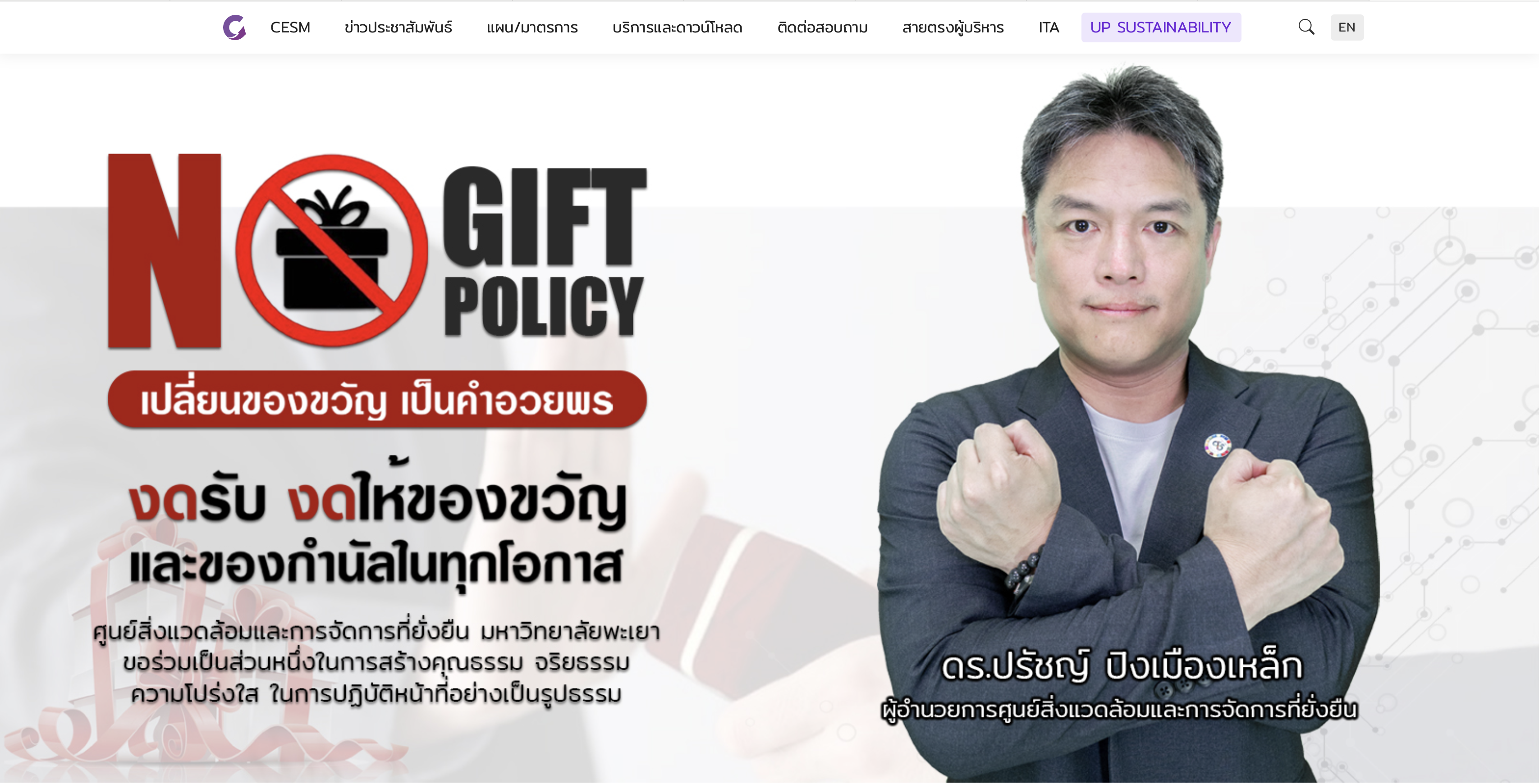
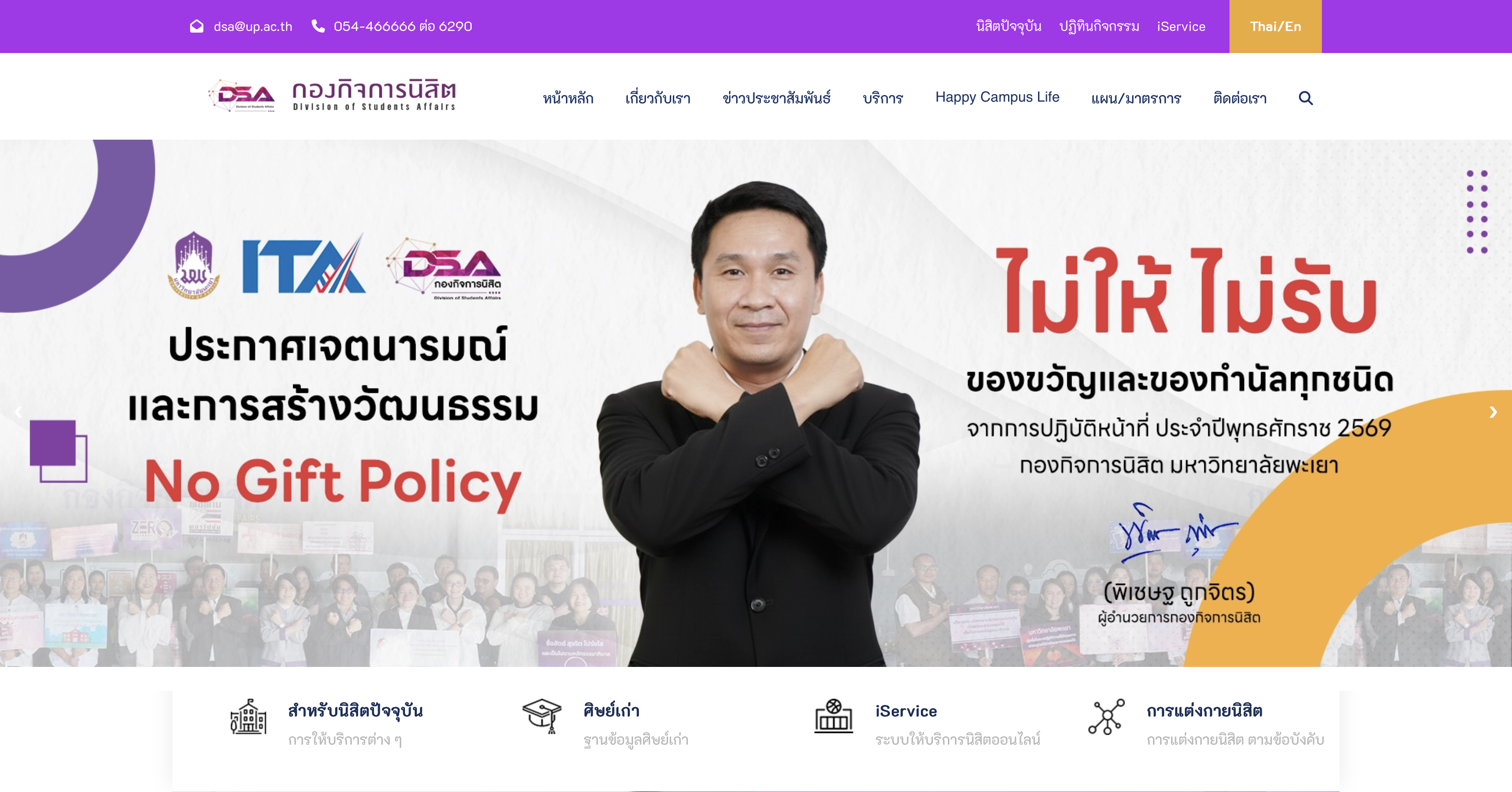
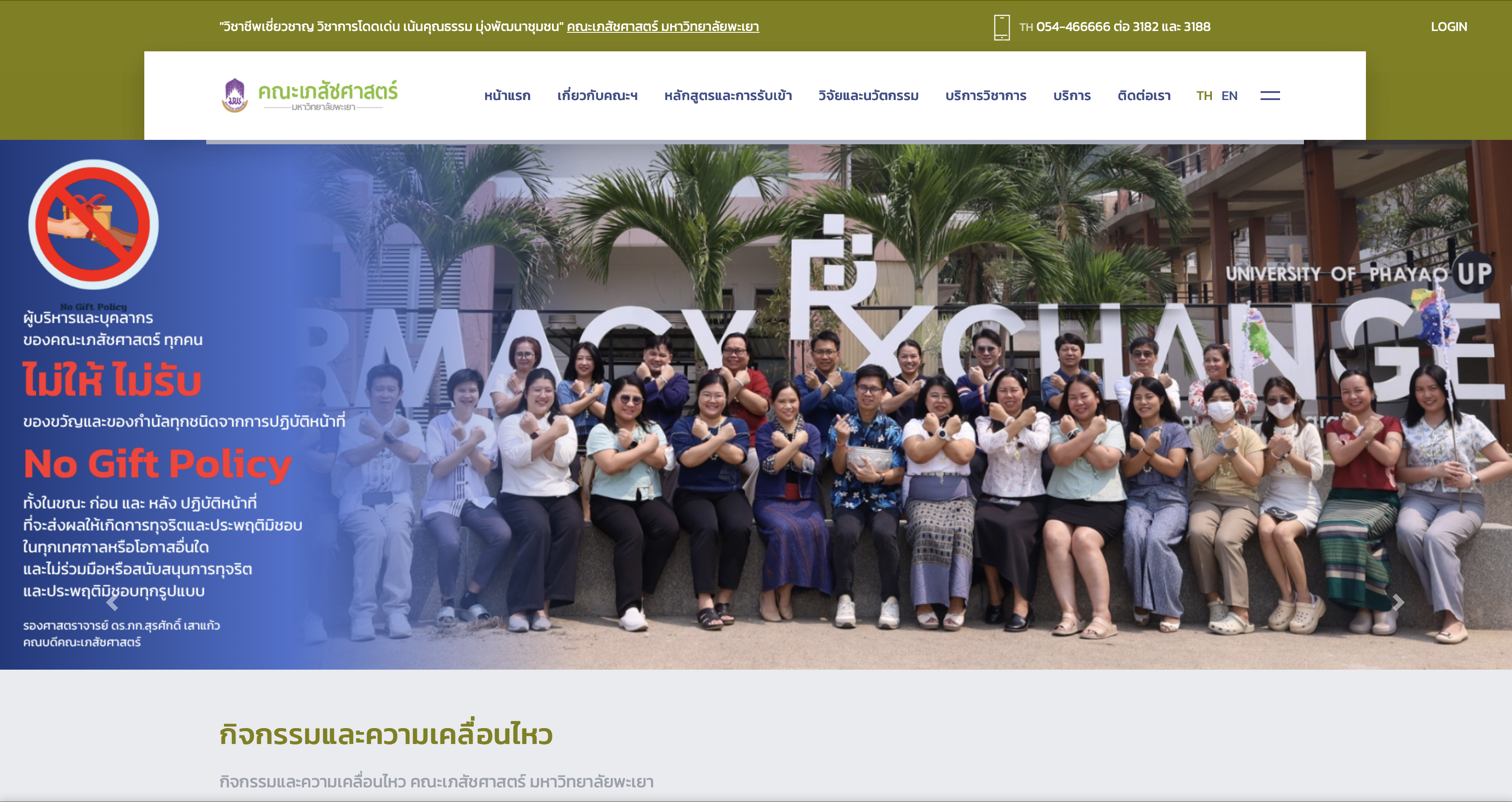
the "Policy Prohibiting the Acceptance of Gifts During Duty"
2. Digital Transparency and Open Data Infrastructure
University of Phayao uses digital infrastructure to make transparency and data access part of how it operates. Key administrative, financial, and operational data — annual budget allocations, strategic performance reports, and public procurement announcements (aligned with Thailand's National Green Procurement standards) — are fully disclosed to the public.To manage this institution-wide, the university built the "UP-ITA System" (University of Phayao Integrity and Transparency Assessment System) — a centralized digital dashboard that every faculty, college, and administrative unit uses to report, upload evidence, and track compliance with open data integrity (OIT) indicators.
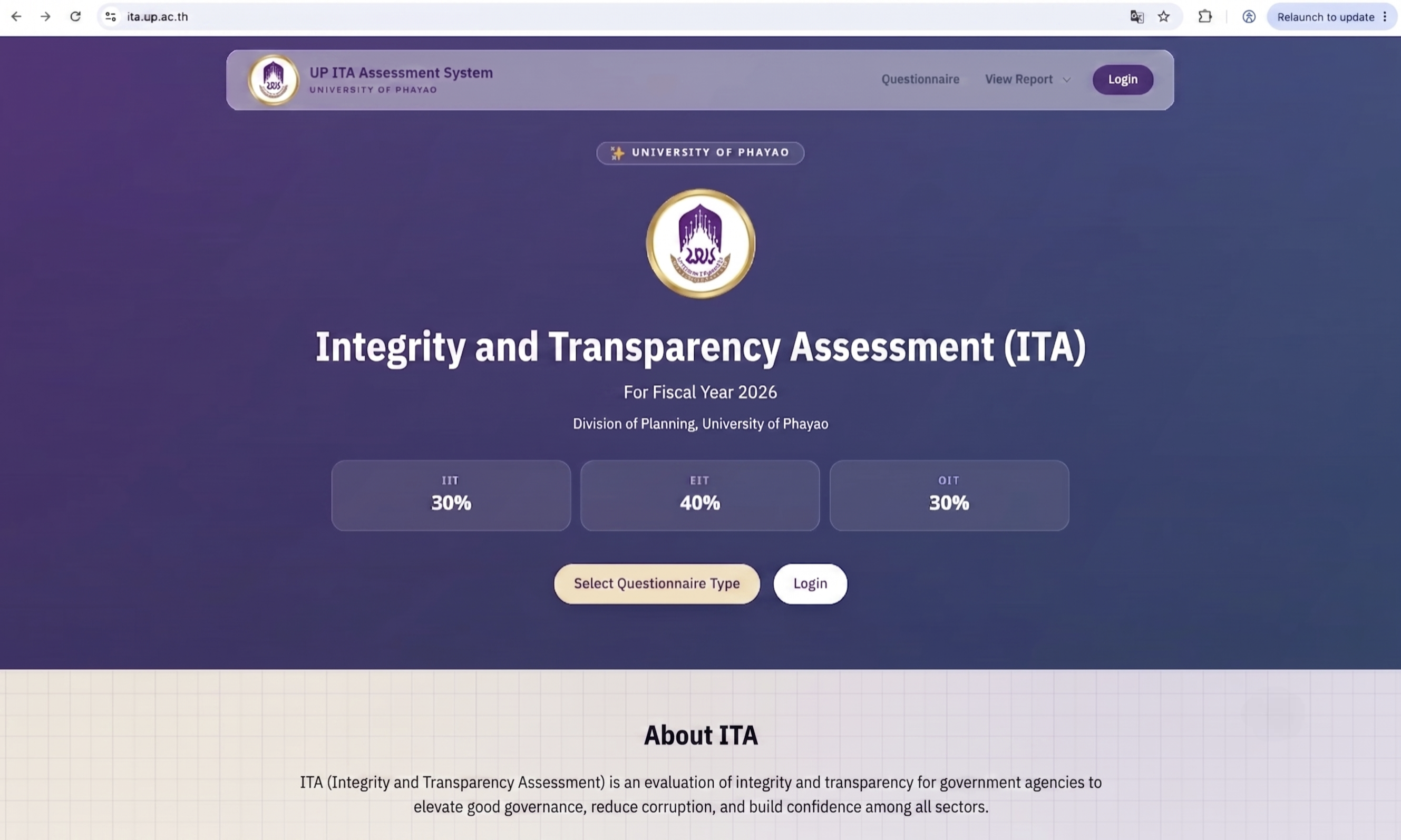
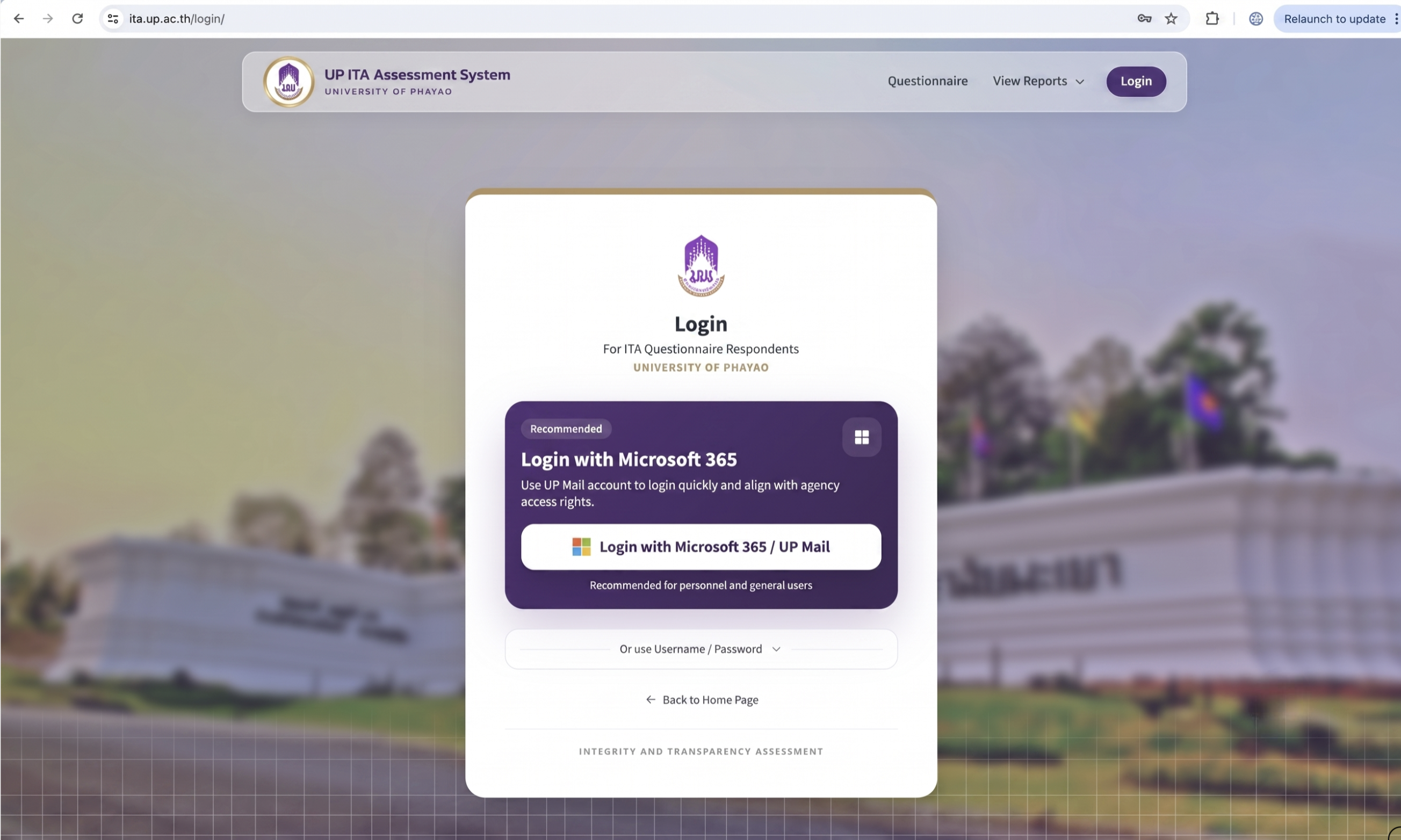
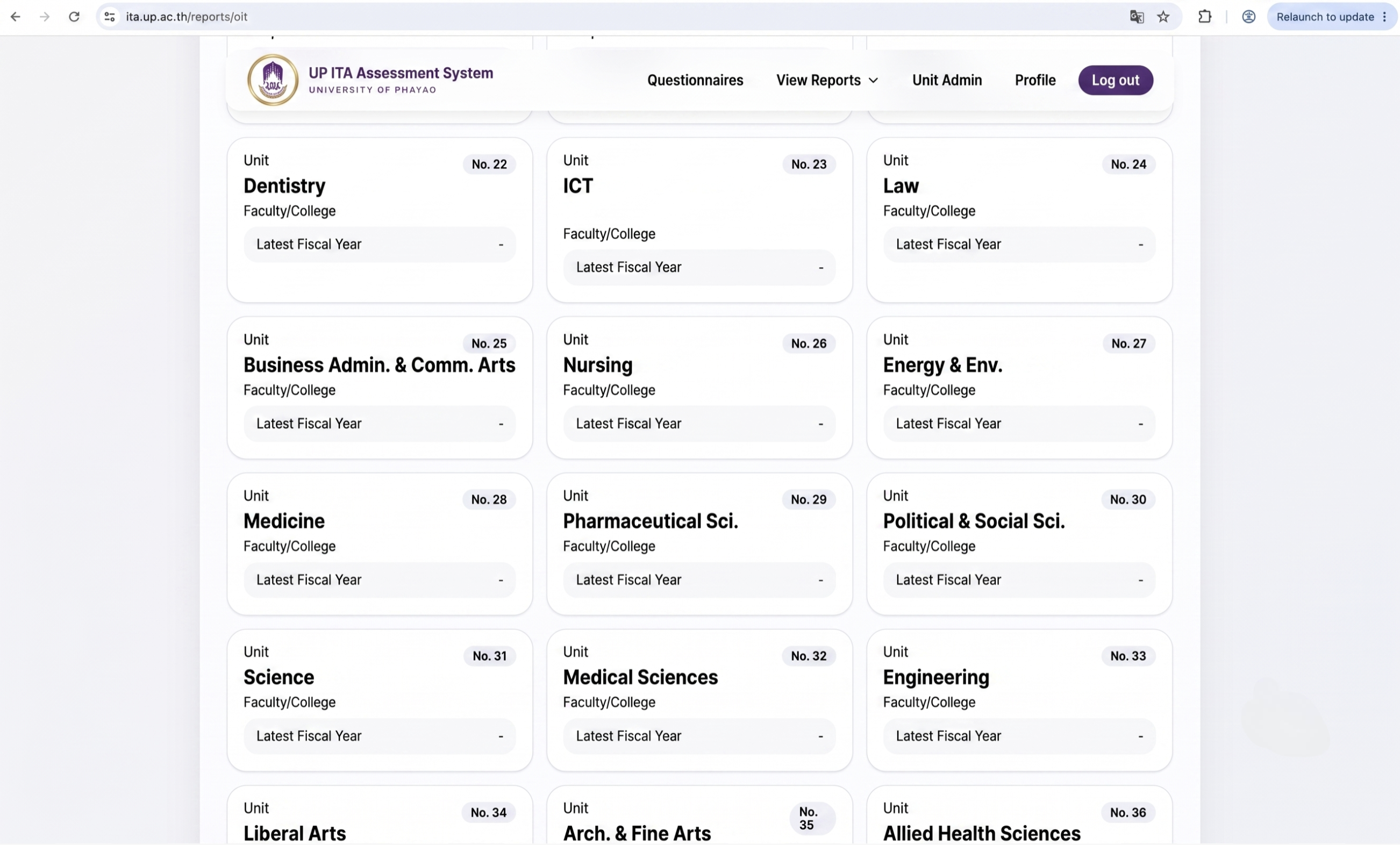
The UP-ITA Internal Digital Dashboard for Faculty-level Compliance Monitoring.
To support adoption, the university runs annual training workshops — "UP-ITA and Open Data Integrity Reporting for Institutional Excellence" — for administrative officers, data curators, and executives across all faculties and centers, covering data governance skills, NACC's evaluation criteria, and hands-on troubleshooting on the UP-ITA platform.University of Phayao also took part in the Fiscal Year 2026 Internal Integrity and Transparency Assessment (IIT) data collection, conducted by the Office of the NACC under ITA guidelines for government agencies, held at Room UB 002, Phra Upali Gunupajarn 99th Anniversary Building, University of Phayao.
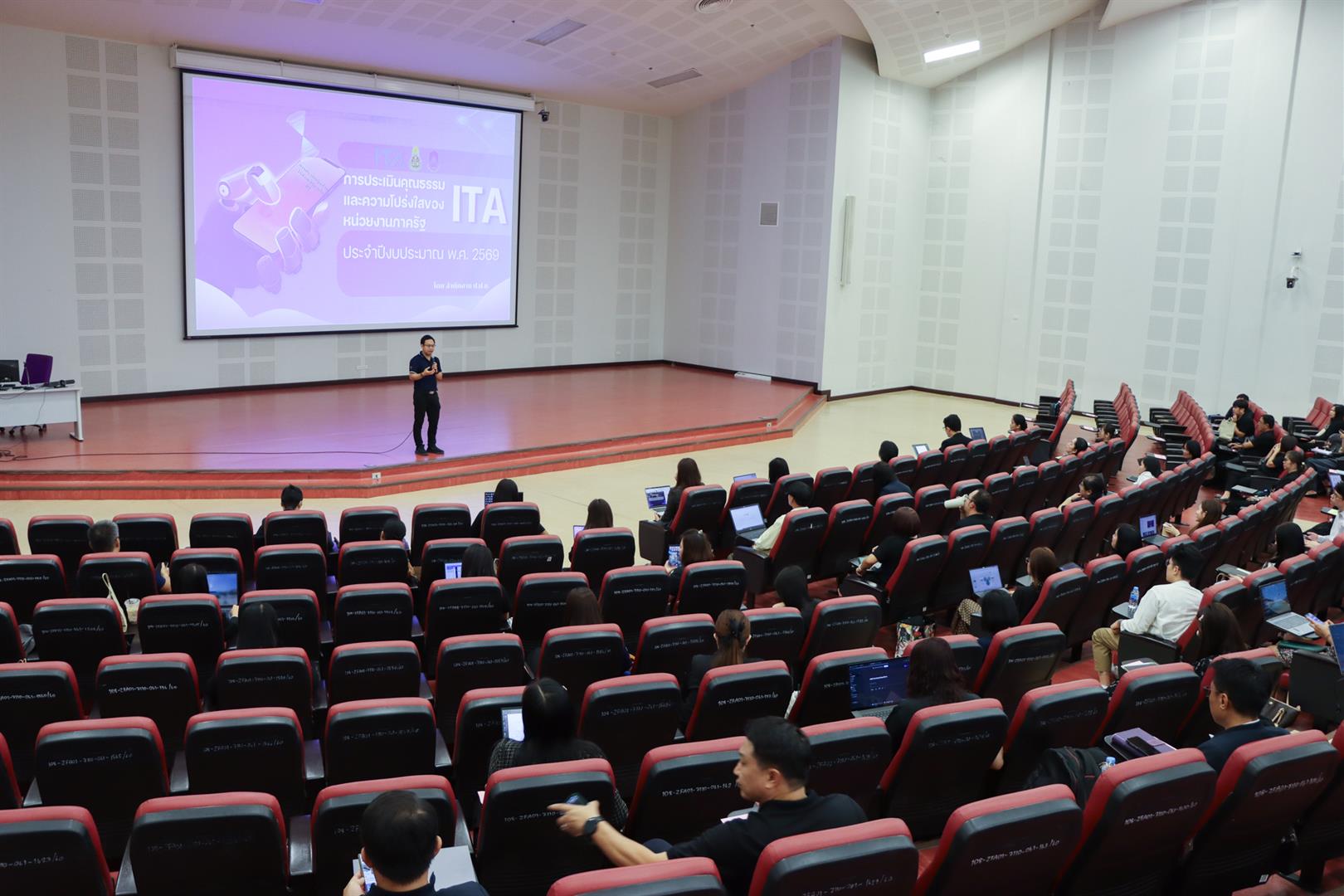
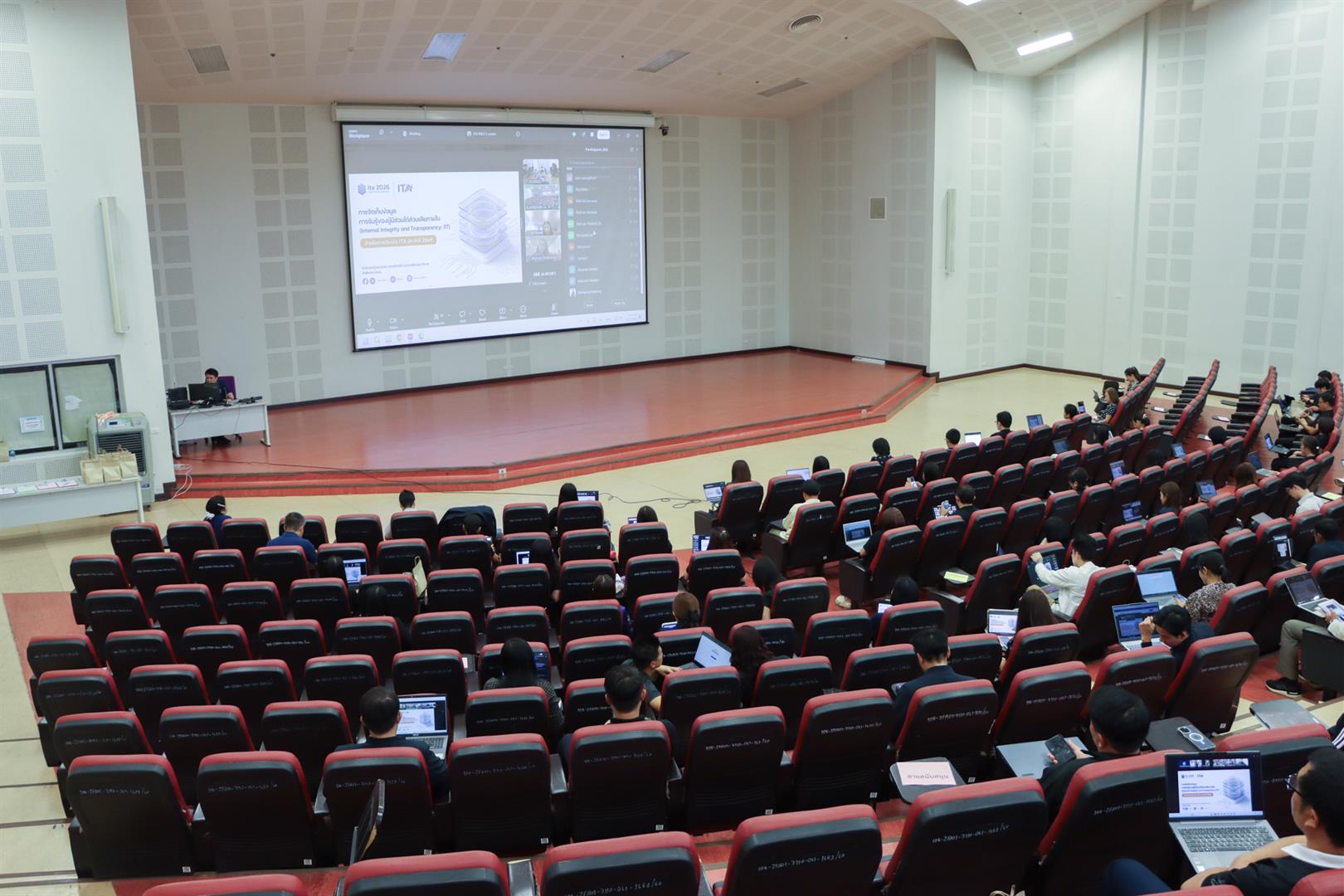
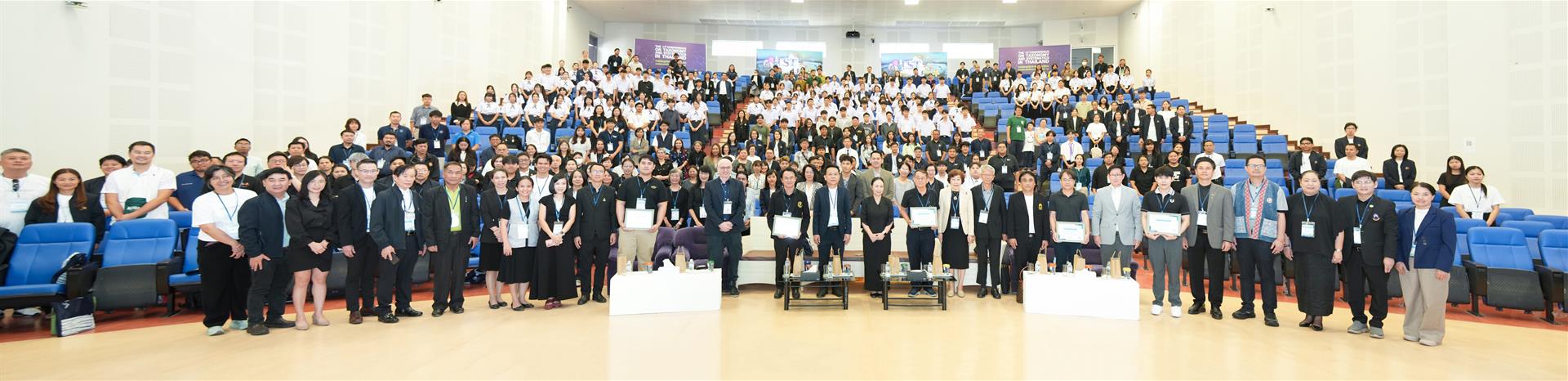
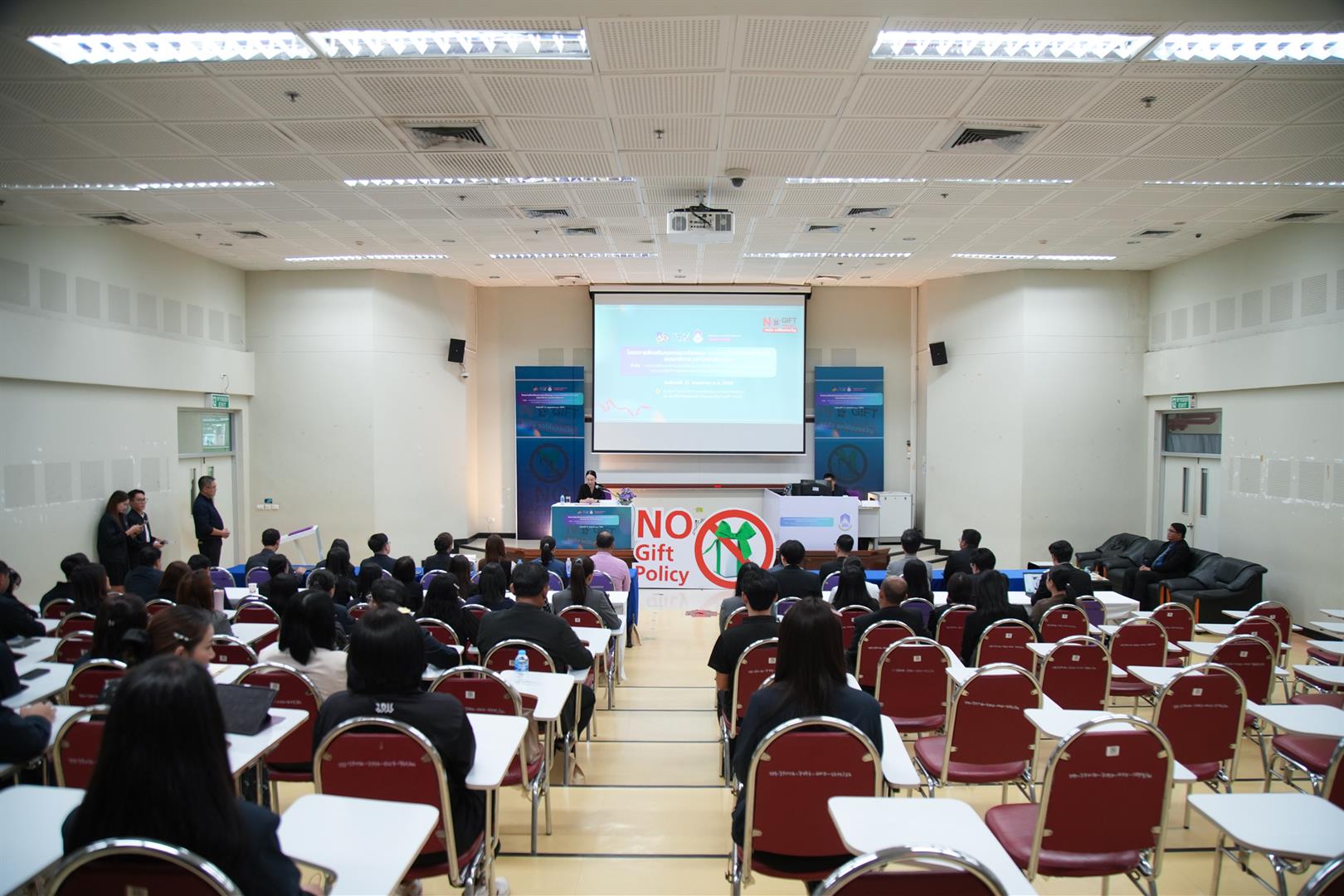
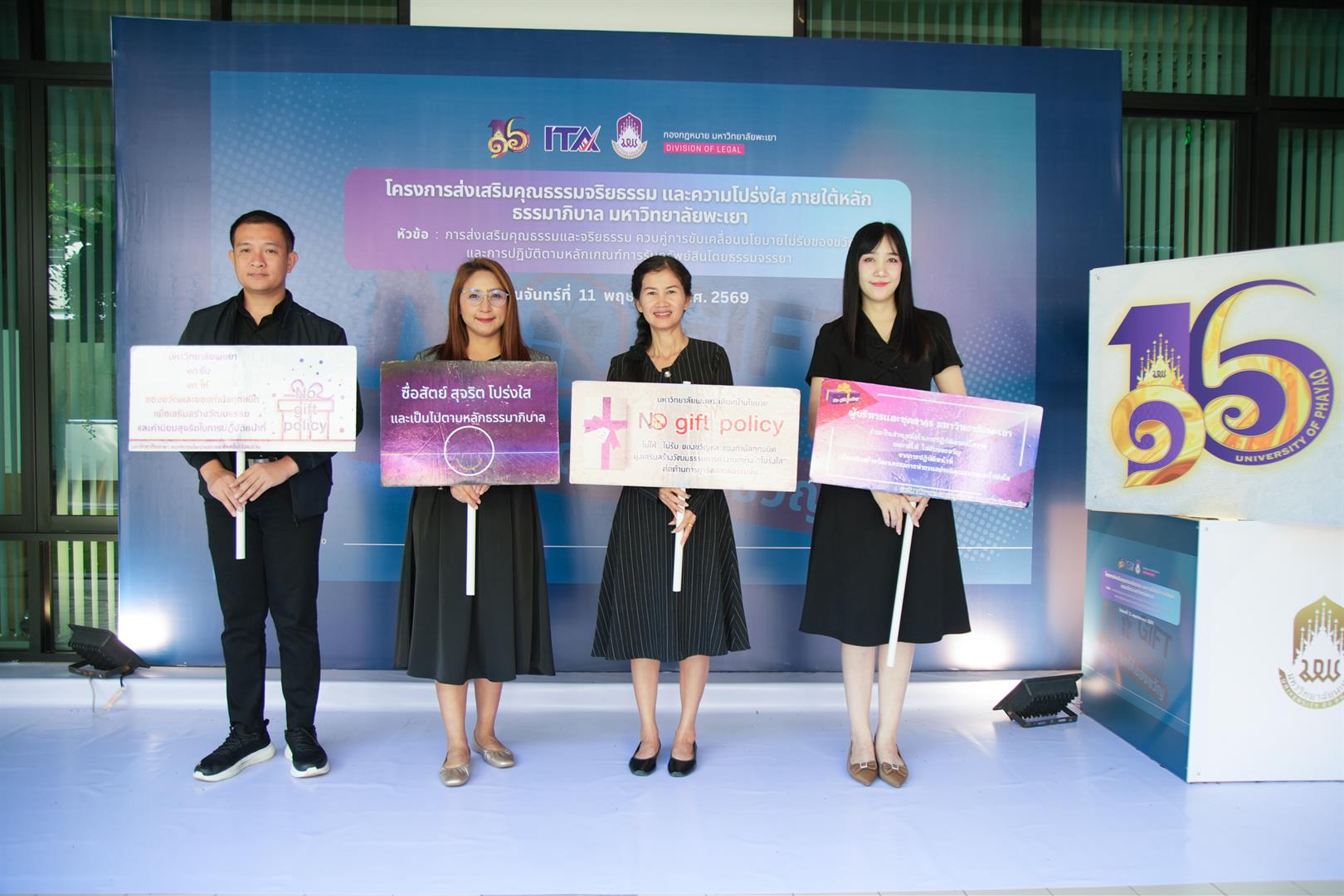
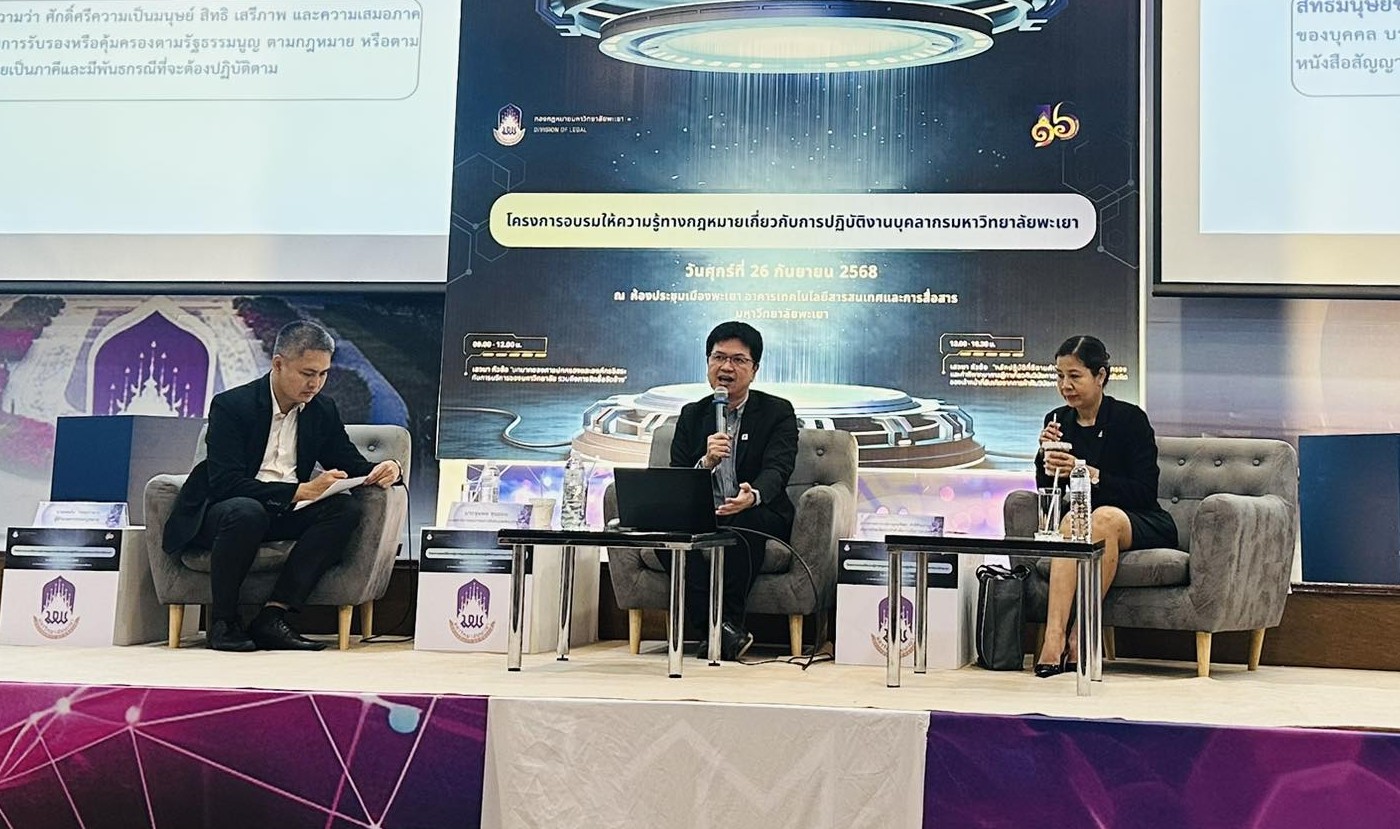
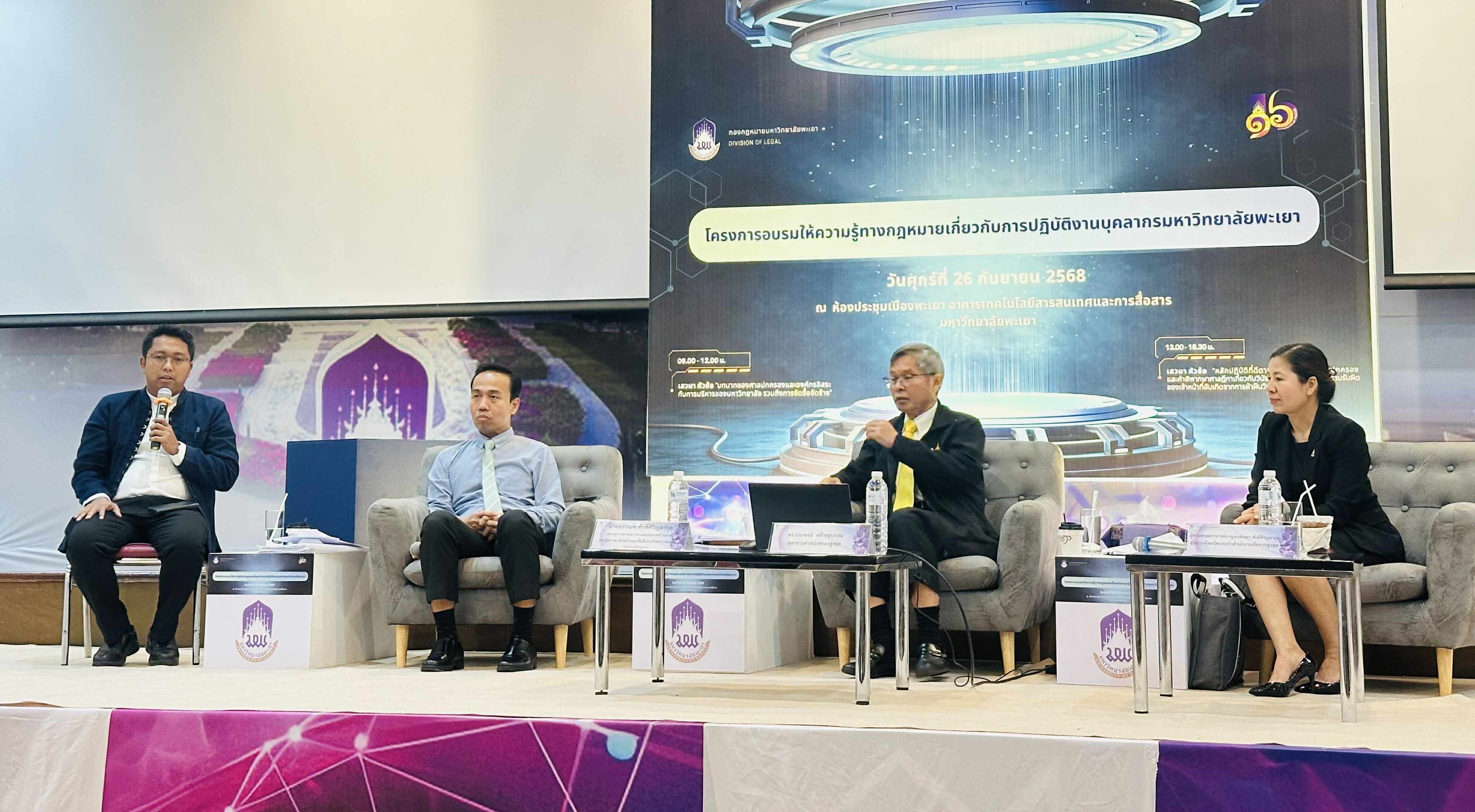
The university's Legal Division also ran the UP Integrity, Ethics, and Transparency Promotion Project at the CE Lecture Building, under the theme "Promoting Integrity and Ethics Alongside Driving the 'No Gift Policy' and Compliance with Criteria for Accepting Property on Ethical Grounds." The seminar, attended by university executives and personnel, aimed to build understanding of integrity, ethics, and good governance, and to raise awareness of proper, transparent guidelines for accepting property or other benefits.
3. Secure Whistleblowing and Misconduct Reporting Channels
To protect institutional integrity and maintain a safe, ethical environment, University of Phayao has set up a multi-tiered, secure grievance system. It lets staff, students, and the general public safely report suspected fraud, corruption, or other unethical behavior.University of Phayao provides a balanced approach to reporting through both physical and digital channels:
- Physical Channels: Secure, tamper-proof suggestion and complaint dropboxes are placed across university premises and faculties.
- Digital Channels: A centralized, publicly accessible digital portal is available for reporting corruption-related complaints.
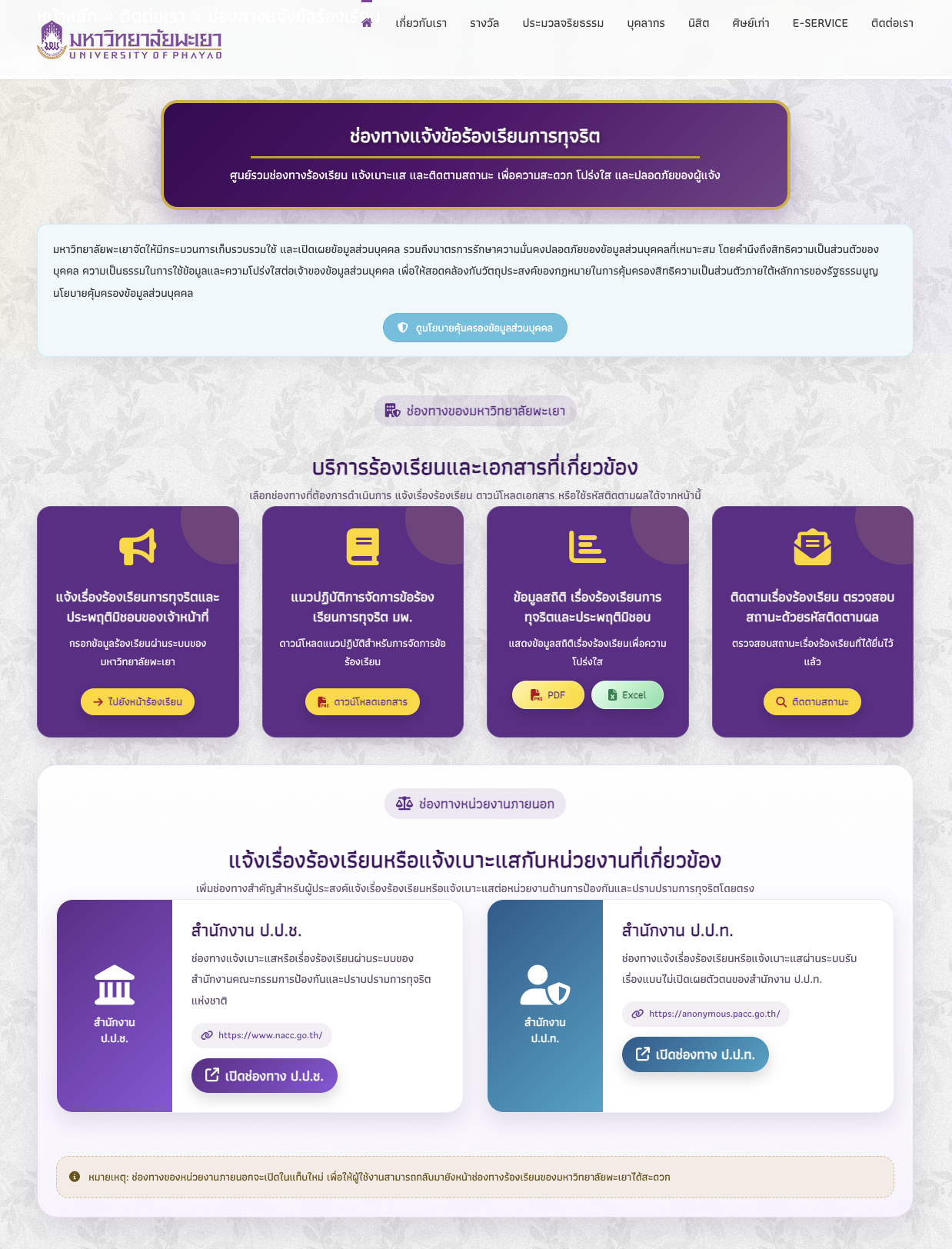
The official, public-facing complaint and whistleblowing portal of the University of Phayao, providing secure options for confidential submissions.
At the heart of the system is a strict "Whistleblower Protection Policy." The university guarantees anonymity and confidentiality for all informants, and digital submissions use restricted database access to shield reporters' identities from retaliation or academic/professional prejudice.Every report follows a formalized Standard Operating Procedure (SOP): an independent internal oversight committee verifies the claim, investigates impartially, and carries out disciplinary or legal action within a defined framework — reinforcing UP's commitment to zero-tolerance, retaliation-free governance.
4. External Assessment and Continuous Improvement
University of Phayao's integrity framework is validated each year through the National Integrity and Transparency Assessment (ITA), a nationwide benchmark conducted by the Office of the National Anti-Corruption Commission (NACC) — a constitutional independent body in Thailand.In Fiscal Year 2025, University of Phayao scored 95.40 out of 100 points, earning a "Pass" rating and ranking 19th among higher education institutions. The assessment evaluated the university's internal operational culture, external stakeholder trust, and public data disclosure.
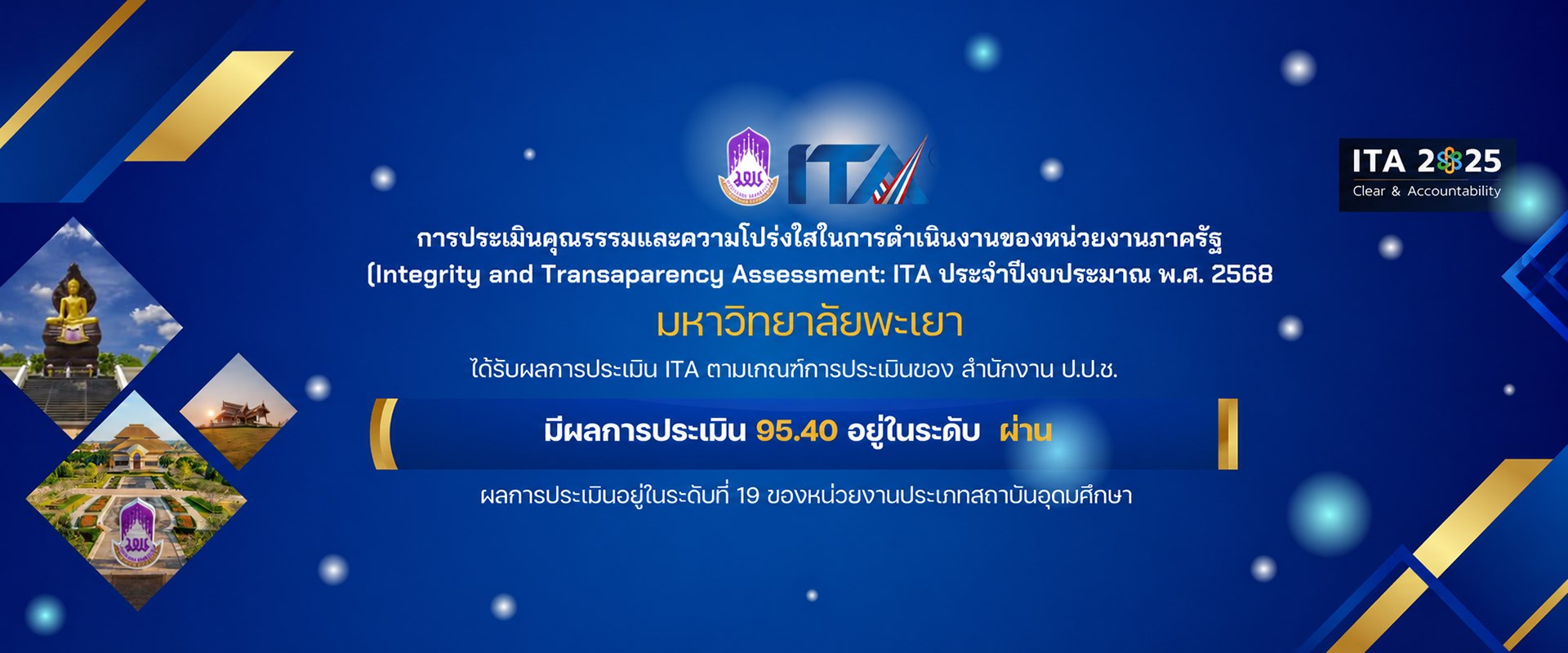
"This continuous development trend underscores the University of Phayao's sustainable performance across national integrity and transparency indicators for 2024–2025."
