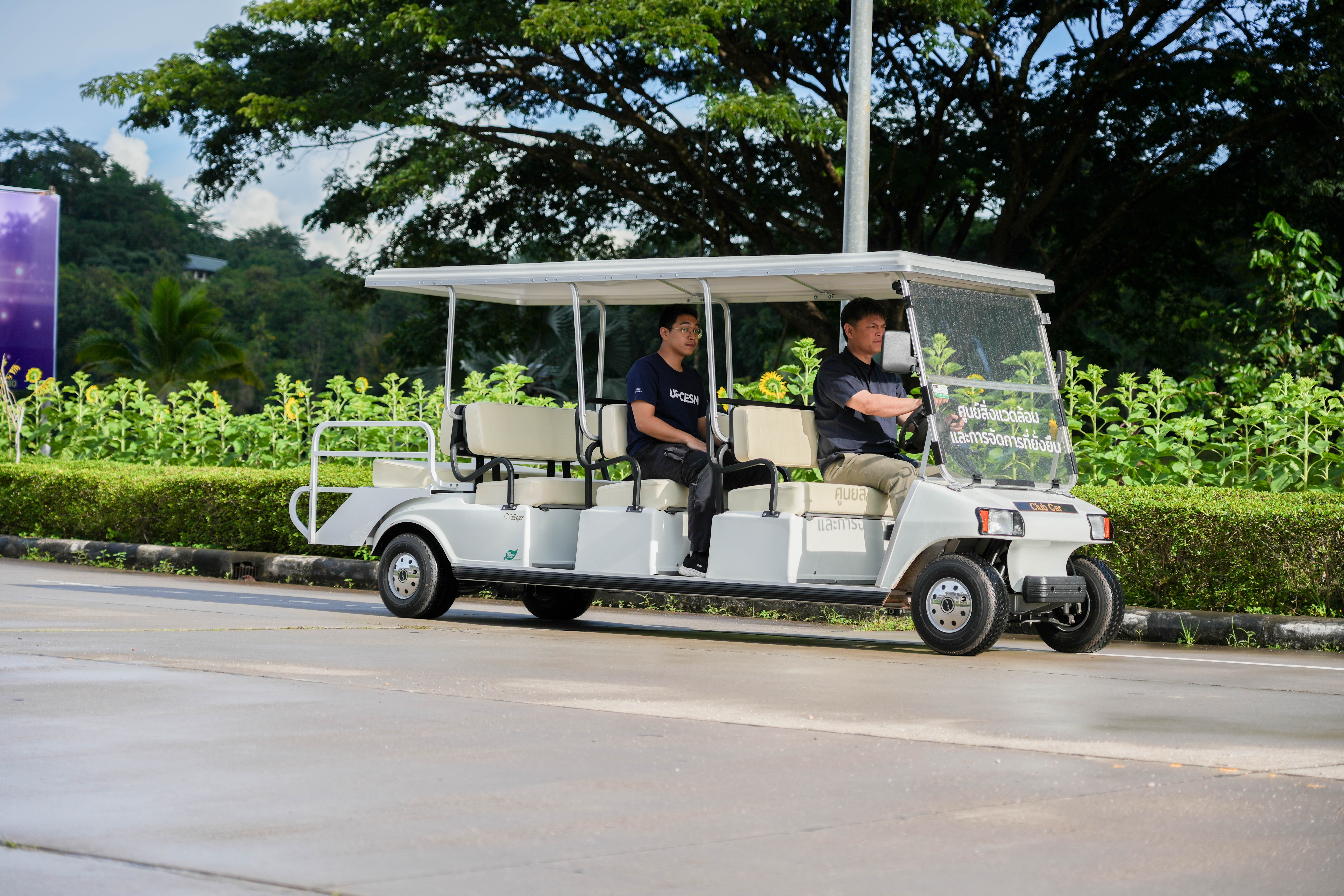
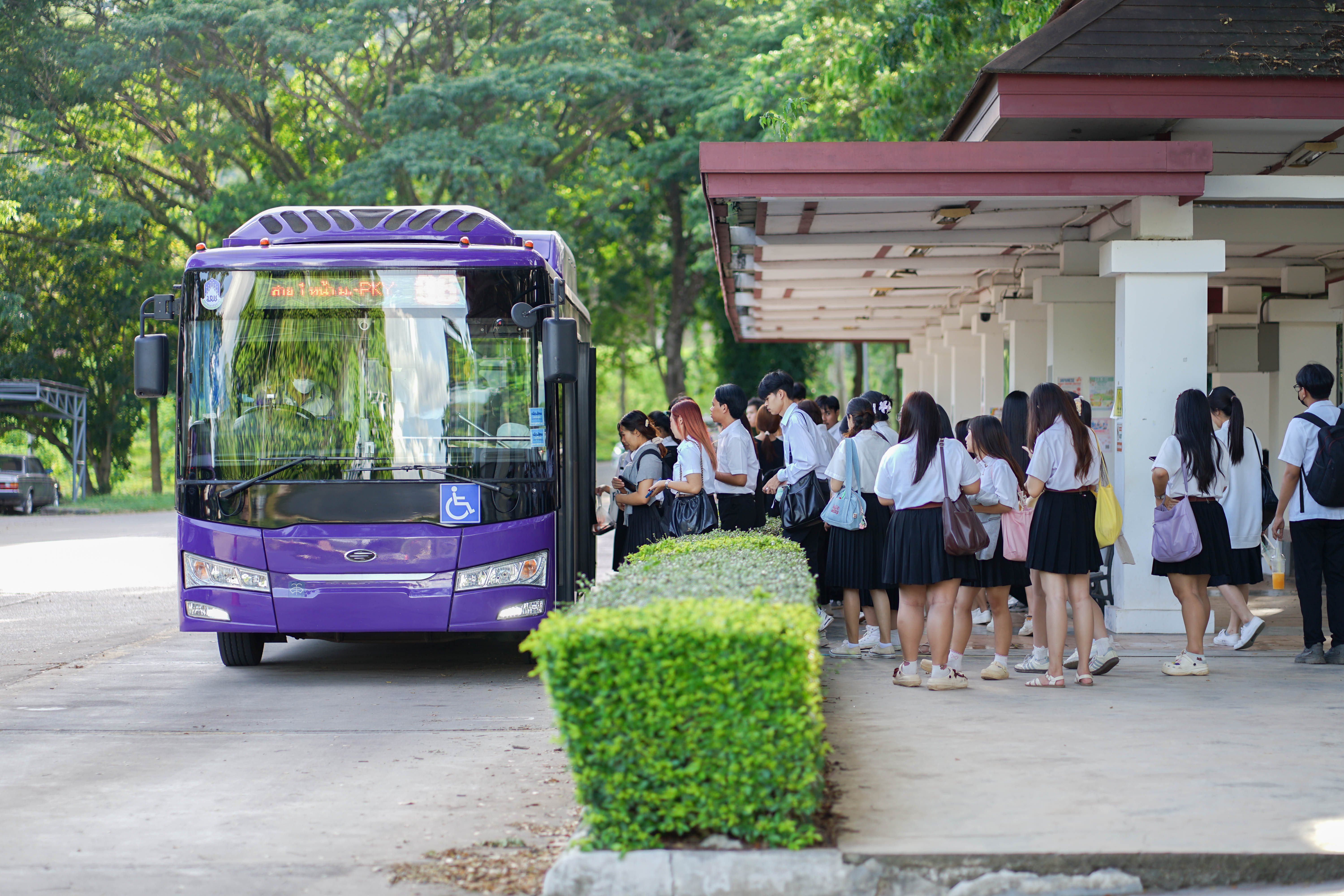
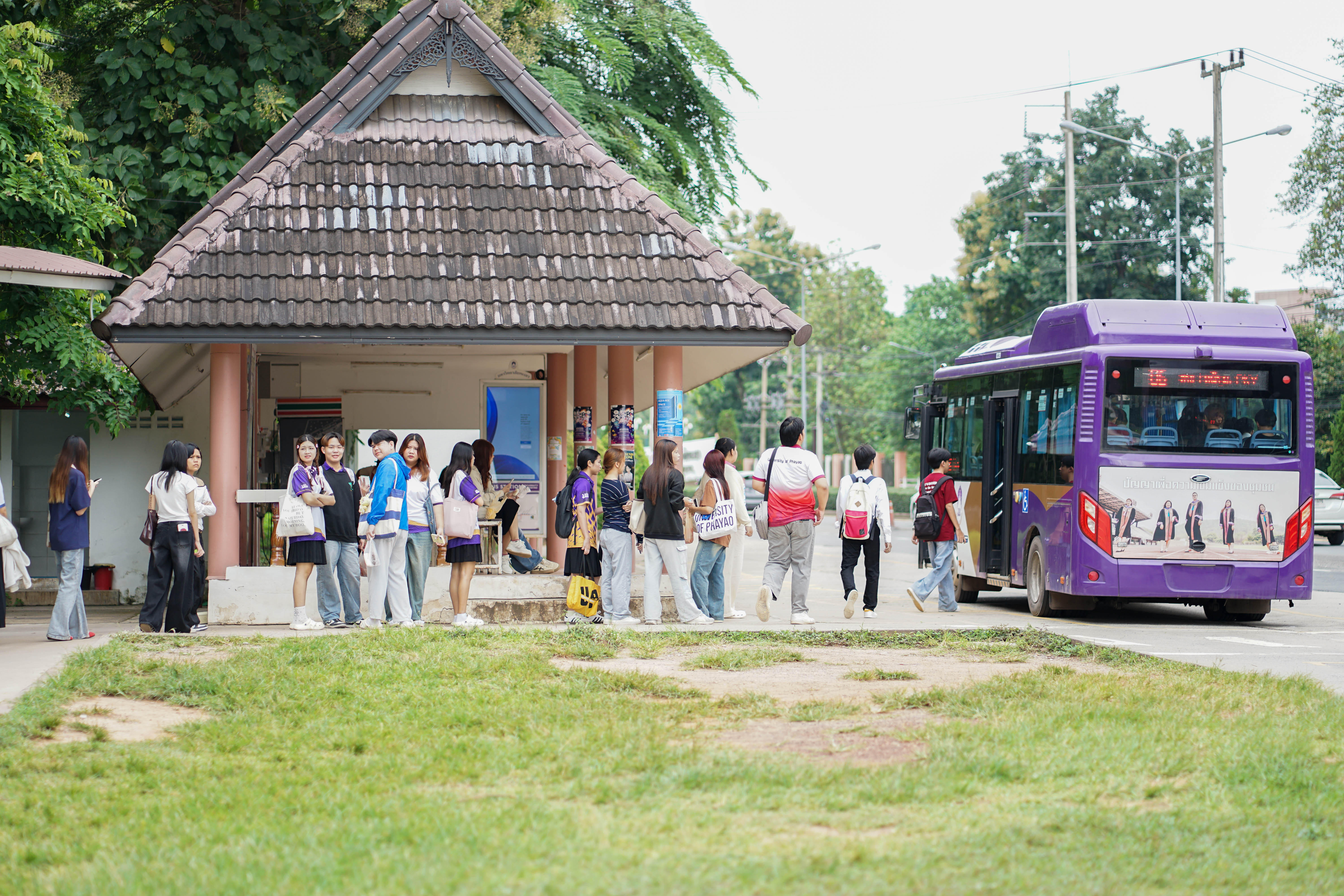
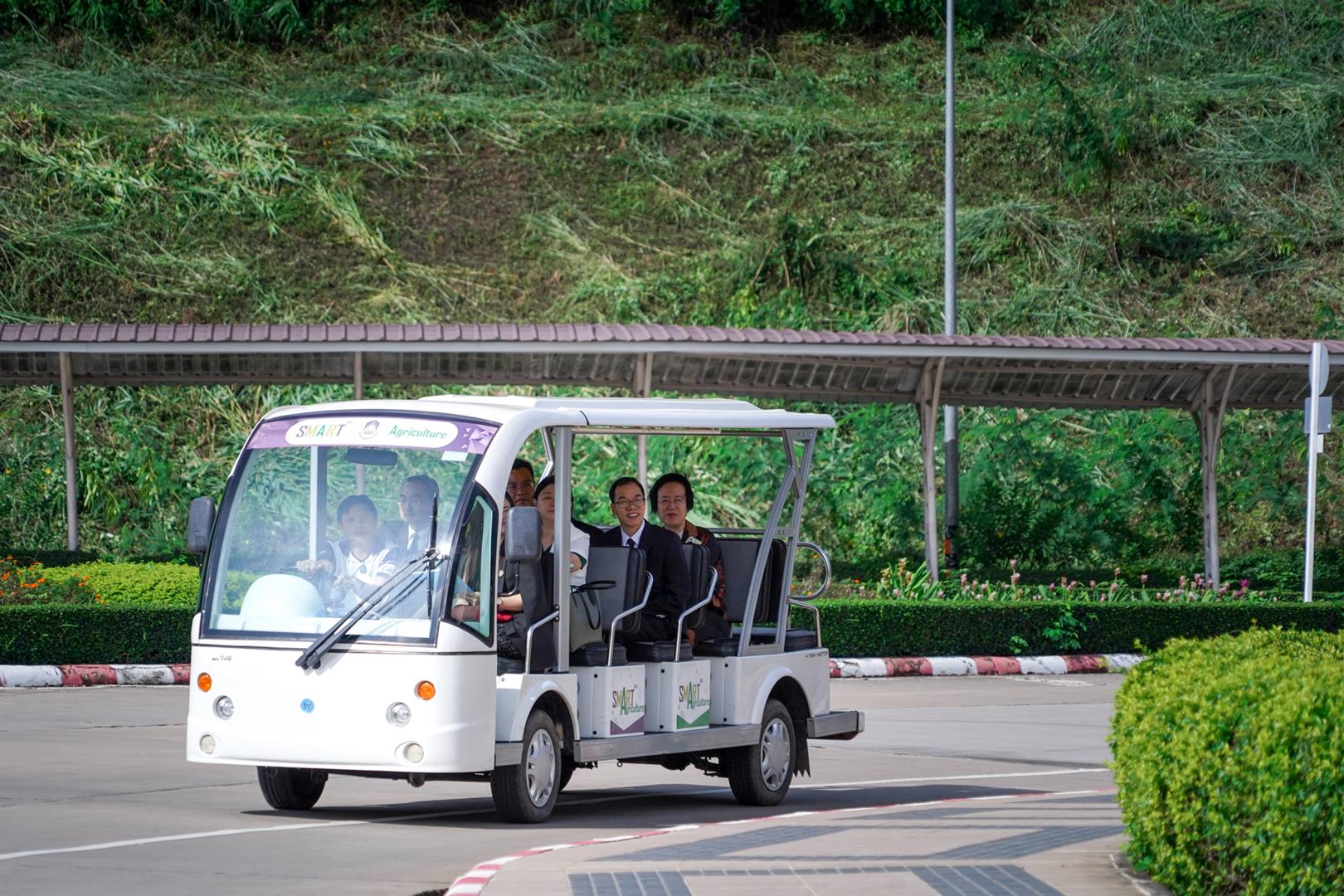
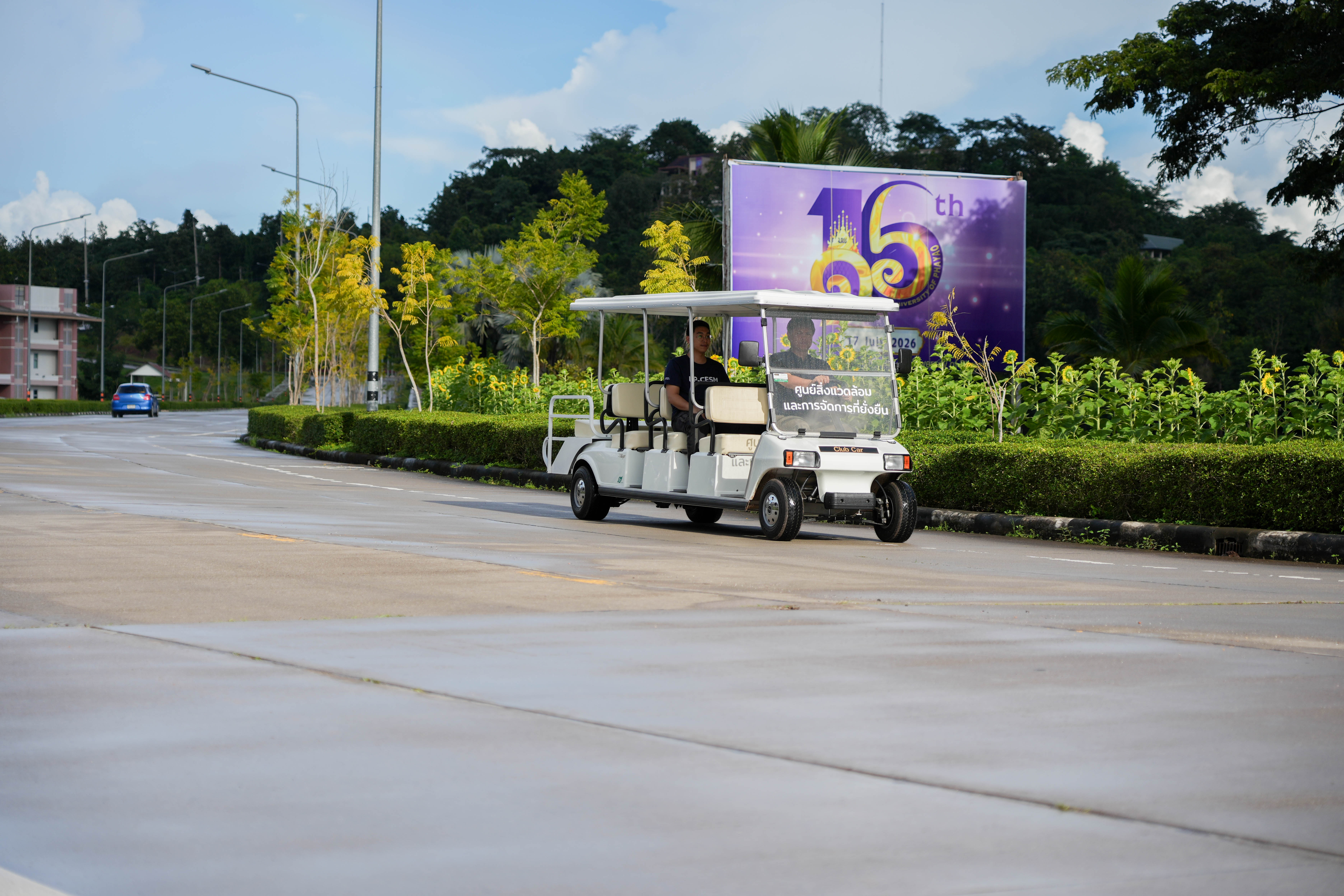
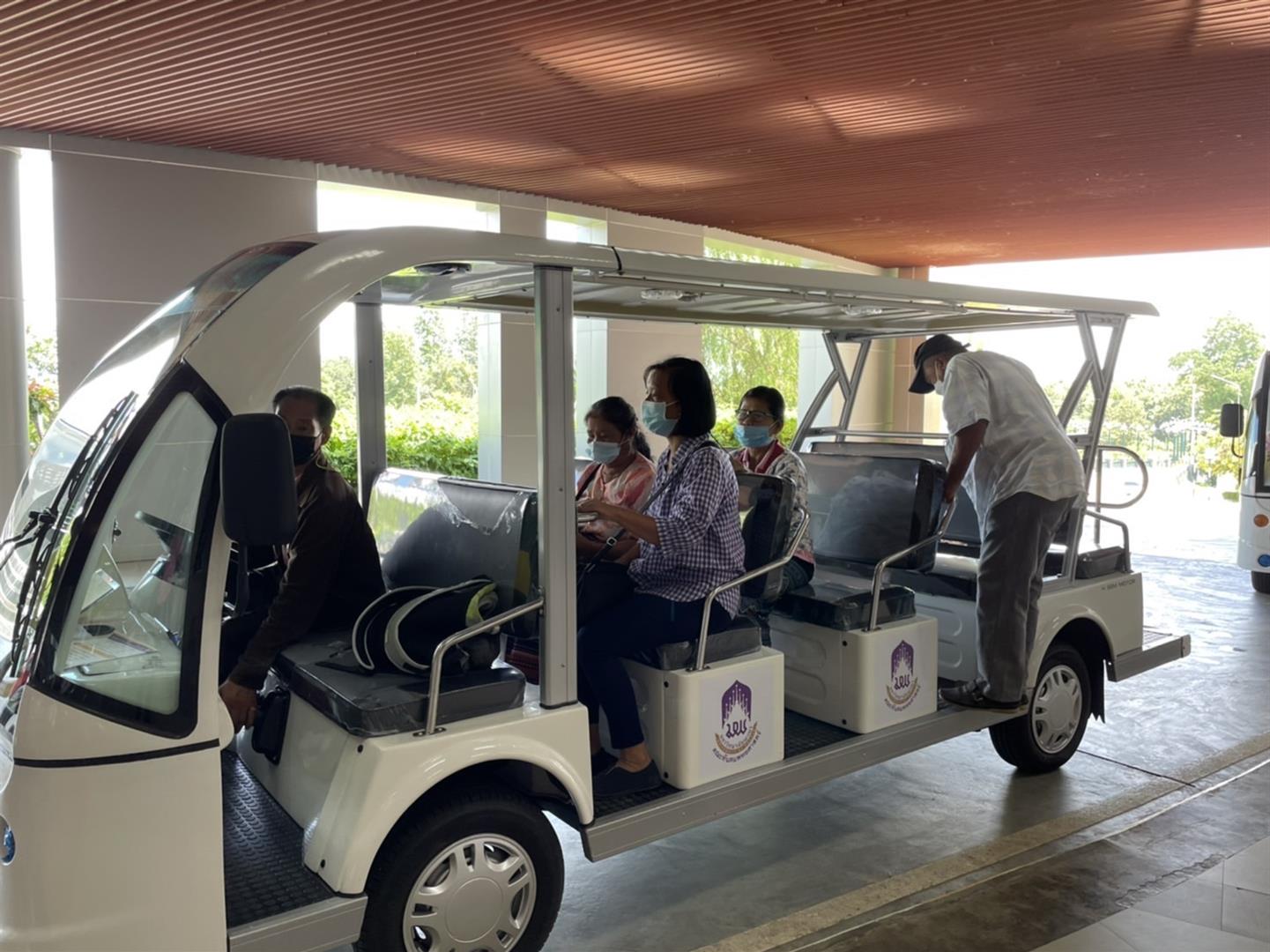
1. Zero Emission Vehicles (University of Phayao, Thailand)
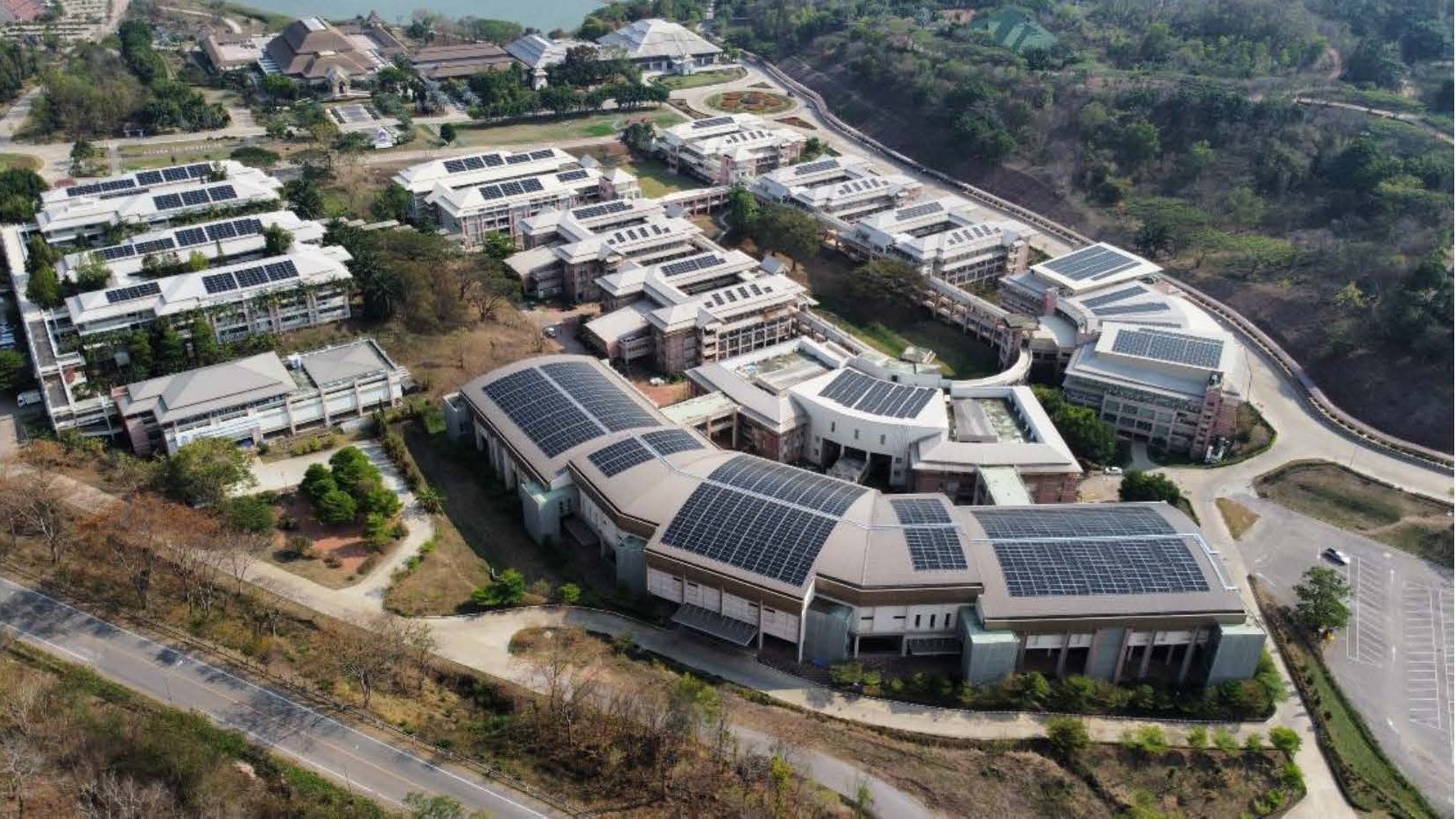
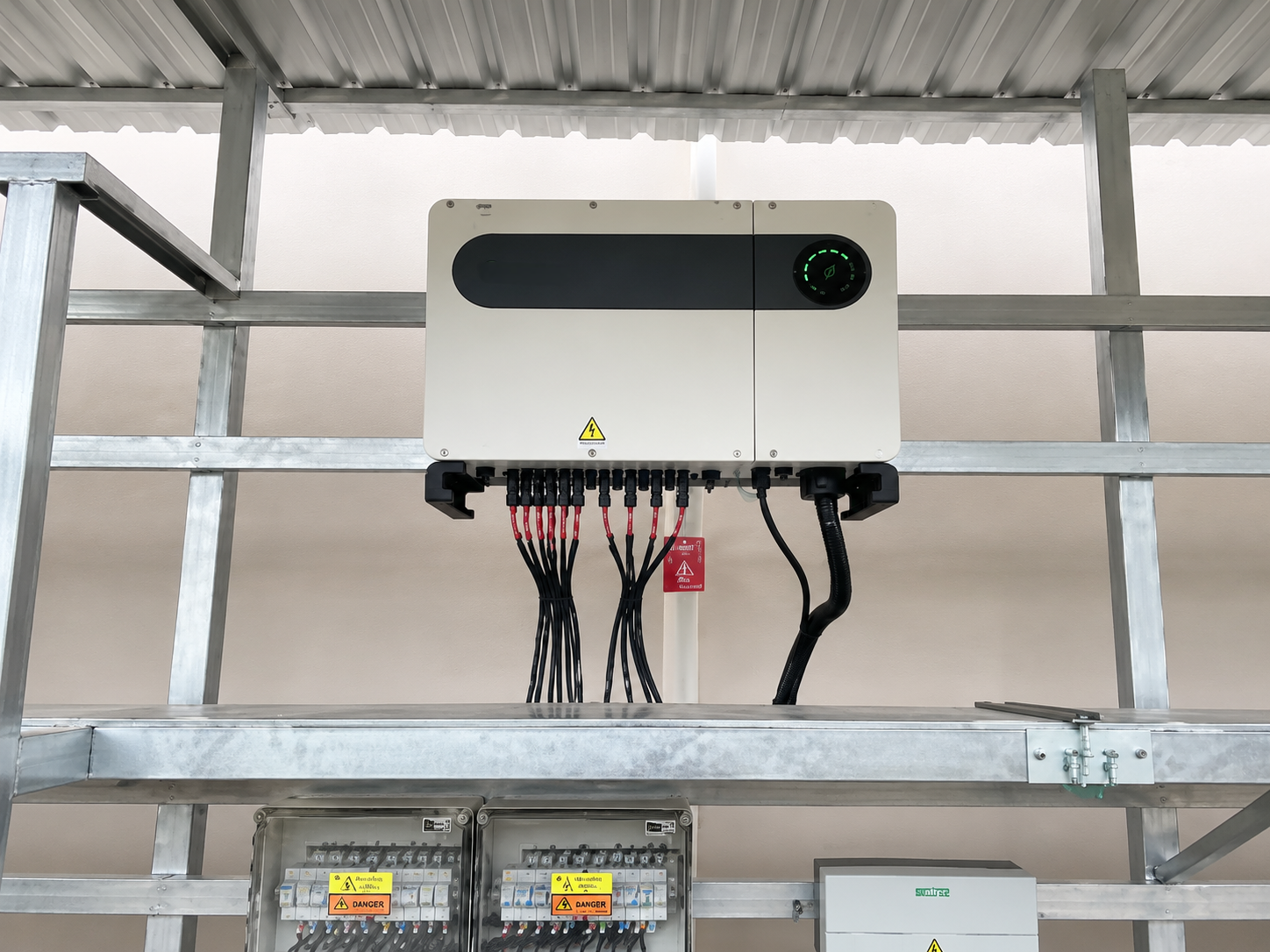
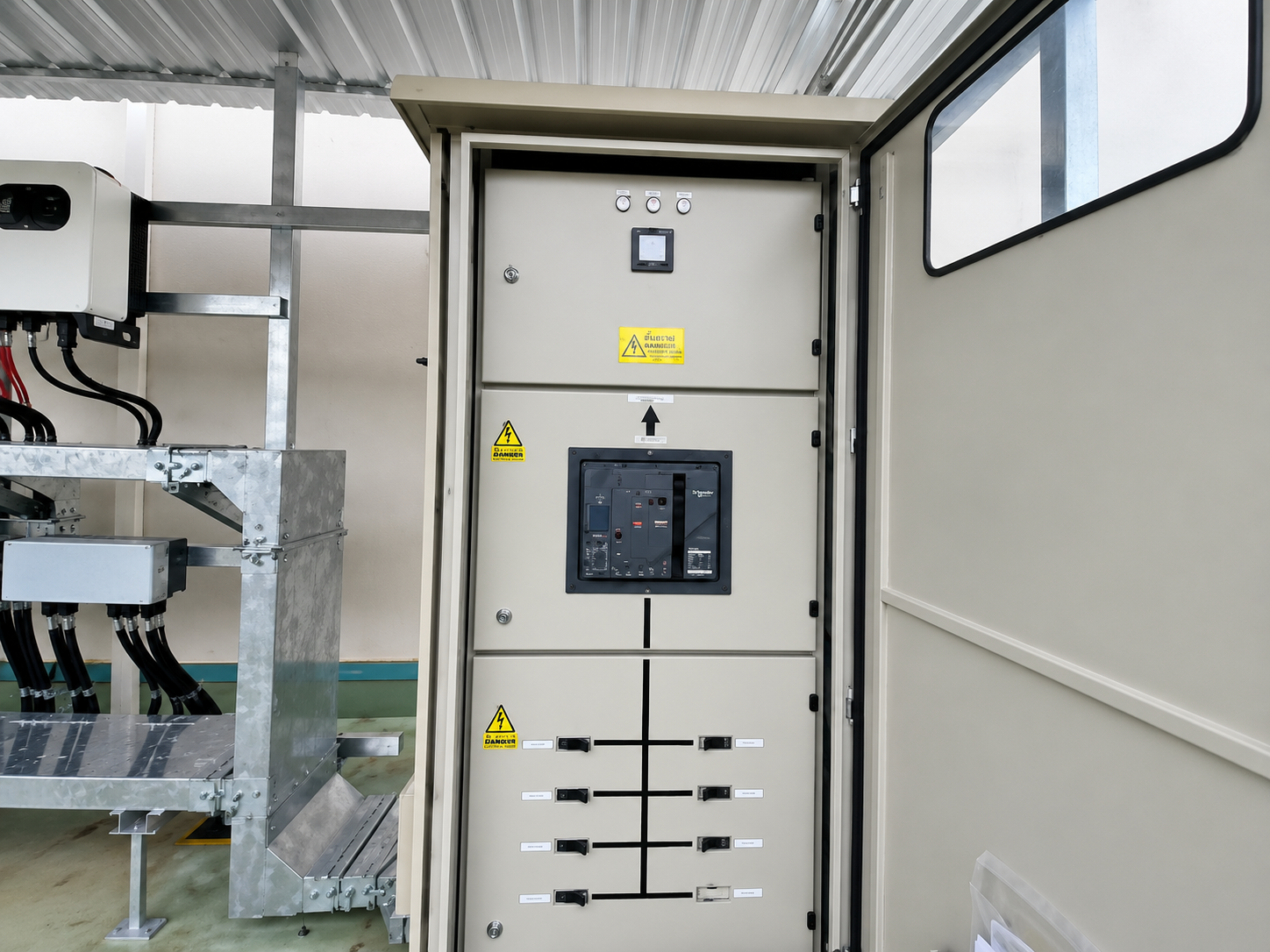
2. renewable energy (University of Phayao, Thailand)
3. Shuttle Services (Electric buses 100%) – Bus Timetable (University of Phayao, Thailand)
Explicit policy on energy management
University of Phayao sees the importance of energy, which the university has a policy on energy management, as well as providing training to educate people about energy management to personnel, including students, to be aware and to comply correctly according to the principles. As a result, the University has the highest energy efficiency, concrete and continuous efficiency.
Proactive policy of approach on Green University
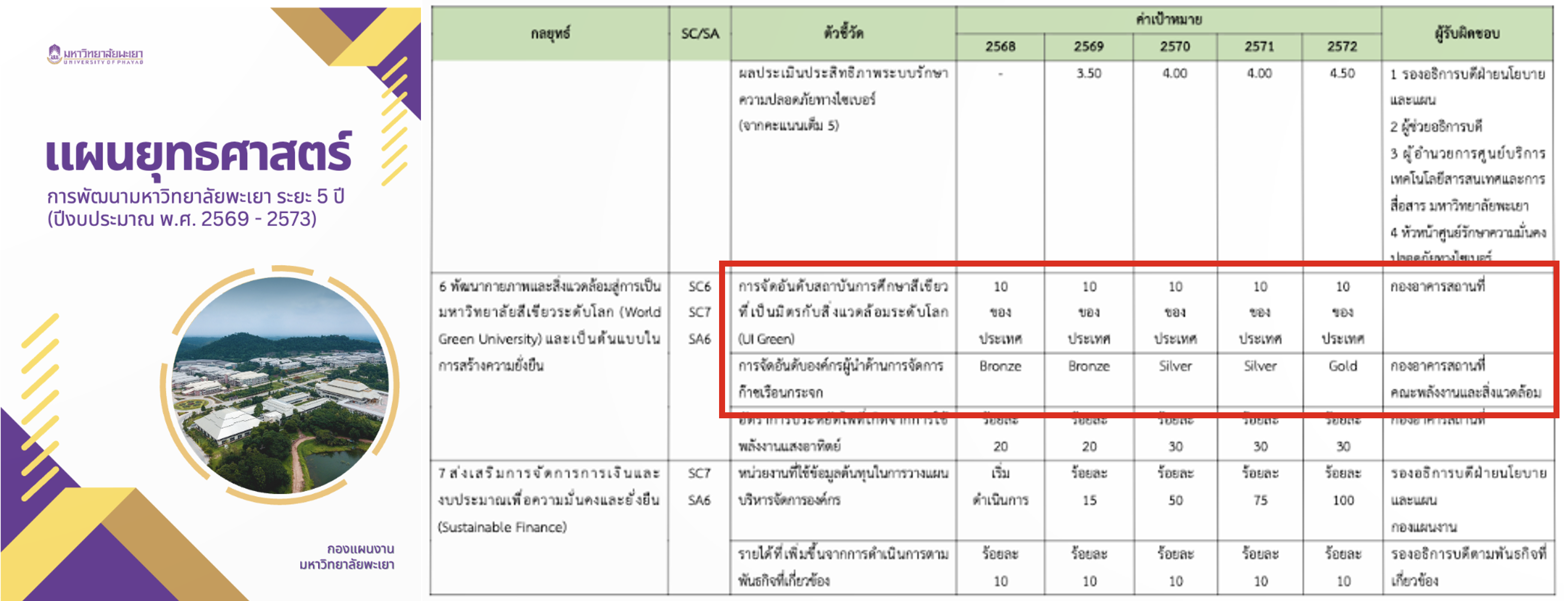
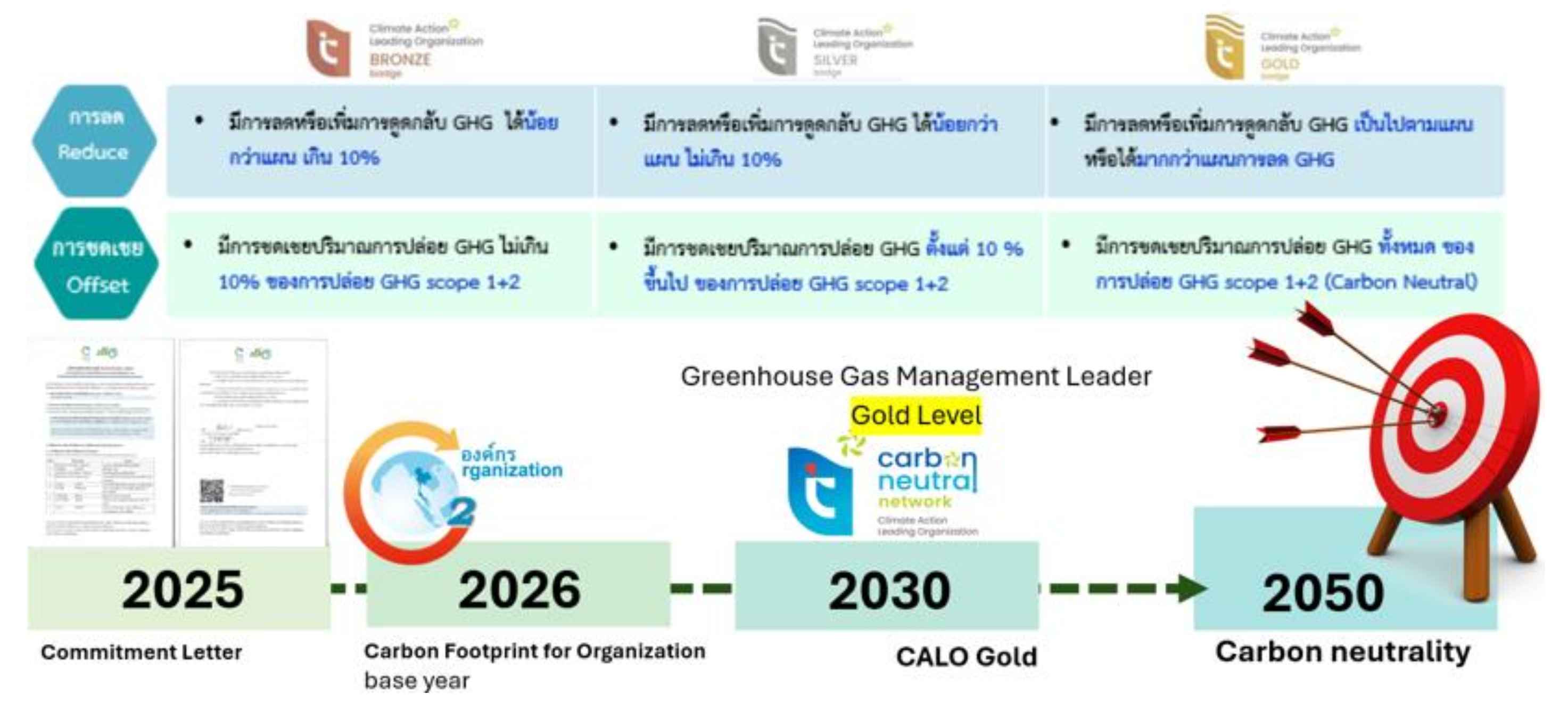
University of Phayao is one of the educational institutions with the potential and readiness to develop, conserve, and restore natural resources and the environment, including recognizing the importance of reducing greenhouse gas emissions. It is committed to achieving carbon neutrality according to the national strategy of "Green Growth" or "Green Growth" with good health. Therefore, it has established a strategic plan for the development of University of Phayao for the fiscal year 2026 - 2030 and has set important indicators that will enable University of Phayao to become a sustainable carbon neutral university by 2050 and be ranked as a leading organization in greenhouse gas management, including being a world-class green university. It encourages personnel and students to jointly drive operations towards such goals by increasing the use of environmentally friendly energy, increasing energy efficiency in buildings and travel, using resources efficiently, and planting trees to absorb carbon dioxide into the atmosphere.
University of Phayao, our researchers have access to a wide range of resources which allow them to achieve their research ambitions on carbon footprint and greenhouse gases emission topics. Center of Environment and Sustainable Management are the main school of university where study on climate change and environmental sustainability. By explicit policy on energy management as follows:
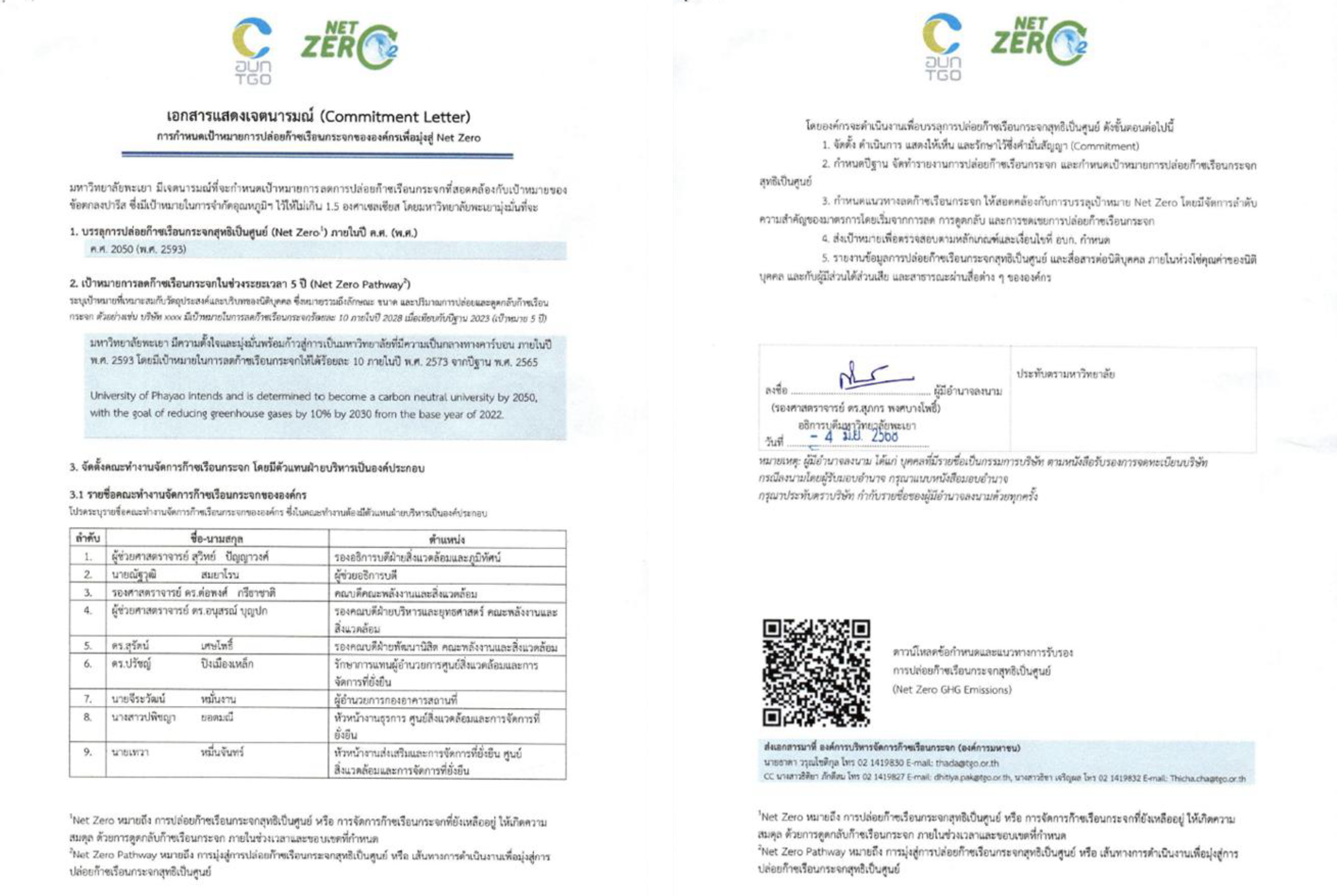
University of Phayao intends to set greenhouse gas emission reduction targets that are in line with the goals of the Paris Agreement, which aims to limit warming to no more than 1.5 degrees Celsius. University of Phayao is committed to achieving Net Zero greenhouse gas emissions by 2050.
University of Phayao has established a comprehensive Greenhouse Gas (GHG) Emissions Reduction Program as part of its strategic roadmap toward achieving Carbon Neutrality by 2050. This program embodies the university's commitment to sustainability, environmental stewardship, and alignment with Thailand's national targets and the United Nations Sustainable Development Goals (SDGs), particularly Goal 7 (Affordable and Clean Energy) and Goal 13 (Climate Action).
University of Phayao recognizes that universities play a vital role in shaping a low-carbon society through knowledge creation, innovation, and real-world application. Therefore, the university integrates carbon management practices across all dimensions of its operations including energy generation, building design, waste management, transportation, and research activities. The GHG reduction framework focuses on both mitigation (reducing emissions) and adaptation (enhancing resilience) strategies, supported by accurate monitoring, reporting, and verification (MRV) systems.
-
Energy Transition and Renewable Integration
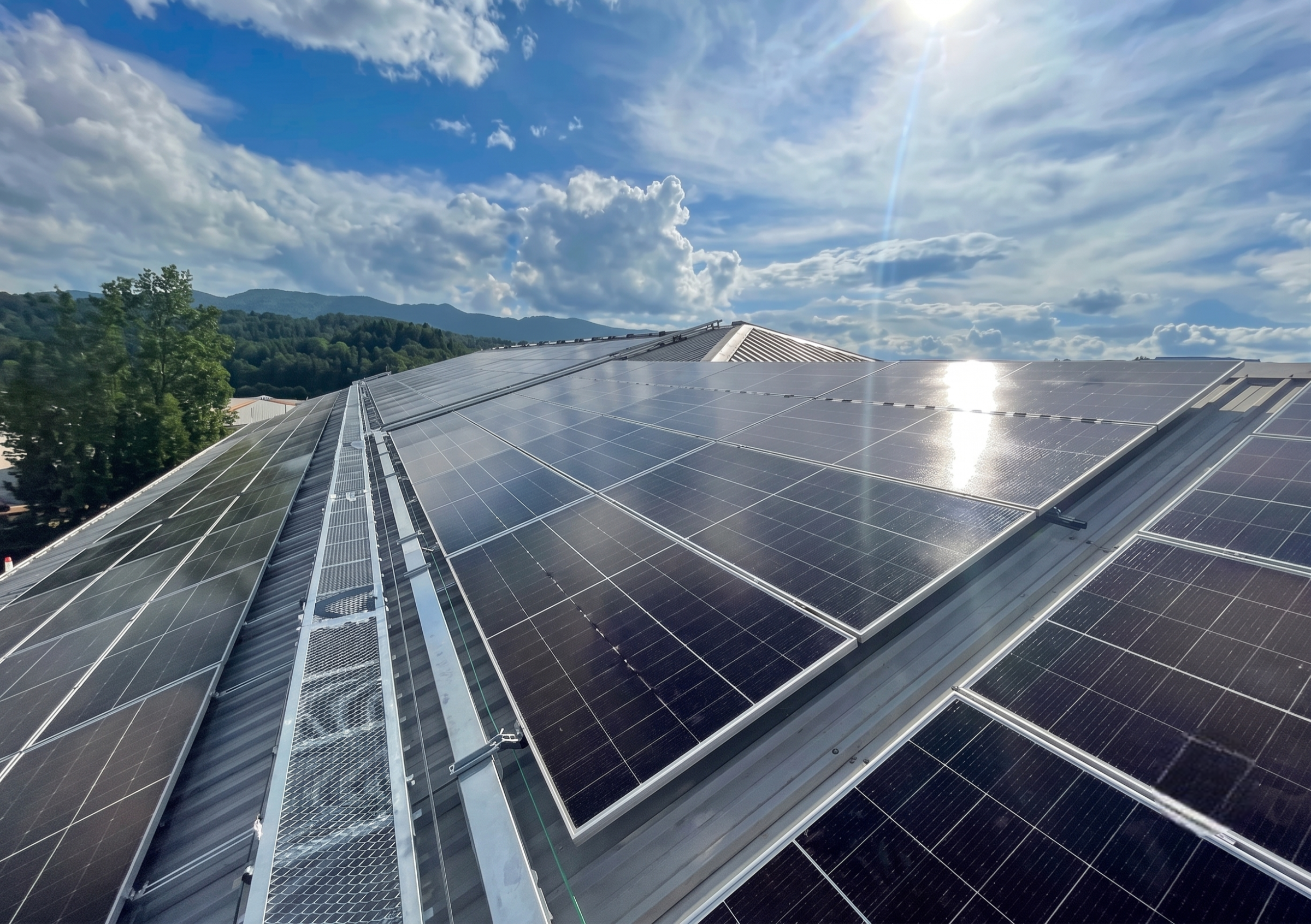
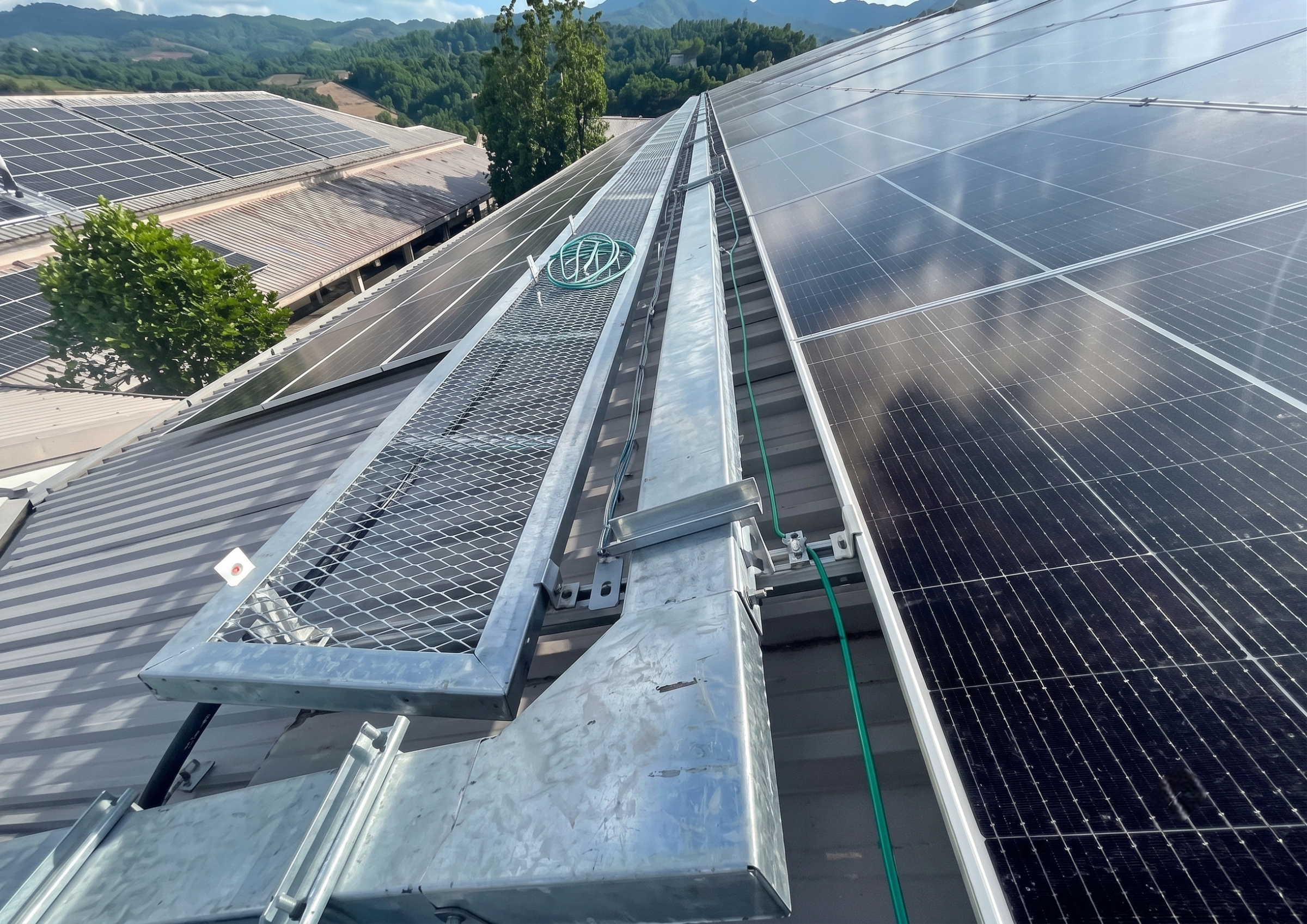
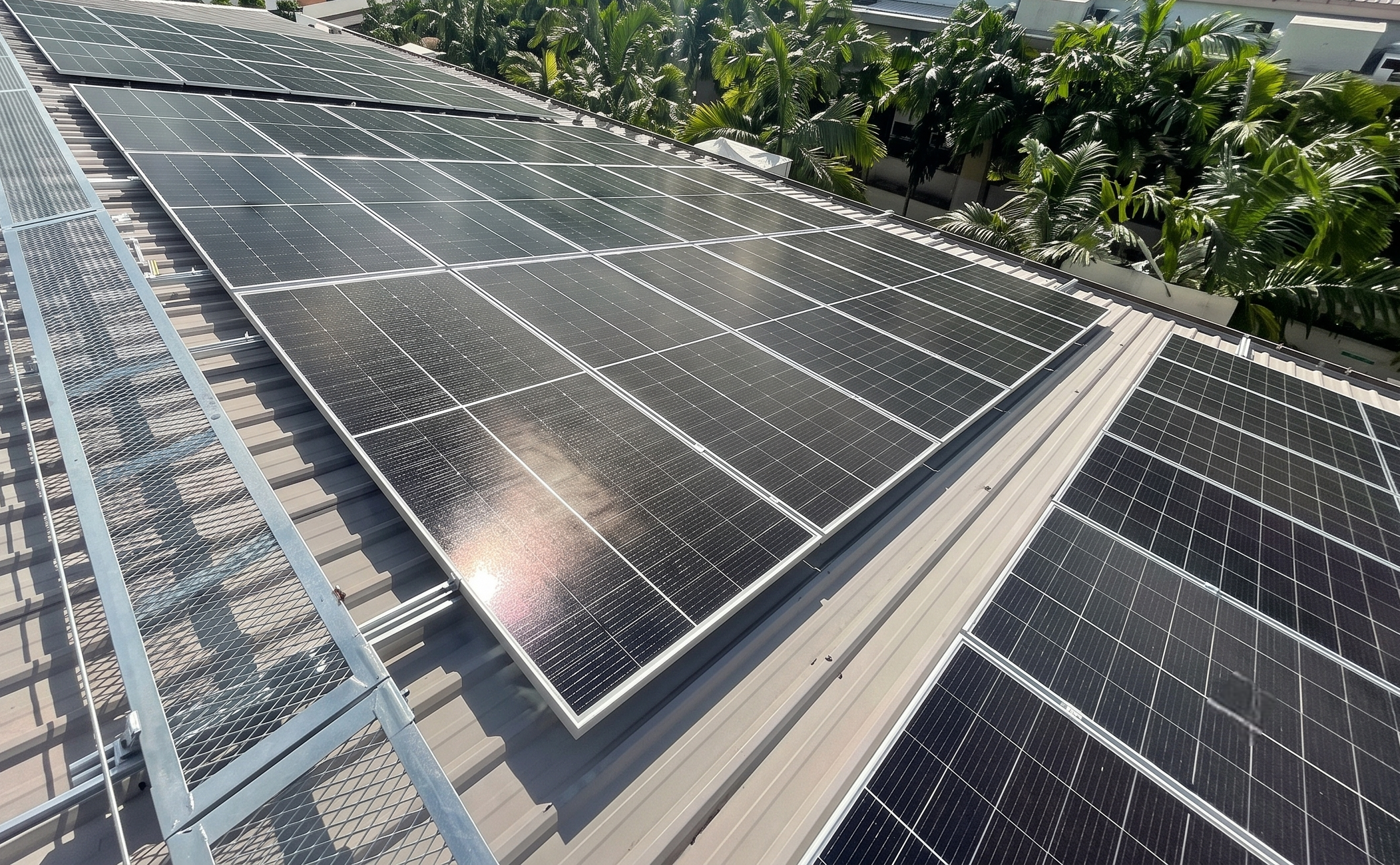
University of Phayao promotes the transition from fossil fuel dependence to renewable energy sources through the installation of solar rooftop systems across multiple campuses. The current installed capacity exceeds 3.5 MW, providing clean electricity and reducing grid-based carbon intensity. The university continuously expands renewable energy production with the goal of achieving 100% renewable electricity consumption by 2040. Energy-efficient appliances, LED lighting systems, and smart energy monitoring are widely implemented to minimize electricity use and optimize operational performance.
-
Green Building and Sustainable Infrastructure
Newly constructed and renovated buildings at University of Phayao, such as the Institute of Innovation and Learning, Science and Technology Park, and Office of the President (New Building) buildings, are designed following international green building standards (LEED and TGBI). These buildings incorporate energy recovery systems, natural ventilation, radiant cooling, and green roofs, which collectively reduce energy consumption and improve indoor air quality. Green building practices contribute significantly to lowering both direct and indirect GHG emissions from campus operations.
-
Low-Carbon Transportation and Mobility
To reduce emissions from campus commuting, University of Phayao promotes low-carbon transportation systems, including electric shuttle buses, carpooling, and bicycle-sharing programs. Dedicated pedestrian walkways and electric vehicle (EV) charging stations are also integrated within the campus infrastructure. These initiatives aim to reduce vehicle emissions, improve air quality, and enhance accessibility for students and staff.
-
Waste and Resource Management
University of Phayao implements a Zero Waste to Landfill policy through effective waste segregation, recycling, and composting programs. Organic waste from campus canteens is converted into biogas or fertilizer, while laboratory and hazardous waste are handled through certified treatment processes to prevent environmental contamination. Water-saving fixtures, greywater recycling, and rainwater harvesting systems also support the reduction of the university's overall carbon footprint.
-
Research, Innovation, and Carbon Sequestration Projects
Beyond operational reductions, University of Phayao actively engages in research-based carbon management, including projects on carbon capture, utilization, and storage (CCUS), biochar applications, and creating models for carbon sequestration in dry dipterocarp forests. These initiatives not only enhance scientific knowledge but also provide real-world carbon offset opportunities. The university collaborates with local communities and governmental agencies to restore ecosystems, which serve as natural carbon sinks under the University of Phayao Carbon Sink Initiative.
-
University of Phayao Carbon Neutrality 2050 Roadmap
In alignment with Thailand's Net Zero 2065 target, University of Phayao has set an ambitious goal to achieve Carbon Neutrality by 2050, 15 years ahead of the national target. The roadmap emphasizes five key action areas:
- Energy Transformation — increasing renewable energy share and improving energy efficiency.
- Sustainable Infrastructure — expanding green building standards to all facilities.
- Carbon Management System — developing precise carbon accounting and monitoring tools.
- Offset Mechanisms — promoting campus-level carbon sinks through reforestation and soil carbon storage.
- Education and Awareness — integrating sustainability and carbon literacy into curriculum and research programs.
This comprehensive approach ensures that University of Phayao not only reduces its emissions at the source but also builds a culture of environmental responsibility and climate resilience throughout its community. The Carbon Neutrality 2050 initiative positions University of Phayao as a leader among Southeast Asian universities in advancing higher education's role in climate action and sustainability transformation.
Using renewable energy for electricity that reducing purchased electricity
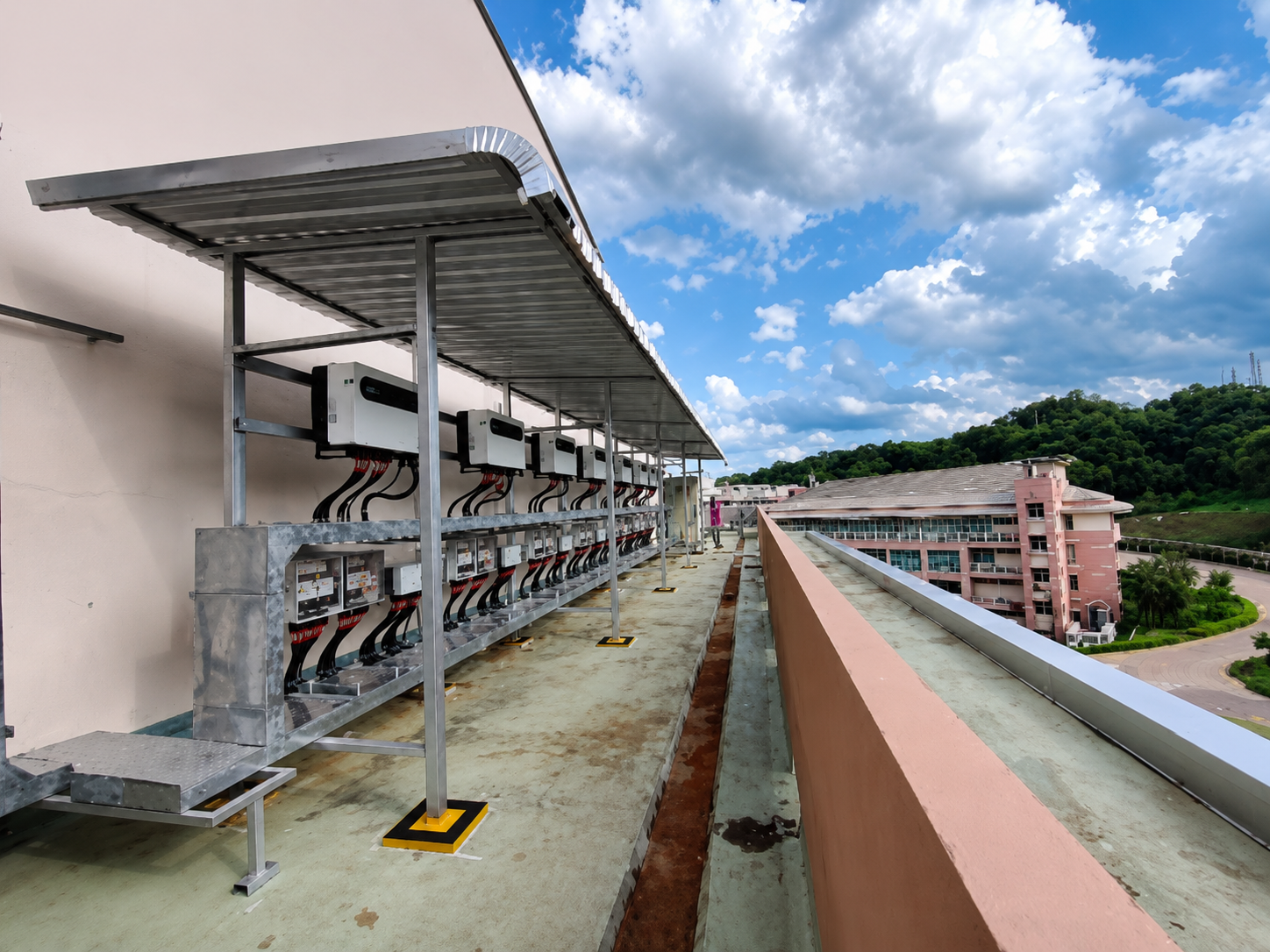
Solar energy is the most prominent renewable energy source at University of Phayao. The university has installed on-grid rooftop photovoltaic (PV) systems across multiple buildings, including academic blocks, dormitories, and laboratories. As of 2023, the total installed solar rooftop capacity reached 3.5 megawatts (MW), an increase from the earlier figure of 500 kilowatts (kW). These PV systems supply electricity directly to the campus grid, reducing reliance on fossil fuels and lowering greenhouse gas emissions. The solar systems are integrated with smart monitoring platforms, enabling real-time measurement of power generation, consumption, and system efficiency. This not only ensures stable operation but also provides valuable data for research and teaching in renewable energy engineering. University of Phayao has also set an ambitious target to expand its solar capacity to 6 megawatts (MW) in the near future, which will significantly increase the renewable share in the university's energy portfolio.
According to the implementation of renewable energy in the University, the University of Phayao received a budget for creating a solar power plant and biogas systems for use in the cafeteria. On roofs of administration building, library, laboratory building, school factories and other teaching buildings and dormitories, solar PV power station of total 3.5 MW is installed.
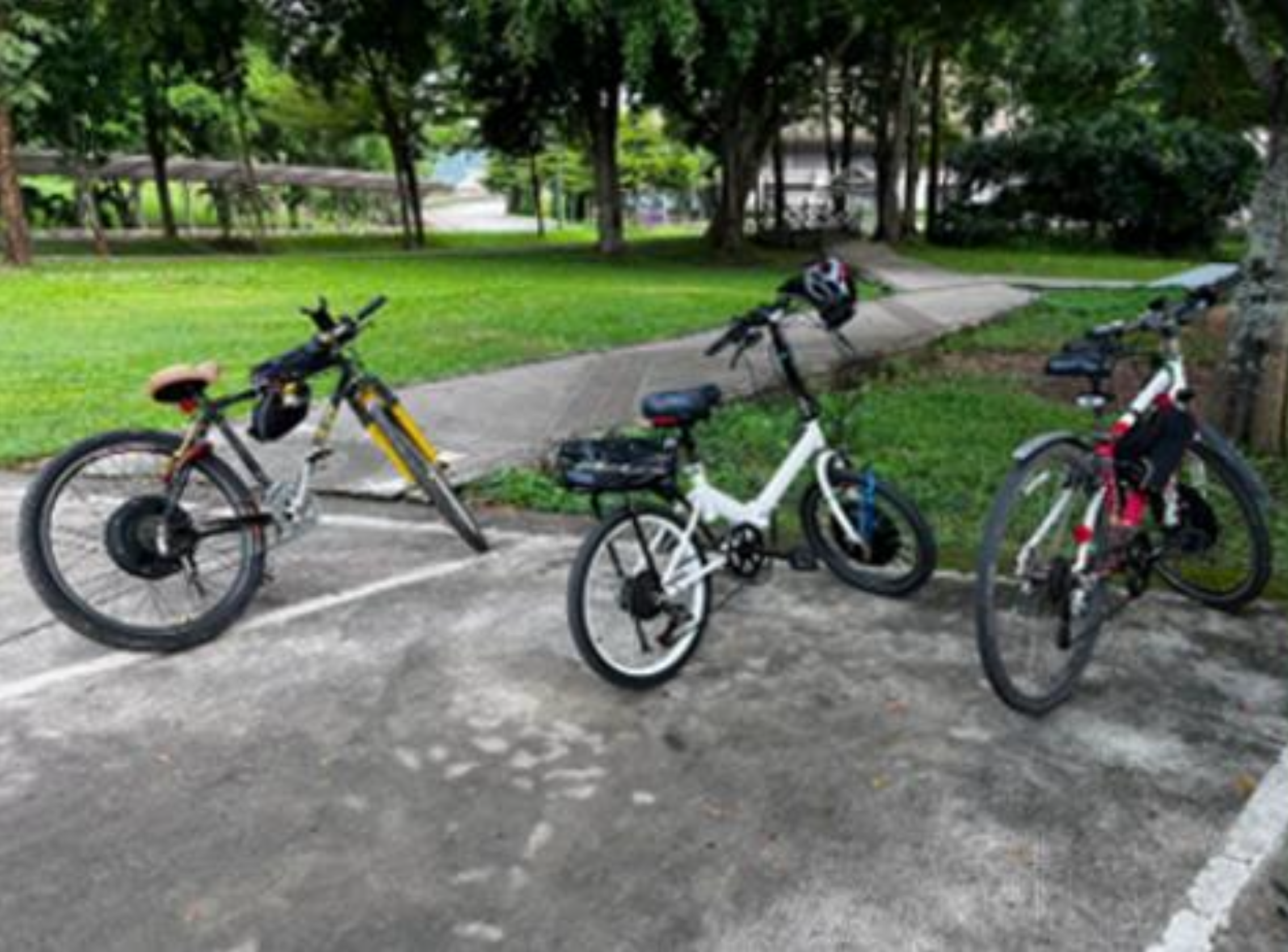
The use of Zero Emission Vehicles (e.g. bicycles, electric car) is supported for transportation on campus
Public transportation management within University of Phayao to reduce the amount of emissions from vehicles that will generate greenhouse gases.
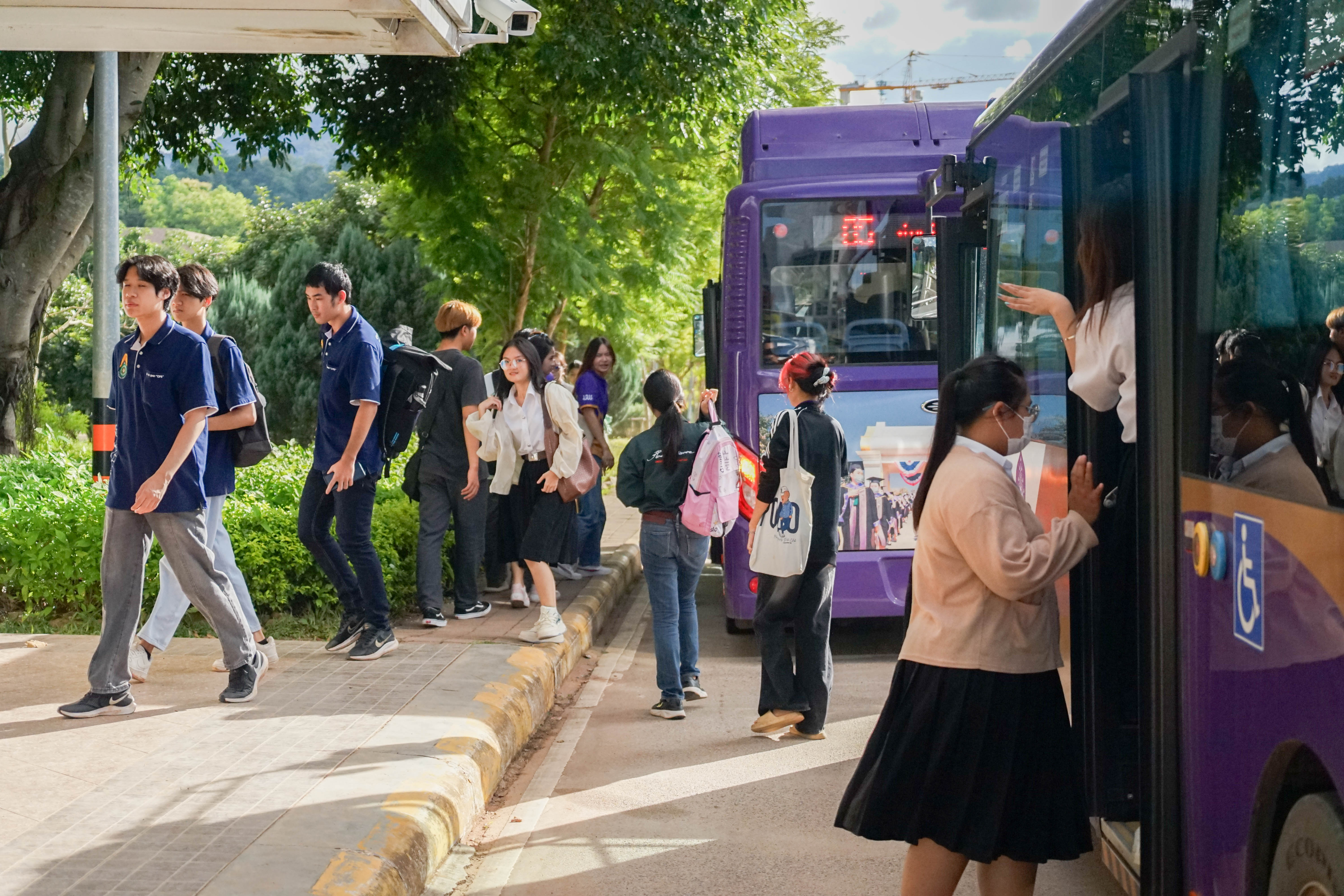
University of Phayao has established a public transport policy by Electric buses to facilitate the travel of students, staff, and the general public to promote the use of bicycles or on foot at a short distance within the University to reduce fuel consumption and reduce carbon dioxide emissions.
Public transportation (Electric buses 100%) management within University of Phayao is an efficient use of resources within the university to limit the number of vehicles traveling within the university and reduce the amount of emissions from vehicles.
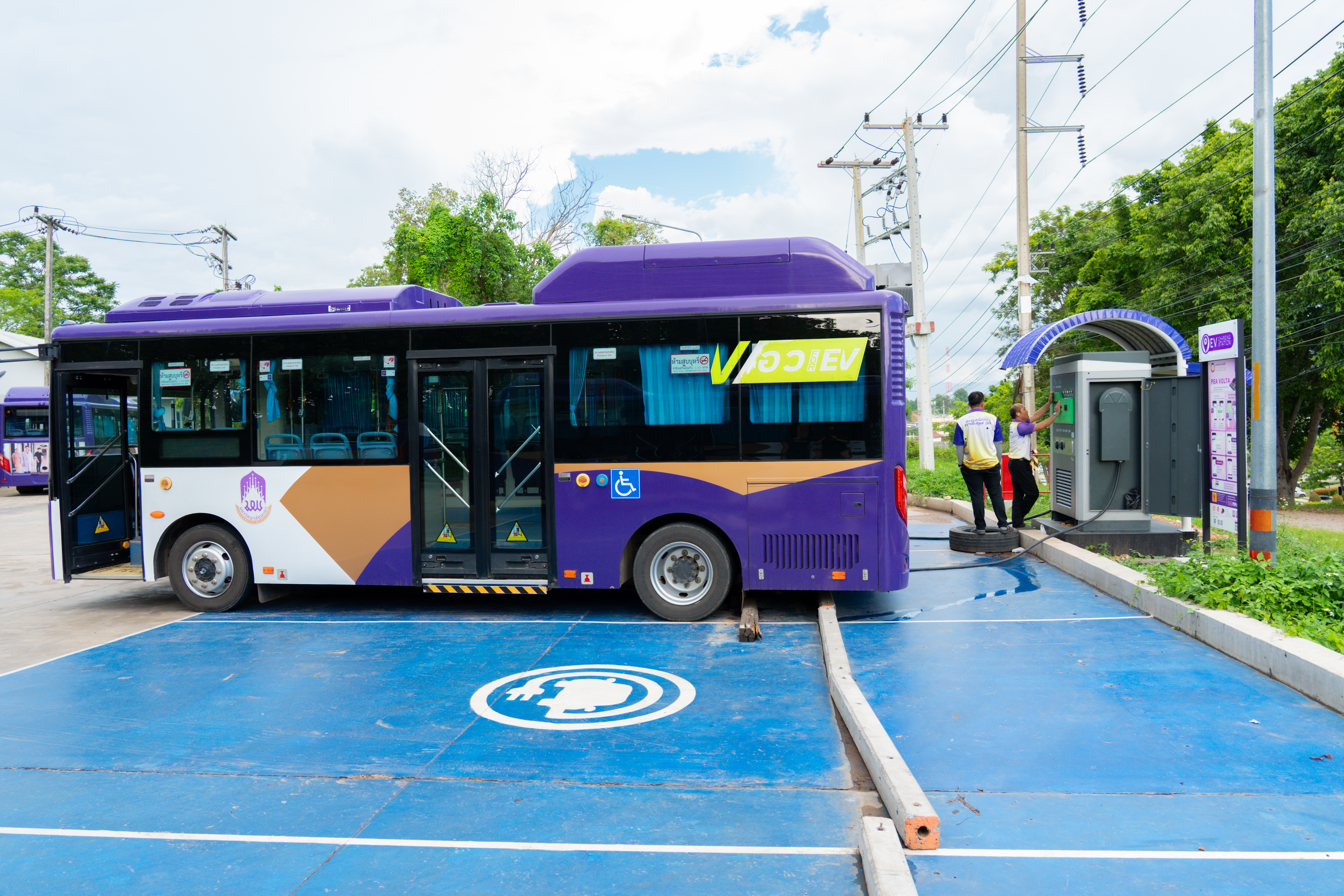
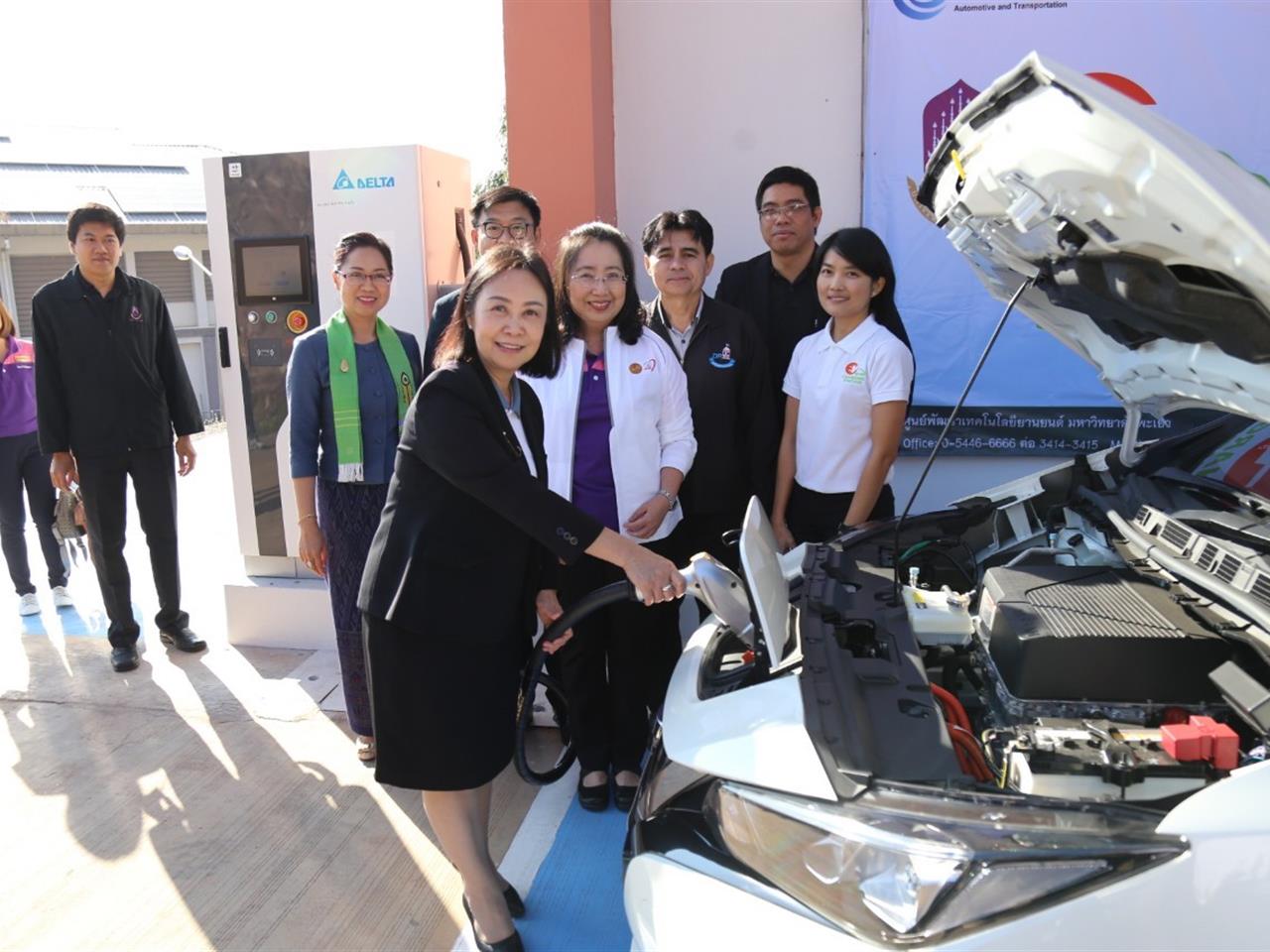
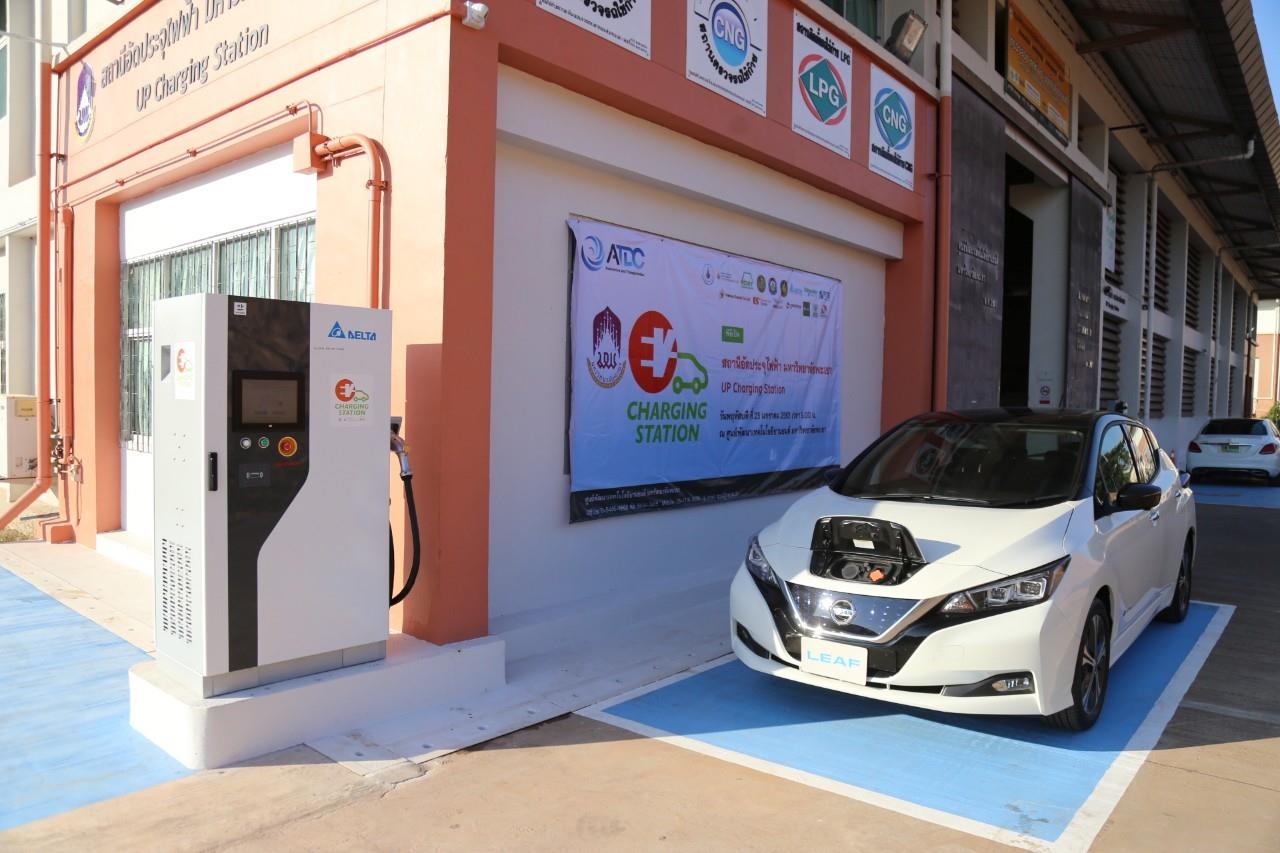
Electric vehicle charging station
The University of Phayao has installed electric vehicle (EV) charging stations where students and staff can park and charge their vehicles. This initiative aligns with the Sustainable Development Goals (SDGs) and aims to reduce greenhouse gas emissions from transportation on campus. The university recognizes the importance of behavioral changes in vehicle usage among students and staff, shifting from a reliance on fossil fuels to the use of more environmentally friendly vehicles.
Electric trains for use in traveling within the university and for the technician team for maintenance
University of Phayao has a policy to reduce the number of personal cars and motorcycles to reduce road accidents and reduce greenhouse gas emissions. by encouraging the use of public transport more, such as electric golf carts, for use in traveling within the university, for coordination between units, or for student activities, in order to reduce the use of private vehicles and limit parking spaces in various buildings.
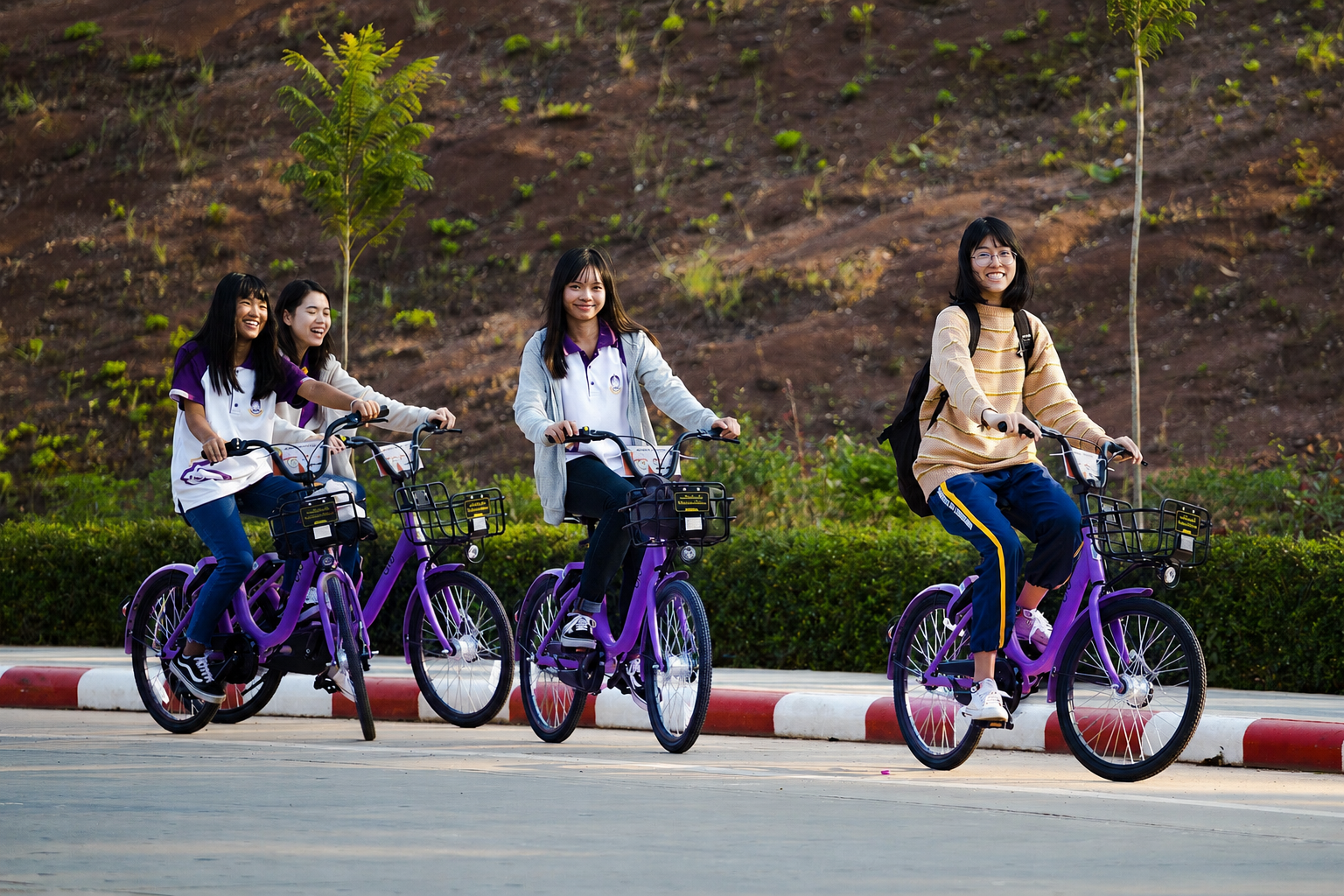
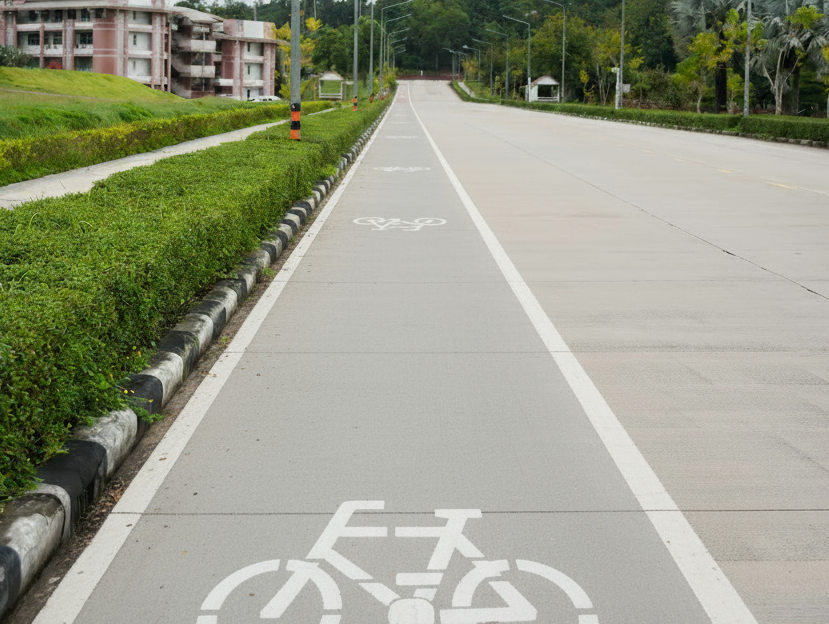
Free to rent bicycle on campus
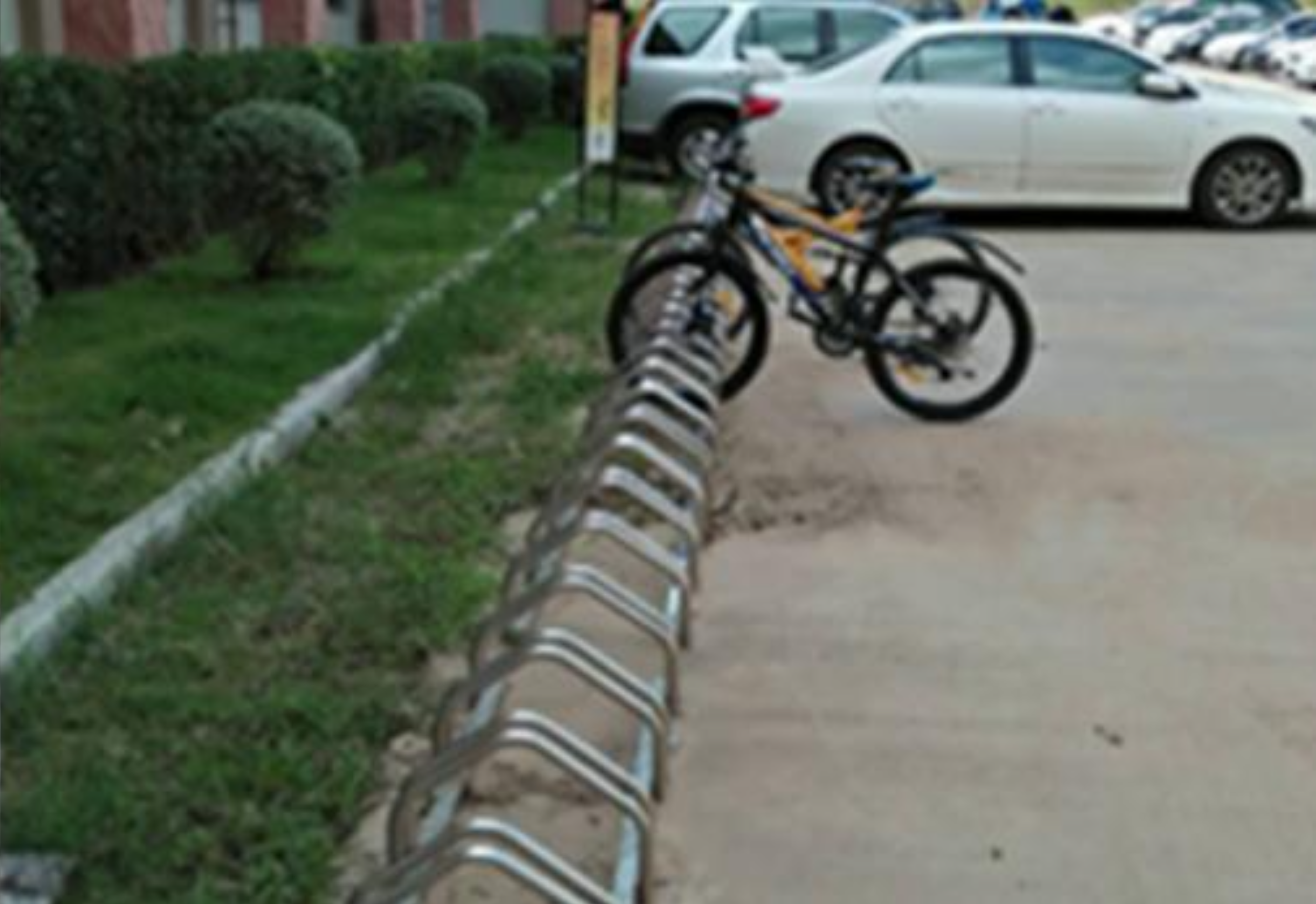
University of Phayao has a policy to promote the use of bicycles for traveling within the university. By providing bicycles for students to use for free. This project is to support walking and biking as the main travelling way, to development in students and staff's better quality of life, prevention from pollution and promote physical and mental well-being. University of Phayao developed the landscape for biking since 2017, which is not changing traffic roads to be the pedestrian walkways which vehicles are not allowed to enter this area but only serve as the university's activity area with shady of trees and carbon absorption along the road over 3.5 kilometers.
Mechanical and Biological Waste Treatment
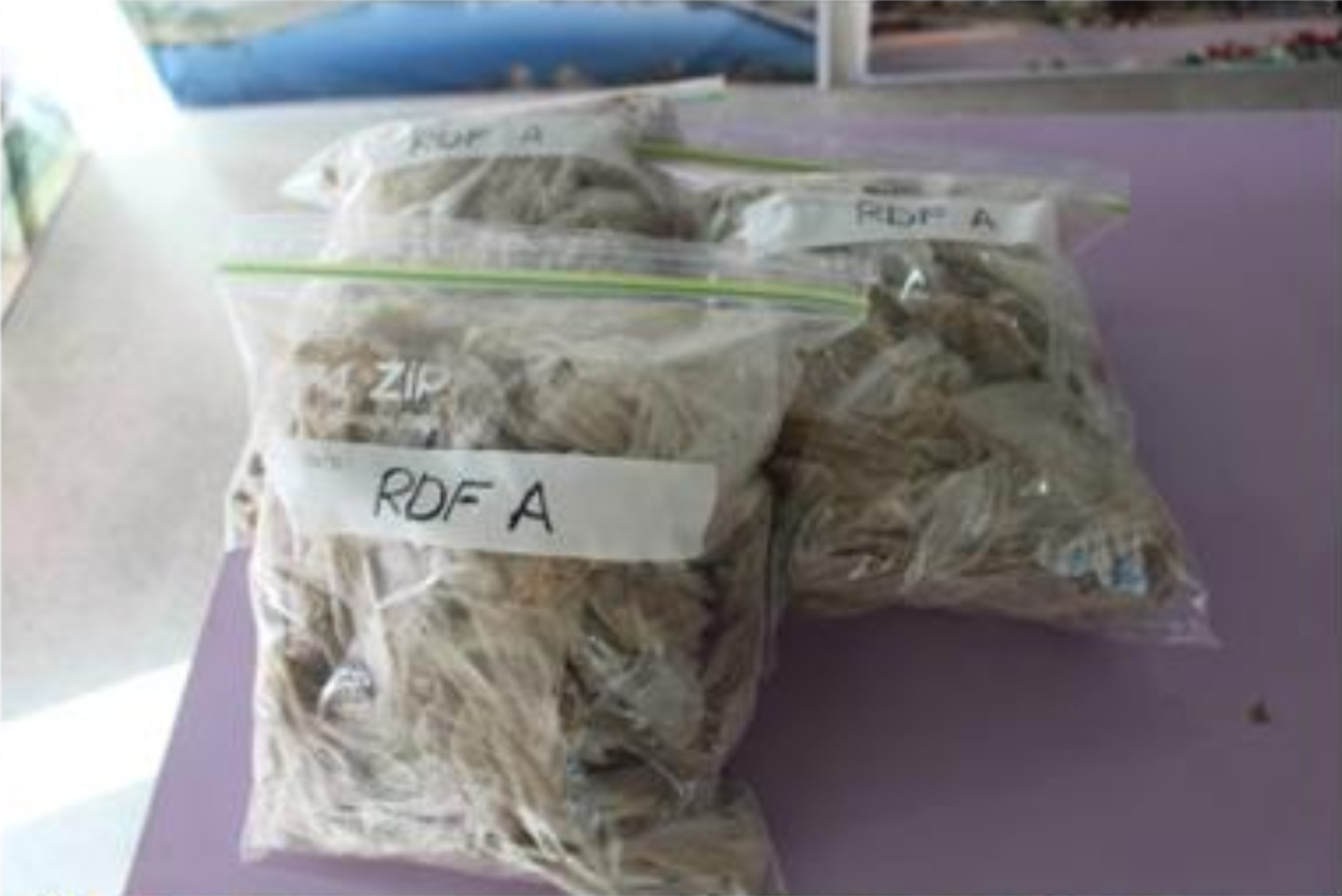
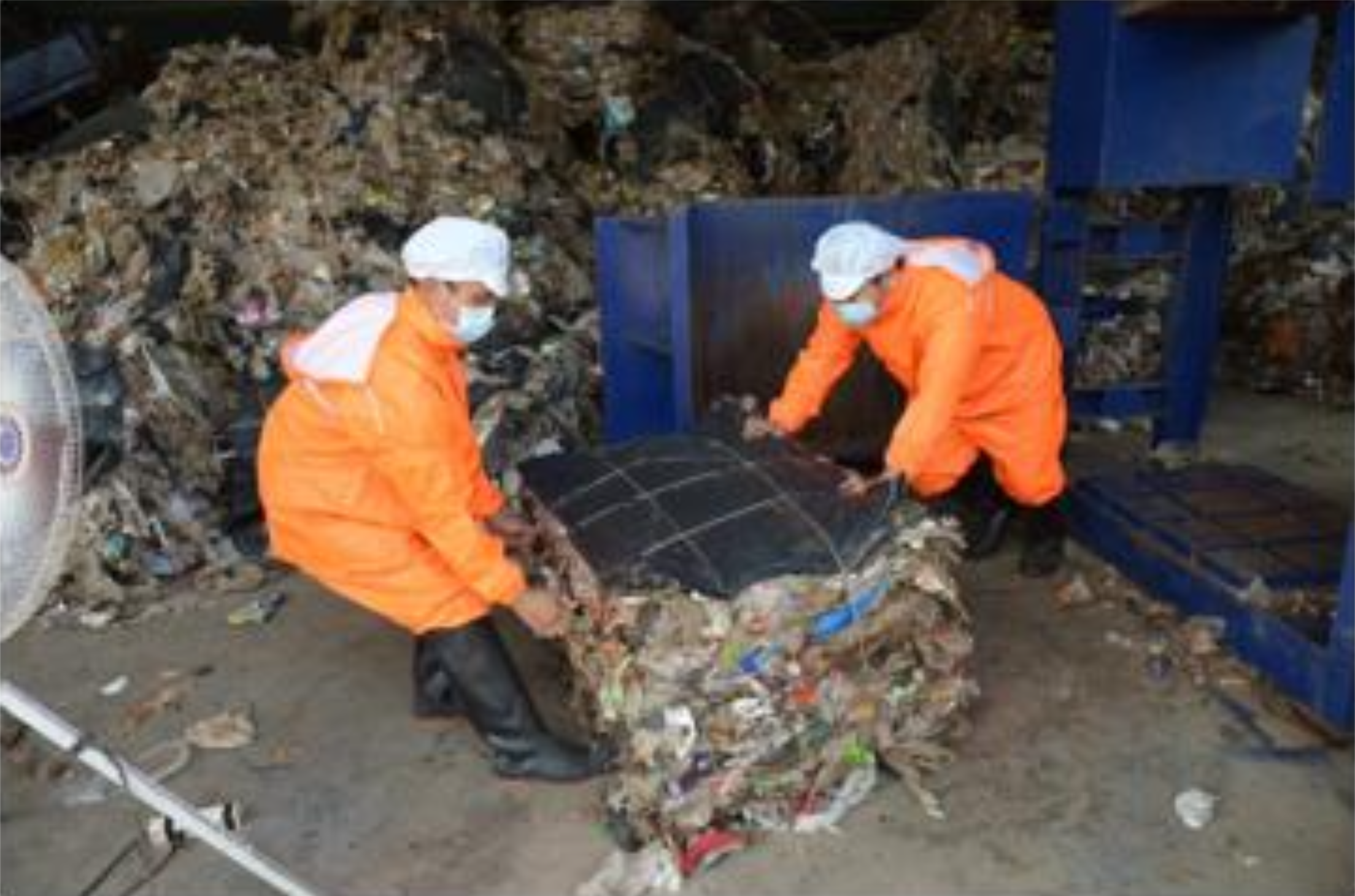
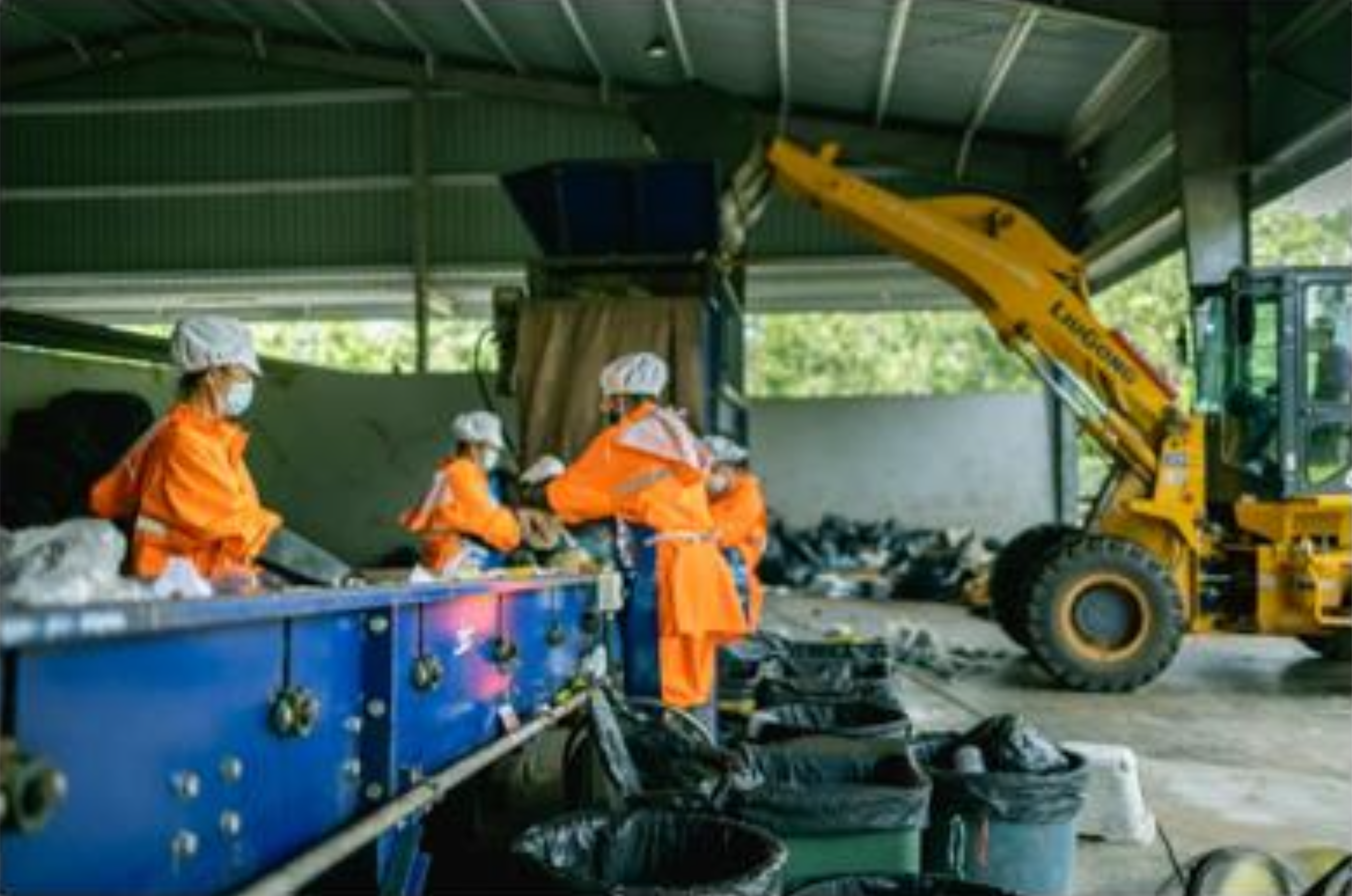
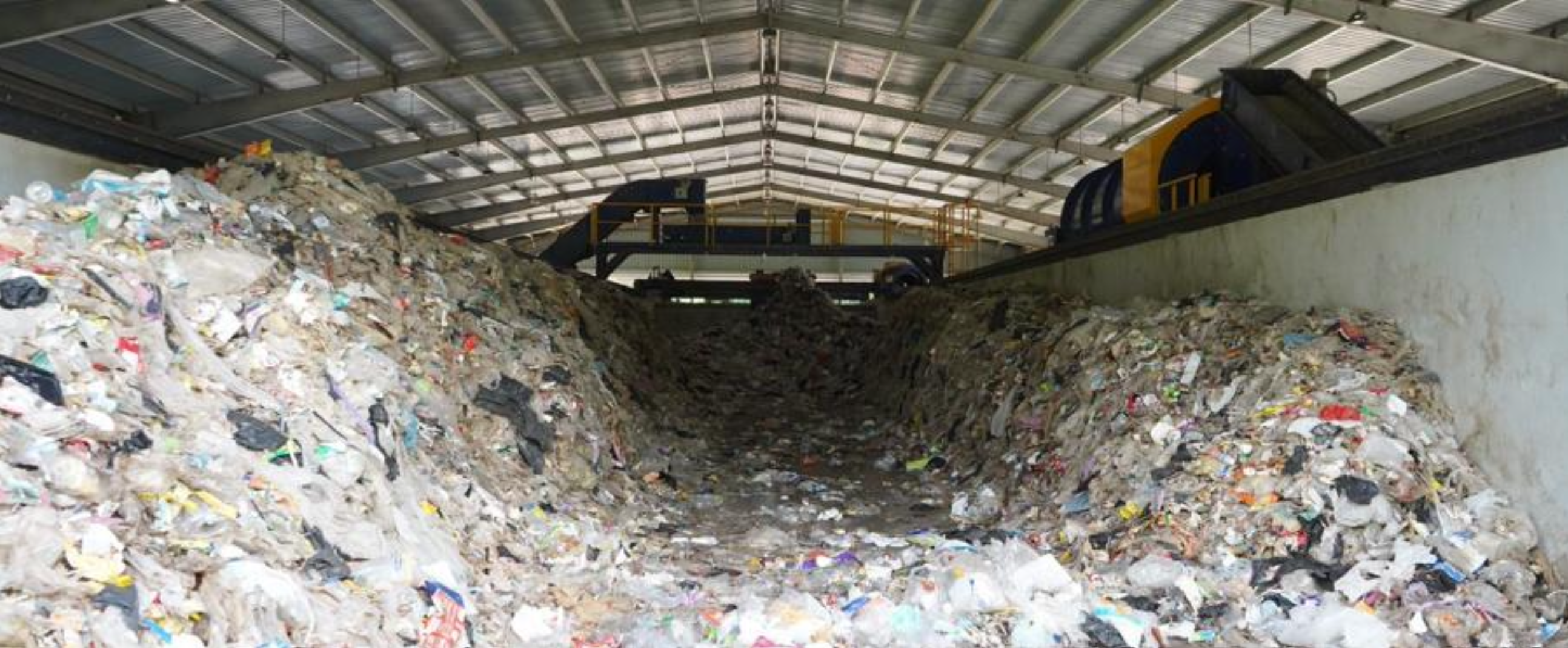
Sorting system and Mechanical and Biological Waste Treatment or MBT of the University of Phayao. It is a waste management system that uses mechanical and biological systems to produce waste fuel (RDF) and can support the amount of waste, 15 tons/day, of which the amount of waste of the University of Phayao is 2.3 tons/day. Waste fuel production technology is a waste management system where all waste can be brought into the system. By there is no waste left in landfills. As a result, no greenhouse gas emissions are released in waste management.
Utilization of waste fuel to generate electricity
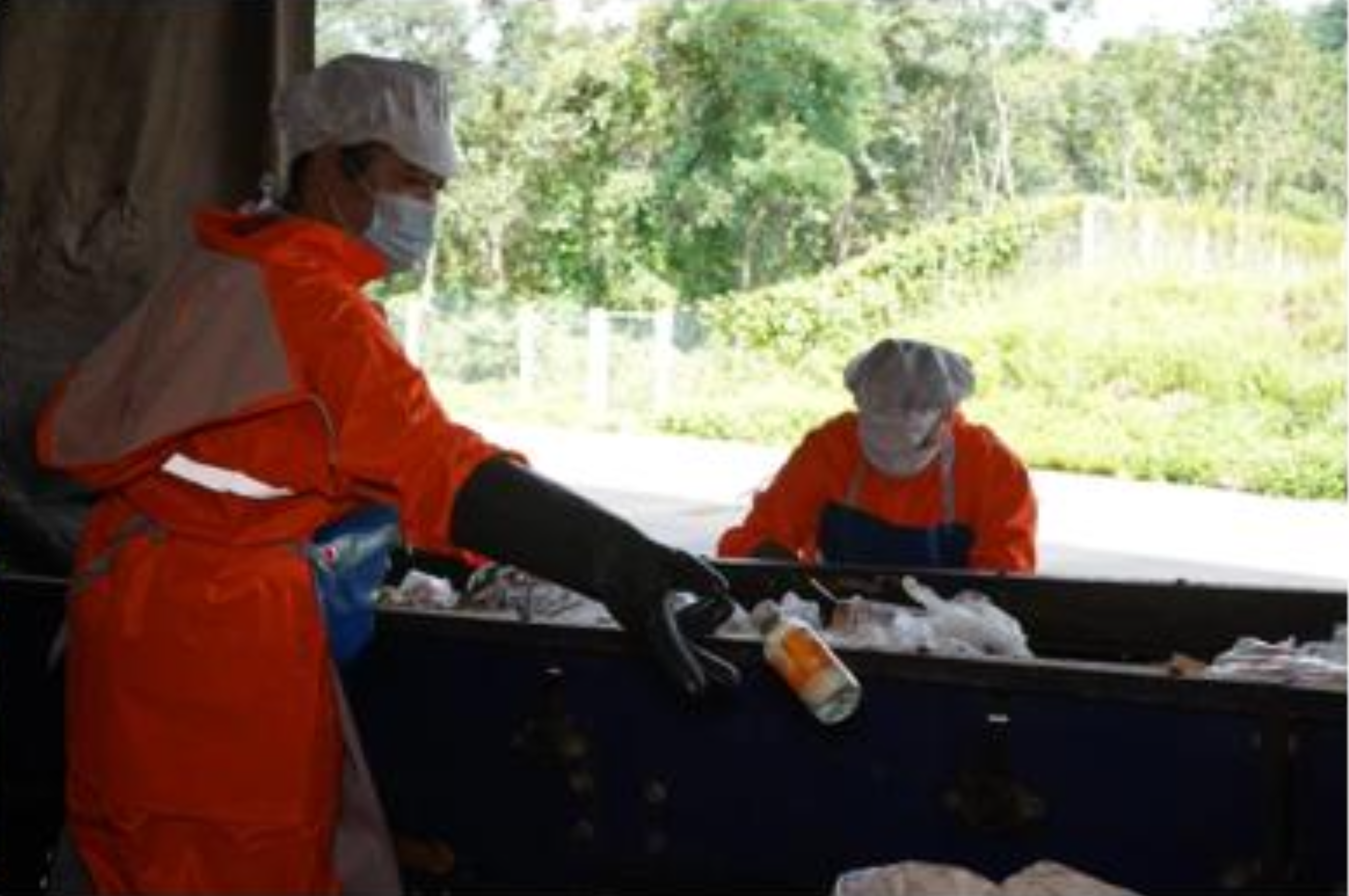
Recycling waste separation area.
Sorting system and prototype of bio-mechanical technology in waste fuel production.
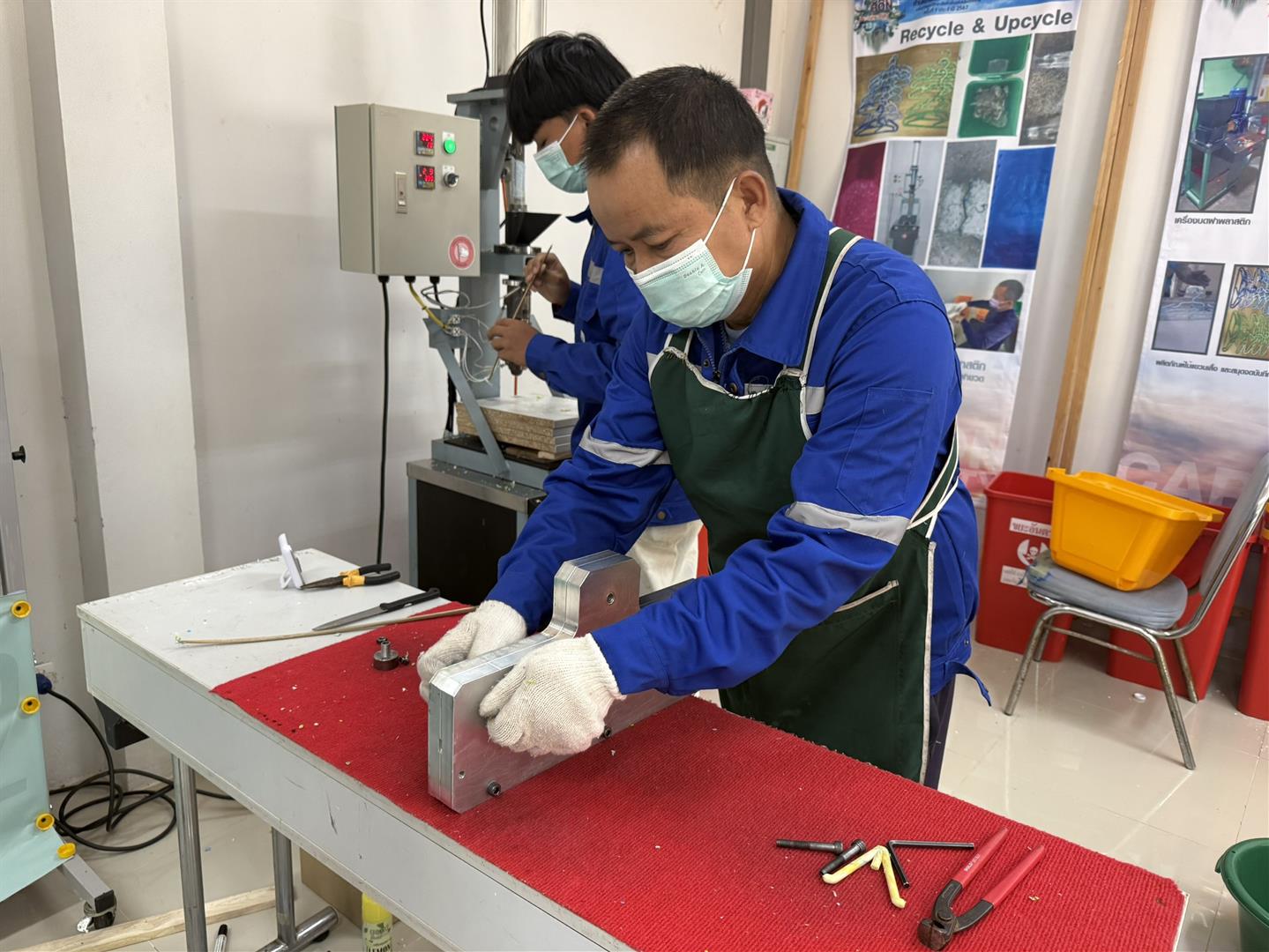
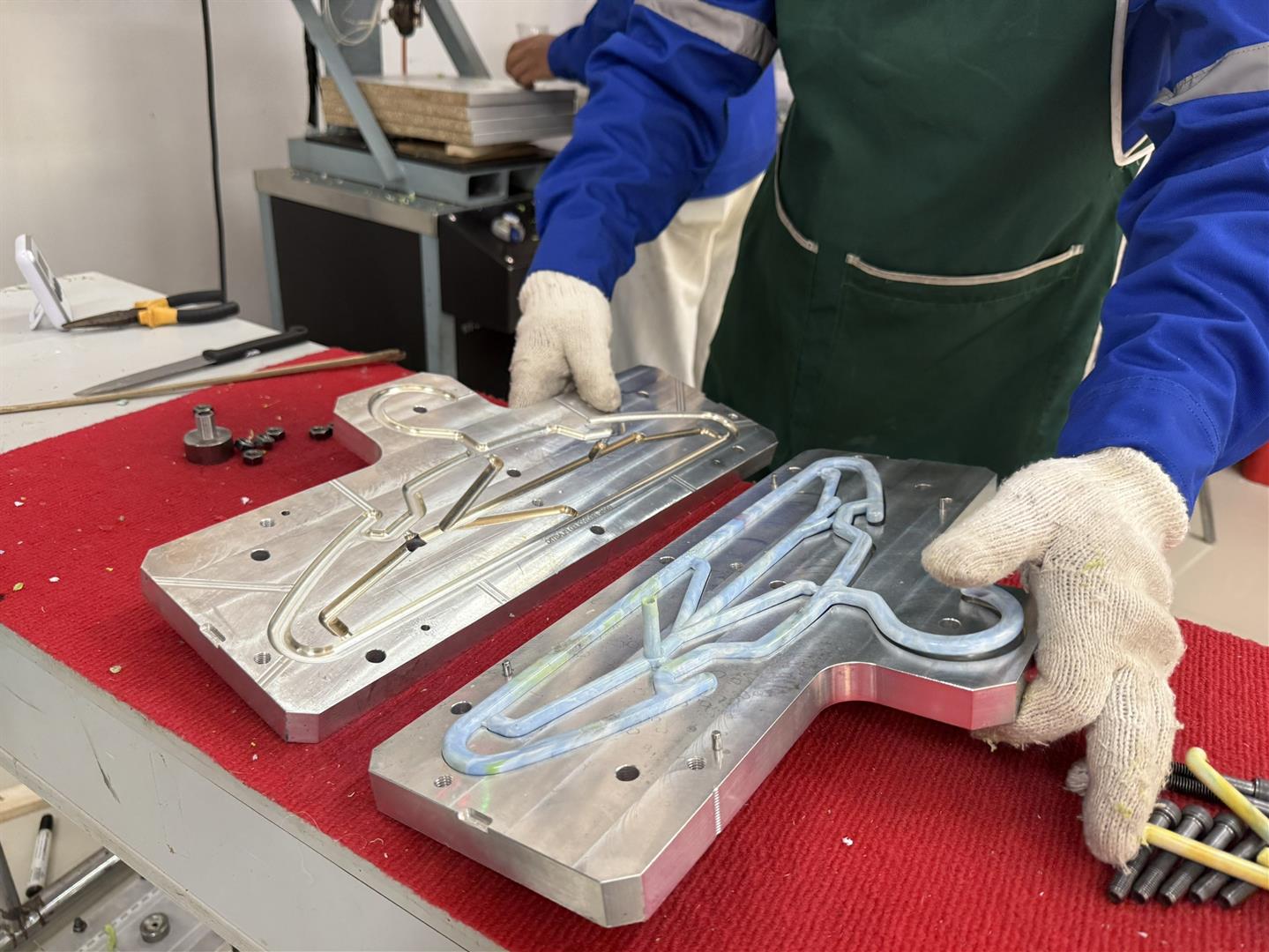
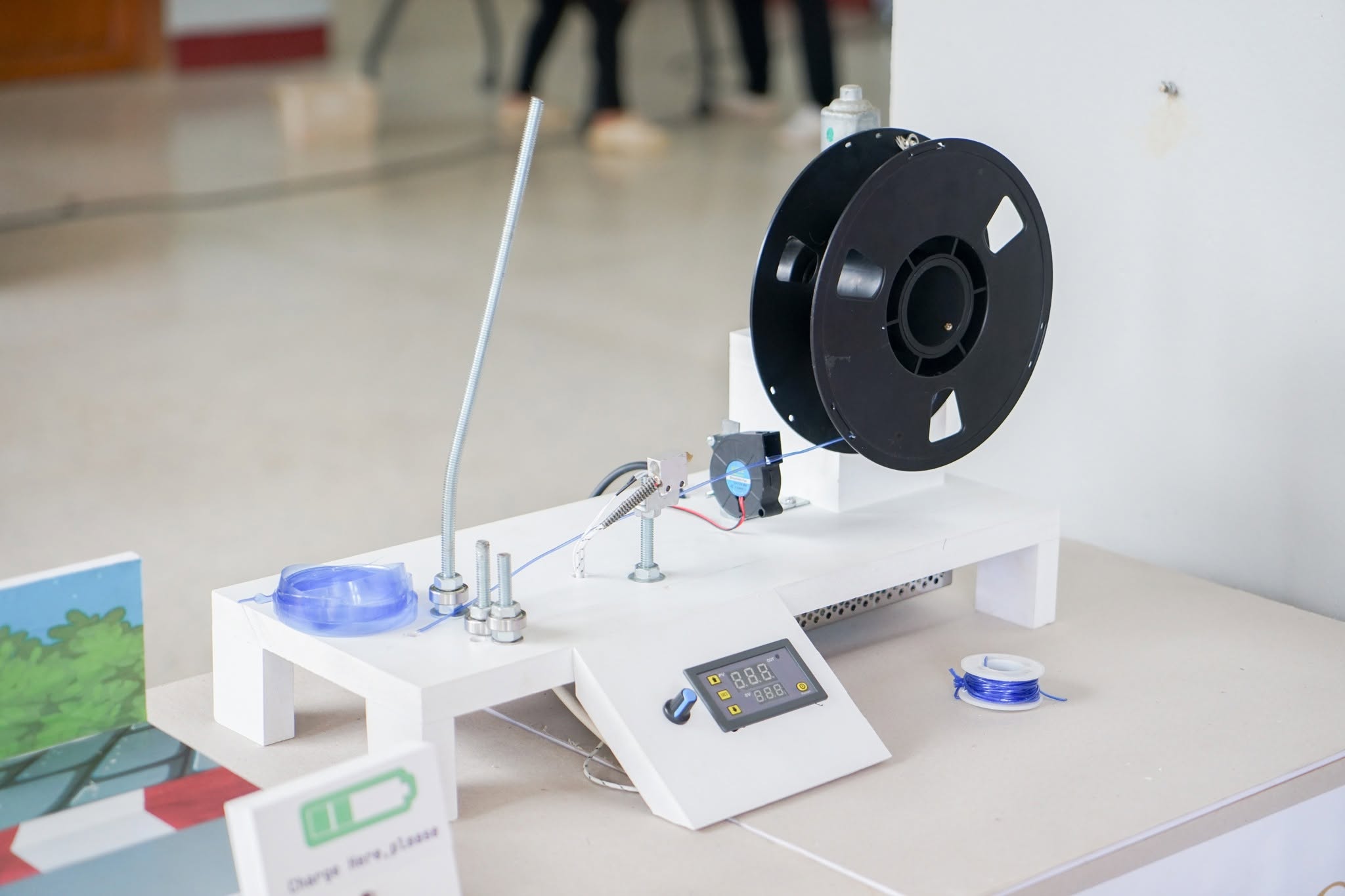
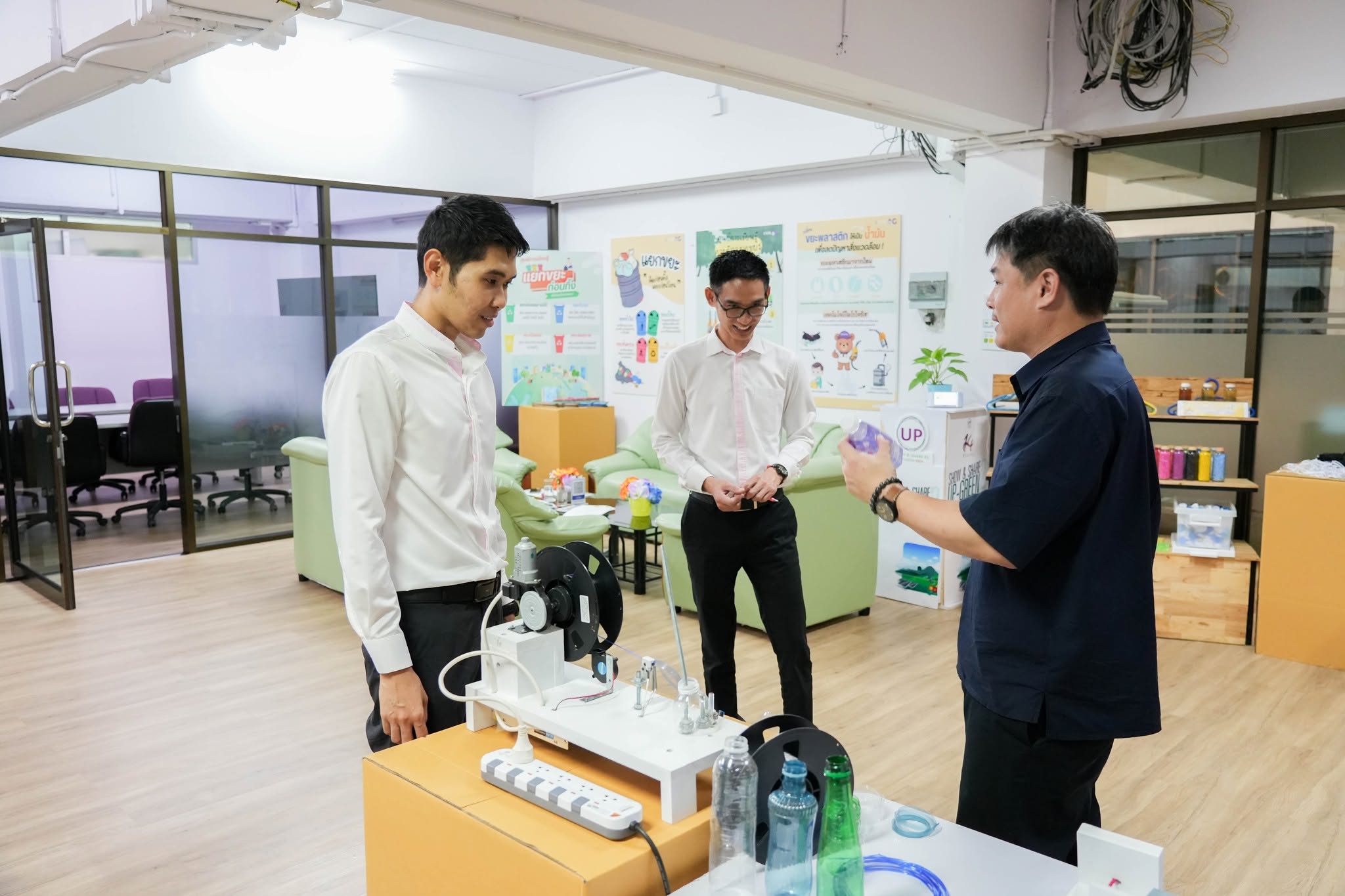
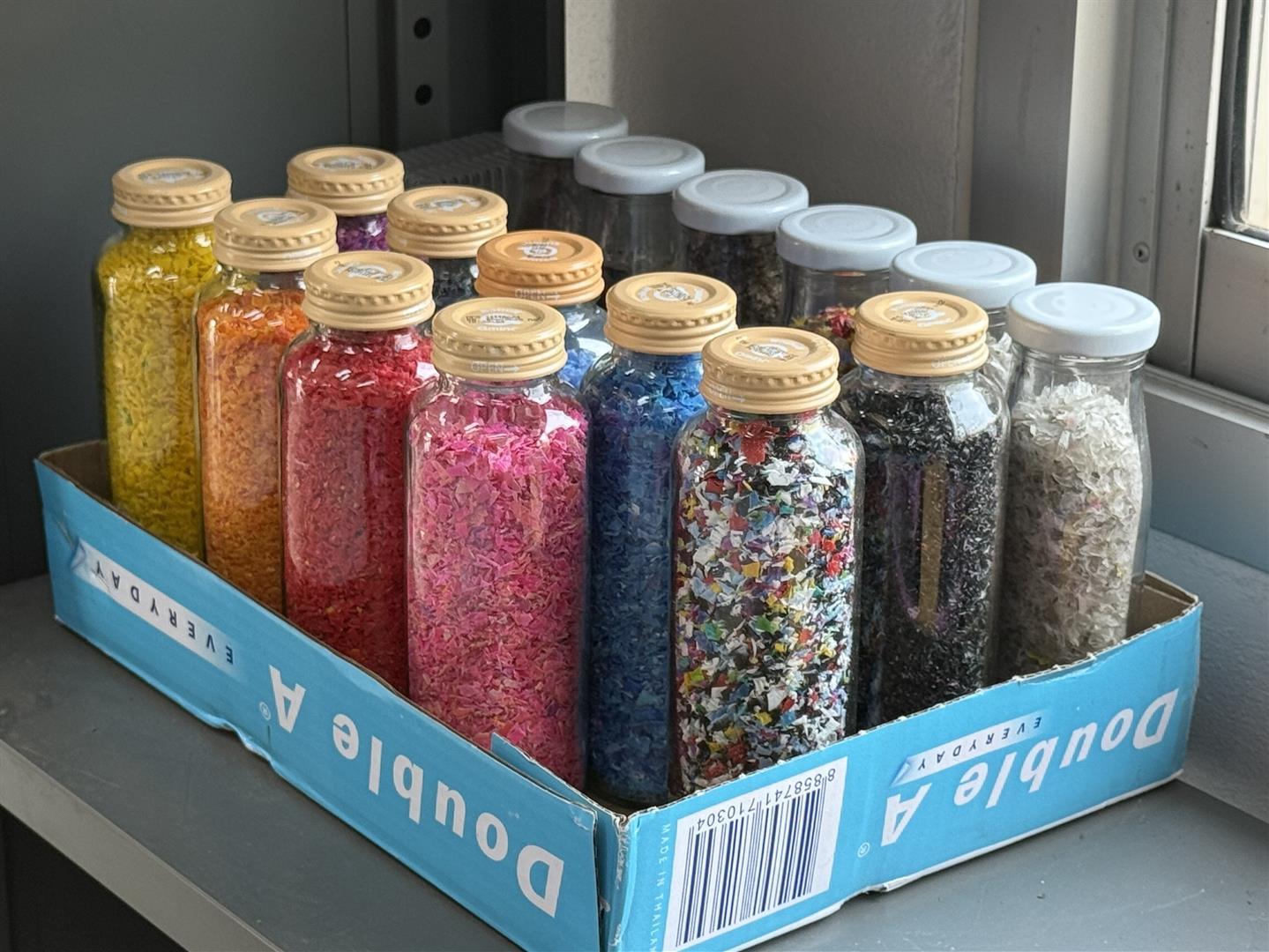
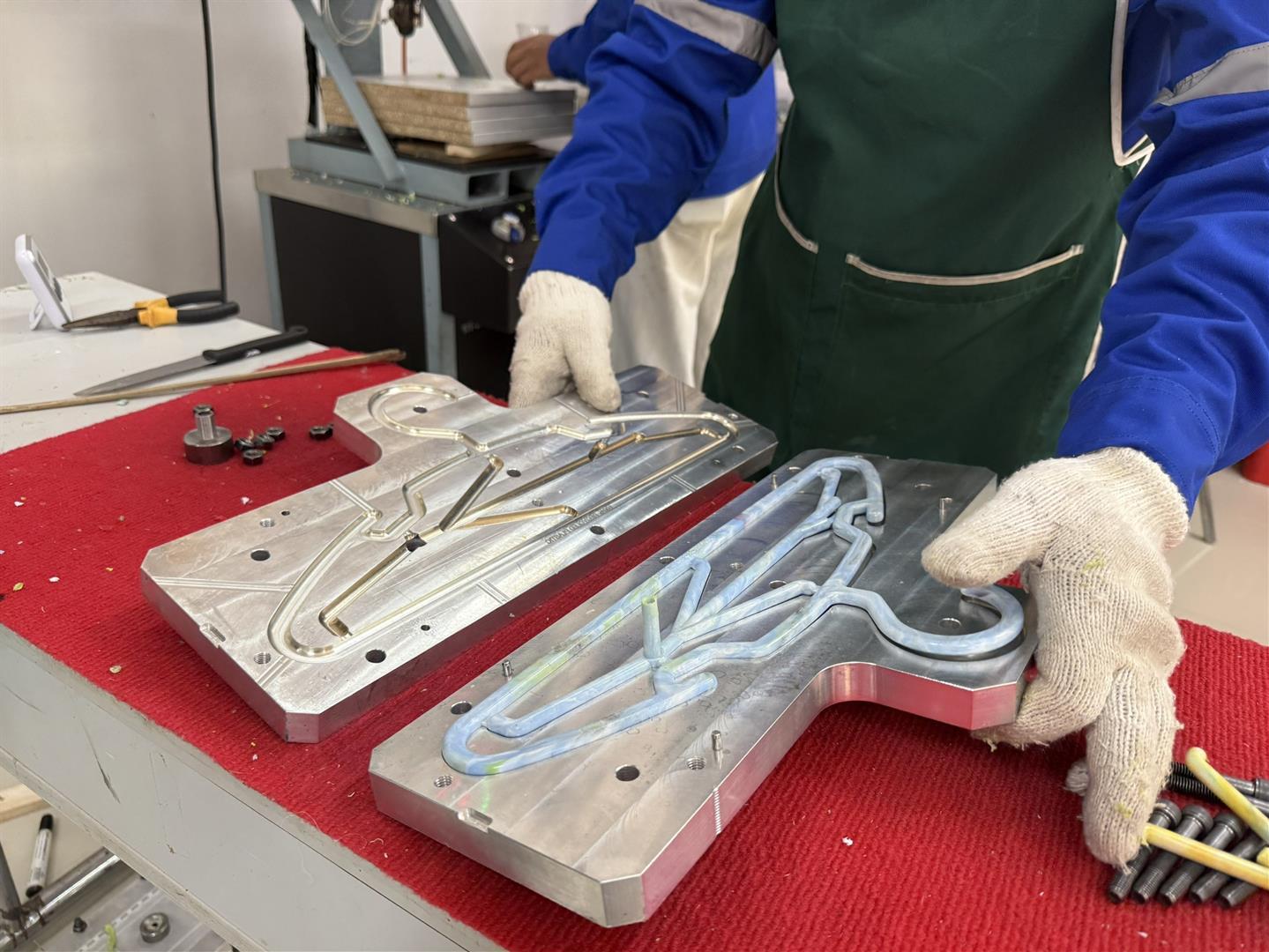
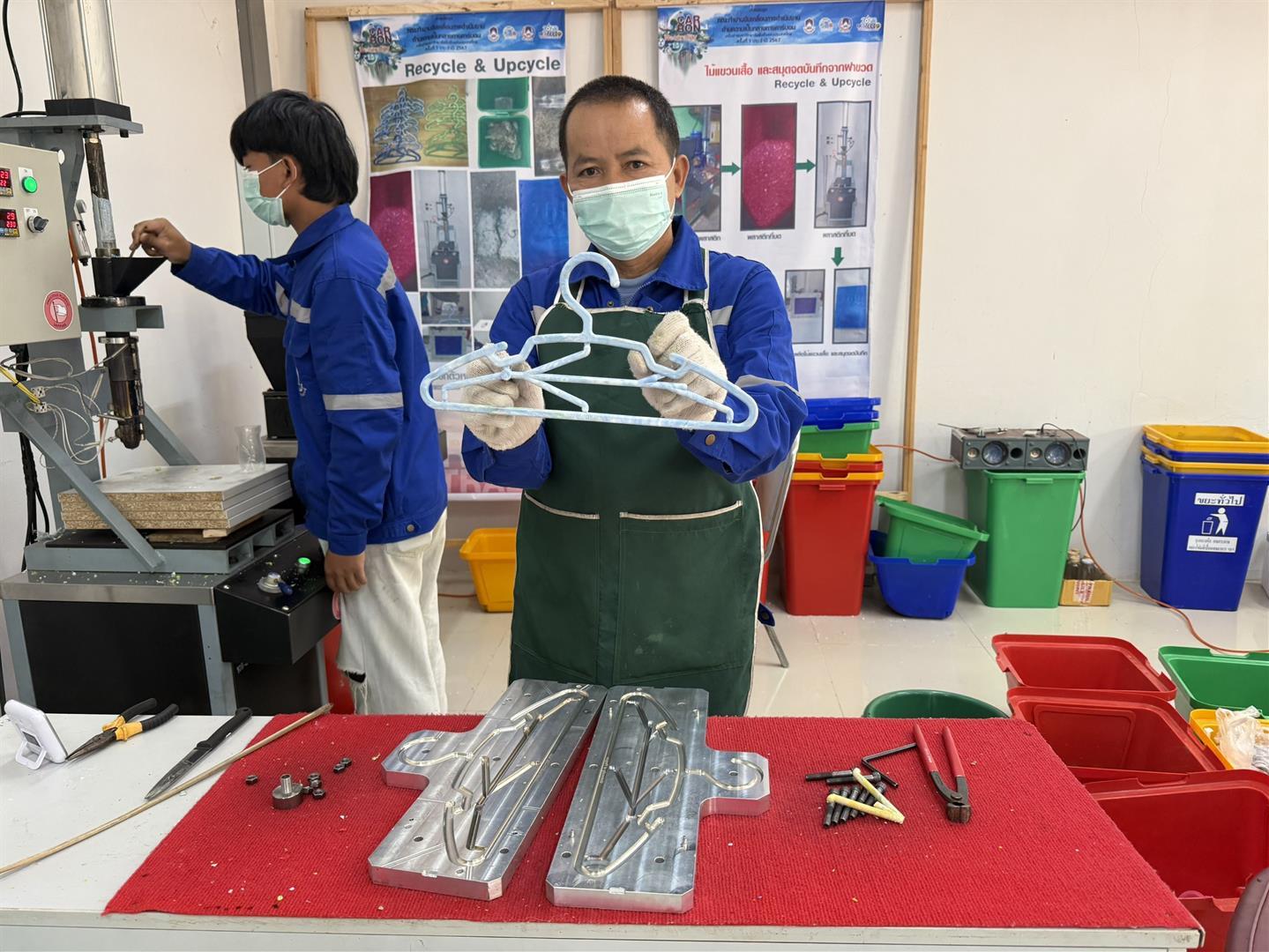
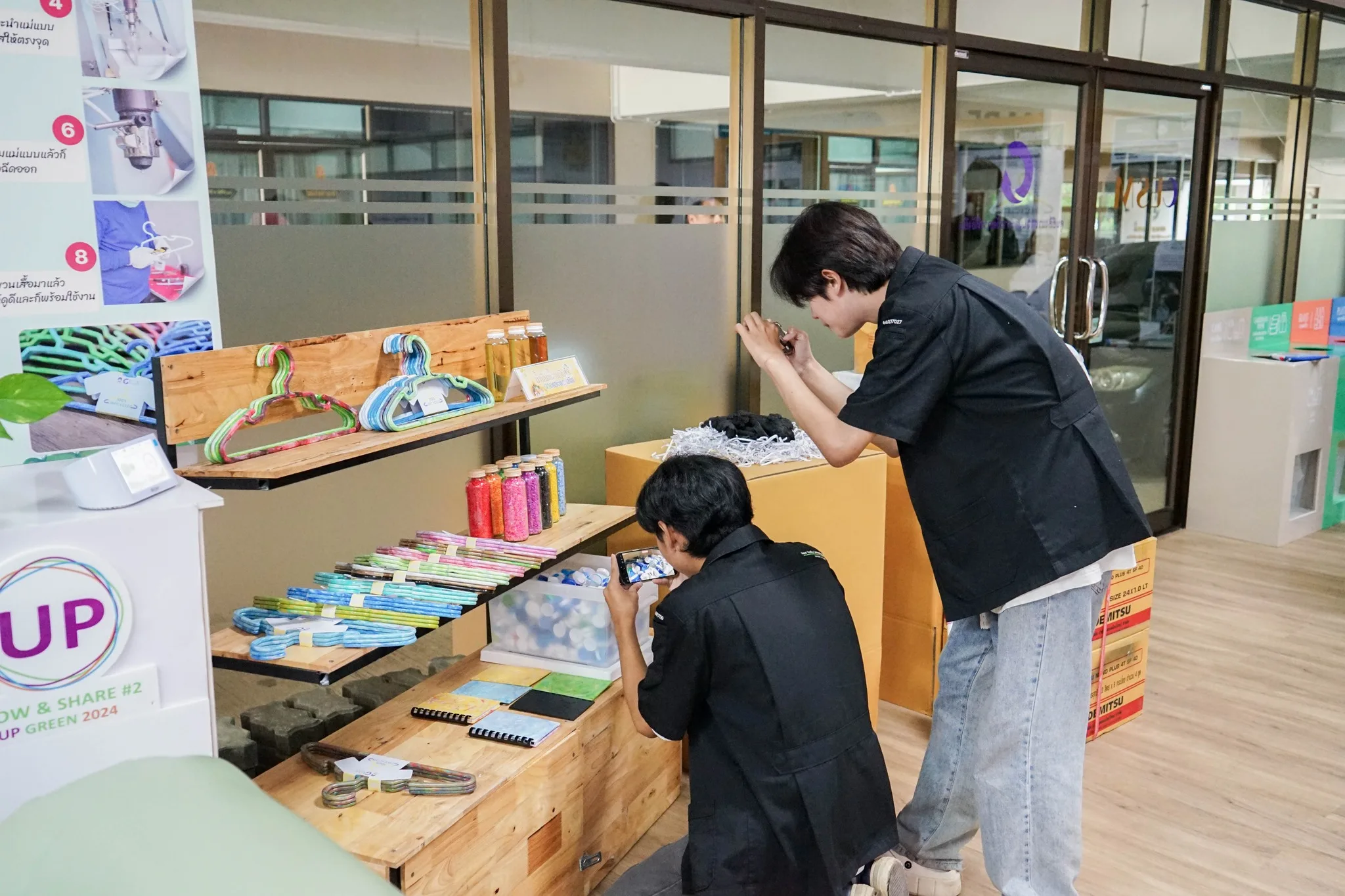
In addition, the University of Phayao has repurposed various types of plastic waste into useful products such as clothes hangers, plastic filament for 3D printers, and oil for lawnmowers. This initiative can reduce greenhouse gas emissions from landfilling or incineration by up to 90%
Plastic bottles can be donated and recycled into clothes hangers for use in schools and hospitals.
Plastic bottles are converted into filament material suitable for 3D printers.
Plastic bottles are converted into filament material suitable for 3D printers.
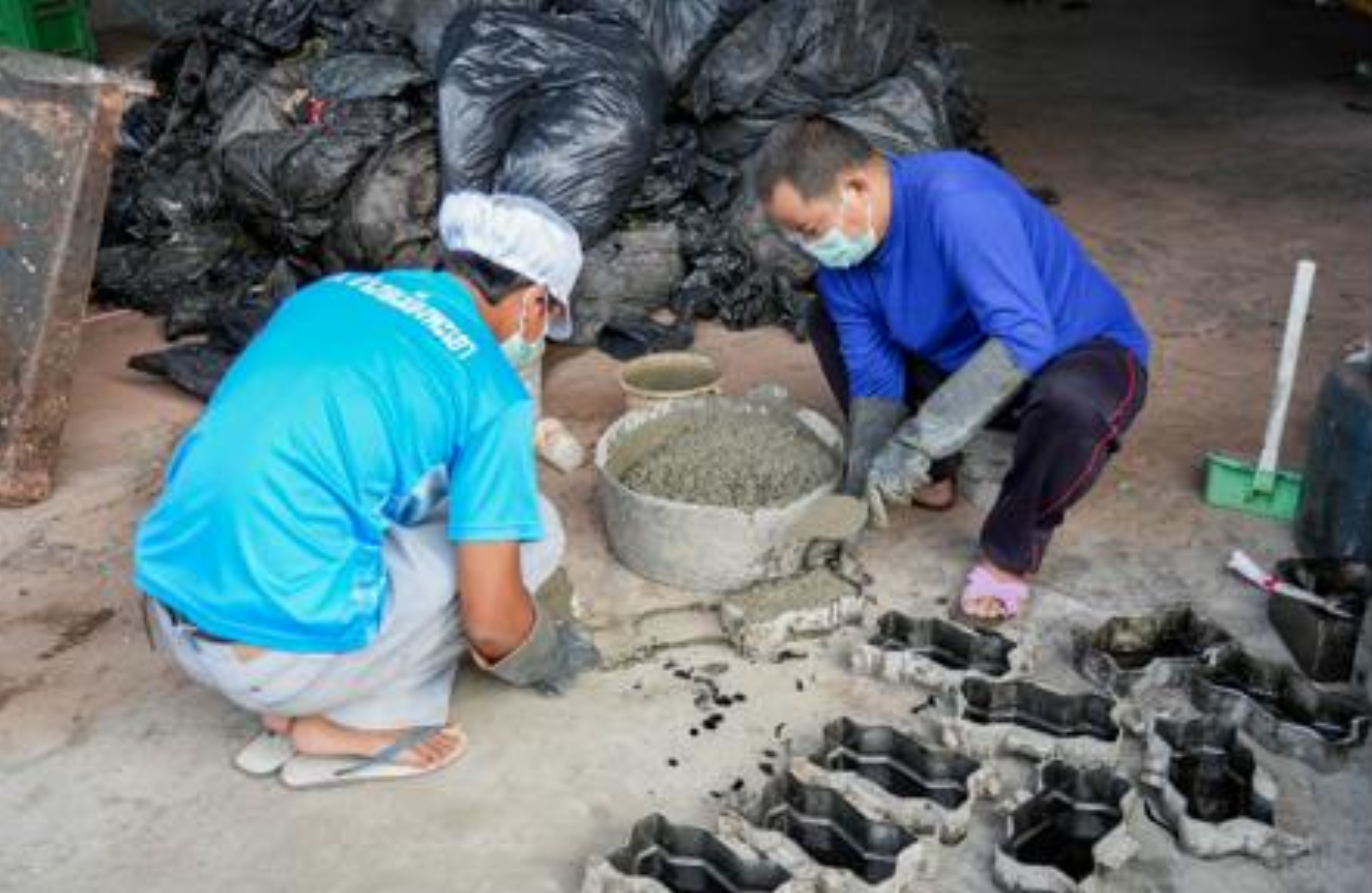
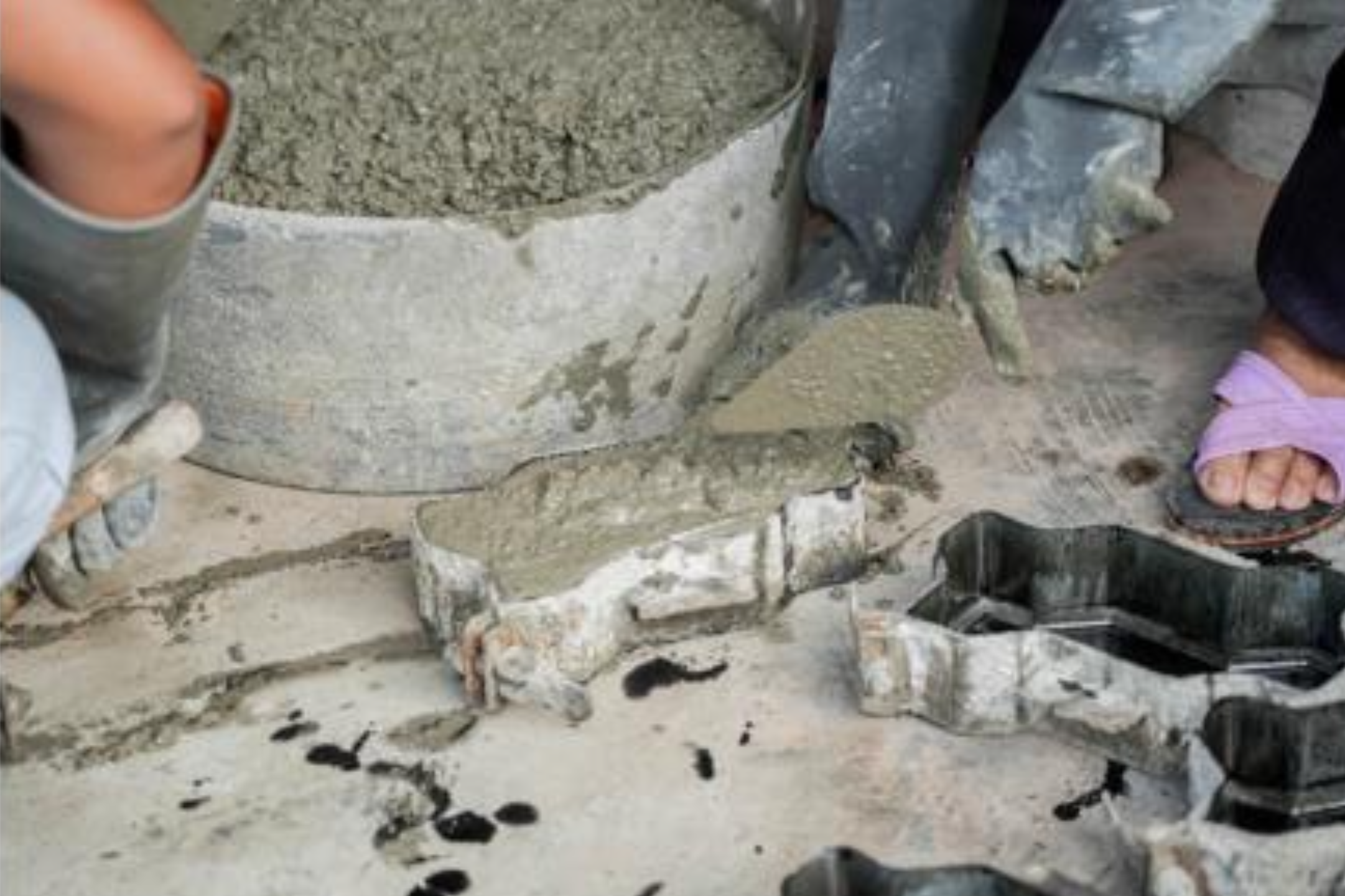
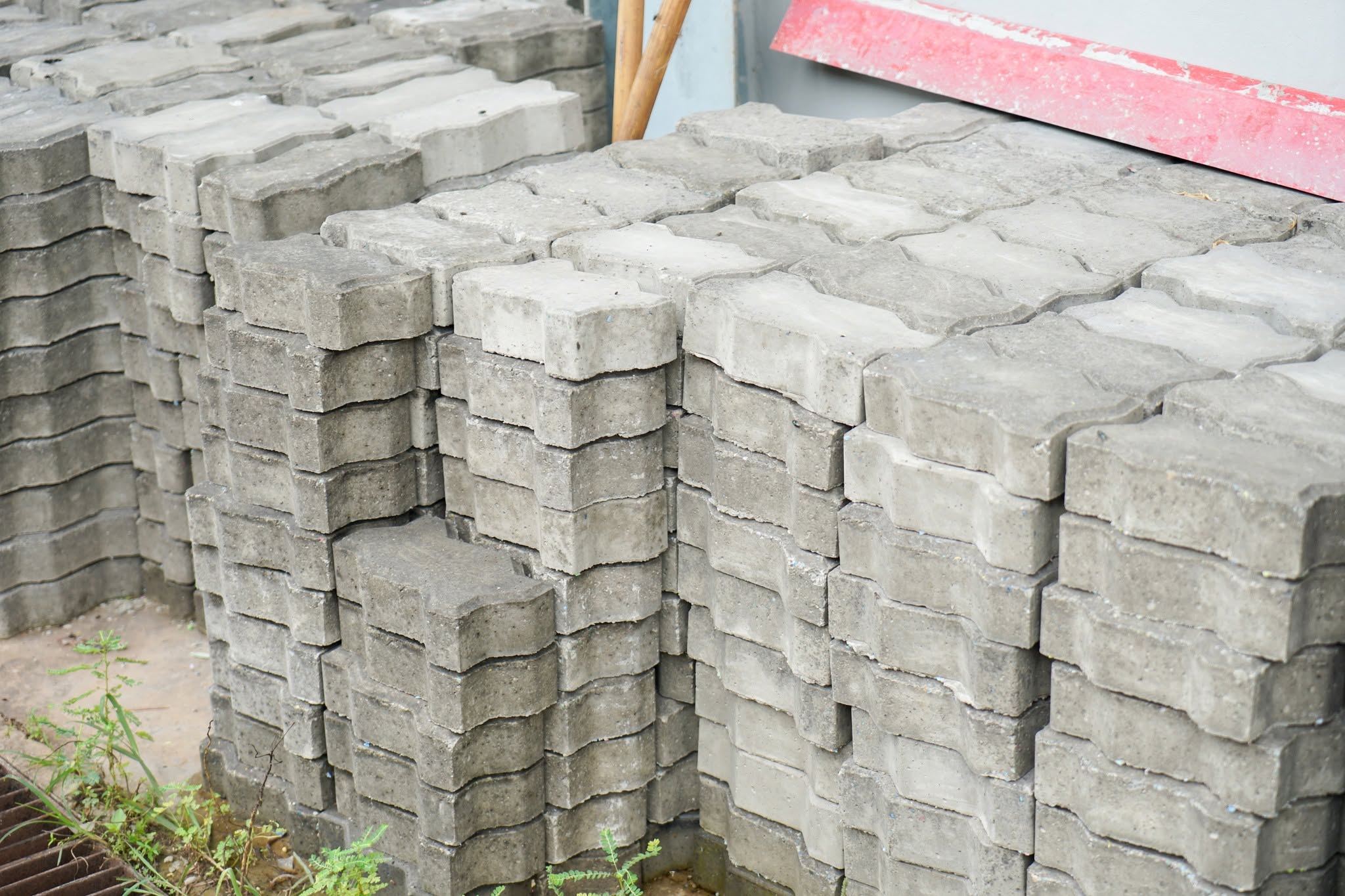
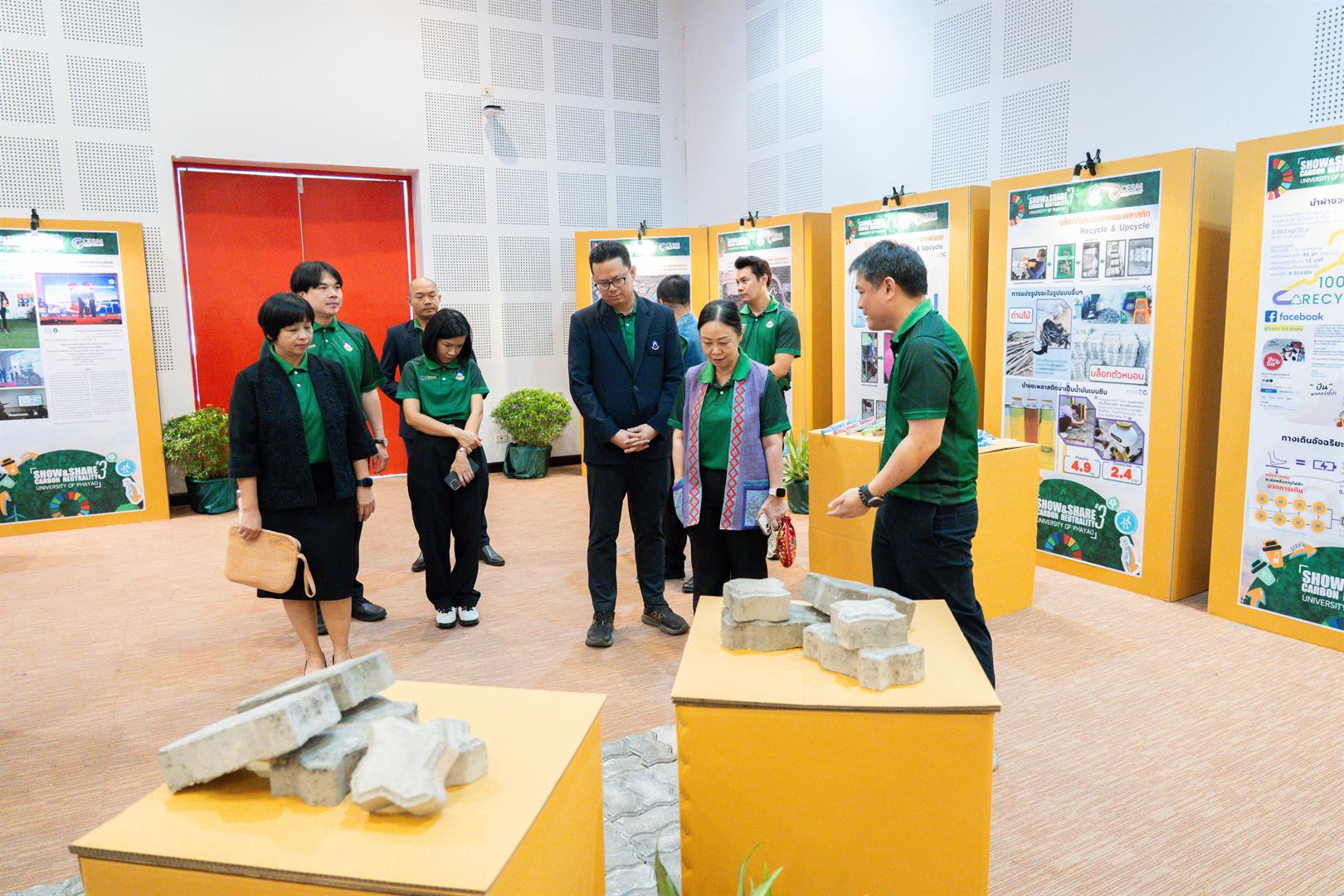
Residual plastic from the production of clothes hangers and hard plastics is ground and mixed to produce worm blocks, which are used as paving stones within the university.
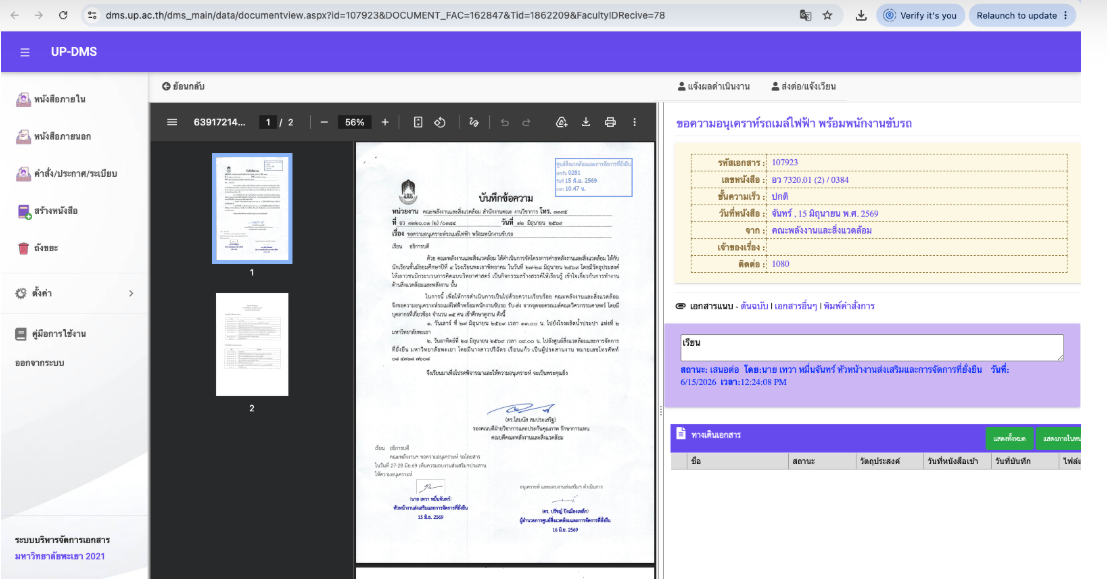
Online document system for reducing GHG scope 3
University of Phayao has an online documentation system via IT network to support paperless systems and reduce paper usage in daily work and can greatly reduce paper usage. This means that the University of Phayao can reduce CO2 emissions and save the world.
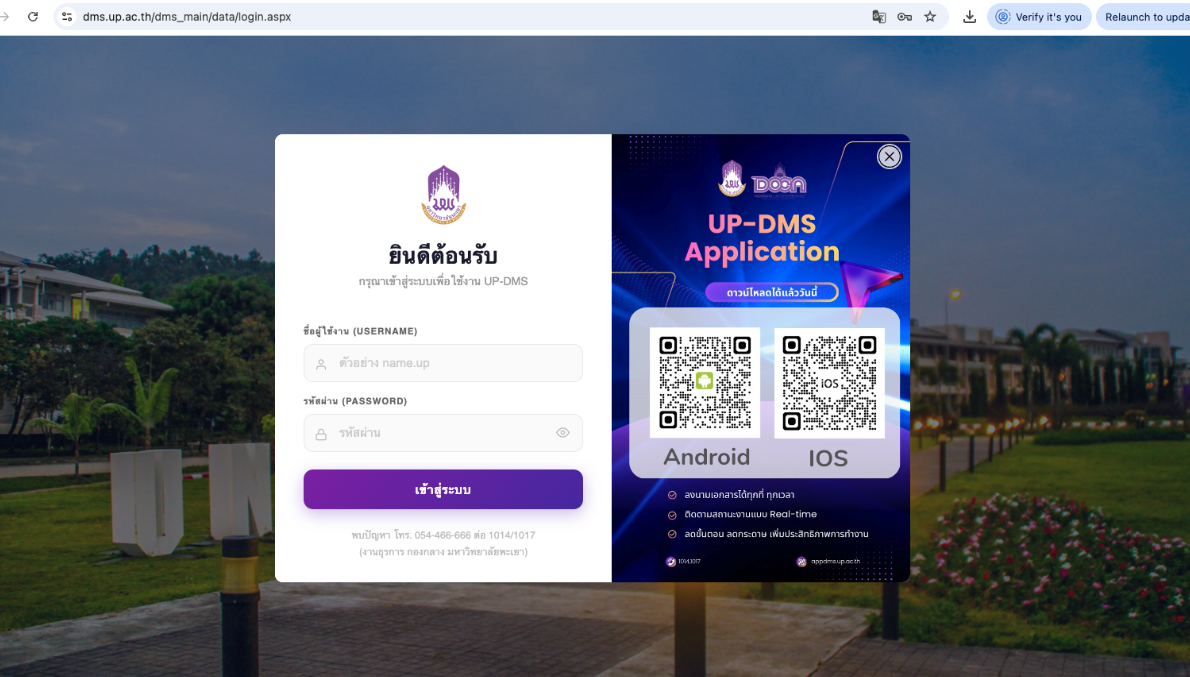
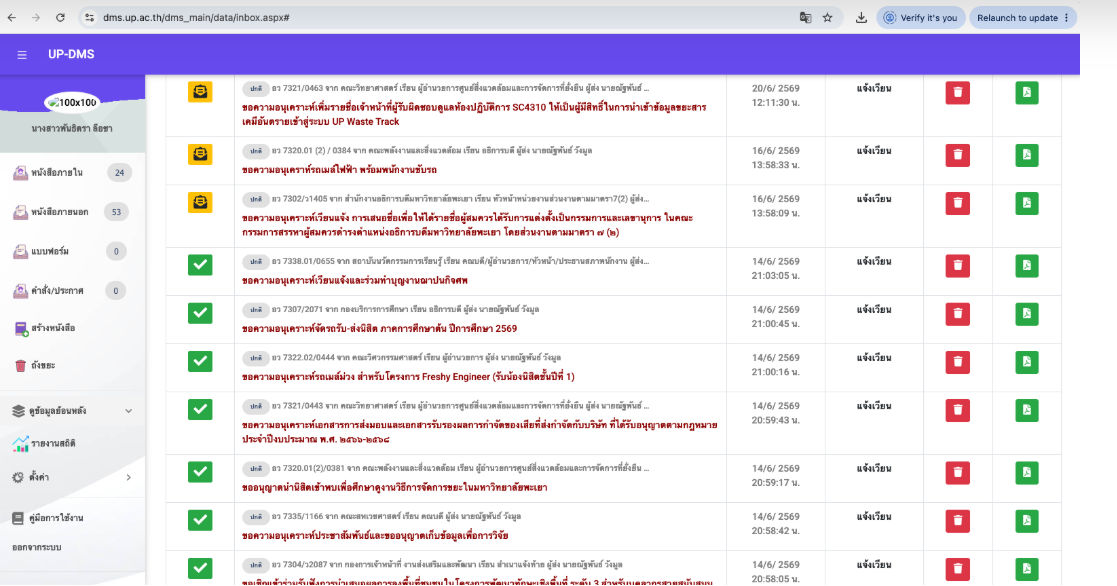
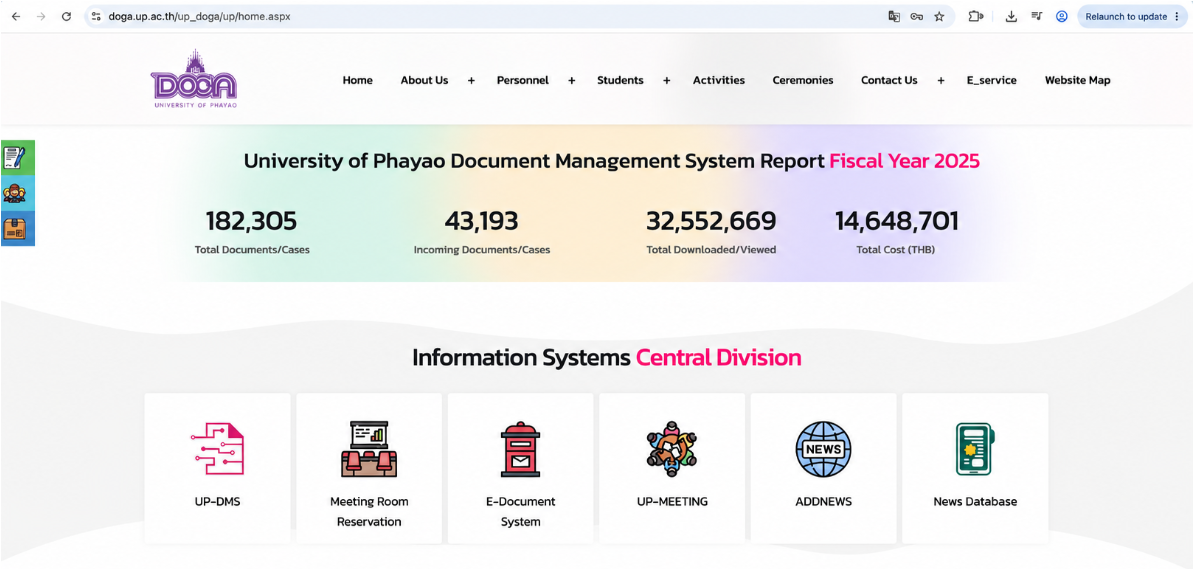
UP-DMS System
Managed centrally by the Central Division, the UP-DMS (Digital Document Management System) represents a monumental shift towards a fully paperless administration. The platform completely digitalizes internal routing, review cycles, and institutional archival processes. Crucially, the system fully integrates secure E-Signatures, enabling university executives and administrative staff to legally validate and approve official memoranda on any device without a single page of physical print. This institution-wide deployment has significantly minimized the campus's operational carbon footprint by reducing paper demand, printing energy, and internal courier logistics across the expansive university grounds.
UP-Digital Document Management System.
Online documentation system via IT network
By transitioning from physical paperwork to an institutional-wide electronic workflow with E-Signatures, the university has successfully digitalized 100% of its administrative document routing across all faculties and units. This initiative has reduced annual paper consumption by approximately 80%, equivalent to preventing the harvesting of 3,617 trees and mitigating approximately 163 tons of CO2 equivalent (tCO2e) emissions annually.
Data on paper reduction from the University of Phayao.
Note: - 70 grams (70g/m2)/ One sheet weighs approximately 4.37 grams.
- One tree (such as a pine or eucalyptus tree) can produce an average of 8,000 – 10,000 sheets of paper.
University of Phayao Have realized and given importance to the environment that will arise from traveling. By University of Phayao Provides online meetings, automated book transfers, parking facilities and dormitories for students and staff to help reduce the need for travel and help to directly reduce greenhouse gas emissions from activities.
Society and Policies: At present, climate change is an important issue to be aware of as it is the main reason for the change in the earth's atmosphere as a whole. The cause is the concentration of greenhouse gases in the atmosphere that continues to increase. As a result, global temperatures have risen due to greenhouse gas emissions from various activities. Greenhouse gases are known to be able to stay in the atmosphere and keep heat from going out of the world for decades. It recognizes the importance of reducing greenhouse gases caused by activities by creating activities to promote campaigns from individuals to the organizational sector, as well as developing to the public society, such as organizing campaigns labeled as reducing energy consumption within the agency to raise awareness of students and personnel in the field of energy conservation. The establishment of bicycle stops to support the use of bicycles within University of Phayao areas instead of cars, the choice of solar power sources in various areas, infrastructure planning in response to long-distance travel reduction policies, etc., with the aim of reducing greenhouse gas emissions, divided into direct, indirect, and energy emission reduction, which activities and projects, as well as innovations, have been extended to provide knowledge for publicity to those interested in aiming for wider effect, from household level to international level.
Green economic recovery: University of Phayao Turning to care for the environment and changing lifestyles with more environmental considerations, such as reducing fuel and carbon dioxide emissions by turning to more public transport. Carry a water bottle with you and use a cloth bag to reduce plastic waste. Or turn to support the purchase of products that are environmentally friendly, easily biodegradable, etc.
Sustainable development: University of Phayao recognizes and cares about global warming, is committed to sustainability for the world by promoting solar energy consumption, replacing clean energy in the office, and continuing other activities. The university has set policies to reduce greenhouse gas emissions, save energy, and reuse resources to reduce energy consumption and create environmentally friendly behavior. Students and university staff are continuously cooperating, understanding energy conservation, being able to use it properly, efficiently and cost effectively, positively for the whole agency, and furthering the household sector for broader effect.
"UP Carbon" in the context of climate change initiatives within universities refers to the development and implementation of projects that support greenhouse gas reduction, conservation of natural resources, and sustainability on campus. This is achieved through the involvement of students, faculty, and the university community to create positive environmental impacts.
Climate Change Project Strategies within Universities:
-
Low-Carbon Campus Initiative
University can aim to reduce greenhouse gas emissions by utilizing renewable energy sources like solar panels, wind, or biomass. Additionally, energy-saving devices can be installed in buildings, including LED lighting and smart energy management systems, to reduce energy consumption in each building.
-
Green Transportation Initiatives
This aims to promote the use of electric vehicles on campus, such as electric buses for student transportation or bike-sharing stations within the campus. This reduces the use of personal vehicles and encourages walking or carpooling to minimize transportation-related carbon emissions.
-
Green Buildings
This aims to develop environmentally friendly buildings on campus through energy-efficient designs, such as using sustainable materials, improving air circulation systems, maximizing natural lighting, and designing structures that reduce the energy needed for heating and cooling.
-
Waste Management and Recycling Programs
The establishment focuses on reducing waste volume, recycling used materials, and managing organic waste to produce compost or renewable energy. This includes placing sorting bins throughout the campus, promoting recycling activities, and efficiently managing food waste in dining facilities.
-
Campus Green Spaces and Reforestation Projects
Create and expand green areas within the campus, including planting trees to absorb carbon dioxide and improve air quality. These green spaces also help lower campus temperatures and provide relaxation areas for students and staff.
-
Green Innovation Research Programs
Universities can serve as centers for researching and developing innovation.
Conclusion
These projects not only contribute to reducing greenhouse gas emissions and conserving the environment, but also position the University of Phayao as a leading model for sustainability and climate action. "UP Carbon" initiative integrates these efforts into the university's daily operations, reinforcing its commitment to long-term environmental responsibility.
In addition, certain conservation activities receive support from both public and private organizations, with the shared goal of reducing greenhouse gas emissions. This collaboration fosters the development of impactful projects and campaigns, enhancing the University of Phayao's capacity to implement carbon neutrality initiatives effectively.
Remark: All activities in 2.10 refer to the Sustainable Development Goals (SDGs), otherwise known as the global goals, especially relating to Goal 13: Take urgent action to combat climate change and its impacts. Improve education, awareness-raising and human and institutional capacity on climate change mitigation, adaptation, impact reduction and early warning. And relating to Goal 7: Increase share of renewable energy. Ensure universal access to affordable, reliable and modern energy services.
Number of Innovative Program(s) in Energy and Climate Change
University of Phayao has developed a comprehensive array of innovative programs addressing energy and climate change. These initiatives encompass academic curricula, research laboratories, and strategic sustainability policies, reflecting the university's commitment to environmental stewardship and sustainable development.
The global energy landscape is undergoing a monumental transformation, driven by an urgent need to combat climate change and secure a sustainable future. At the heart of this shift lies renewable energy, a sector witnessing unprecedented innovation that is rapidly accelerating our transition away from fossil fuels. With renewables already accounting for over 30% of global electricity in 2024, the vision of a greener planet powered by clean energy is not a distant dream, but an increasingly tangible reality.
One of the most significant advancements is in solar energy. Beyond traditional silicon panels, perovskite solar cells are emerging as a game-changer. These lightweight, flexible, and potentially more affordable materials can be integrated into diverse surfaces like windows and rooftops, significantly expanding solar's application. Furthermore, bifacial solar panels, capable of capturing sunlight from both sides, are boosting efficiency, especially in reflective environments. These innovations collectively promise to make solar power more accessible, efficient, and versatile.
The integration of Artificial Intelligence (AI) and digital technologies is transforming the entire renewable energy ecosystem. AI algorithms are optimizing energy production and consumption by analyzing vast datasets, predicting energy demand, and enabling real-time management of supply and demand. This includes predictive maintenance for wind turbines and solar farms, identifying issues before they lead to costly downtime. Smart grids, leveraging AI and IoT, are becoming increasingly intelligent, capable of balancing variable renewable inputs and ensuring a stable, efficient flow of electricity. Technologies like blockchain are even facilitating peer-to-peer energy trading, empowering consumers to buy and sell surplus renewable energy directly.
The rapid innovations in renewable energy are not merely technological feats; they represent a fundamental shift in our relationship with energy. They are making clean energy cheaper, more reliable, and more accessible than ever before, accelerating the global energy transition. This trajectory offers a clear pathway to a future where our planet is powered by clean, abundant, and sustainable sources, paving the way for a truly greener planet for generations to come.
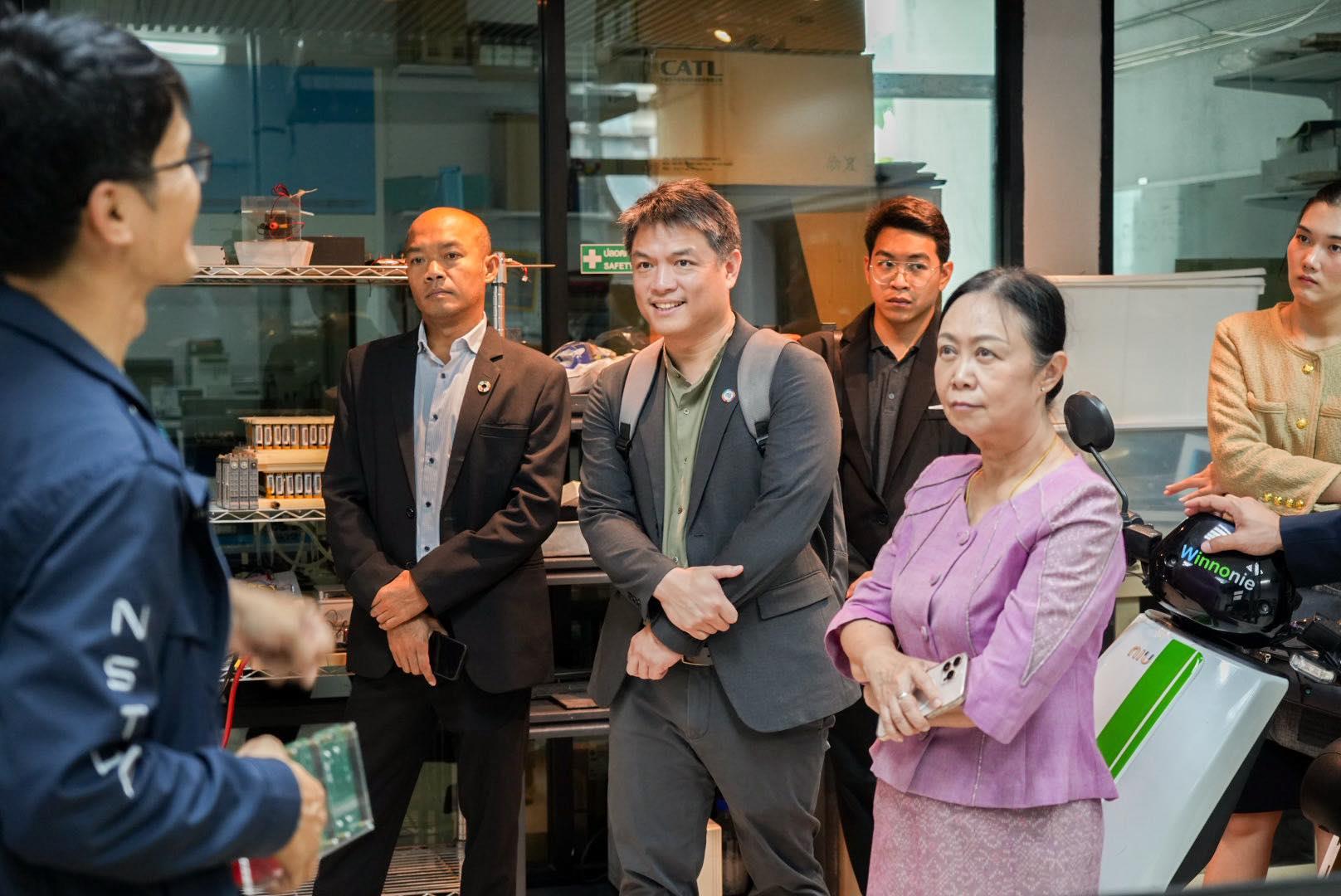
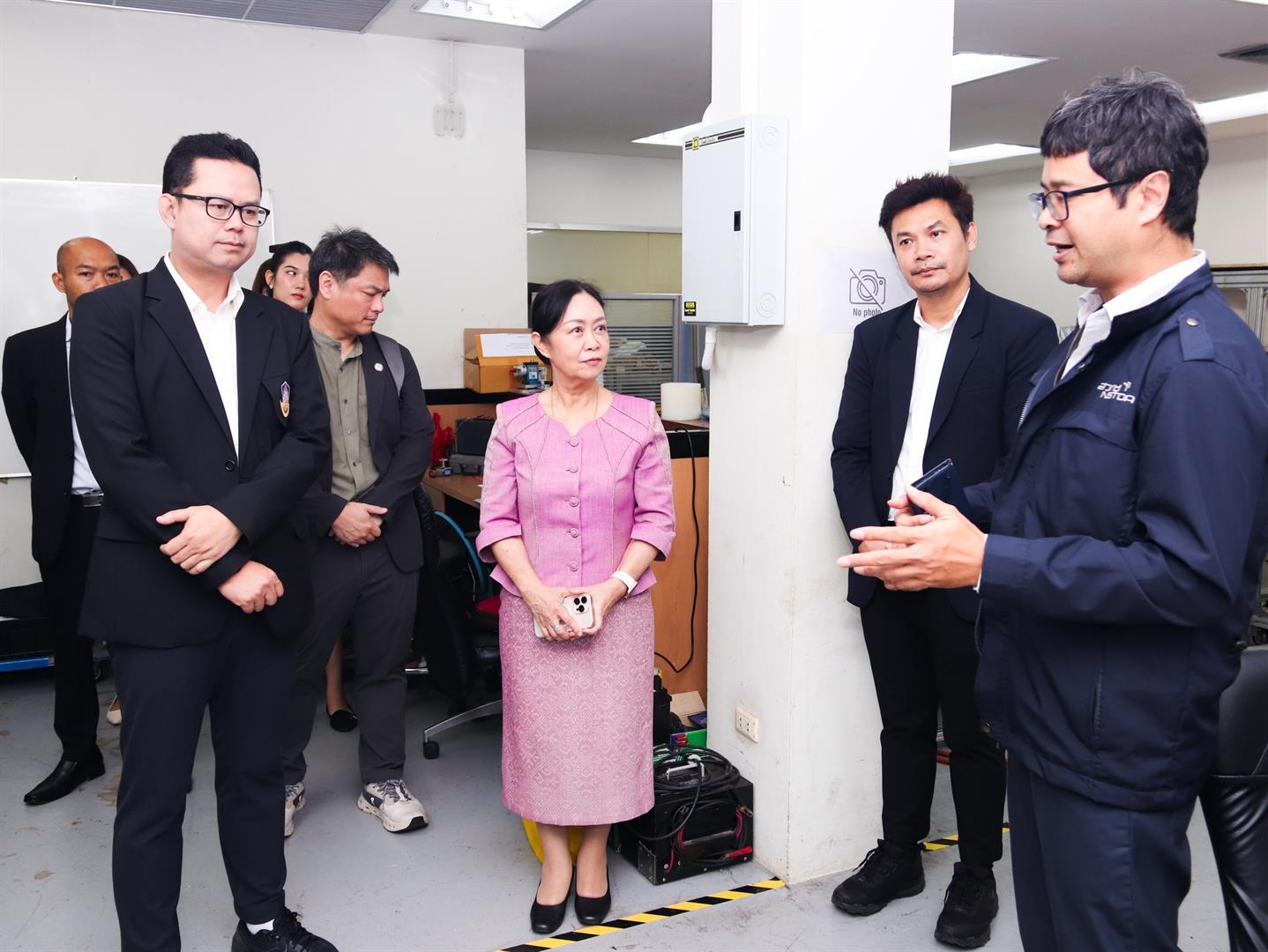
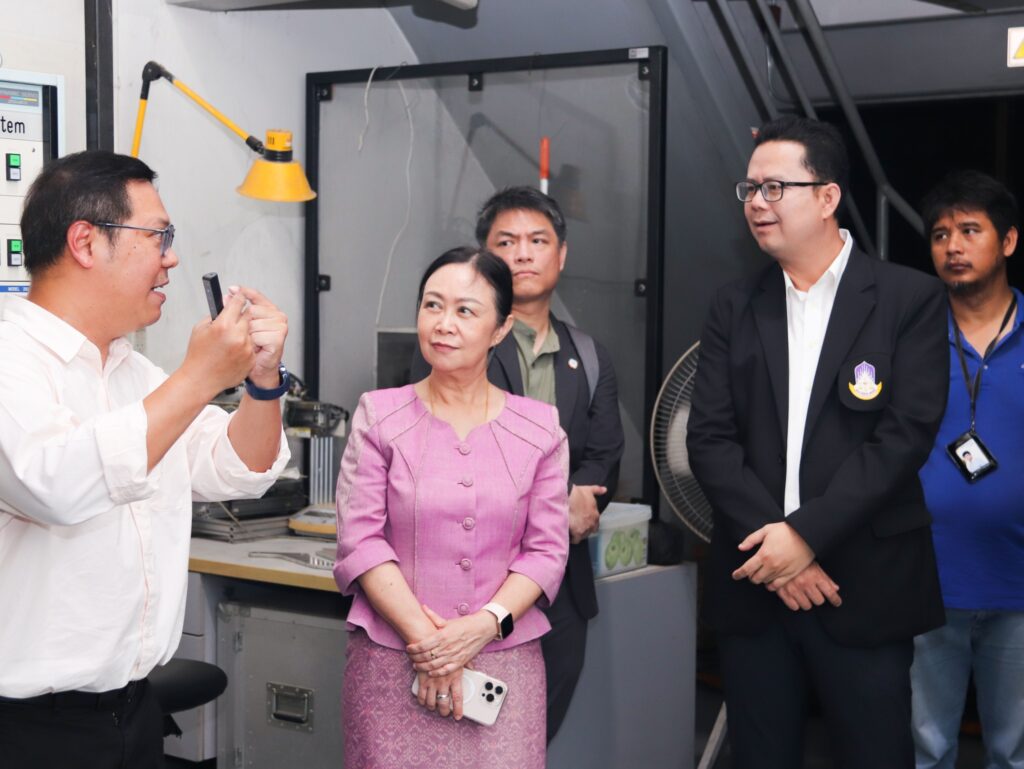
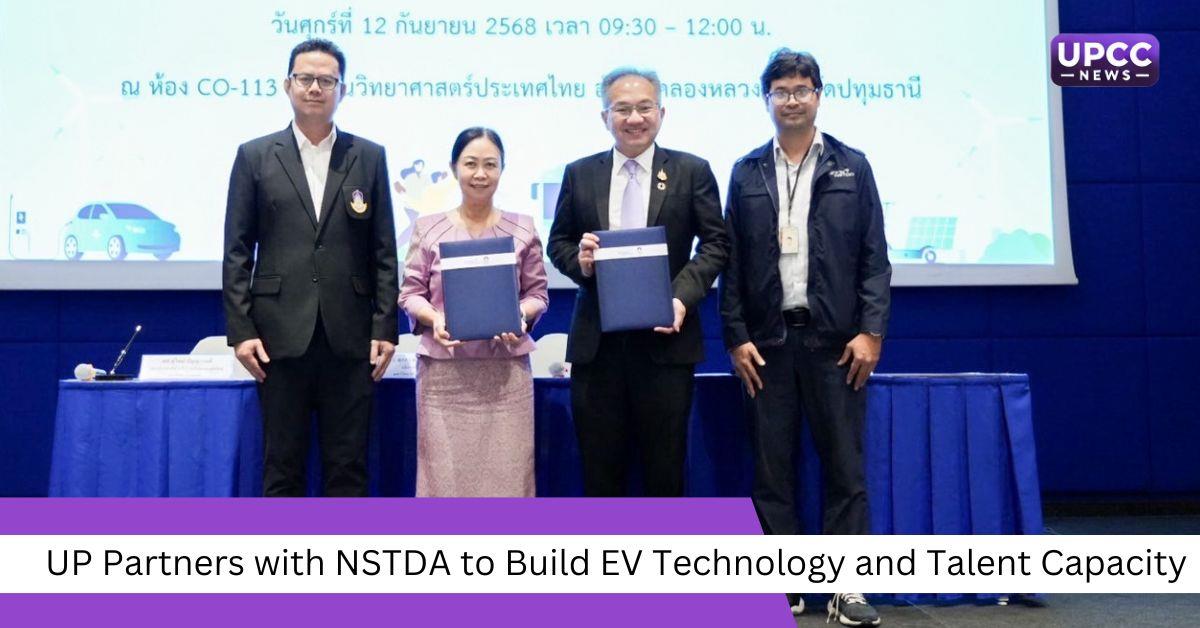
UP Partners with NSTDA to Build EV Technology and Talent Capacity
University of Phayao attended the signing ceremony of a Memorandum of Understanding (MoU) for academic cooperation in the development of electric vehicle (EV) technology and human resource capacity. The MoU was signed between the University of Phayao and the National Science and Technology Development Agency (NSTDA). The ceremony took place at the Central Office Building of Thailand Science Park in Pathum Thani Province.
This collaboration marks a significant step in advancing Thailand's electric vehicle industry through research, innovation, and capacity-building for highly skilled human resources to support the growth of this future-oriented sector. It also aligns with the nation's policy to achieve sustainable development and carbon neutrality by 2050, a mission that the University of Phayao has embraced in its roadmap to becoming a green and socially responsible university.
UP Partners with NSTDA to Build EV Technology and Talent Capacity
The partnership is therefore recognized as an essential starting point for advancing knowledge, cultivating specialized professionals, and strengthening the competitiveness of Thailand's EV industry for a sustainable future.
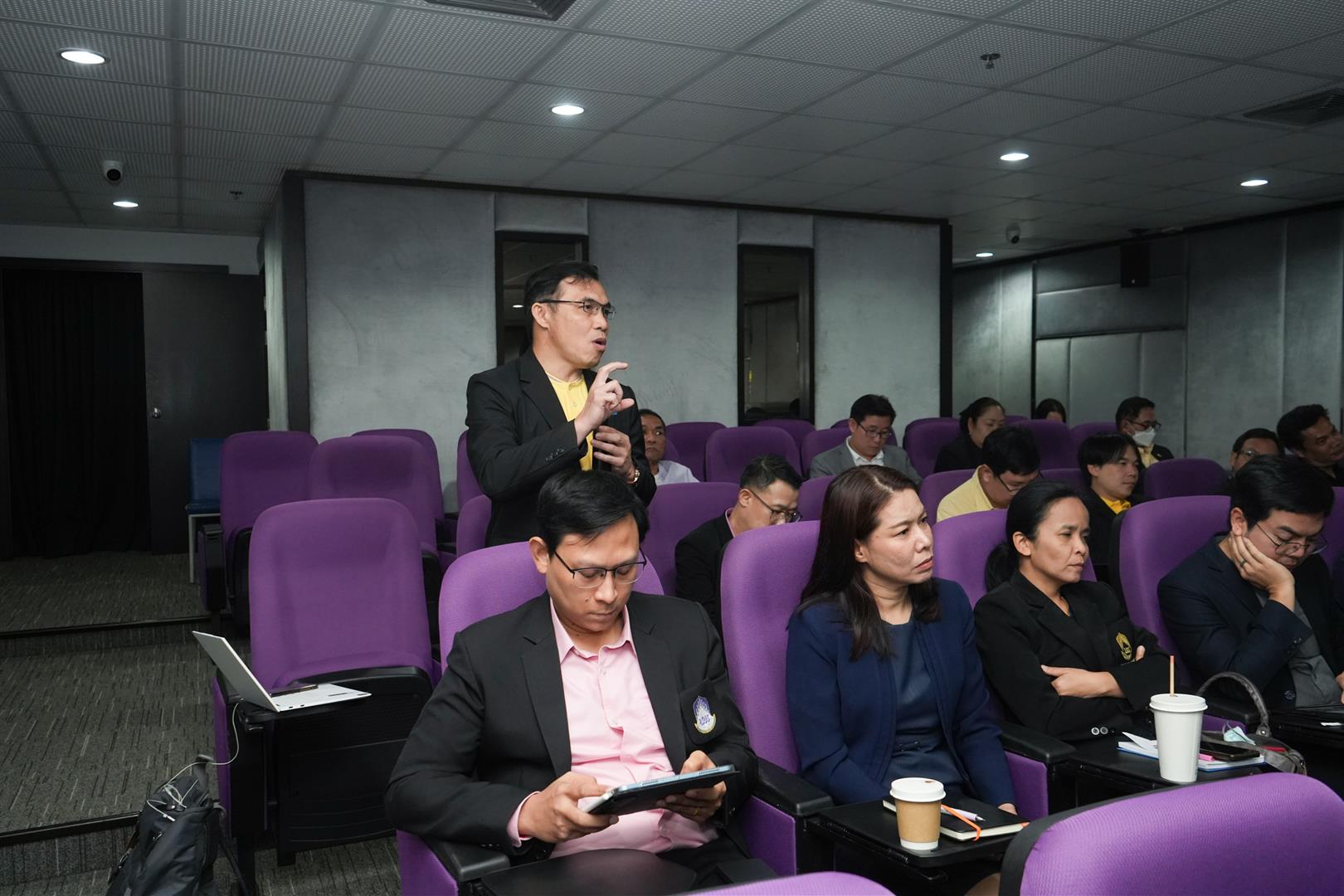
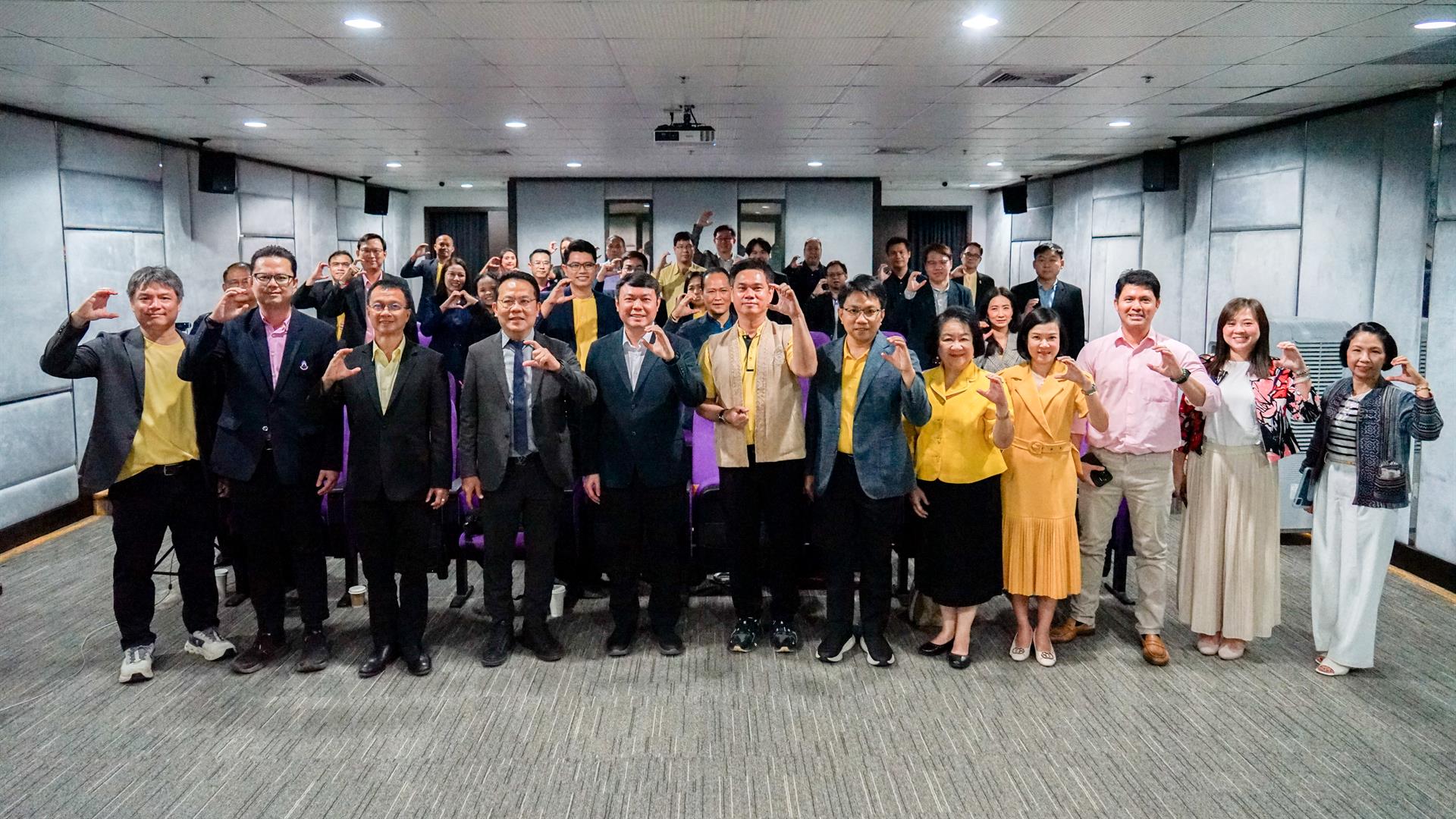
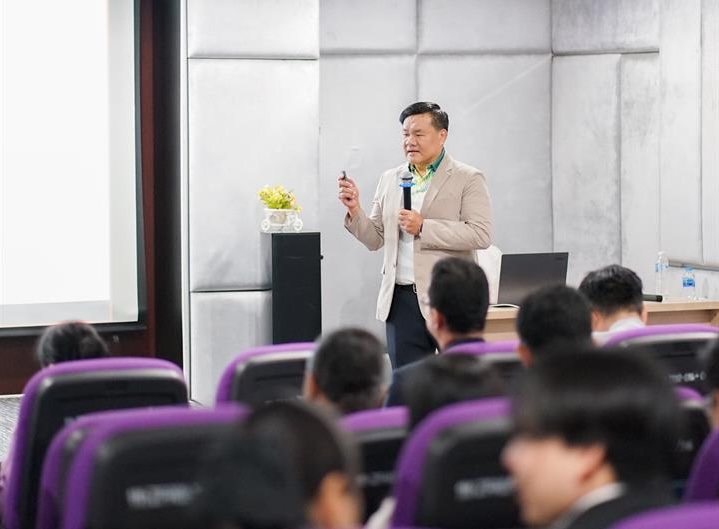
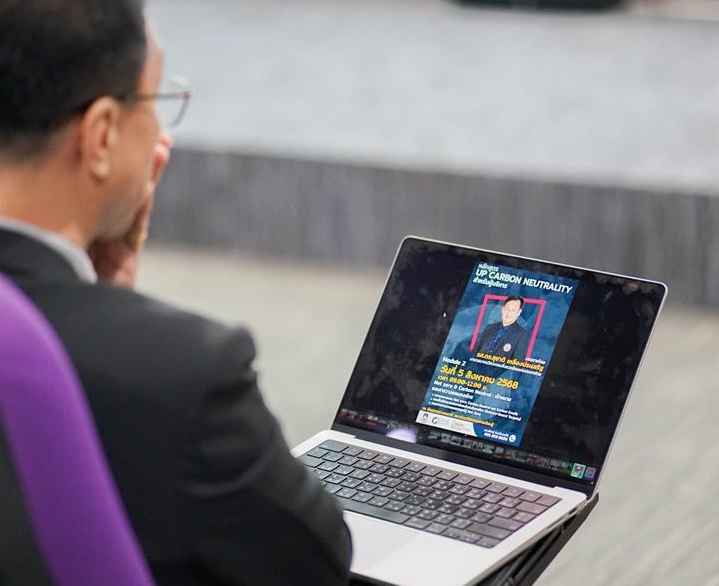
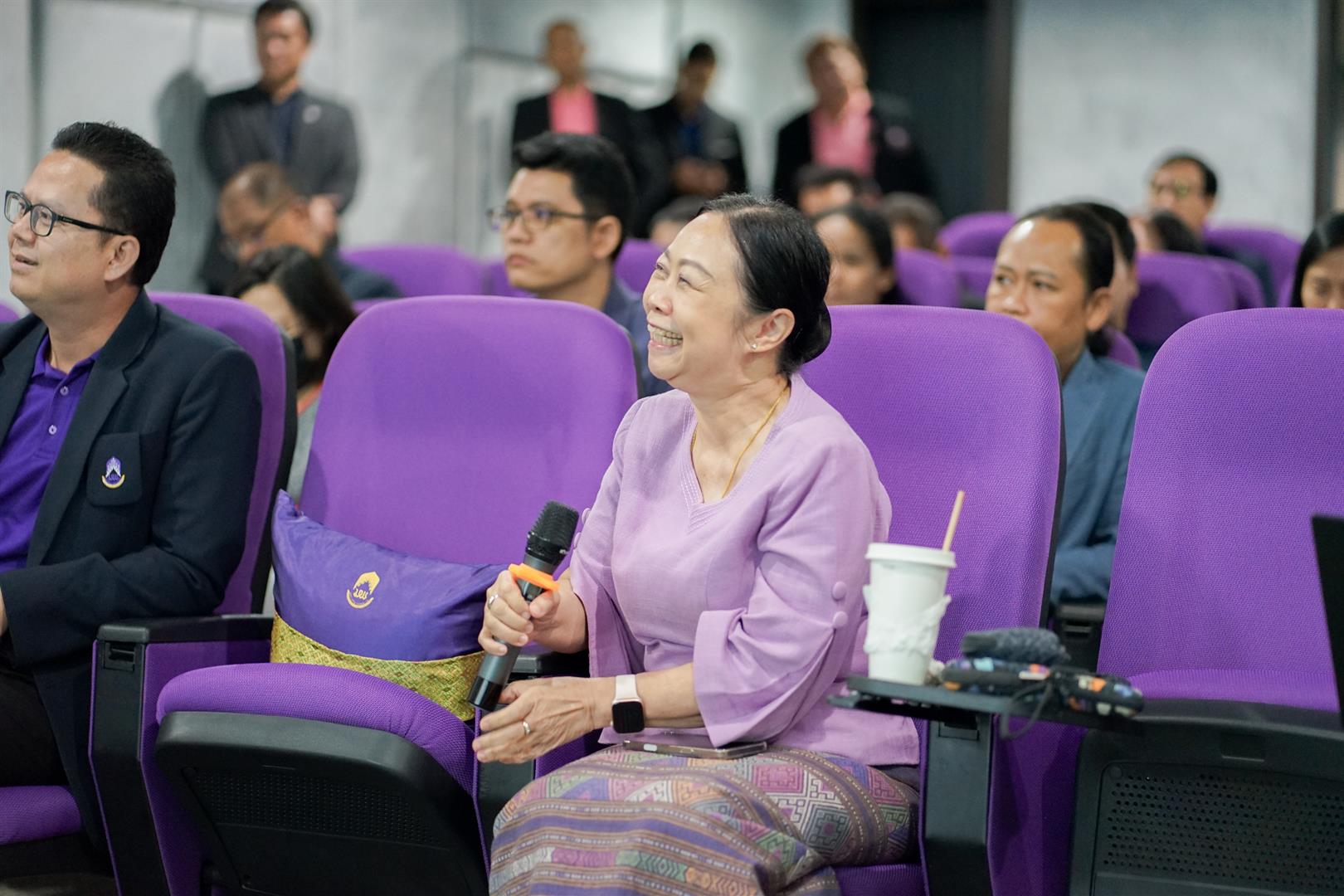
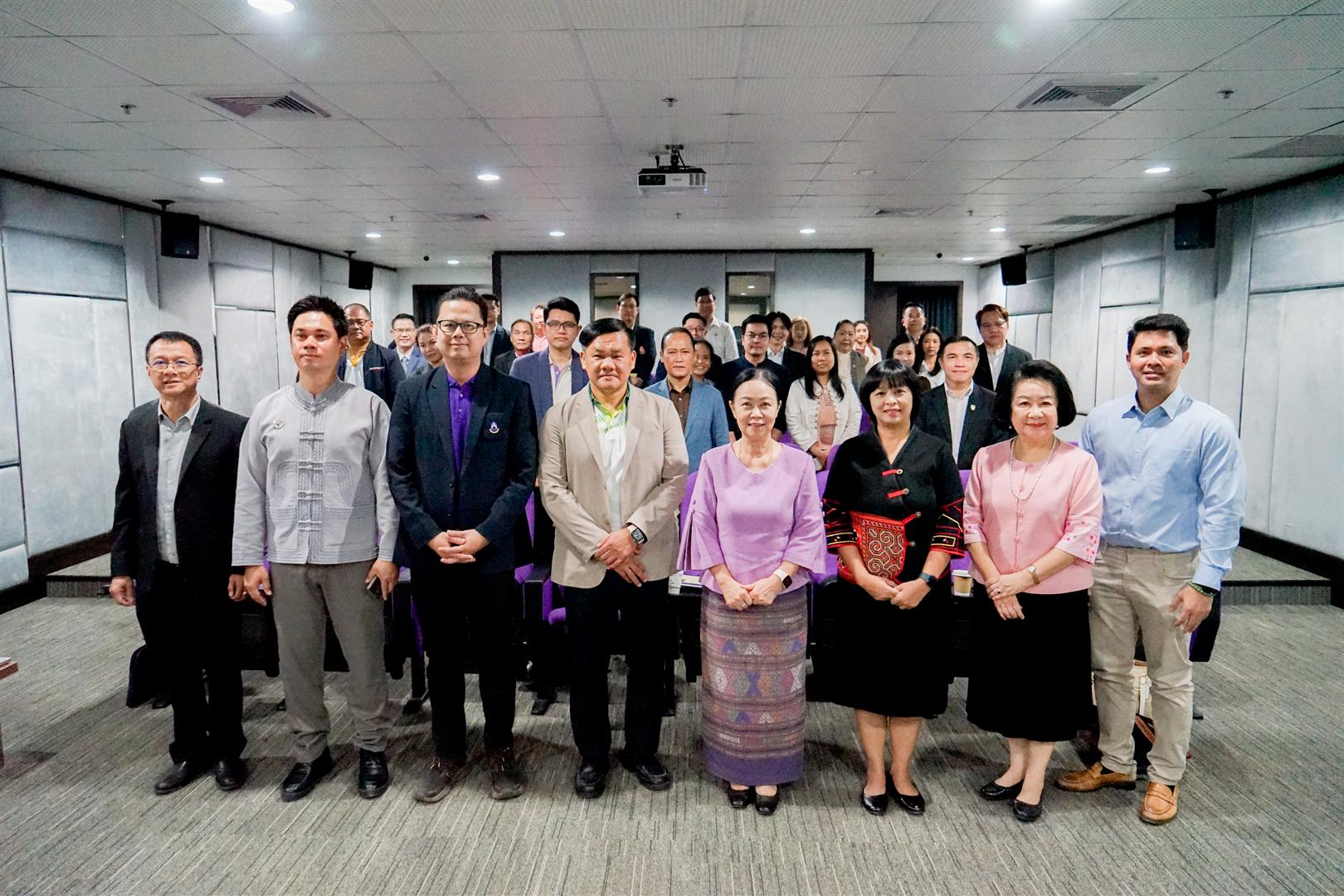
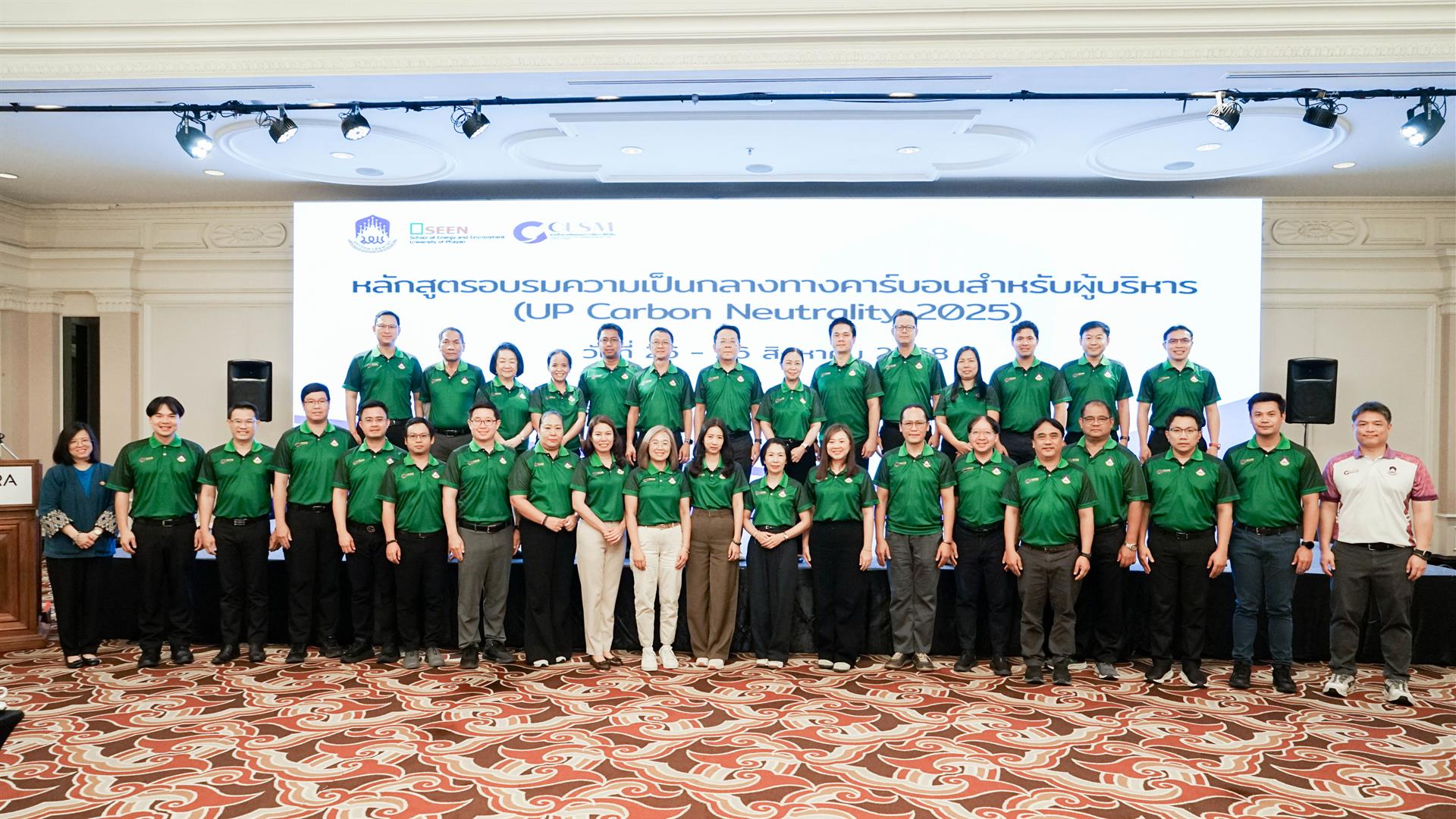
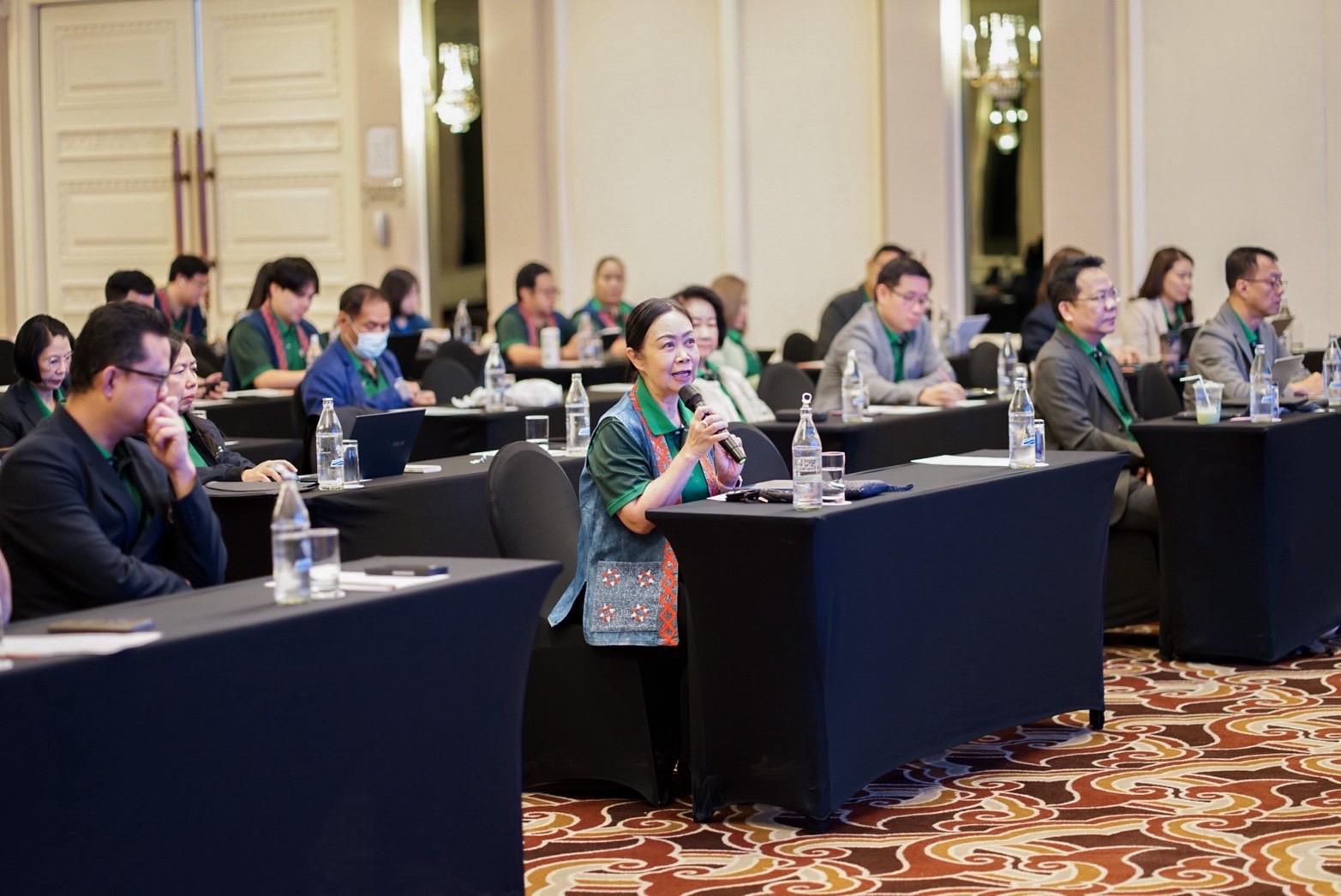
UP Carbon Neutrality training for executives
University of Phayao prioritizes personnel development at all levels. This strategy aims to establish a modern, efficient, transparent, and ethical management system based on good governance. Its objectives are to enhance both performance and professional growth.
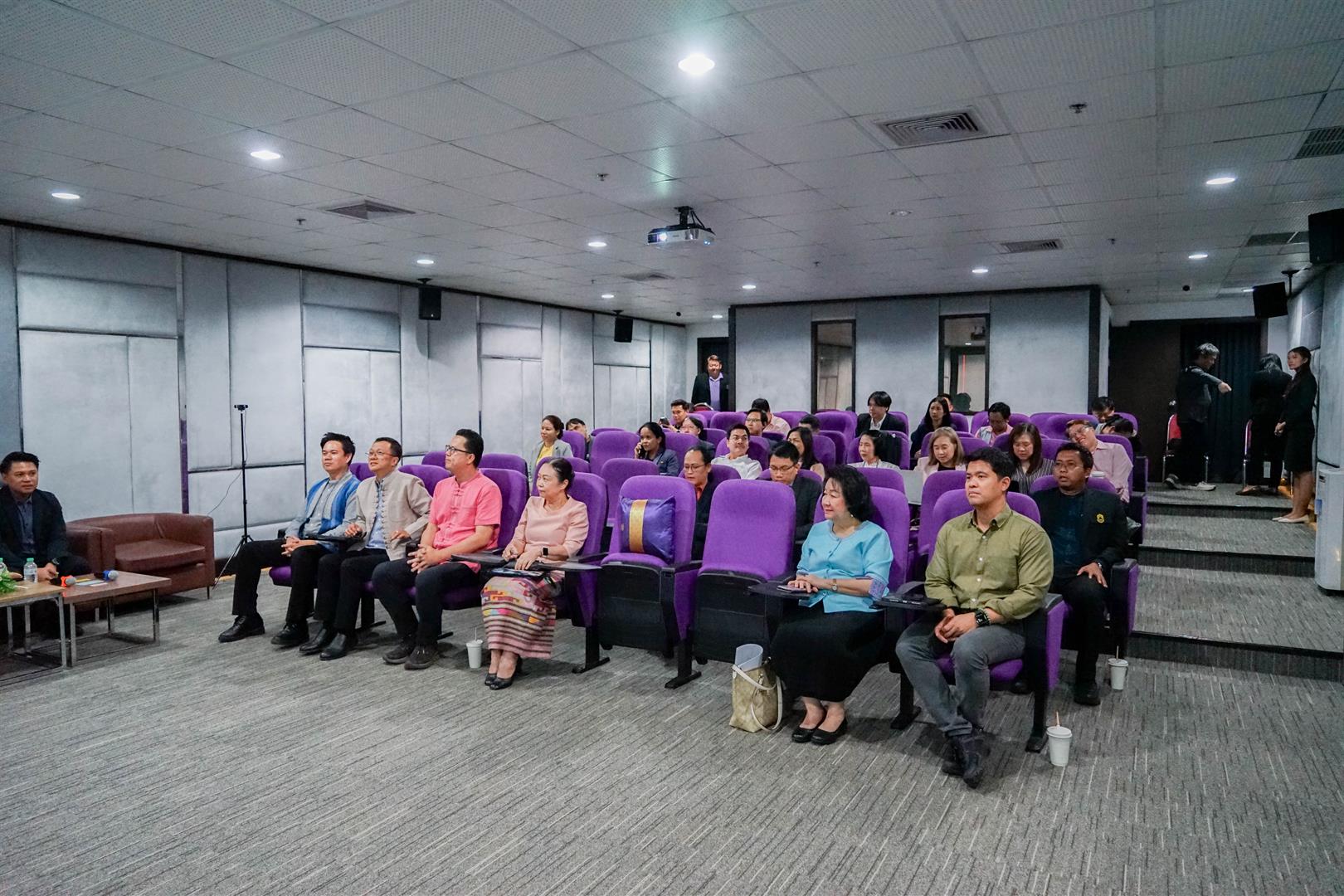
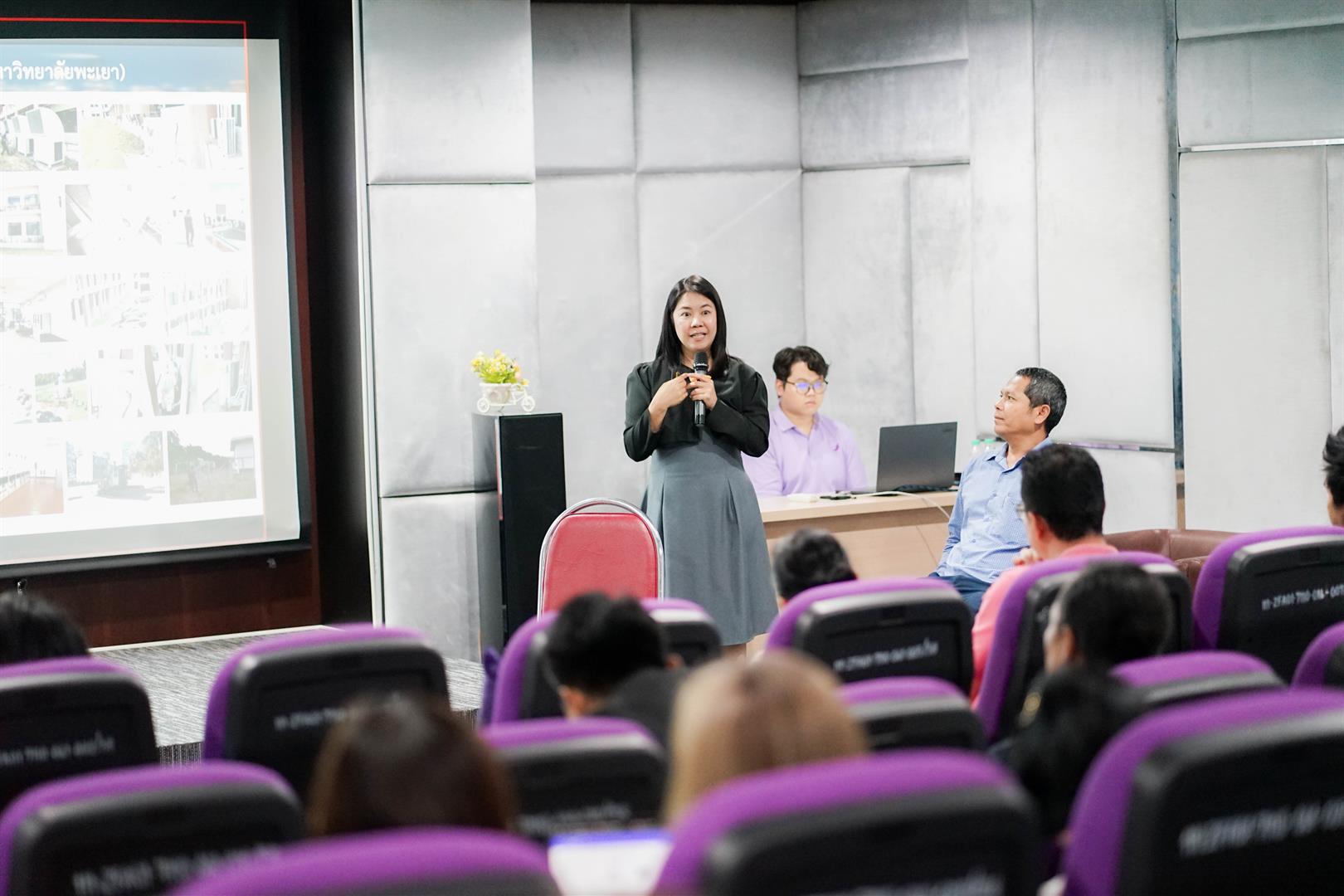
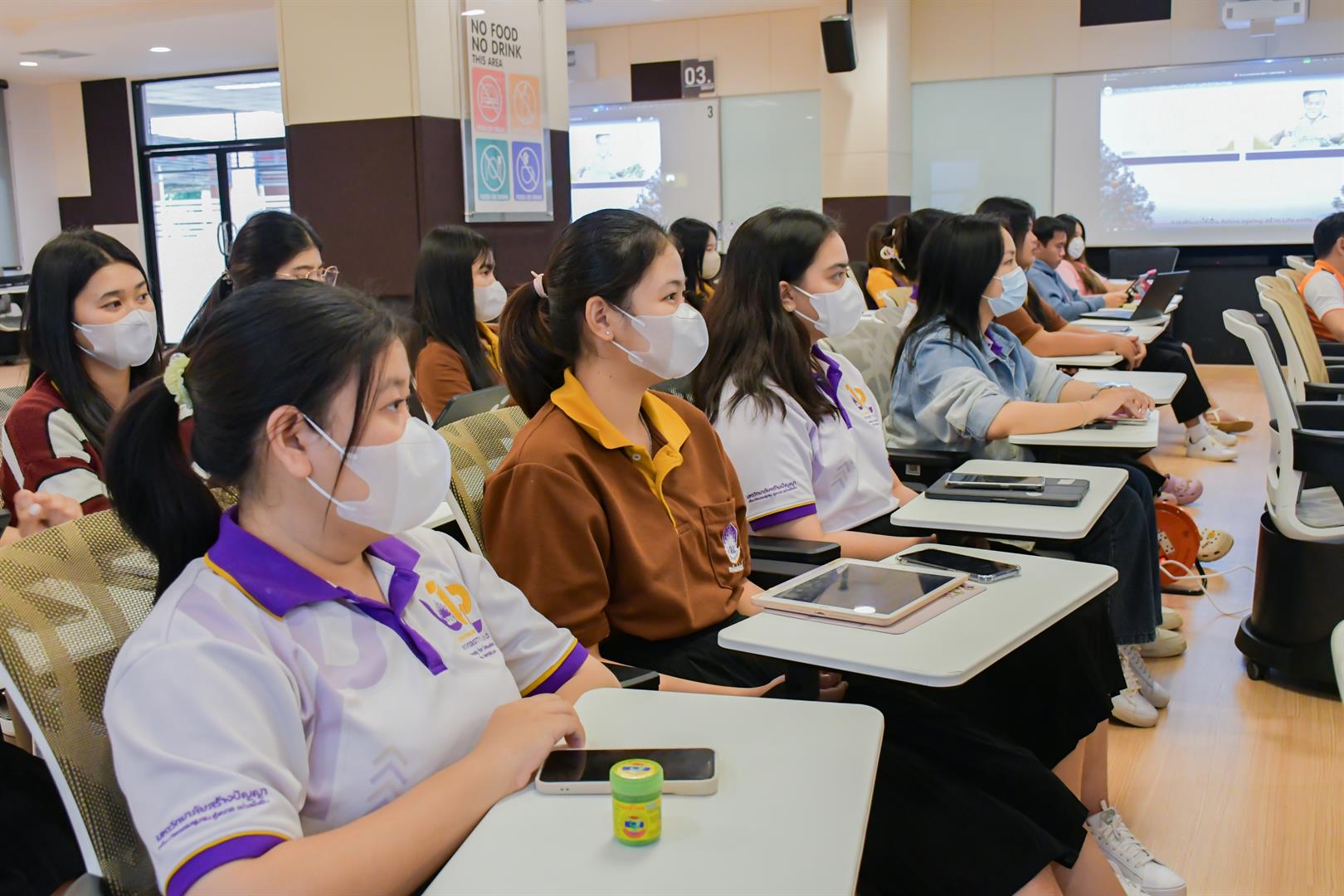
Moreover, achieving the full potential of carbon neutrality personnel development requires strong support from senior executives across various university units. Therefore, a carbon neutrality management training course is being organized for senior executives to equip them with the necessary knowledge and understanding of carbon neutrality practices, and to encourage the allocation of personnel and budgets to support carbon neutrality initiatives. University of Phayao is organizing the UP Carbon Neutrality Training for executives, with the goal of becoming a sustainable carbon-neutral university.
The training program consists of four modules:
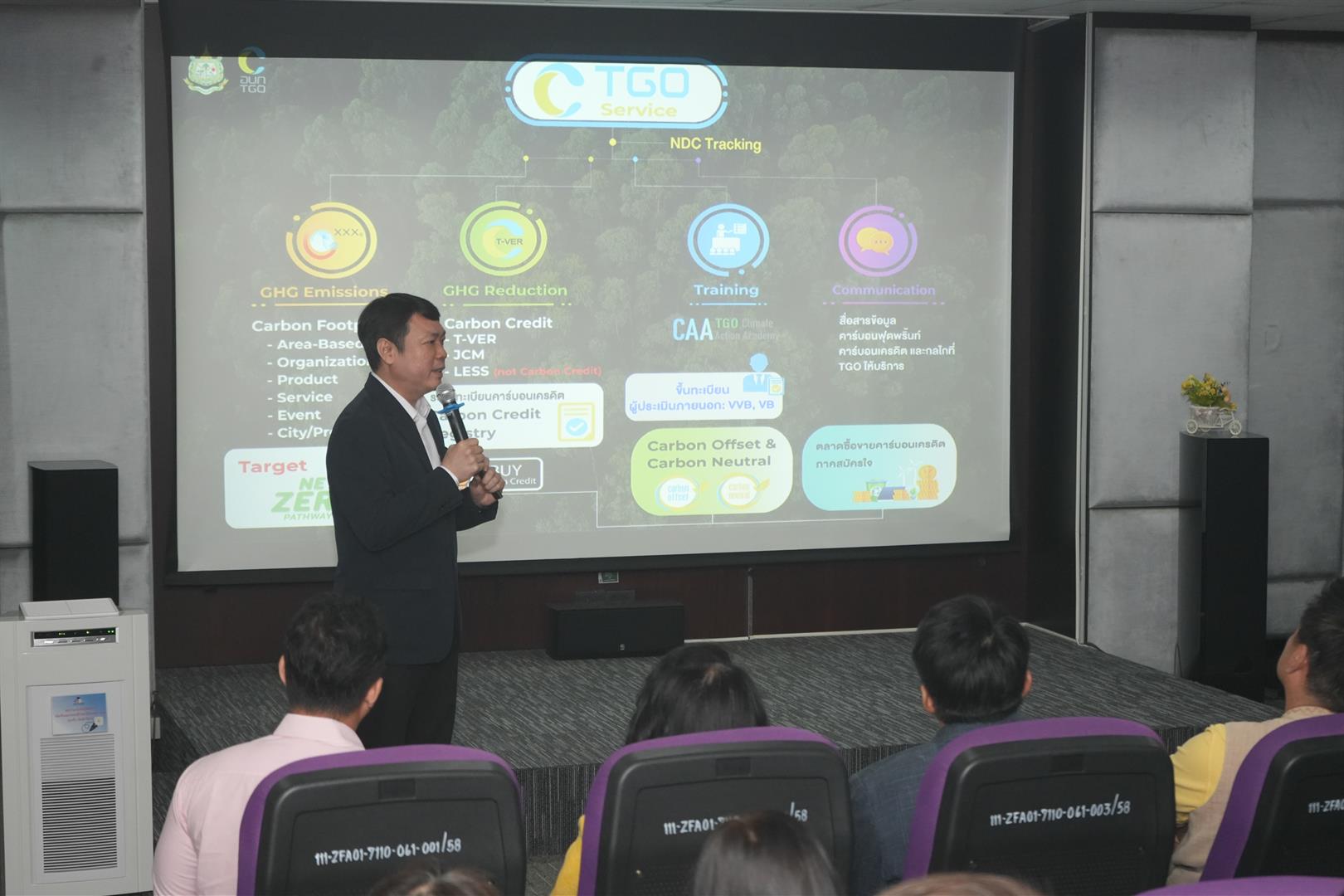
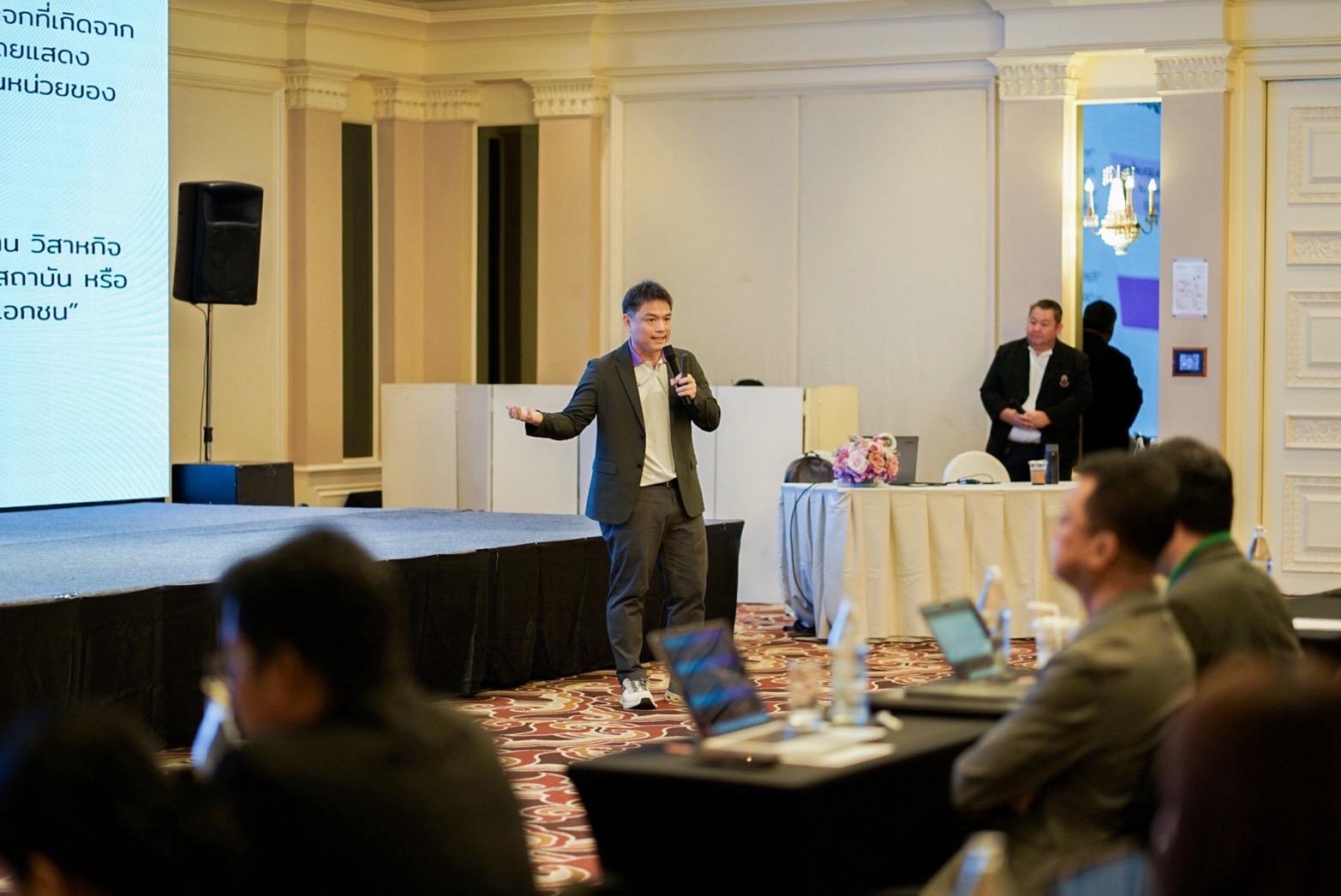
Module 1: Carbon Neutral University, Direction and policy on greenhouse gas and global warming management in Thailand.
The training featured Mr. Thada Varunchotikun, Manager of the Low Carbon Business Certification Office, Thailand Greenhouse Gas Management Organization (Public Organization), as the keynote speaker.
Module 2: Net zero & Carbon Neutral This session was part of Module 2: Net Zero & Carbon Neutral and Organizational Planning Strategies, under the UP Carbon Neutrality Executive Training Program, organized by the Center of Environment and Sustainable Management, in collaboration with the School of Energy and Environment.
A lecture was delivered by Associate Professor Dr. Suchat Luangprasert, President of the Environmental Engineering Association of Thailand, at the Screening Room of the Institute for Learning Innovation, University of Phayao.
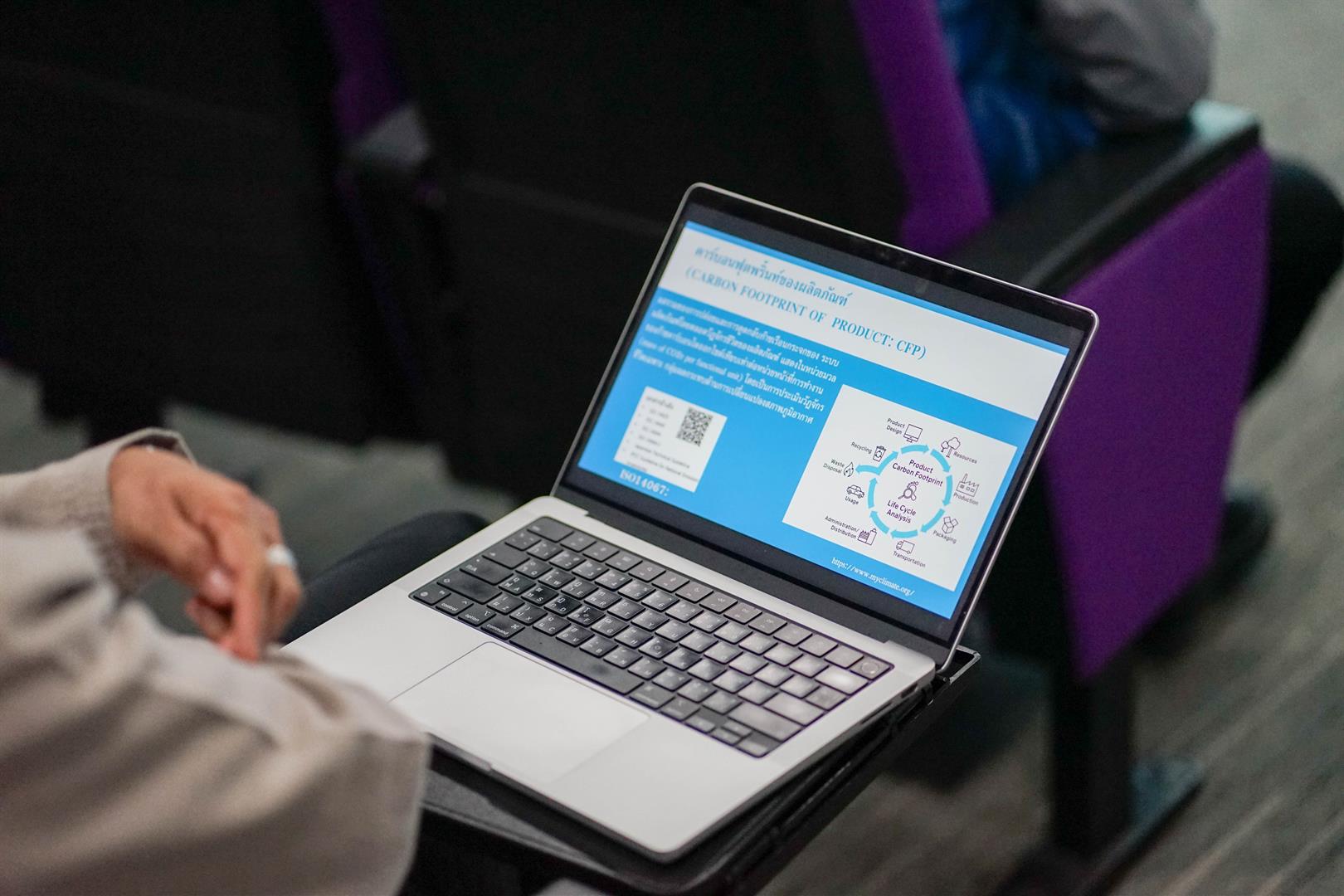
Module 3: Carbon Footprint Assessment Carbon Footprint for Organization Assessment (CFO), Thailand Voluntary Emission Reduction Program (T-VER) Assessment and Certification, and Carbon Offsets for Carbon Neutrality.
The lecture was delivered by distinguished faculty members from the School of Energy and Environment, University of Phayao, and held at the Screening Room, Institute for Learning Innovation, University of Phayao.
Module 4: Training Workshops and Study Visits The Center of Environment and Sustainable Management, in collaboration with the School of Energy and Environment, organized Module 4 of the UP Carbon Neutrality Training Course for Senior Executives.
The event was honored by the presence of Associate Professor Dr. Supakorn Phongsabangpo, President of the University of Phayao, along with members of the university's executive team. The training aimed to enhance knowledge and practical strategies for advancing the university toward sustainable carbon neutrality.
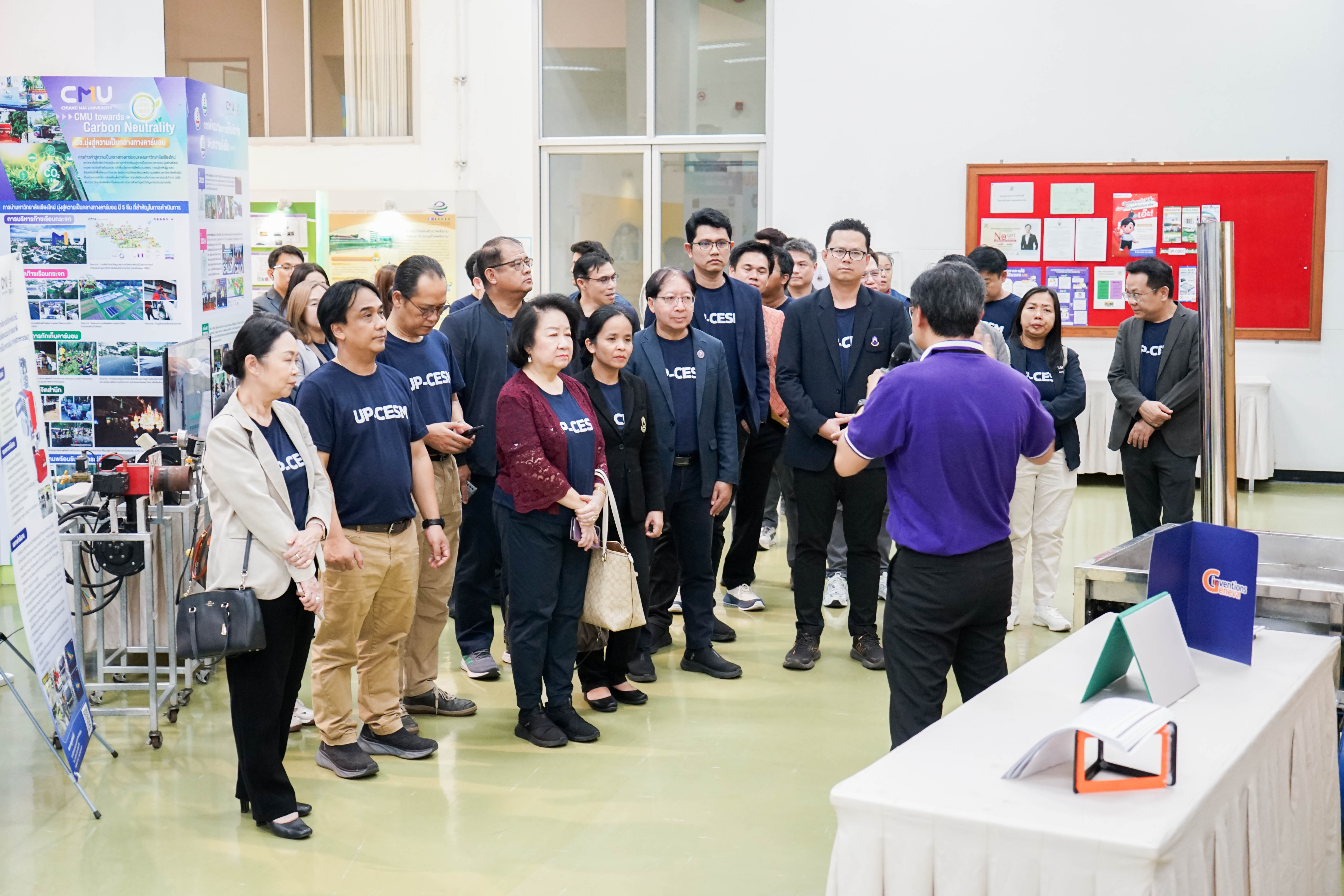
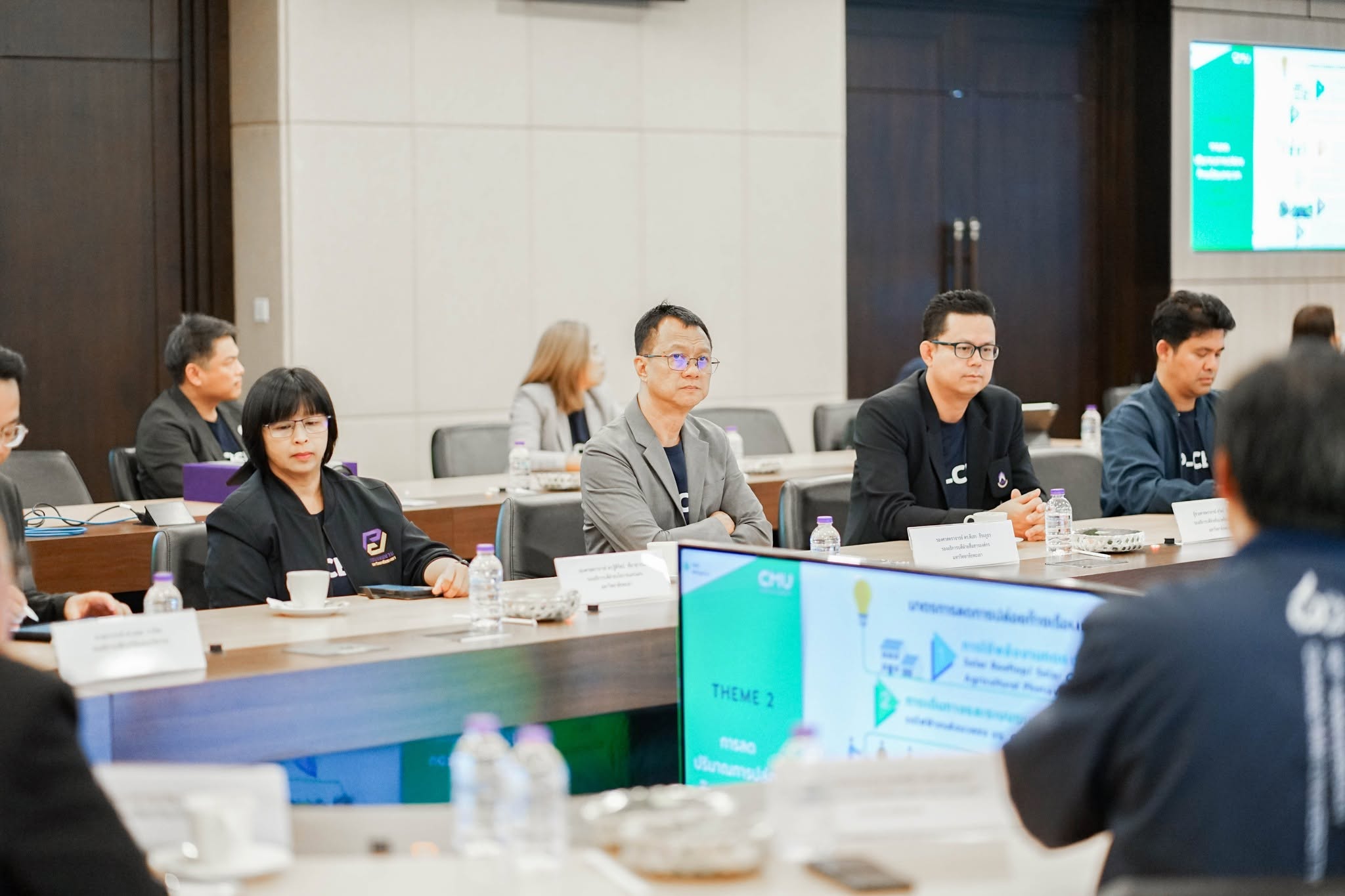
Study Visit and Knowledge Exchange Executives from the University of Phayao participated in a study visit and knowledge exchange session on carbon neutrality management. They were warmly welcomed by Associate Professor Prasert Ruekkriangkrai, Vice President of Chiang Mai University.
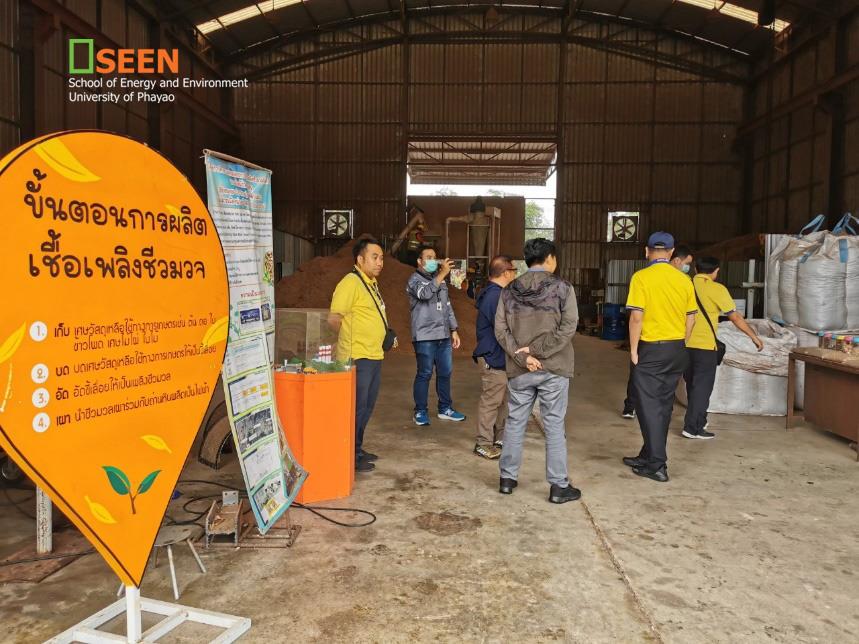
The visit included a meeting at the Tawan Kangwanpong Conference Room, 4th Floor, Strategic Building, Chiang Mai University Office. Participants also toured the Nakornping Energy Research and Development Institute and the Integrated Biomass Management Center, where they learned about waste management innovations that convert waste into clean energy and renewable resources—serving as exemplary models for transitioning toward a low-carbon university.
Lectures and Workshops Associate Professor Dr. Torpong Kreethachart, Dean of the School of Energy and Environment, delivered a lecture titled "Analysis and Application of University Development Strategies Toward Carbon Neutrality."
Dr. Prus Pingmuanglek, Acting Director of the Center of Environment and Sustainable Management, presented on "Interagency Collaboration for Sustainable Carbon Neutrality at the University of Phayao."
The course concluded with a closing ceremony and certificate presentation, presided over by Associate Professor Dr. Supakorn Phongsabangpo, President of the University of Phayao. This training marked a significant milestone in strengthening the capacity of senior executives to lead the university toward a sustainable carbon-neutral future. The event was held at the Centara Riverside Hotel, Chiang Mai Province.
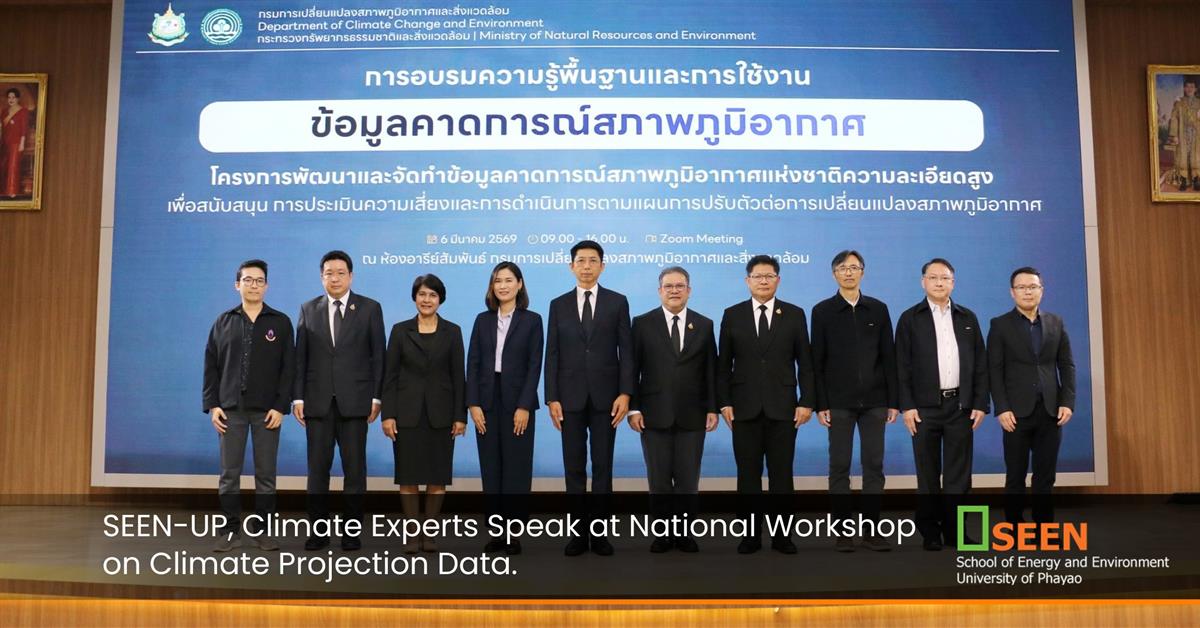
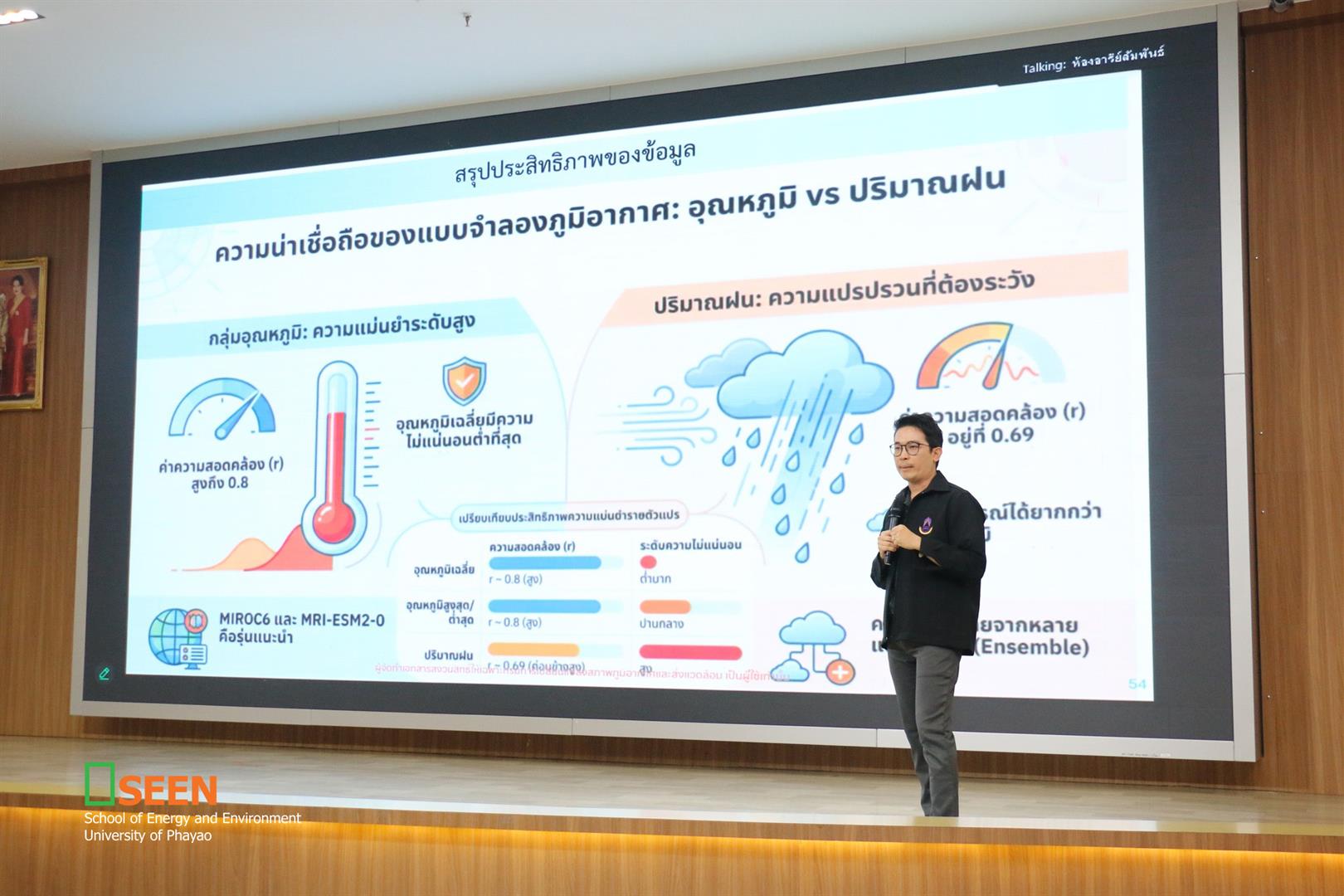
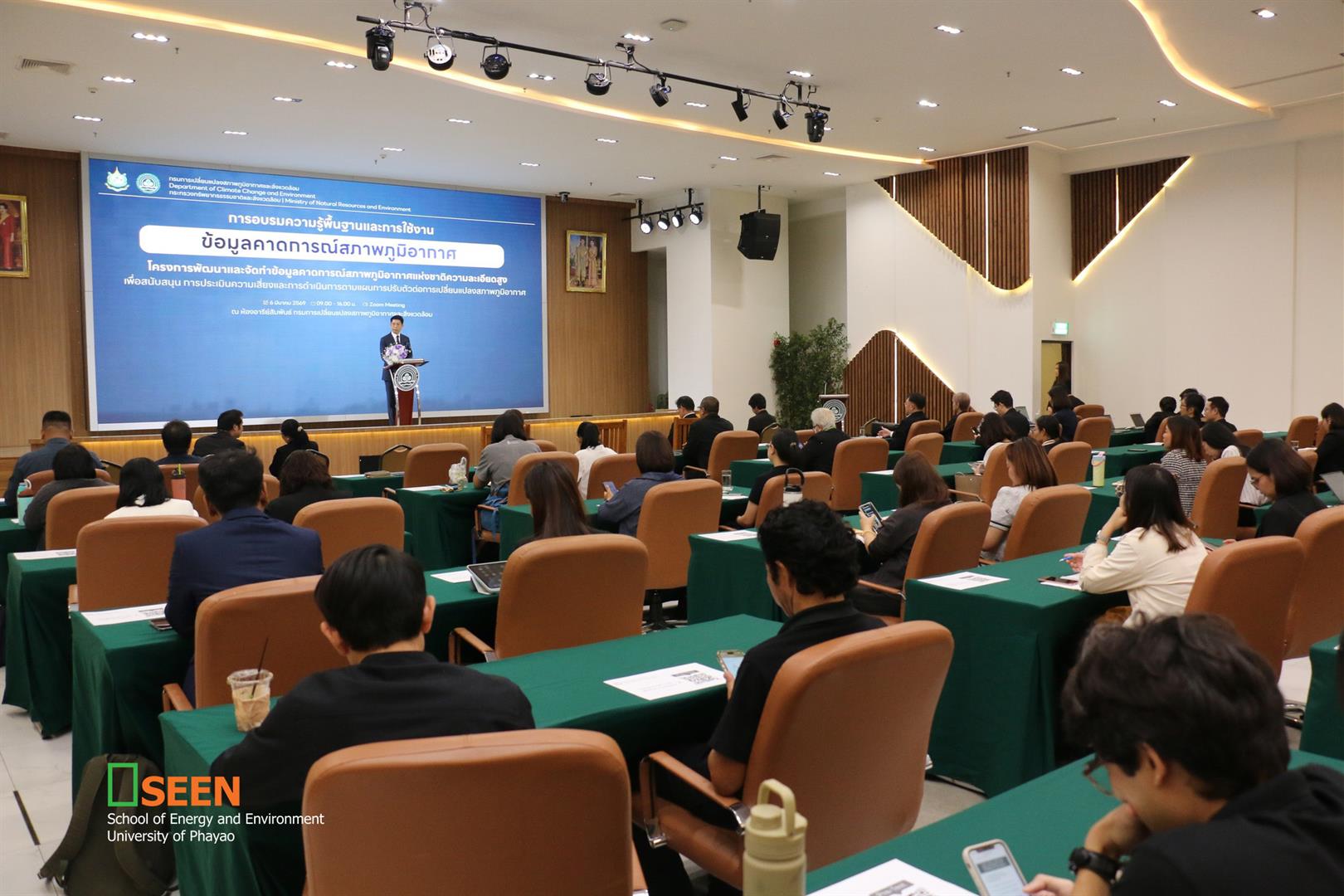
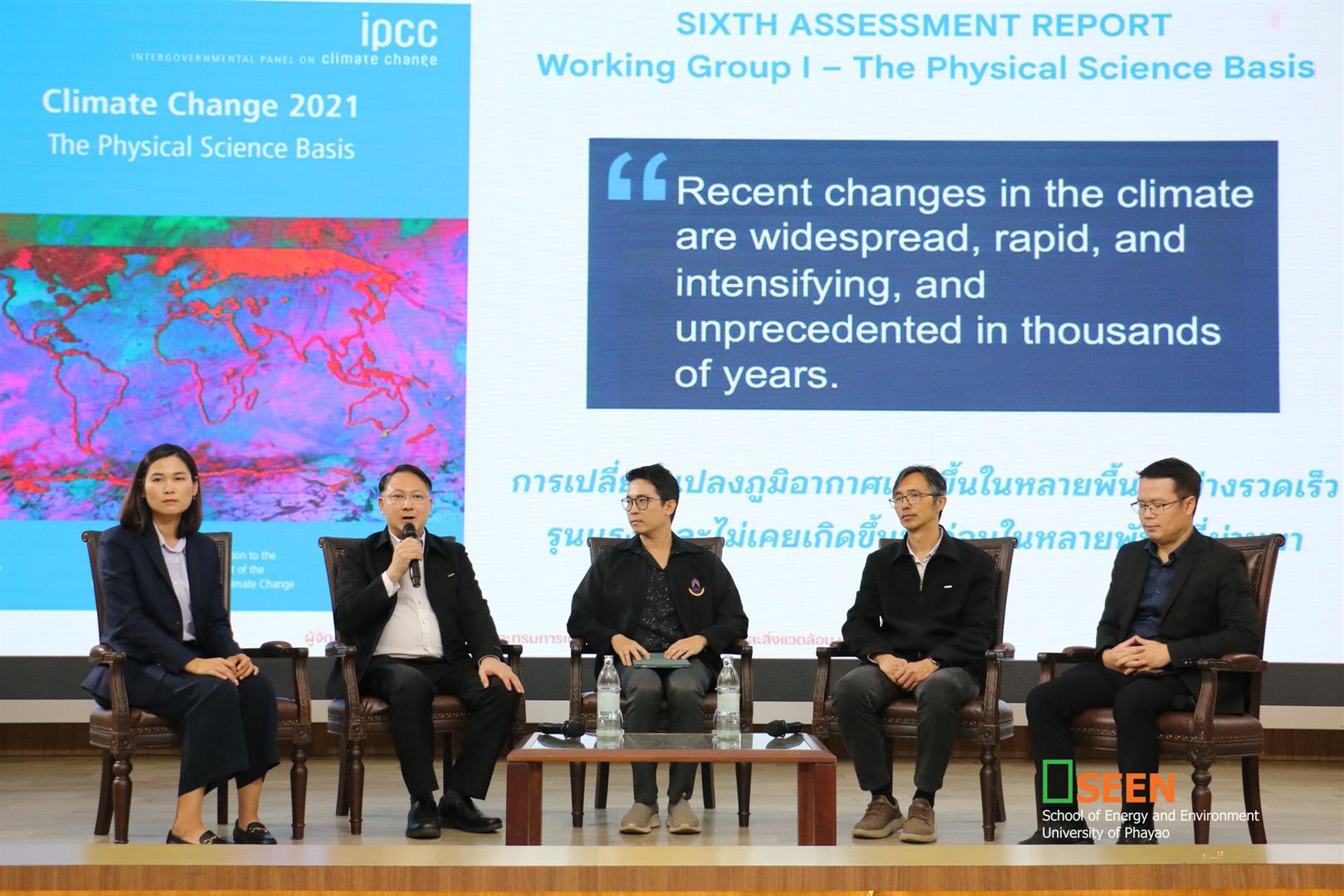
SEEN-UP, Climate Experts Speak at National Workshop on Climate Projection Data
The training was organized by the Climate Change and Environmental Research Center on 6 March 2026 at Aree Samphan Meeting Room, Department of Climate Change and Environment, and was also conducted online. The event attracted more than 500 participants, including representatives from Climate Change and Biodiversity Coordination Centers, academics, and stakeholders from government and private sectors nationwide.
They also participated in the launch of a web-based platform providing climate projection data to support practical climate change risk assessment in Thailand.
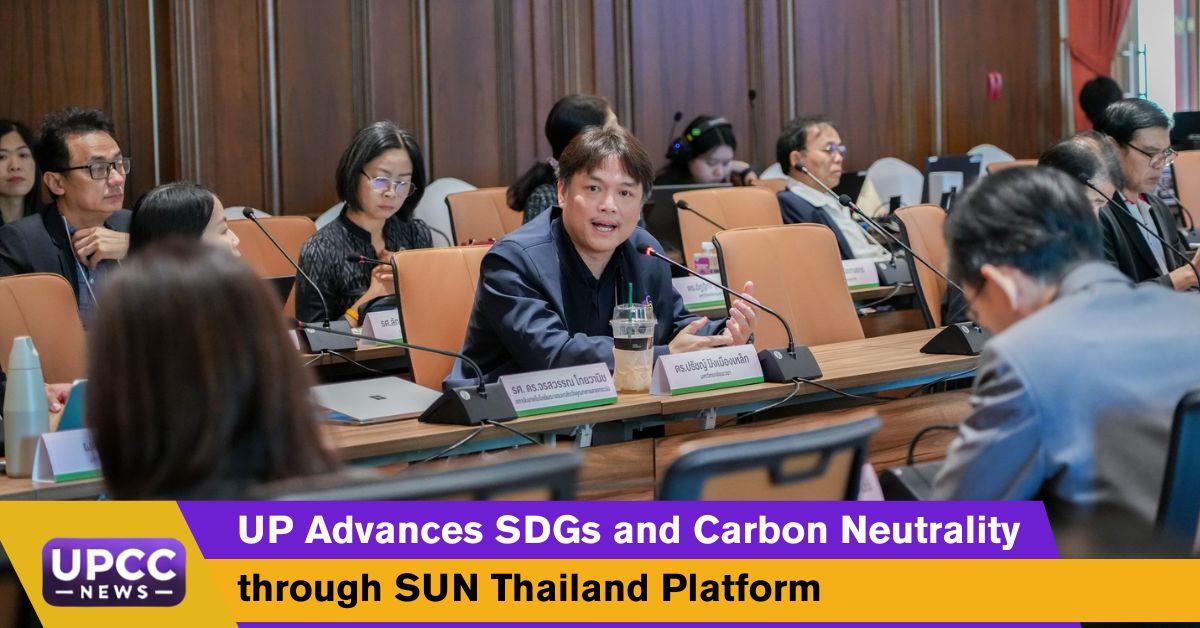
UP Advances SDGs and Carbon Neutrality through SUN Thailand Platform
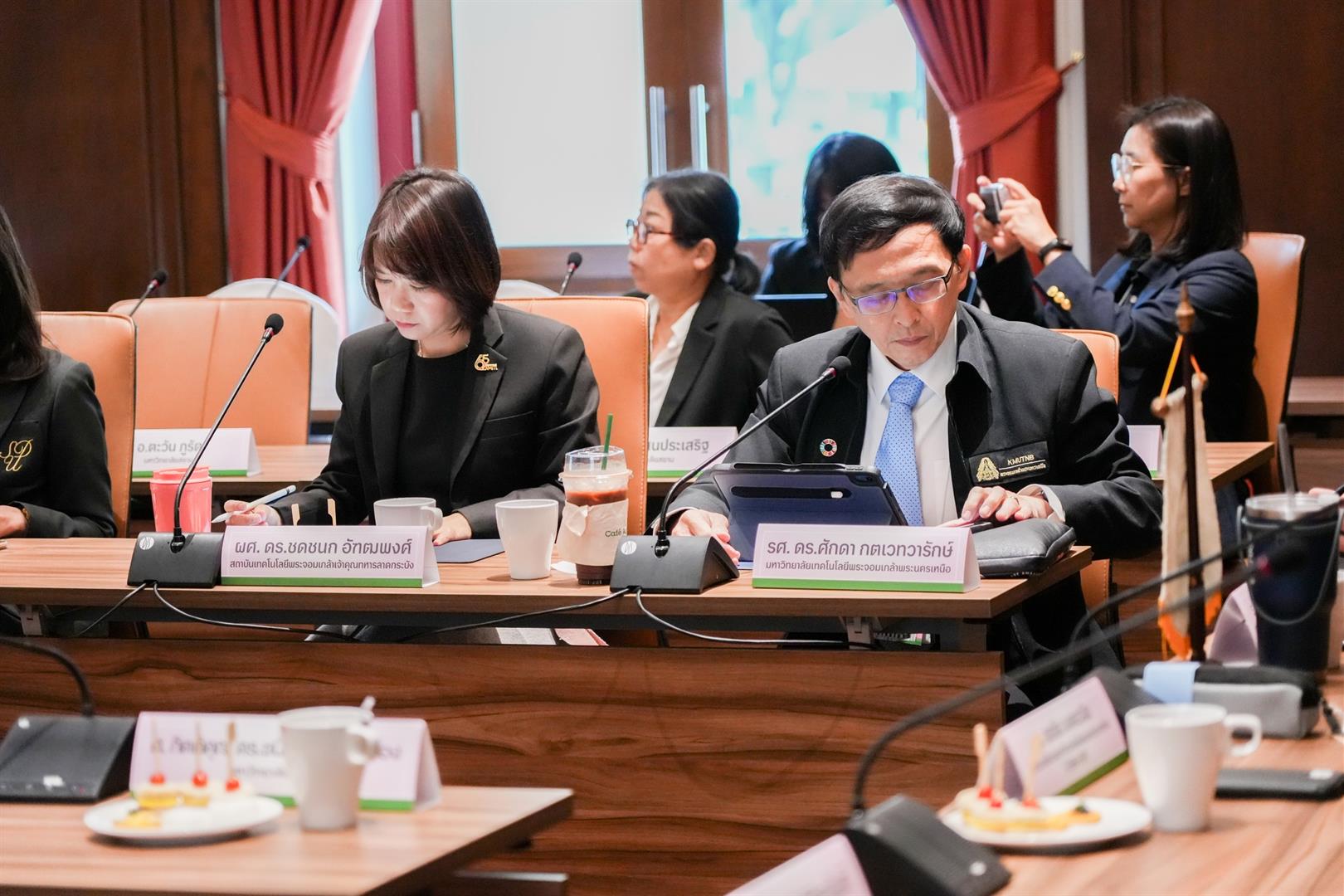
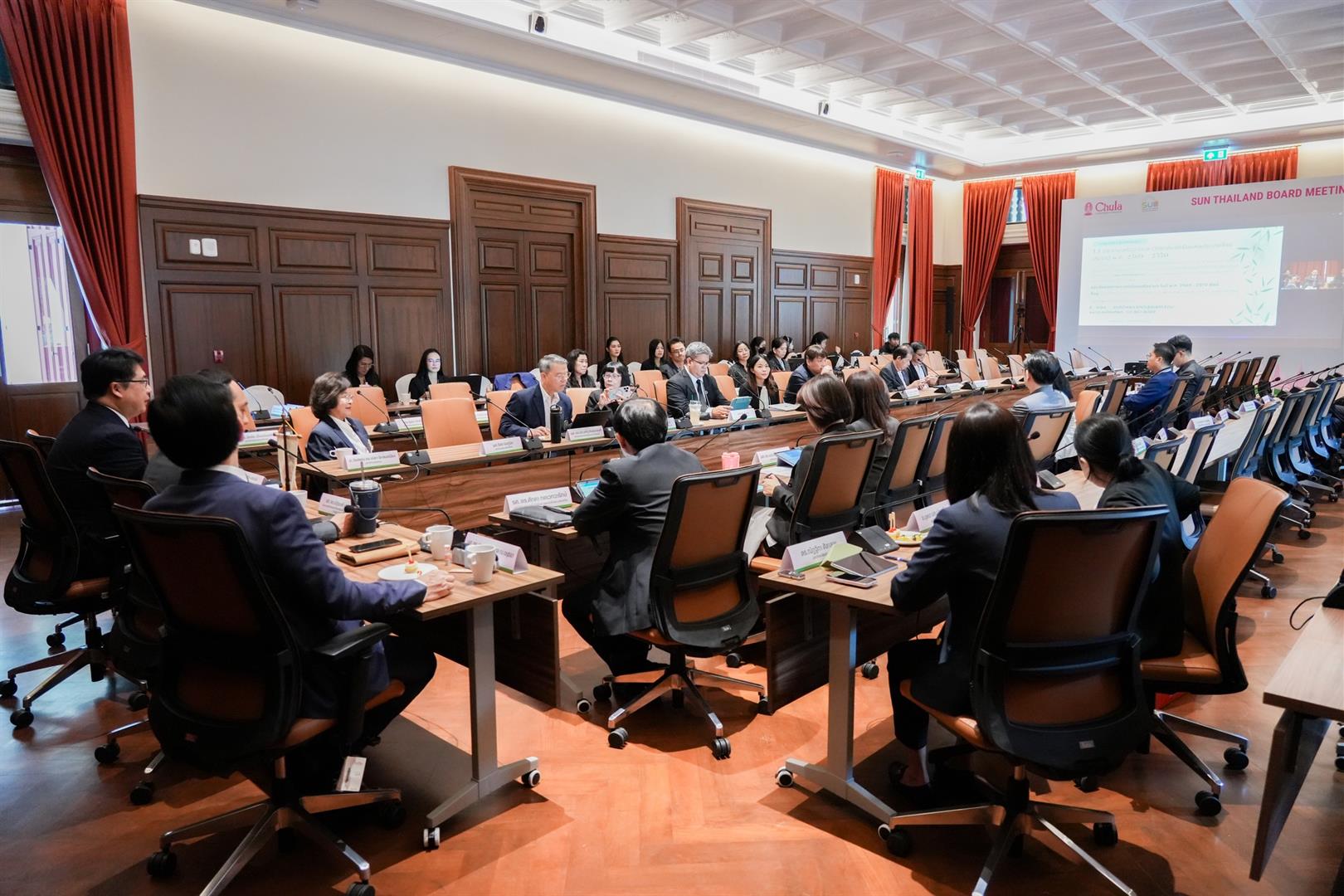
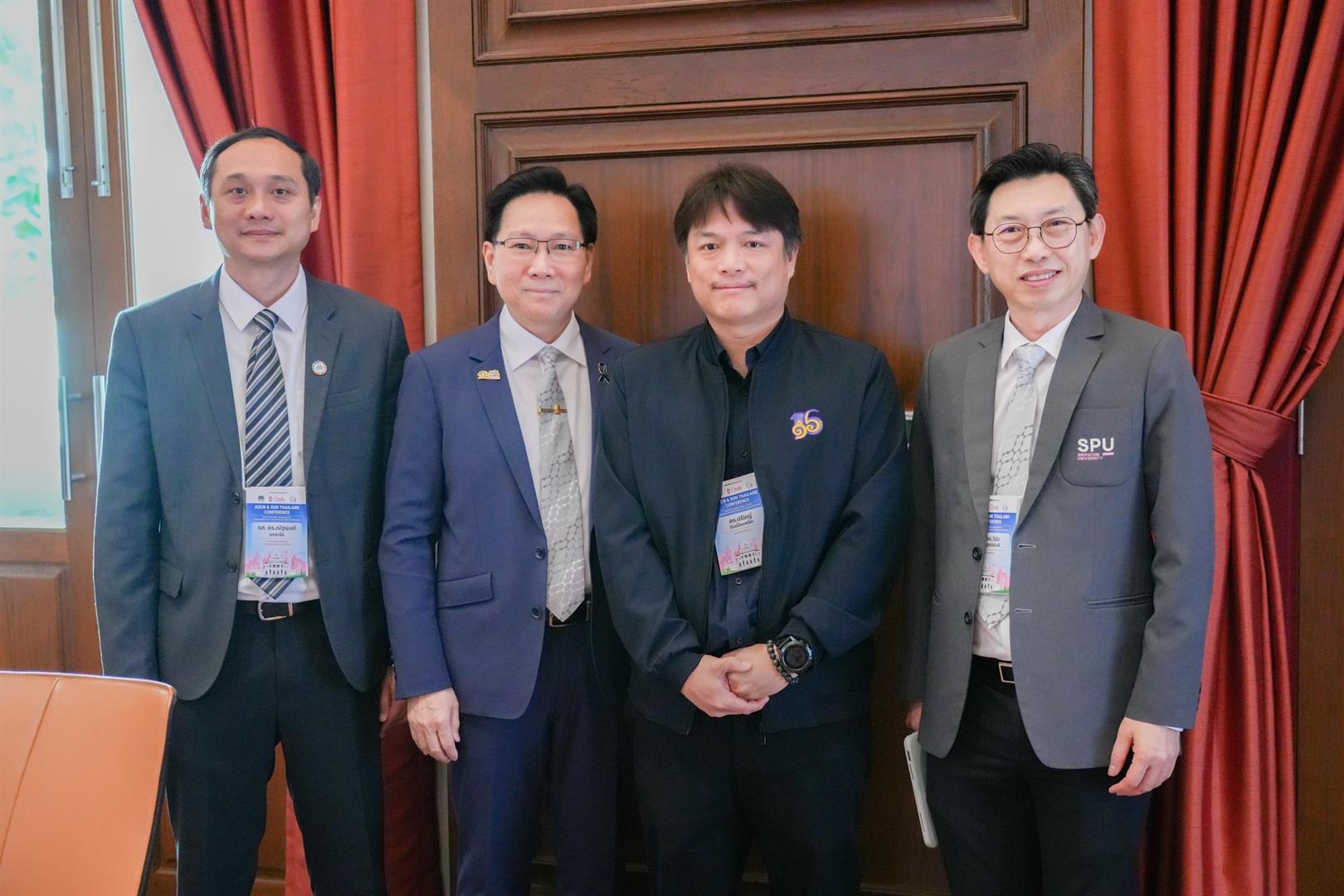
The University of Phayao, through its Center for Environmental and Sustainable Management, participated in the 4th SUN Thailand Roadshow Meeting 2025 on 3 February 2026, joining representatives from more than 64 universities nationwide to exchange best practices in advancing sustainable development in higher education.
On this occasion Dr. Prus Pingmuanglek Director, Center of Environment and Sustainable Management and Chair of the SUN Thailand Carbon Neutrality Driving Working Group, presented a four-step operational framework to support greenhouse gas emission reduction and advance carbon neutrality across higher education institutions in Thailand.
In addition, the University of Phayao supported students in presenting a sustainability-focused research project entitled "Carbon Footprint Evaluation System to Support Greenhouse Gas Emission Reduction and Carbon Neutrality at the University of Phayao."
The project introduces a web-based application designed to collect, calculate, and report carbon footprint data, supporting the university's efforts in driving the Sustainable Development Goals (SDGs) and institutional climate action.
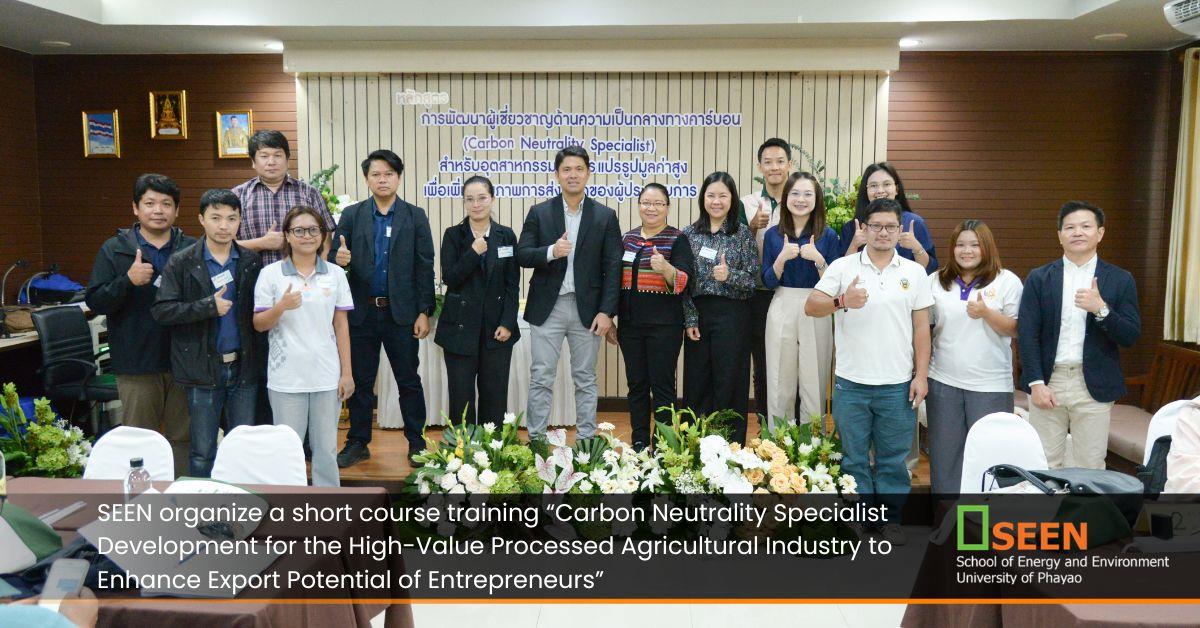
SEEN organize a short course training "Carbon Neutrality Specialist Development for the High-Value Processed Agricultural Industry to Enhance Export Potential of Entrepreneurs."
The School of Energy and Environment (SEEN) organized a short course training on "Carbon Neutrality Specialist Development for the High-Value Processed Agricultural Industry to Enhance Export Potential of Entrepreneurs" under the New Breed Graduate Production and Competent Workforce Development Project in response to the manufacturing sector's needs, in line with the policy of reforming Thai higher education in 2026.
This certificate-level course was offered to entrepreneurs and interested students, with a total of 40 participants. The program aimed to enhance knowledge and understanding in carbon footprint planning, assessment, and management, as well as approaches towards achieving carbon neutrality at both organizational and product levels.
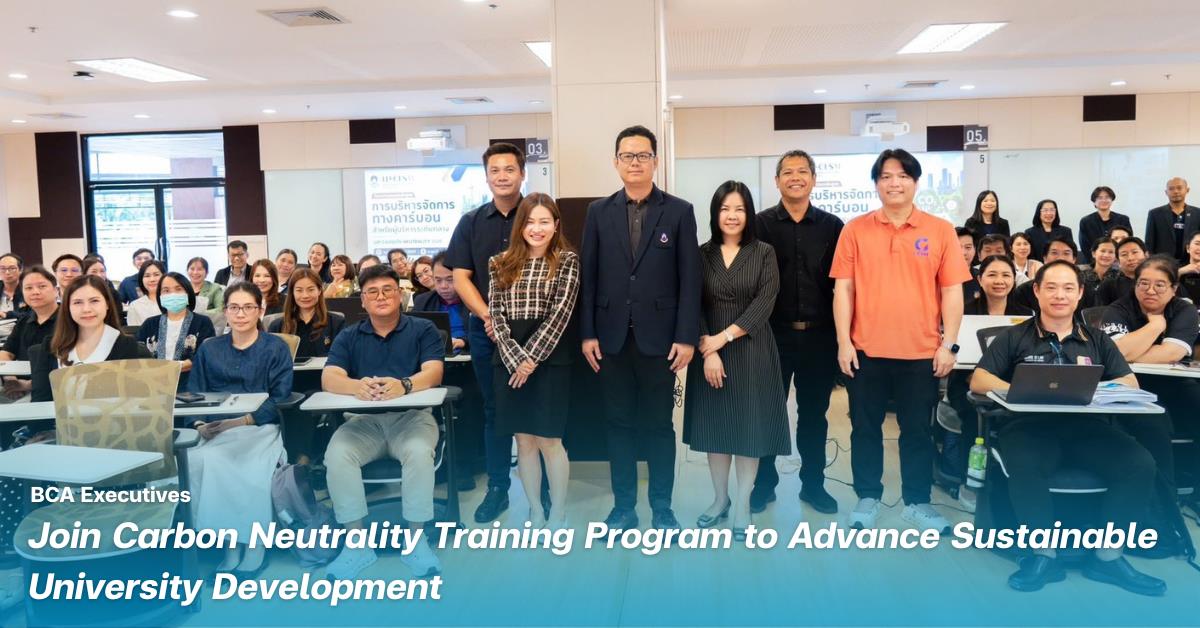
BCA Executives Join Carbon Neutrality Training Program to Advance Sustainable University Development
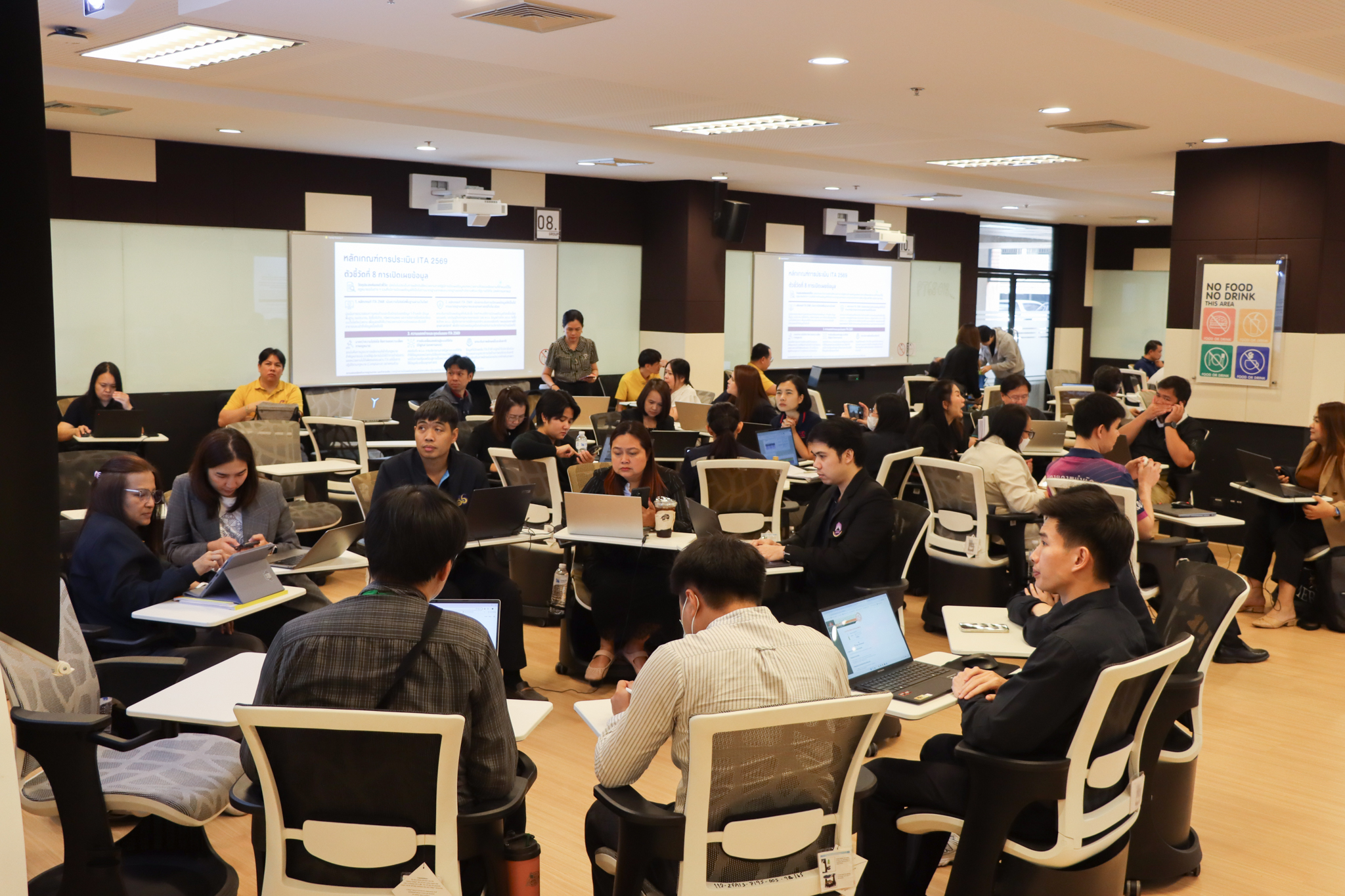
School of Business and Communication Arts (BCA), University of Phayao, participated in the "Carbon Neutrality Management Program for Middle-Level Administrators (UP Carbon Neutrality 2026)" at the Active Learning Classroom, CE Building, University of Phayao.
The program was designed to enhance the capacity of university administrators in driving organizational sustainability and supporting the University's commitment to achieving carbon neutrality. The training focused on building participants' understanding of greenhouse gas management, Carbon Footprint for Organization (CFO) assessment, and environmental management strategies aligned with the University's sustainability goals.
During the program, participants attended sessions on the University of Phayao's greenhouse gas management policies and directions, greenhouse gas reduction targets based on Science-Based Targets (SBTs), and key concepts related to Net Zero, Carbon Neutrality, and Carbon Credits. The training also provided practical guidance on carbon reporting and organizational carbon management to support the University's transition toward becoming a carbon-neutral institution.
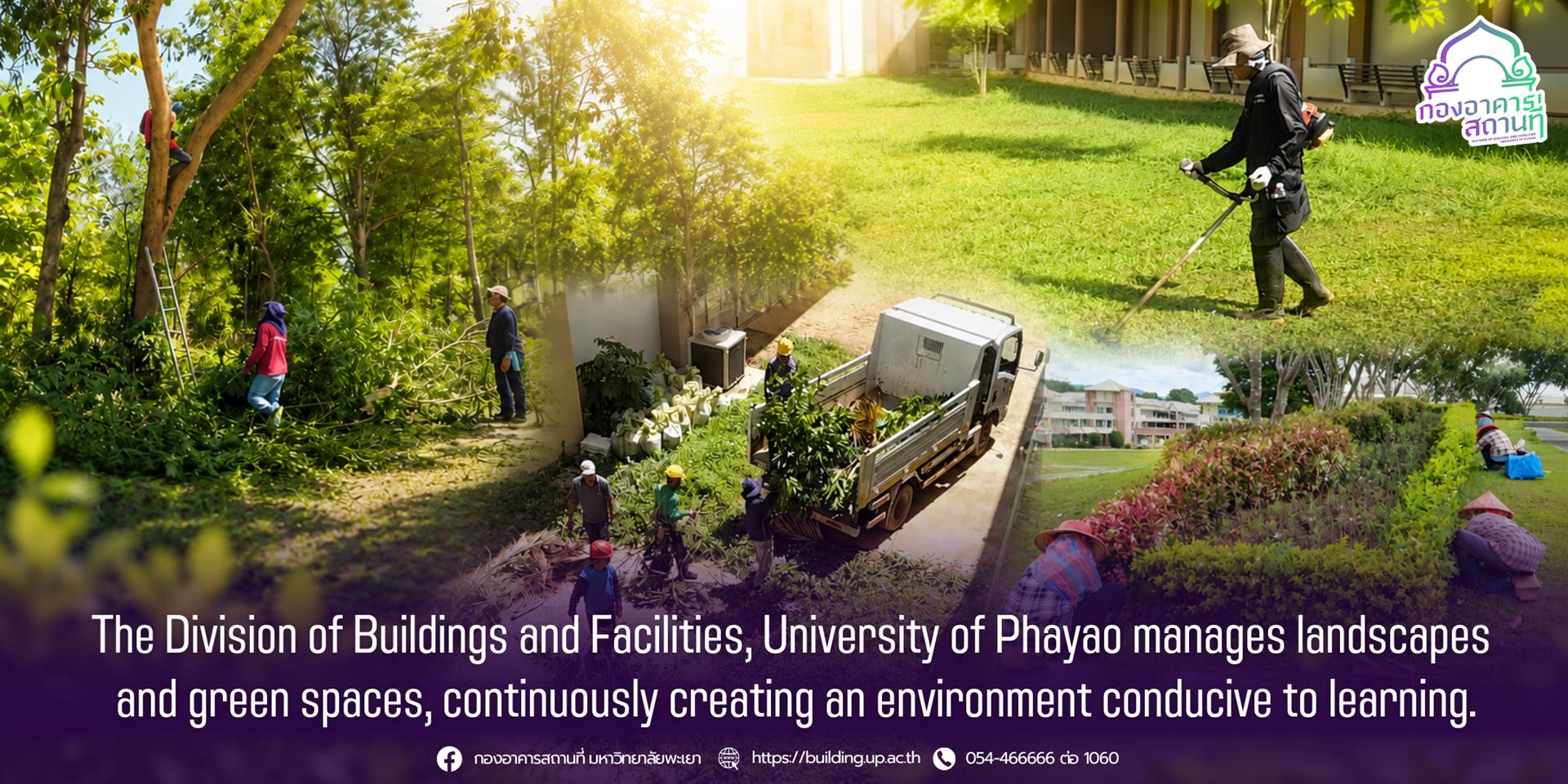
The Division of Buildings and Facilities, University of Phayao maintains landscapes and green spaces to foster a conducive learning environment
The Division of Buildings and Facilities, University of Phayao conducted ongoing tree trimming, grass cutting, weed removal, and landscape maintenance across the university in May 2026, covering academic buildings, main roads, common areas, and surrounding green spaces, in order to maintain a clean, orderly, and pleasant environment conducive to learning and to enhance the university's overall scenery.
In addition, the Division of Buildings and Facilities, University of Phayao plays a role in conserving natural resources and the environment for long-term sustainability. It is also responsible for overseeing the area under the Plant Genetic Conservation Project Under the Royal Initiative, with a focus on surveying, studying, protecting, and conserving local plant species, as well as collecting natural resource data to serve as a knowledge base for biodiversity and the sustainable and appropriate utilization of resources.

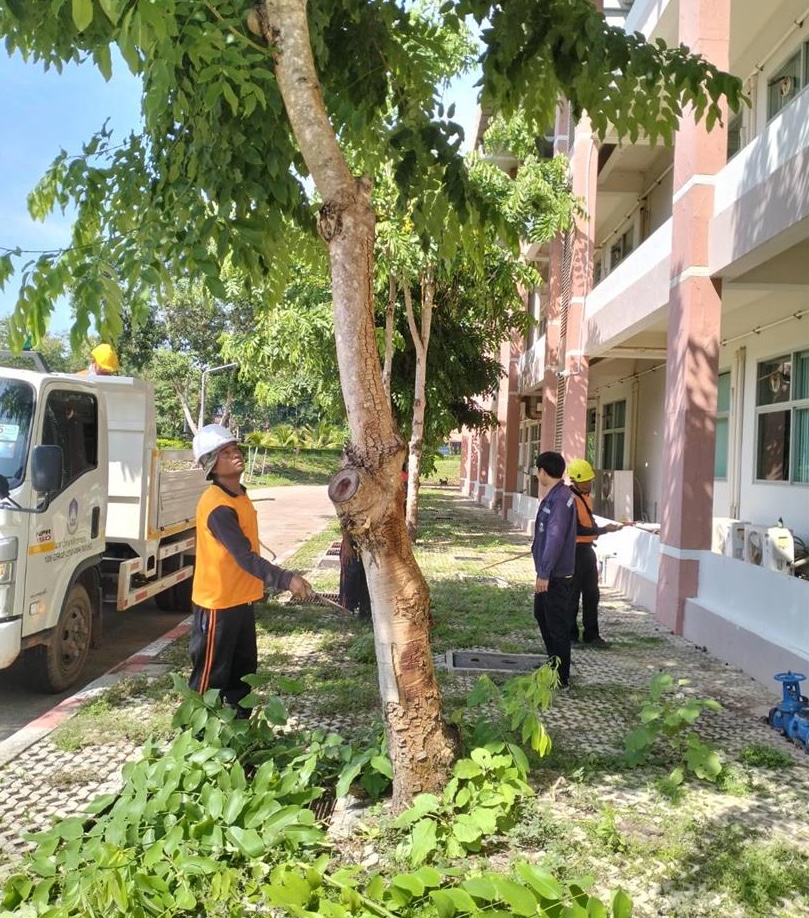
These efforts align with the spirit of National Tree Day, observed annually on May 31, which aims to raise awareness among all sectors about the importance of trees, forests, and green spaces, and to encourage participation in the conservation, restoration, and stewardship of natural resources for a sustainable ecological and environmental balance. The University of Phayao places great importance on green space development alongside natural resource conservation, and the Division of Buildings and Facilities will continue its work in landscape maintenance, green space expansion, and biodiversity conservation, in support of the university's vision as a livable, environmentally friendly, and learning-conducive institution for students, staff, and all who use the campus.
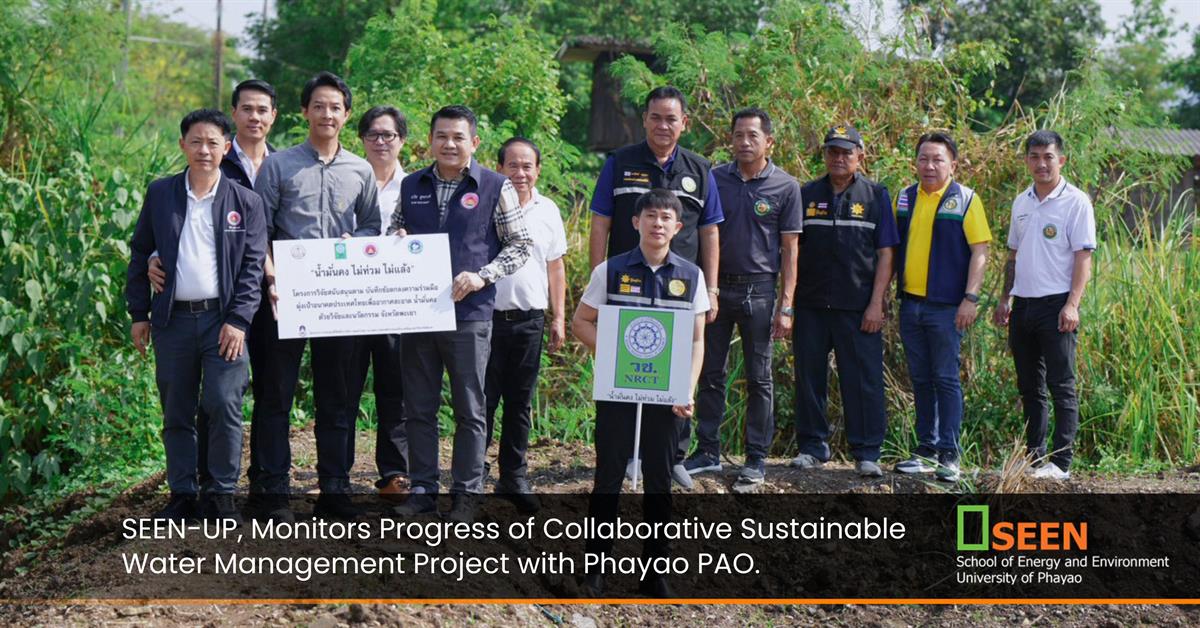
SEEN-UP, Monitors Progress of Collaborative Sustainable Water Management Project with Phayao PAO
This project is conducted under a research program funded by the National Research Council of Thailand (NRCT), titled "Application of the Khok–Nong (Integrated) – Na (Mixed) Approach for Water-Efficient Crop Rotation and Low-Carbon Rice Cultivation in Flood- and Drought-Prone Areas along Kwan Phayao and the Ing River Basin in Phayao and Chiang Rai Provinces."
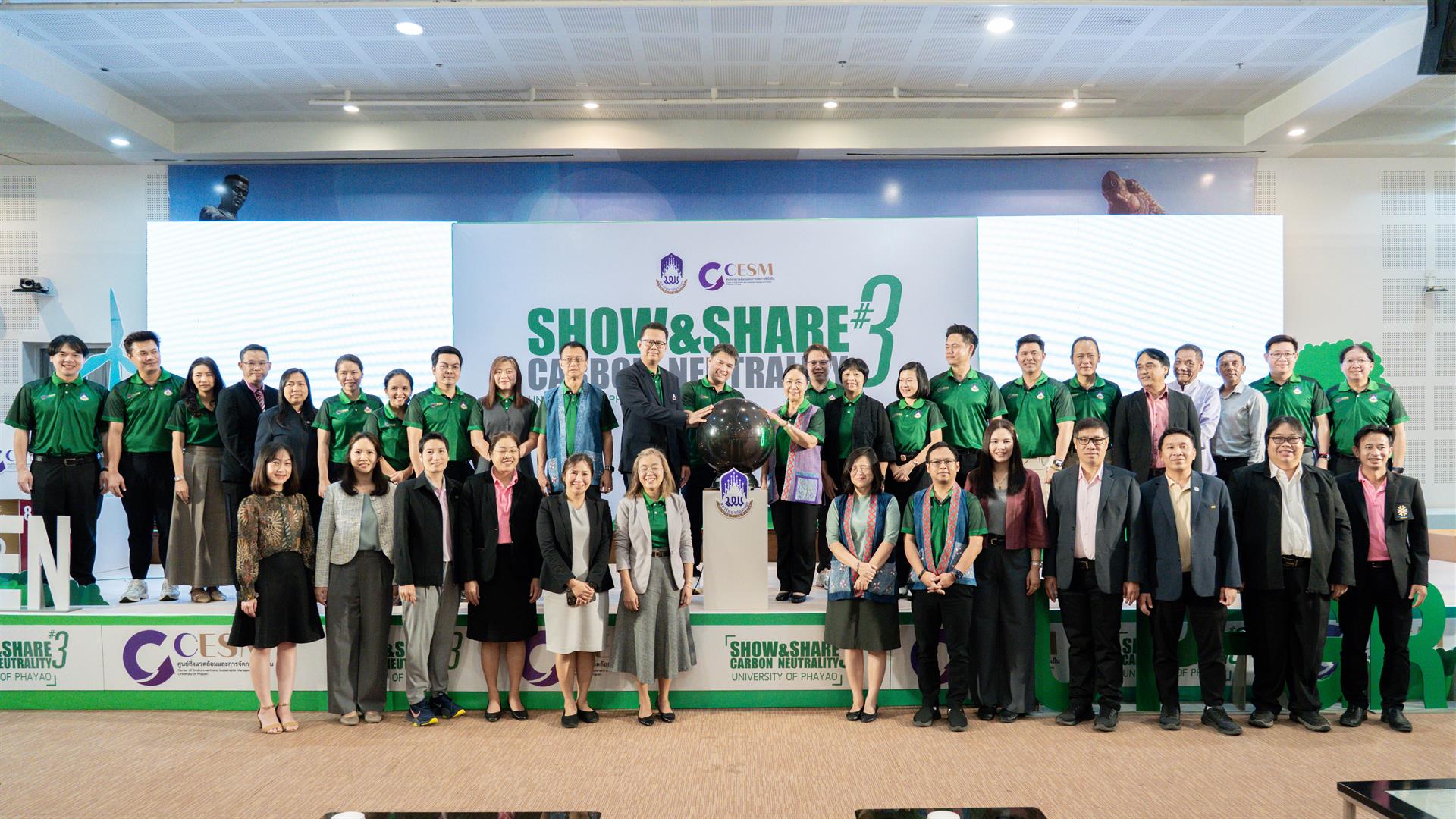
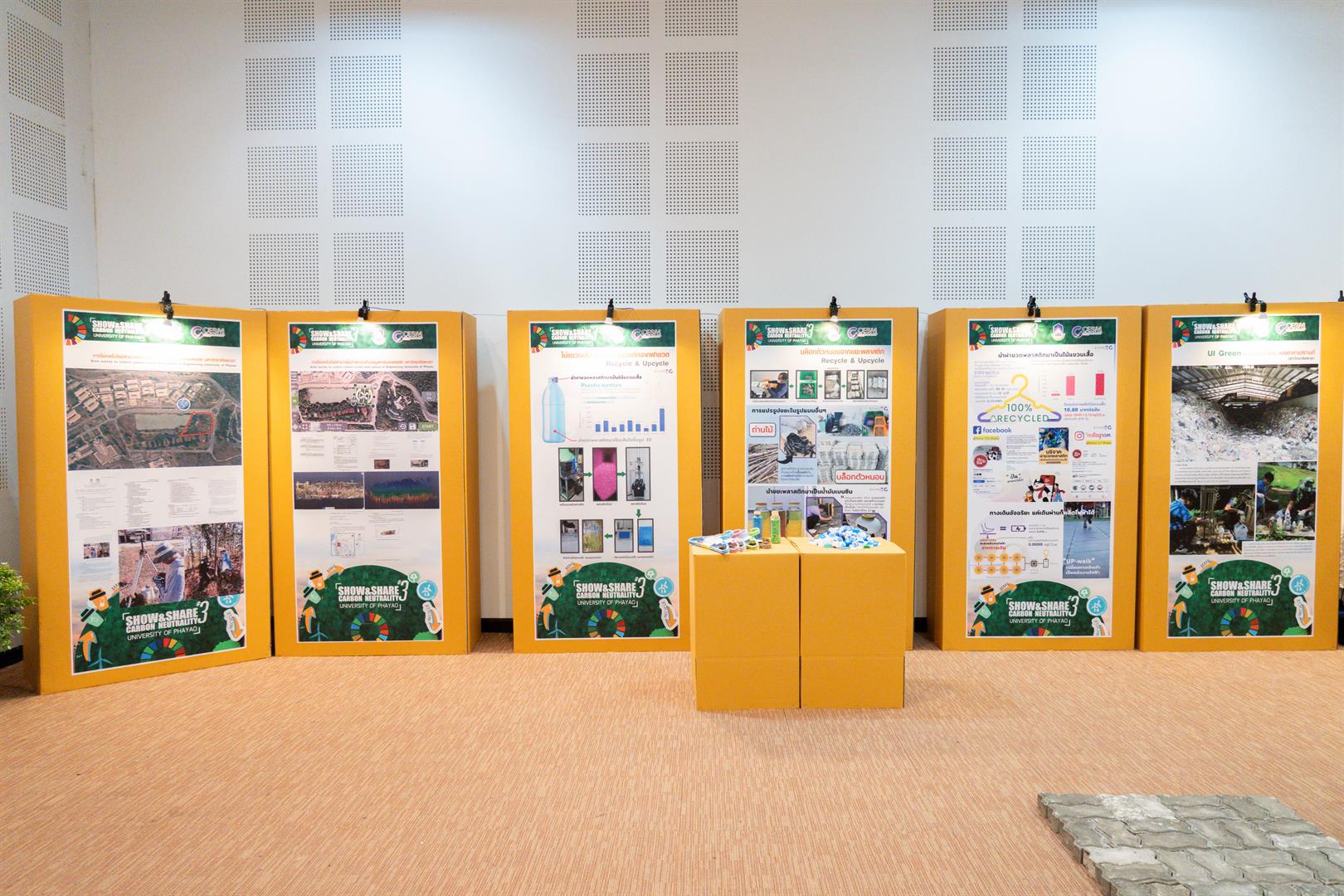
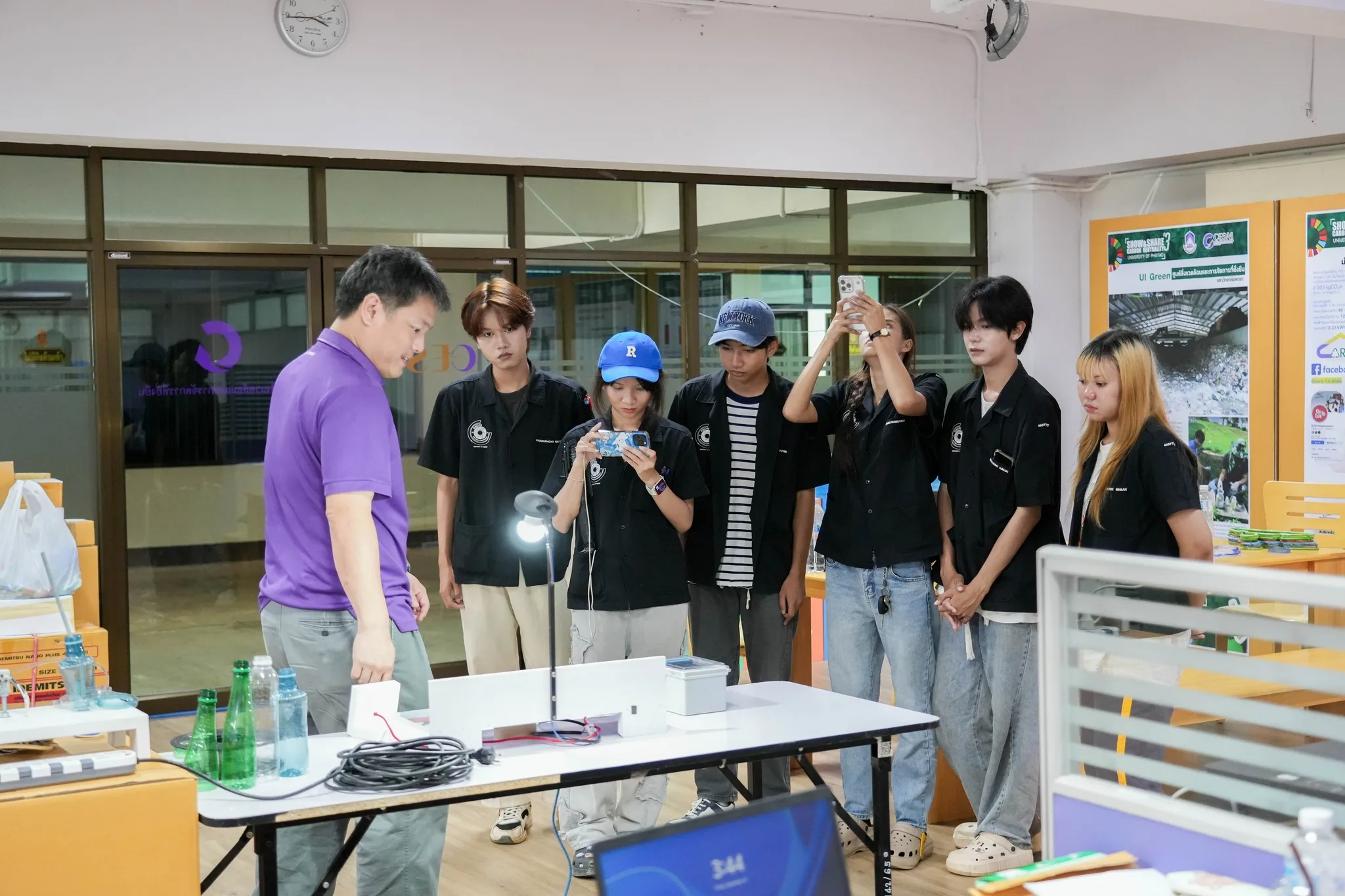
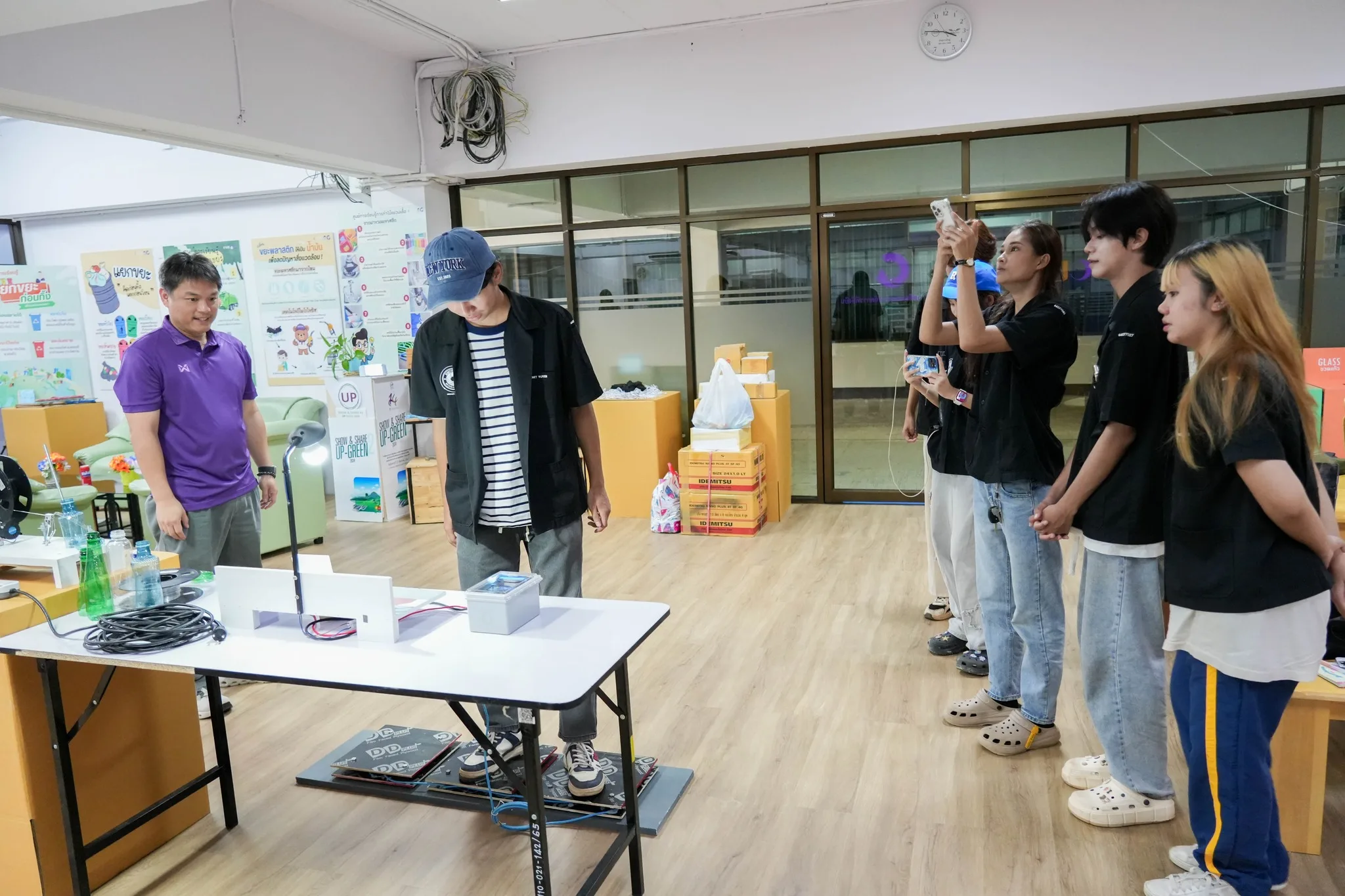
Show & Share UP Green 2025 (Carbon Neutrality) – 3rd Edition
Associate Professor Dr. Supakorn Phongsabangpo, President of the University of Phayao, presided over the opening ceremony of the Show & Share UP Green 2026 (Carbon Neutrality) – 3rd Edition.
The event, organized by the Center of Environmental and Sustainable Management, University of Phayao, was held at the Muang Phayao Conference Room.
University executives, deans, directors, staff, and students actively participated in the event, which aimed to promote the exchange of knowledge on physical and environmental development. The initiative also served as a platform to drive the University of Phayao toward becoming a truly carbon-neutral institution.
Show & Share UP Green 2025 (Carbon Neutrality) – 3rd Edition
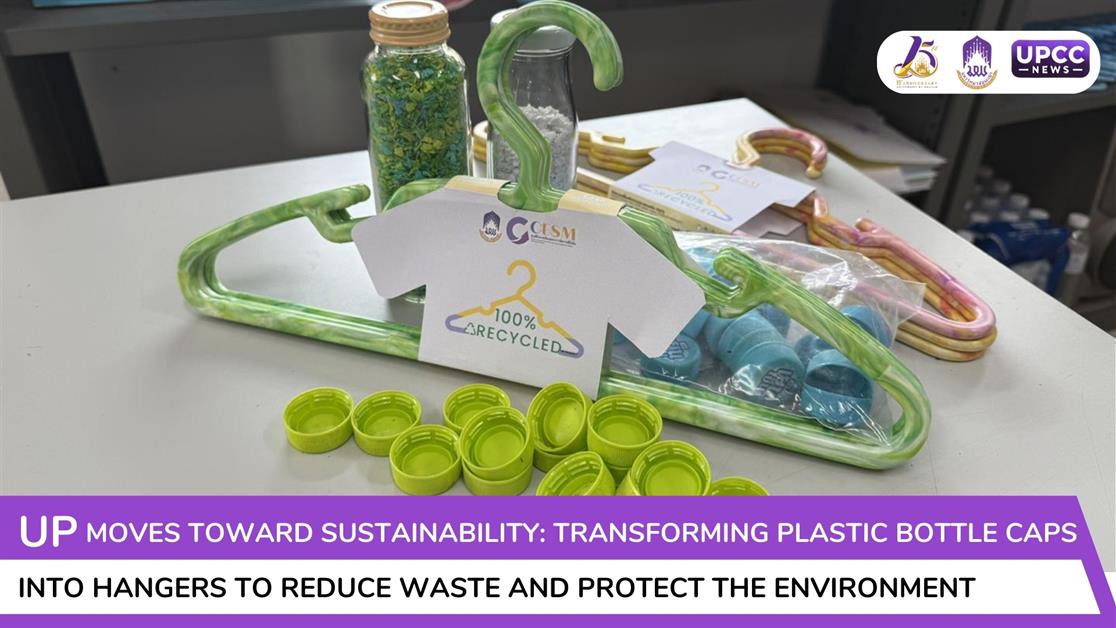
UP Moves Toward Sustainability: Transforming Plastic Bottle Caps into Hangers to Reduce Waste and Protect the Environment
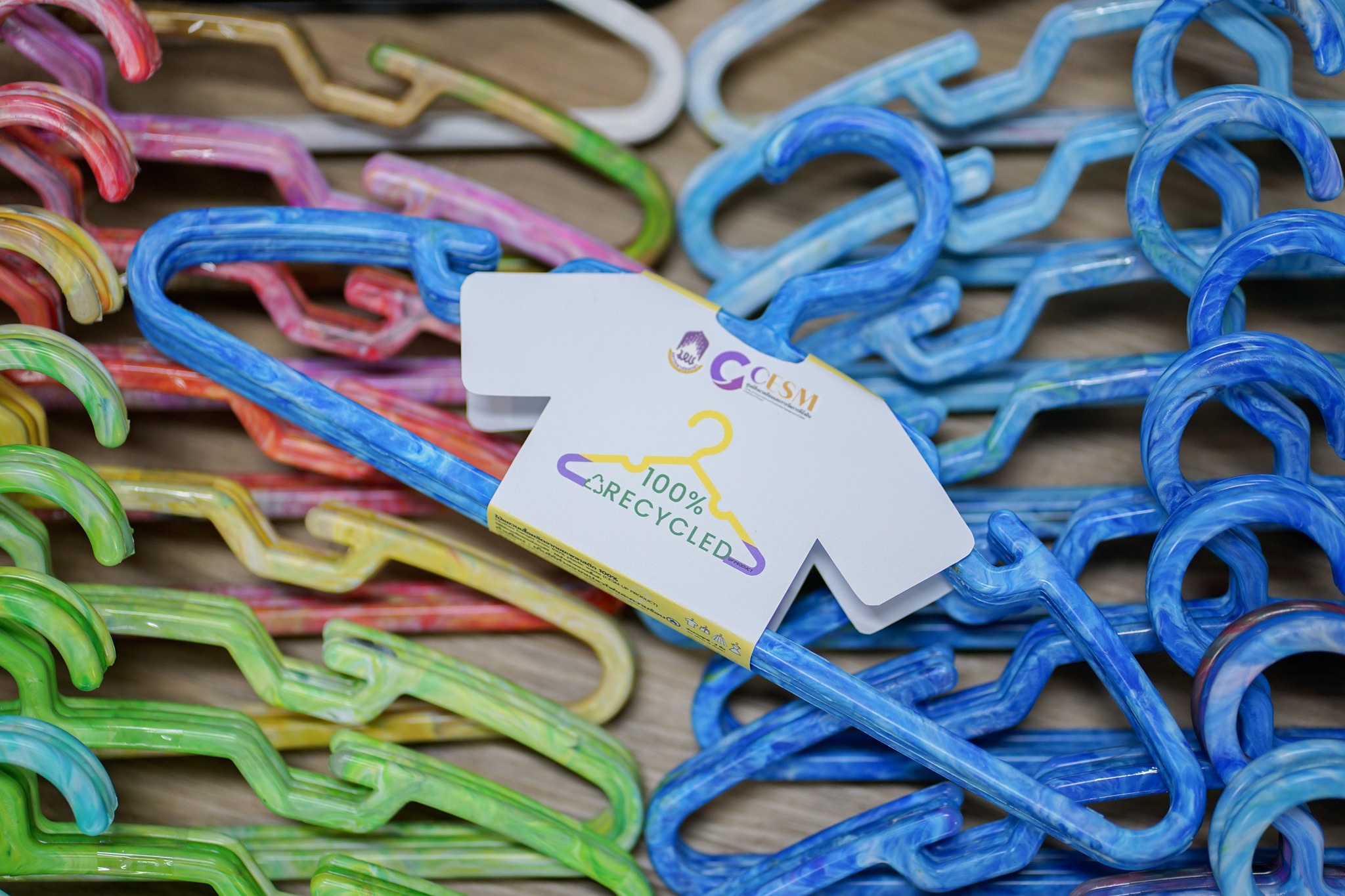
Center for Environment and Sustainable Management (CESM) at the University of Phayao is implementing its Green University policy by creating hangers made from 100% recycled plastic bottle caps. This initiative aims to address the issue of plastic waste and promote the efficient use of resources. The project was conceived with the goal of repurposing waste materials, not only to reduce plastic waste but also to create other useful products such as document folders or souvenirs for university events.
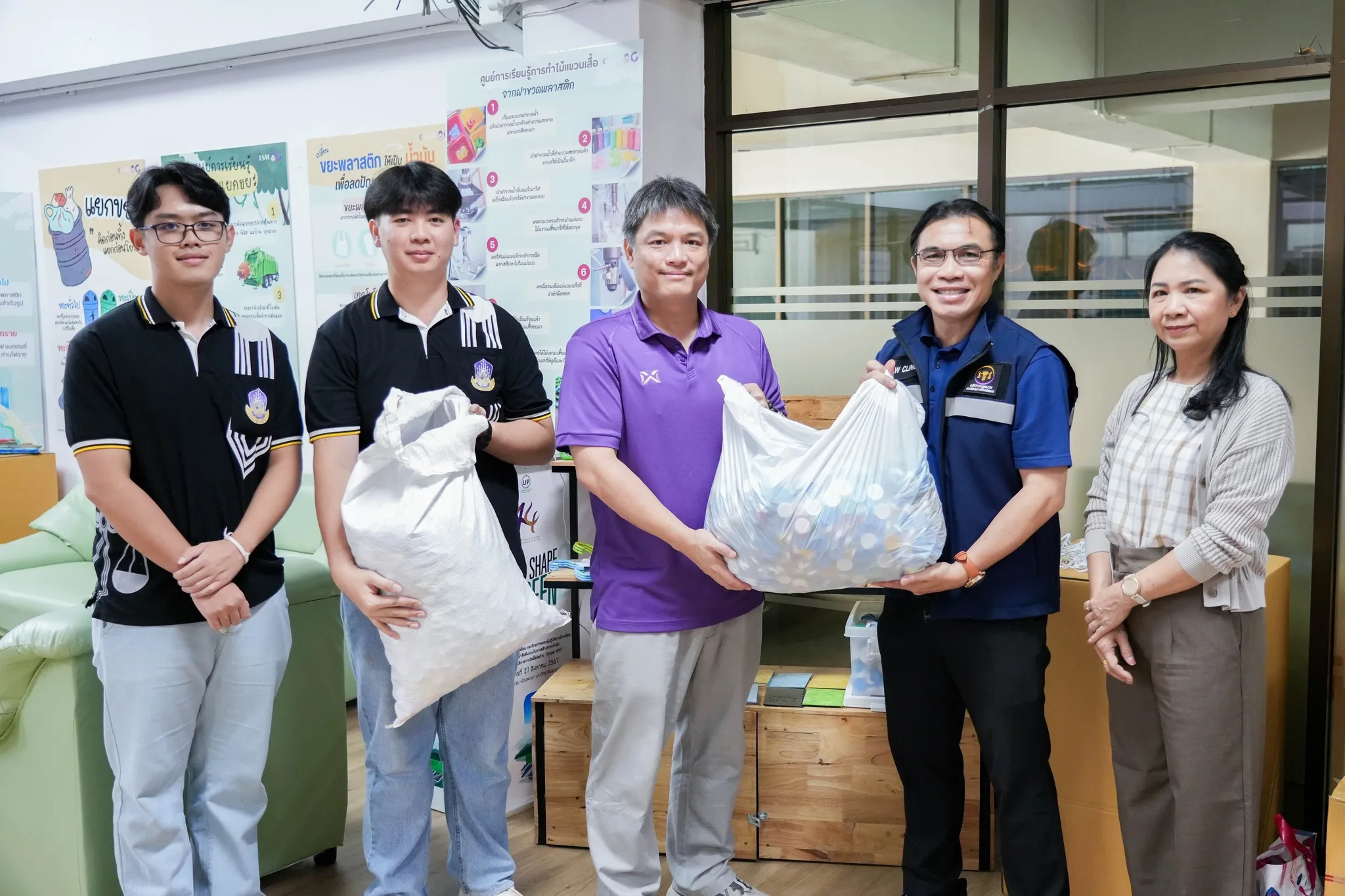
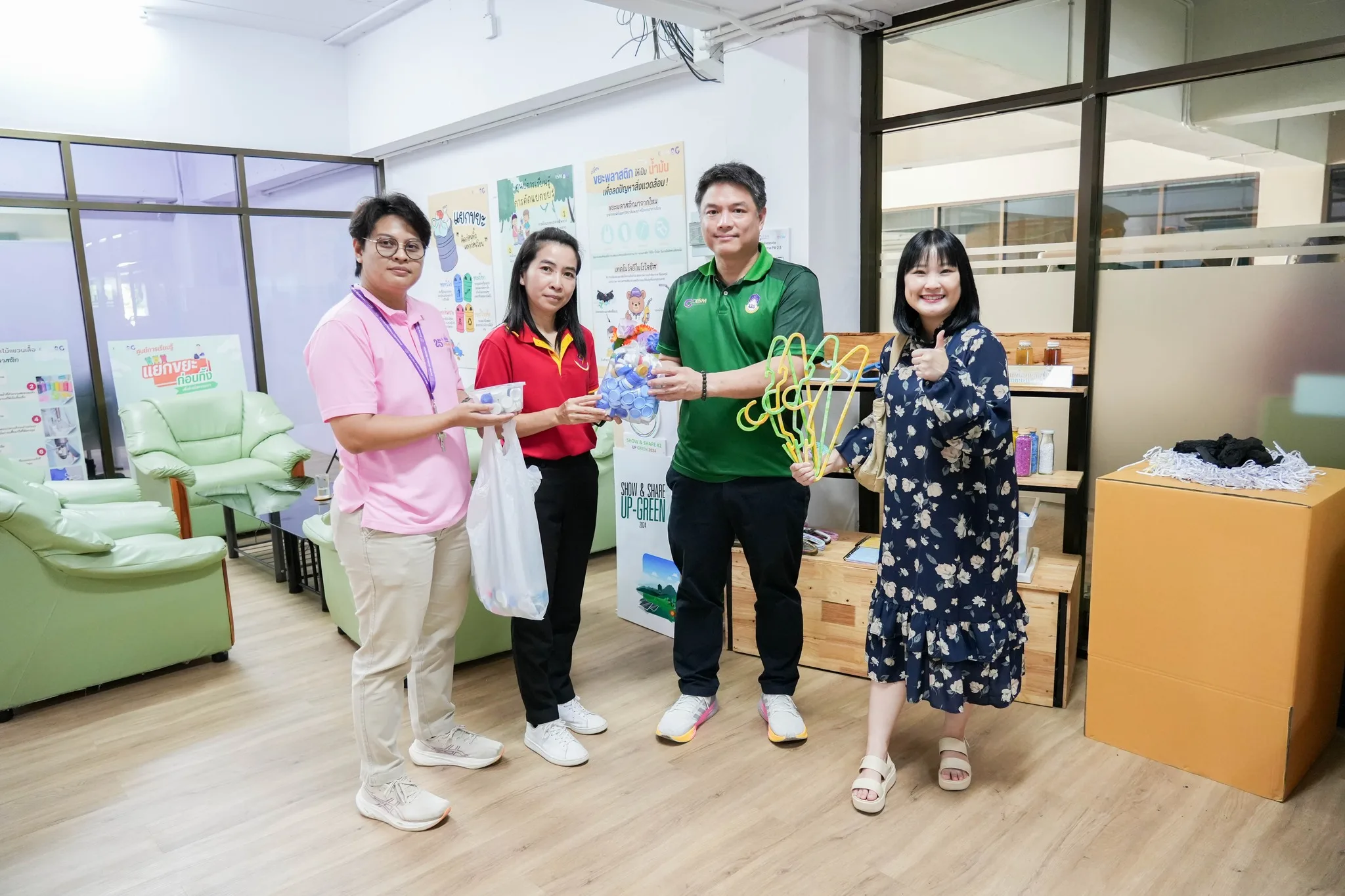
CESM has collaborated with various university departments, especially student dormitories, through the "Collect Bottle Caps, Exchange for Hangers" campaign. This initiative fosters environmental awareness among students and staff while encouraging waste separation and reduction efforts.
Looking ahead, CESM plans to expand its partnerships with local administrative organizations and private sectors to make these products more accessible to the community. This expansion could generate employment and income for local residents while promoting sustainable resource utilization.
Using the classroom, iClassroom system, and using the LMS system
The Division of Educational Services organized a workshop program. Using the classroom, iClassroom system, and using the LMS system for teachers University of Phayao by Vice Chancellor for Academic Affairs, Associate Professor Dr. Supakorn pongBangpho presided over the inauguration ceremony and was honored by Mr. Pechrapong Chai. Position Audiovisual Scholar (Admin-Learning System, Phayao University) is a lecturer on the use of the iClassroom classroom and the Learning Management System (LMS), with the aim of providing instructors with an understanding of how to use the classroom in the iClassroom system and effectively manage online lessons in the LMS system to support the government's new graduate policy.
ALC is used to maintain air quality standards despite the dynamics of cooling load and the dynamics of biological pollutants in the room. There are also innovations in room sterilization using ALC rays for biological pollutants attached to the surfaces such as benches, floors, and walls. Irradiating of rooms is carried out automatically every time the room is about to be used or after an activity and can be automated via condition sensors attached to PC-operated web cams.
Active learning Classroom & iClassroom
The project "Development of Technology for Producing Sound-Reducing Panels from rice and corn husks to EGAT
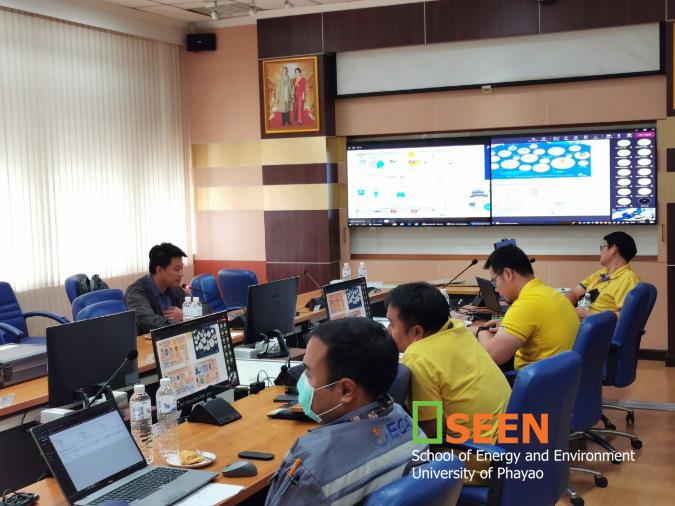
The project titled "Development of Technology for Producing Sound-Reducing Panels from Agricultural Residue Materials," highlighting technologies for producing panels from rice and corn husks, in accordance with the principles of the Circular Economy. Furthermore, the research team leader elaborated on the topic of the BCG model, both onsite and online, to exchange knowledge and consult on collaborative research directions with EGAT in the near future.
Circular Economy and Sustainable Resource Use Promoting circular economy projects on campus, such as using recycled materials in construction, developing reusable products, and efficient waste management. This includes designing products and manufacturing processes that minimize natural resource use.
Sustainability in Education Initiatives. Universities should create courses or curricula focused on sustainability innovation, such as conducting workshops on carbon reduction projects, developing clean energy technologies, or planning sustainable cities to prepare students for future leadership roles.
Conclusion
These innovations demonstrate how universities can create positive change to address climate change. "UP Carbon" involves using campuses as models for developing sustainable innovations in education, research, and practice while raising awareness of environmental conservation.
Remark: All activities in 2.13 refer to the Sustainable Development Goals (SDGs), otherwise known as the global goals, especially relating to Goal 3: Ensure healthy lives and promote well-being for all at all ages. Reduce by one third premature mortality from non-communicable diseases through prevention and treatment and promote mental health and well-being.