As the world moves towards the Sustainable Development Goals (SDGs), educational institutions like University of Phayao have taken a leading role in becoming a large-scale "laboratory" to create a prototype of Sustainable City. One of the dimensions that University of Phayao places great importance on is Sustainable Mobility, which is more than just a facilitation, but also a key strategy for reducing environmental impact and enhancing quality of life. The university has undertaken a wide range of sustainable transportation programs that contribute significantly to the achievement of the 17 Sustainable Development Goals (SDGs). These initiatives reflect a strong institutional commitment to low-carbon mobility, reduction of air pollution, and the creation of safe, inclusive, and accessible transport systems.


Development of Integrated Pedestrian Pathways and Dedicated Bicycle Lanes
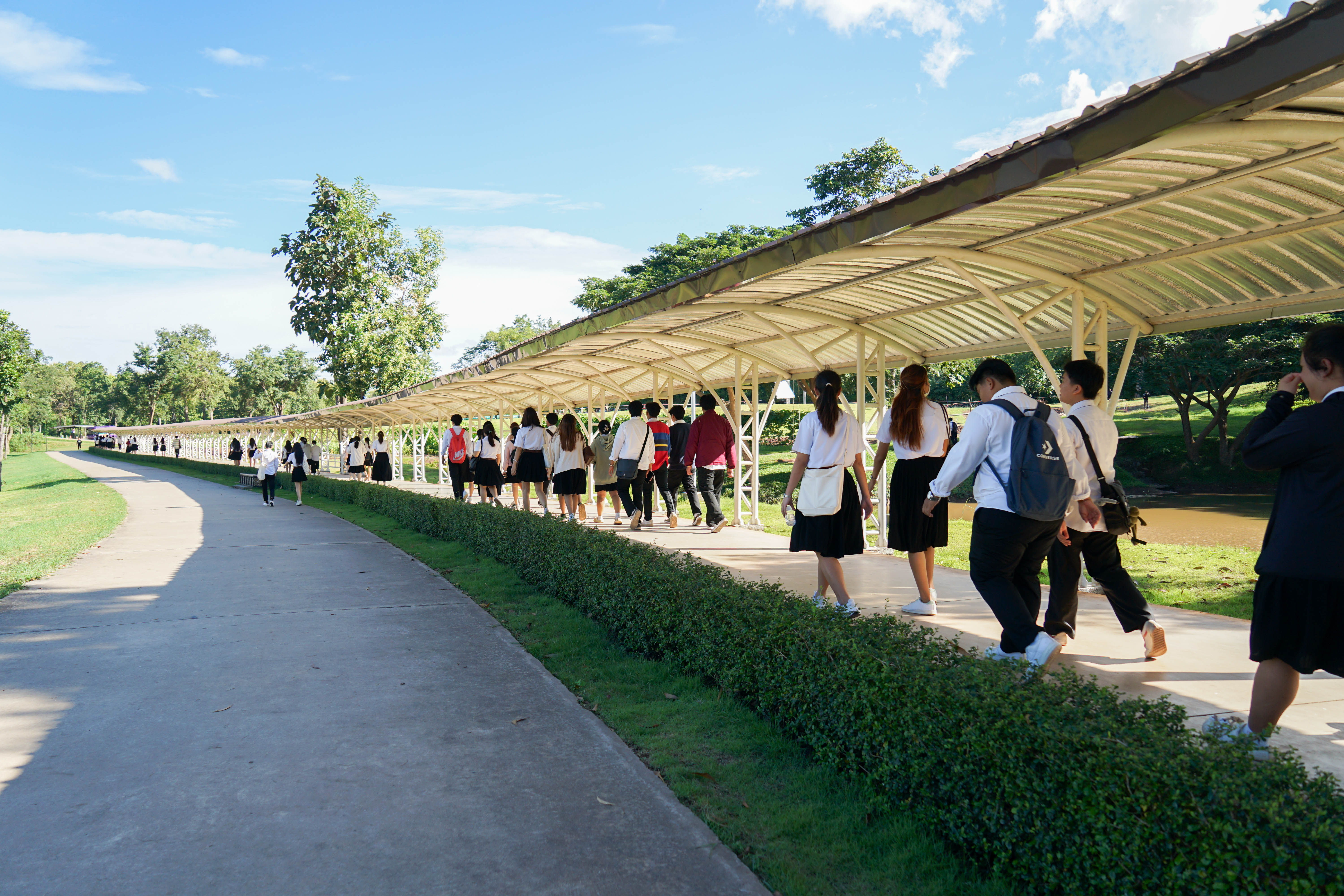
Development of integrated pedestrian pathways and dedicated bicycle lanes across campus to encourage non-motorized transport. Pathway: the width of pathway is 1.50-5.50 meters with smooth surface, non-slip, no barrier which may be harm to disabled. Pathway and bicycle lane on the main roads have benches along the way on both sides to share rest areas for public and disabled. Those rest areas have enough spaces for wheelchairs without traffic road blockage.- SDG 3 (Good Health and Well-being): Walking and cycling directly promote physical activity, reduce sedentary lifestyles, and enhance the well-being of the University of Phayao community.
- SDG 11 (Sustainable Cities and Communities): Create safe, accessible, and inclusive green public spaces. Walking and cycling also reduce air pollution (PM2.5) and noise pollution on campus.
- SDG 13 (Climate Action): Be the best "zero carbon" mode of transportation.
Policy to support the walk
Operation of Low-Emission Campus Shuttle Buses
Operation of low-emission campus shuttle buses, including electric or hybrid vehicles, to reduce reliance on personal cars. Shuttle services (Electric buses 100%) a public transport policy has been formulated by University of Phayao to facilitate the travel of students, personnel, and the general public while keeping convenience in mind. Everyone can access and use public transport equally, equitably, and sustainably. University of Phayao welfare shuttle service (Electric buses 100%) is provided free of charge in order to provide public service for students, personnel, as well as those who contact within UP to be convenient and safe.- SDG 11 (Sustainable Cities and Communities): Addresses sub-goal 11.2, which aims to "provide access to sustainable, safe, and affordable transport for all." The availability of public transportation is a key element in creating an efficient public transport system.
- SDG 13 (Climate Action): Shifting from fossil fuels (diesel) to clean energy (EVs, NGVs) reduces greenhouse gas (GHG) emissions, a major contributor to global warming.
- SDG 7 (Affordable and Clean Energy): Reflects the promotion of clean energy and increased energy efficiency in the transport sector.
30 Electric Buses
Installation of Electric Vehicle (EV) Charging Stations
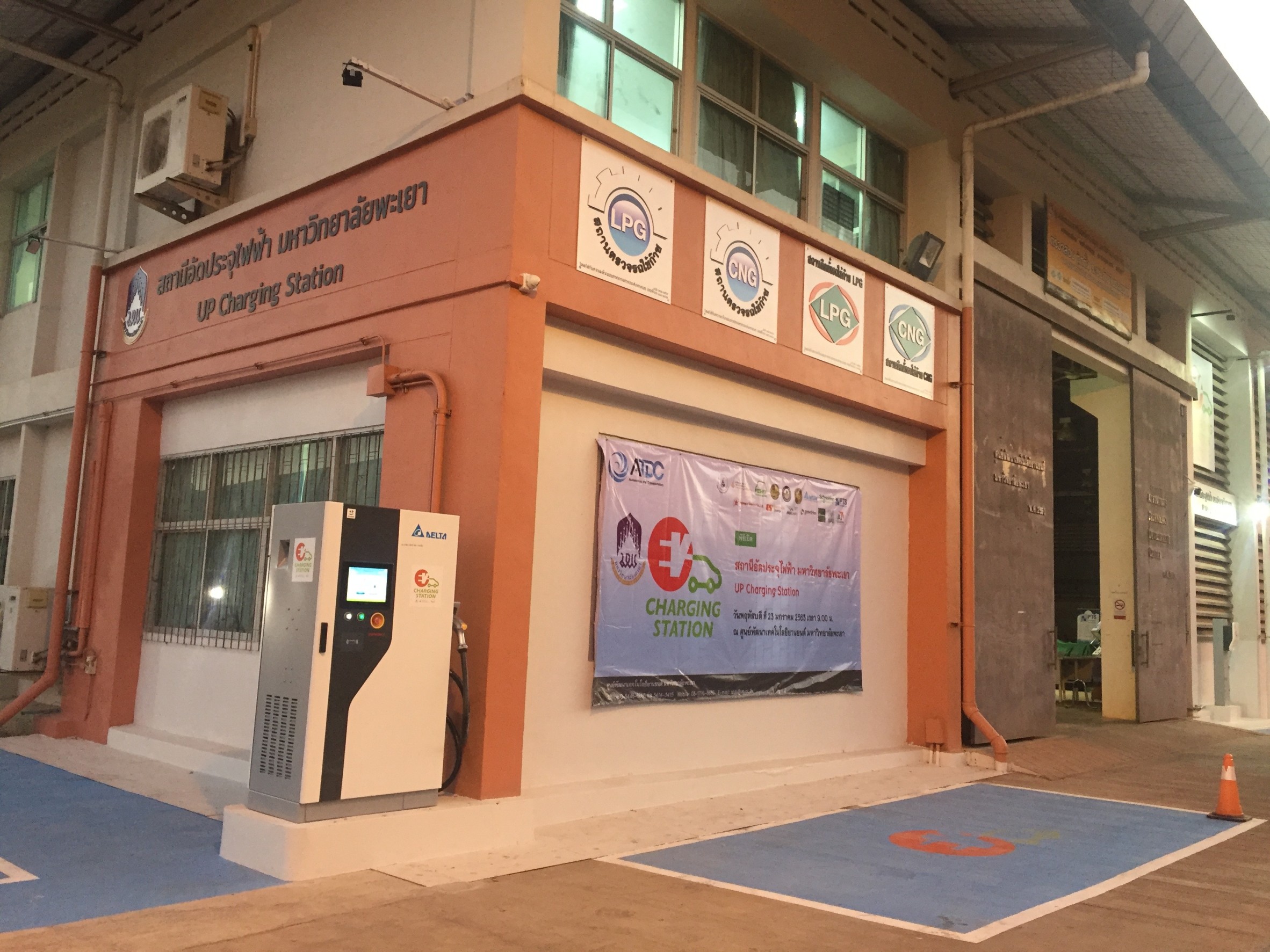
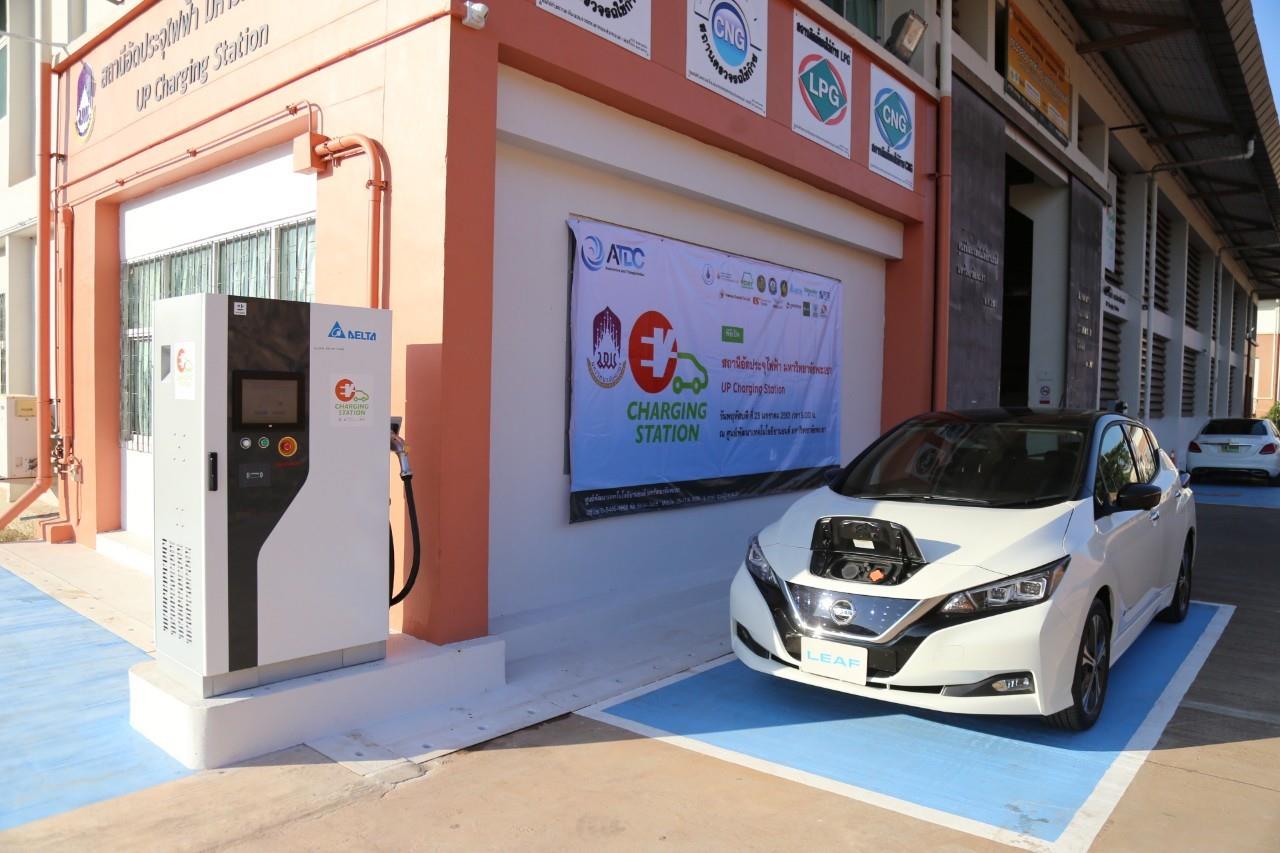
Installation of electric vehicle (EV) charging stations to support the transition to cleaner transportation alternatives. The electric charging station of the University of Phayao has been supported by the Energy Conservation Promotion Fund, Energy Policy, and Planning Office, operated by the Thai Electric Vehicle Association to support investment in the establishment of a public electric charging station at the Automotive Technology Development Center, School of Engineering, University of Phayao.- SDG 12 (Responsible Consumption and Production): Restricting parking spaces signals to staff and students to "consume" resources (space and energy) more responsibly and to adopt sustainable alternatives, through the provision of shuttle buses throughout the campus and the promotion of a Walk and Bike Society.
- SDG 11 (Sustainable Cities and Communities): Restricting parking spaces is one of the most effective urban planning tools to reduce congestion, traffic, and pollution in the area.
- SDG 9 (Industry, Innovation, and Infrastructure): Promoting EV adoption in organizations promotes infrastructure for innovation and clean technology.
Designation of Car-Free Zones and Limited-Access Areas
Designation of car-free zones and limited-access areas to minimize traffic congestion and air pollution within campus. Policy of prohibiting public transportation and motorcycles within the campus. Therefore, motorcycle parking areas have been provided at all three university entrances.- SDG 12 (Responsible Consumption and Production): Restricting parking spaces signals to staff and students to "consume" resources more responsibly and to adopt sustainable alternatives, through the provision of shuttle buses throughout the campus and the promotion of a Walk and Bike Society.
- SDG 11 (Sustainable Cities and Communities): Restricting parking spaces is one of the most effective urban planning tools to reduce congestion, traffic, and pollution in the area.
- SDG 9 (Industry, Innovation, and Infrastructure): Promoting EV adoption in organizations promotes infrastructure for innovation and clean technology.
Provision of Bicycle-Sharing Programs and Supporting Infrastructure
Provision of bicycle-sharing programs and supporting infrastructure (parking racks, lockers, repair stations) to enhance cycling convenience. All University of Phayao sites are cyclist and pedestrian friendly. Many have vehicle-free paths for these users. There is a 5 mph speed limit on all internal roads, and cycle paths on the public roads. All sites have cycle racks in a variety of designs. The University offers free showers to cyclists, runs a "Cycle to Work" scheme for staff as well as encouraging cycling through a number of services, events and groups, and providing free bikes to students.- SDG 9 (Industry, Innovation, and Infrastructure): Promoting EV adoption in organizations promotes infrastructure for innovation and clean technology.
- SDG 3 (Good Health and Well-being): Walking and cycling directly promote physical activity, reduce sedentary lifestyles, and enhance the well-being of the University of Phayao community.
- SDG 11 (Sustainable Cities and Communities): Create safe, accessible, and inclusive green public spaces. Walking and cycling also reduce air pollution (PM2.5) and noise pollution on campus.
Implementation of a Vehicle Restriction Policy
Implementation of a vehicle restriction policy, including license plate control or limited parking permits for students and staff. The University of Phayao has guidelines to reduce the use of vehicles within the university by limiting cars that can be parked in the parking lot of various buildings to personnel and having a permit from the university to use the parking area only. In the parking areas of various buildings, there will be security officers to inspect cars that come into the area and maintain the safety of the property of personnel who come to use the service.- SDG 12 (Responsible Consumption and Production): Restricting parking spaces signals to staff and students to "consume" resources more responsibly and to adopt sustainable alternatives, through the provision of shuttle buses throughout the campus and the promotion of a Walk and Bike Society.
- SDG 11 (Sustainable Cities and Communities): Restricting parking spaces is one of the most effective urban planning tools to reduce congestion, traffic, and pollution in the area.
Real-Time Digital Tracking Tools
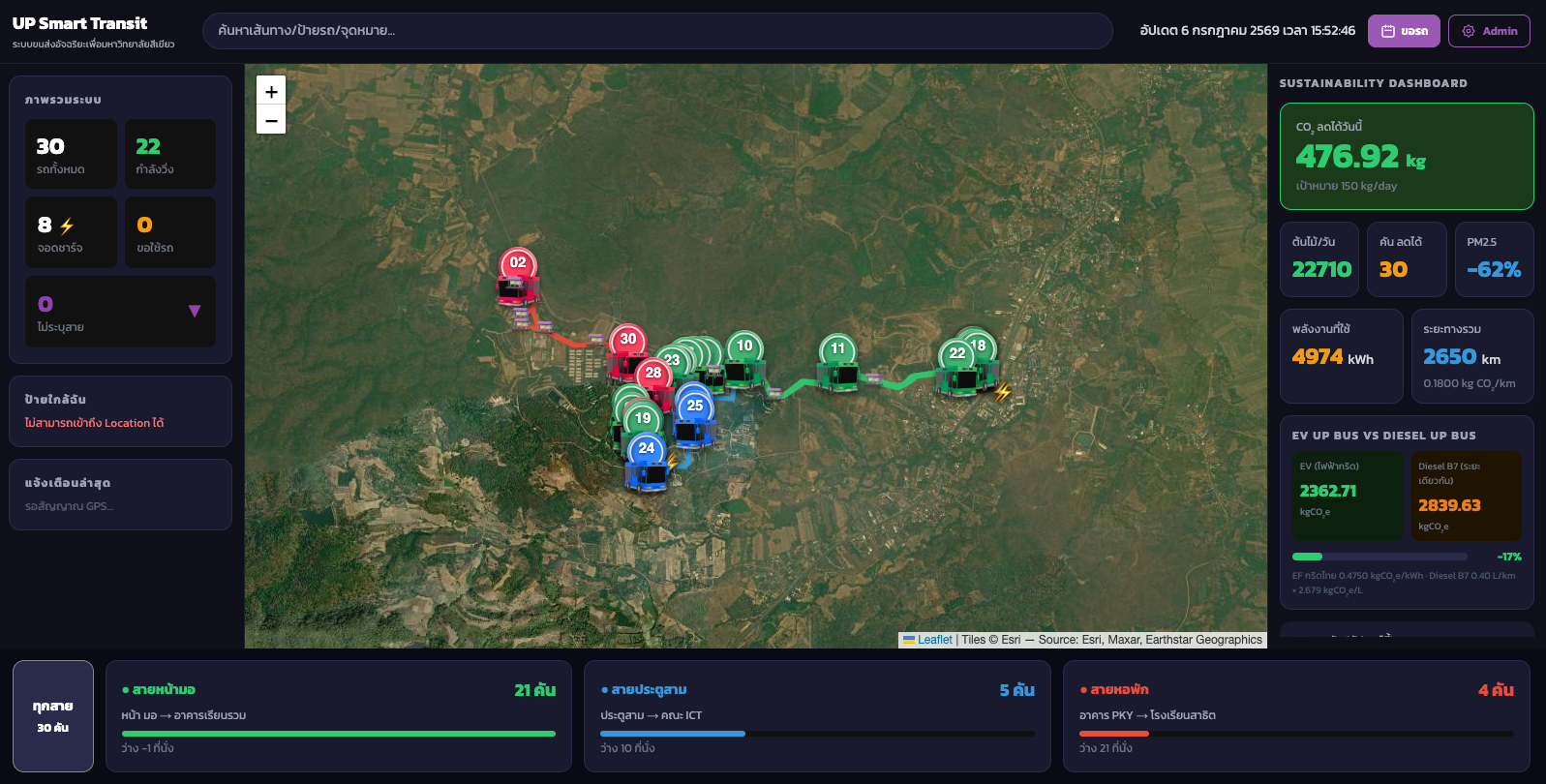
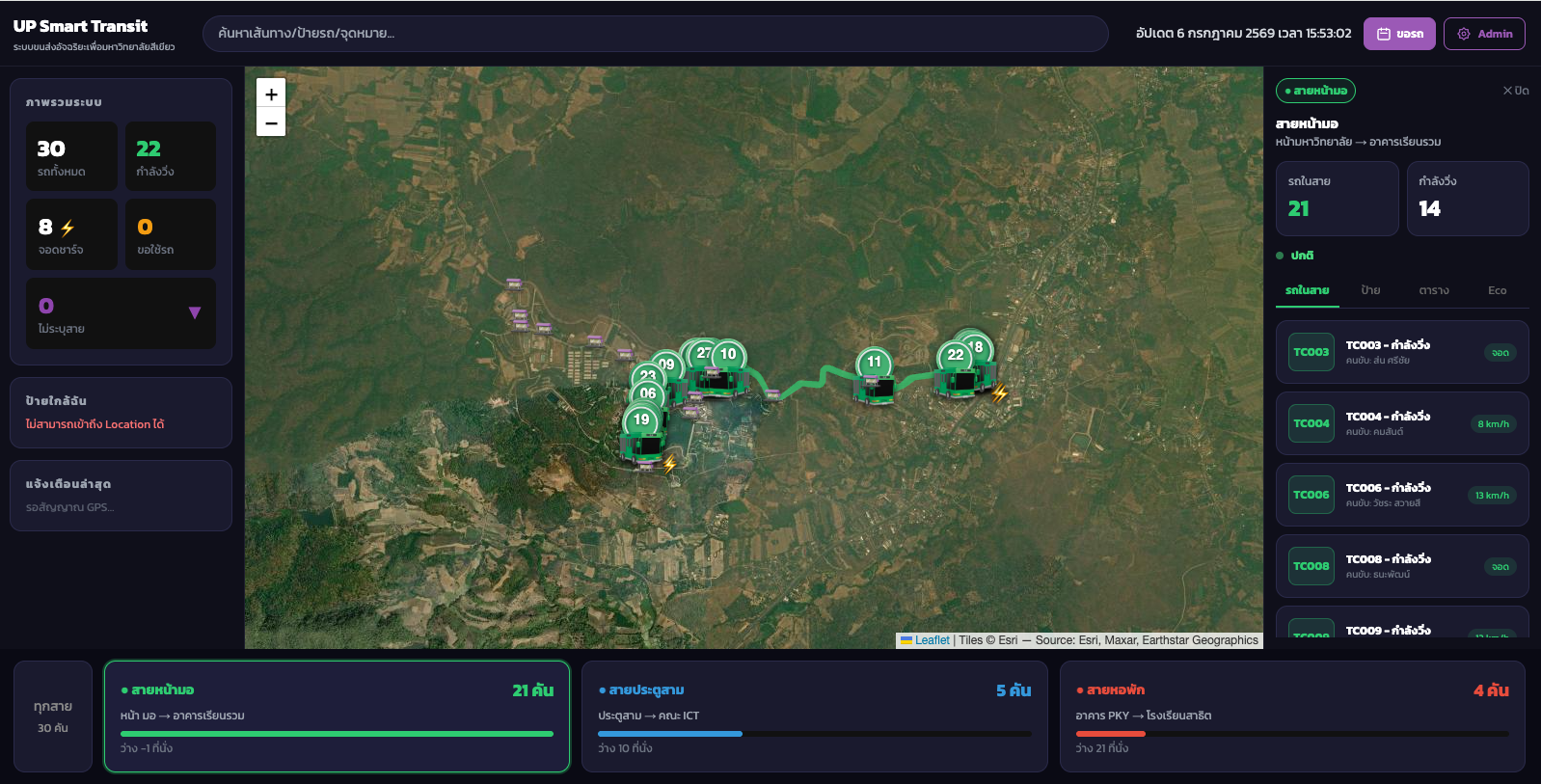
Real-time digital tracking tools to monitor shuttle schedules, optimize routes, and support user convenience. University of Phayao has installed the real-time bus tracker at university bus stops using a 55-inch screen for facilitating the transportation in the university. This screen is installed at all the bus stops, and it shows the real time bus transition in the university in the form of real map and updates the data every one second. Users are able to access this system on their PC or mobile through http://bustransit.up.ac.th/ or by installing the Smart UP application on Android and iOS which is developed by Center for Information Technology and Communication Services, University of Phayao.- SDG 11 (Sustainable Cities and Communities): Addresses sub-goal 11.2, which aims to "provide access to sustainable, safe, and affordable transport for all."
- SDG 13 (Climate Action): Shifting from fossil fuels to clean energy reduces greenhouse gas (GHG) emissions, a major contributor to global warming.
- SDG 7 (Affordable and Clean Energy): Reflects the promotion of clean energy and increased energy efficiency in the transport sector.
Collaboration with Government and Urban Planning Stakeholders
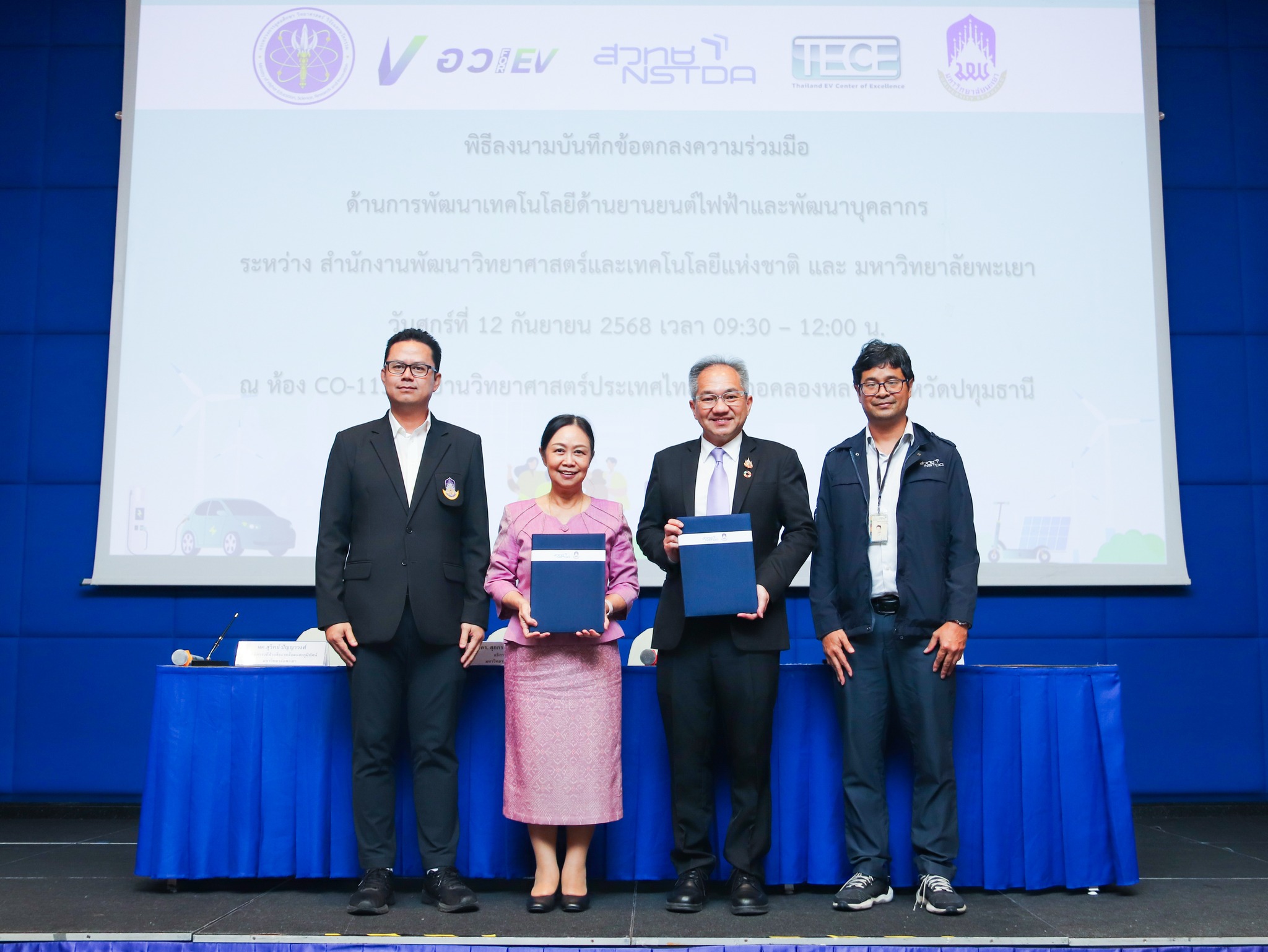
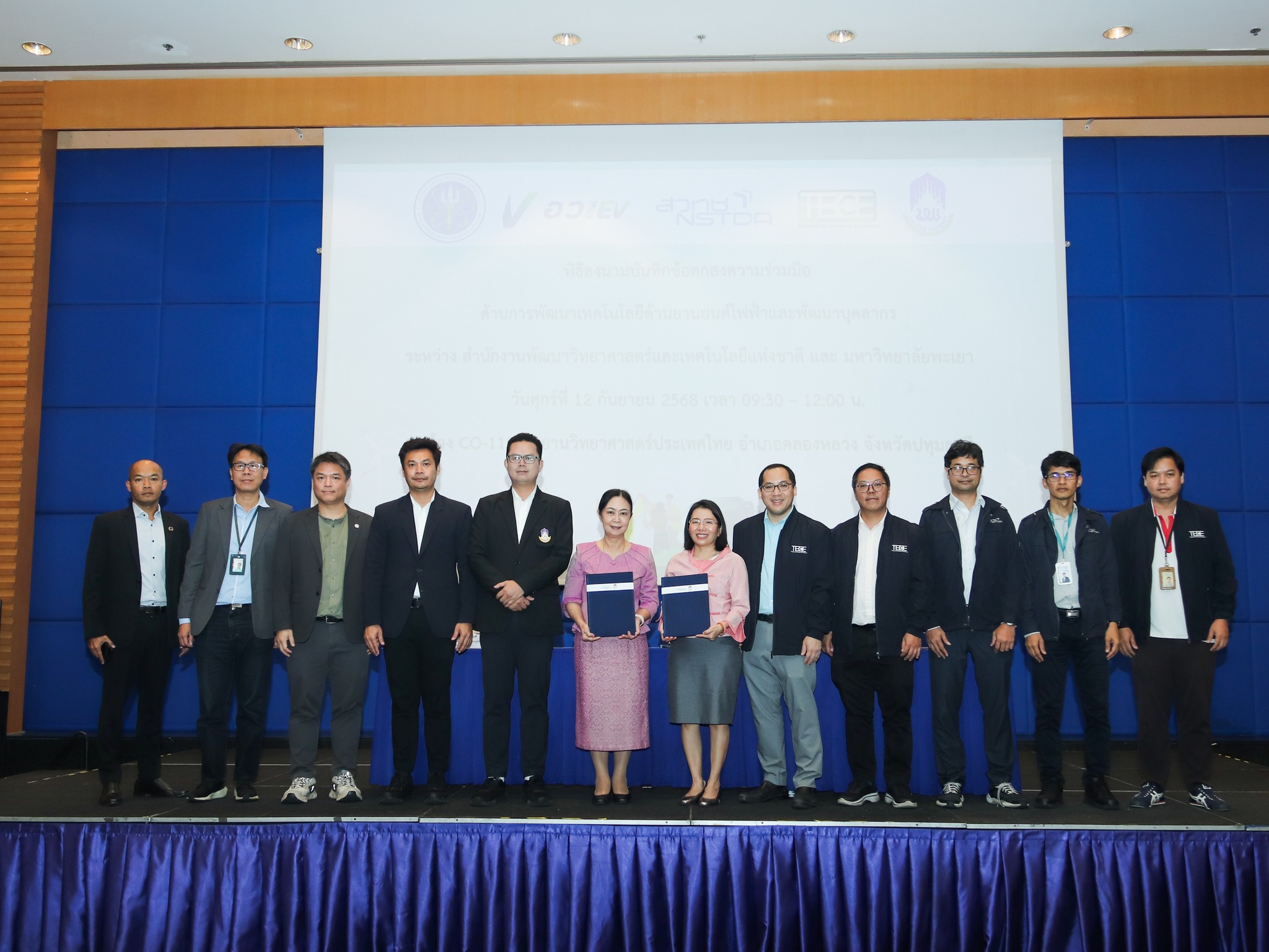
Collaboration with government and urban planning stakeholders to align university mobility strategies with broader city transport plans. UP Partners with NSTDA to Build EV Technology and Talent Capacity. The partnership is therefore recognized as an essential starting point for advancing knowledge, cultivating highly skilled professionals, and strengthening the competitiveness of Thailand's electric vehicle industry for a sustainable future.
Transportation Programs Supporting the SDGs
These efforts directly support SDGs 3, 4, 7, 9, 11, 12, 13, 15 and 17, and contribute indirectly to others, including:- SDG 3 — Reducing exposure to air pollution and promoting healthy, active lifestyles
- SDG 4 — Ensuring inclusive access to education through safe and reliable campus transport
- SDG 7 — Promoting the use of clean energy in transportation
- SDG 9 — Supporting innovation in sustainable transport infrastructure
- SDG 11 — Building inclusive, safe, and sustainable urban mobility systems
- SDG 12 — Encouraging responsible use of resources through shared mobility
- SDG 13 — Lowering carbon emissions through low-impact transportation
- SDG 17 — Strengthening partnerships to develop integrated, sustainable transport networks