Electronic Waste (E-Waste)
In 2026, University of Phayao generated approximately 0.05 tons of electronic waste, decreased from 0.28 tons in the previous year — a reduction of 0.23 tons. This electronic waste is fully down-cycled, accounting for 0.16% of the university's total toxic waste, and is sent to AIS and PTT GC for proper processing.Electrical/Electronic Equipment from Laboratories
In addition to general electronic waste, the university's laboratory hazardous waste system also separately tracks electrical/electronic equipment waste, which decreased from 0.11 tons in 2025 to 0.07 tons in 2026. This waste is segregated, stored, and treated under the same system used for laboratory chemical waste, following the standard of the Enhancement of Safety Practice of Research Laboratory in Thailand (ESPReL).Electronics Donation and Recycling
In 2026, University of Phayao received over 500 kilograms of electronic waste from students and staff, which was sorted and sent to AIS Company Limited for use as spare parts in repairing various equipment. Some items are sent to private companies for recycling, while batteries and flashlights are sent to certified companies for disposal.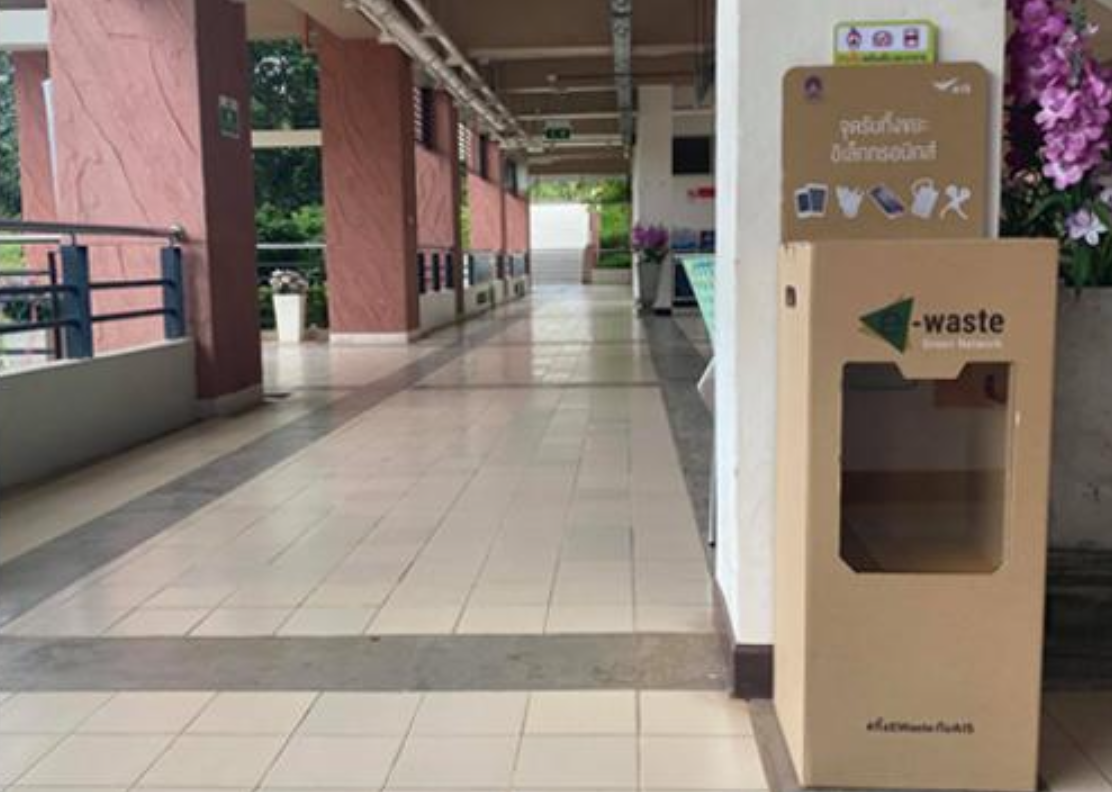
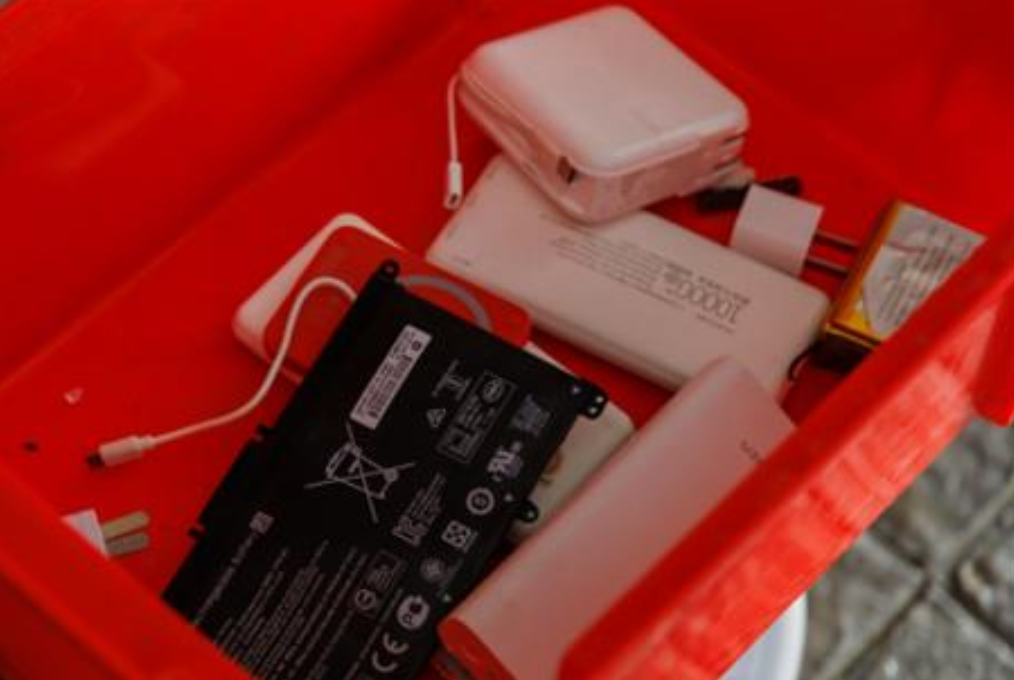
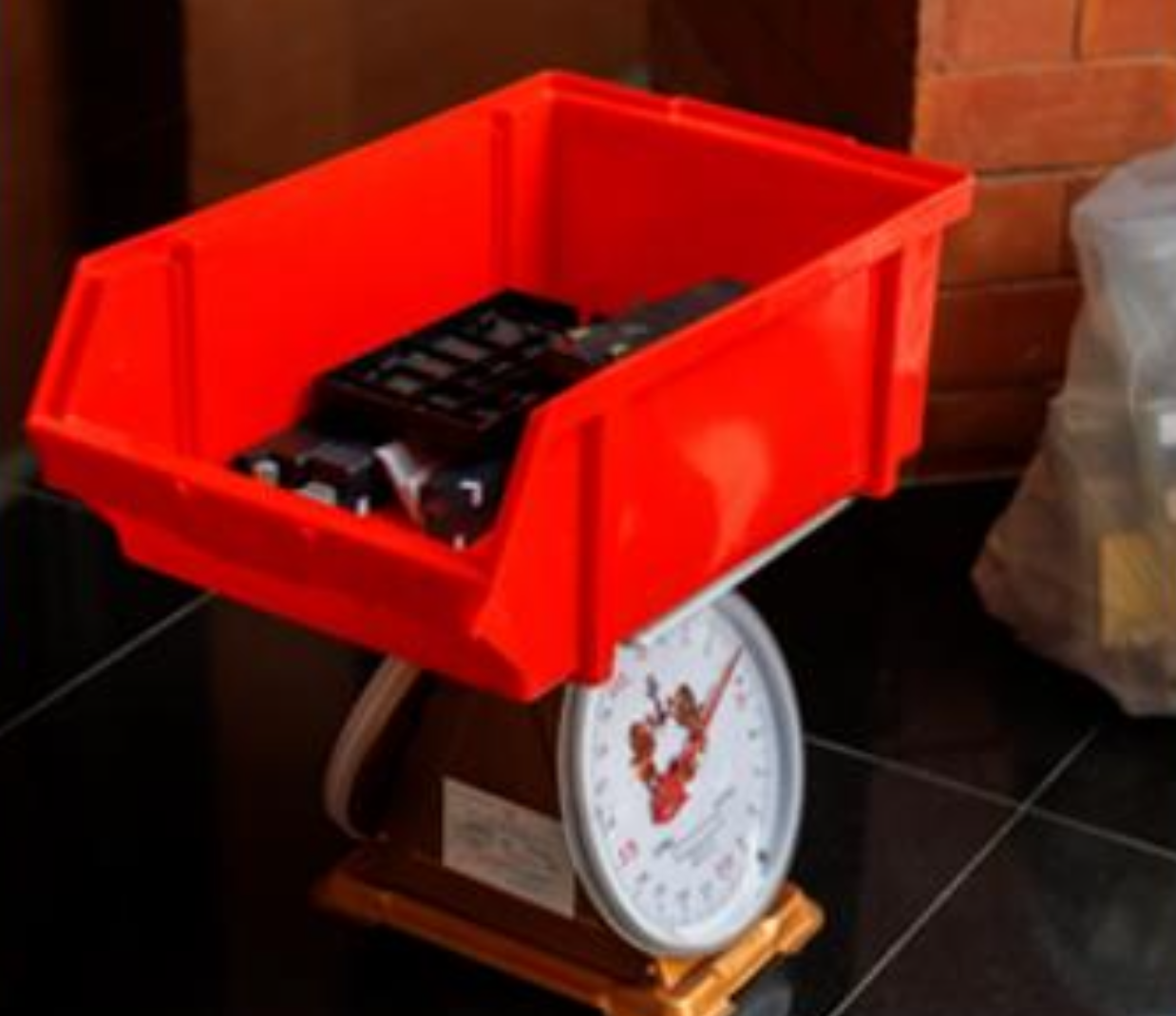
Electronics donation and recycling
Electronic Waste Management Campaign
University of Phayao, in collaboration with various public and private agencies, has been actively promoting an environmental campaign for the effective and sustainable management of electronic waste since 2020. Spearheaded by the student group "Green Uni.", the university serves as a central hub for cooperation in collecting e-waste, offering a learning space for managing electronic waste through the "Ting, Turn" project, and processes for recycling under the "Green University Turn to Save the World" initiative. This campaign aims to raise awareness and drive sustainable behavioral changes among students, staff, and the general public through a three-step participatory approach:- System Development: University of Phayao's waste management system is the main concept in designing and driving the campaign, aiming to establish participation mechanisms at every stage and ensure efficient operation throughout the production and consumption chain.
- Awareness Building: Publicize through networks and various channels to enhance recognition and promote awareness about everyone's role in pushing the campaign forward.
- Promoting Participation: Encourage households and workplaces to segregate electronic waste and forward it to e-waste collection points, where it is then repaired, recycled, or forwarded for academic and research purposes, leading to new knowledge and innovations.