University of Phayao places a strong emphasis on creating a safe, walkable, and environmentally friendly campus through the development of an extensive pedestrian path system. These pathways are designed to promote walking as a primary mode of transit on campus, supporting both sustainability and the well-being of the university community. The pedestrian network at the University of Phayao connects all major areas of the campus, including academic buildings, laboratories, student dormitories, canteens, sports facilities, libraries, and green zones. The layout encourages walking as a convenient and pleasant alternative to using private vehicles or motorcycles for short-distance travel. Wide walkways, covered sidewalks, and shaded green corridors are integrated throughout the campus to provide comfort and accessibility in all weather conditions.
University of Phayao focused on a good physical environment. Facilities have been designed based on the universal design to support students, staff, and public including disabled who all visit the university's areas to be equally convenient and accessible to basic services. This is consistent to Sustainable Development Goals (SDGs) in Target 3: Good health and well-being, Target 10: Reduced Inequalities, and Target 11: Sustainable Cities and Communities.
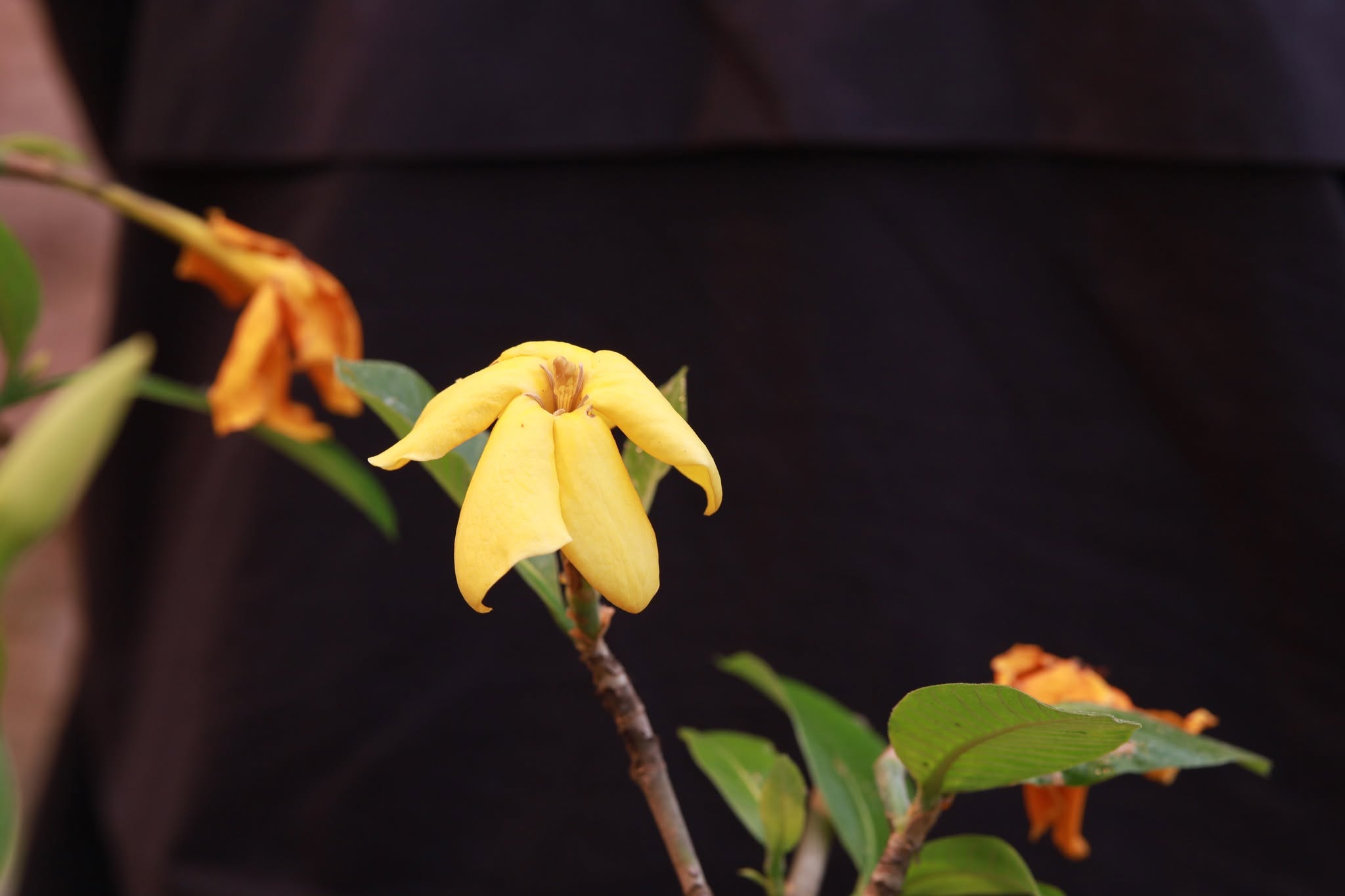
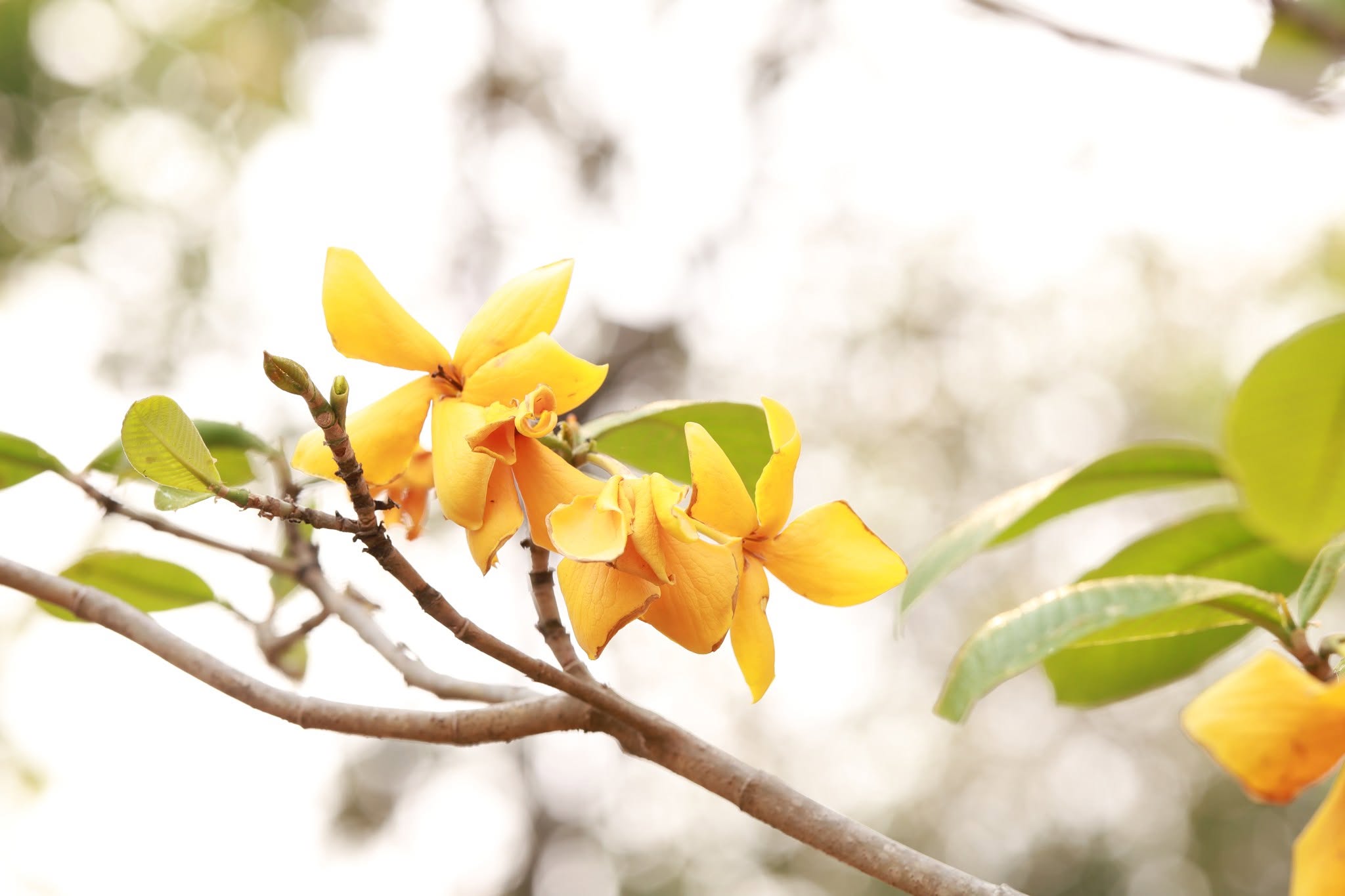
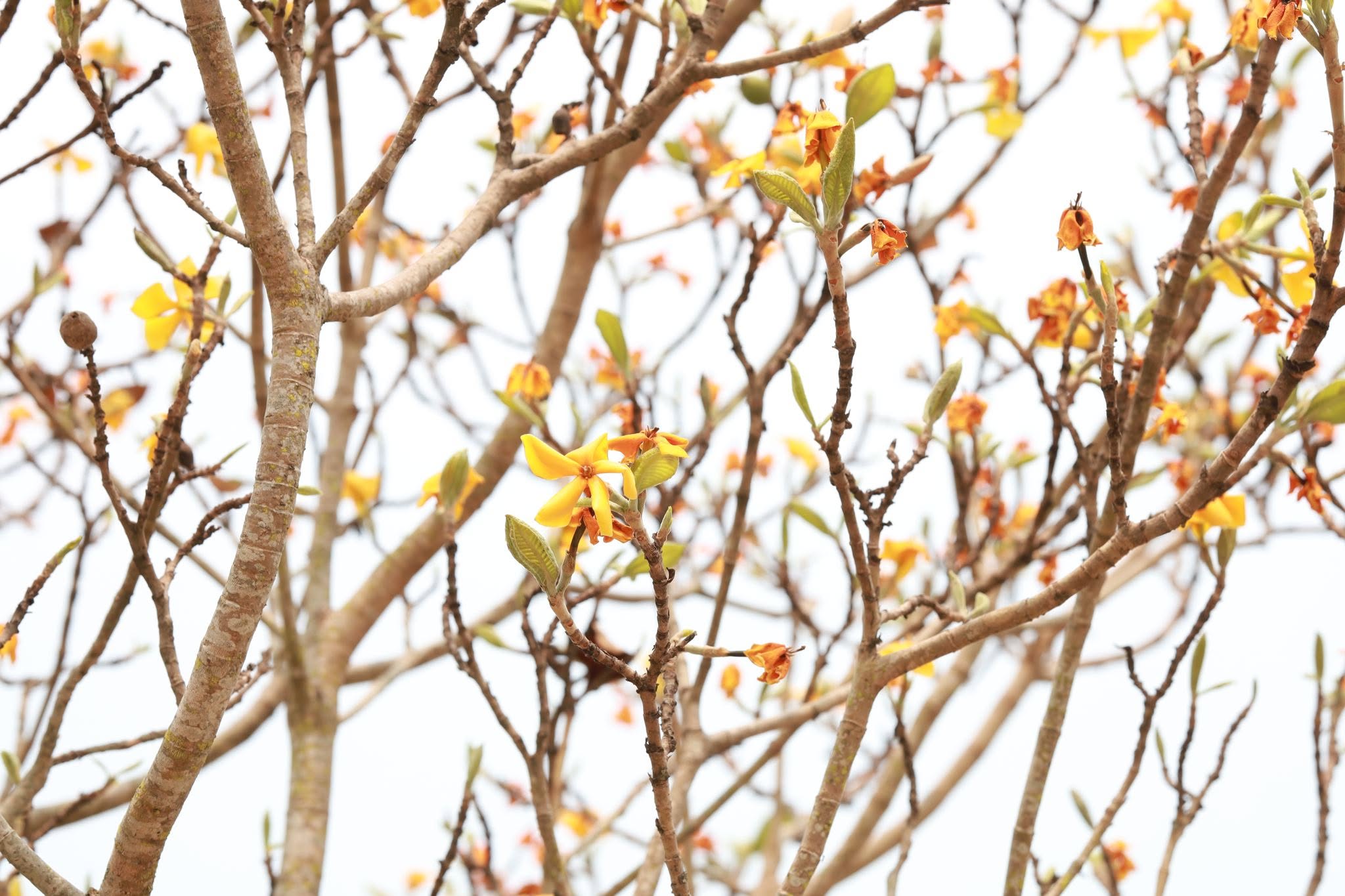
University of Phayao has initiated a project for the conservation and restoration of natural and environmental resources surrounding the campus. By the university has transformed its Unused space into a "Forest Garden", collecting tree species from every province in Thailand for comprehensive learning and study. Improvements have been made to the internal walkways bodies to act as the "lungs" for students, staff, and the local community. These areas offer a haven for relaxation, physical activities such as jogging, walking, and enjoying the garden from morning to evening, letting everyone experience the lush greenery and shade throughout.
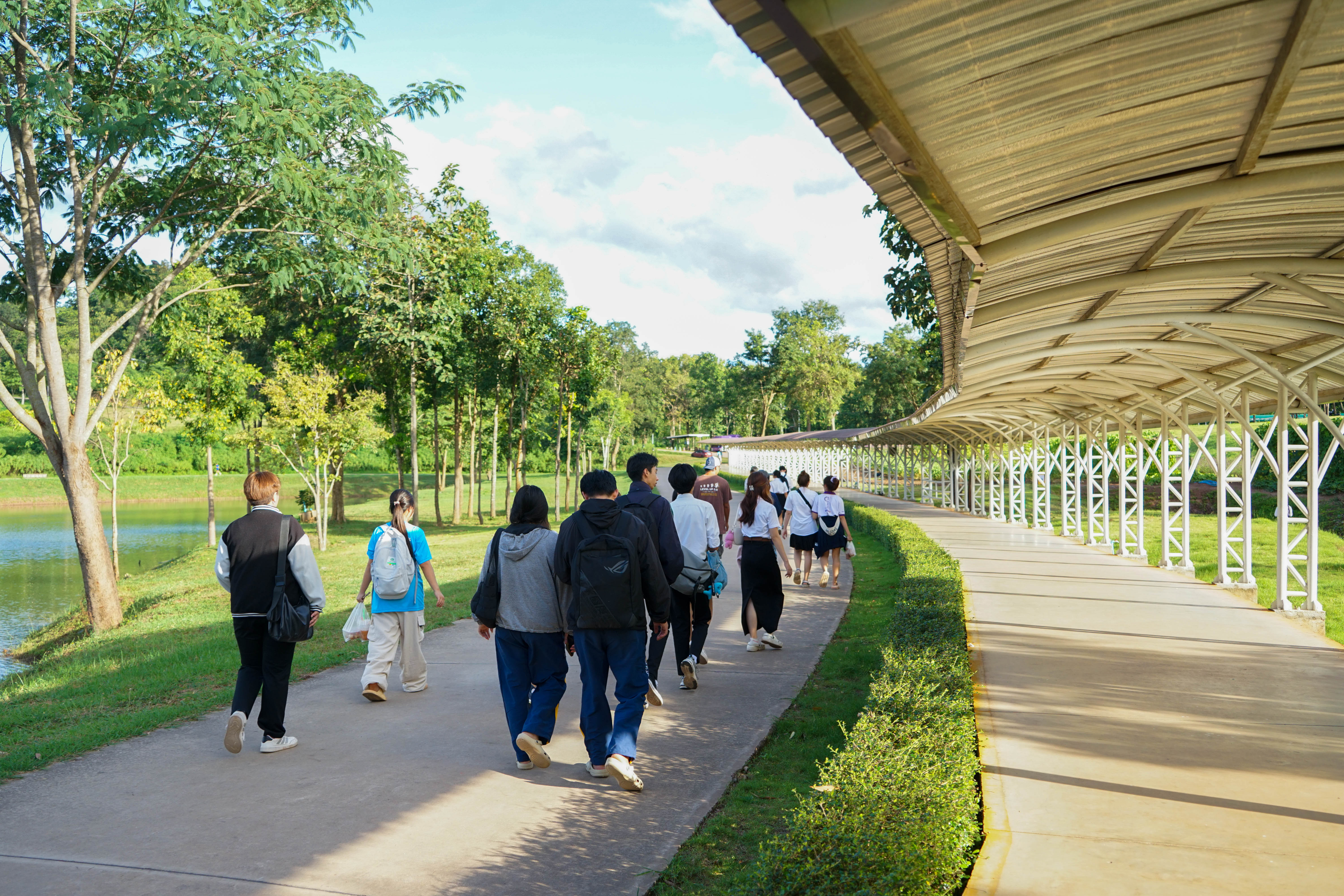

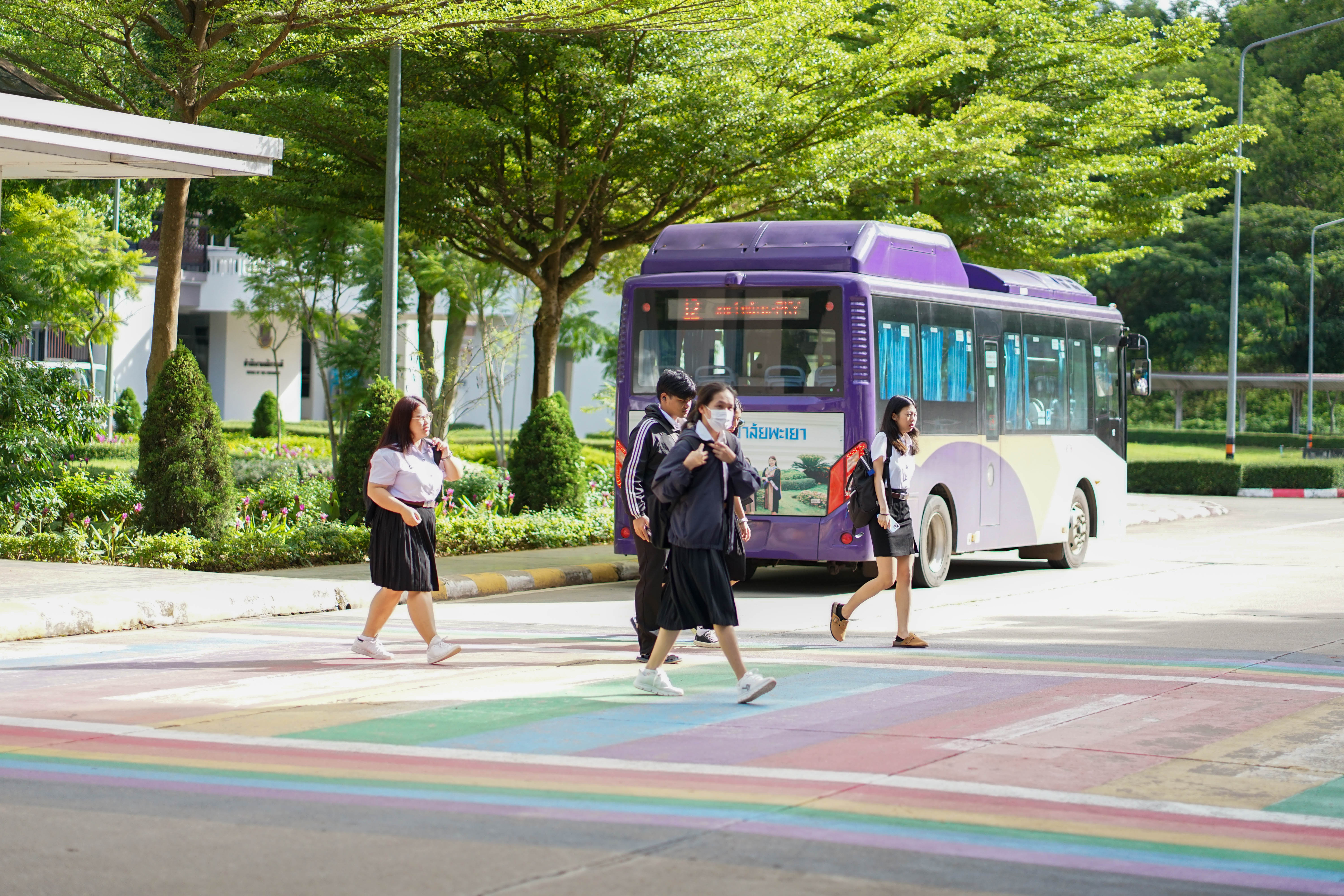
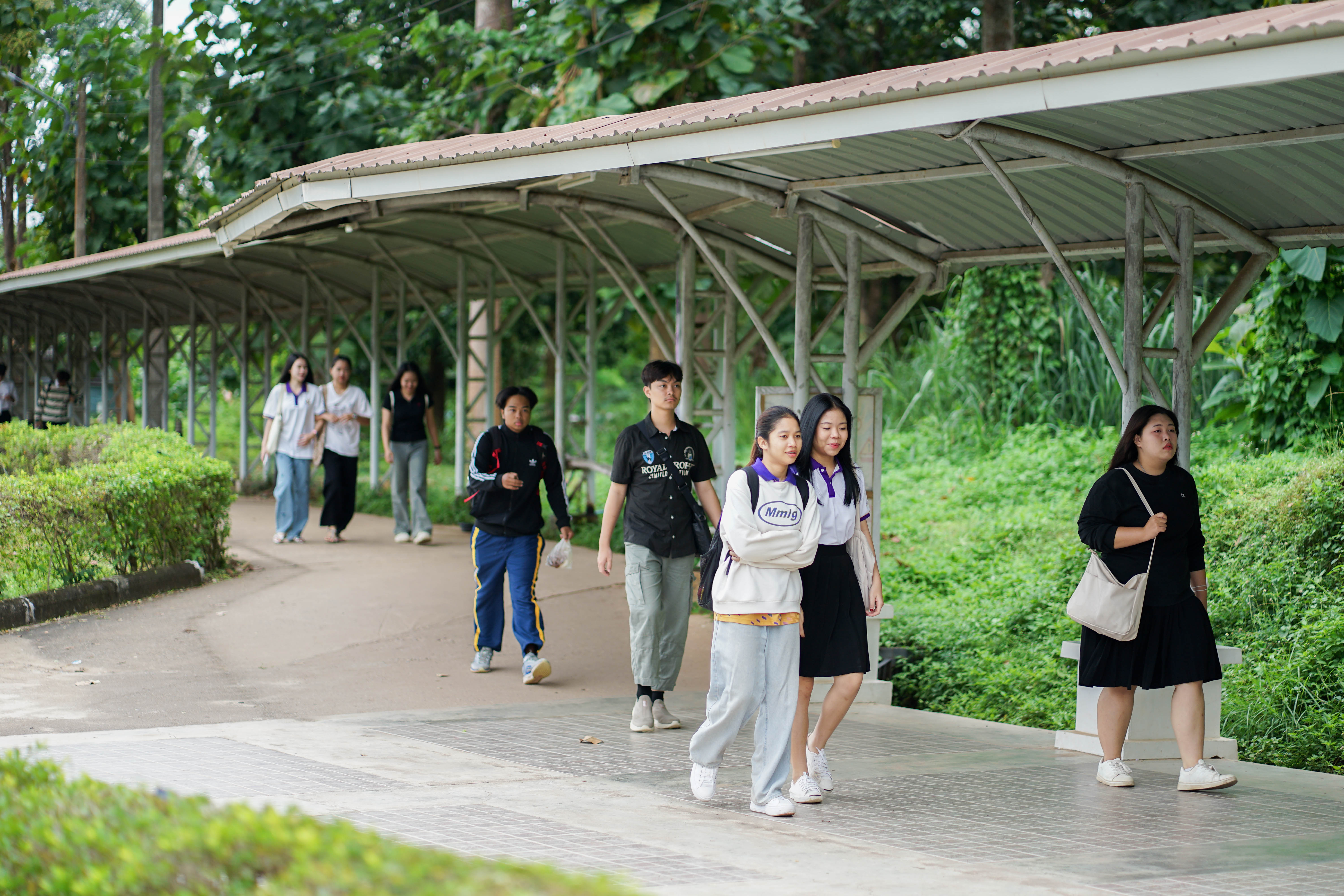
Moreover, the pedestrian-friendly design contributes to reducing the carbon footprint of campus transportation by encouraging walking instead of driving. This initiative not only lowers greenhouse gas emissions but also improves air quality and promotes healthier lifestyles among students and staff. Walking routes are often integrated with green spaces, trees, and seating areas, providing aesthetic and recreational value while enhancing the overall campus atmosphere. In recent years, the University of Phayao has taken steps to further improve pedestrian mobility by linking walkways with bicycle lanes and shuttle bus stops, creating a seamless and sustainable transit system. Directional signs, lighting systems, and security cameras have been installed along the pathways to ensure safety during both day and night.

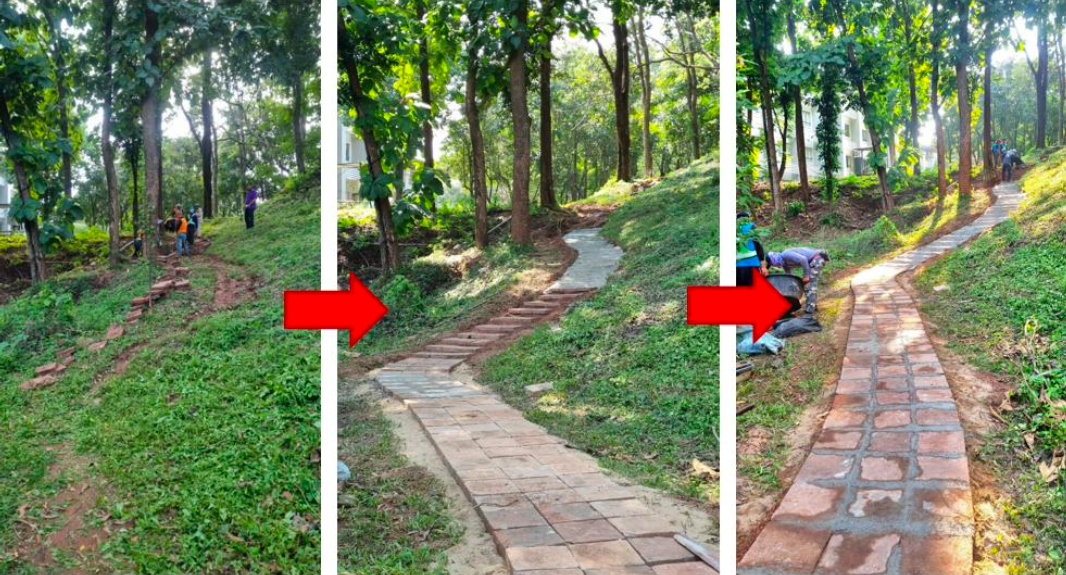
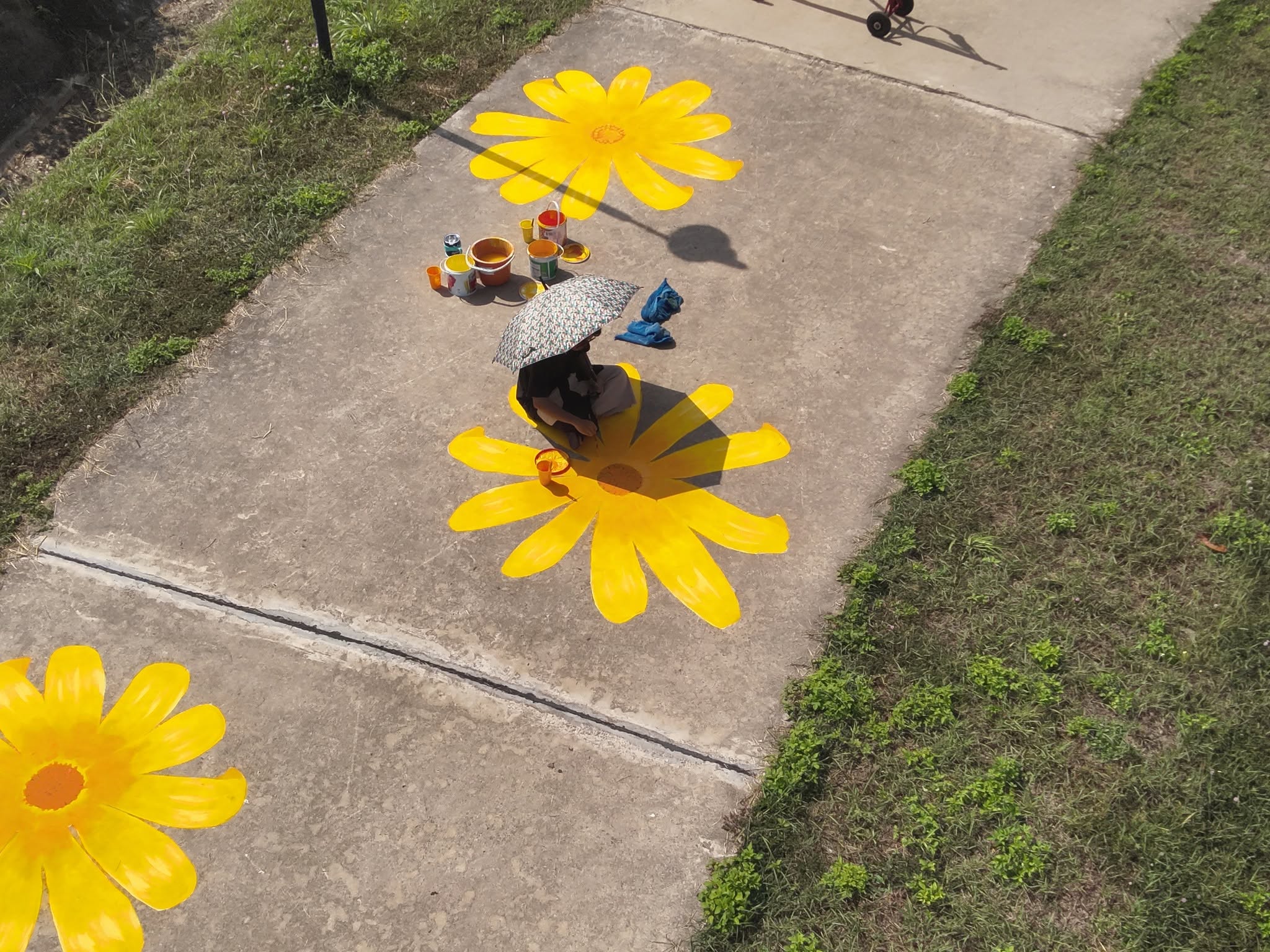
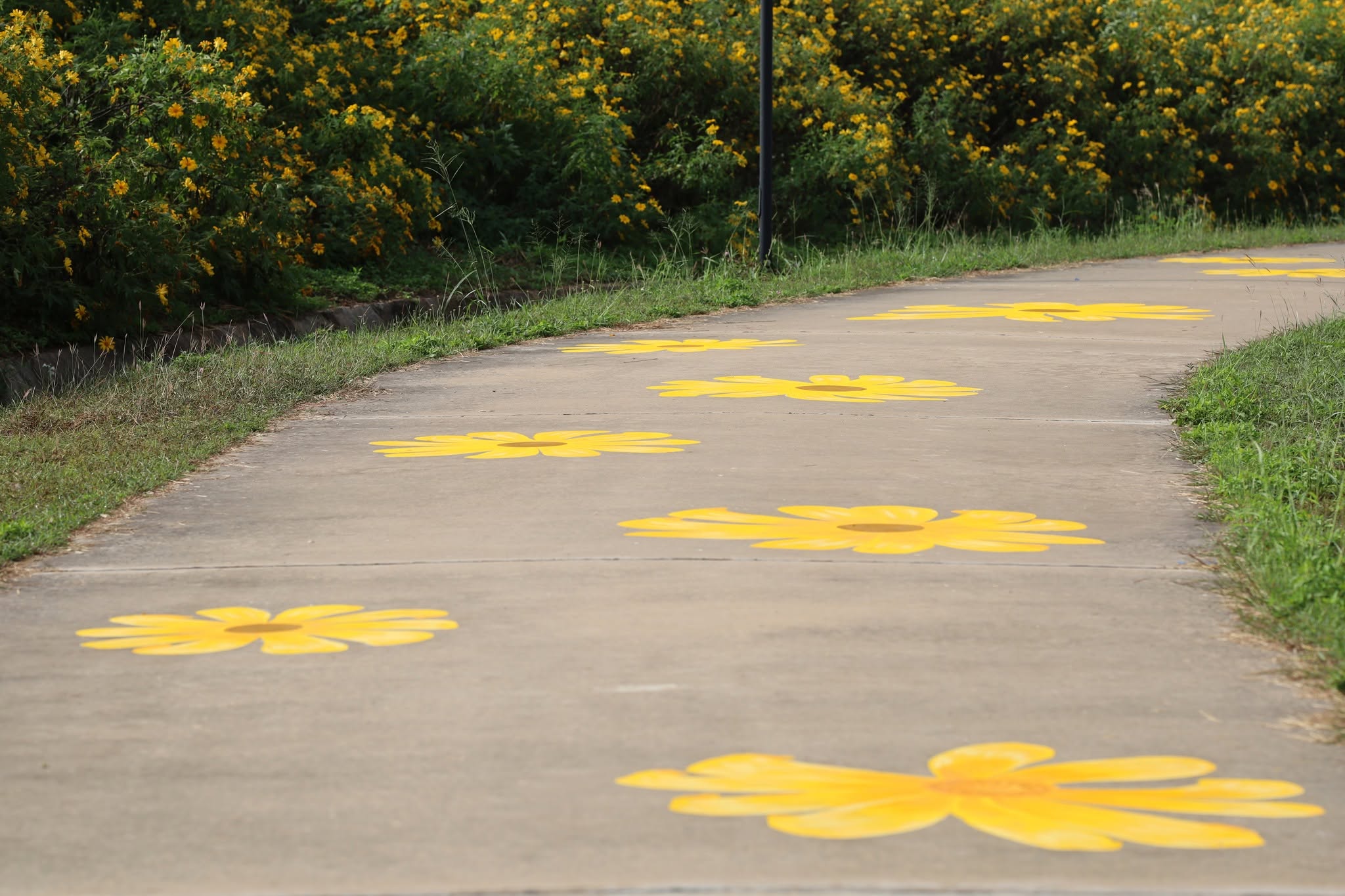
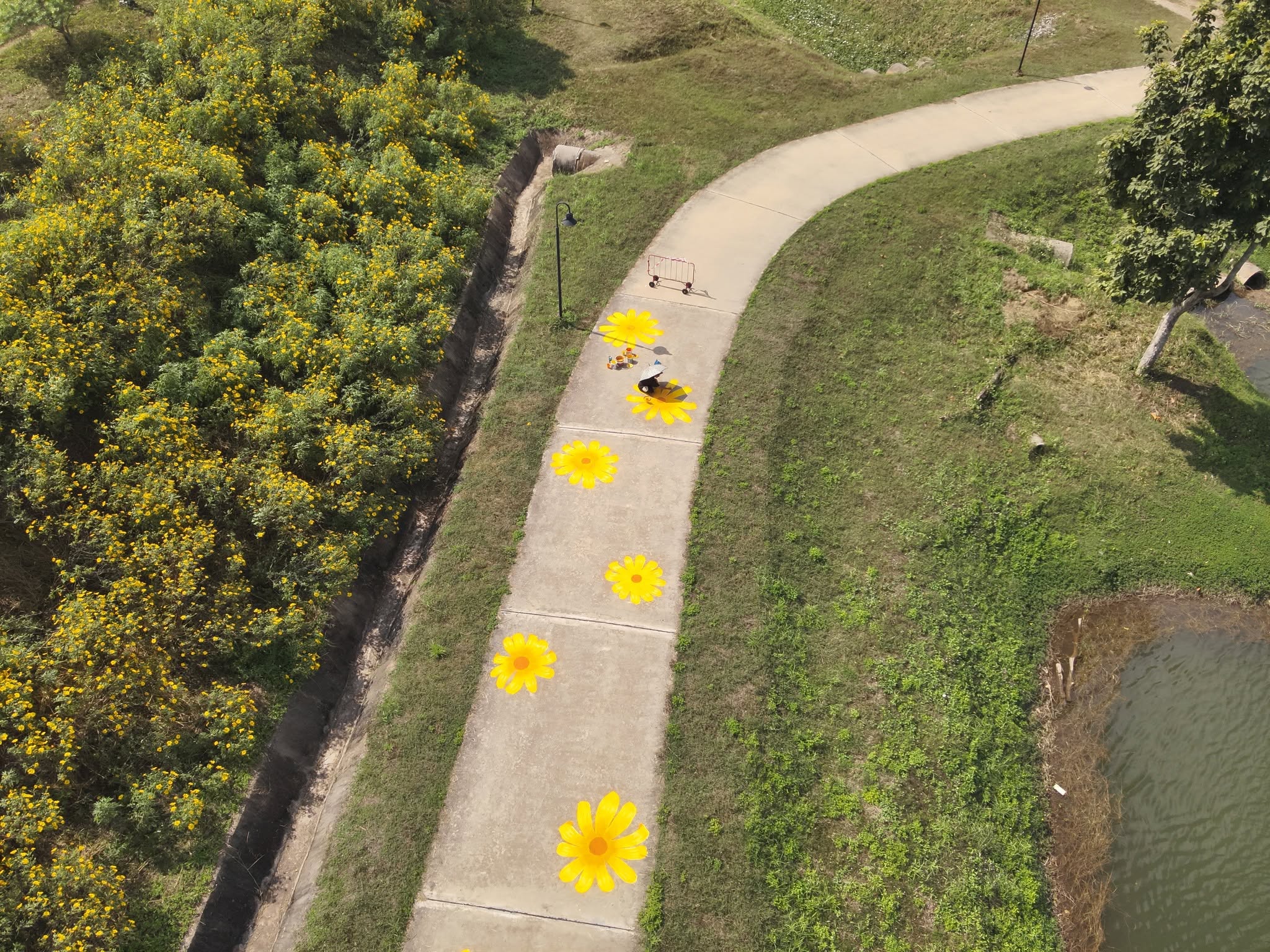
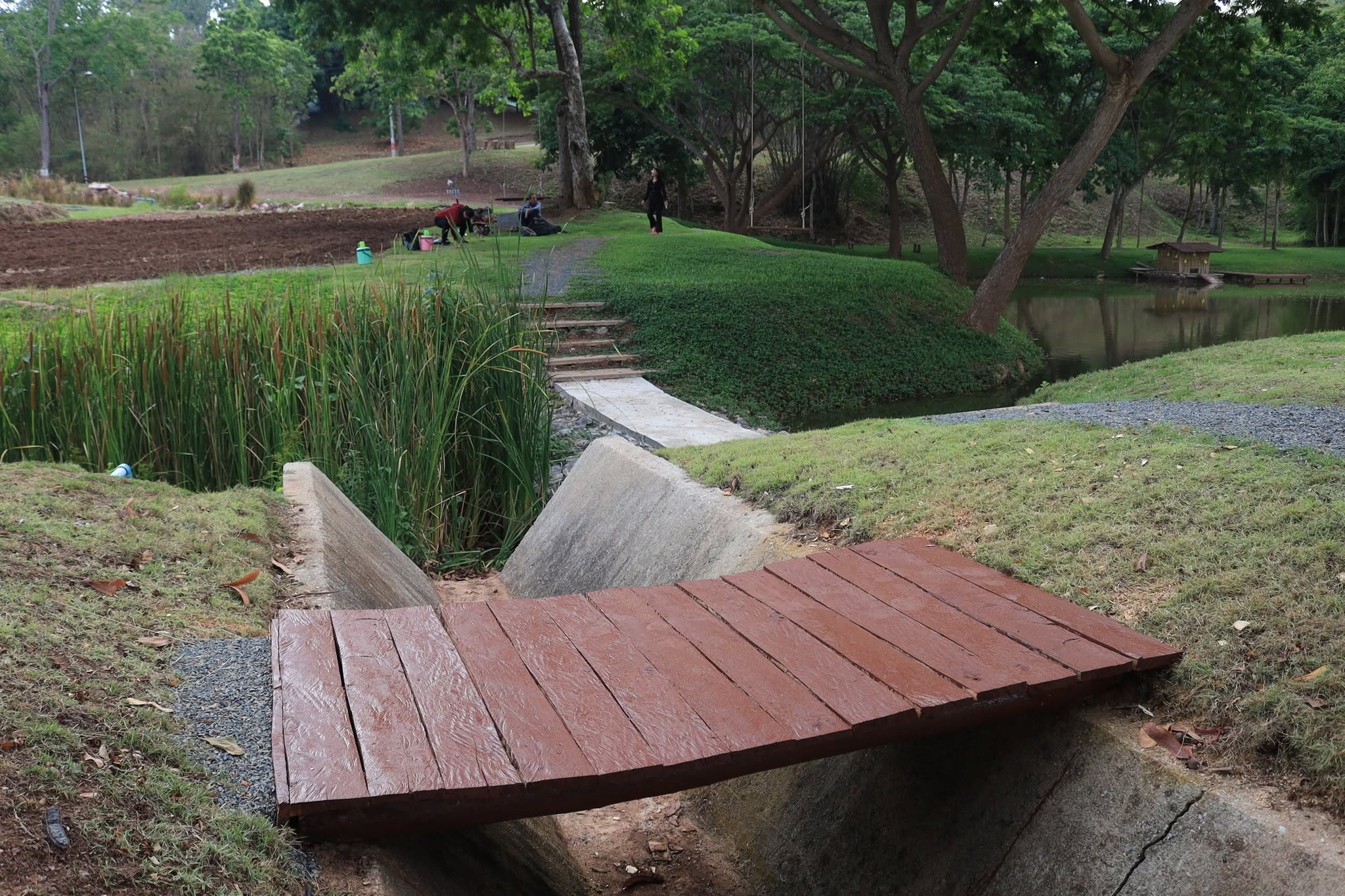
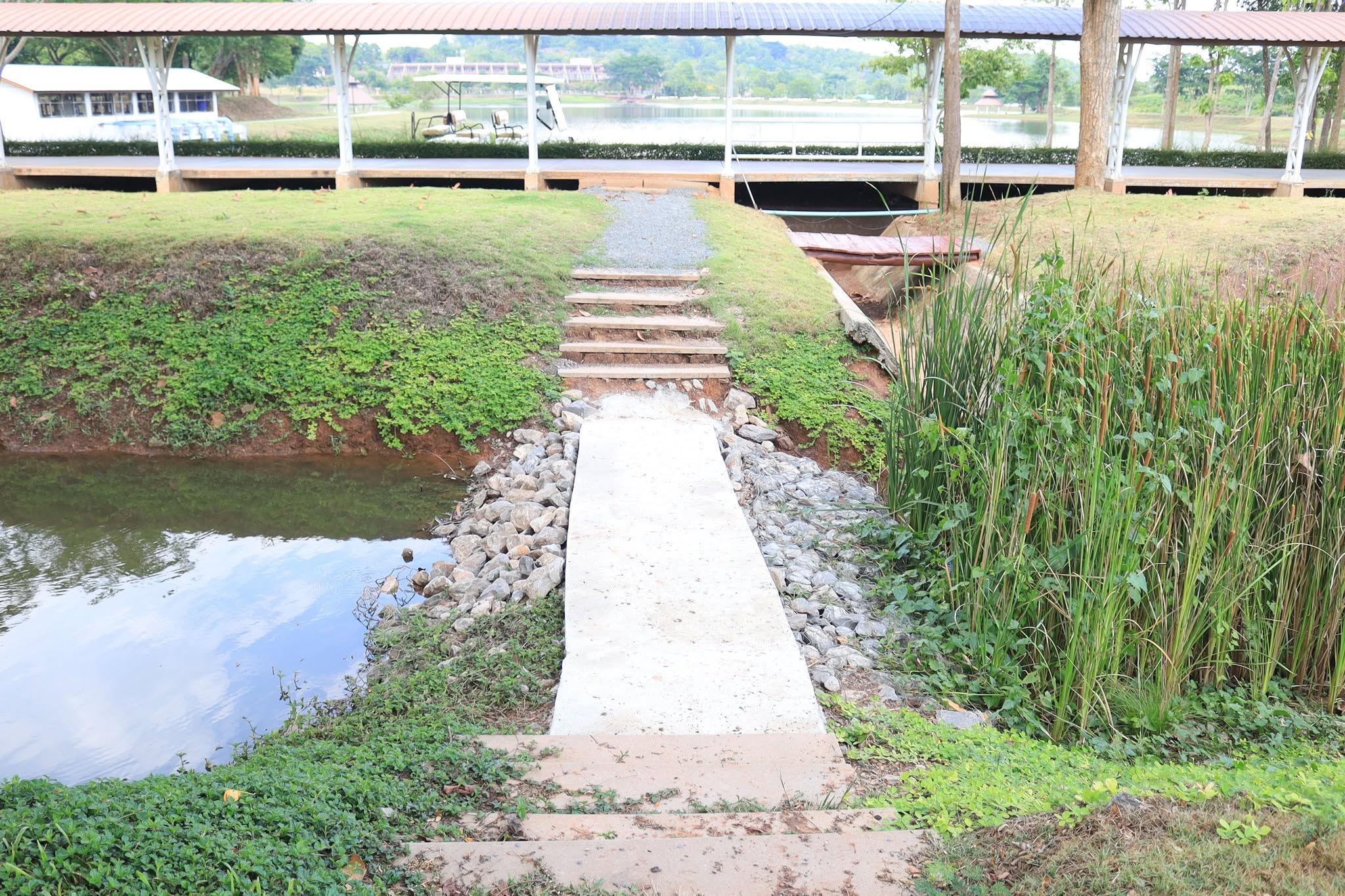
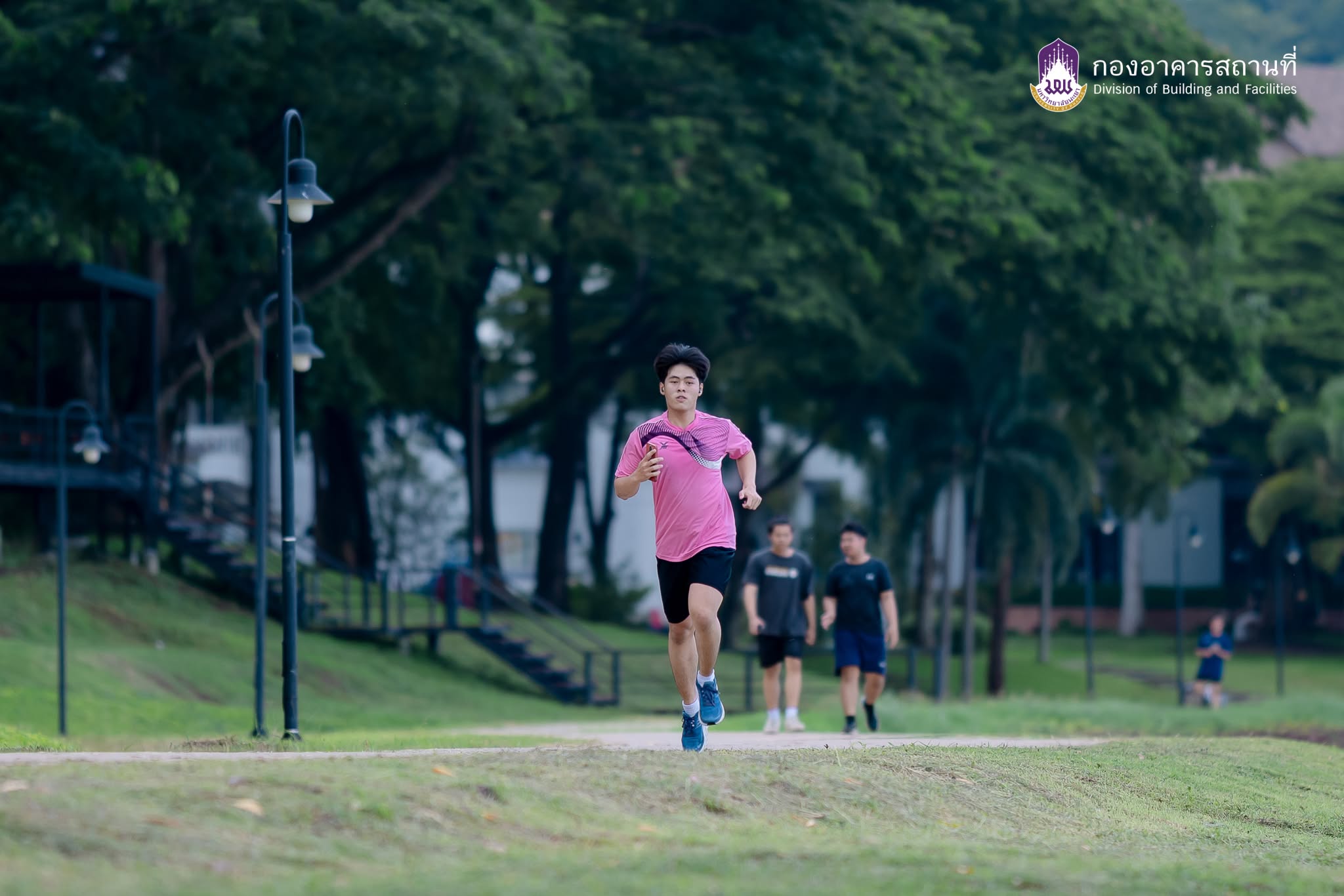
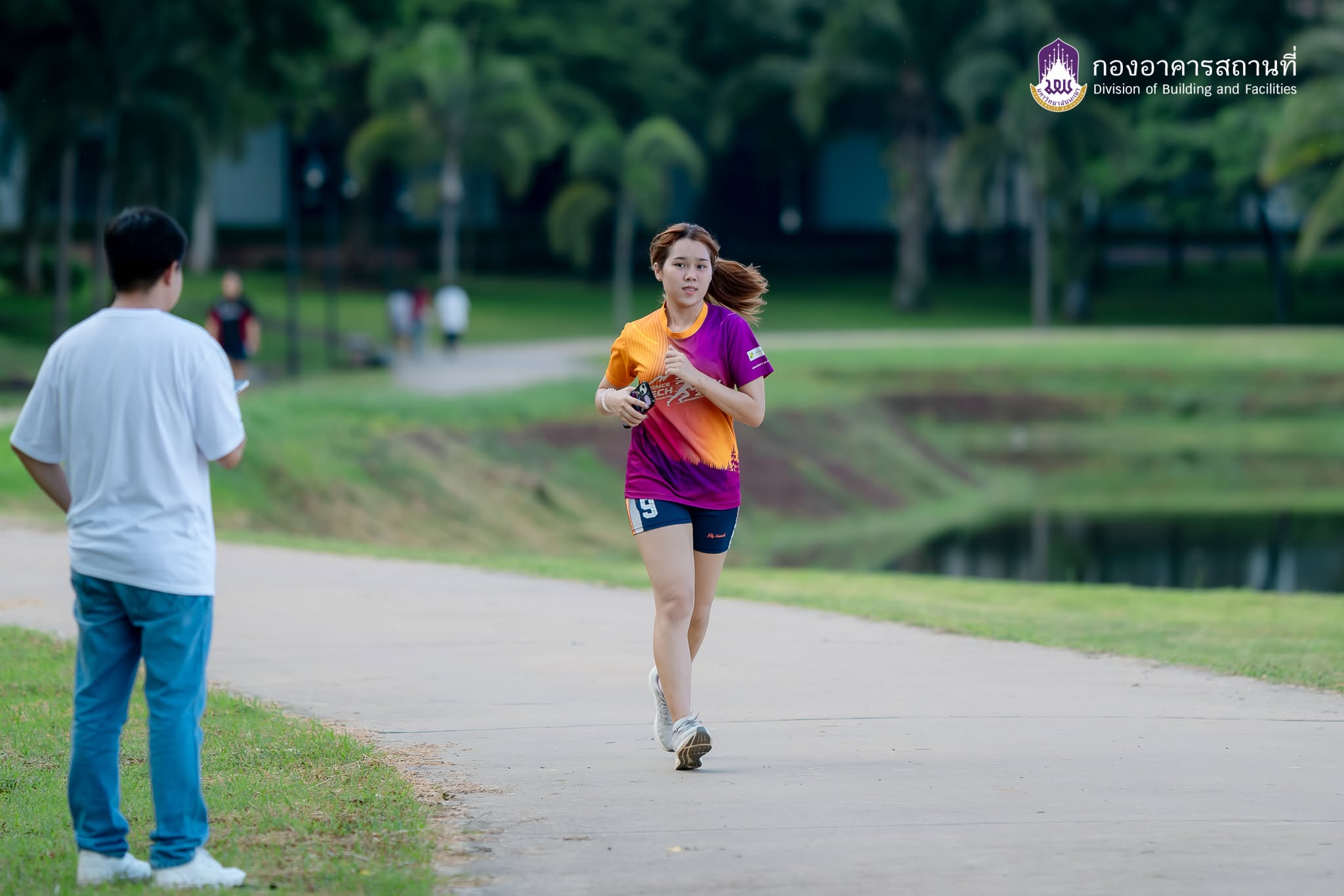
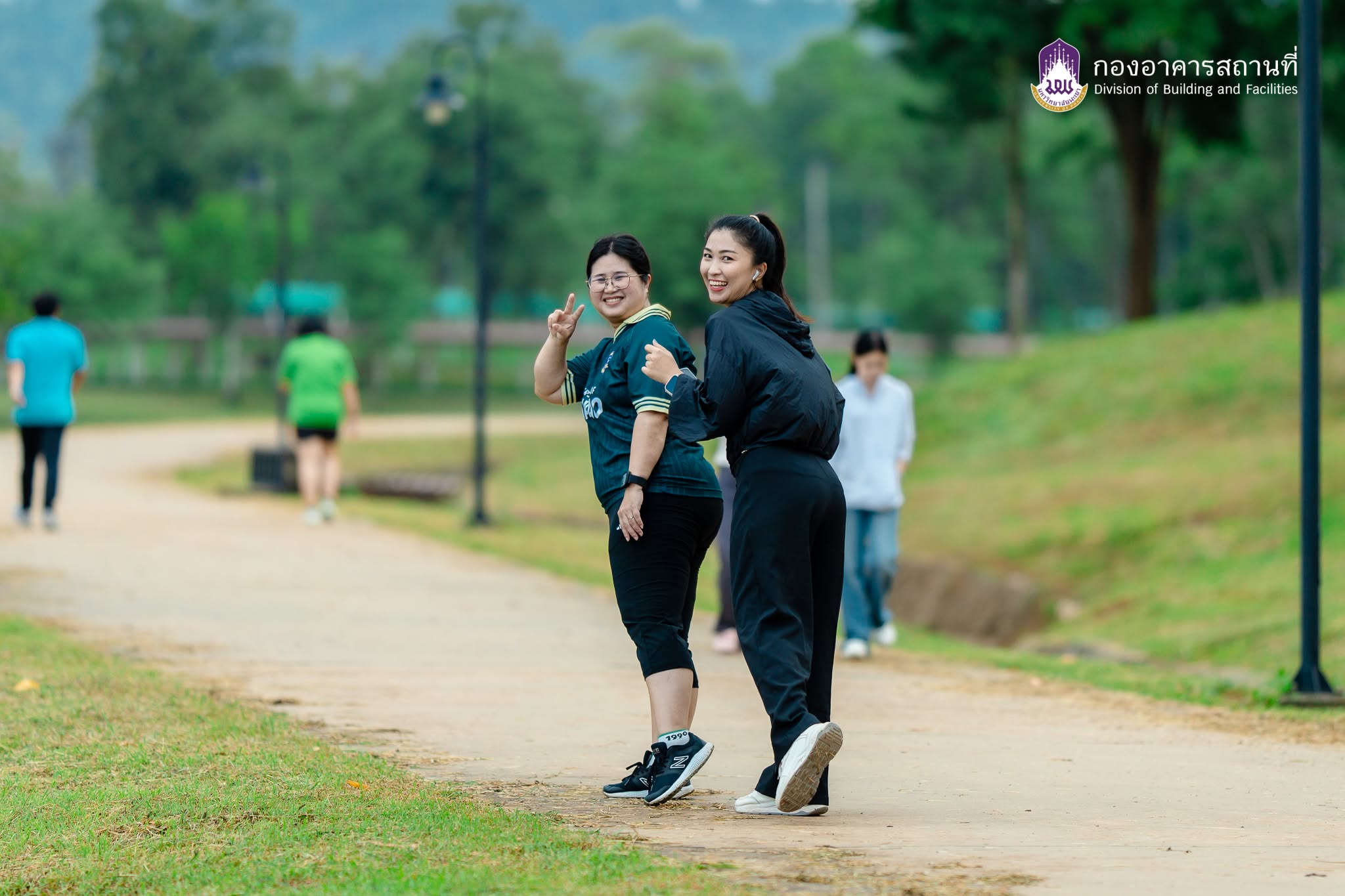

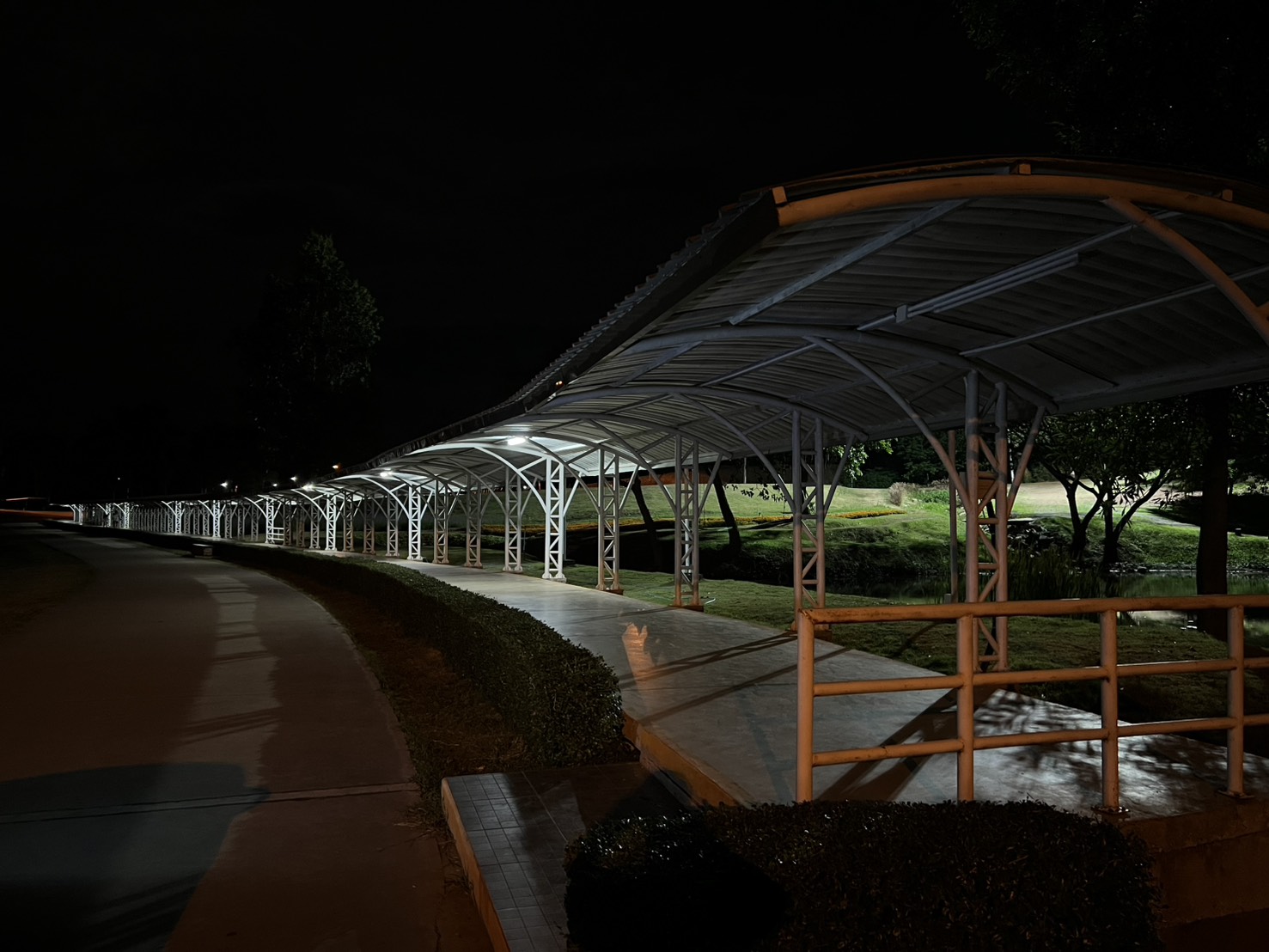
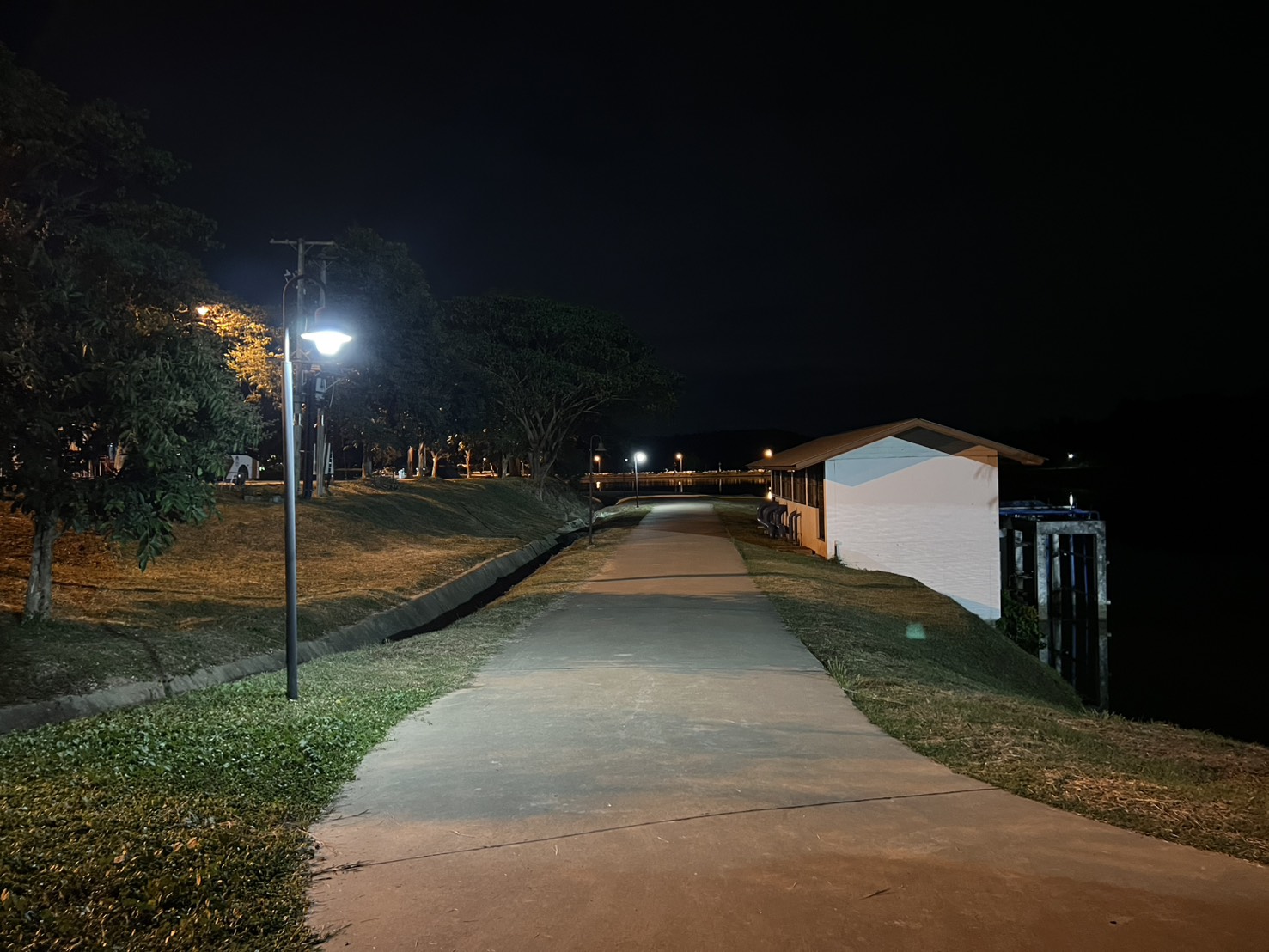
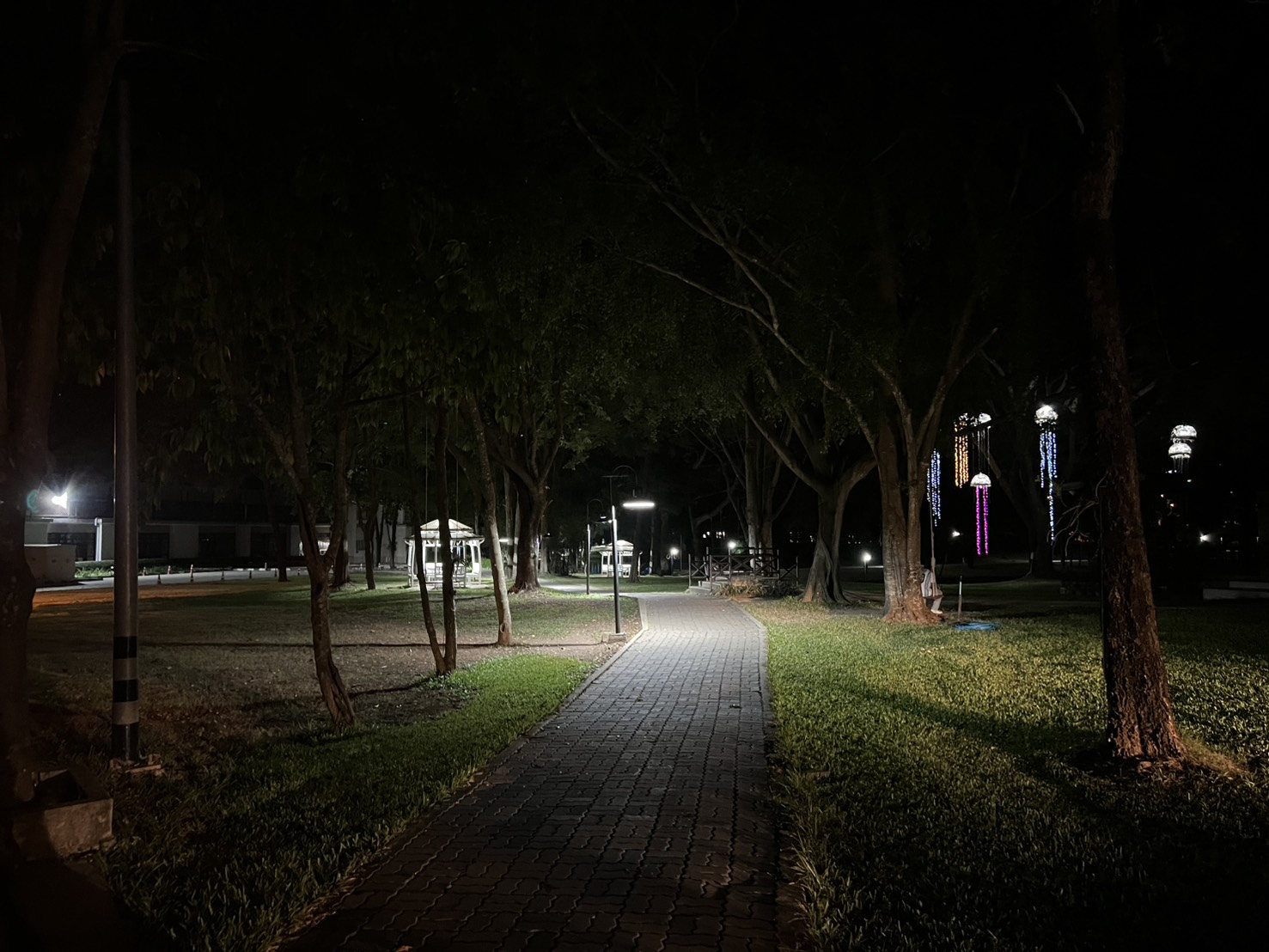
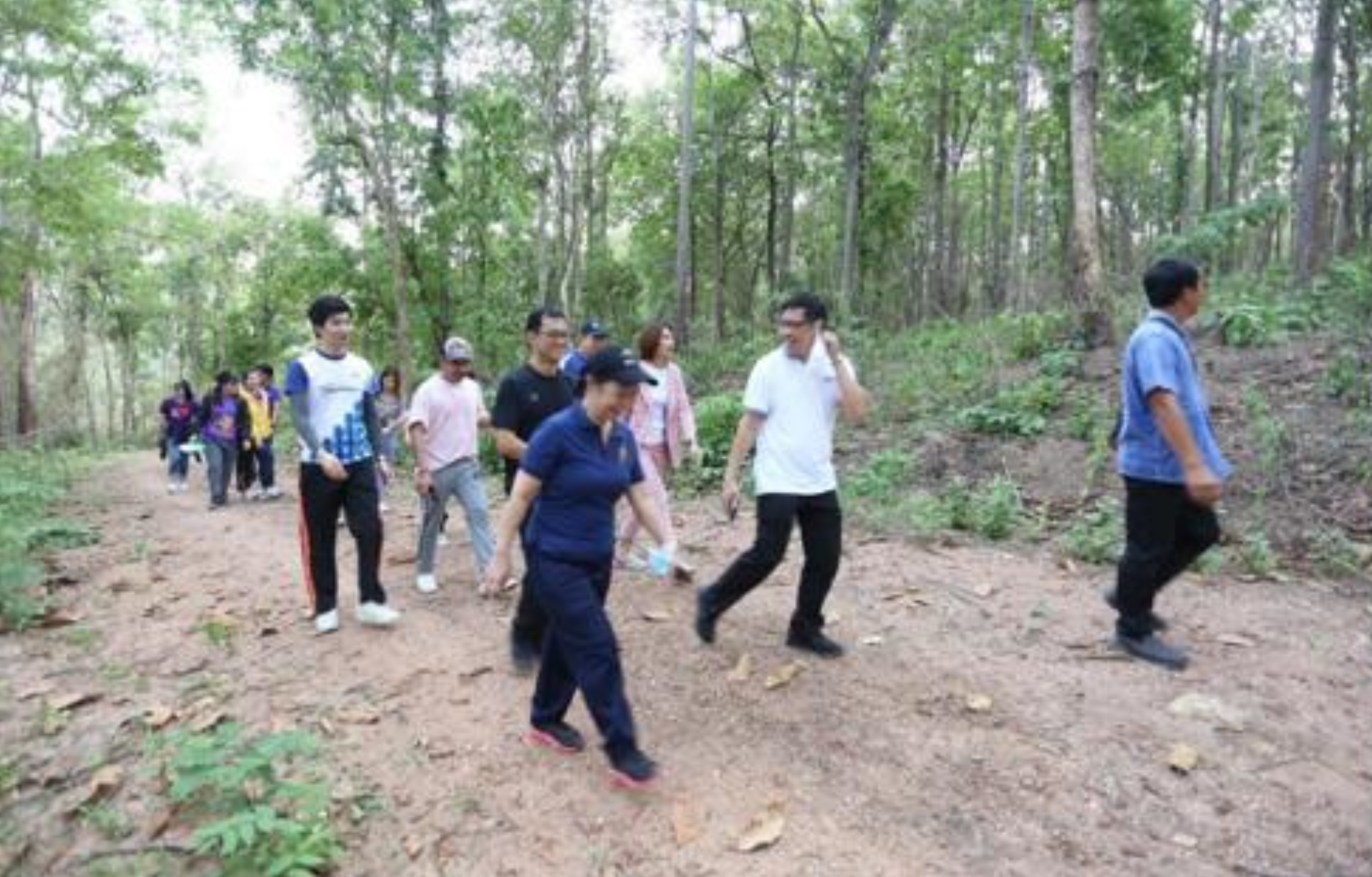
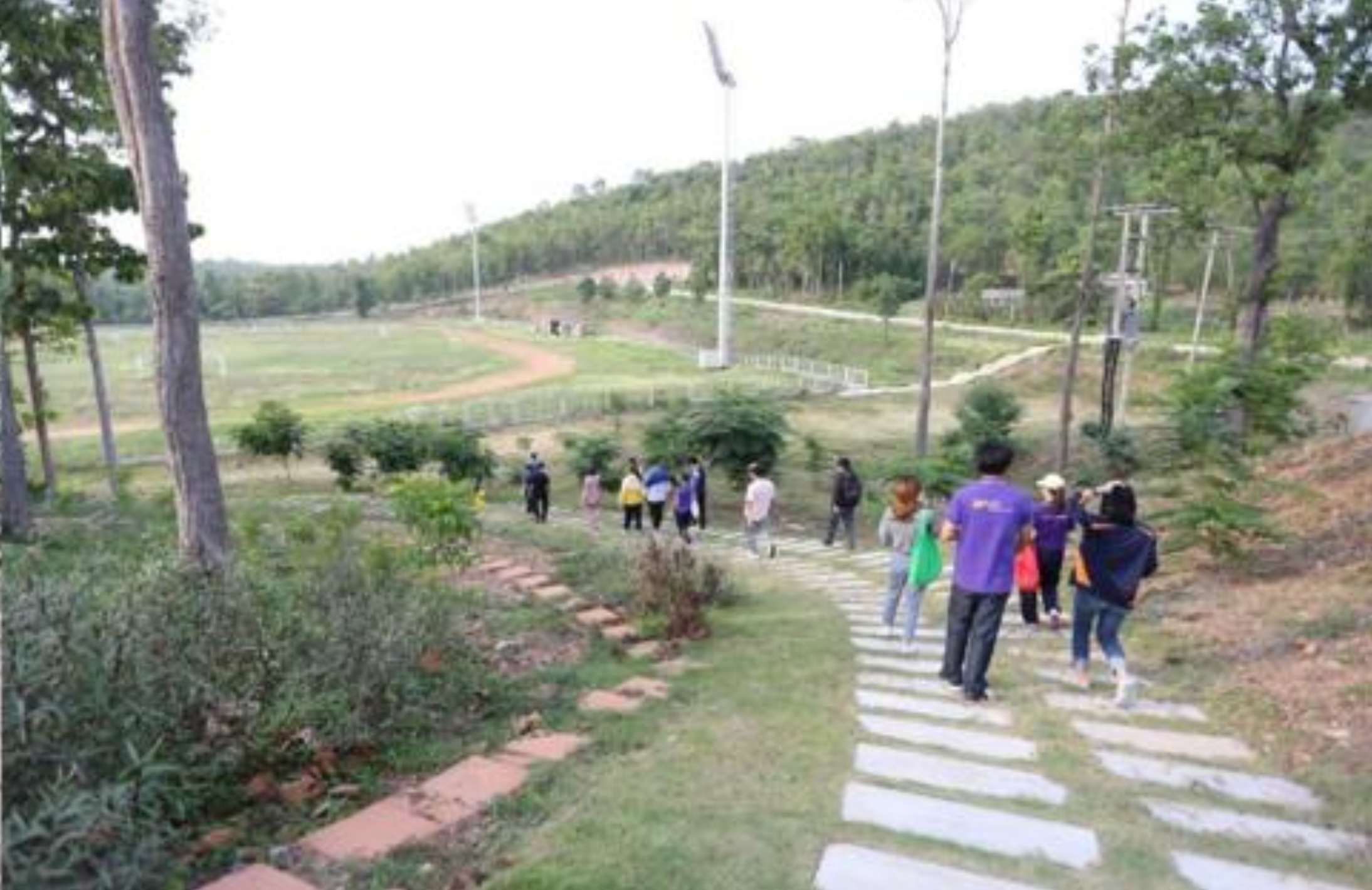 A key milestone of this initiative is the establishment of an on-campus nature trail that allows students and staff to engage directly with authentic ecosystems, thereby advancing biodiversity conservation and environmental stewardship. Equipped with educational signage detailing local botany and ecological systems, the trail seamlessly blends academic discovery with active mobility, fostering environmental awareness through their daily steps.
University of Phayao focused on a good physical environment. Facilities have been designed based on the universal design to support students, staff, and public including disabled who all visit the university's areas to be equally convenient and accessible to basic services. This is consistent to Sustainable Development Goals (SDGs) in Target 3: Good health and well-being, Target 10: Reduced Inequalities, and Target 11: Sustainable Cities and Communities.
University of Phayao has initiated a project for the conservation and restoration of natural and environmental resources surrounding the campus. By the university has transformed its Unused space into a "Forest Garden", collecting tree species from every province in Thailand for comprehensive learning and study. Improvements have been made to the internal walkways bodies to act as the "lungs" for students, staff, and the local community. These areas offer a haven for relaxation, physical activities such as jogging, walking, and enjoying the garden from morning to evening, letting everyone experience the lush greenery and shade throughout.
Pathway
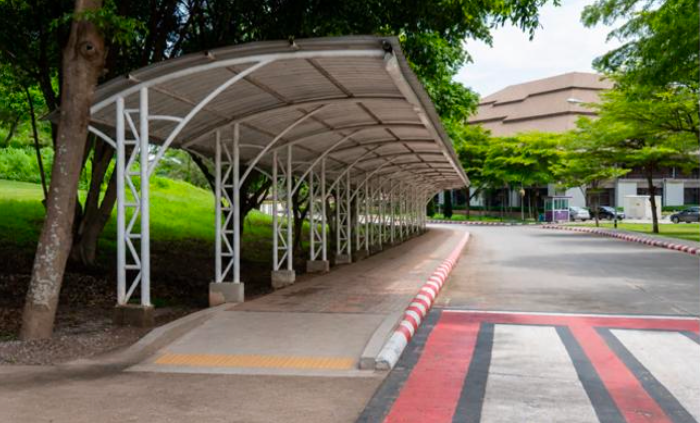
Main pathway of the main road surrounding study area and cover way. Pathway: the width of pathway is 1.50-5.50 meters with smooth surface, non-slip, no barrier which may be harm to disabled. Pathway and bicycle lane on the main roads have benches along the way on both sides to share rest areas for public and disabled. Those rest areas have enough spaces for wheelchairs without traffic road blockage.
Pedestrian Path Policy on Campus
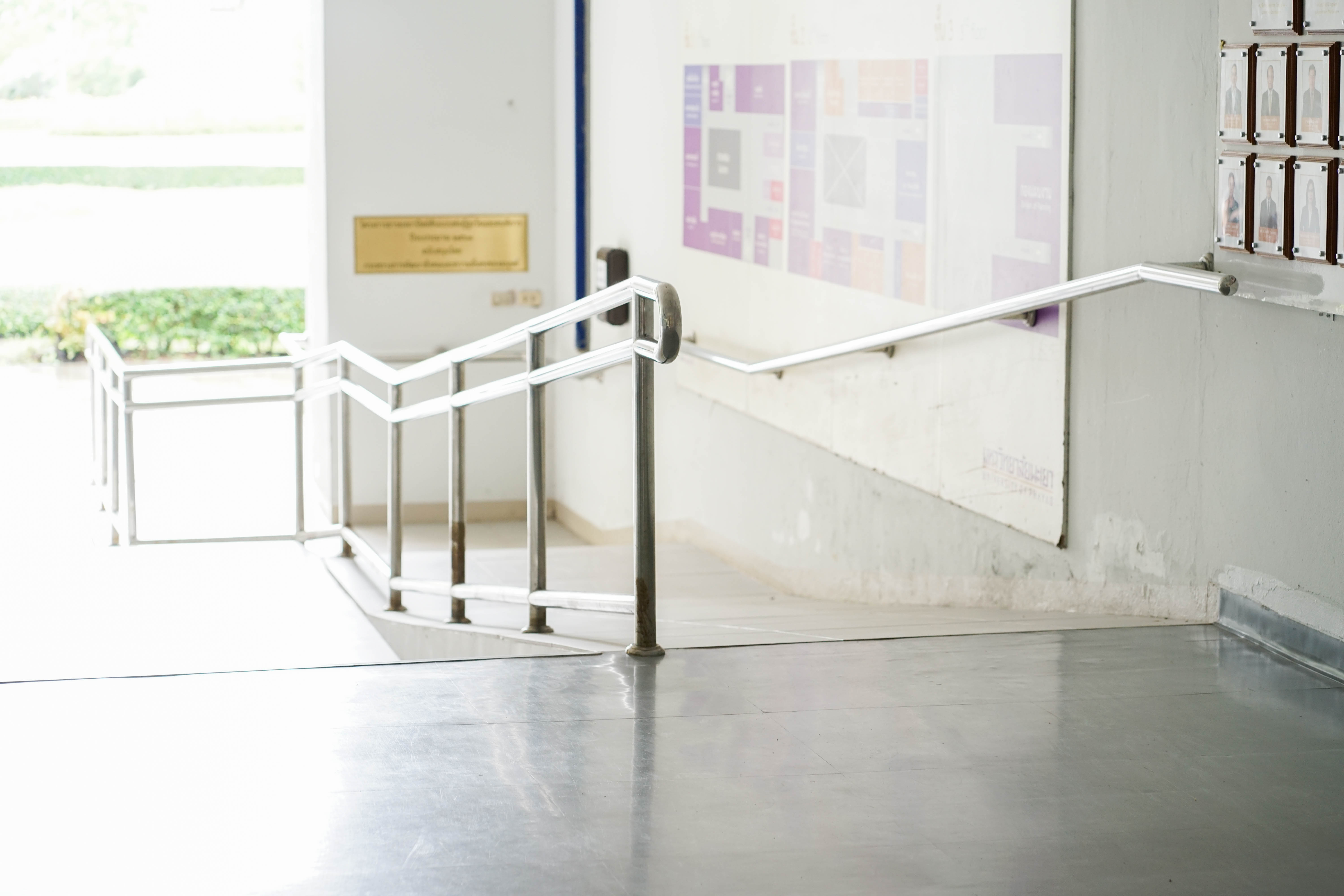
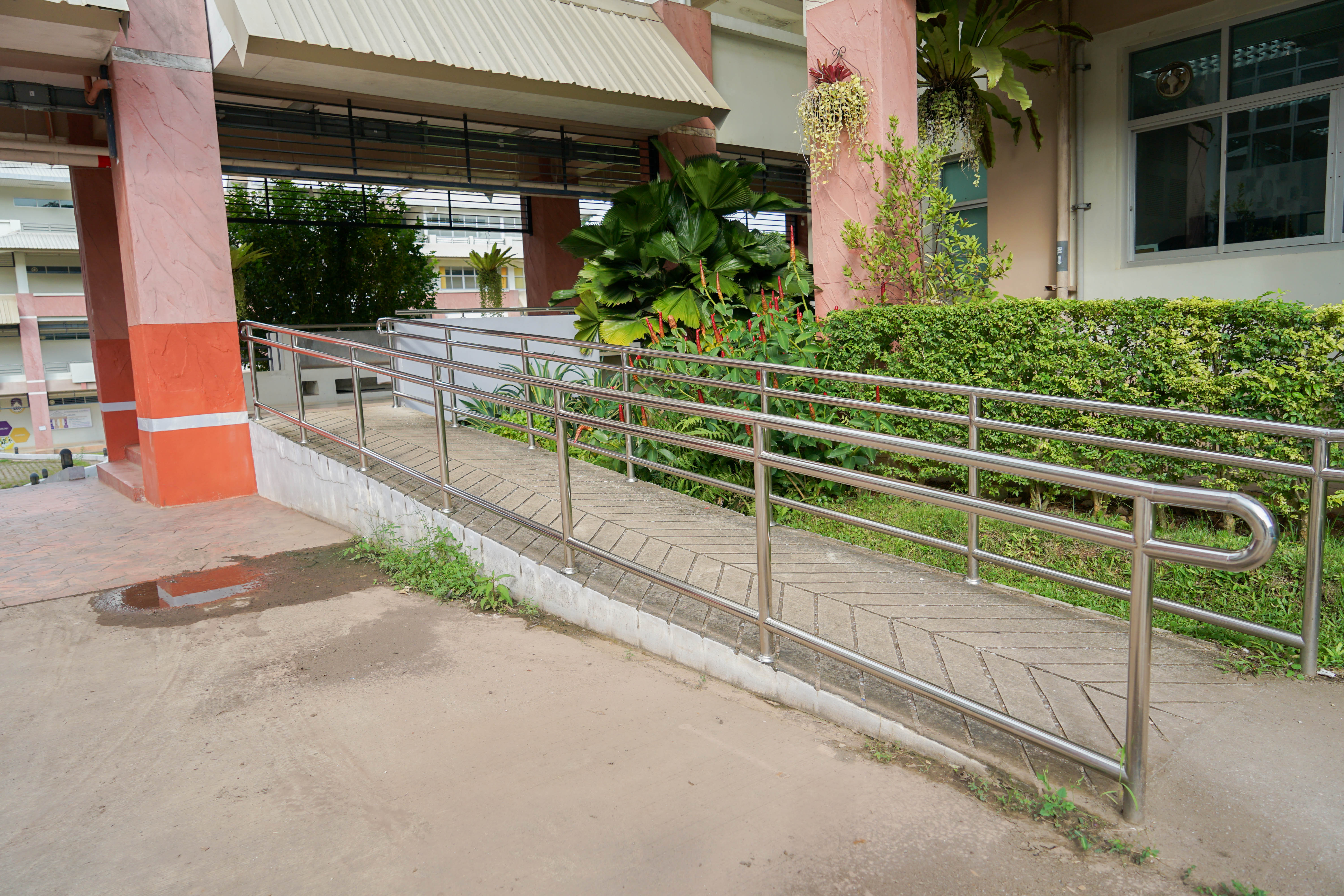
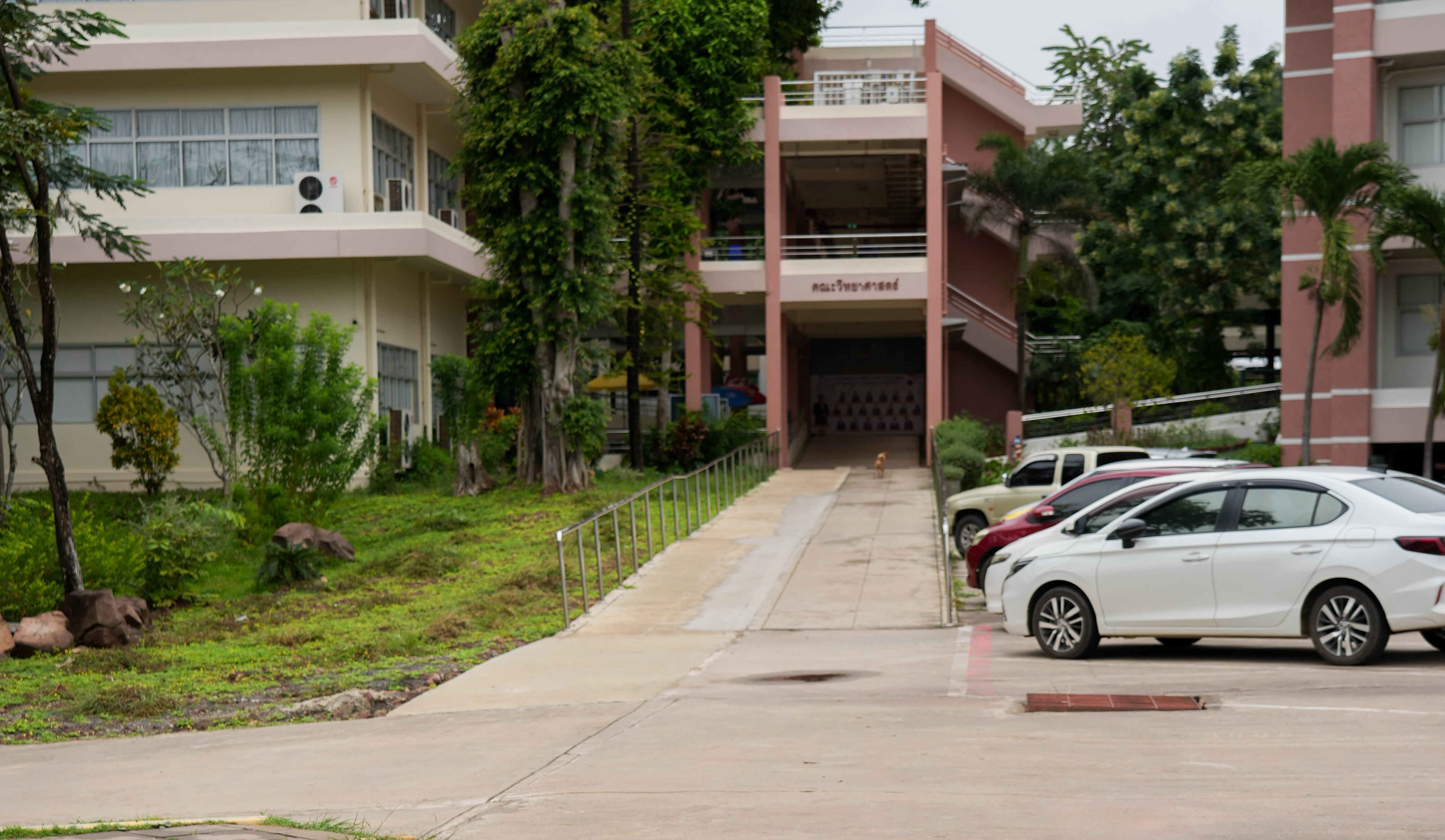
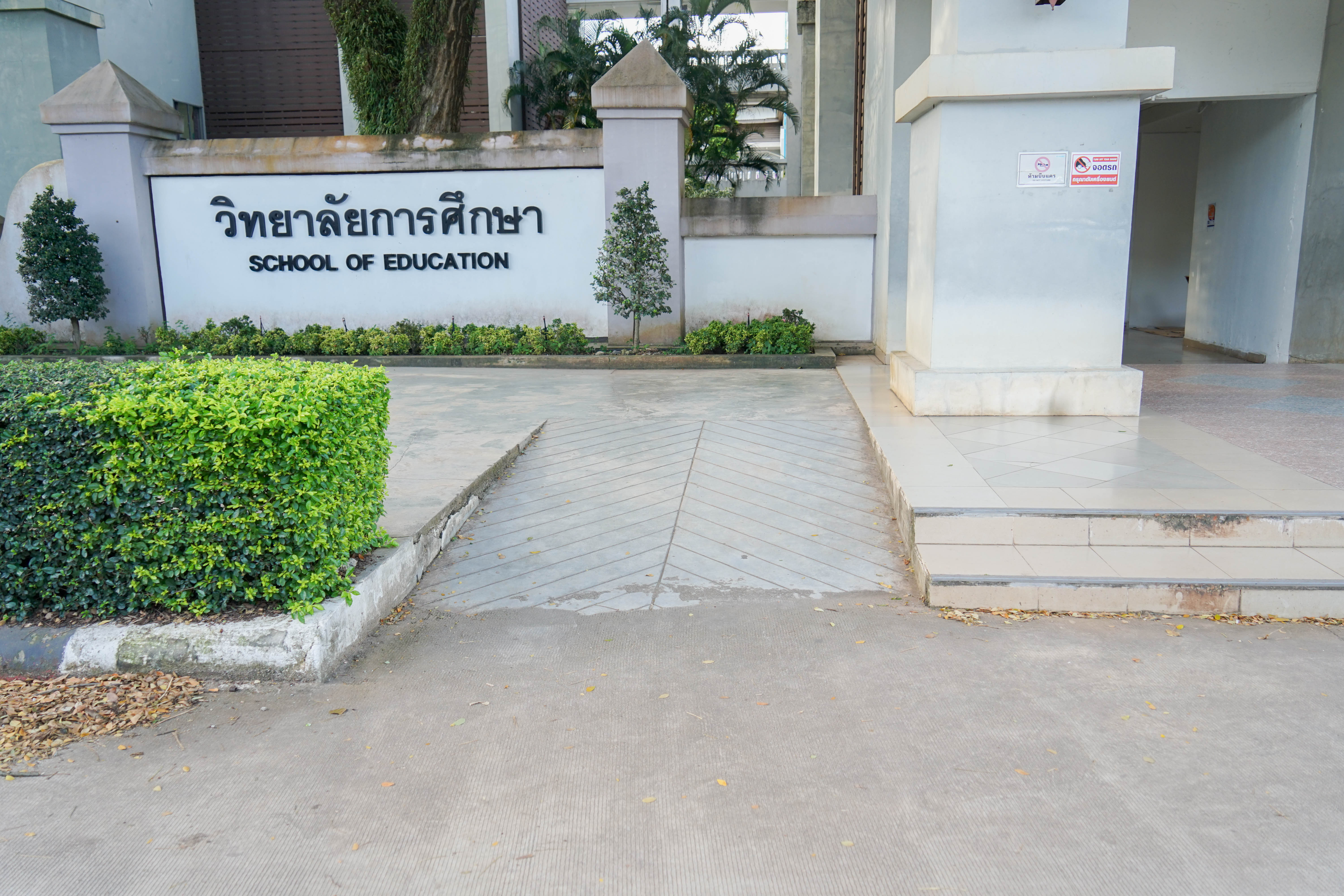
In line with the University of Phayao's Green and Smart Campus Policy, the pedestrian paths have been developed with universal design principles, ensuring that they are accessible to everyone — including people with disabilities. Ramps, tactile paving, and clearly marked crossings are installed to enhance safety and inclusivity. The university has also introduced traffic-calming measures, such as speed limits, zebra crossings, and designated pedestrian zones, to minimize the interaction between pedestrians and motorized vehicles.Moreover, the pedestrian-friendly design contributes to reducing the carbon footprint of campus transportation by encouraging walking instead of driving. This initiative not only lowers greenhouse gas emissions but also improves air quality and promotes healthier lifestyles among students and staff. Walking routes are often integrated with green spaces, trees, and seating areas, providing aesthetic and recreational value while enhancing the overall campus atmosphere. In recent years, the University of Phayao has taken steps to further improve pedestrian mobility by linking walkways with bicycle lanes and shuttle bus stops, creating a seamless and sustainable transit system. Directional signs, lighting systems, and security cameras have been installed along the pathways to ensure safety during both day and night.
Wheelchairs Ramps for People with Disabilities
Wheelchairs Ramps for people with disabilities, persons with special needs.
Ramps and guiding blocks which have suitable design for pedestrian having physical disabilities: it is designed to have different surface, for example, crossing lanes, non-slip surface. Ramp width is at least 0.90 meter and maximum slope at 1:12 which follows the Ministerial regulations requirement.
Nature Trails
Improving empty areas into walking paths and nature trails to support the University of Phayao's walking promotion policy.
Path around the Reservoir
Street Lamp for Pedestrian in Night
Street lamp for pedestrian in night: Lishan College has 165 solar street lamps, which control the solar street lights automatically through the intensity of light.
Street lamp for pedestrian in night
University of Phayao's Walk and Bike Society is a major activity to support pedestrian path policy on campus. The covered walkways that run across two or more buildings will provide convenience for students and staffs to walk between buildings and access to all facilities within campus. The walkways are covered with flowers and plants which do not only increase vegetation area but also make University of Phayao students and staffs feel fresh while walking through them. Health and safety are a promising issue for pedestrian design and construction. Design criteria for pedestrian path includes:- Safety sign and symbol and Bicycle lane, covered walkway
- Streetlamp along pedestrian path during nighttime
- Pedestrian path for people with disabilities
"Want to Walk" — The Nature Study Trail
Recognizing that an effective pedestrian network goes beyond merely paving paths, the University of Phayao enforces a pedestrian-first philosophy designed to cultivate a campus environment where community members "want to walk" and can do so safely. To realize this, the university is committed to expanding its walking infrastructure campus-wide, effectively turning the entire landscape into a living laboratory.