University of Phayao has become one of the leading universities in Thailand that actively integrates renewable energy into its campus operations and research activities. The university recognizes that energy transition is a vital part of sustainability and climate change mitigation. Therefore, University of Phayao has established several renewable energy projects that not only supply part of the campus energy demand but also serve as living laboratories for students, researchers, and industries. These initiatives demonstrate the university's commitment to the Sustainable Development Goals (SDGs), particularly Goal 7 (Affordable and Clean Energy) and Goal 13 (Climate Action).
University of Phayao acknowledges the importance of using clean energy to help preserve the balance of nature from destruction by harmful gases such as carbon dioxide and carbon monoxide, which are causes of global warming, as well as PM2.5. Clean energy also helps reduce the impact on ecosystems and protects the environment, leading to better quality of life and public health. Currently, the government promotes renewable energy and reduces reliance on oil, resulting in a significant increase in renewable energy sources like solar and wind energy. Biofuels have become the fastest-growing renewable energy source, and alternative energy is expected to continue expanding as production technology improves and costs decrease. It is an environmentally friendly energy source, and thus national policy focuses on the development of energy from these sources.
Remark: 0.00 Annual renewable energy production capacity (0.00) Additional renewable energy installations
The ratio of renewable energy production divided by the total energy usage per year of University of Phayao serves as a key performance indicator that reflects the university's progress toward sustainability and energy efficiency. This ratio measures how much of the total energy consumed annually on campus is derived from renewable energy sources, such as solar, biomass, or other sustainable alternatives. A higher ratio indicates a stronger reliance on clean energy and a significant reduction in greenhouse gas emissions, aligning with University of Phayao's mission to become a leading green university in Thailand and the ASEAN region.
In recent years, University of Phayao has placed a strong emphasis on integrating renewable energy technologies into its campus infrastructure. The university has invested in solar photovoltaic systems, energy-efficient building designs, and smart monitoring systems to optimize energy production and consumption. By continuously improving this ratio, University of Phayao demonstrates its commitment to reducing its carbon footprint and promoting environmental responsibility among students, staff, and the surrounding community.
Moreover this indicator is not only a measure of energy balance but also a reflection of University of Phayao's strategic direction toward achieving long-term sustainability goals. It supports the United Nations Sustainable Development Goals (SDGs), particularly Goal 7 (Affordable and Clean Energy) and Goal 13 (Climate Action). Through consistent monitoring and reporting of renewable energy ratios, University of Phayao encourages innovation, research, and collaboration in renewable energy systems, ultimately serving as a living laboratory for clean energy development and environmental education.
In summary, the ratio of renewable energy production to total energy usage per year at University of Phayao highlights the university's ongoing transition toward sustainable energy management, reduced environmental impact, and its role as a model institution for green innovation and responsible energy use in higher education.
The total electricity consumption of University of Phayao in 2026 is 4,891,999 kWh. Divided into electricity from the Provincial Electricity Authority 3,049,199 kWh and the electricity will be roof solar panels, Biomass, Biogas (Food waste) and Wind power 1,842,800 kWh.
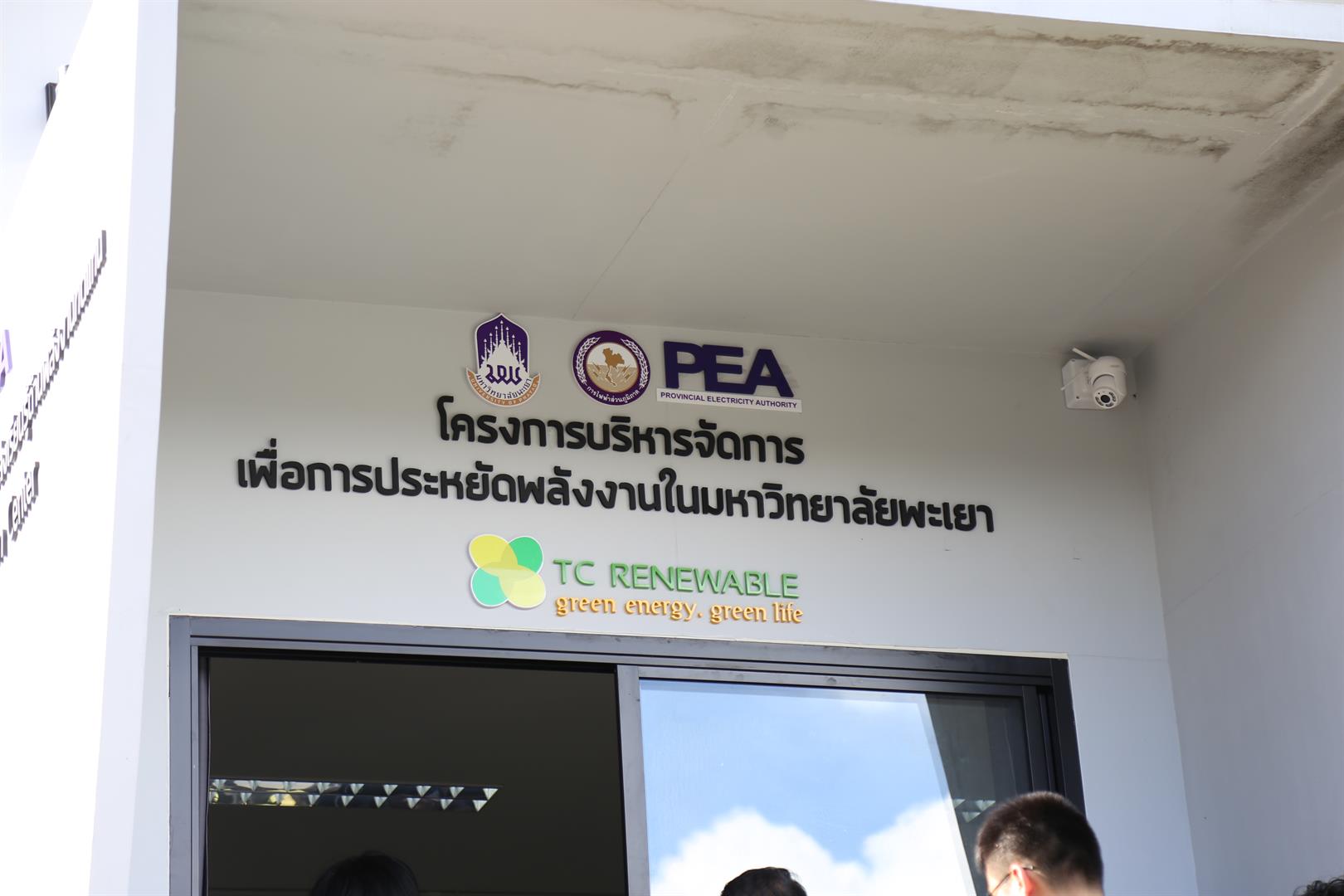
University of Phayao promotes the reduction of fossil fuel consumption by integrating renewable energy systems with the Provincial Electricity Authority (PEA) to supply electricity across the campus. This integration demonstrates the university's strong commitment to sustainable energy management and climate responsibility. By combining renewable energy sources such as solar power with the national electricity grid, University of Phayao can ensure a stable and reliable energy supply while significantly decreasing greenhouse gas emissions from fossil fuel–based electricity generation.
In addition to reducing environmental impact, the adoption of renewable energy systems plays a vital role in advancing University of Phayao's position as a "Green and Smart University." The campus has been developed as a living laboratory where renewable energy technologies are not only utilized but also studied, tested, and continuously improved. This approach aligns with the university's mission to become a leader in innovation and sustainability within Thailand.
The formula is as follows:
The demand for electricity per solar power generation which accounted for 37.67 percent of the total demand.
The integration of renewable energy into campus operations extends beyond energy savings it serves as an educational and research platform for students, researchers, and staff. Through hands-on learning, real-time energy monitoring, and system performance analysis, the university community gains valuable experience in renewable energy engineering, energy optimization, and sustainable design. These learning opportunities foster innovation and inspire future engineers, scientists, and policymakers to contribute to the global transition toward clean energy.
Furthermore, University of Phayao's renewable energy initiative supports the United Nations Sustainable Development Goals (SDGs), particularly Goals 7: Affordable and Clean Energy, and Goal 13: Climate Action. By generating renewable electricity within the campus and integrating it efficiently with PEA's power system, the university reduces its dependence on non-renewable resources while promoting energy resilience and sustainability. The following table summarizes University of Phayao's renewable energy resources and installed capacities, reflecting the university's proactive efforts in expanding clean energy utilization, improving energy efficiency, and supporting research-based energy innovation. These continuous efforts not only strengthen University of Phayao's leadership in green transformation but also contribute to Thailand's national goals of carbon neutrality and sustainable development.
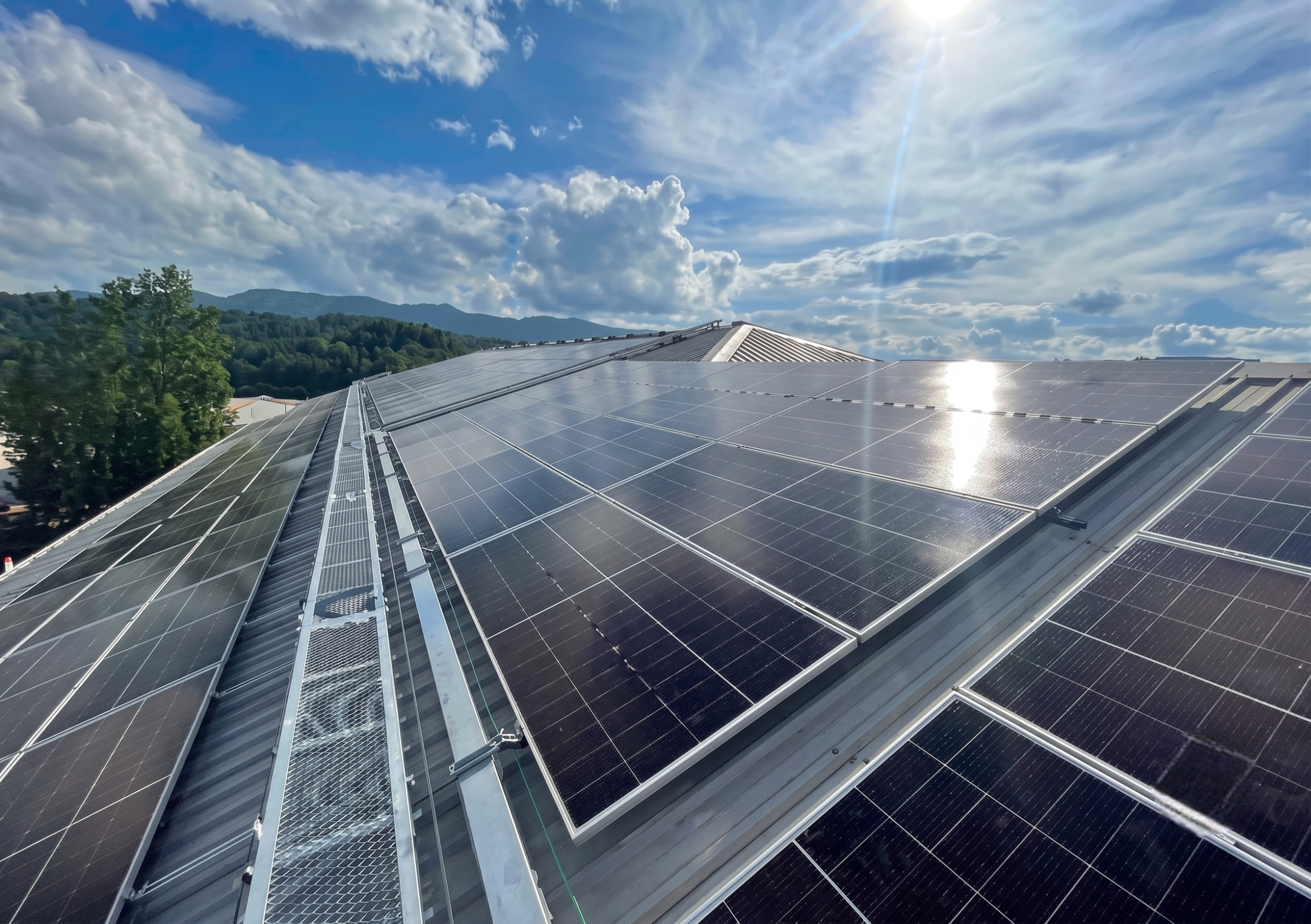
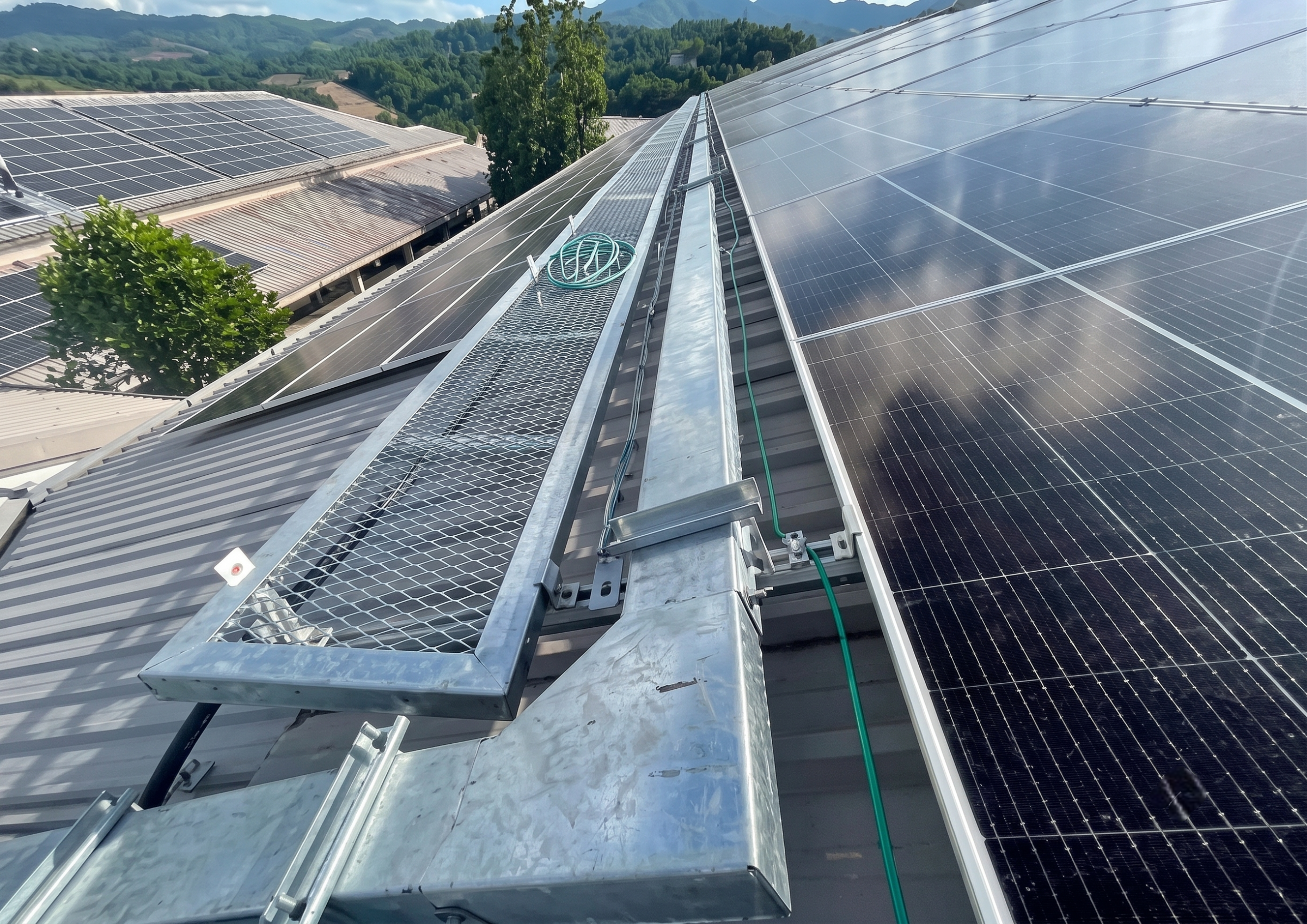
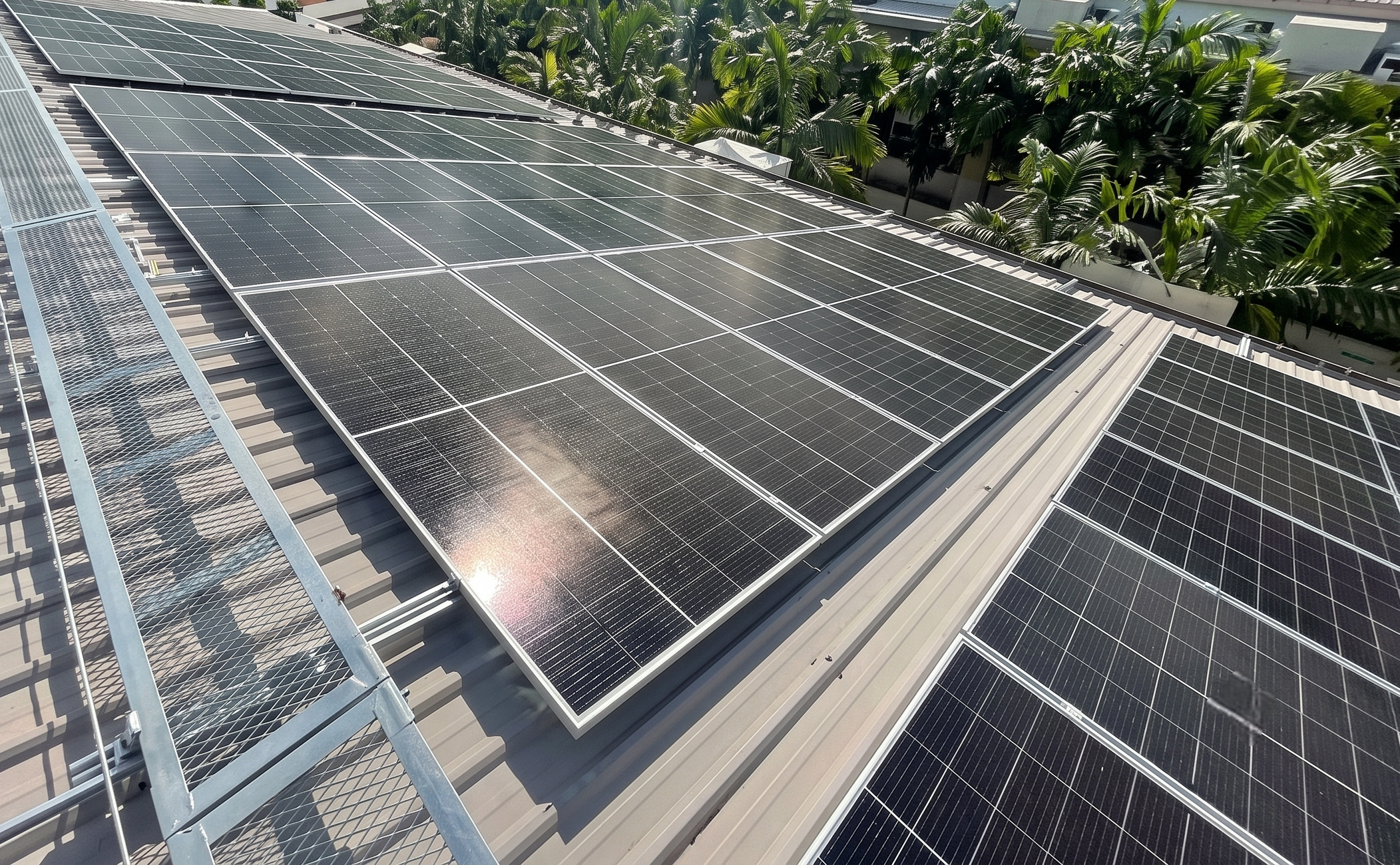
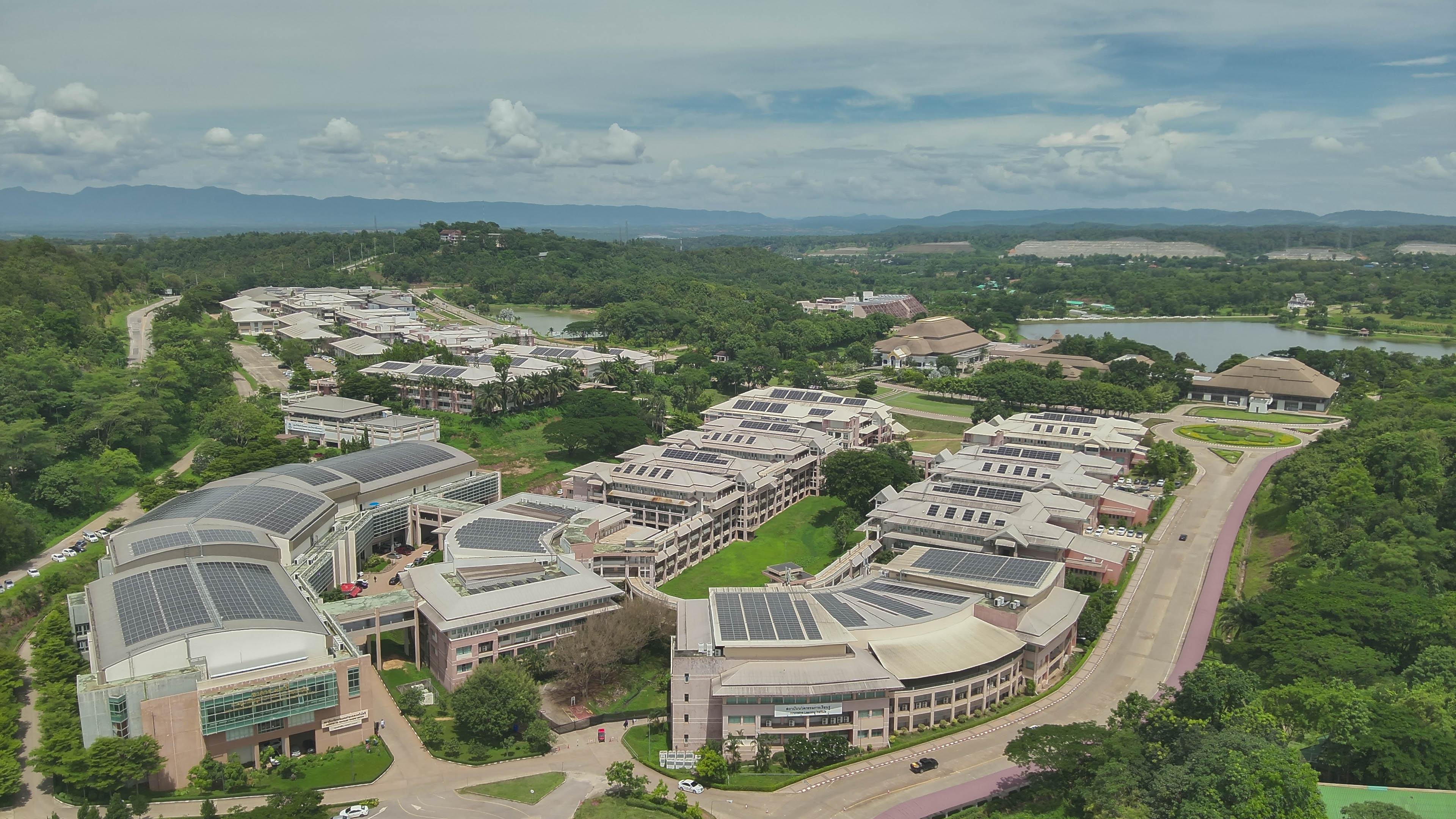
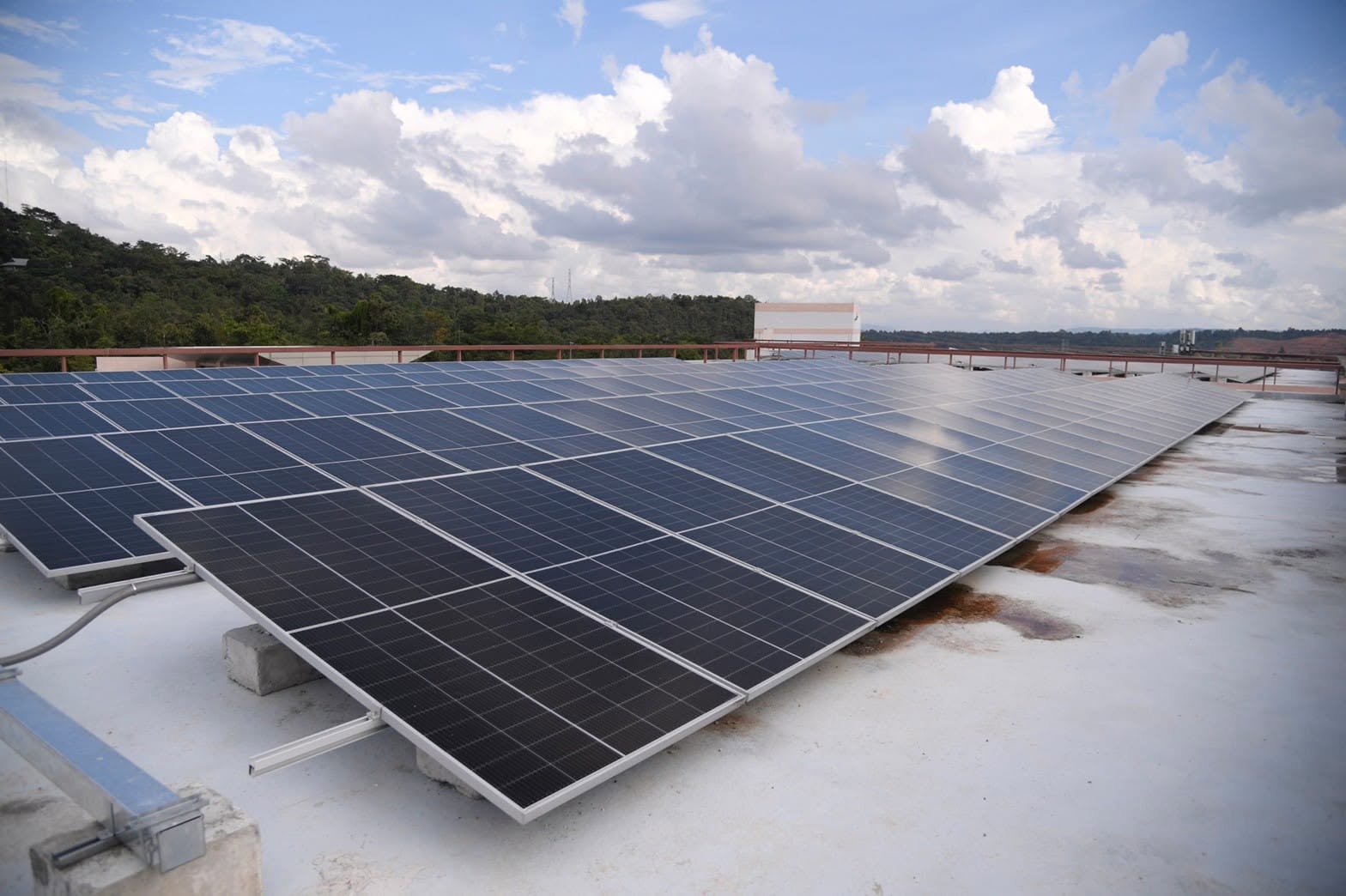
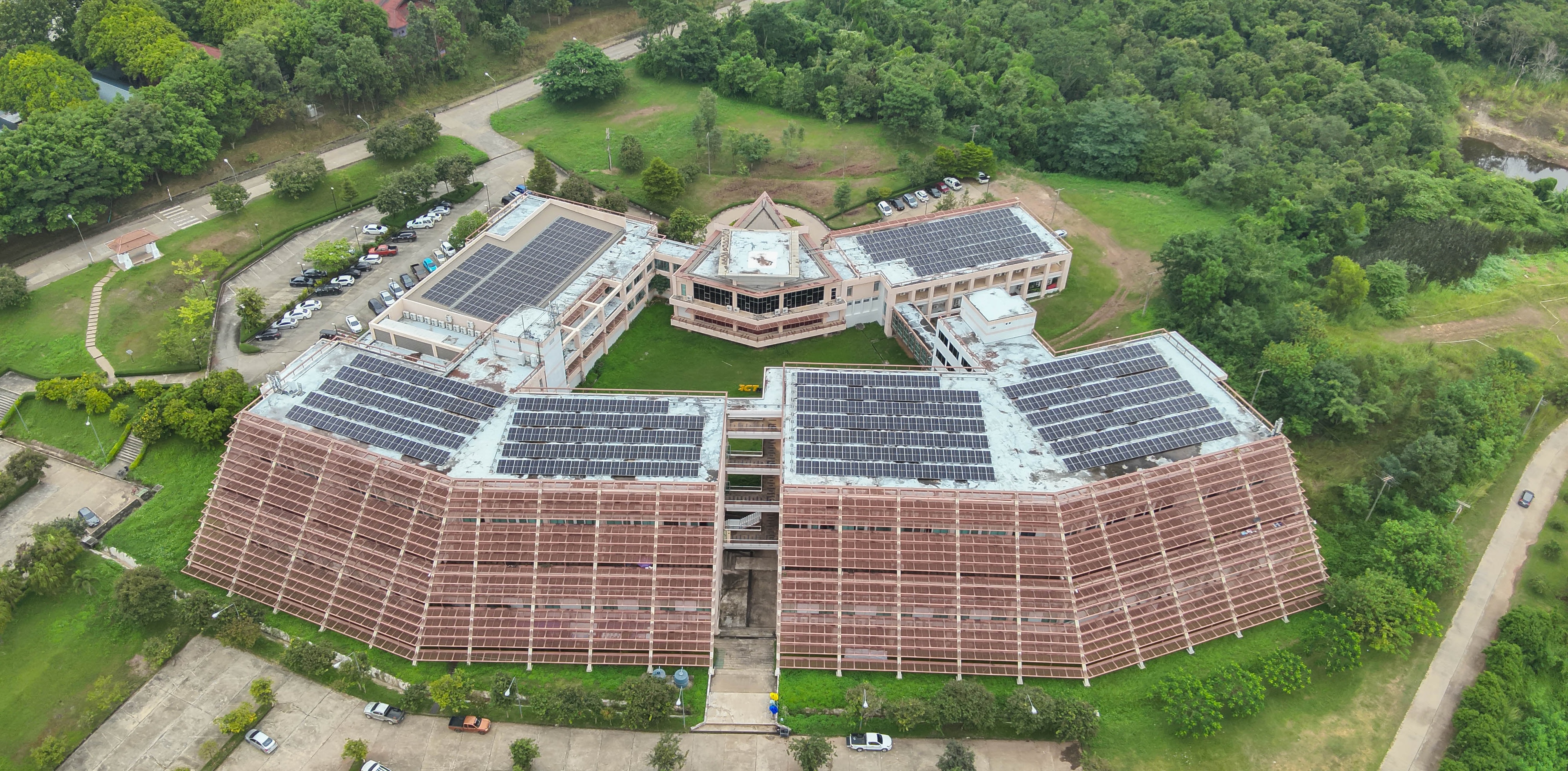
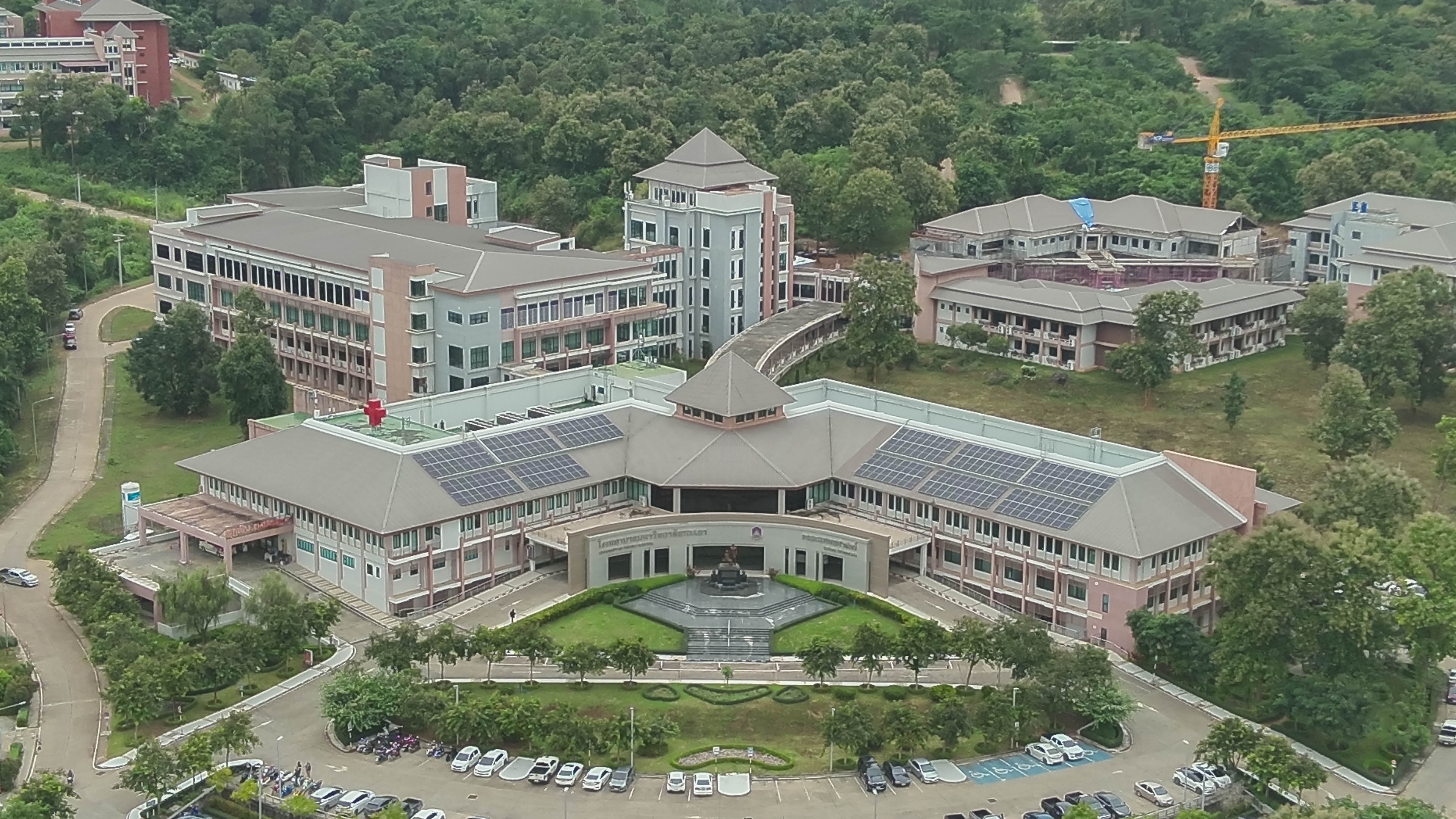
According to the implementation of renewable energy in the University, the University of Phayao received a budget for creating a solar power plant and biogas systems for use in the cafeteria. On roofs of administration building, library, laboratory building, school factories and other teaching buildings and dormitories, solar PV power station of total 3.5 MW is installed.
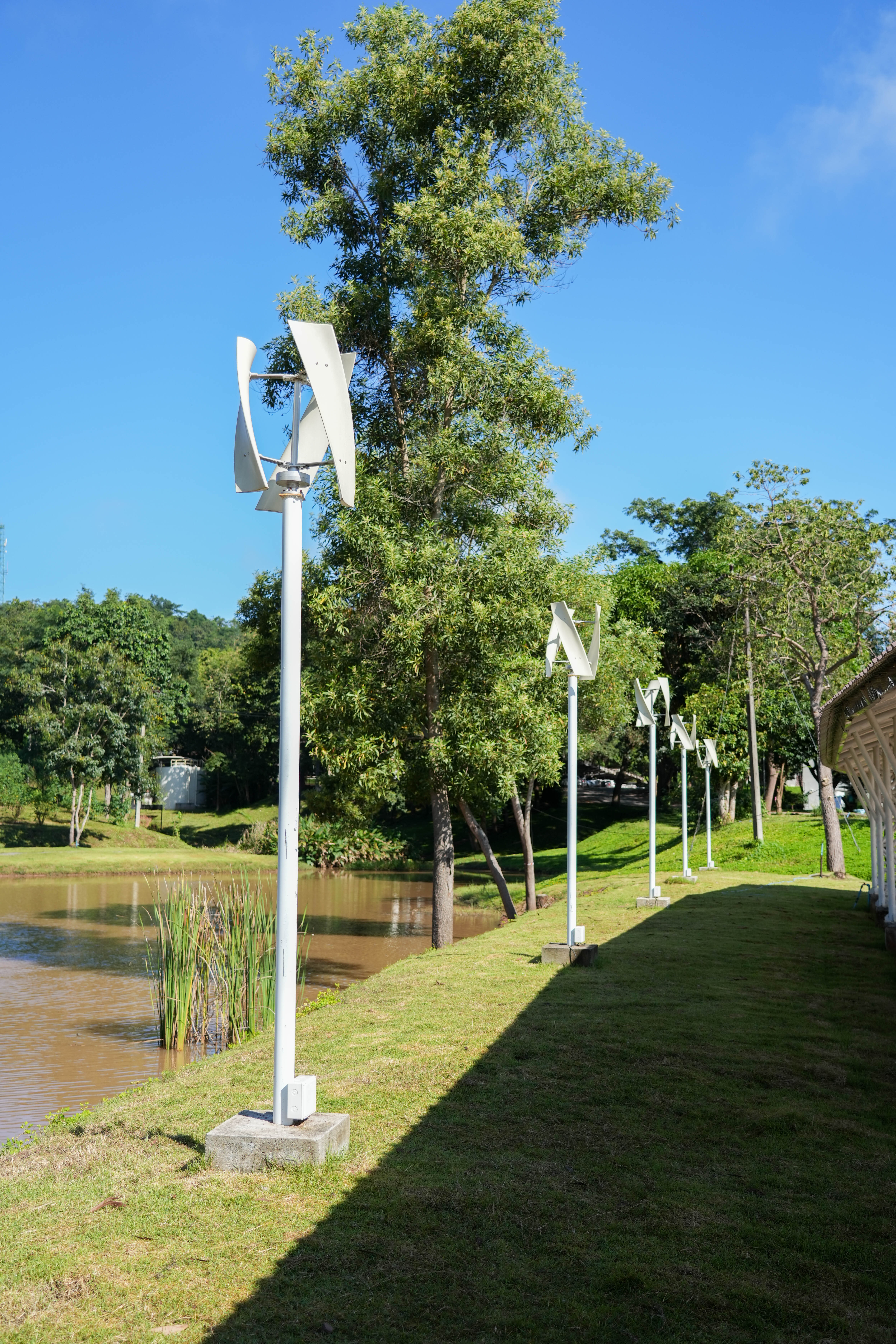
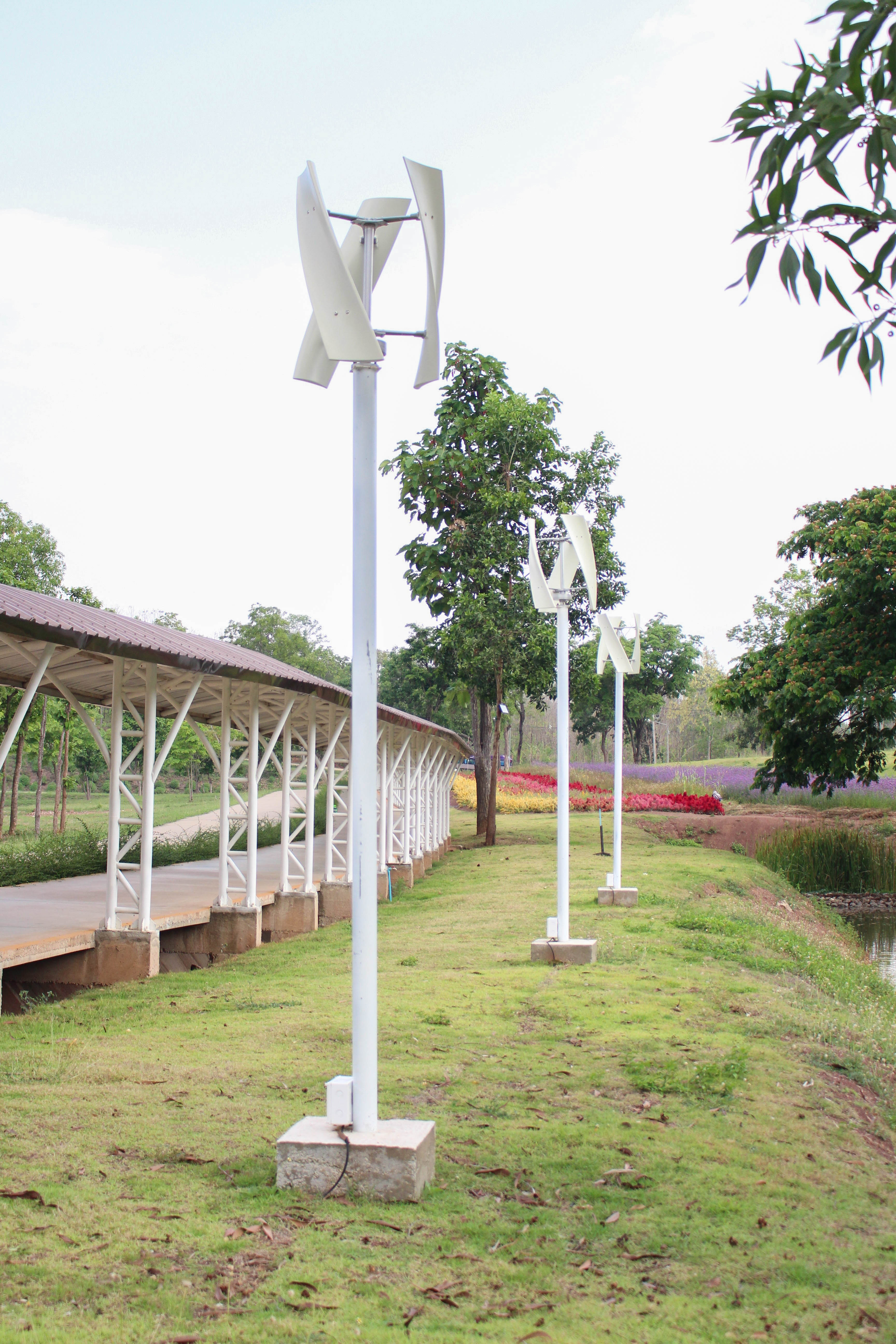
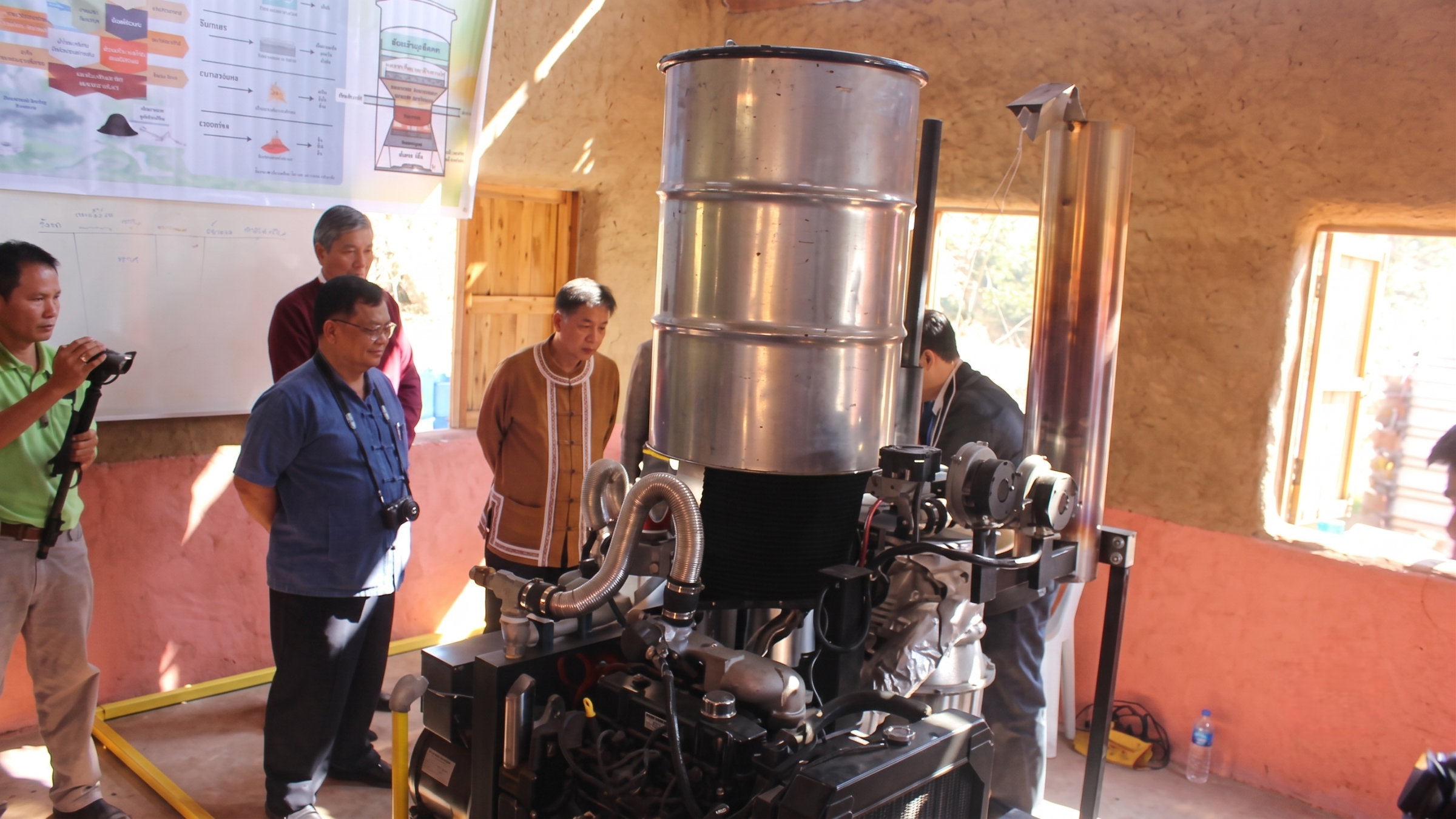
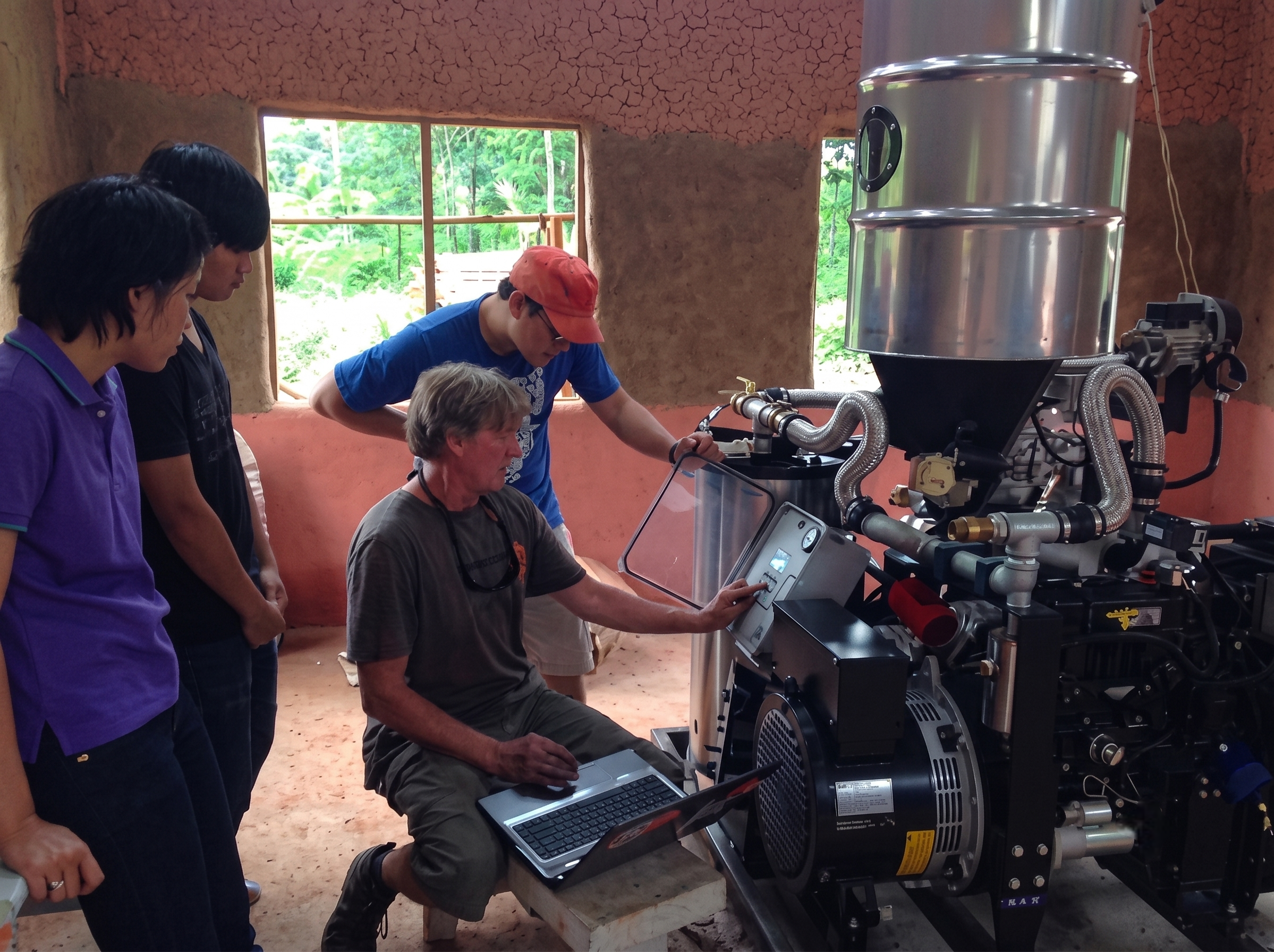
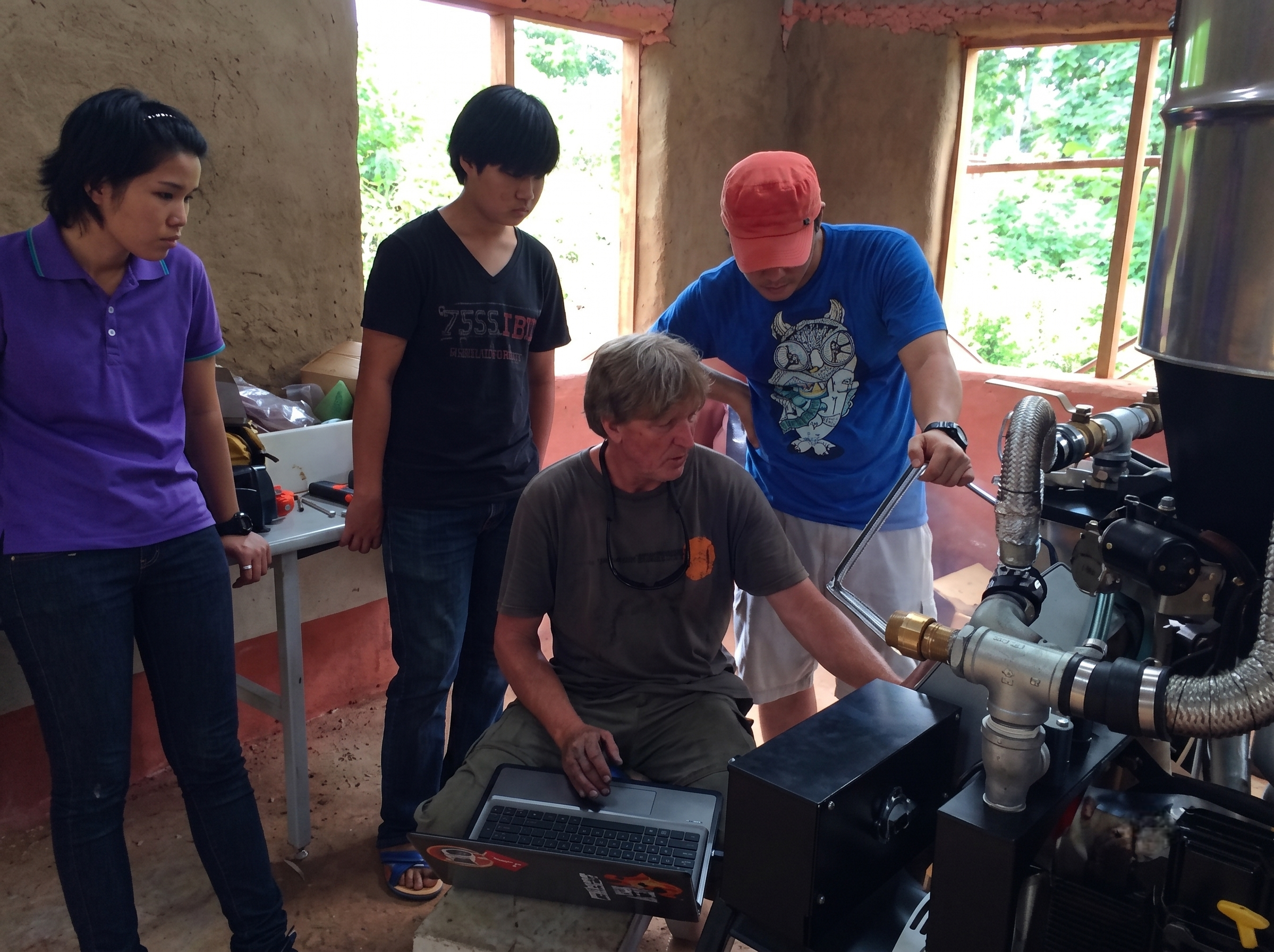
University of Phayao has Biomass Power Generation 30 kW, providing heating for most of the school buildings in winter, using the crop straws as fuel, and usage of wind power 100 kWh.
Target: 60% Electrical Energy usage is from renewable sources by 2030
: Installing 6 MW capacity of Solar rooftop are installed
Current Status: In 2026, 35 – 40% renewable energy usage of total final energy consumption of electric.
: In 2026, 3.5 MW capacity of solar rooftop are installed.



| Source of energy | Appliance (MW) | Total capacity (MW) | Target (MW) | ||||||
|---|---|---|---|---|---|---|---|---|---|
| Past - 2020 | 2021 | 2022 | 2023 | 2024 | 2025 | 2026 | |||
| Solar rooftop | 0.5 | 0.5 | 3.4 (2.9) |
3.4 | 3.4 | 3.5 (0.1) |
3.5 | 3.5 | 5.0 |
| Solar farm | - | - | - | - | - | - | - | - | 1.0 |
| Biomass | 0.03 (0.03) |
0.03 | 0.03 | 0.03 | 0.03 | 0.03 | 0.03 | 0.03 | 0.03 |
| Biogas (Food waste) | - | - | 0.03 (0.03) |
0.03 | 0.03 | 0.03 | 0.03 | 0.03 | 0.1 |
| Wind power | - | - | - | 0.05 (0.03) |
0.05 | 0.1 (0.07) |
0.2 (0.02) |
0.2 | 0.3 |
| Energy from walking | - | - | - | - | - | 0.01 (0.01) |
0.01 | 0.01 | 0.1 |
| No | Renewable Energy | Production (kWh) | Per month (kWh) | Total from January to June. (kWh) |
|---|---|---|---|---|
| 1 | Solar rooftop | 3,500 | 320,988 | 1,819,220 |
| 2 | Biomass | 30 | 930 | 5,580 |
| 3 | Biogas (Food waste) | 30 | N/A | N/A |
| 4 | Wind power | 100 | 3,000 | 18,000 |
| Total | 3660 | 324,918 | 1,842,800 |
Renewable Energy Ratio =
The ratio of renewable energy production divided by total energy usage per year
Total Energy Usage (kWh)
Renewable Energy Production (kWh)
× 100
1,842,800
4,891,999
× 100% = 37.67%
: Installing 6 MW capacity of Solar rooftop are installed
Current Status: In 2026, 35 – 40% renewable energy usage of total final energy consumption of electric.
: In 2026, 3.5 MW capacity of solar rooftop are installed.
1. Solar Energy: Solar PV power station of total 3.5 MW
Solar energy is the most prominent renewable energy source at University of Phayao. The university has installed on-grid rooftop photovoltaic (PV) systems across multiple buildings, including academic blocks, dormitories, and laboratories. As of 2023, the total installed solar rooftop capacity reached 3.5 megawatts (MW), an increase from the earlier figure of 500 kilowatts (kW). These PV systems supply electricity directly to the campus grid, reducing reliance on fossil fuels and lowering greenhouse gas emissions. The solar systems are integrated with smart monitoring platforms, enabling real-time measurement of power generation, consumption, and system efficiency. This not only ensures stable operation but also provides valuable data for research and teaching in renewable energy engineering. University of Phayao has also set an ambitious target to expand its solar capacity to 6 megawatts (MW) in the near future, which will significantly increase the renewable share in the university's energy portfolio.
Solar PV power station of total 3.5 MW
2. Wind Energy: Small-Scale Wind Turbines
At University of Phayao's, the university has installed small horizontal-axis wind turbines with a combined capacity of 100 kW. While the output is relatively modest compared to solar PV, wind energy plays an important role in demonstrating hybrid renewable systems. These wind turbines are mainly used for research and educational purposes, allowing students to test innovative designs, study wind dynamics, and integrate wind power into microgrid models. In addition, the hybrid operation of wind and solar ensures continuous renewable generation under varying weather conditions. This experimental approach highlights University of Phayao's mission to develop interdisciplinary learning platforms for sustainable energy technologies.
3. Biofuel and Bioethanol Pilot Plants
University of Phayao has established a Biofuel pilot plant with the capacity to produce 30 kilowatts (kW) per batch using agricultural residues and biomass feedstocks. This facility provides hands-on training for students and supports research in biofuel conversion, chemical processes, and clean transportation fuels. In addition, the university collaborates with industry partners to explore scaling-up opportunities for sustainable biofuel production, reflecting its role as a national research hub for renewable energy innovation.
4. Biogas from Food and Organic Waste
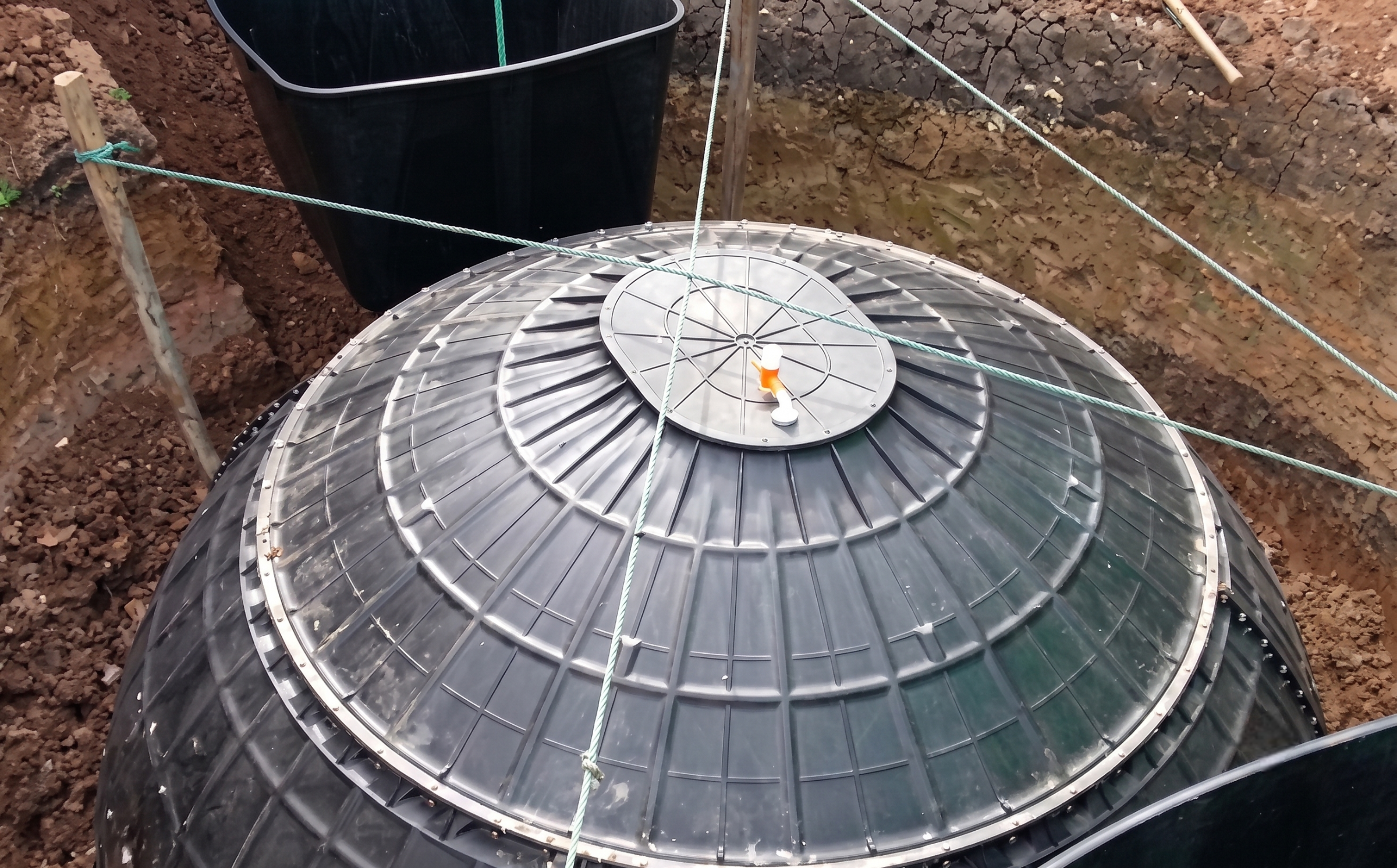
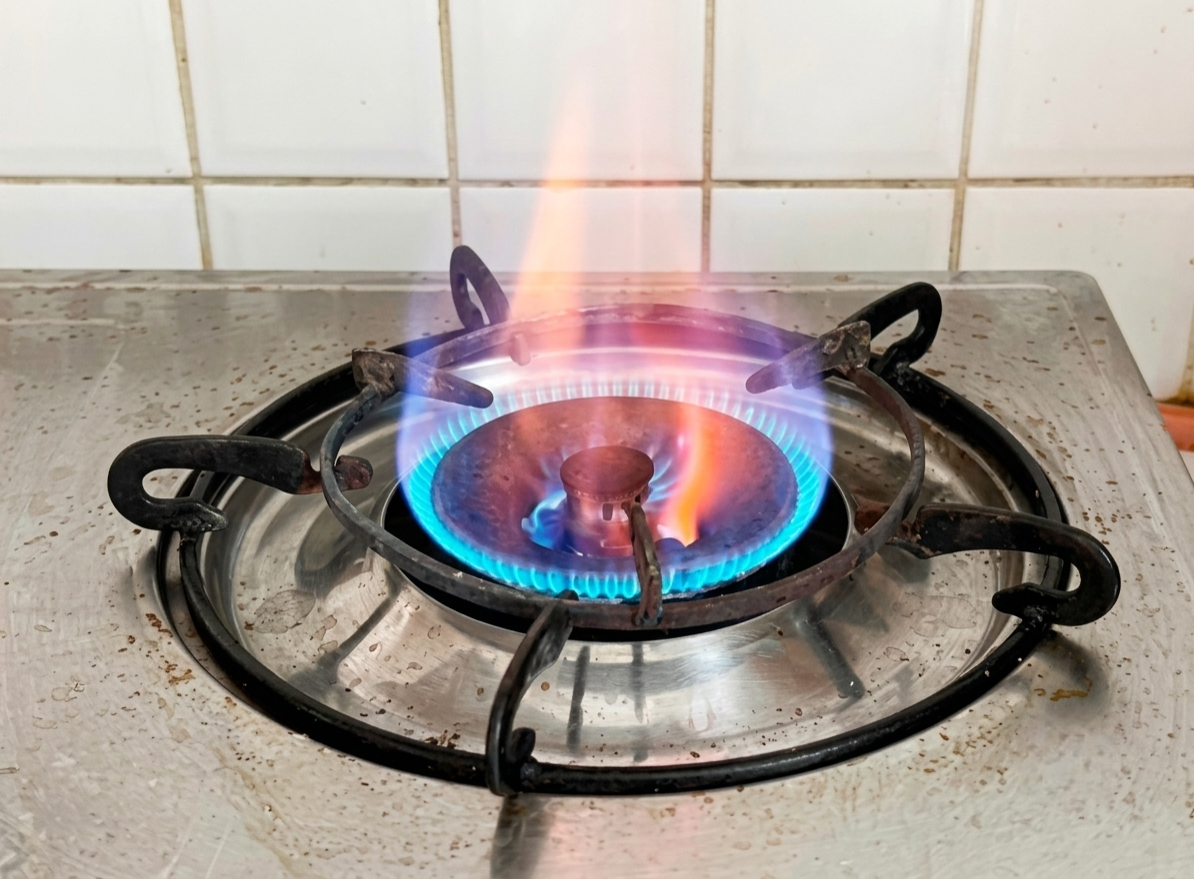
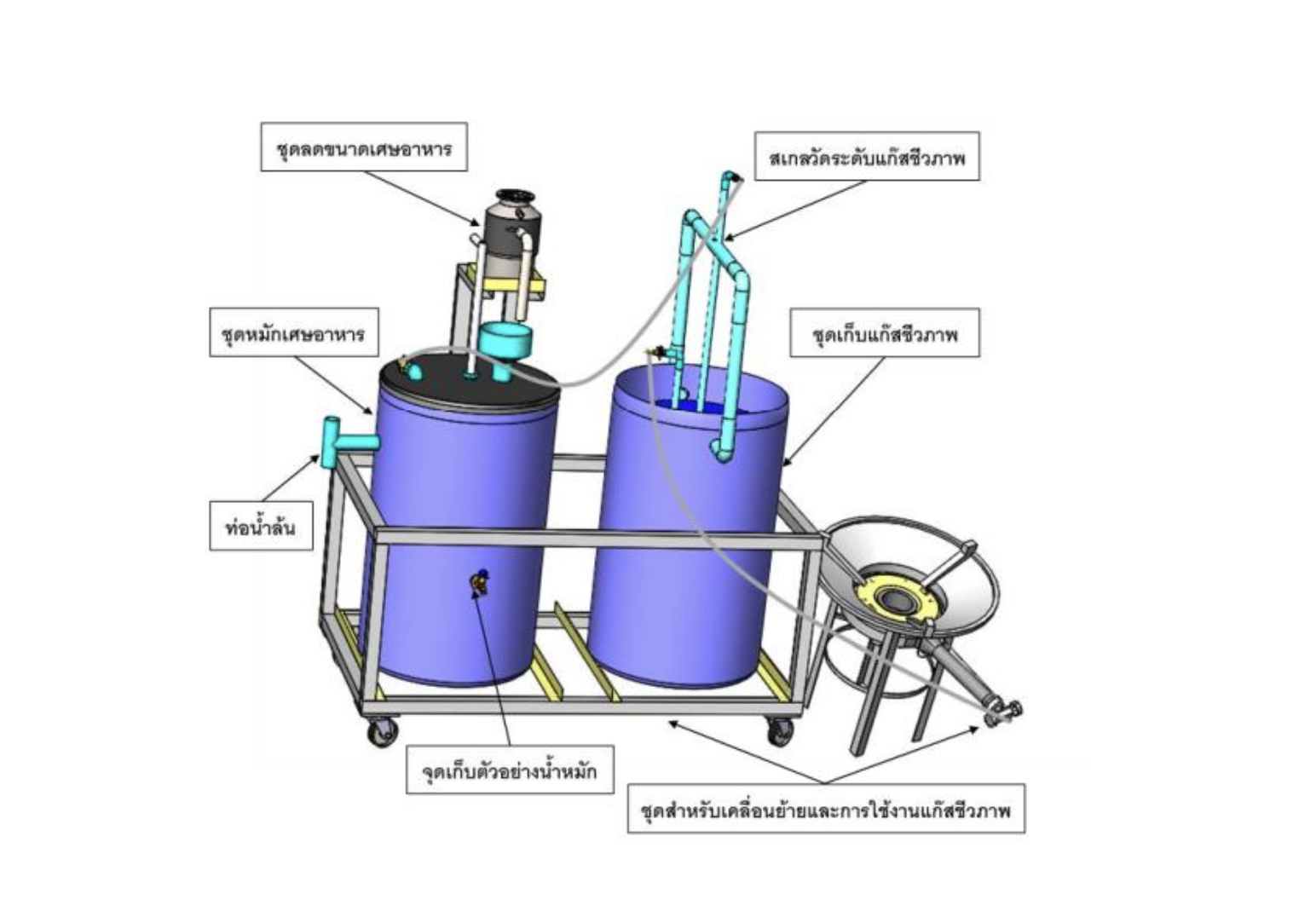
Biogas is another key renewable energy source utilized by University of Phayao. The university operates anaerobic digestion systems that process food waste and organic residues from canteens and laboratories. The system generates approximately 15 cubic meters of biogas per day, which can be used for cooking, heating, or small-scale power generation. Beyond energy production, the biogas system represents a circular economy approach, turning organic waste into usable fuel while simultaneously reducing landfill waste and methane emissions. This project also strengthens University of Phayao's research capacity in waste-to-energy technologies, microbial digestion processes, and sustainable resource management.
Biogas (Food waste)
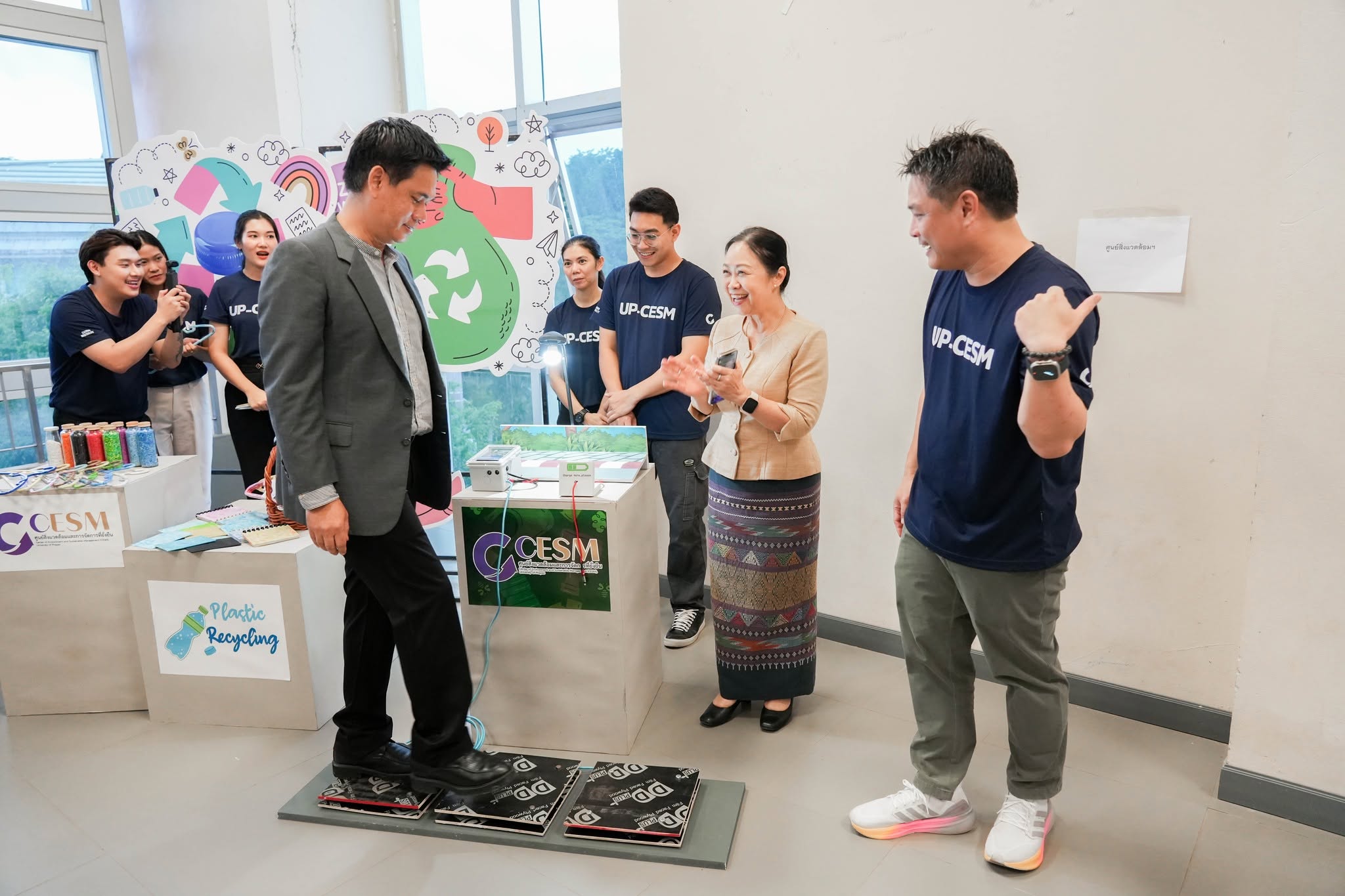
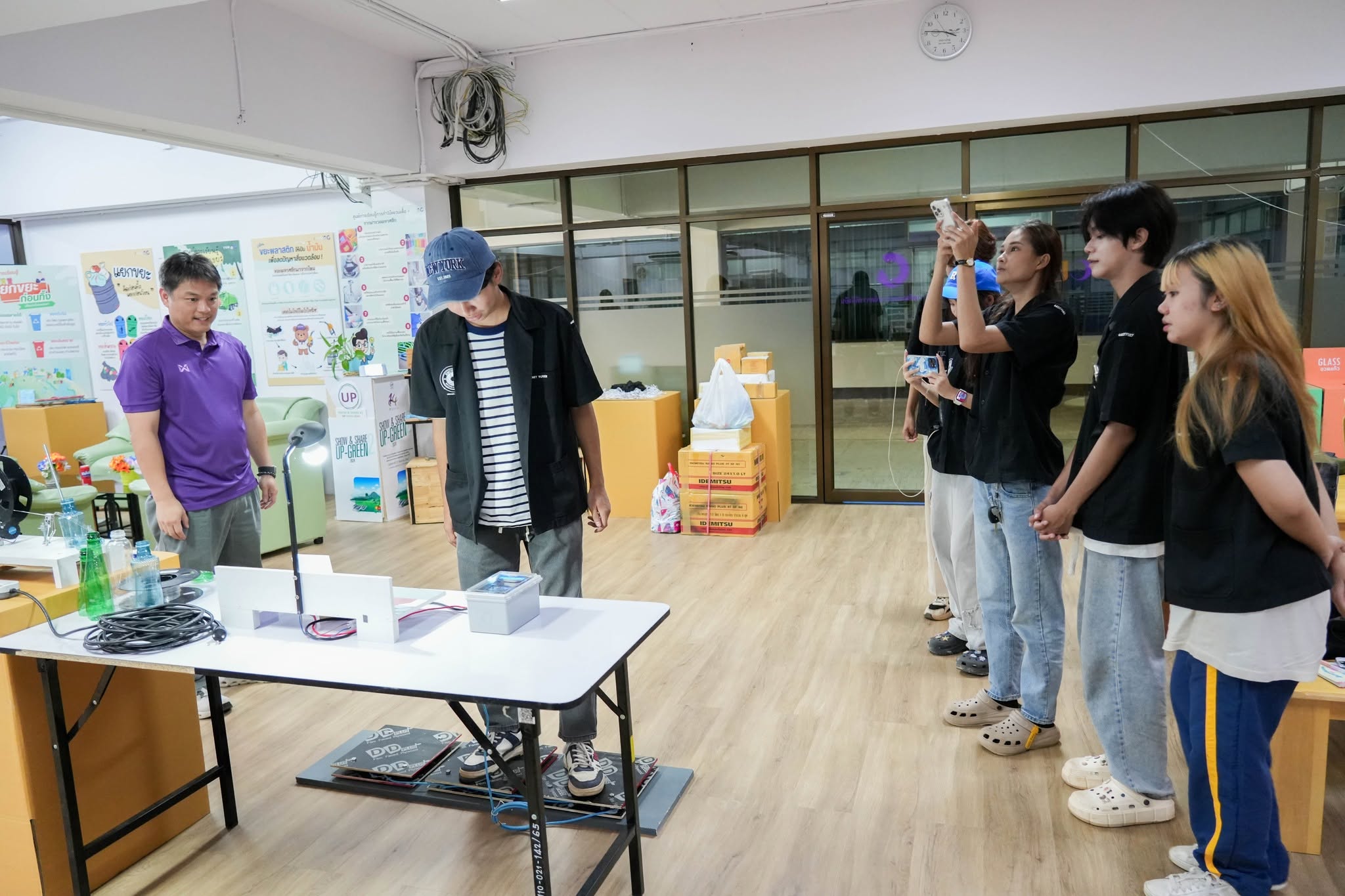
5. Energy from walking 10 kWh
6. Hydropower Demonstration Systems
University of Phayao has developed a small hydropower turbine with a capacity of 5 kW. This installation serves as a demonstration project for students and researchers, enabling them to study turbine design, water flow efficiency, and integration into microgrid systems. While its contribution to the overall campus electricity is limited, the project underscores University of Phayao's dedication to exploring diverse renewable energy sources suitable for different environments. By integrating renewable energy systems with the Metropolitan Electricity Authority (MEA) for campus electricity usage, University of Phayao significantly contributes to reducing the dependence on conventional fossil fuels while demonstrating a practical model of clean energy transition in an urban context. This integration allows renewable electricity generated on campus—such as from rooftop solar photovoltaic systems, wind turbines, and biogas facilities—to be connected to the national grid, ensuring both operational reliability and measurable reductions in carbon emissions. As a result, University of Phayao not only offsets a portion of its own electricity consumption but also lessens the overall demand for grid electricity generated from fossil fuel sources. In addition to promoting sustainable energy use, these initiatives transform the campus into a Renewable Energy Living and Learning Center, where renewable technologies are not only applied in practice but also actively incorporated into teaching, research, and community outreach. Faculty members and researchers are able to use the installed renewable systems as real-world laboratories for data collection, performance analysis, and technological innovation. Students gain first-hand learning experiences through monitoring, experimentation, and project development, which strengthen their academic knowledge while preparing them for careers in the energy and environmental sectors. Furthermore, workers and staff benefit from capacity-building programs that enhance their skills in renewable energy operation, maintenance, and energy efficiency management. This approach reflects University of Phayao's holistic vision of sustainability, which combines infrastructure development with academic excellence and knowledge transfer. By positioning renewable energy facilities as platforms for innovation and collaboration, University of Phayao demonstrates its role not only as an energy consumer but also as a national leader in renewable energy education and applied research. The installed renewable energy capacities and their corresponding resources at University of Phayao are summarized in the table above, providing a clear overview of the university's current contributions to sustainable energy production and its potential for future expansion.UP Carbon for a Sustainable University
University of Phayao has a policy to increase the use of renewable energy within the organization, as it is a clean energy source capable of reducing greenhouse gas emissions. The university follows the directives of the University of Phayao Energy Conservation Committee, with a target to manage renewable energy within the next 2-3 years. This includes supporting projects that produce and use renewable and clean energy, such as installing a solar farm with a capacity of no less than 6 megawatts. It also encourages various departments within the university to install solar rooftop systems to generate electricity, promoting the university as a learning center for renewable energy, providing energy-related training to students and staff, using modern and efficient technology and digital platforms to reduce energy costs, and building energy resilience to cope with future economic or energy crises. Renewable energy is a strategy for transitioning towards a sustainable energy system by reducing dependence on finite fossil fuel sources such as oil, coal, and natural gas, and moving towards clean and inexhaustible renewable energy. Key approaches to The UP Carbon for renewable energy development include:-
Solar Energy
- Installing solar panels to convert sunlight into electricity is one of the fastest-growing renewable energy sources. It can be installed both at the household level and at large-scale power plants.
- A significant approach is to reduce the cost of solar cell technology and to develop solar farms to produce large amounts of electricity.
-
Wind Energy
- Wind turbines generate electricity by converting the mechanical energy of the wind into electrical energy. Wind energy is a major renewable resource, especially in areas with strong winds, such as coastal or offshore regions.
- The development strategy focuses on increasing the efficiency of wind turbines, reducing installation costs, and enhancing the ability to manage intermittent energy supply.
-
Biomass Energy
- Biomass energy is derived from organic materials such as organic waste, plant residues, or wood, which can be used to produce energy by burning or converting it into biogas.
- The key approach is to improve the efficiency of managing agricultural and industrial waste materials to generate energy, reduce greenhouse gas emissions, and use sustainable energy sources.
-
Hydropower
- Using the flow of water from rivers or dams to generate electricity is one of the oldest forms of renewable energy.
- The development strategy involves building small to medium-sized hydropower plants to minimize environmental impacts and efficiently manage water resources.
-
Geothermal Energy
- This involves using the Earth's internal heat to generate electricity and thermal energy. It is a stable and highly efficient energy source, especially in regions with volcanic activity or underground heat sources.
- The approach focuses on research and development of deep drilling technologies and expanding geothermal energy use in potential areas.
-
Hydrogen Energy
- Hydrogen is a clean energy source. When used to generate electricity or as a fuel, it releases only water as a byproduct, rather than carbon dioxide.
- The development strategy involves advancing technology for producing hydrogen from renewable energy sources and creating the infrastructure for hydrogen storage and distribution.
-
Energy Storage
- To ensure the stability of renewable energy, it is essential to develop energy storage systems, such as batteries or other storage technologies, to store energy produced from renewable sources during off-peak periods. The development approach includes researching higher-capacity, lower-cost lithium-ion batteries and exploring other technologies, such as thermal energy storage.
-
Policy & Incentives
- Government policies play a crucial role in driving the development and use of renewable energy, such as tax incentives, support for research and development, and building infrastructure to support renewable energy technologies.
-
Private Sector & Community Involvement
- Collaboration between the public, private sectors, and communities is essential to promote investment in renewable energy and to raise awareness of the benefits of clean energy.