Impact of Setting and Infrastructure Programs in Supporting the SDGs
The university has implemented various infrastructure and environmental setting programs that directly contribute to the achievement of the Sustainable Development Goals (SDGs). The key programs include the construction and revitalization of energy-efficient buildings based on green building principles, equipped with natural lighting and ventilation systems, as well as solar panels for renewable energy.Green Building
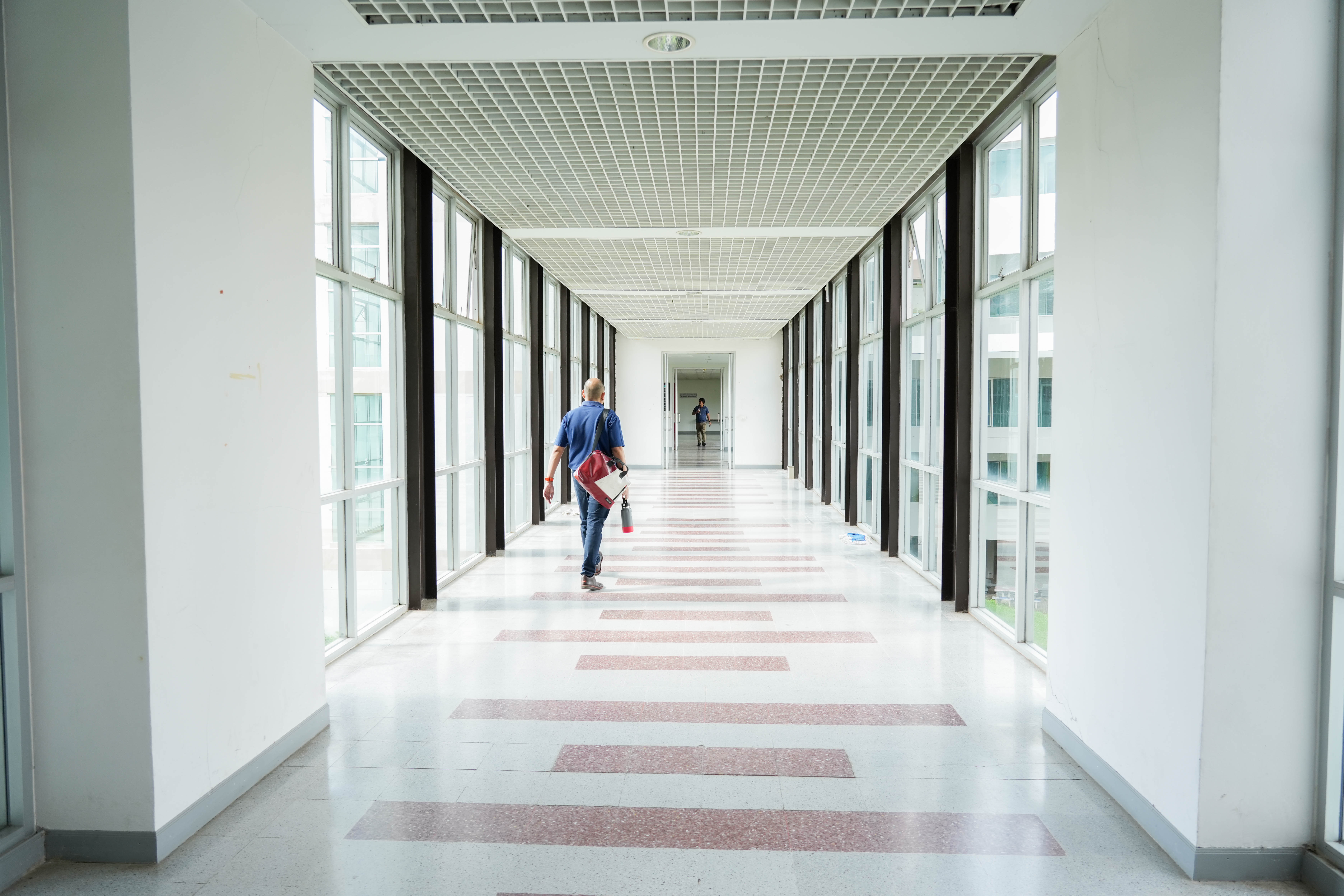
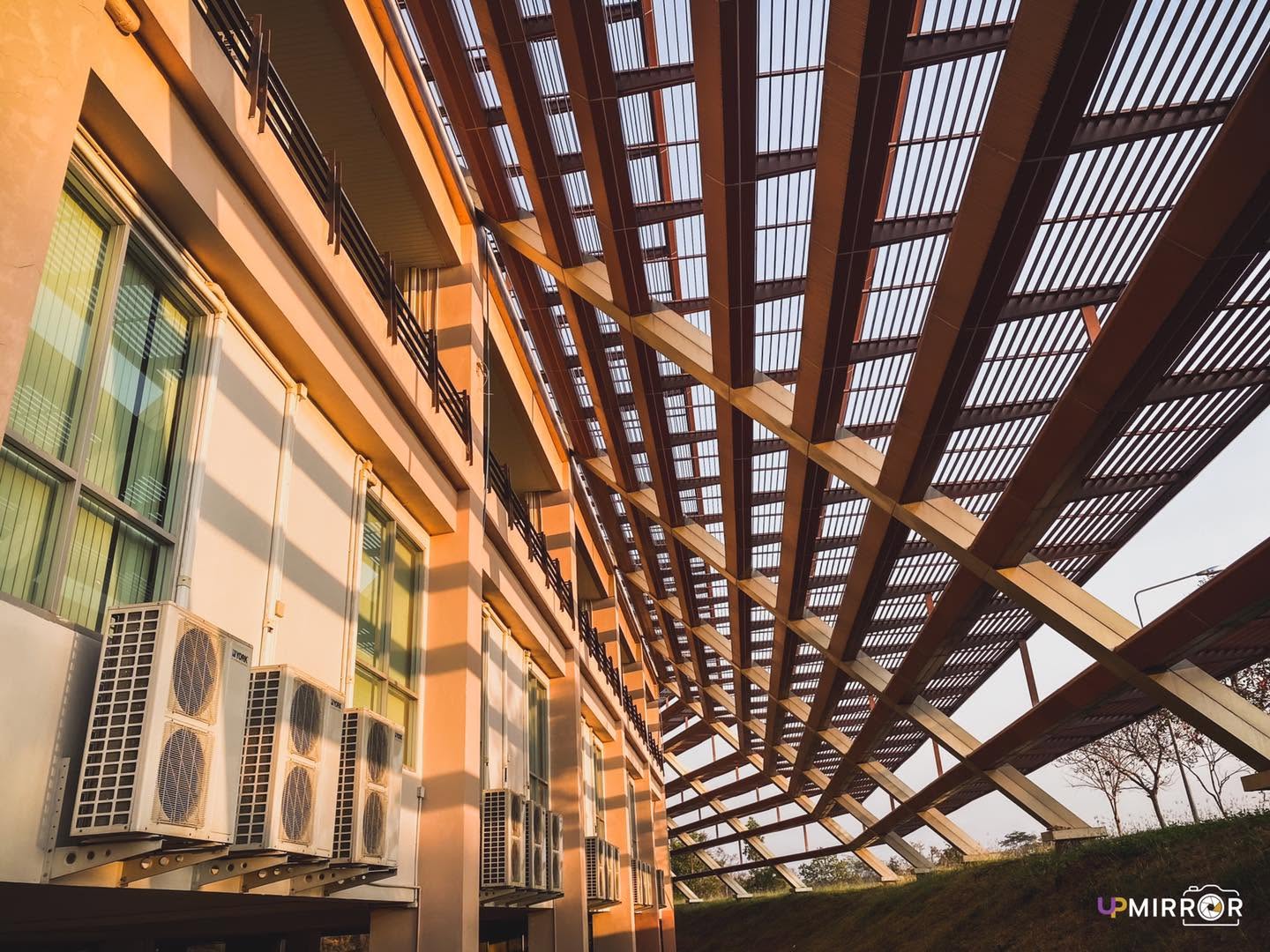
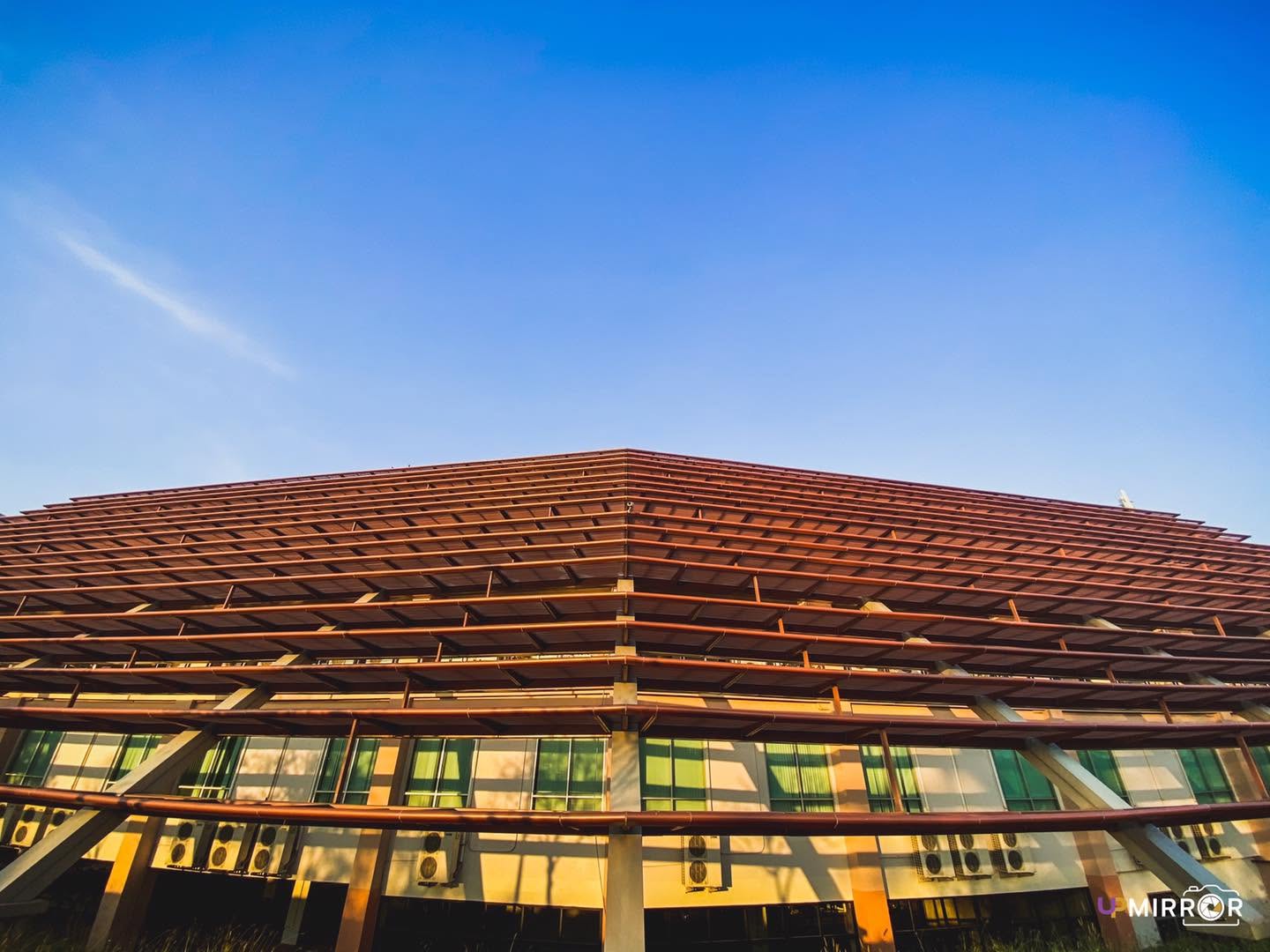
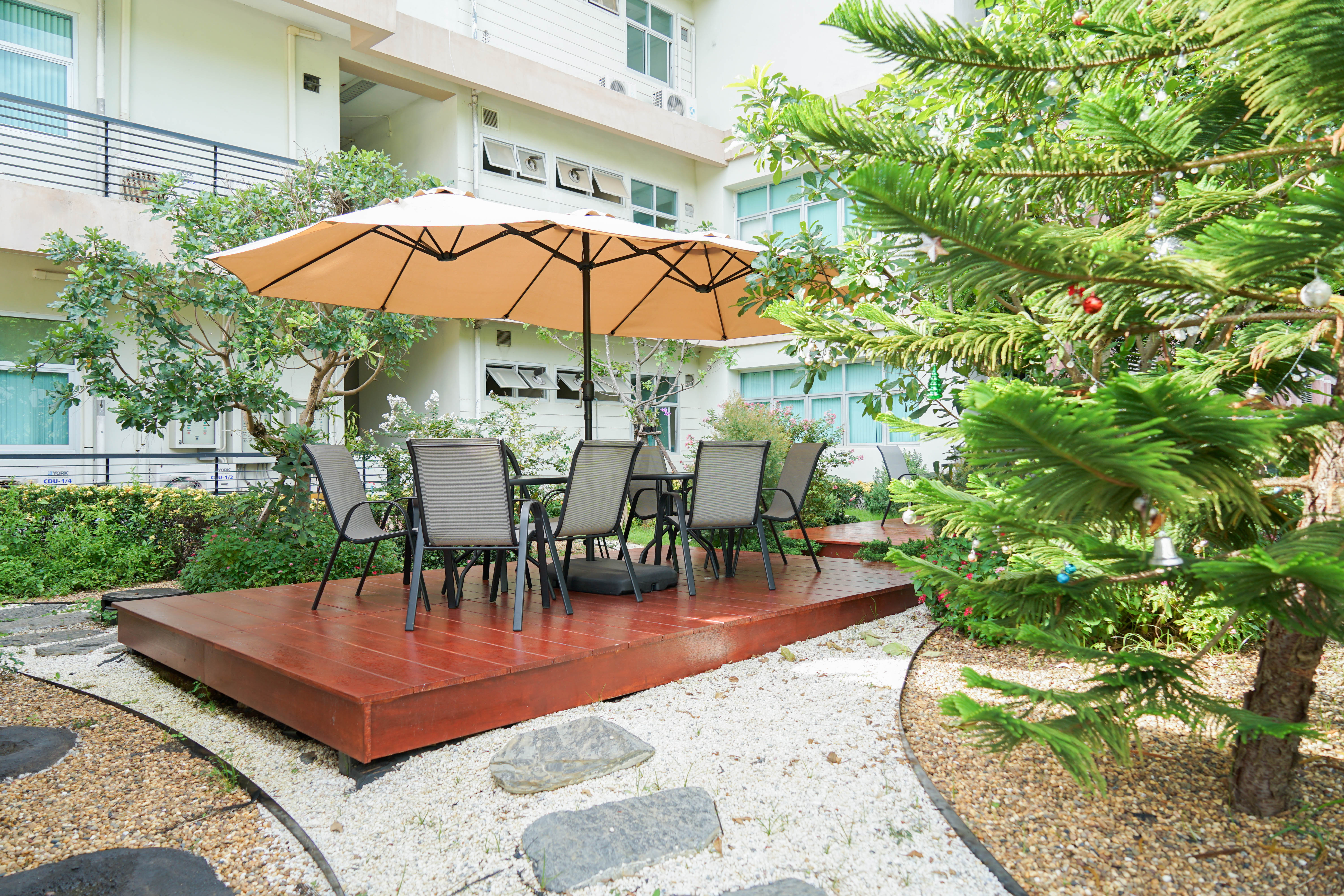
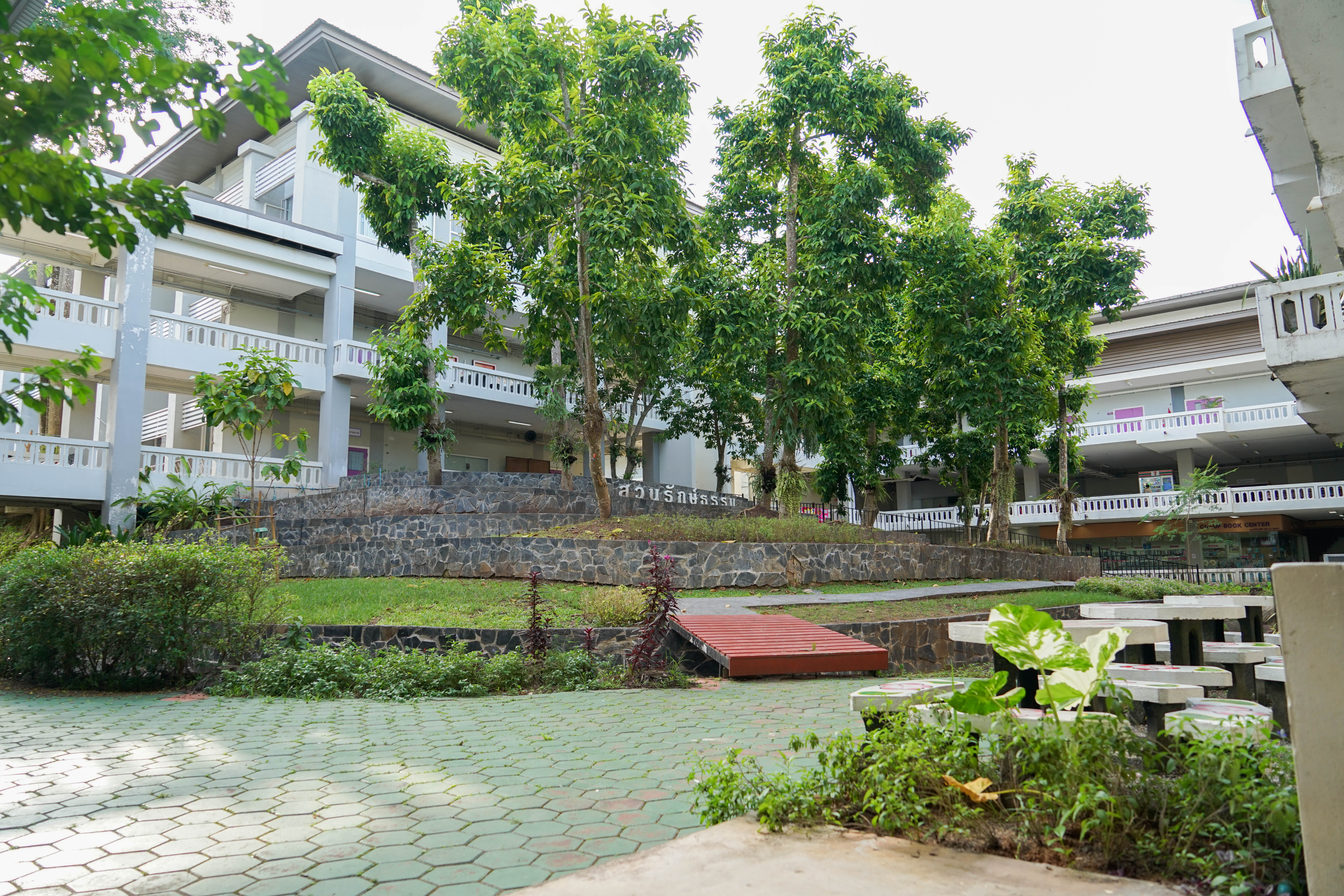
A Green Building is designed, constructed, and operated with the objective of minimizing environmental impact while promoting the health and well-being of its occupants. These buildings prioritize the efficient use of natural resources, energy conservation, and long-term sustainability. The key components of Green Buildings are as follows:Natural Ventilation: Buildings are designed with good airflow and ventilation, utilizing wind channels and air circulation systems to reduce the need for air conditioning.
Maximizing Natural Lighting: The design of the building incorporates large windows and heat-reflective glass panels to maximize the use of natural light, reducing the reliance on artificial lighting and electricity consumption.
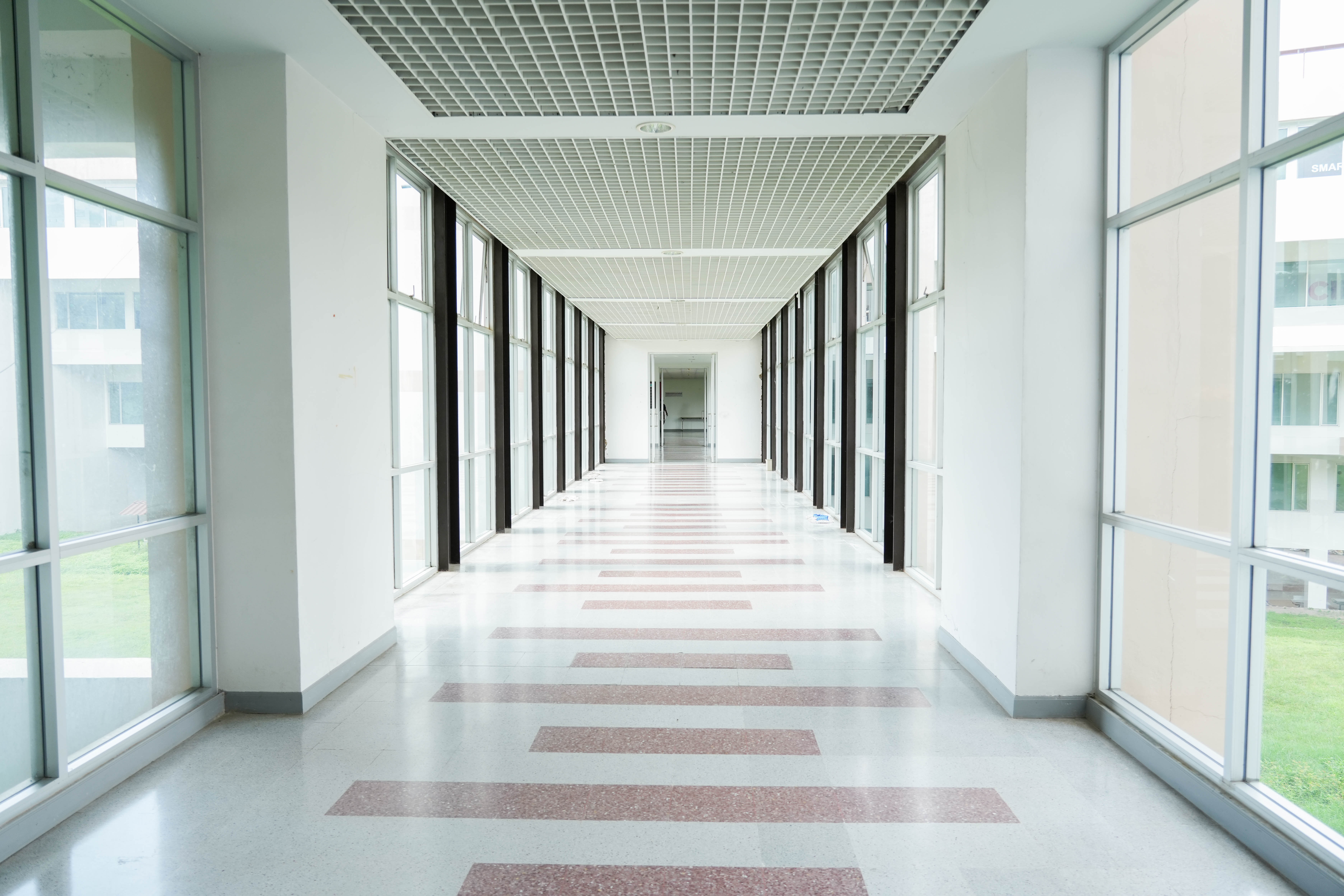
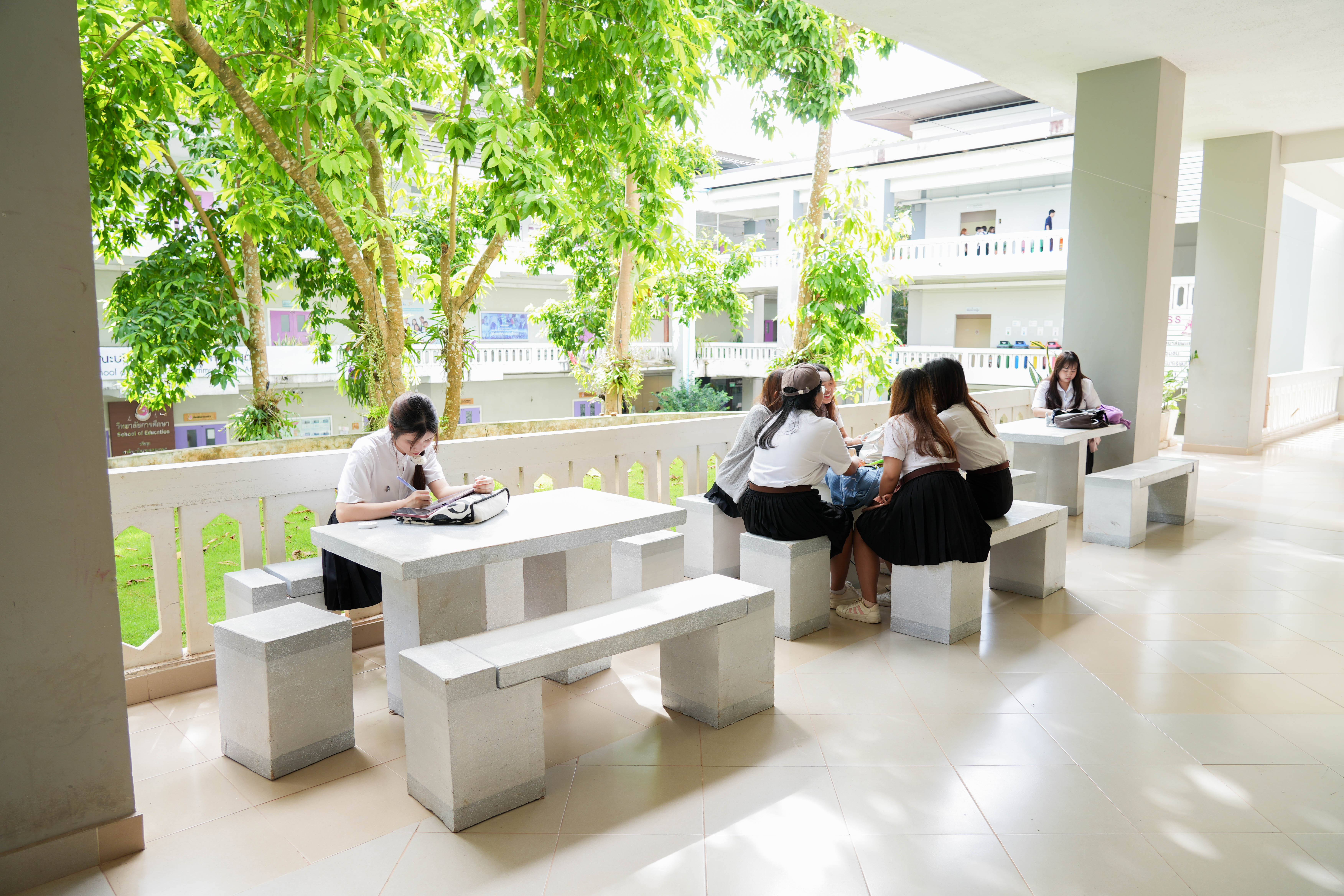
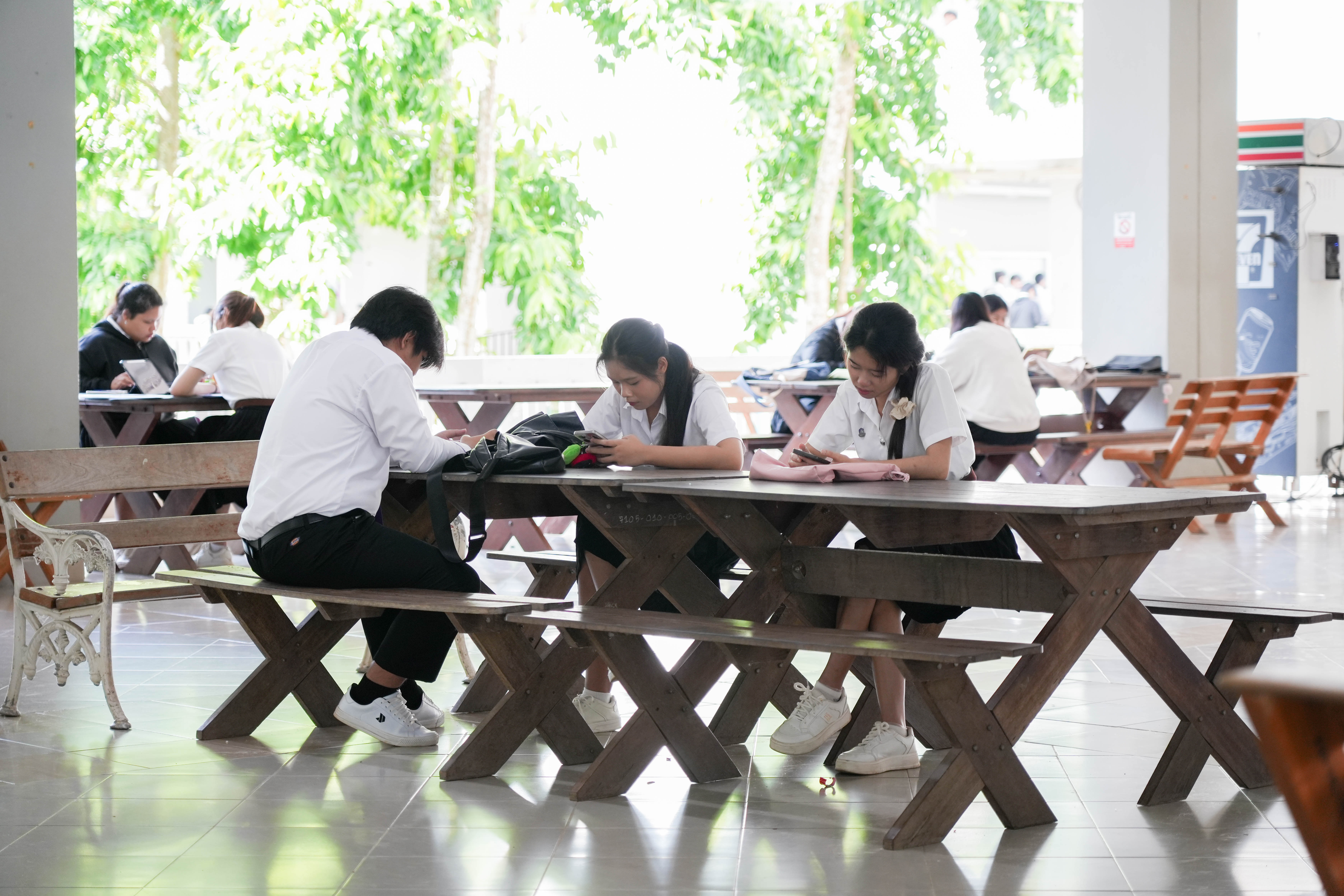
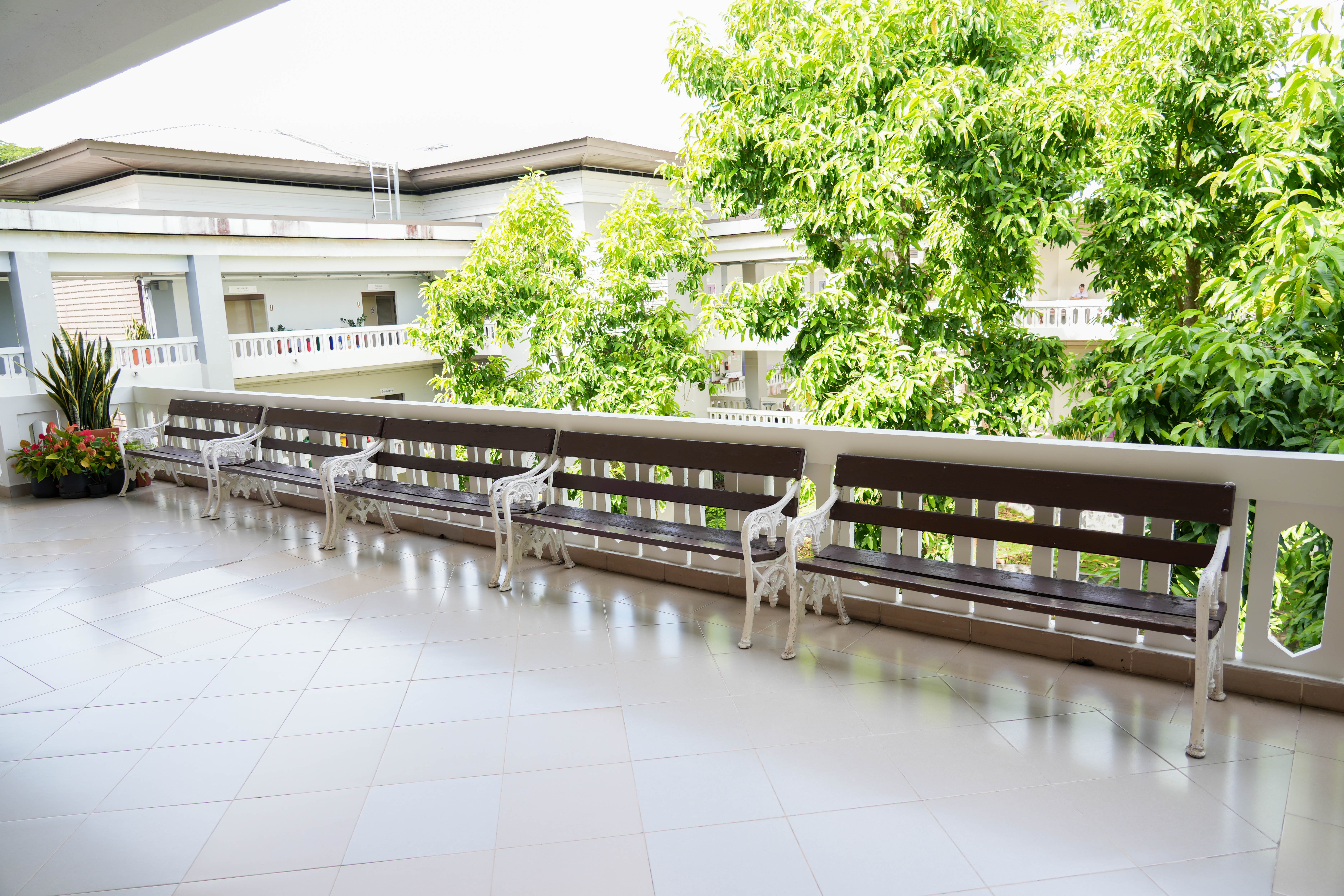
Solar Energy
Installing solar panels to convert sunlight into electricity is one of the fastest-growing renewable energy sources and can be installed both at the household level and at large-scale power plants. A significant approach is to reduce the cost of solar cell technology and to develop solar farms to produce large amounts of electricity. University of Phayao operates a solar PV power station with a total capacity of 3.5 MW.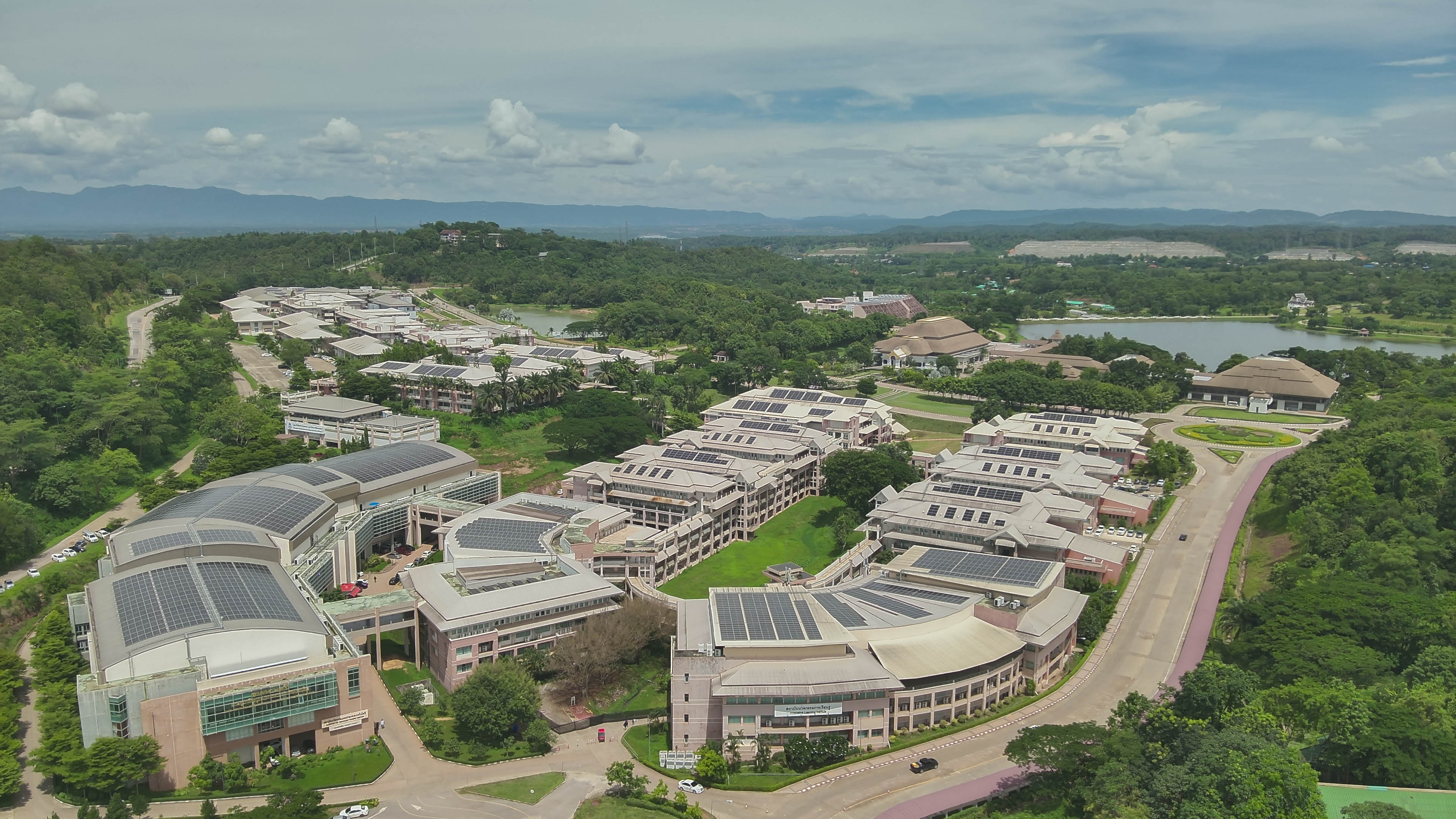
Rainwater Harvesting and Water Management
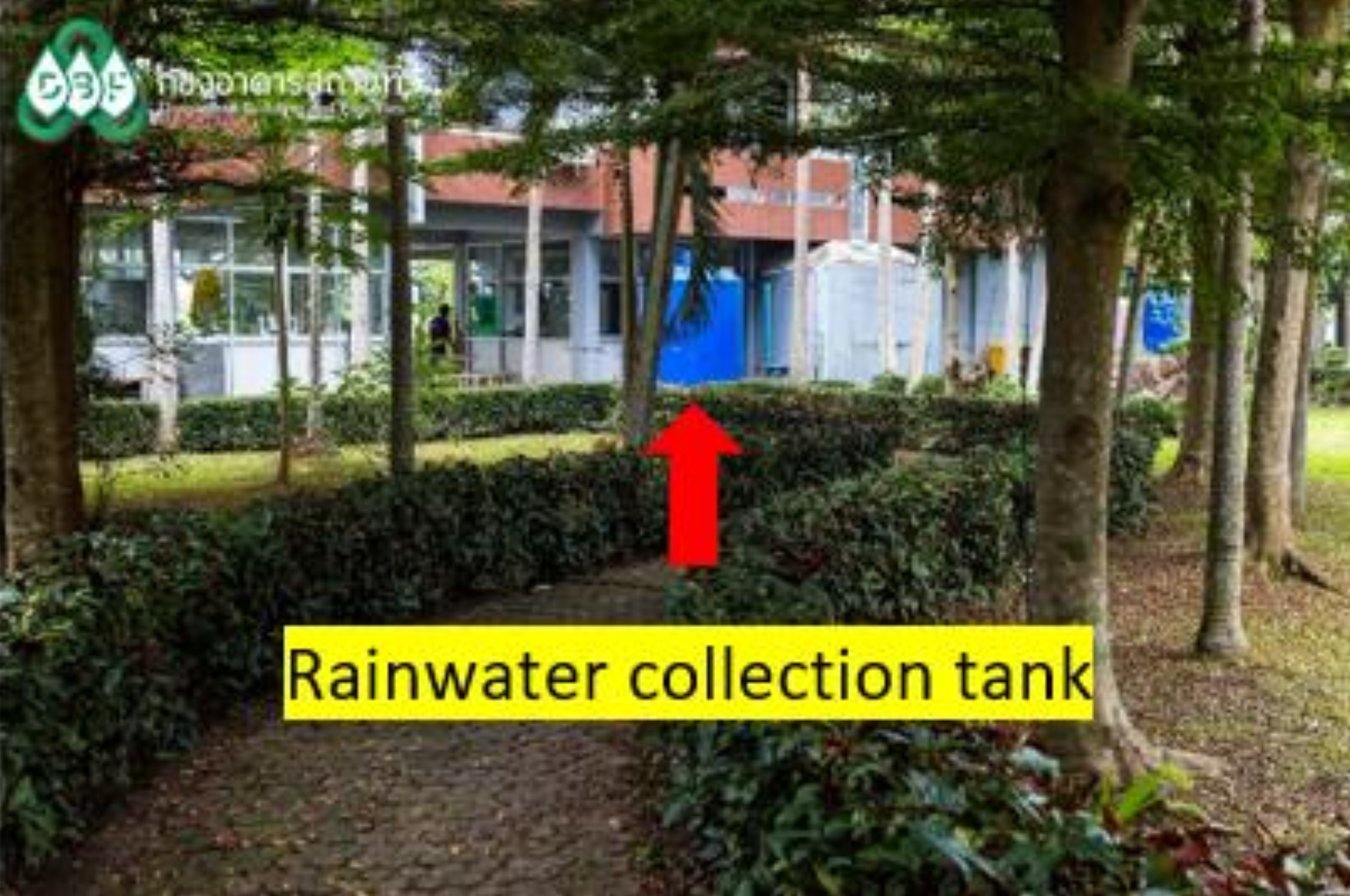
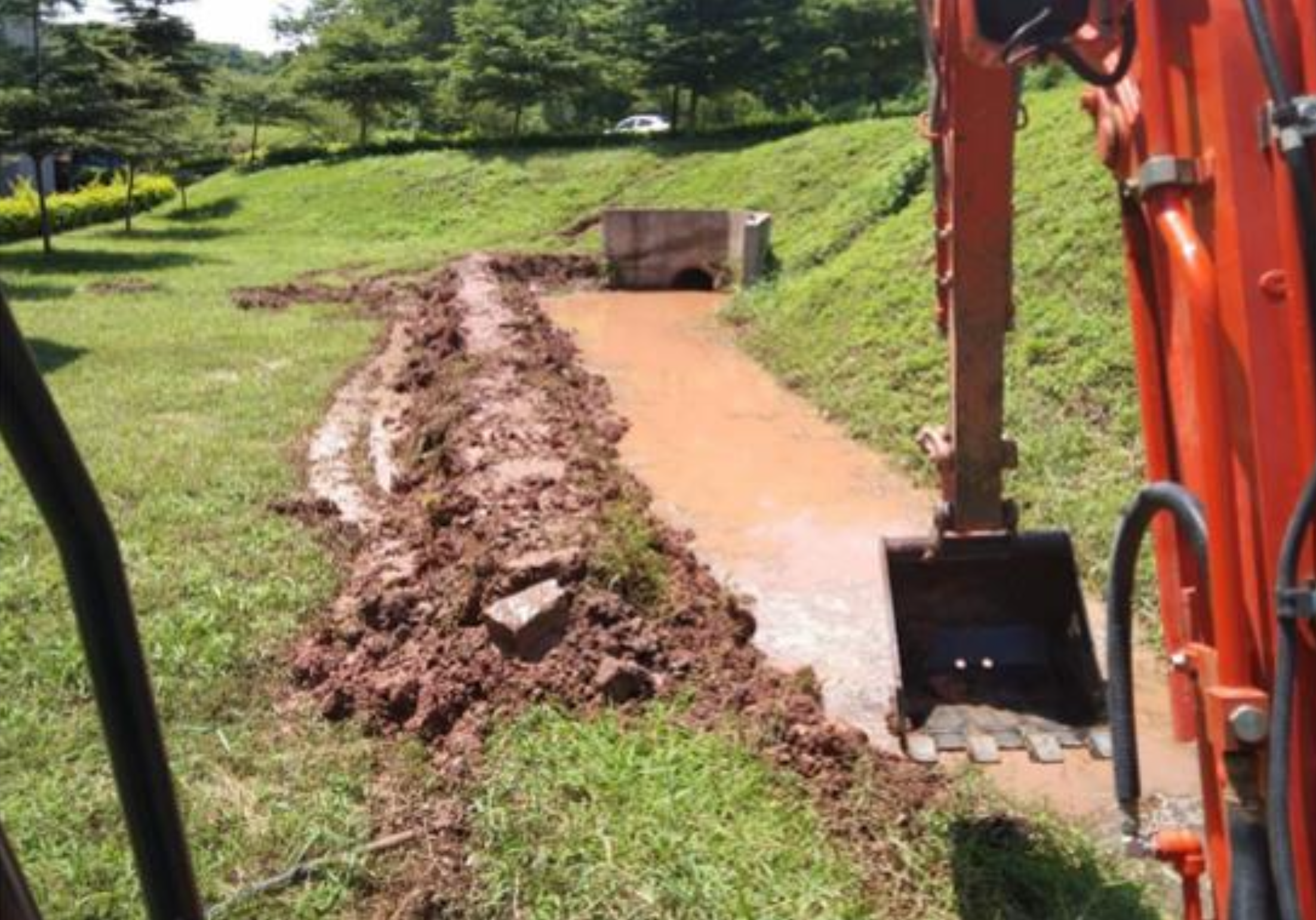
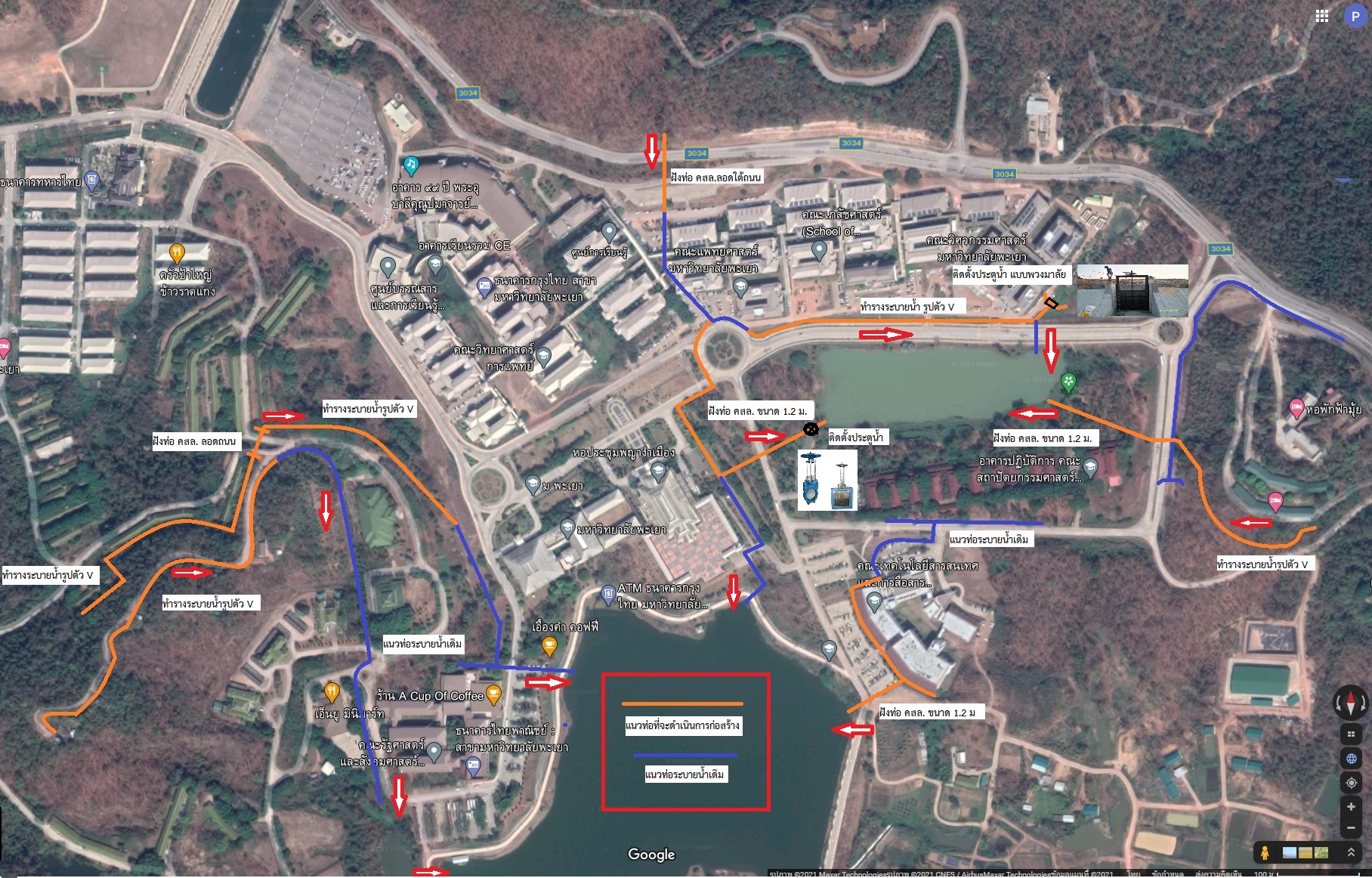
University of Phayao has implemented rainwater harvesting systems and infiltration wells to manage stormwater and conserve groundwater. Rainwater harvesting systems are provided for the accumulation and storage of rainwater instead of allowing it to run off. As a well-designed water harvesting system, the university can cut down the cost of irrigation construction, using water from rainwater harvesting to irrigate plants and reduce campus dependence on tap water.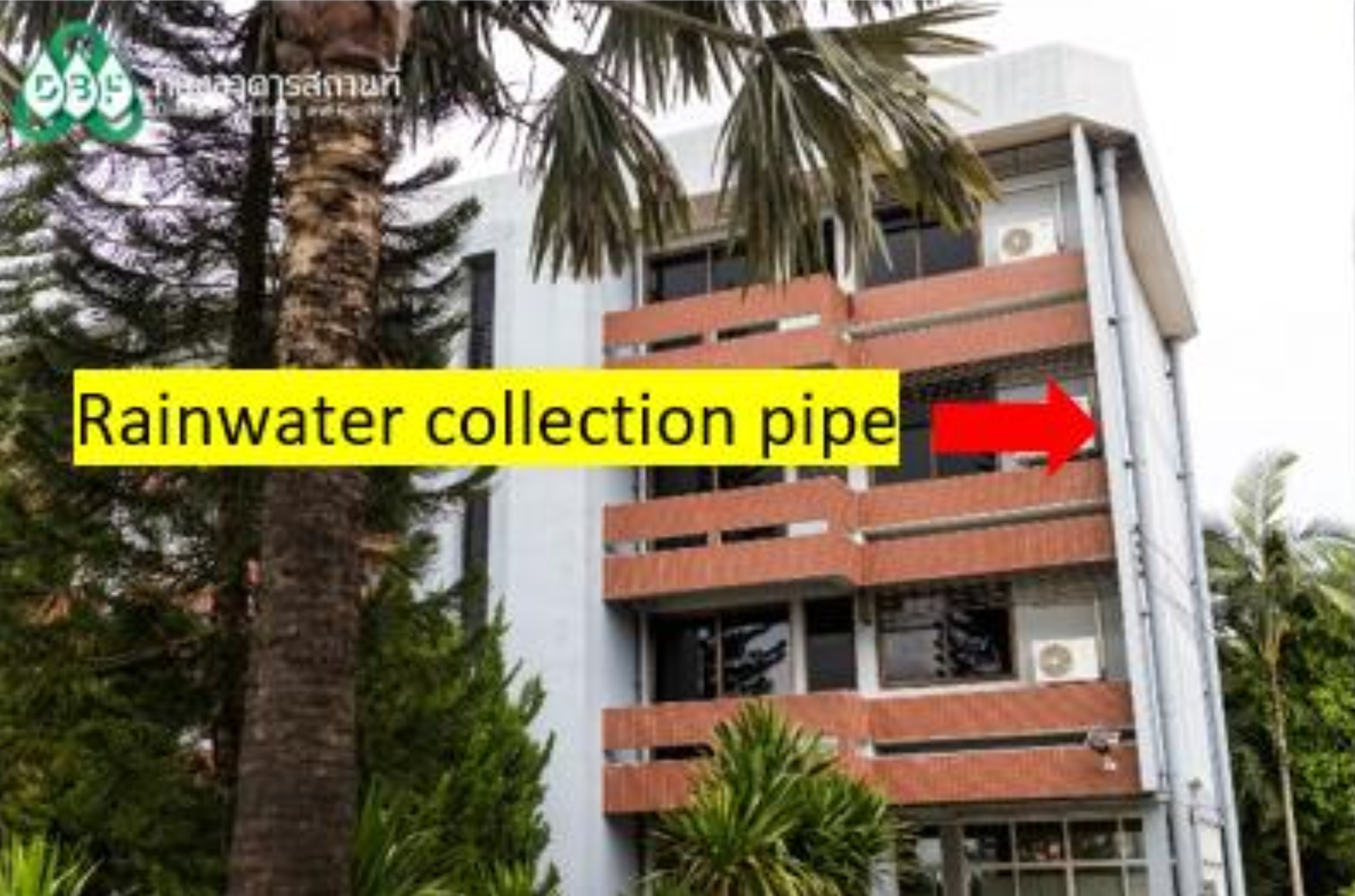
Pedestrian Walkways, Bicycle Lanes, and Low-Emission Mobility
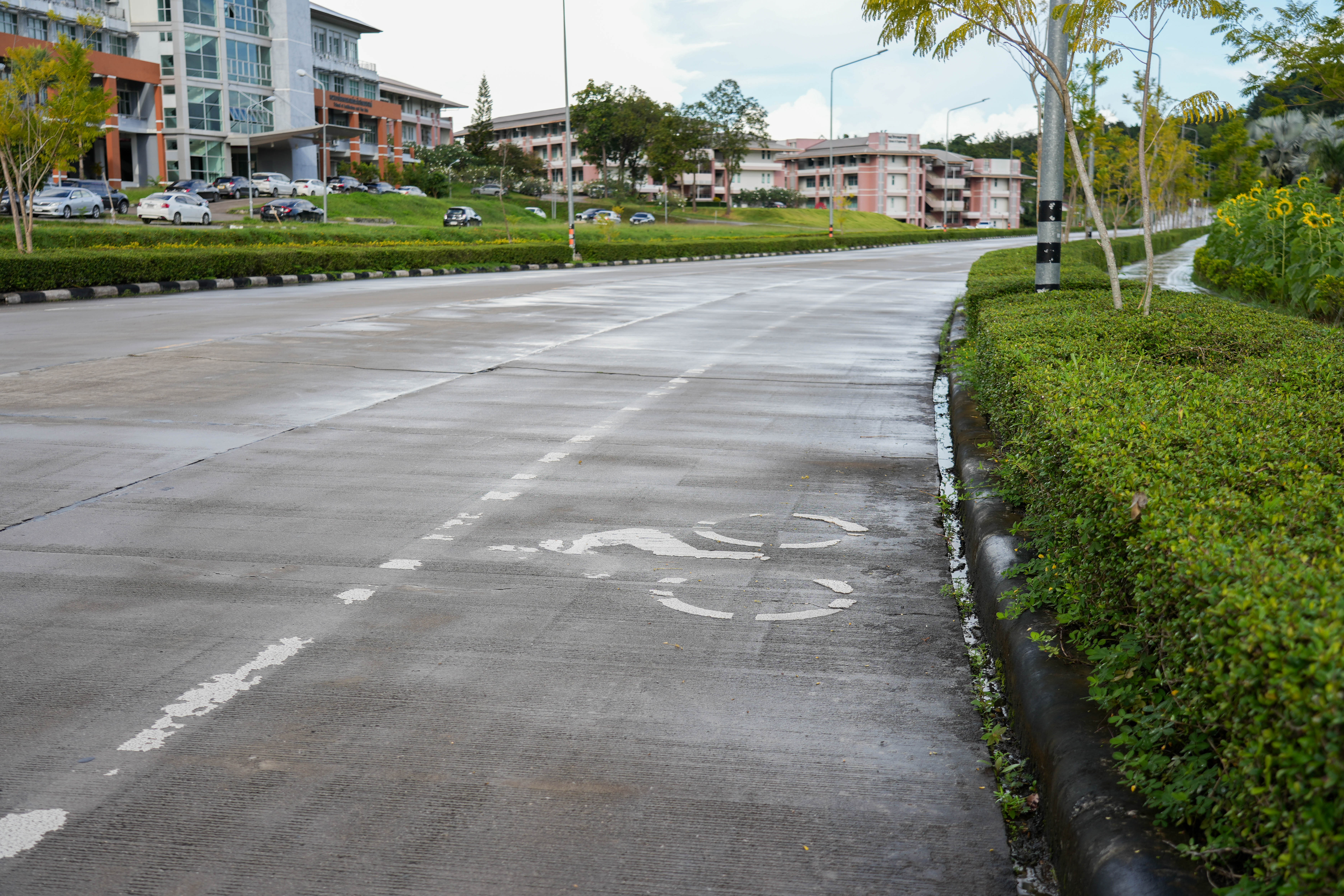
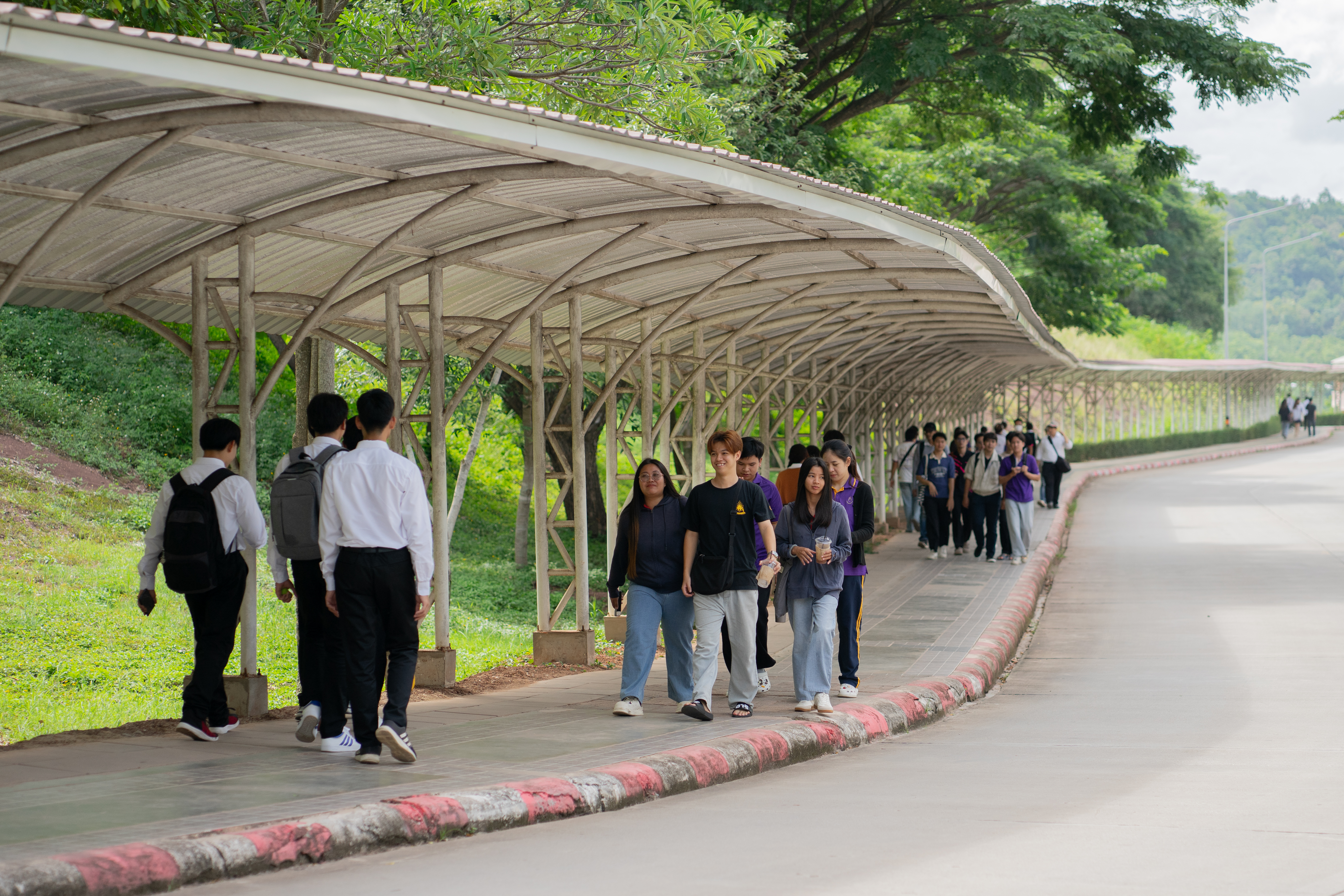
All University of Phayao sites are cyclist and pedestrian friendly, with many vehicle-free paths for these users. There is a 5 mph speed limit on all internal roads, and cycle paths on the public roads, with cycle racks in a variety of designs available at all sites. The university offers free showers to cyclists, runs a "Cycle to Work" scheme for staff, and encourages cycling through a number of services, events, and groups, as well as providing free bikes to students.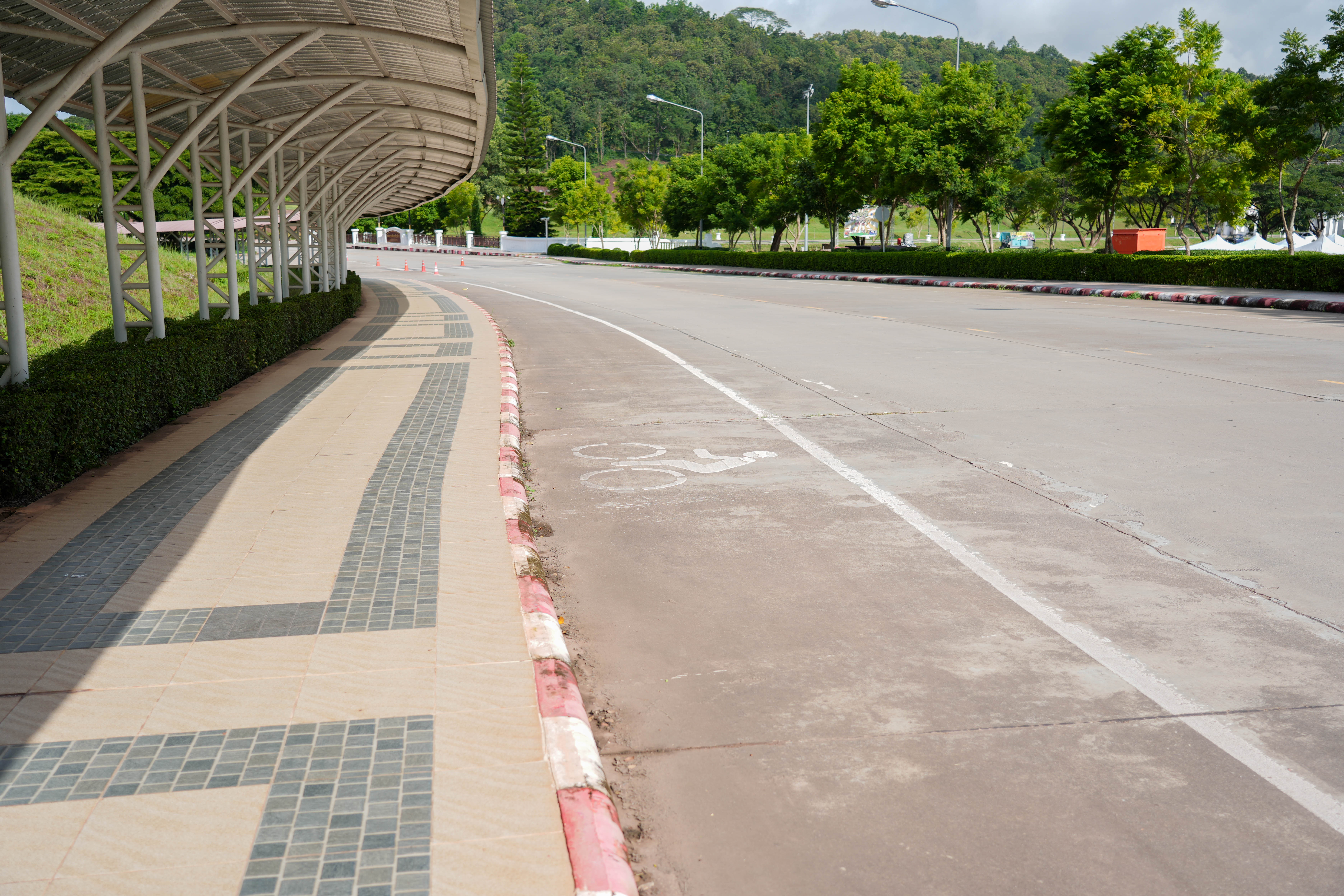


Utilization of Digital Technology
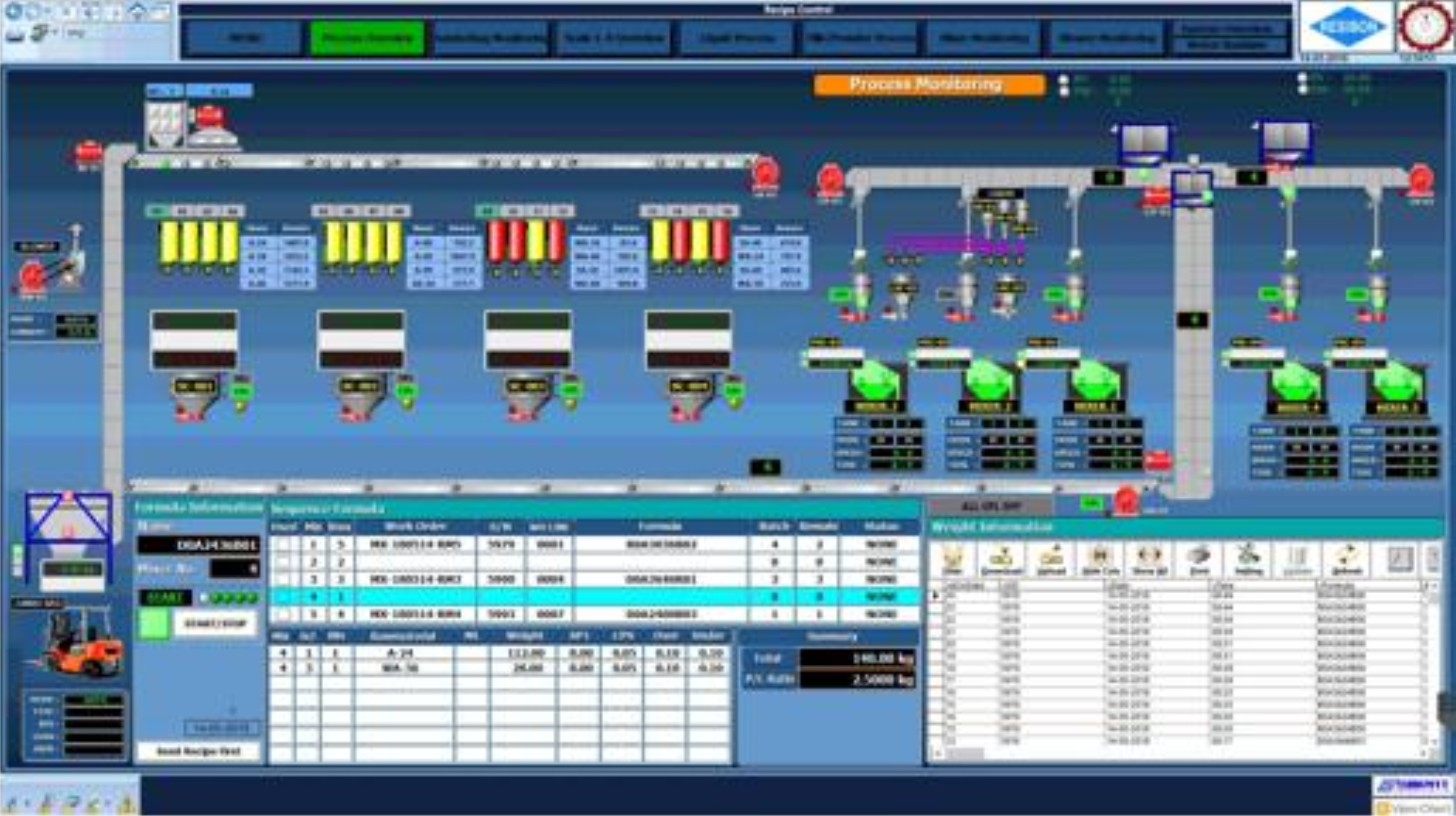
The university uses digital technology to monitor energy and water consumption and to manage infrastructure assets sustainably. It operates a digital water supply system that allows it to monitor water usage at every location and determine whether the water meter is functioning properly. The online system allows relevant officials to review operations at any time and notifies users immediately if an anomalous operation occurs, such as a broken or leaky pipe, so that officials can enter the area right away to check or make repairs.The Division of Buildings and Facilities launched a digital water meter project to enhance the university's standard to the digital era and improve the quality of life of students and staff, installing digital water meters at 40 points covering areas around the campus.
Motor-Vehicle-Free Zones
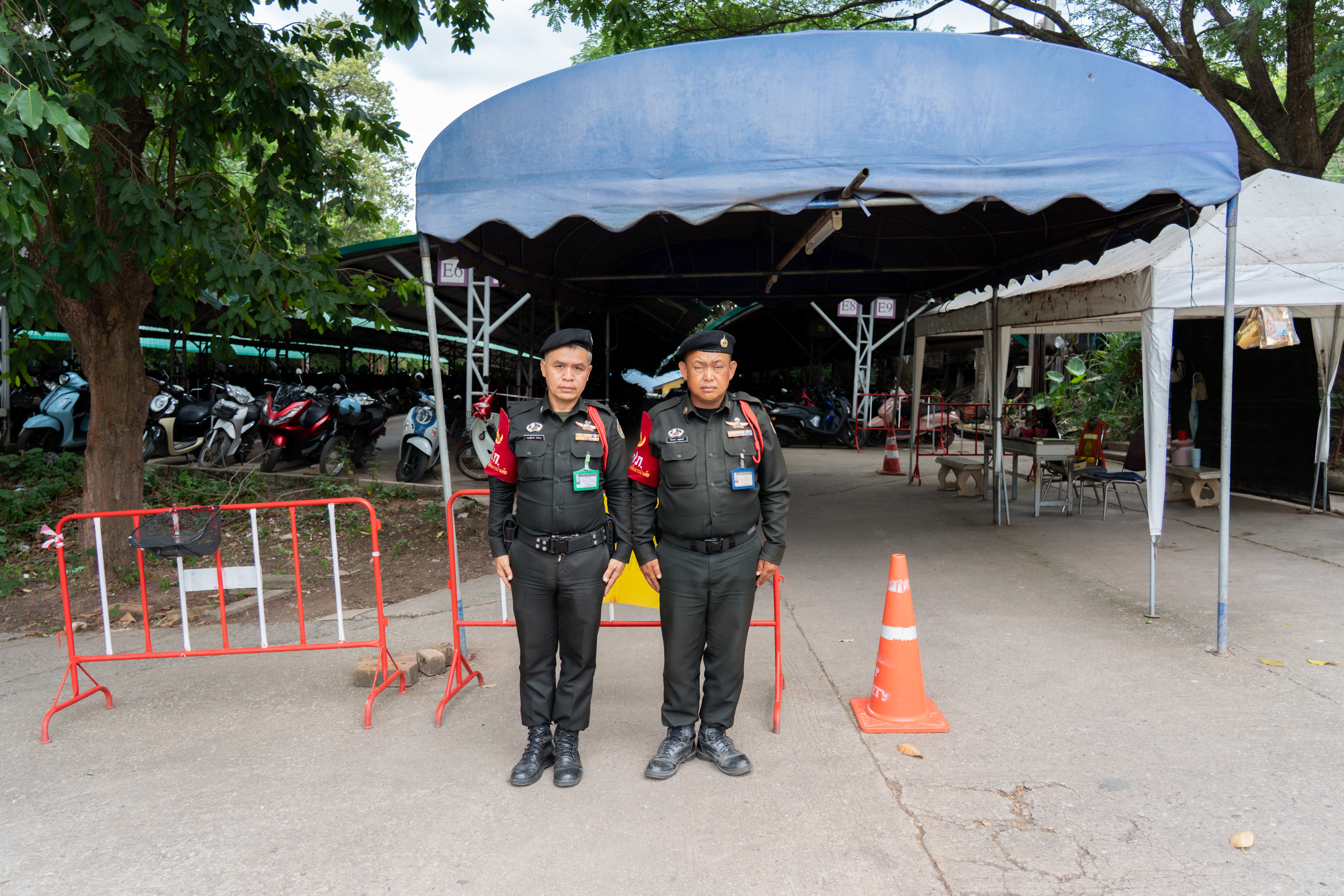
University of Phayao has established motor-vehicle-free zones in certain campus areas to promote green mobility and reduce emissions, with limited parking space managed through a parking card system. The university has guidelines to reduce vehicle use within campus by limiting parking in the lots of various buildings to personnel who hold a permit from the university to use the parking area. Security officers are stationed in the parking areas of various buildings to inspect incoming cars and maintain the safety of personnel's property.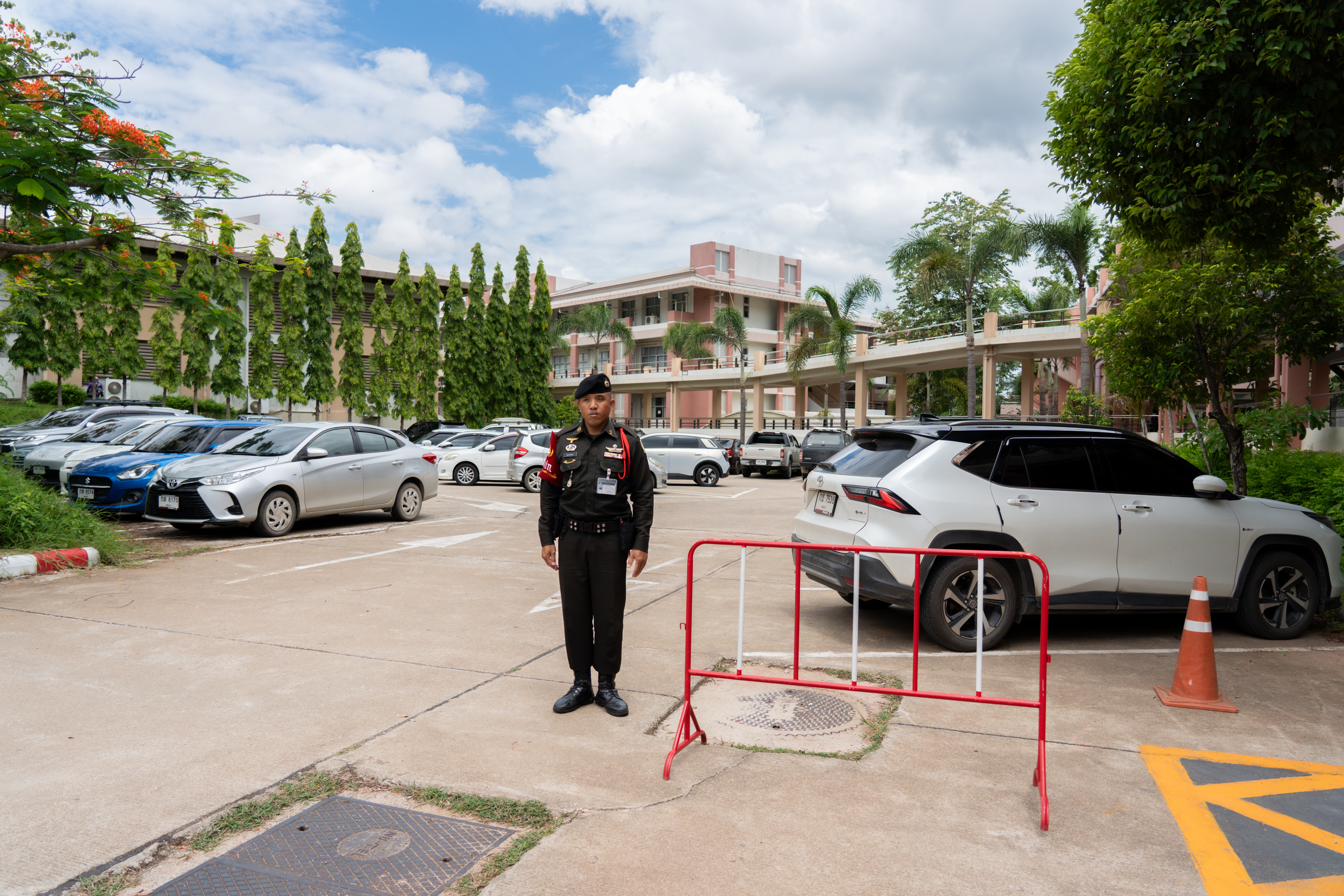


Supporting the Sustainable Development Goals
These setting and infrastructure programs support the following SDGs: 1, 3, 4, 5, 6, 7, 8, 9, 10, 11, 12, 13, 14, 15, and 17, addressing key aspects such as poverty alleviation through equitable access to public space and facilities, good health and well-being, quality education, gender equality, clean water and sanitation, affordable and clean energy, green economic growth, resilient infrastructure, reduced inequalities, sustainable cities and communities, responsible consumption and production, climate action, and the protection of terrestrial and aquatic ecosystems, as well as global partnerships.