University of Phayao has converted all conventional water taps, showerheads, and bidets across campus to eco sensor water-saving fixtures. Under the university's purchasing guidelines, every new water appliance must obtain a green certificate or green label before being approved for purchase, whether for new construction or for any project. These eco-friendly appliances play an important role in water conservation, helping the university reduce piped water usage by more than 85,000 m³ per year.
Target: 100% of water-efficient appliances usage on campus by 2030.
Result: 86.33% completed for water-efficient appliances usage on campus.
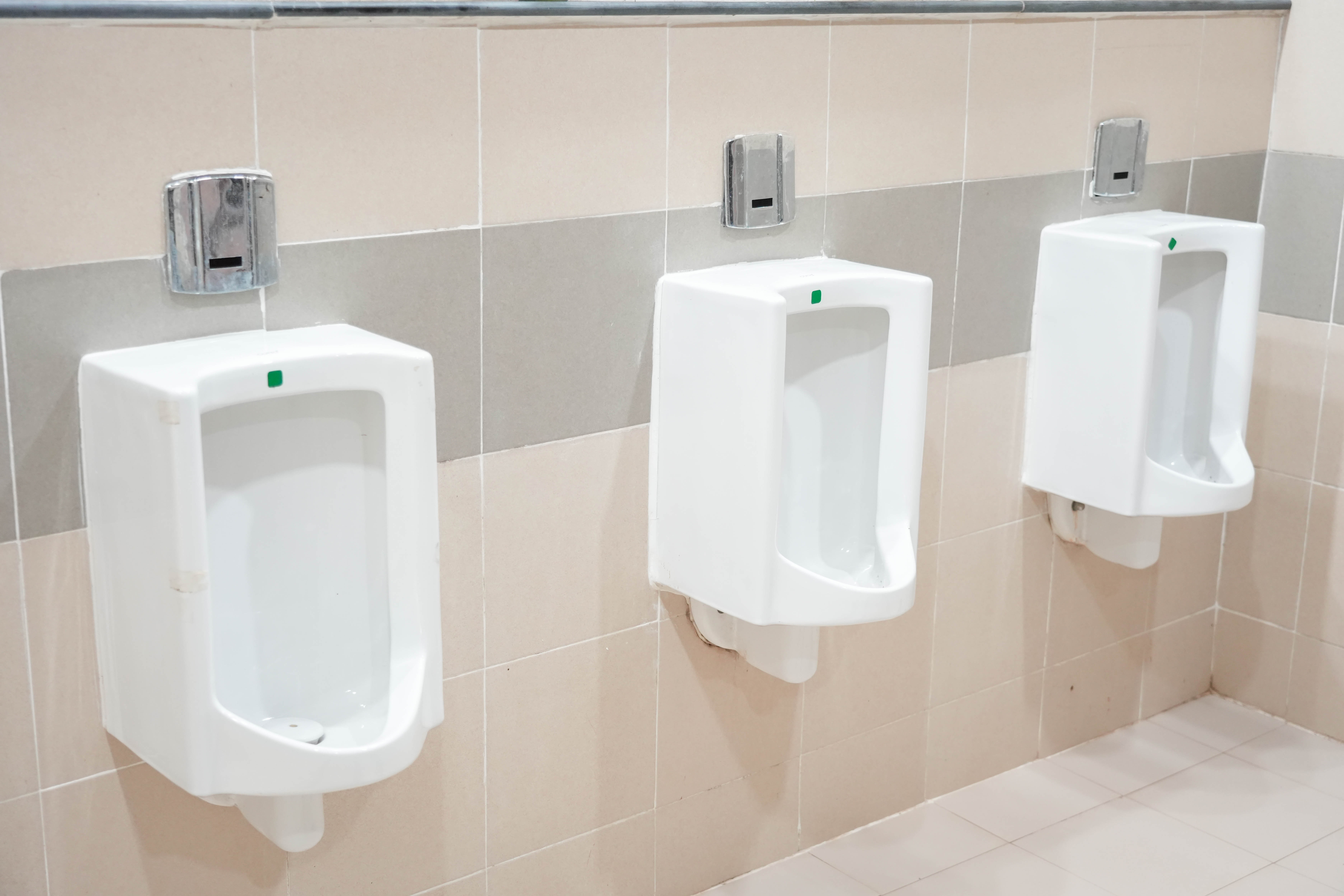
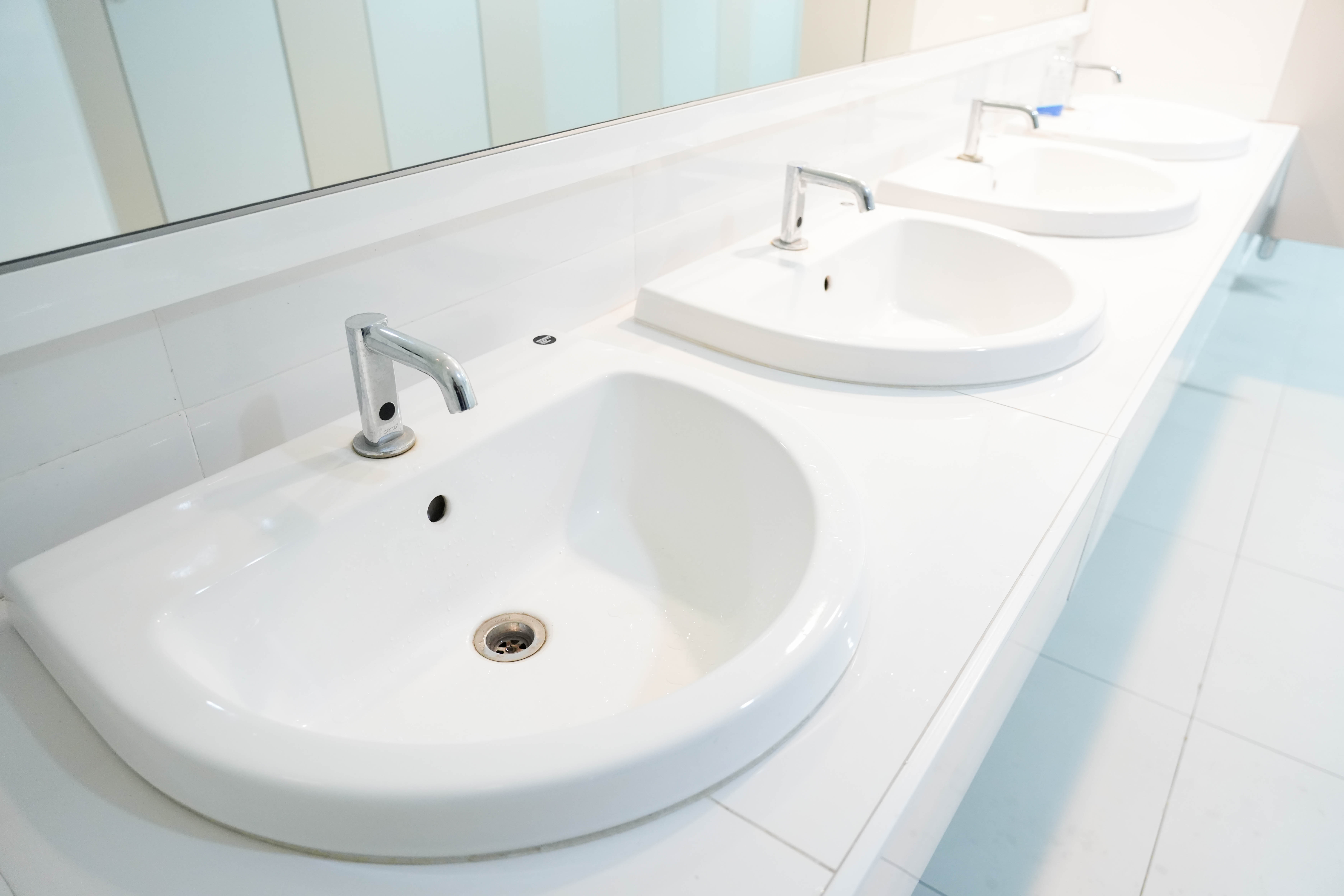
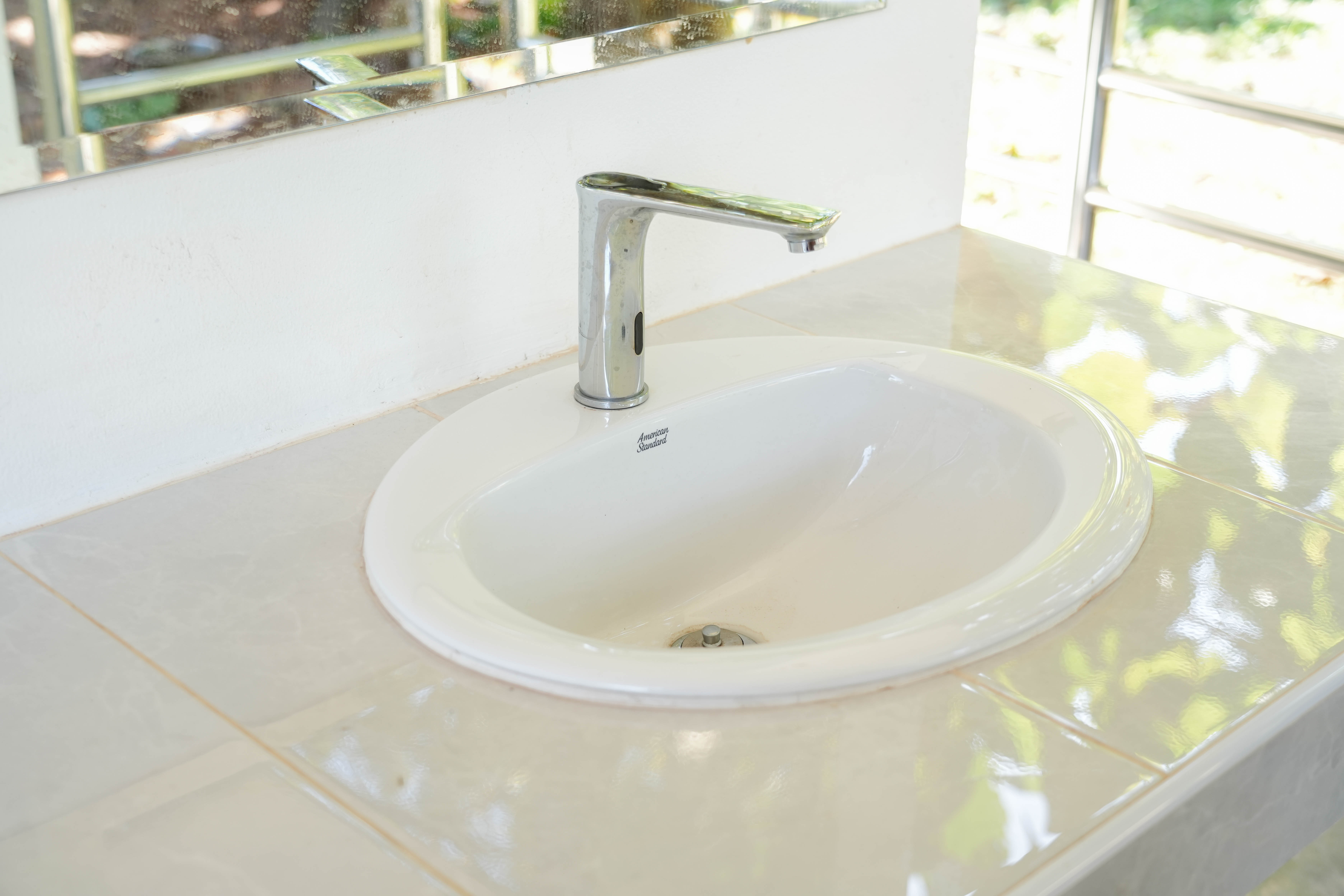
University of Phayao has a policy to use sanitary ware that is efficient in saving water, and is committed to regularly maintaining sanitary ware to increase efficiency. Water conservation measures include waterless urinals, low-flush WCs, low-flow taps, water taps, toilet flushes, and automatic taps.
University of Phayao encourages faculties, departments, and offices to use water-efficient appliances, and considers acquiring water-saving materials and equipment as well as products with an environmental and water-saving policy. Bathroom equipment, including faucets, sink faucets, sanitary ware, and urinals, has been changed to water-saving or highly efficient water-use equipment, with 86.33% completed from a total of 27,268 devices (23,172 out of 27,268 devices).
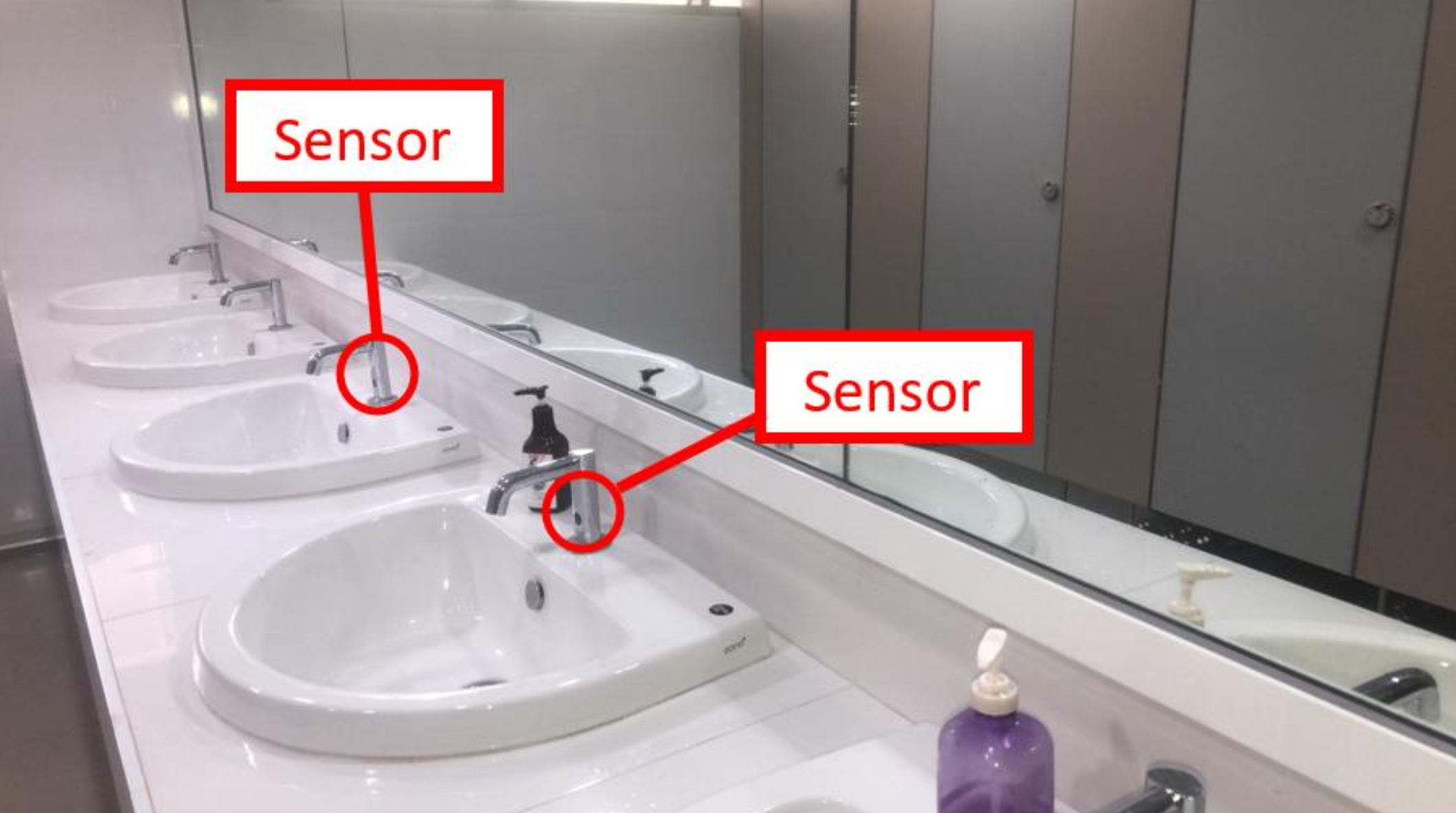
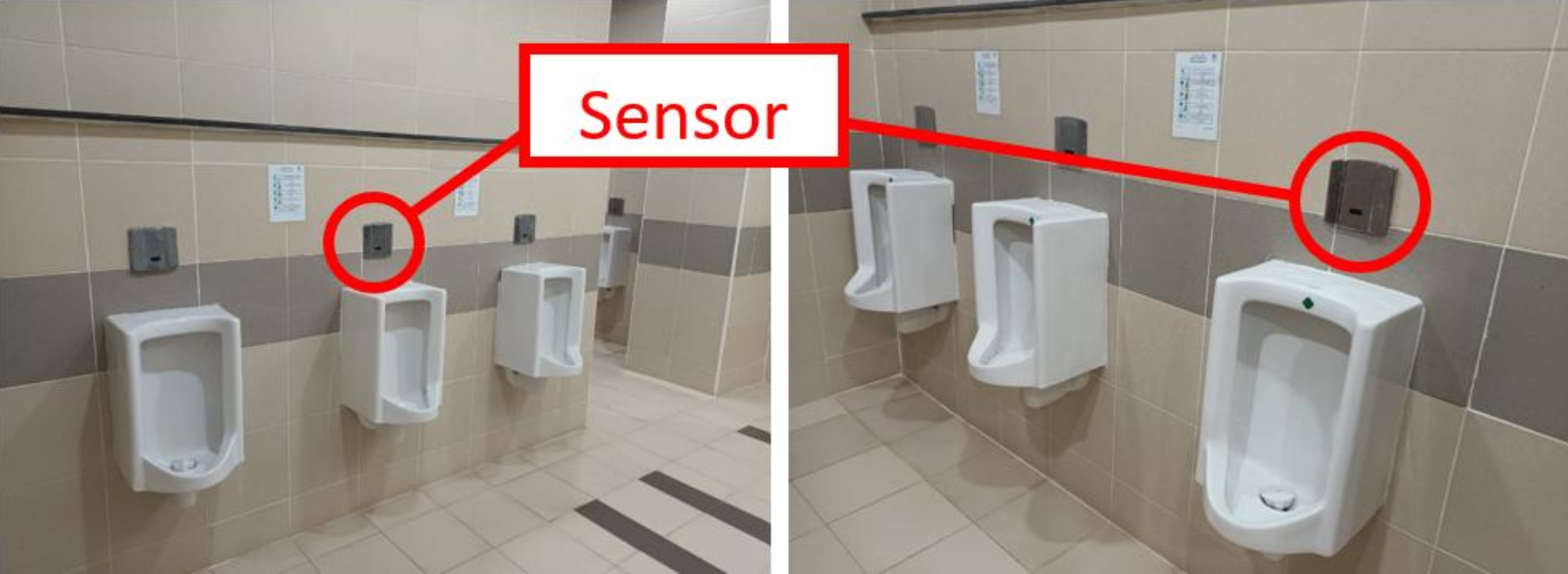
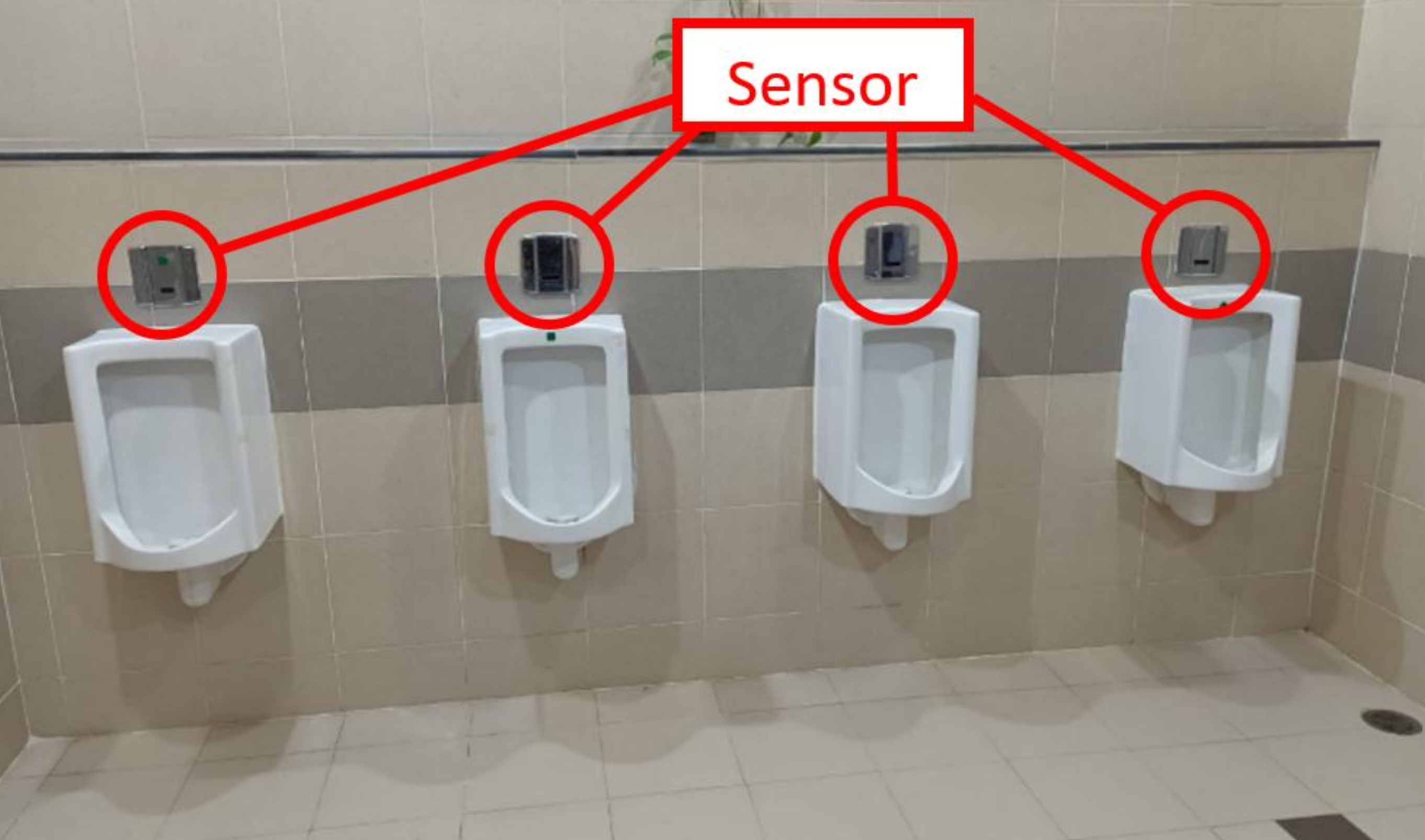
Water-Saving Standards: Toilets use no more than 6 liters of water per flush, as per general standards. Flush valve toilets require a water pressure of at least 20 psi to operate efficiently.
University of Phayao's water management policy continuously promotes water conservation through ongoing efforts, including regular surveys and inspections of all water-using equipment and sanitary ware, the installation of water-saving equipment such as faucets and flush valves in various buildings, and water conservation campaigns to raise awareness among staff and students.
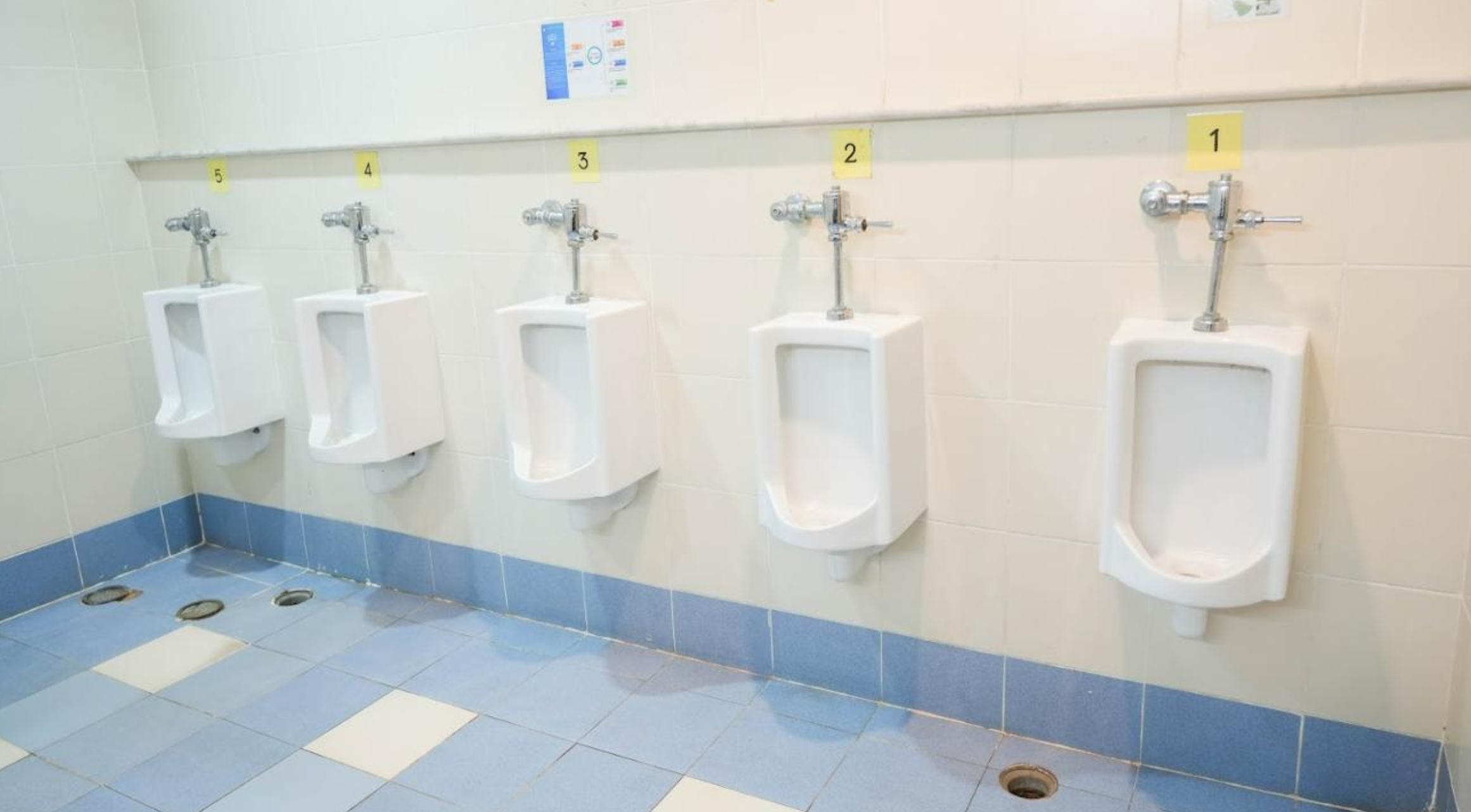
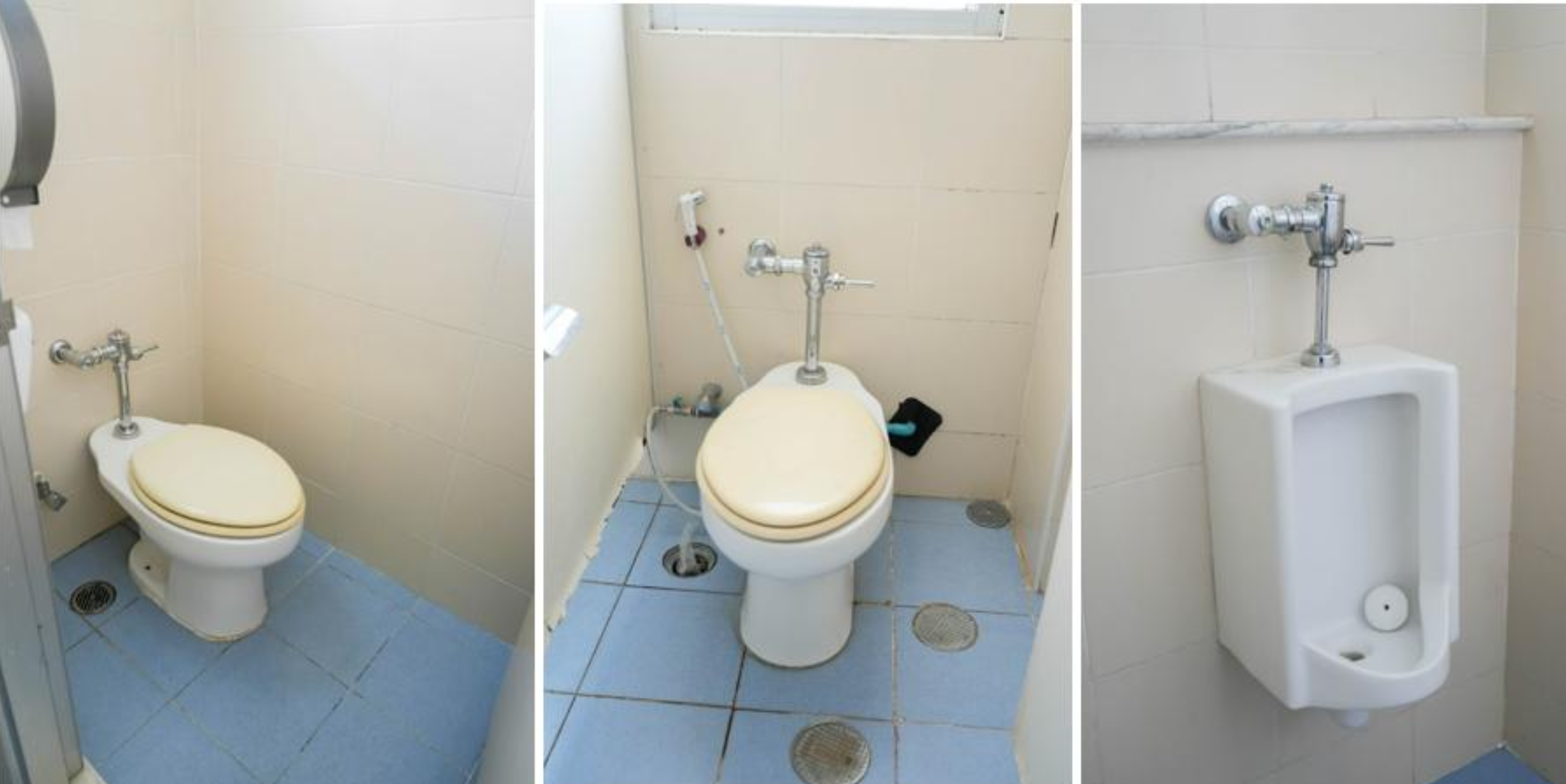 University of Phayao's water management policy also includes the installation and maintenance of sanitary fixtures with water-saving devices, such as flush valve systems. Flush valve sanitary ware installed within the university's buildings focuses on high-efficiency, standard-compliant products. The dual-flush system commonly used in public buildings features two buttons to select the amount of water for flushing: a large flush using approximately 4.5–6 liters for solid waste, and a small flush using approximately 2.5–3 liters for liquid waste.
Using a water bottle placed in the water tank to help save water
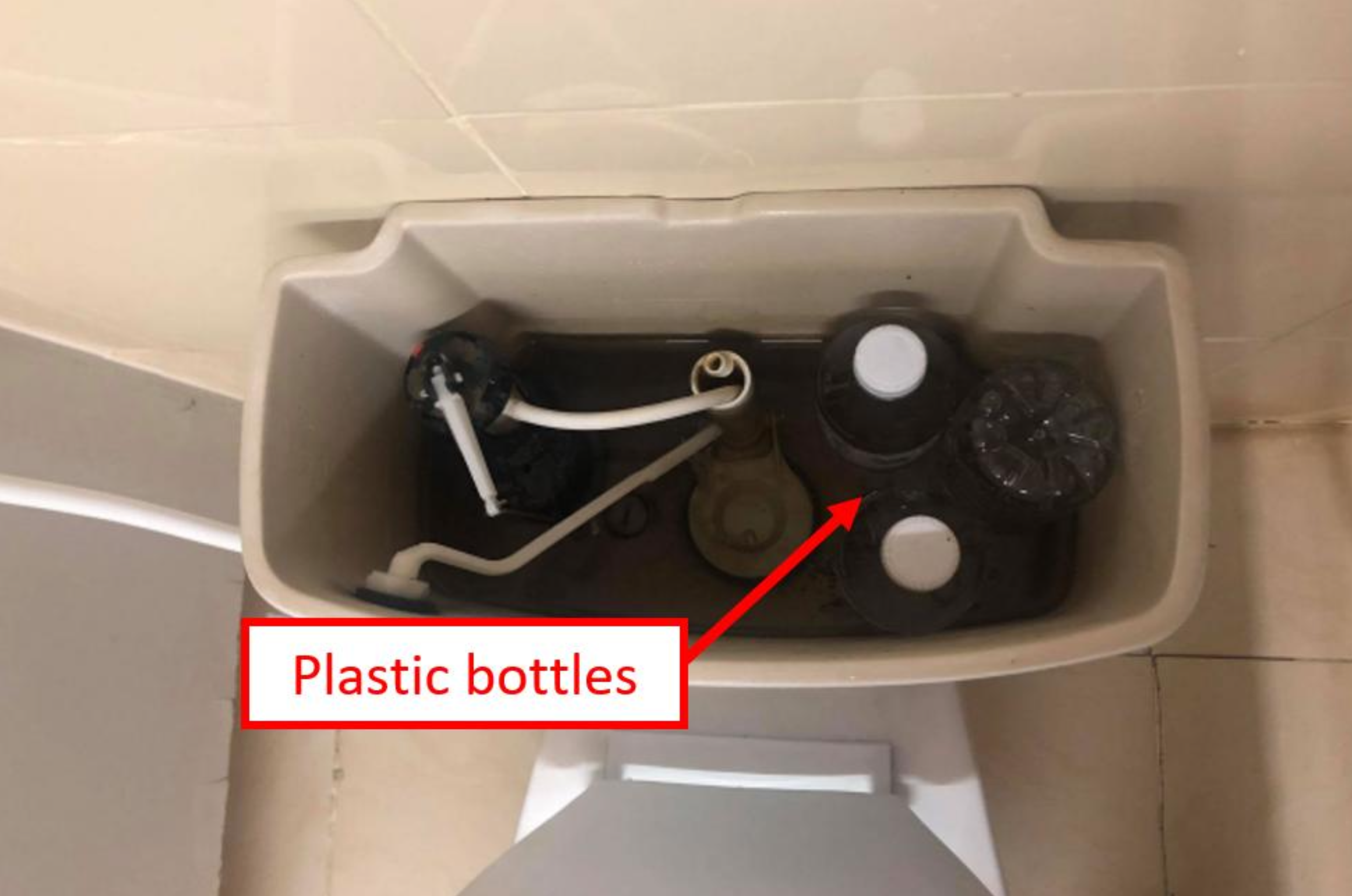
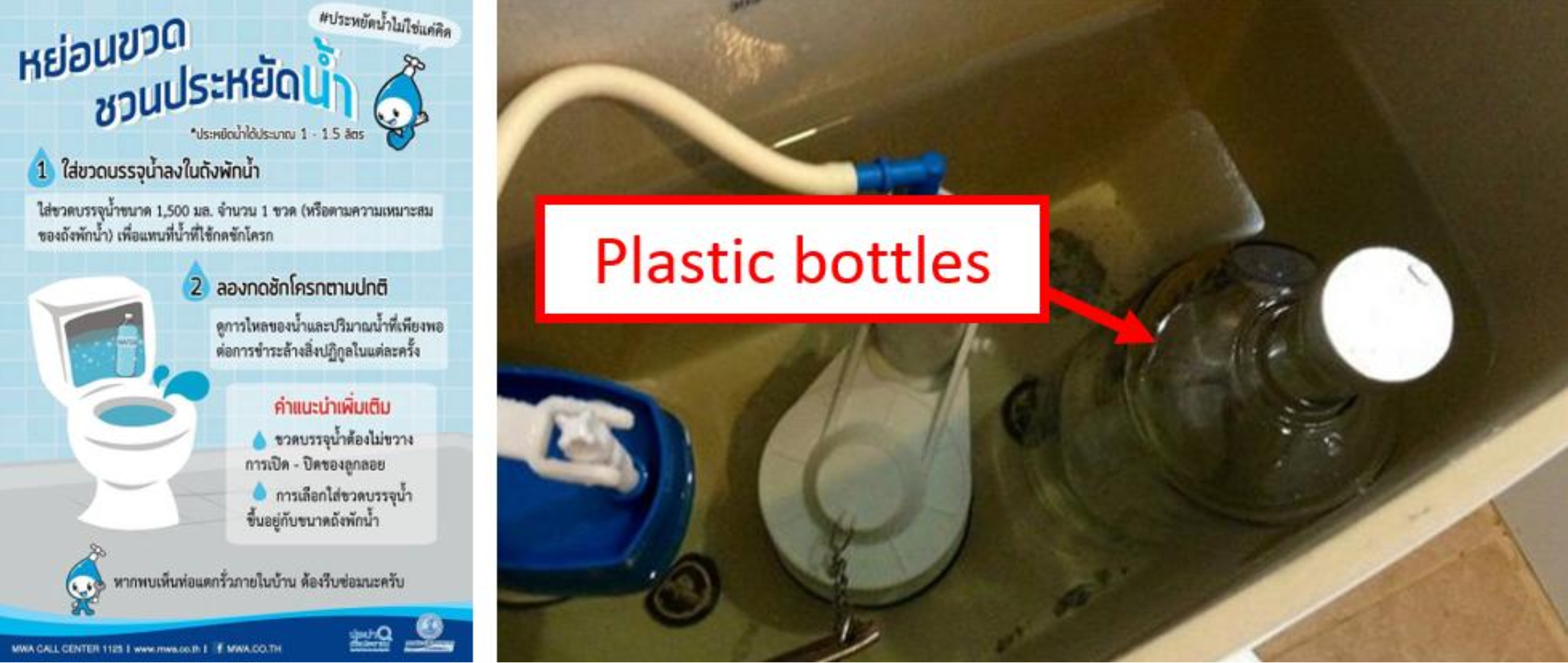 For sanitary ware that the university has not yet changed to water-saving sanitary ware, faculties and units within University of Phayao follow methods and guidelines to save water, such as placing a water bottle in the toilet water tank. This method can reduce water use by 1.8 liters, or 0.0018 cubic meters, equivalent to a 36 percent reduction per time, and can help reduce greenhouse gases by 0.0051 kg CO2e per time.
Target: 100% of water-efficient appliances usage on campus by 2030.
Result: 86.33% completed for water-efficient appliances usage on campus.
Water Efficient Appliances Usage
Conventional flush valves and faucets waste a considerable portion of water by remaining open for a period of time. To address this, University of Phayao has replaced every faucet and urinal flush valve with a motion sensor valve, which significantly reduces water consumption by closing the valve immediately. At the university's food center, an energy-efficient dishwasher has also been installed, lowering the amount of water consumed by the restaurant; water usage from dishwashing has been reduced to about 50,000 m³ per year, where less water also means less energy required to heat it. In addition, a UV disinfection machine has been applied at the food center instead of a hot-water disinfection system, eliminating the water consumed by cutlery disinfection altogether.University of Phayao has a policy to use sanitary ware that is efficient in saving water, and is committed to regularly maintaining sanitary ware to increase efficiency. Water conservation measures include waterless urinals, low-flush WCs, low-flow taps, water taps, toilet flushes, and automatic taps.
| Appliance | Total Number | Total Number of Water-Efficient Appliances | Percentage |
|---|---|---|---|
| Toilet | 3,665 | 2,969 | 70% |
| Wastafel | 4,352 | 4,148 | 96% |
| Waterless urinals | 1,650 | 1,320 | 100% |
| Low flush WC's | 1,452 | 1,249 | 80% |
| Low flo taps | 2,515 | 2,274 | 90% |
| Total | 13,634 | 11,212 | 82% |
| Average Percentage | 82% | ||
Water Efficient Appliances Usage
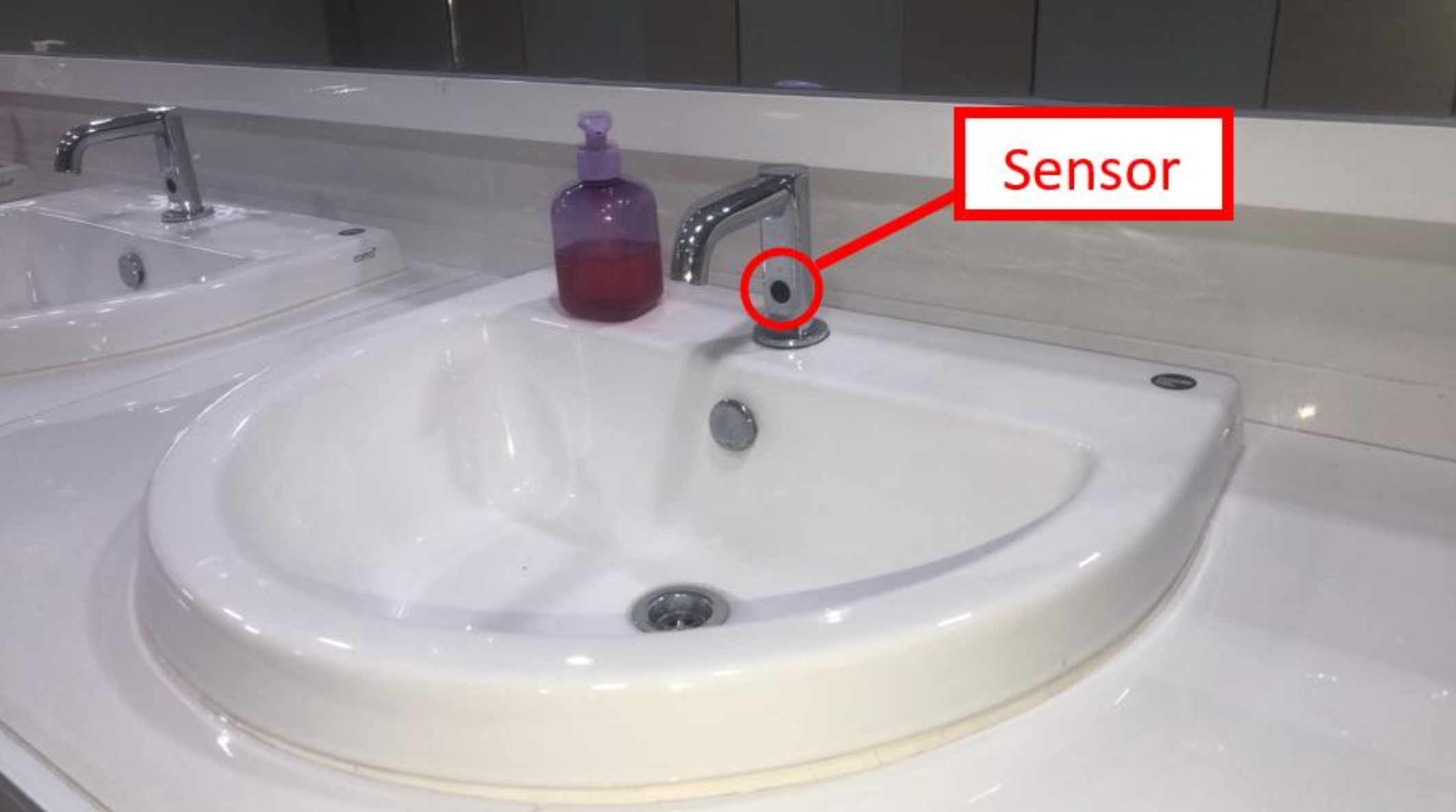
The sensor system has been developed and installed in every department and many buildings, increasing the number of equipment using sensor systems every year and expanding the channels for saving water and electricity across various sections of the university.
Water Efficient Appliances Usage
Automatic (Sensor) Flush: Sensor-based flush valves are used in urinals to help conserve water.Water-Saving Standards: Toilets use no more than 6 liters of water per flush, as per general standards. Flush valve toilets require a water pressure of at least 20 psi to operate efficiently.
University of Phayao's water management policy continuously promotes water conservation through ongoing efforts, including regular surveys and inspections of all water-using equipment and sanitary ware, the installation of water-saving equipment such as faucets and flush valves in various buildings, and water conservation campaigns to raise awareness among staff and students.
Using a water bottle placed in the water tank to help save water