Waste Management Policy and Classification
University of Phayao has implemented a policy on waste separation and comprehensive waste management. Materials obtained from sorting are recycled, resulting in minimal residual waste. The university also promotes the economical and efficient use of resources to maximize benefits, aiming toward a low-carbon society. Various activities have been organized to support waste reduction within the university, such as waste sorting campaigns, reducing the use of foam containers, and minimizing single-use plastics in university stores. University of Phayao has established a waste management policy and guidelines that apply to both common areas and workspaces. These efforts aim to build an effective waste management system and foster a healthy environment, with the ultimate goal of becoming a green university in alignment with the Sustainable Development Goals (SDGs). The university has categorized waste into five types: solid waste, recyclable waste, organic waste, hazardous waste, and infectious waste.Total Volume of Inorganic Waste (2025)
In 2025, University of Phayao generated approximately 514.78 tons of inorganic waste, representing 79% of its total waste. This included approximately 299.79 tons of paper and plastic, 148.75 tons of recyclable waste, and 30.47 tons of non-recyclable waste. The majority of this inorganic waste came from the university's office buildings, classrooms, and cafeteria.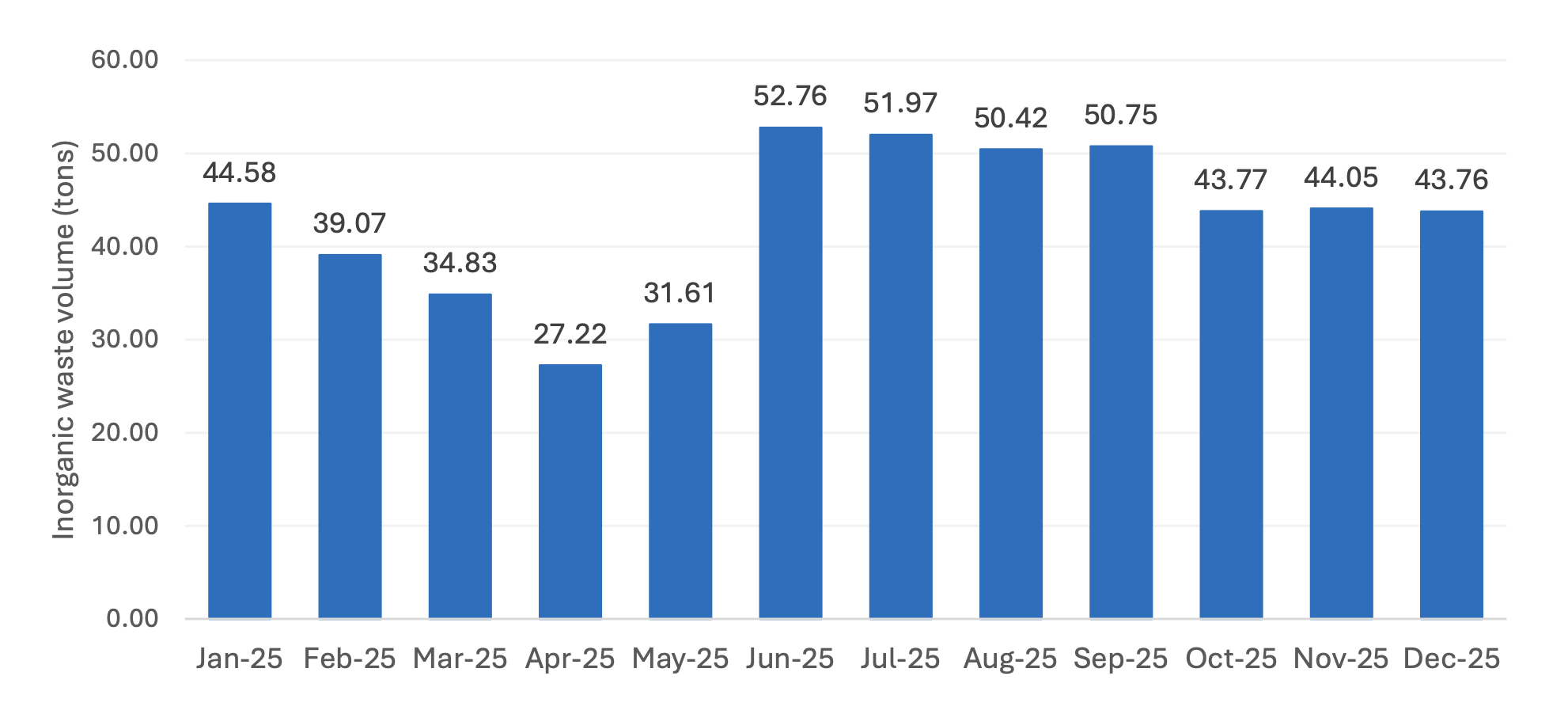
Total volume of inorganic waste this year 2025, (Monthly)
University of Phayao generated approximately 299.79 tons of plastic waste, accounting for 49% of its total waste. This included 137.44 tons of hard plastics (plastic bottles) and 162.35 tons of soft plastics (plastic bags). The majority of plastic waste originated from convenience stores serving university staff and students. However, the University of Phayao successfully eliminated all plastic waste by processing it into various products — one notable method involved converting plastic waste into refuse-derived fuel (RDF), which was sent to a cement plant for use in electricity generation.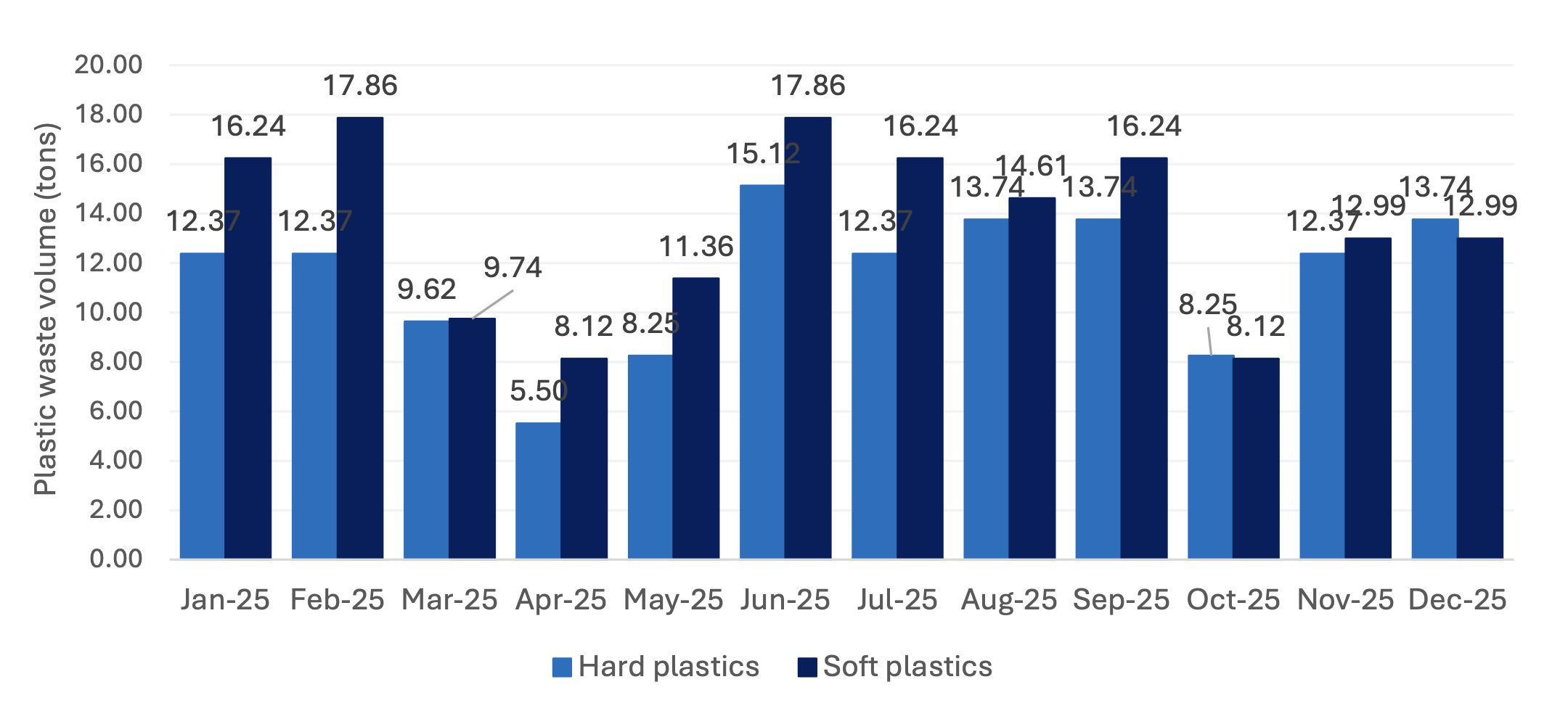
Total volume of plastic produced this year 2025, (Monthly)
Regarding paper waste, in 2025 the university purchased approximately 35.77 tons of paper, categorized into 26.51 tons of printing paper and 9.26 tons of hard paper, primarily generated from office activities. To address paper usage, the university developed the UP-DMS electronic document management system, expected to help reduce paper consumption by up to 25.36 million sheets — equivalent to 110 tons — and decrease greenhouse gas emissions by up to 126 tons of CO2 equivalent (tCO2e).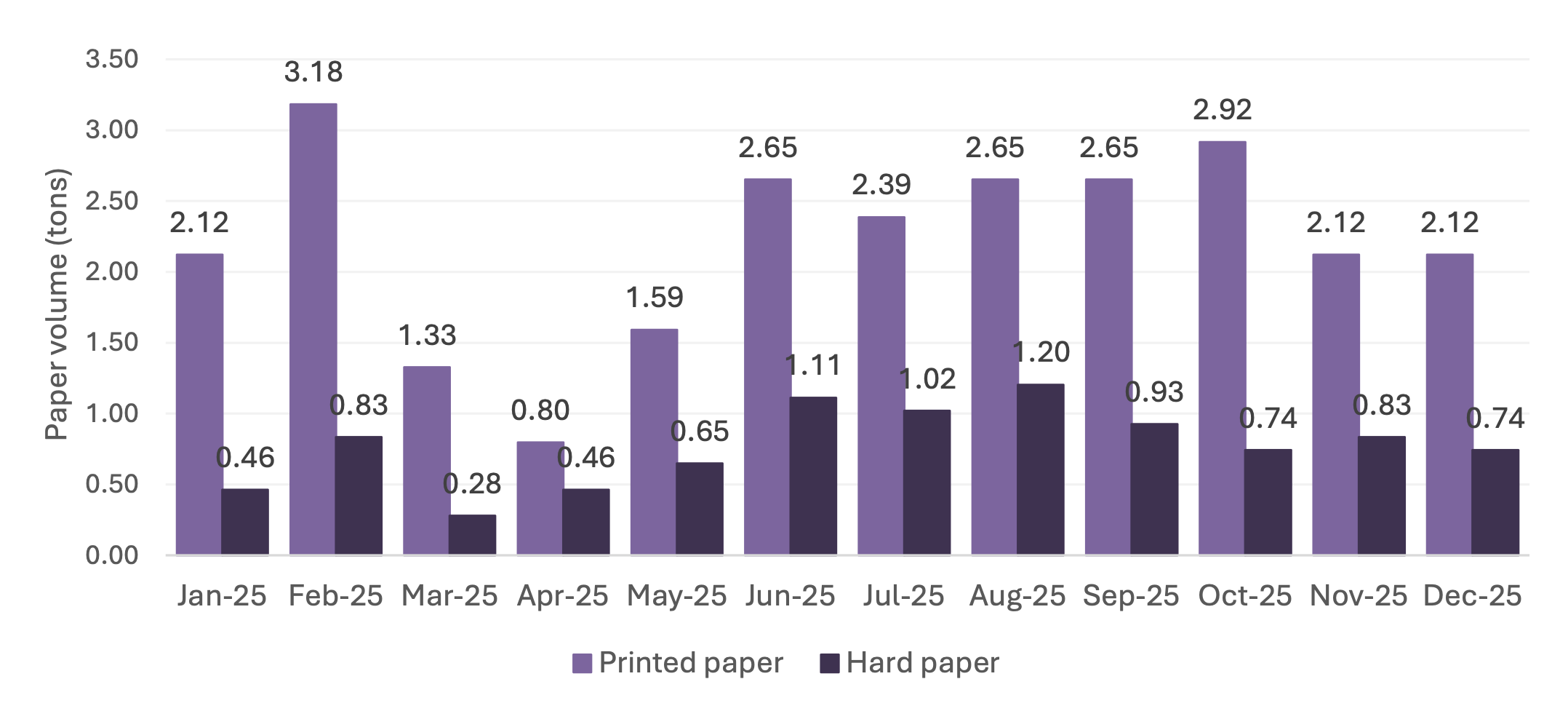
Total volume of paper produced this year 2025, (Monthly)
In terms of treatment, of the 35.77 tons of paper produced in 2025, 26.82 tons were reused and 8.95 tons were up-cycled. Of the 162.35 tons of soft plastic, 21.66 tons were down-cycled and 140.69 tons were up-cycled. Of the 137.44 tons of hard plastic, 7.53 tons were reused and 129.91 tons were up-cycled. Of the 148.75 tons of recyclable waste, 113.14 tons were reused and 35.61 tons were up-cycled. Of the 30.47 tons of non-recyclable waste, 23.47 tons were down-cycled.Inorganic Waste: Reuse and Recycle Program
Target: 80% of solid waste reused and recycled by 2030, compared to 2015.Results: In 2025, 20.39% of solid waste was recycled (a decrease of 54.97% compared to 2015). In 2026 (January–May), 22.91% of solid waste was recycled (a decrease of 59.40% compared to 2015).
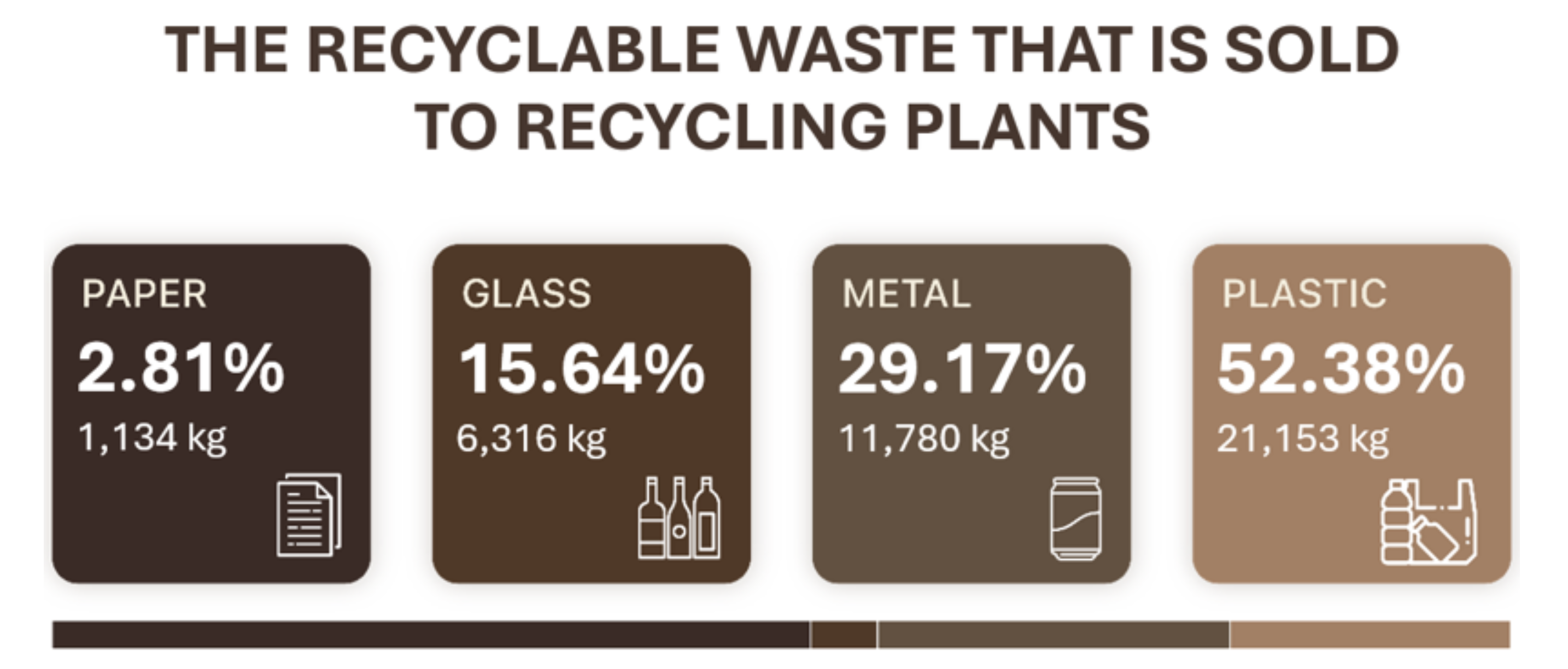
Recyclable waste sold to recycling plants: paper, glass, metal, and plastic
Reuse Program: Waste-to-Fuel (RDF) System
University of Phayao uses a Mechanical and Biological Treatment (MBT) composting system, where waste passes through a magnetic platform to separate scrap, followed by a cutting/sub-chopping system that reduces waste to pieces no larger than 20 centimeters. The waste pile is then turned in the MBT fermentation room to vent heat, removing up to 40% of total waste moisture. Because the system uses aerated fermentation, no methane is produced; the composting room dries the waste for at least 15–20 days, after which it becomes RDF (Refuse-Derived Fuel), accounting for 45% of all waste entering the system.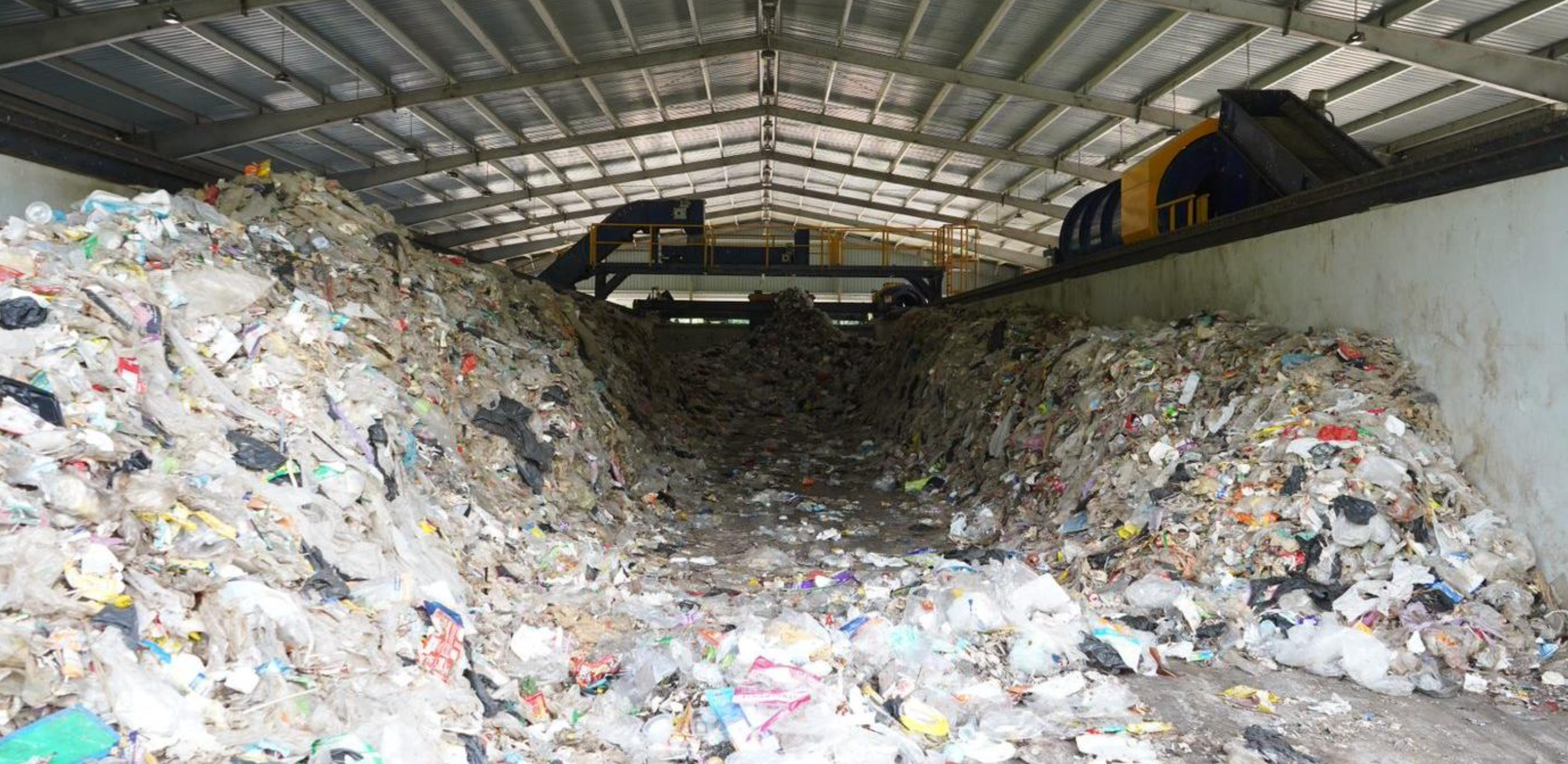
Sorting system and prototype of bio-mechanical technology in waste fuel production
RDF Type A accounts for about 28% of waste entering the system, and RDF Type B for approximately 12%. The university sells this fuel to Thai Cement Public Company Limited in Lampang Province, which uses it to generate electricity in its cement production process.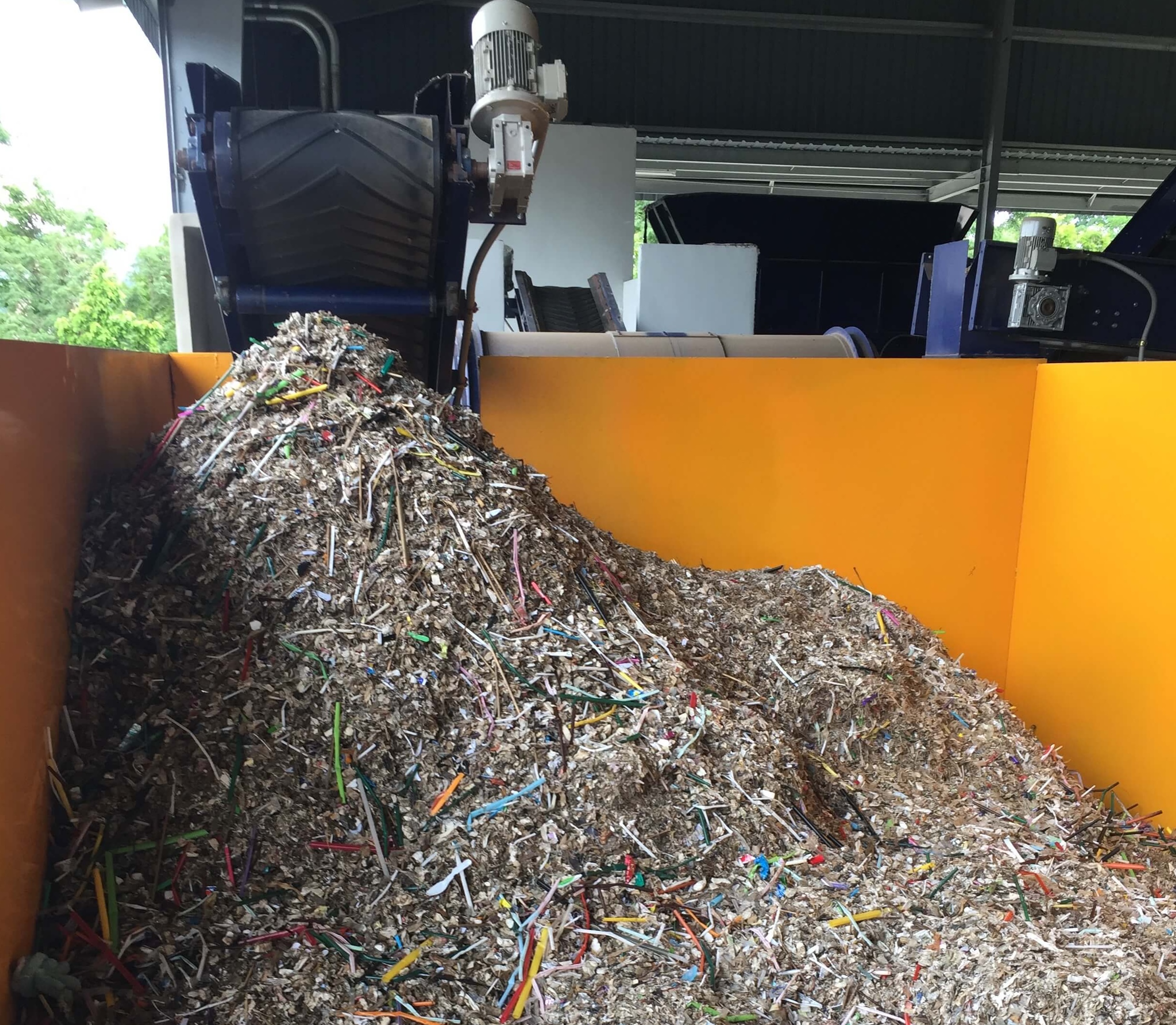
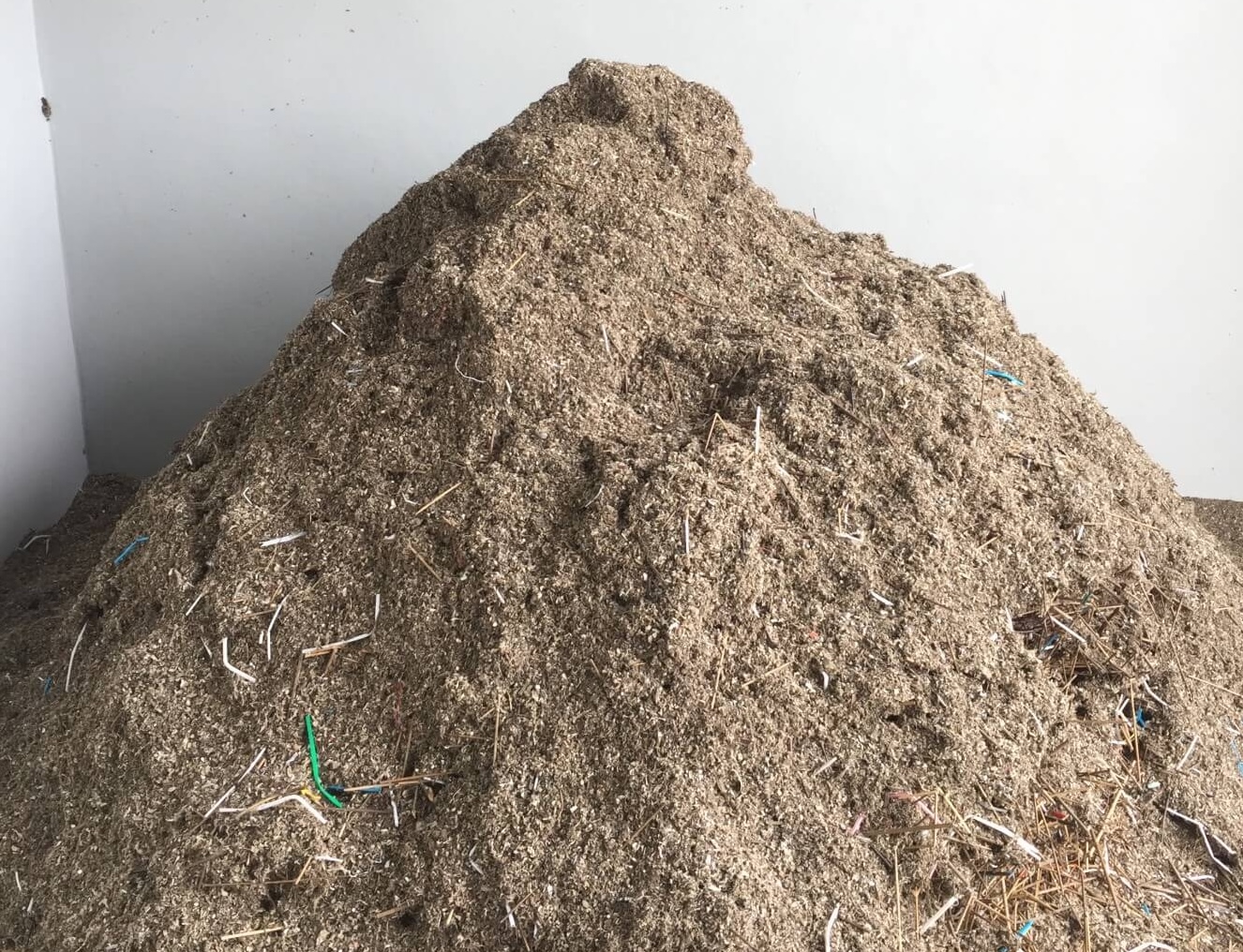
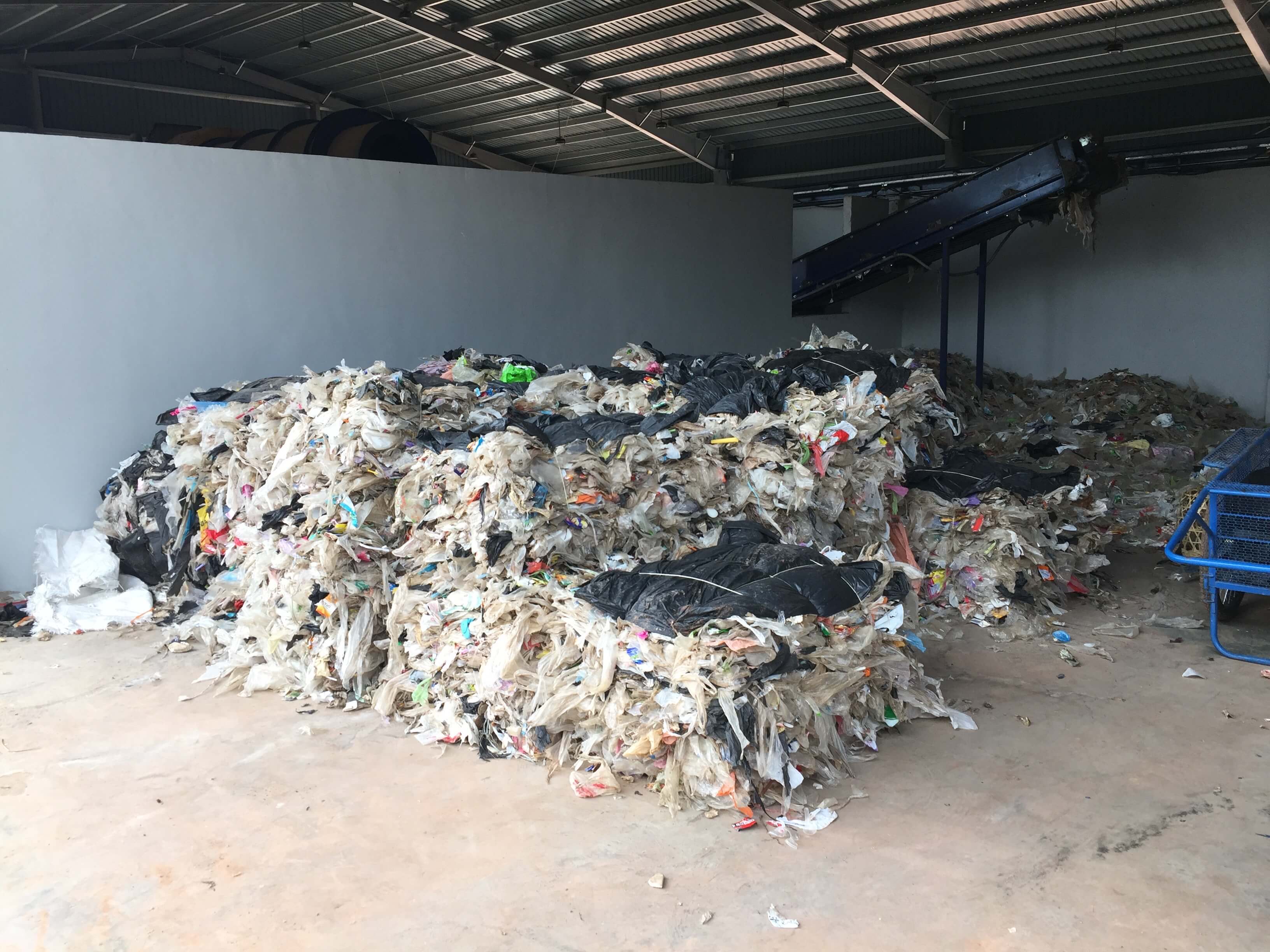
RDF (Refuse-Derived Fuel) and biofertilizer produced through the MBT system
Bio-Composting from Organic Waste
University of Phayao generates a total organic waste volume of 85 tons per year, of which 100% can be utilized. Leaves, twigs, and food scraps are converted into bio-compost for garden and landscaping applications, while food waste is used to produce biogas for the university's cafeteria.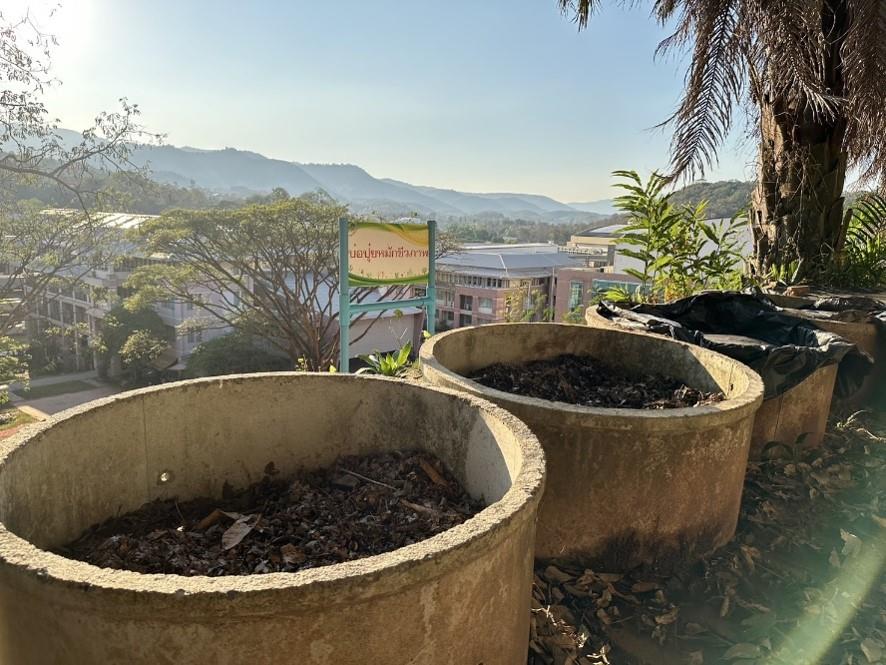
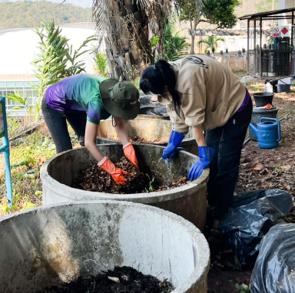
Bio-composting from garden leaf waste and food scraps
Recycle Program: Mechanical and Biological Waste Treatment (MBT)
The university's MBT system can support up to 15 tons/day of waste, while the University of Phayao itself generates around 3.2 tons/day. The system sorts incoming waste automatically, segregating recyclable materials such as clear plastic bottles, opaque plastic bottles, glass, paper, zinc, and cans — separating approximately 10% of incoming waste as recyclable material. 100% of this separated recyclable waste is then sold to recycling shops, generating income for the university.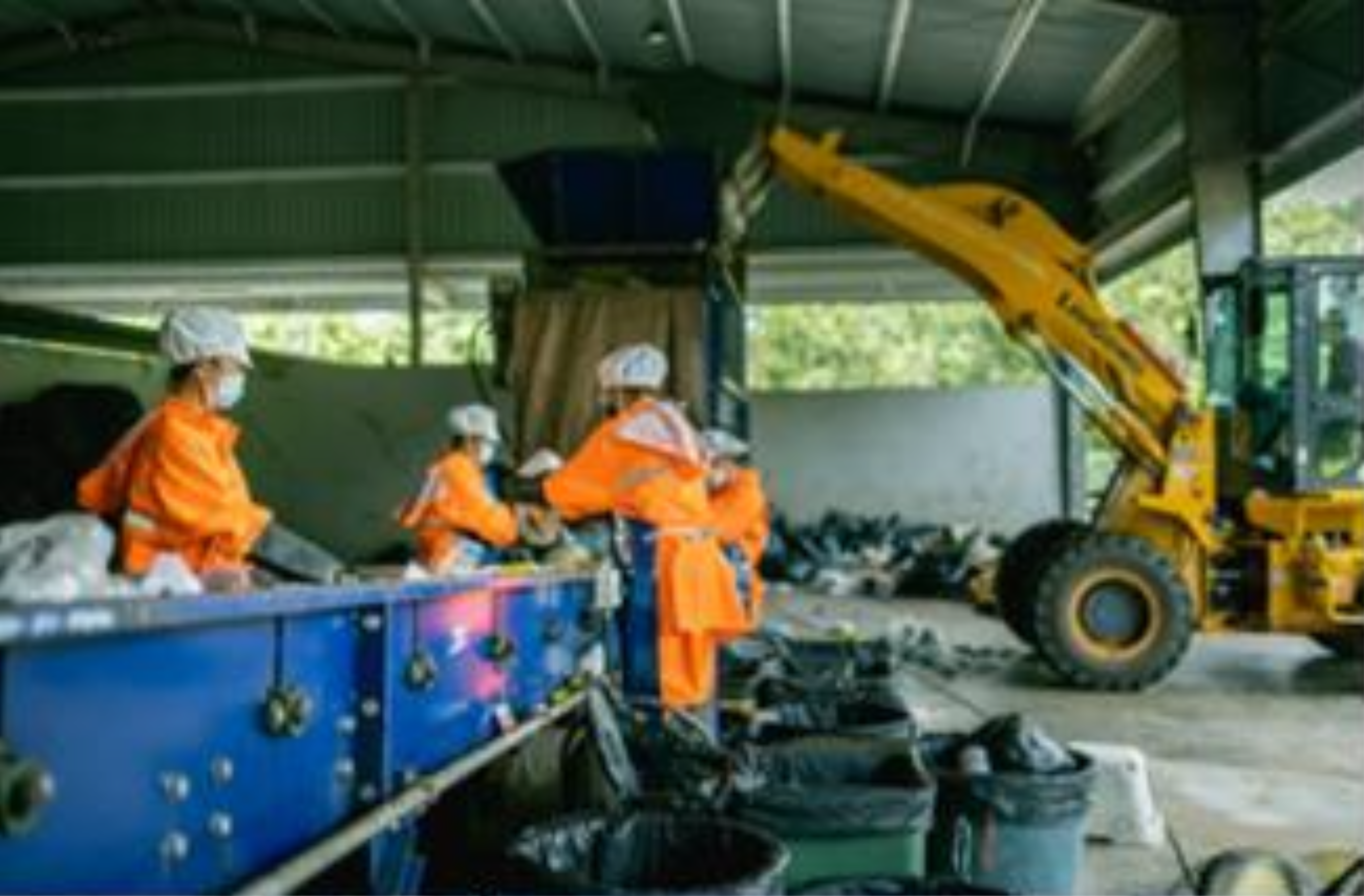
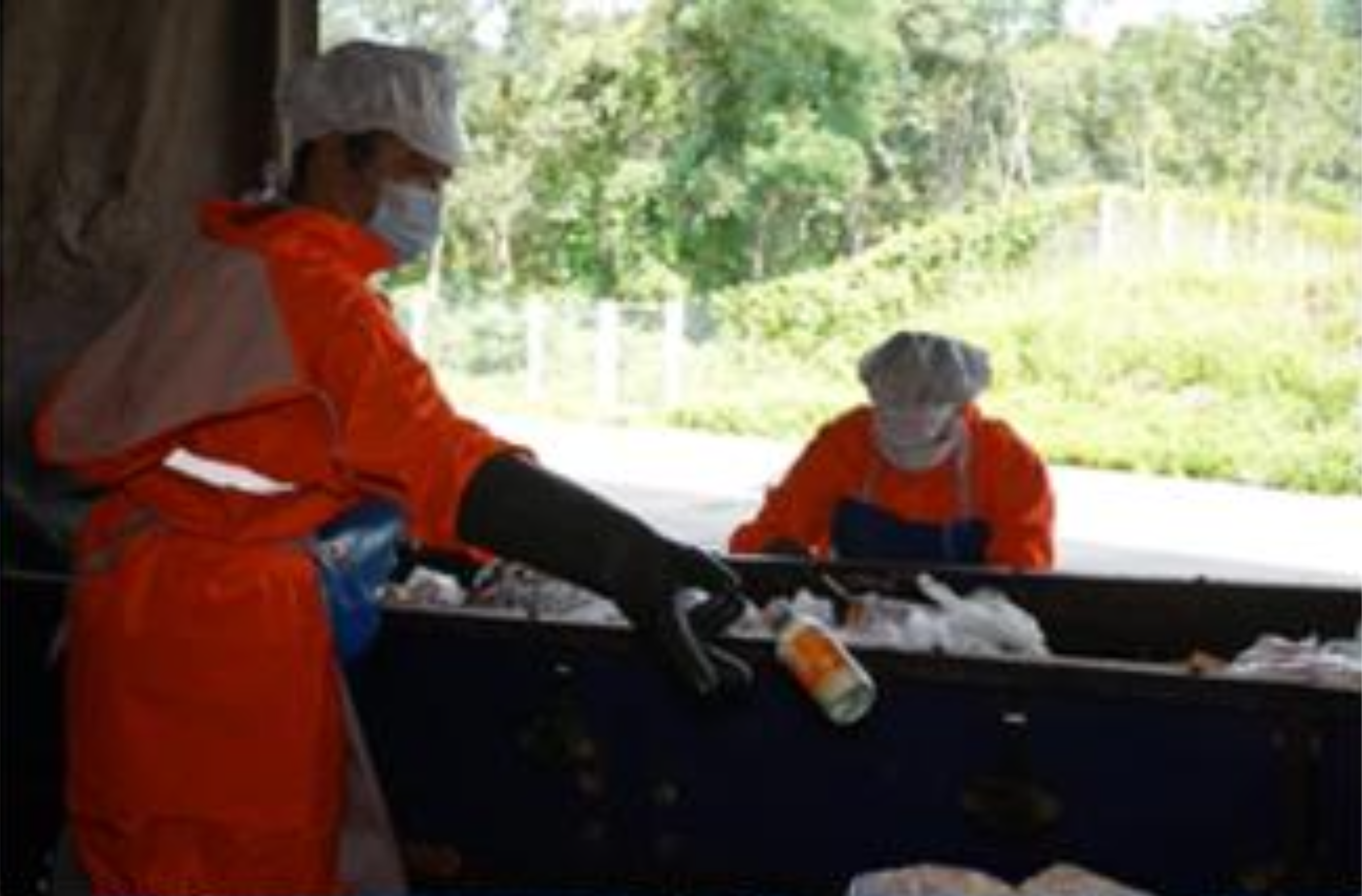
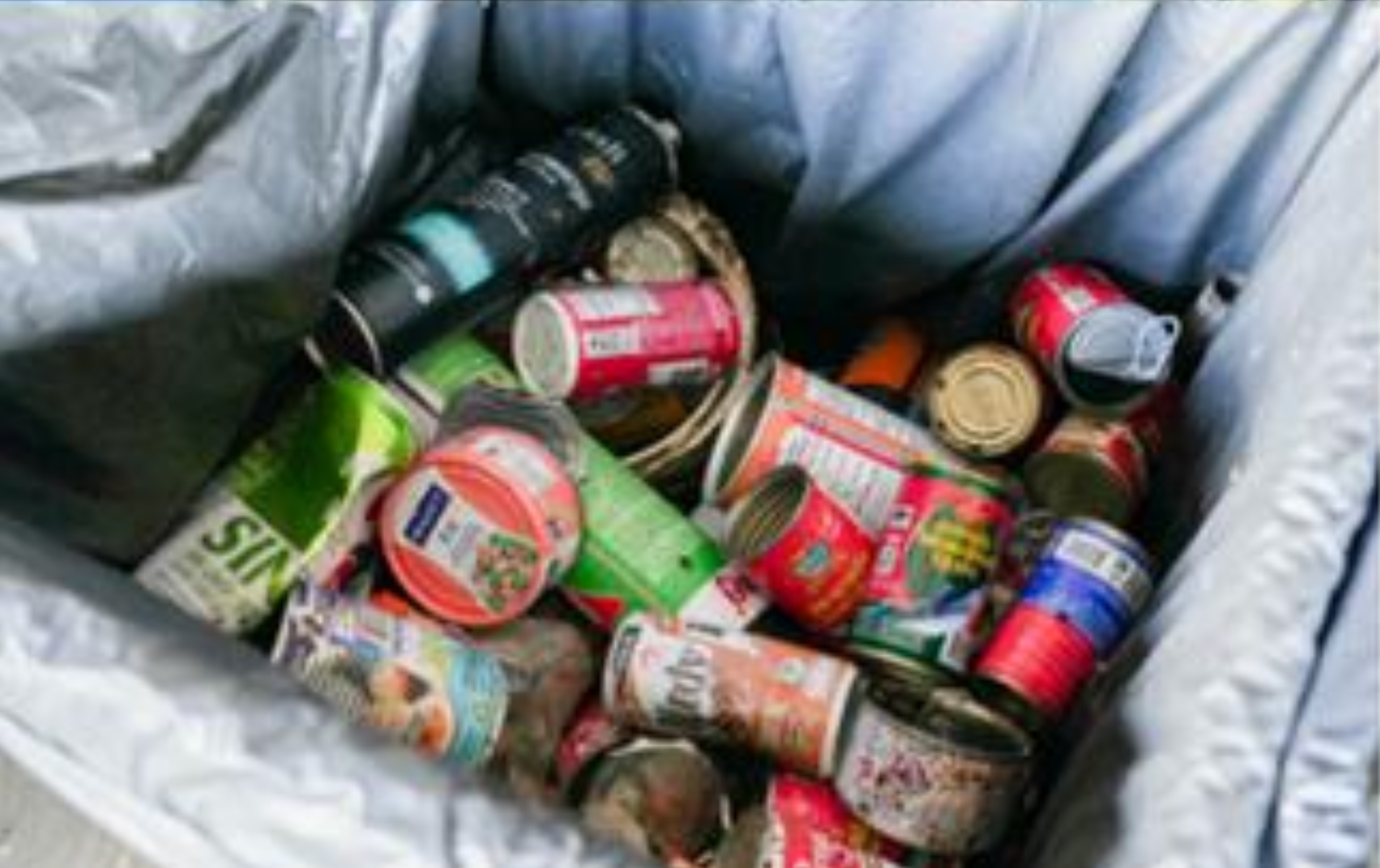
Recycling waste separation area
University of Phayao separates recyclable waste from general waste before it enters the MBT system, since recyclable materials can be sold at a higher price. All recyclable waste from the university is sold to local recyclable buyers.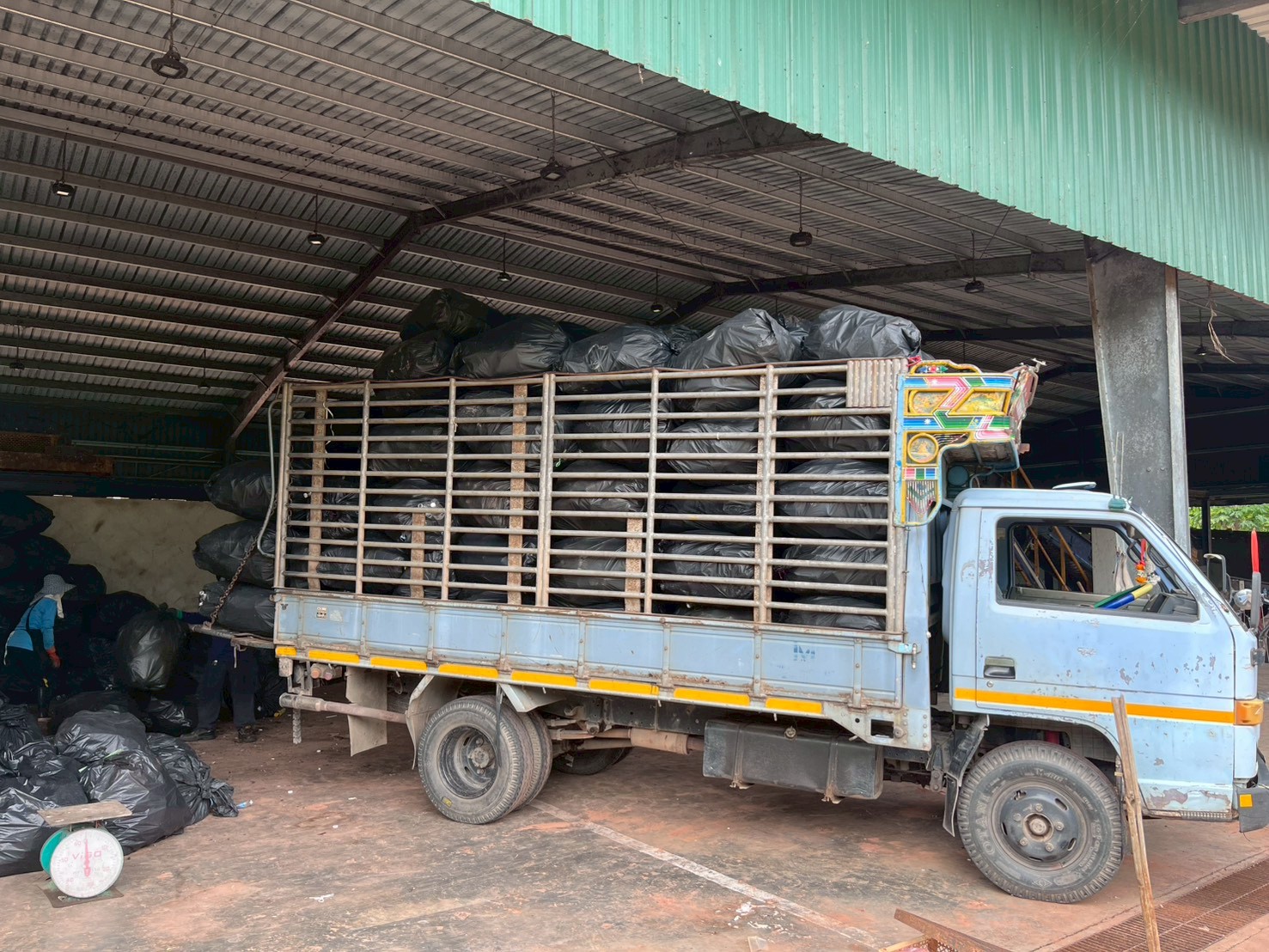
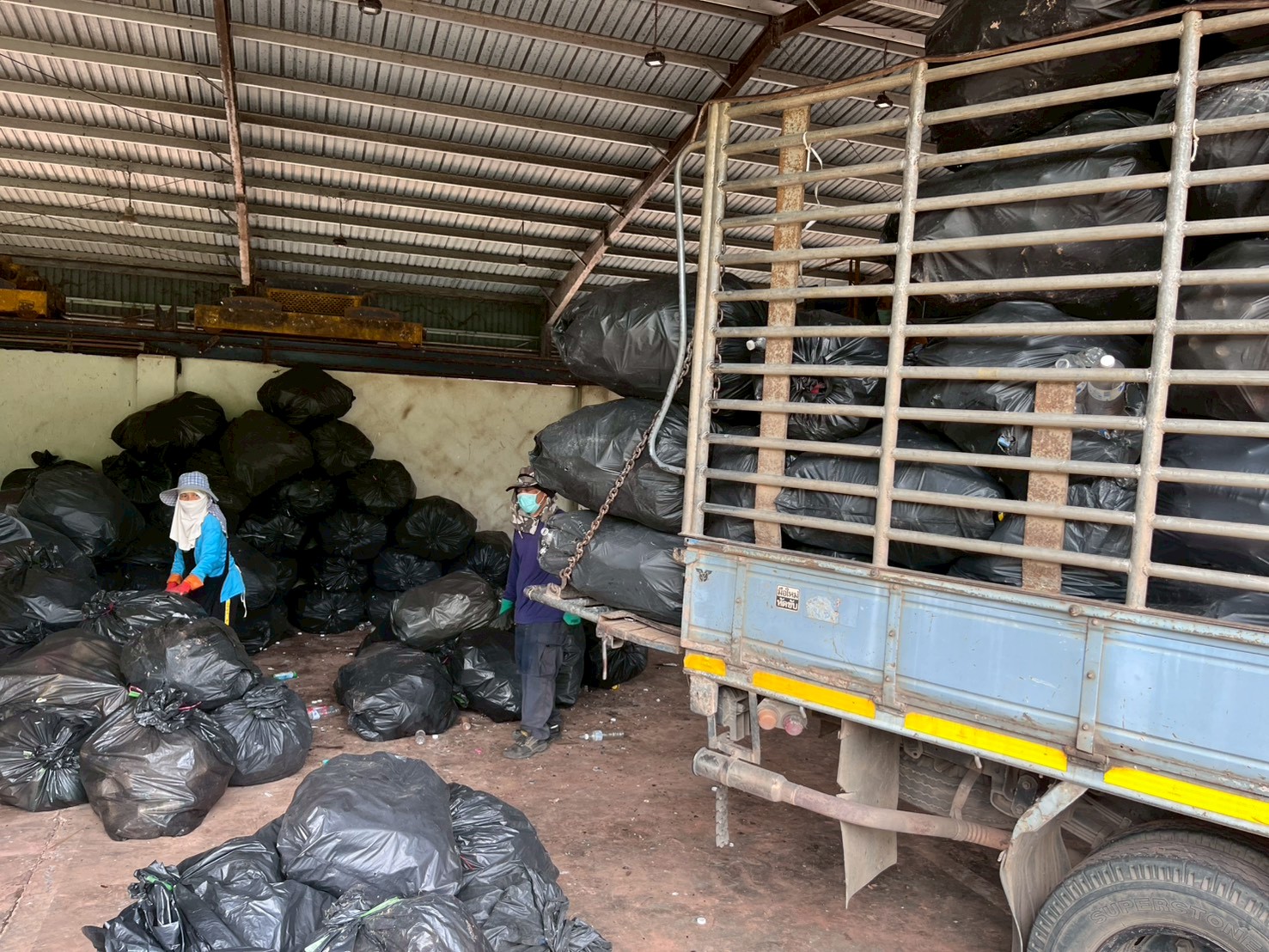
Selling recycled garbage to local recyclable buyers
Reducing the Use of Foam Containers
The use of foam containers was a significant issue that the University of Phayao successfully addressed. In 2018, the university generated an average of 4,600 foam containers per day, primarily from food packaging used in various university activities, posing challenges for effective foam waste management. To reduce foam waste on campus, relevant agencies launched a foam container ban campaign within the university. As part of the initiative, biodegradable containers were distributed to business owners and various organizations, with the university piloting the use of 100,000 biodegradable containers and issuing an official announcement prohibiting the use of foam containers in university activities. Through continued awareness-building and participation, the campaign ultimately achieved a sustainable foam-free status.Turning Plastic Waste into Useful Products
University of Phayao utilizes plastic waste to create useful products, such as coat hangers, plastic filament for 3D printers, road surfaces, and brick blocks. Plastic waste is first processed through a granulator to reduce it into smaller pieces, which are then transformed into various products. Through this initiative, the university has reduced plastic waste by up to 65% of its total plastic waste.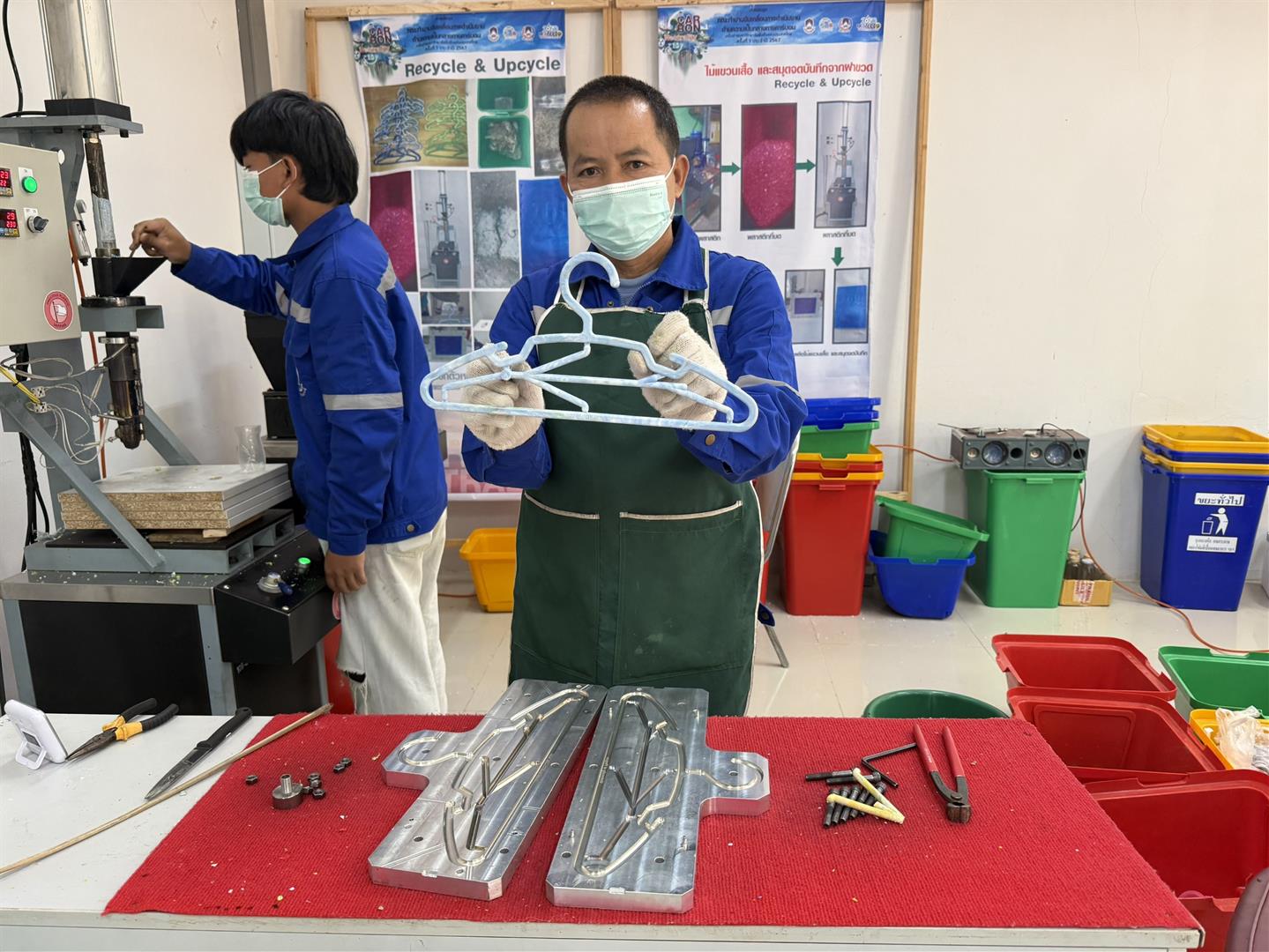
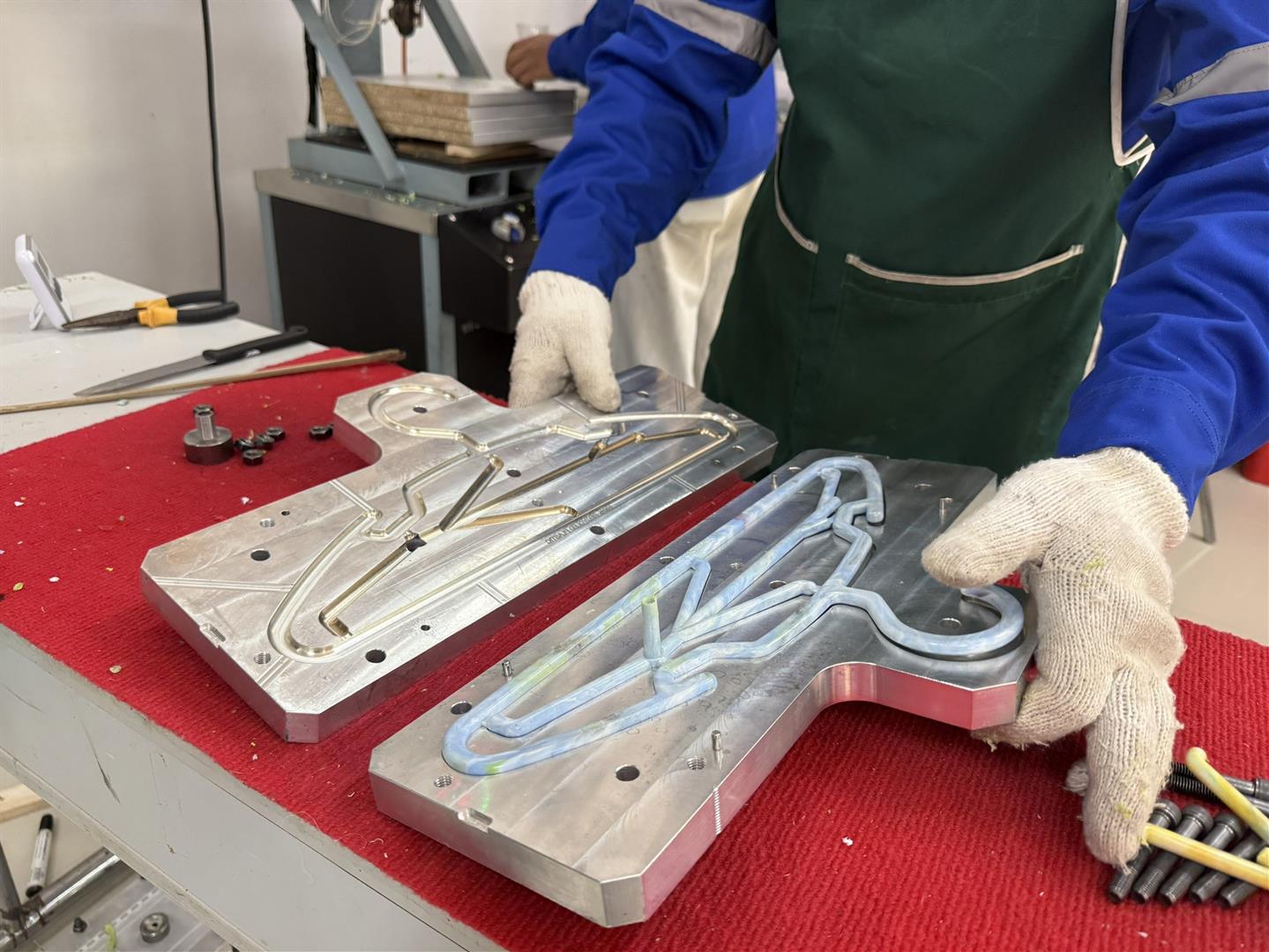
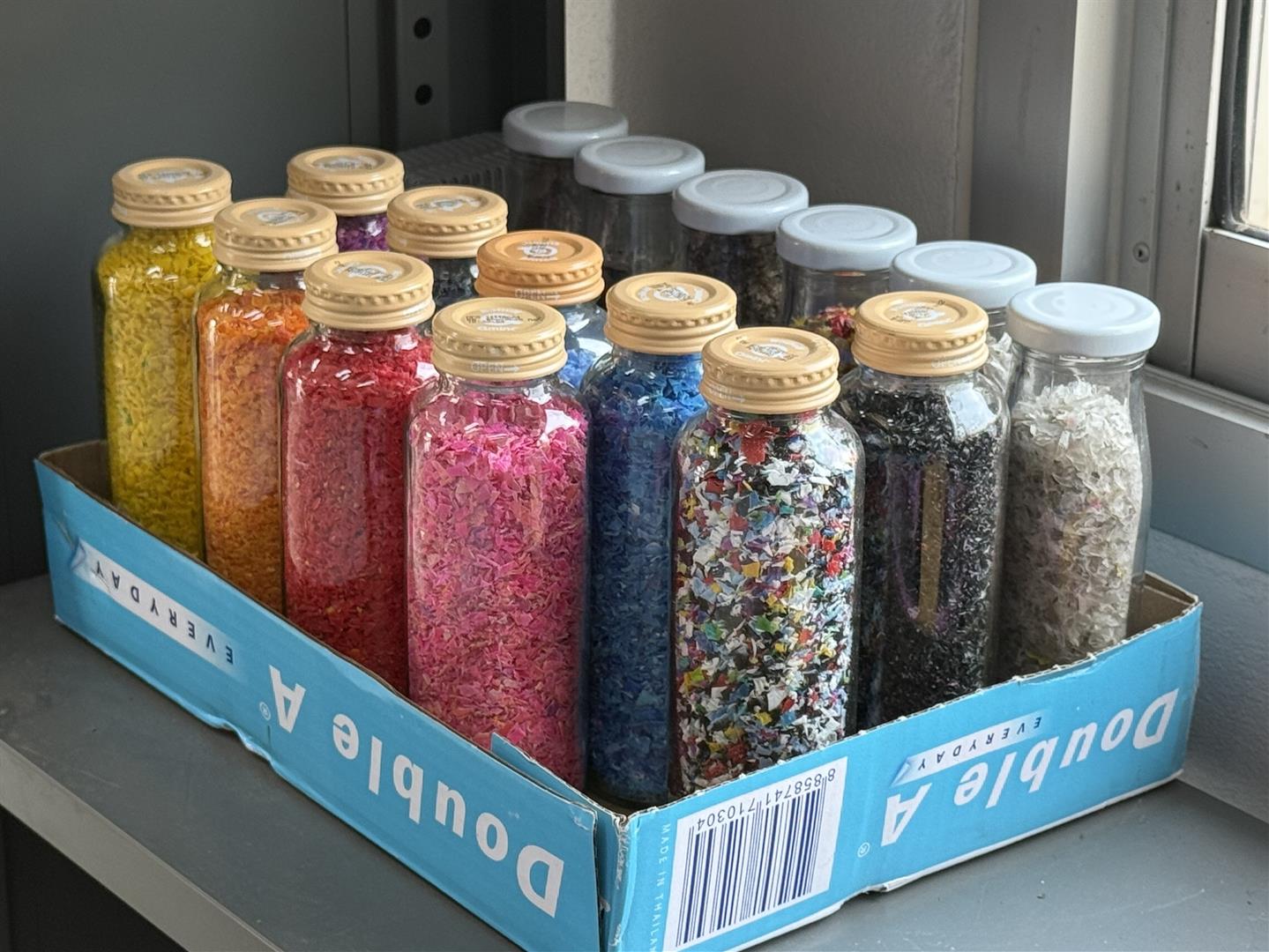
Turning plastic waste into useful products
Plastic waste such as plastic bags, plastic cups, and plastic wrap that cannot be sold is processed into oil, producing gasoline and diesel at a ratio of 2:1 — for example, approximately 4.9 kg of plastic yields around 2.4 liters of gasoline.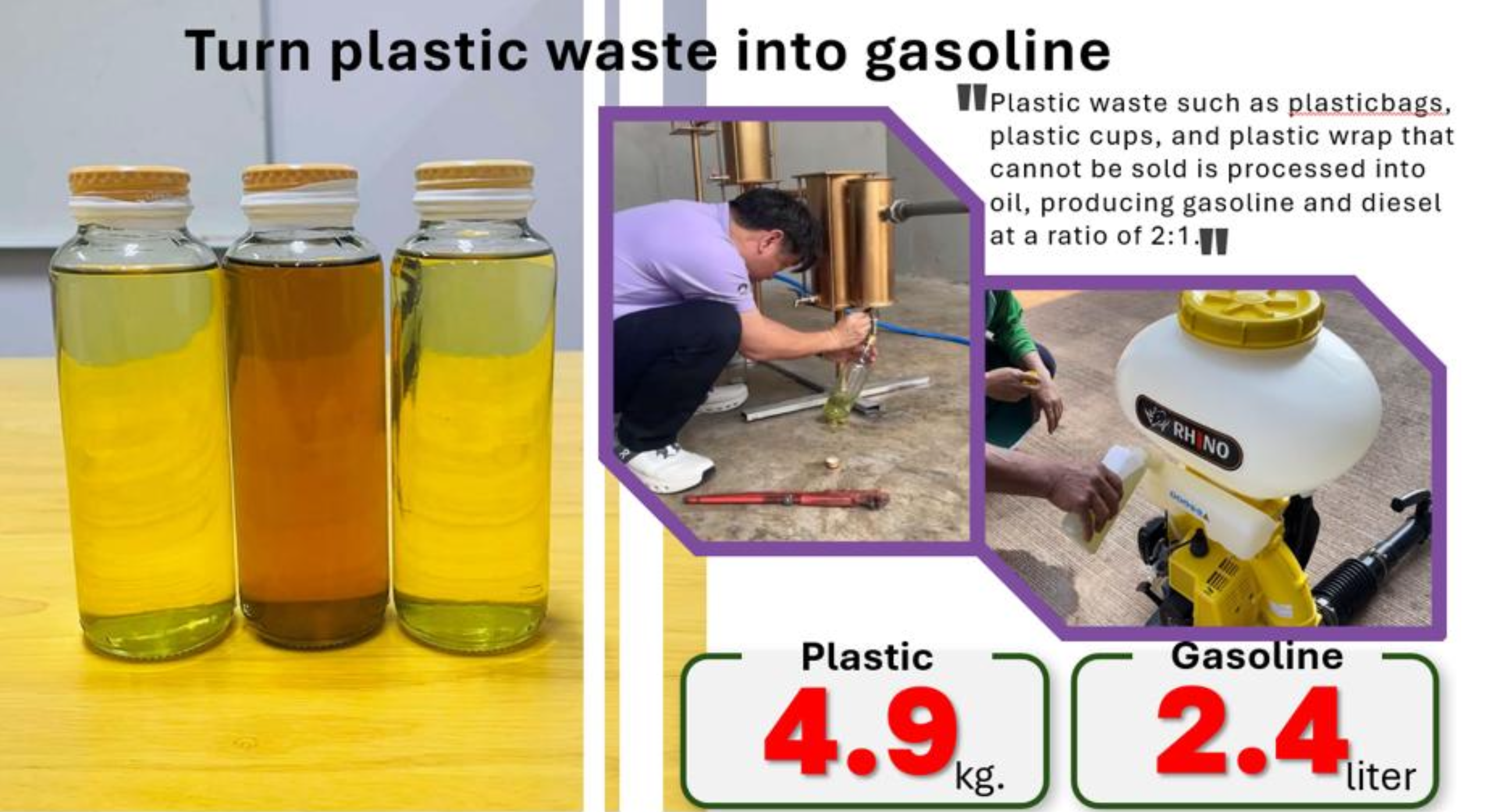
Plastic waste such as plastic bags, plastic cups, and plastic wrap that cannot be sold is processed into oil, producing gasoline and diesel at a ratio of 2:1
Residual plastic from hanger production and hard plastics is also ground and mixed to produce worm blocks, which are used as paving stones within the university. Through these plastic waste processing activities, the University of Phayao has been able to eliminate 100% of its plastic waste.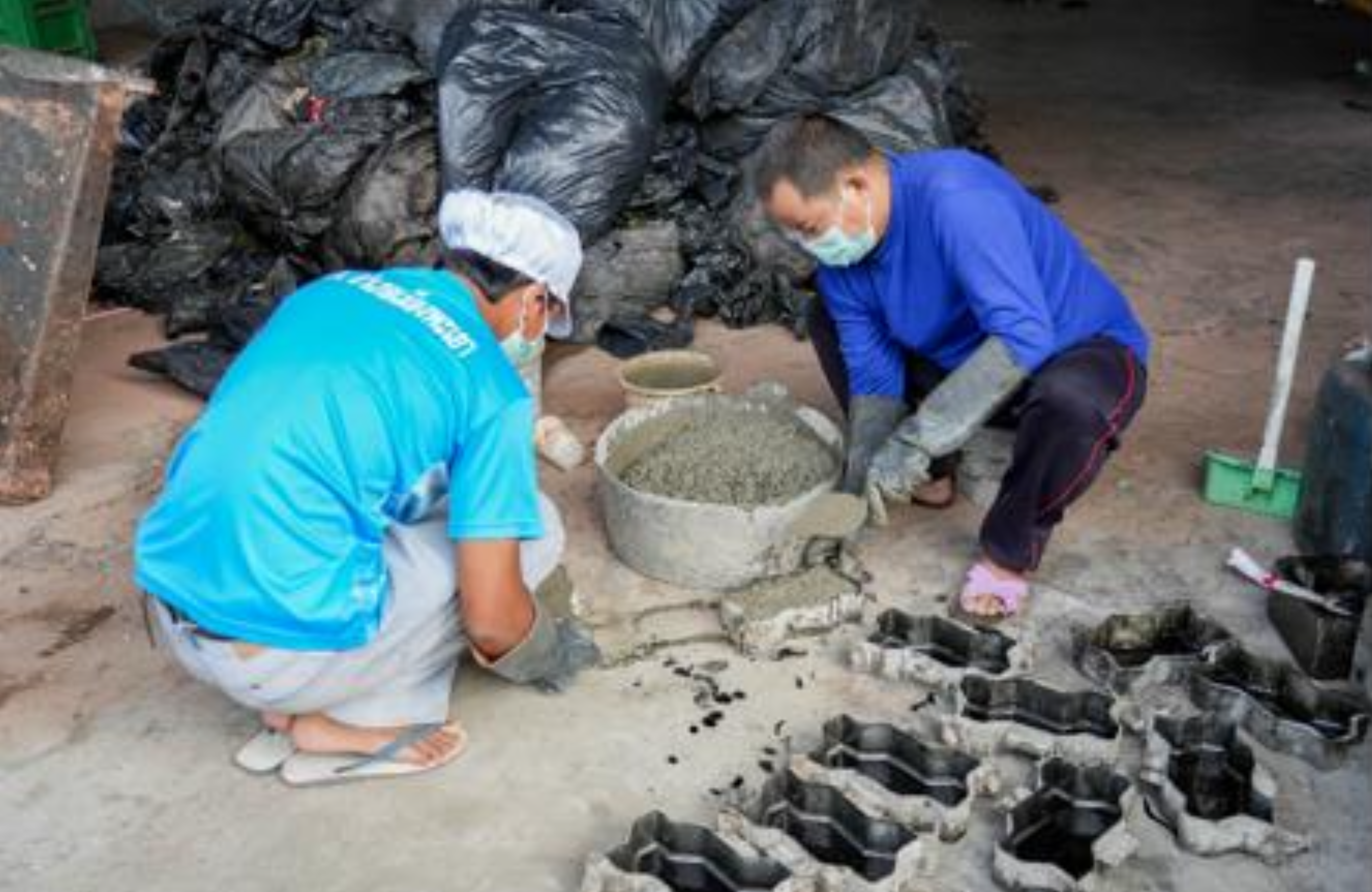
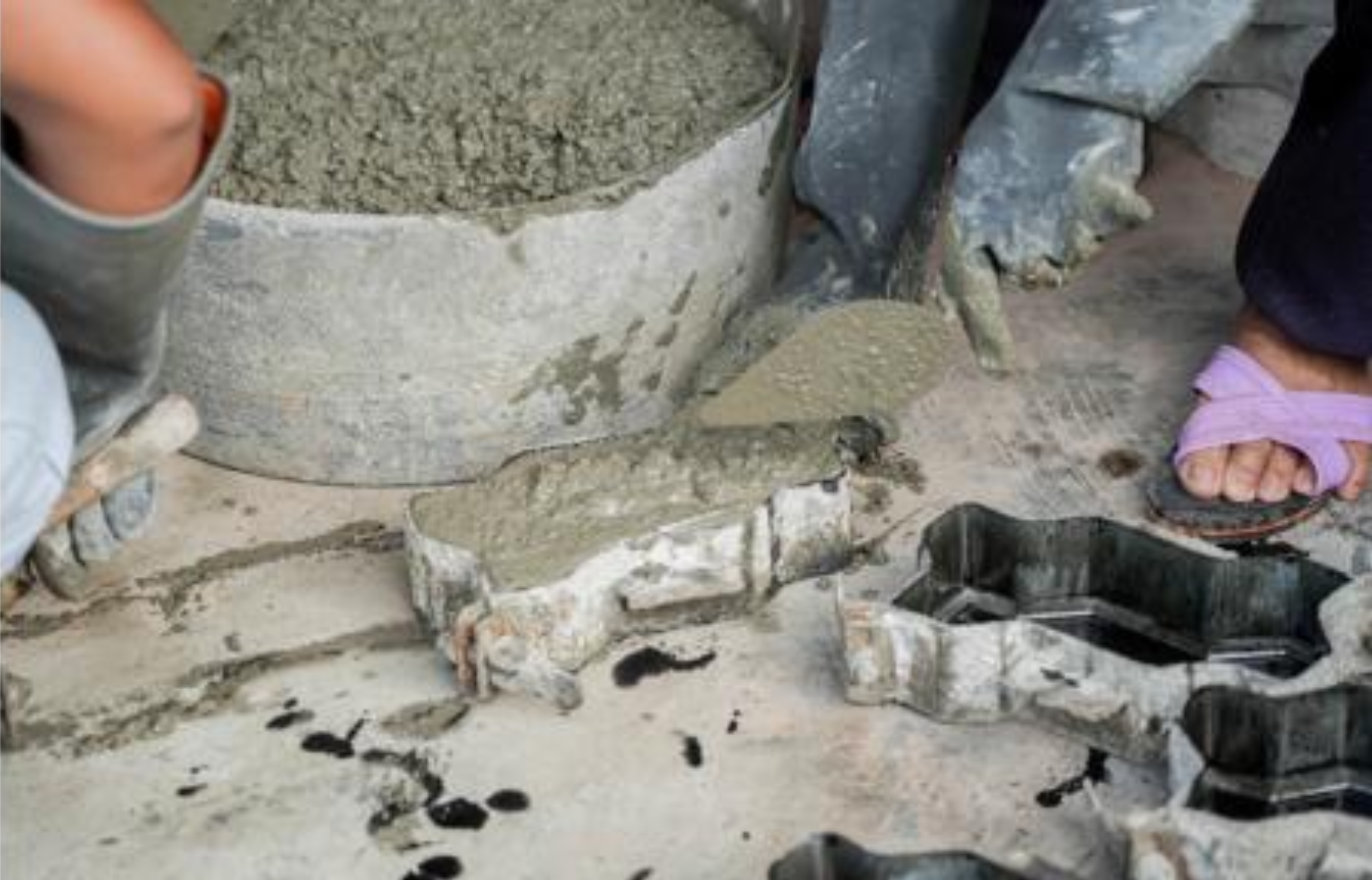
Residual plastic from clothes hanger production and hard plastics is ground and mixed to produce worm blocks, used as paving stones within the university
Broom from Plastic Waste
As part of the project to transform inorganic waste into useful products, University of Phayao has repurposed some of its plastic bottles to create brooms for sweeping leaves in the university's gardens. The Center of Environmental and Sustainable Management produces 20 brooms per month and delivers them to the Division of Buildings and Facilities for further use.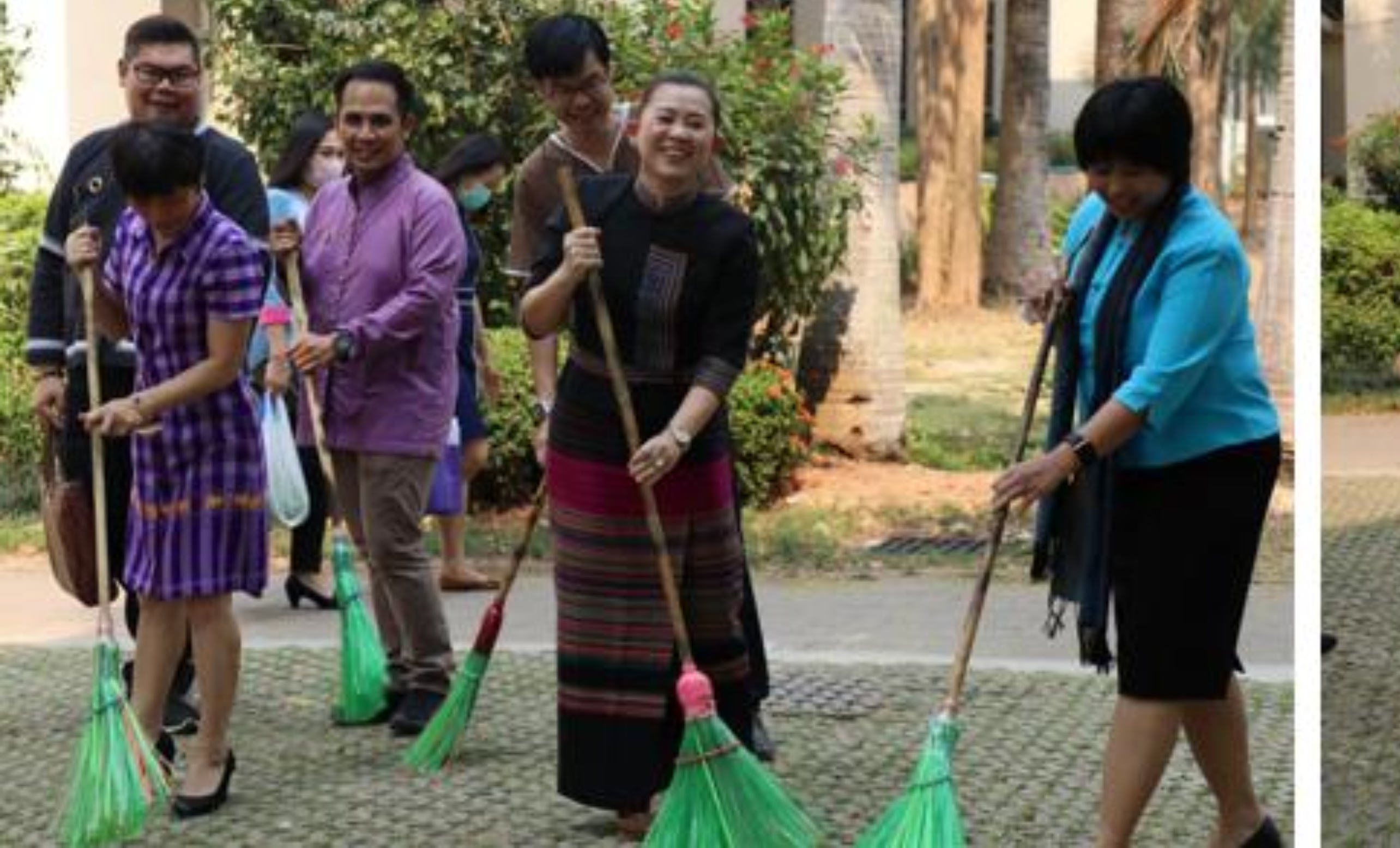
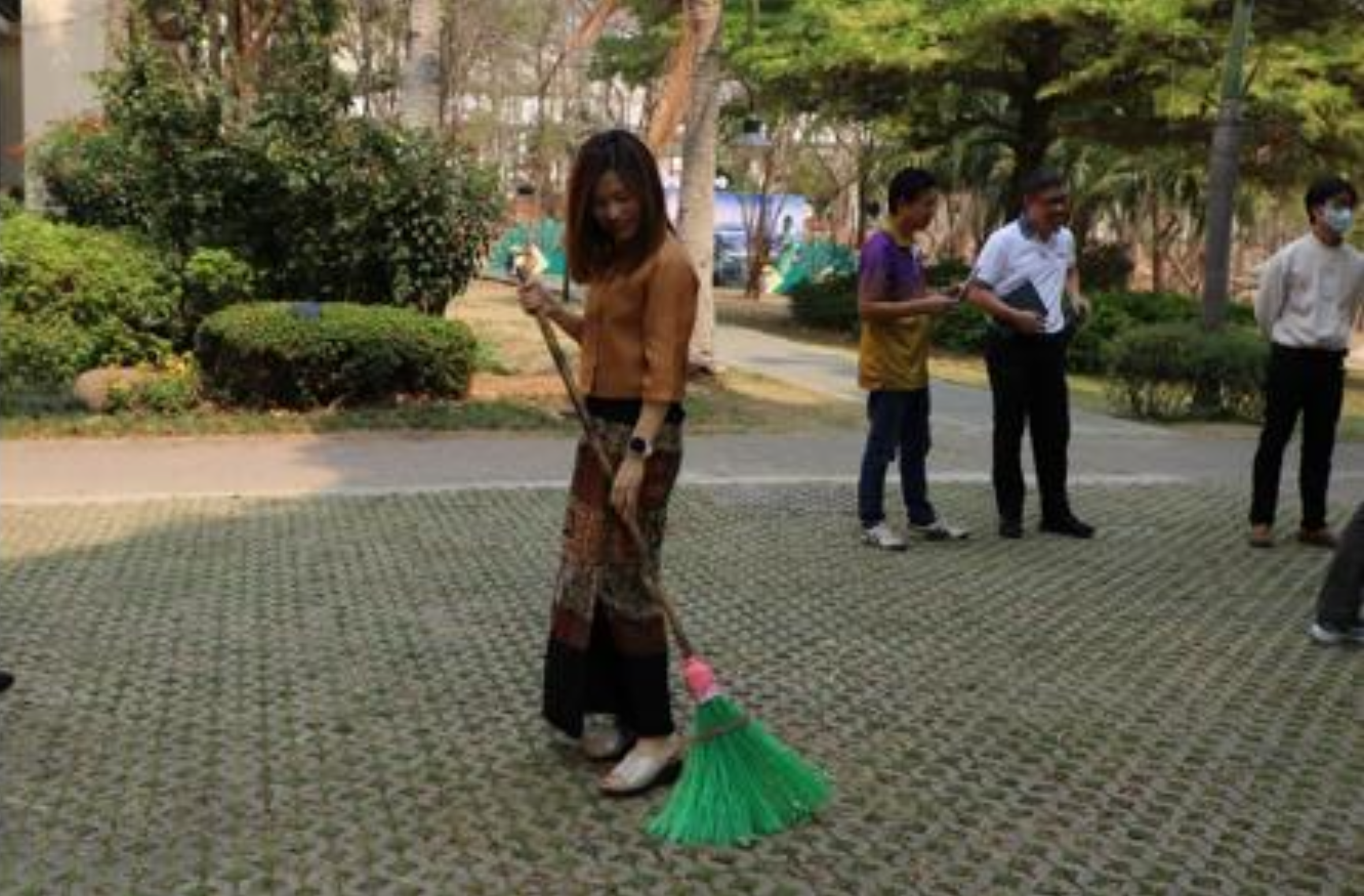
Brooms made from repurposed plastic bottles, used for sweeping leaves in the university's gardens