Restricting Car Use and Promoting Car Sharing
According to the University of Phayao's transportation policy, the use of private cars and access to parking areas have been restricted since 2010. Although the university provides additional bicycle services (e.g., parking lots, repair shops, and related facilities) and public transportation options (e.g., EV shuttle buses), some individuals still rely on their personal vehicles. As a result, more than 10 traditional parking spaces around the university have been removed and replaced with green parks. These efforts aim to encourage a shift from personal car use to more sustainable modes of transportation (e.g., buses, vans, cycling, and walking), which contribute to improved quality of life and better health.University of Phayao remains committed to reducing its environmental impact by implementing sustainable traffic policies and updating its master plan to further restrict private car use. Car sharing offers several benefits, including reduced fuel costs, lower greenhouse gas emissions, alleviated traffic congestion, and decreased demand for parking space.
Target: Reduce parking space by 50% by 2030 compared to 2010 levels.
Current Status: By 2026, parking space at the University of Phayao will have decreased by 35%.
Phayao main campus
Total area
8,254,024 m²
Parking area
80,958 m²
8 spaces · avg 6,000–9,585 m² per space
Chiang Rai campus
Total area
48,720 m²
Parking area
1,450 m²
2 spaces · avg 350 m² and 1,100 m² per space
Total campus area
8,302,744
sq. meters
Total parking area
82,408
sq. meters
Parking ratio
0.98%
(82,408 / 8,302,744) × 100%
Parking vs total campus area
0.98%
0%
100%
University of Phayao, Phayao Campus
The University of Phayao is committed to developing its campus into an environmentally friendly green space and reducing greenhouse gas emissions from transportation within the university (the transport carbon footprint). Previously, commuters often parked their personal vehicles haphazardly in front of academic and office buildings, resulting in congestion, heat accumulation around the buildings (the Heat Island Effect), and an increased risk of road accidents.Therefore, the university has implemented a policy of "Limiting, Relocating, and Grouping Parking Spaces" by improving and utilizing vacant spaces between buildings (inter-building spaces) to create "Cluster Parking Hubs," in order to upgrade the transportation system and promote green travel systematically.


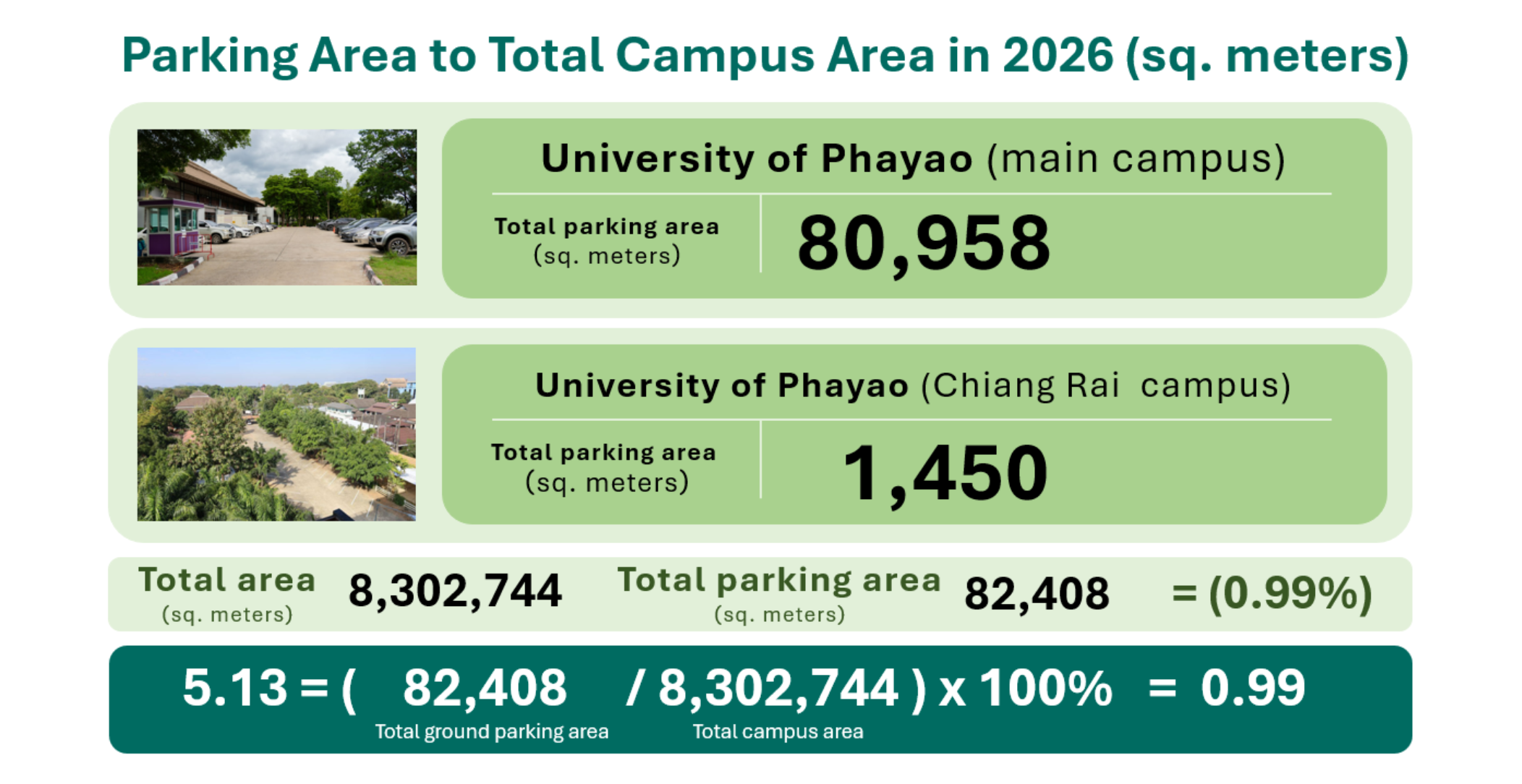
Parking Area to Total Campus Area.
Parking spaces are designated to be located near the public transport system in the form of buildings and parking lots to allow students, staff to transition from private vehicles into the internal mass transit system, such as electric buses, bicycles, or walking to their destinations.
Parking Area to Total Campus Area.
In addition, the University of Phayao promotes the use of designated parking spaces for individuals with disabilities and those requiring assistance, in line with its policy of prohibiting public transportation and motorcycles within the campus. Therefore, motorcycle parking areas have been provided at all three university entrances.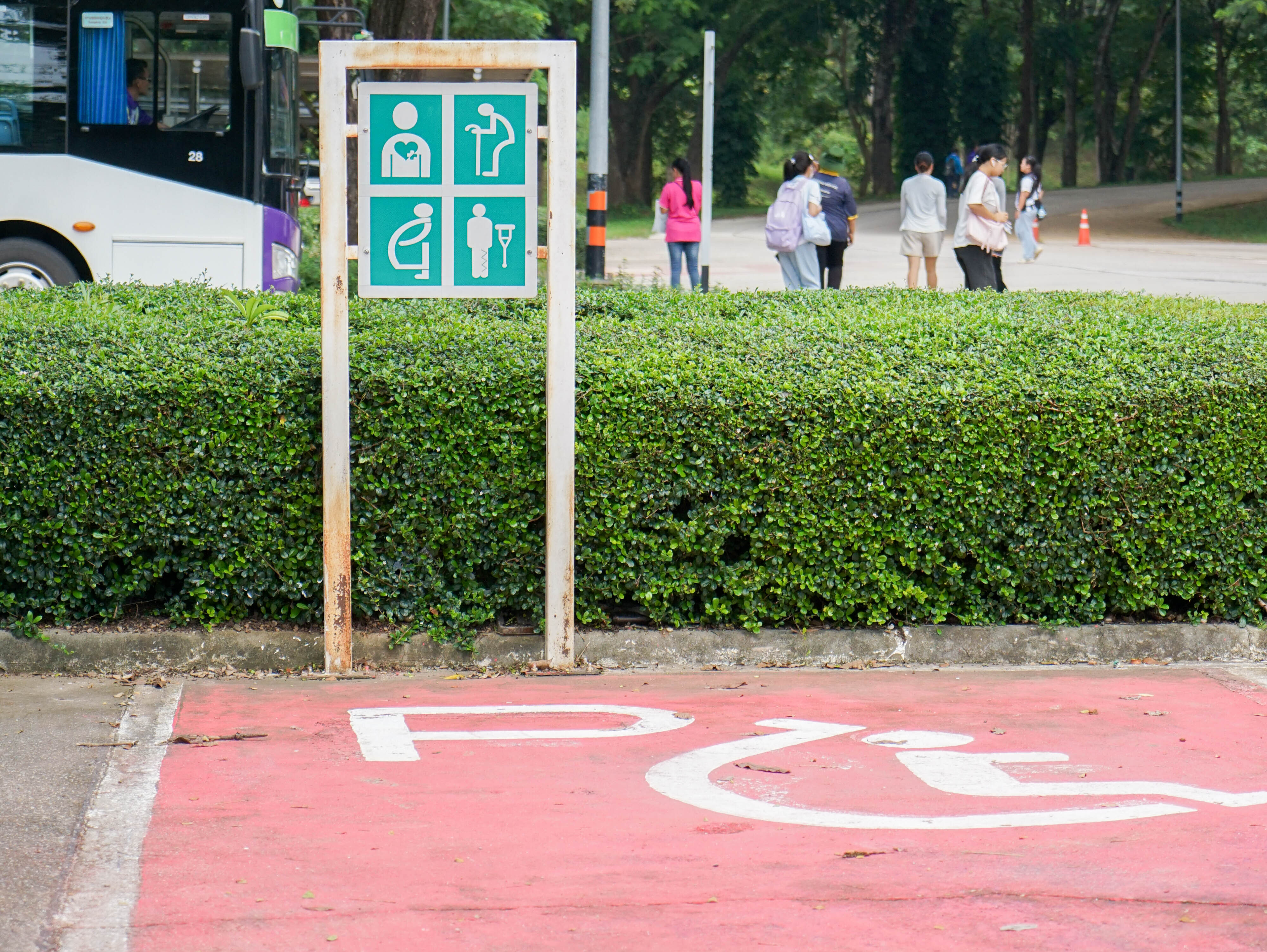
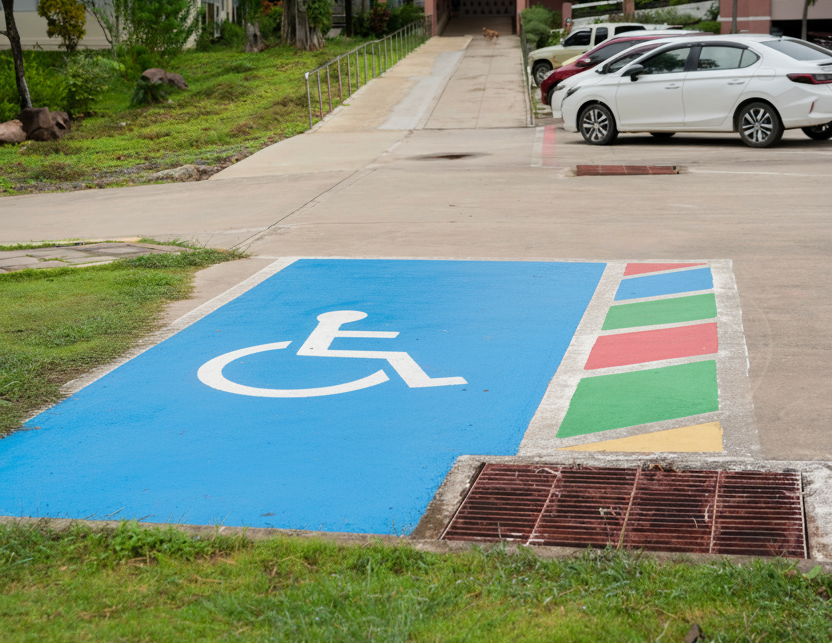
Parking for the disabled and those requiring assistance
The University of Phayao has a policy prohibiting personal motorcycles on campus to reduce the risk of accidents and congestion. Designated motorcycle parking areas are located near the main university entrance, while motorcycle parking within the university grounds is strictly prohibited. To address this, the university has transitioned to an internal transportation system using electric shuttle buses (EV Shuttle Buses) to seamlessly convey students and staff from these parking areas to various faculties and buildings throughout the day. This is a key measure that effectively achieves a 100% replacement of personal motorcycle use on campus.


Motorcycle parking in front and behind of the university
Chiang Rai Campus
The University of Phayao, Chiang Rai Campus, functions as an academic service center dedicated to expanding educational opportunities across the region. This initiative drives provincial development by enhancing education, economic growth, social well-being, public health, and cultural preservation. Spanning approximately 48,720 square meters, the campus prioritizes environmental sustainability by dedicating the vast majority of its land to green space, leaving only three buildings on the grounds. To preserve this eco-friendly layout, parking facilities are seamlessly integrated within the existing building footprints.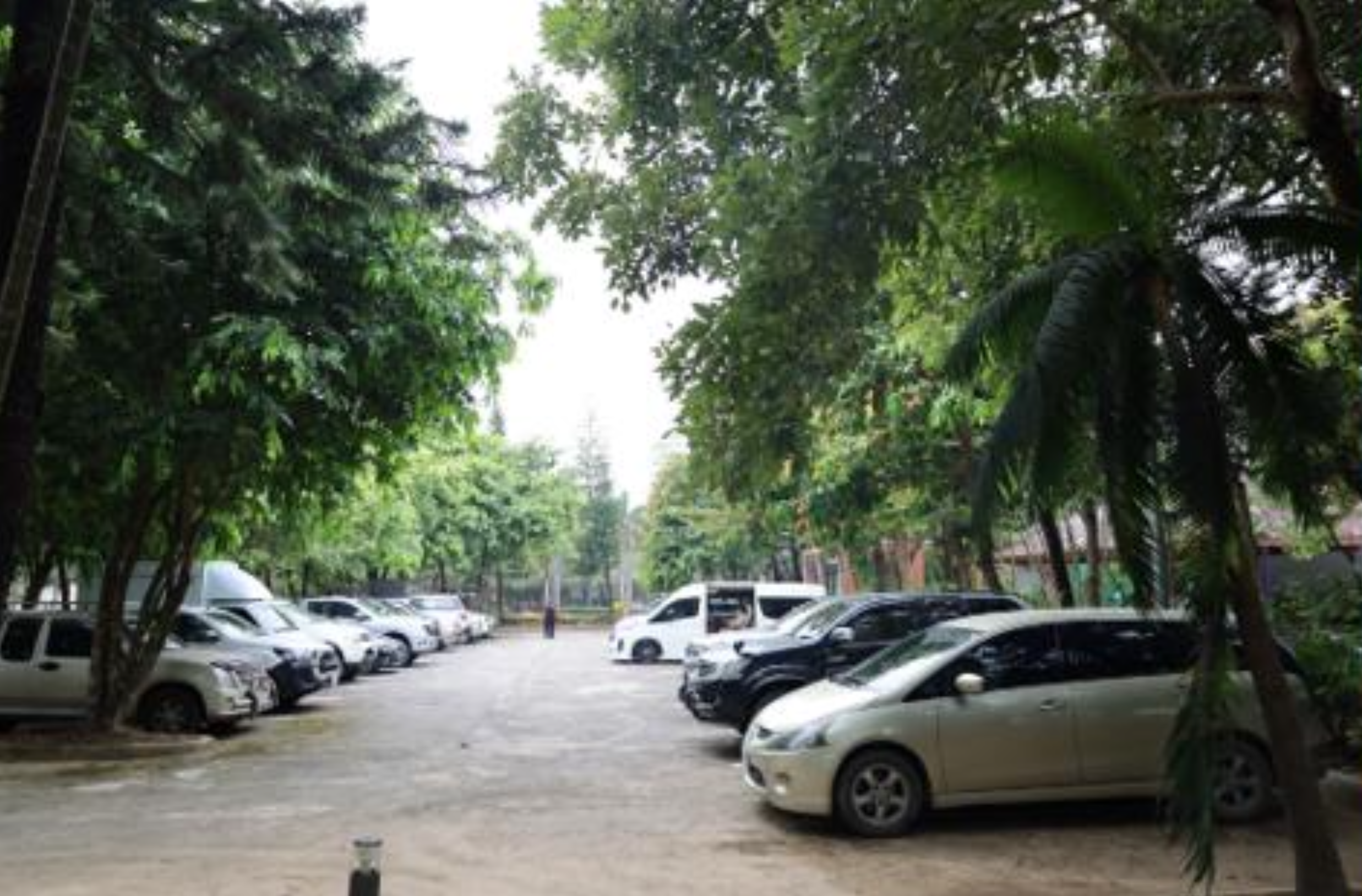
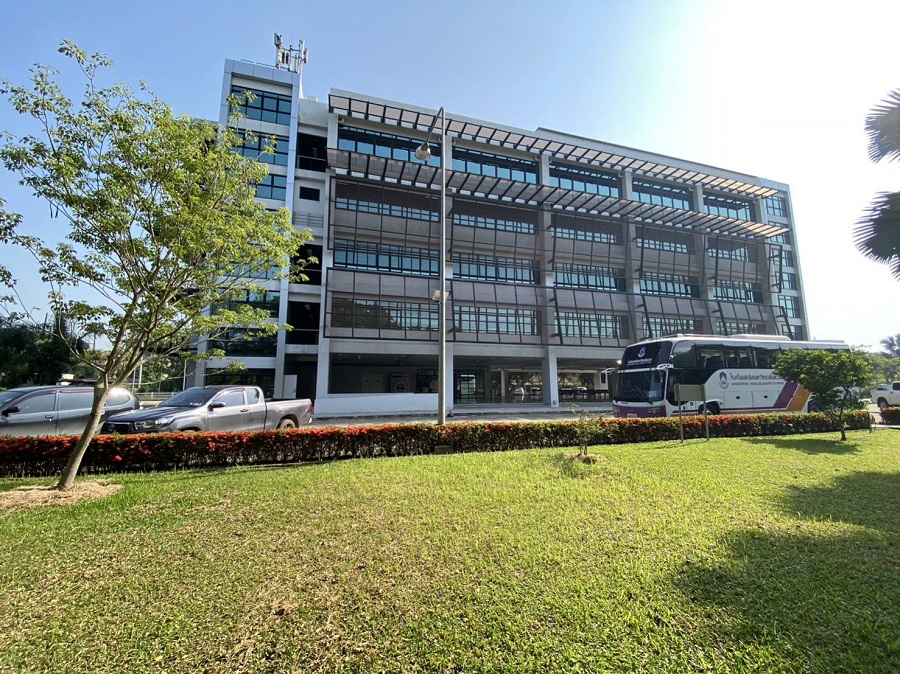
Parking Area to Total Chiang Rai Campus Area.
Limitation of Car: Limit or Decrease the Parking Area on Campus
According to the Transportation Policy of the University of Phayao, the university has implemented comprehensive measures to limit private vehicle use and optimize parking management as part of its long-term commitment to sustainability and green campus development. Since its inception in 2002, the University of Phayao has strictly enforced restrictions on motorcycle use by students and staff on campus, restricted private cars in certain areas, and maintained rigorous parking allocation to promote more sustainable, efficient, and environmentally responsible transportation patterns among students, faculty, and staff.Despite providing a variety of eco-friendly transportation options, such as bicycle services (including secure bicycle parking areas and dedicated cycling paths) and electric shuttle buses (EV shuttles) operating on fixed routes, there remains a segment of the university community that continues to rely on private cars for daily commuting, mainly due to personal schedules, mobility needs, or distance from home. To address this reality in a balanced and sustainable way, the University of Phayao has redesigned its parking infrastructure and mobility system to better reflect its environmental objectives. The University of Phayao offers parking facilities — comprising both buildings and outdoor lots — located near its public transportation hubs. These facilities enable students, staff, and the general public to transition from their personal vehicles to the university's public transportation network, which includes electric welfare passenger buses and pedestrian paths. These facilities provide quicker, more convenient access to workspaces and educational buildings, thereby reducing traffic and encouraging the use of public transit, aligning with Thailand's greenhouse gas policy aimed at achieving tangible carbon neutrality. Additionally, as part of this ongoing commitment, the university implements an annual plan to progressively reduce on-campus parking spaces.
Limited Parking Space: Parking Card System
The University of Phayao has guidelines to reduce the use of vehicles within the university by limiting cars that can be parked in the parking lot of various buildings to personnel and having a permit from the university to use the parking area only.In the parking areas of various buildings, there will be security officers to inspect cars that come into the area and maintain the safety of the property of personnel who come to use the service.
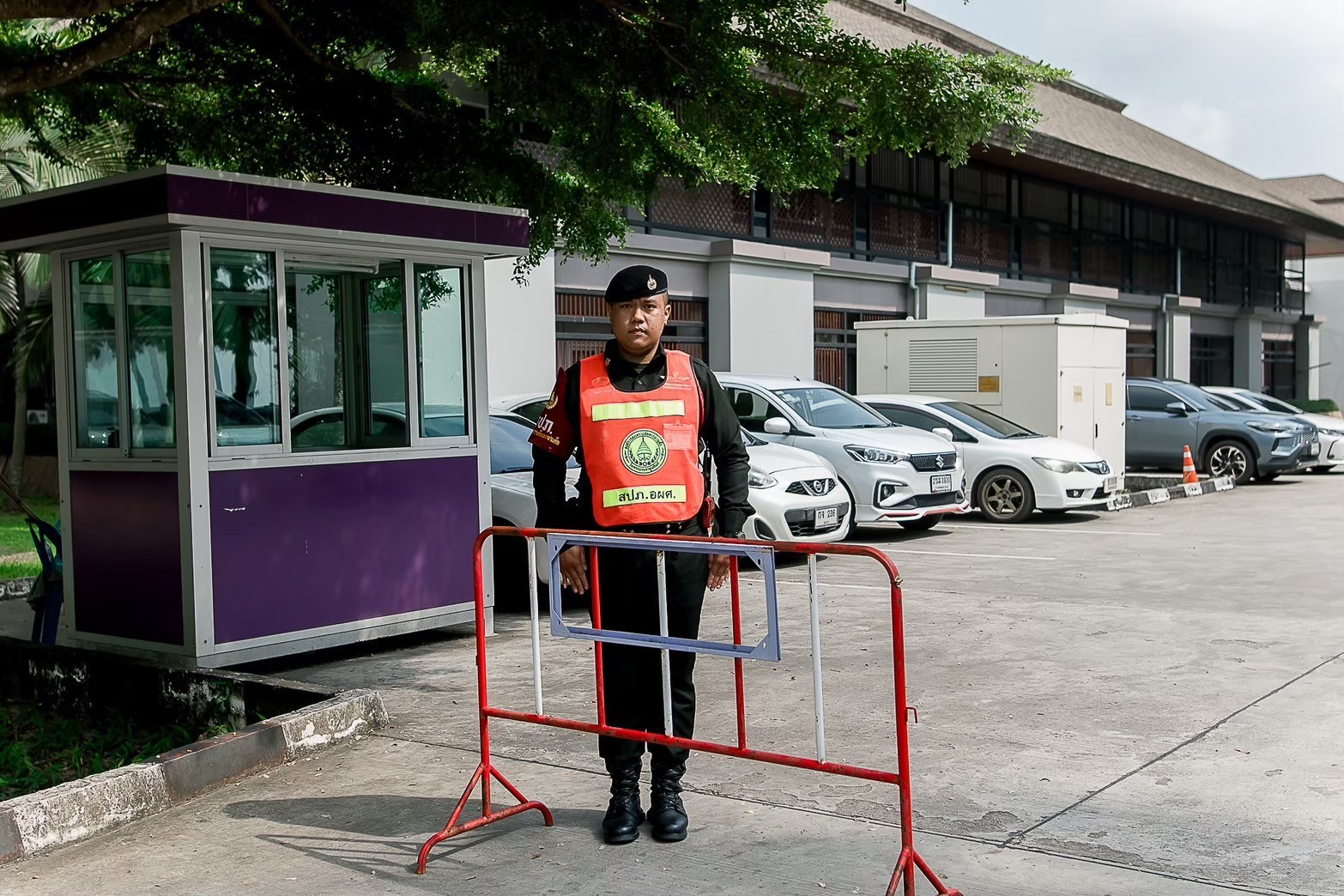
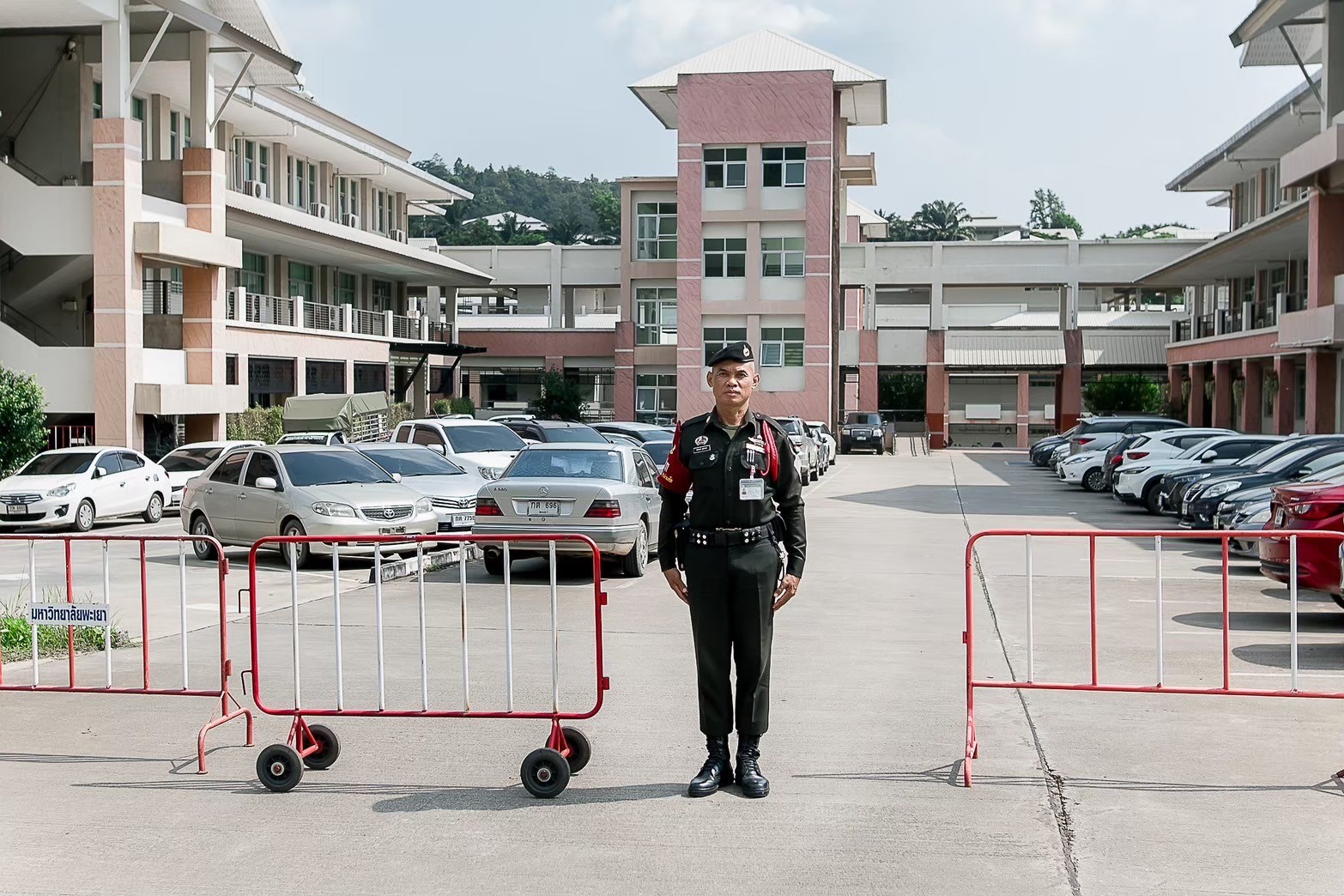
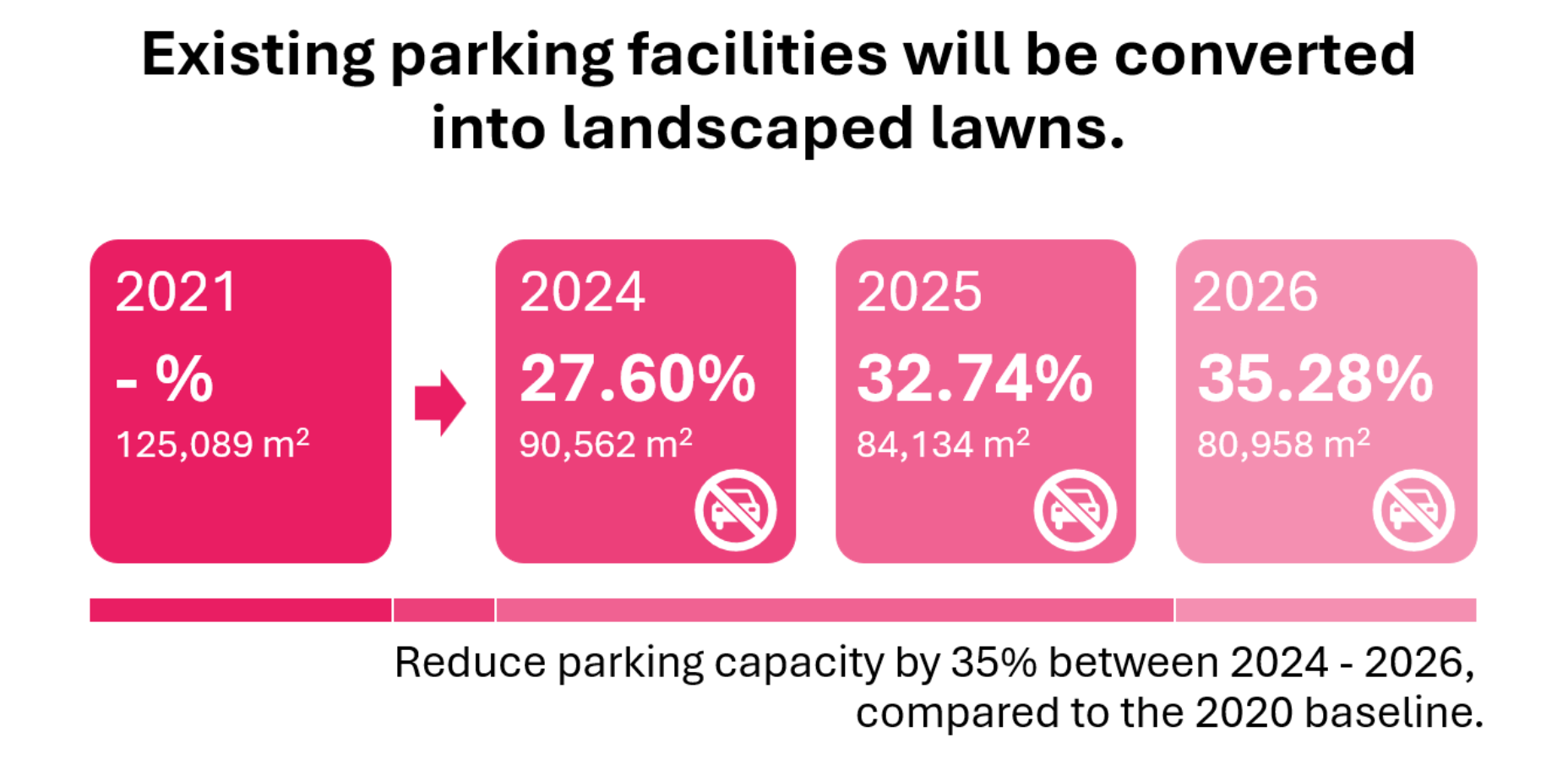
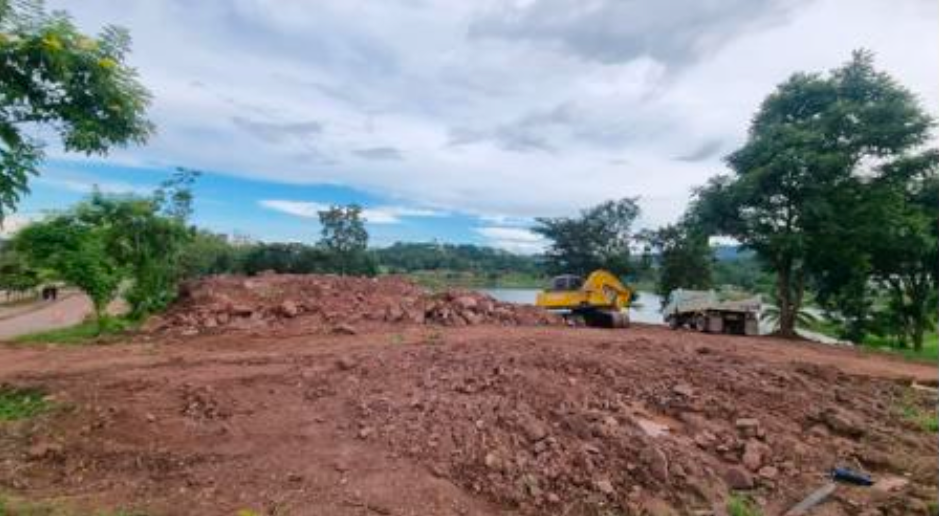
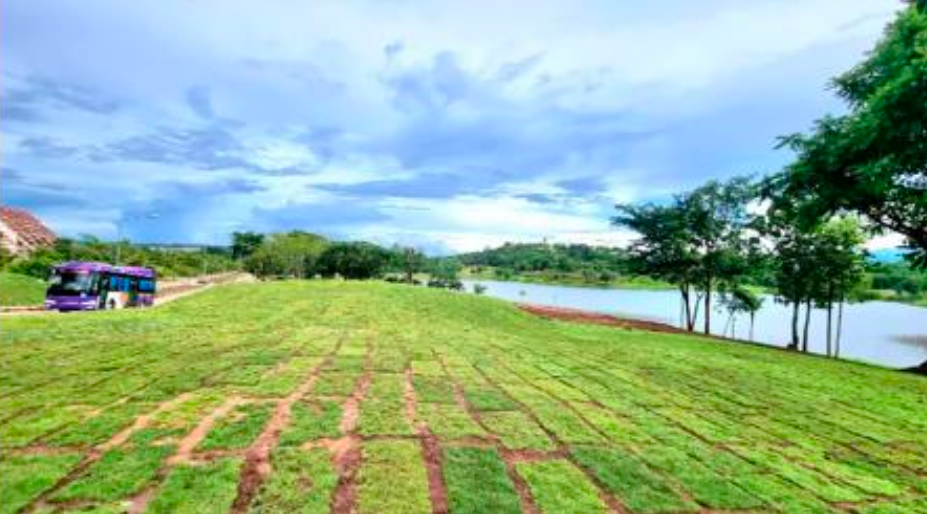
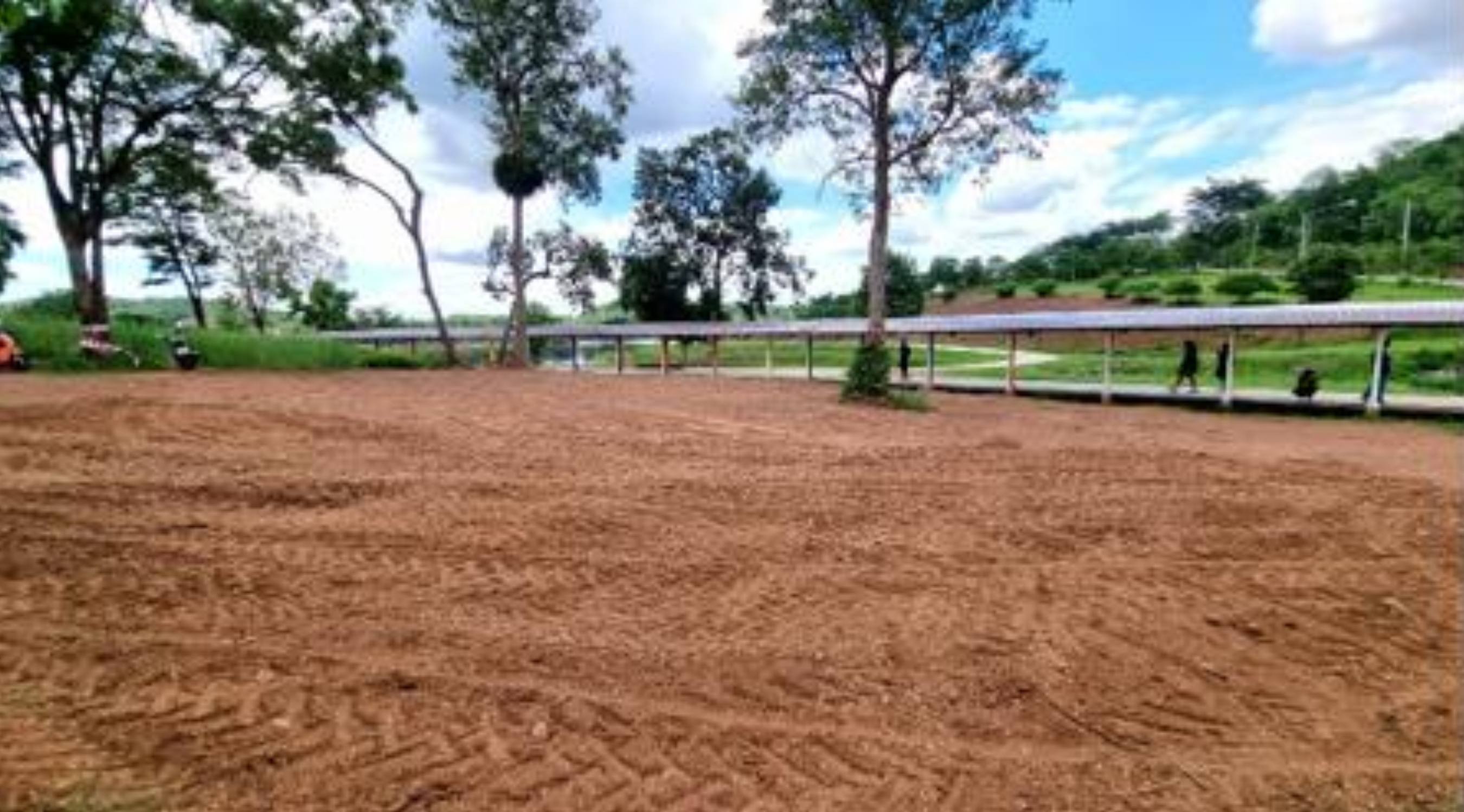
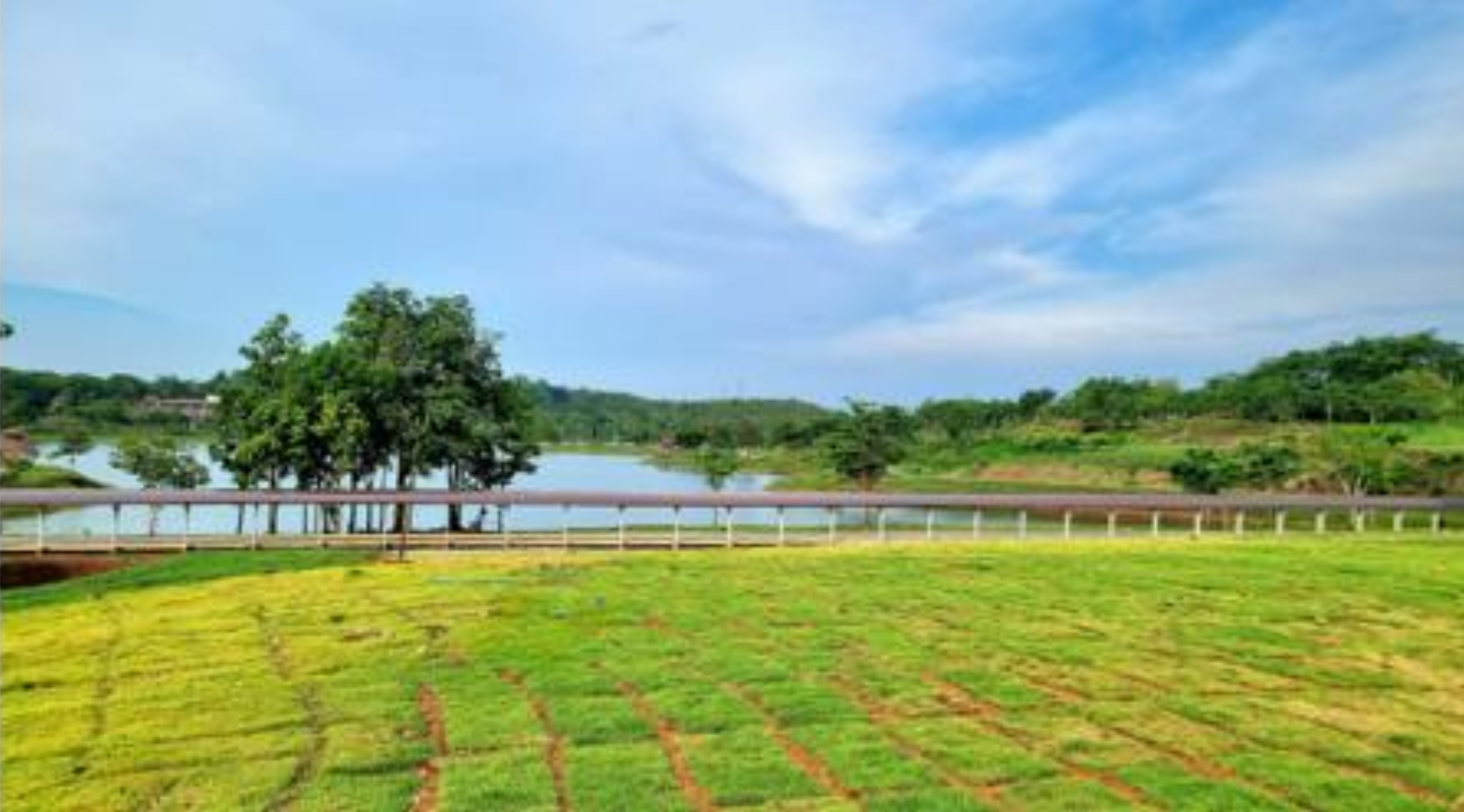
Existing parking facilities will be converted into landscaped lawns, creating dedicated recreational green spaces for the university community.
Vehicle Entry and Exit Card System Management
While the University of Phayao's access card system prioritizes security by screening those entering and exiting the premises, it also serves as a "policy tool" used by the university to reduce the use of personal vehicles by students and staff. Since most university parking areas require an access card for identification, fewer personal vehicles enter the campus, minimizing the demand for extensive parking facilities. This allows the university to gradually reduce the size of its parking areas over a three-year period, returning those spaces to sustainable green zones.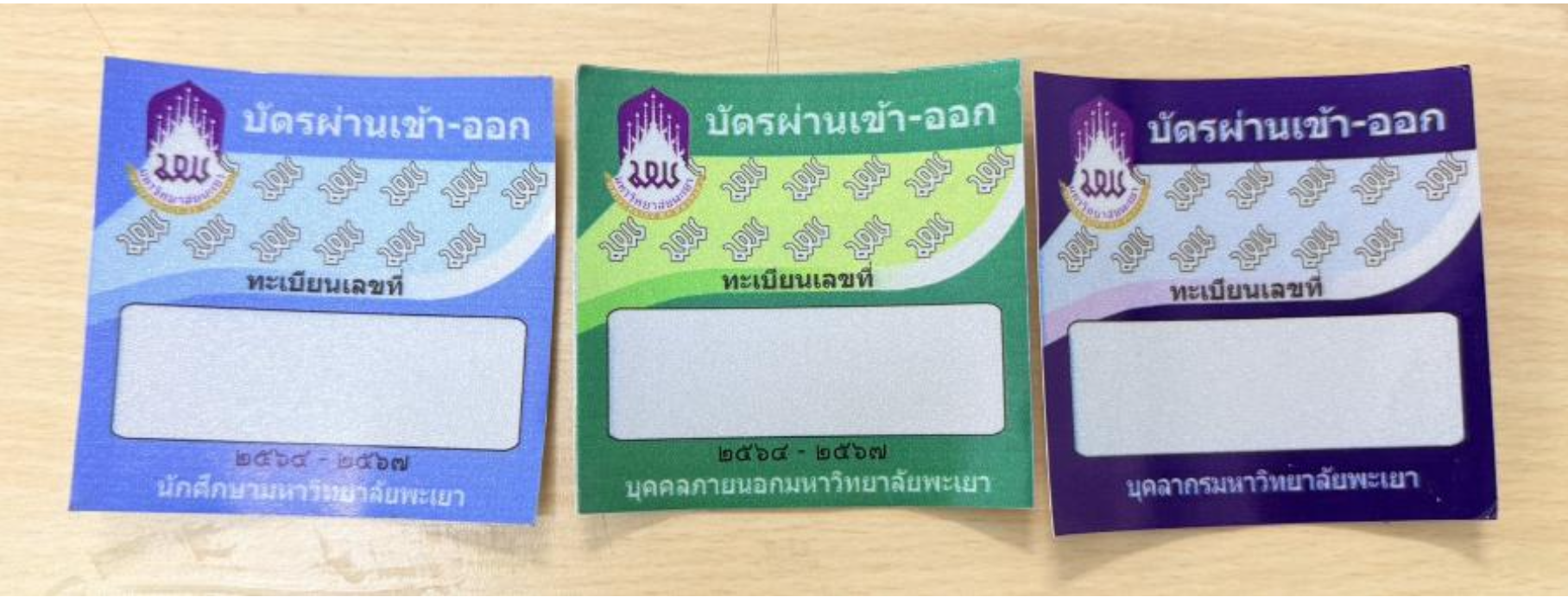
University of Phayao access card. Only staff with parking sticker can be park without charge (350 cars available)
No-Parking Areas and Prohibited Entry into the University

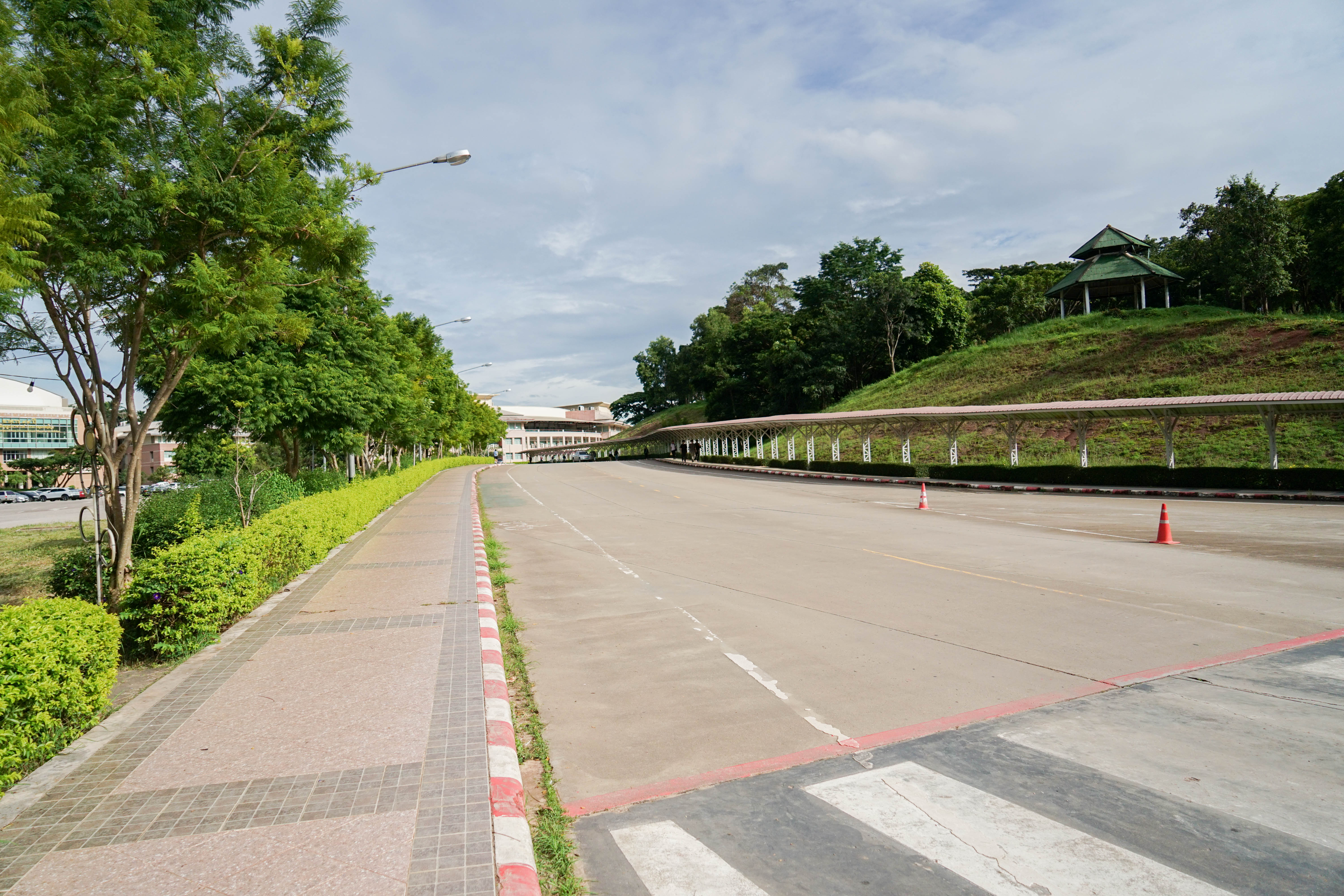

The main goal of these measures is to encourage a modal shift from private car usage to sustainable transport options, including electric buses, vans, bicycles, and walking. Such initiatives contribute directly to improving air quality, traffic safety, and overall quality of life on campus. By reducing the dependence on personal vehicles, University of Phayao is not only cutting down on fuel consumption and operational costs but also reducing greenhouse gas (GHG) emissions, which aligns with the university's broader sustainability strategy and its efforts to support Thailand's climate action targets.
The carpooling initiative is another integral part of the University of Phayao's sustainable mobility framework. The program encourages members of the university community who must still use private vehicles to share rides with others traveling in the same direction. Participants in carpooling enjoy benefits such as priority parking spaces and participation in Green Campus incentive programs. Carpooling reduces the total number of vehicles entering the campus, lowers traffic congestion, and minimizes the need for additional parking infrastructure. From a strategic perspective, these actions are consistent with the University of Phayao's Sustainable Traffic and Mobility Master Plan, which integrates principles of smart mobility, energy efficiency, and environmental responsibility. The plan also aligns with the United Nations Sustainable Development Goals (SDGs), particularly:
- SDG 7: Affordable and Clean Energy — through the promotion of electric and low-emission transportation systems.
- SDG 11: Sustainable Cities and Communities — by developing inclusive and accessible transport infrastructure.
- SDG 13: Climate Action — by reducing GHG emissions and promoting low-carbon commuting behavior.
Furthermore, the University of Phayao continues to enhance its transportation infrastructure and digital management systems by integrating data-driven parking management, real-time vehicle monitoring, and the potential introduction of EV charging stations to support electric vehicle users. Awareness campaigns and sustainability workshops are also regularly organized to promote eco-conscious commuting habits among students and staff.
In essence, the University of Phayao's long-term vision goes beyond simply managing traffic or parking — it is about building a smart, green, and people-centered university. By transforming its transportation system and reducing dependence on private cars, the University of Phayao not only improves mobility efficiency but also sets an example for other higher education institutions in Thailand and the region in leading the transition toward a low-carbon and sustainable campus environment.
Welfare Vehicles Transport Personnel to Work
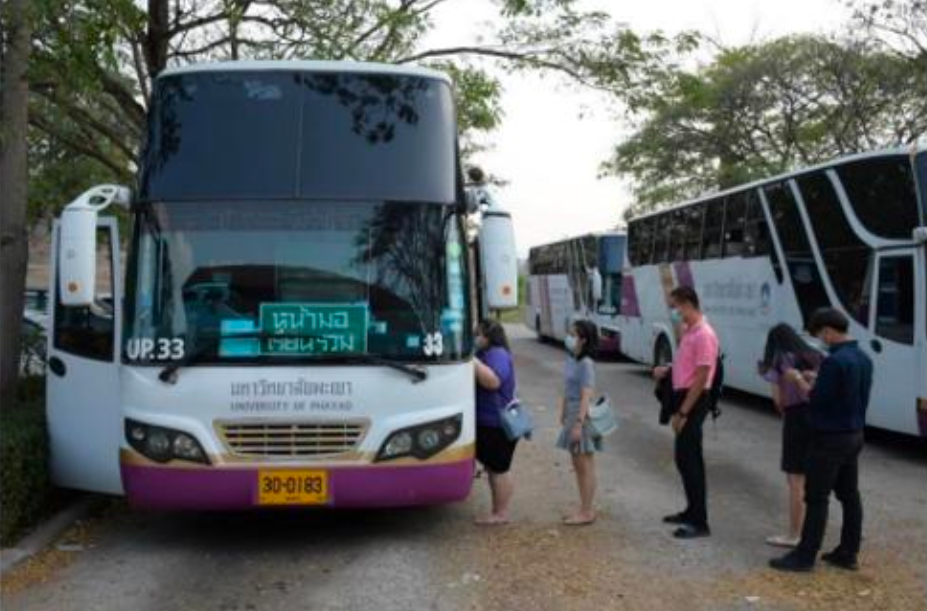
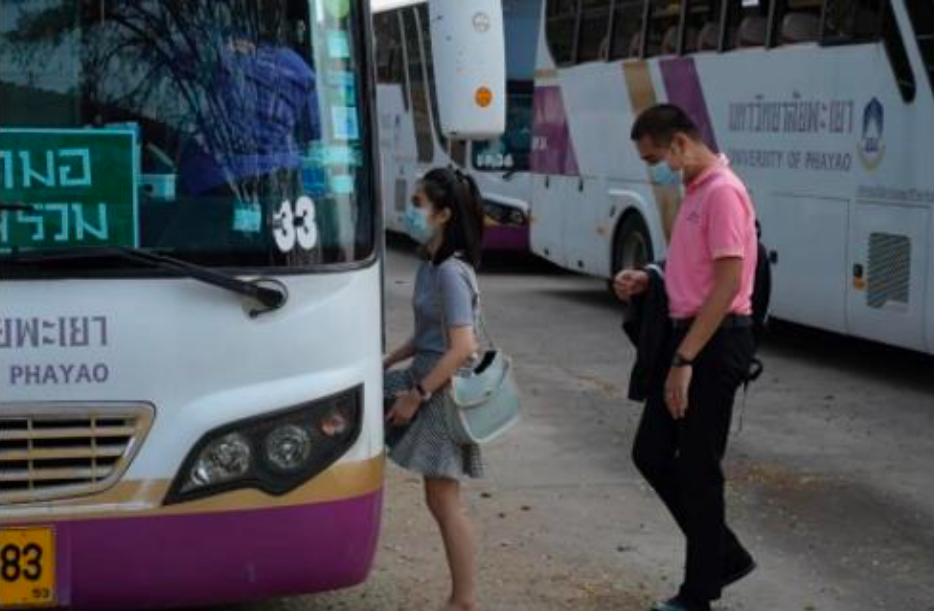
The University of Phayao has a policy to reduce the use of personal cars by staff to work at the university by providing 2 welfare cars to pick up and drop off staff, divided into 2 periods: at 7:30 a.m., starting from the city center to the university, and after work at 5:00 p.m., from the university to the city center.