Target: 100% energy-efficient appliances usage in University of Phayao by 2027
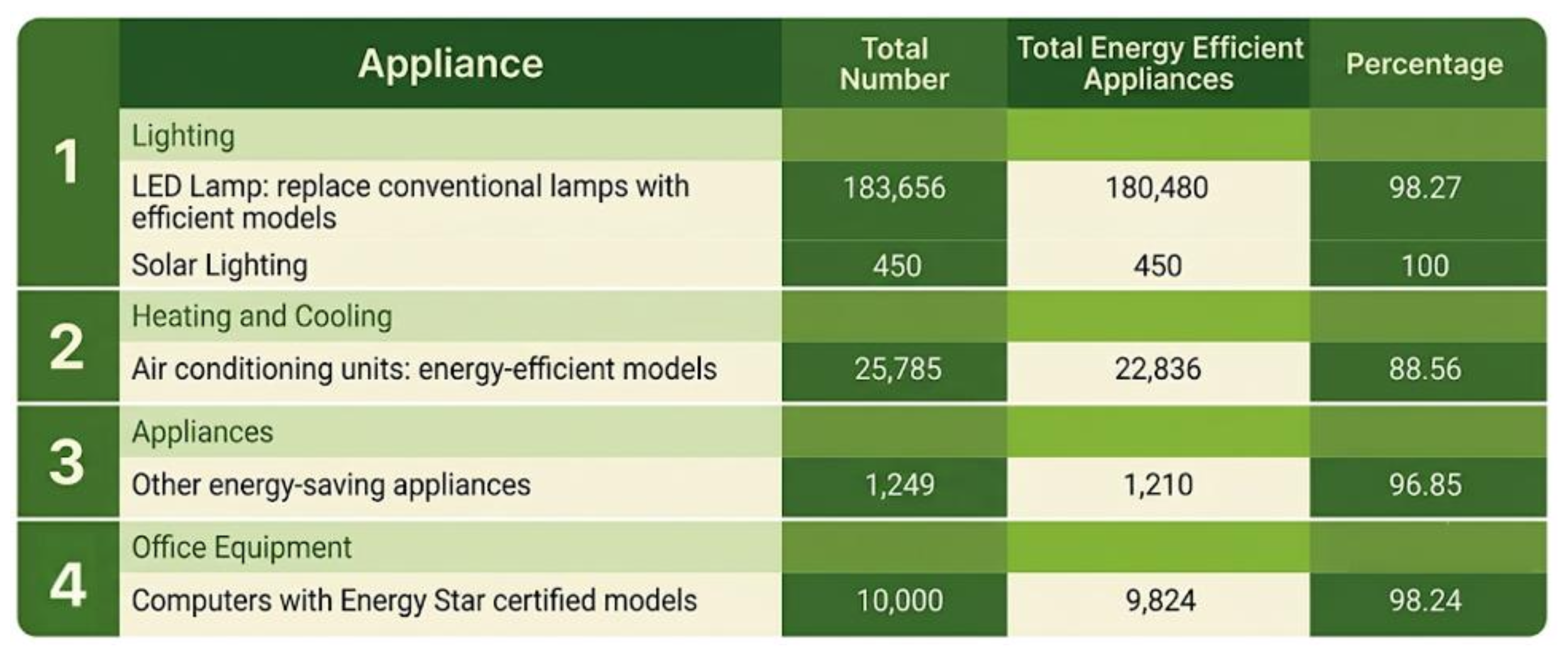
Current Status: In 2026, 96.38% of appliances are energy-efficient appliances. Energy efficiency has become a crucial agenda for leading universities worldwide, as educational institutions are typically high-energy consumers. Energy demand arises from teaching and learning facilities, research laboratories, air conditioning systems, lighting systems, and various electrical appliances used by staff and students. University of Phayao has recognized the importance of energy and environmental management and thus established clear policies and measures to increase the proportion of energy-efficient appliances. Furthermore, University of Phayao has undertaken infrastructure upgrades and adopted sustainable energy management approaches to ensure long-term efficiency. University of Phayao announced the guideline of electrical energy conservation policy for all departments in the university. The principle is to use electricity efficiently and cost-effectively, starting from choosing electrical appliances that are effective and suitable for use, as well as knowing how to use those appliances correctly. This not only helps to save energy but also has a good impact on the public, in terms of preserving nature and the environment. University of Phayao pays close attention to energy management, with an average energy-efficient appliance adoption rate of 96.38%. The specific breakdown for each appliance type is as follows:
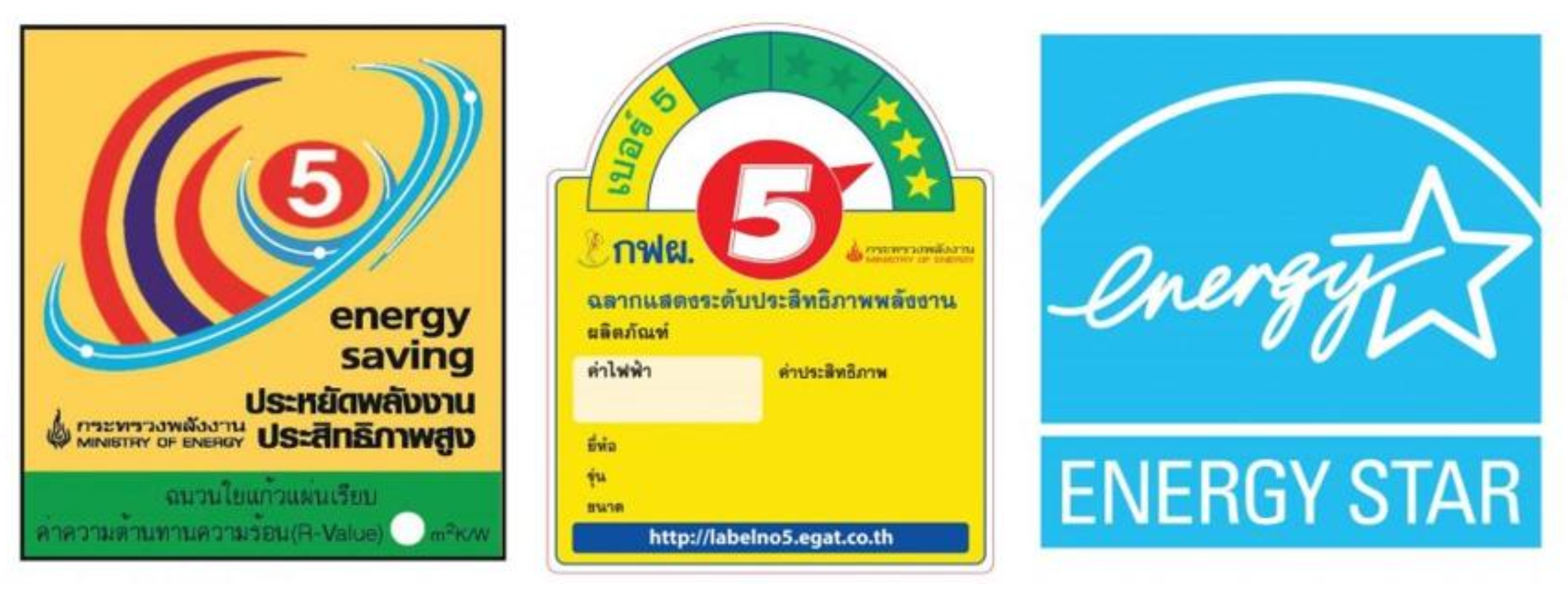
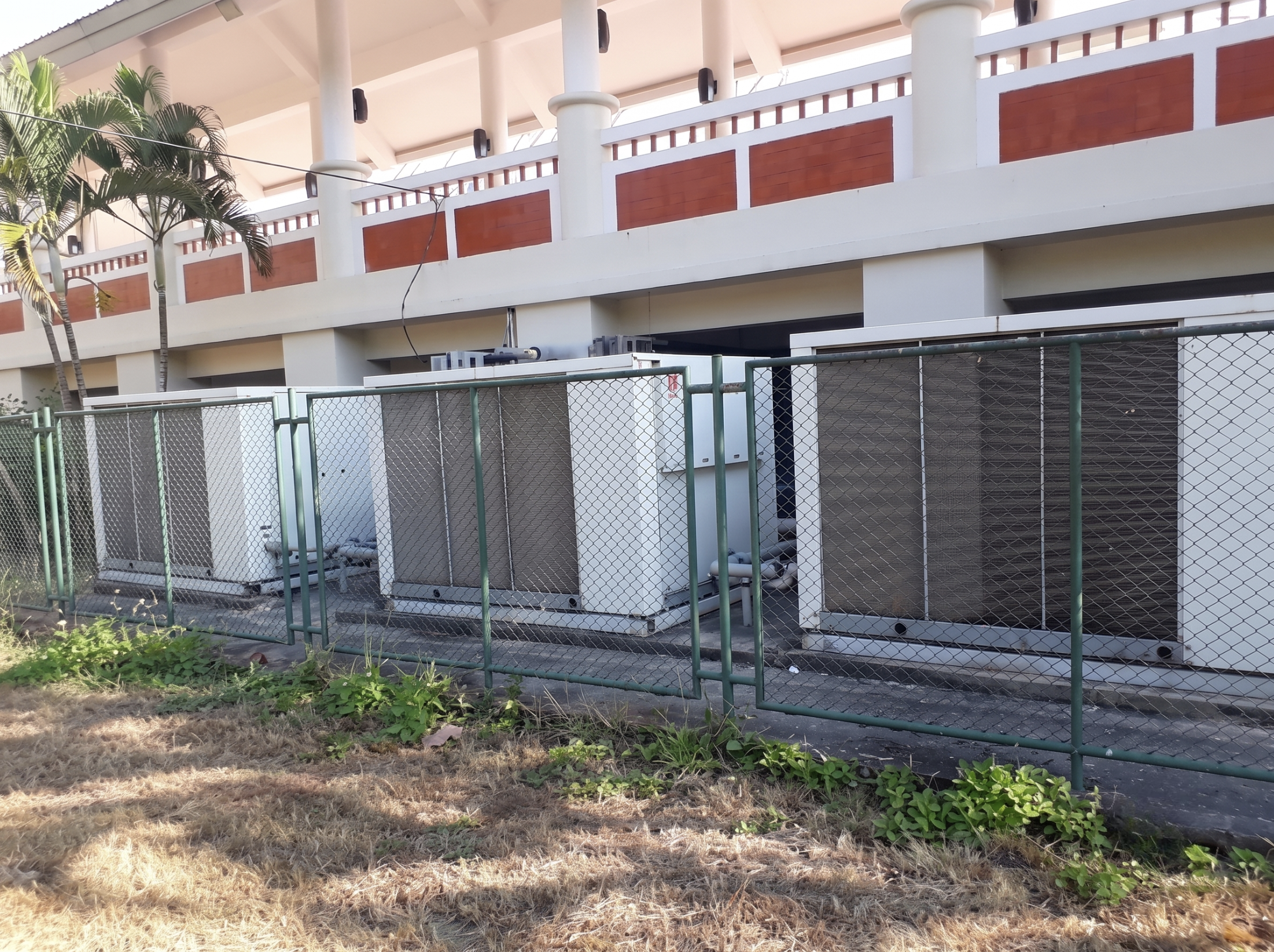
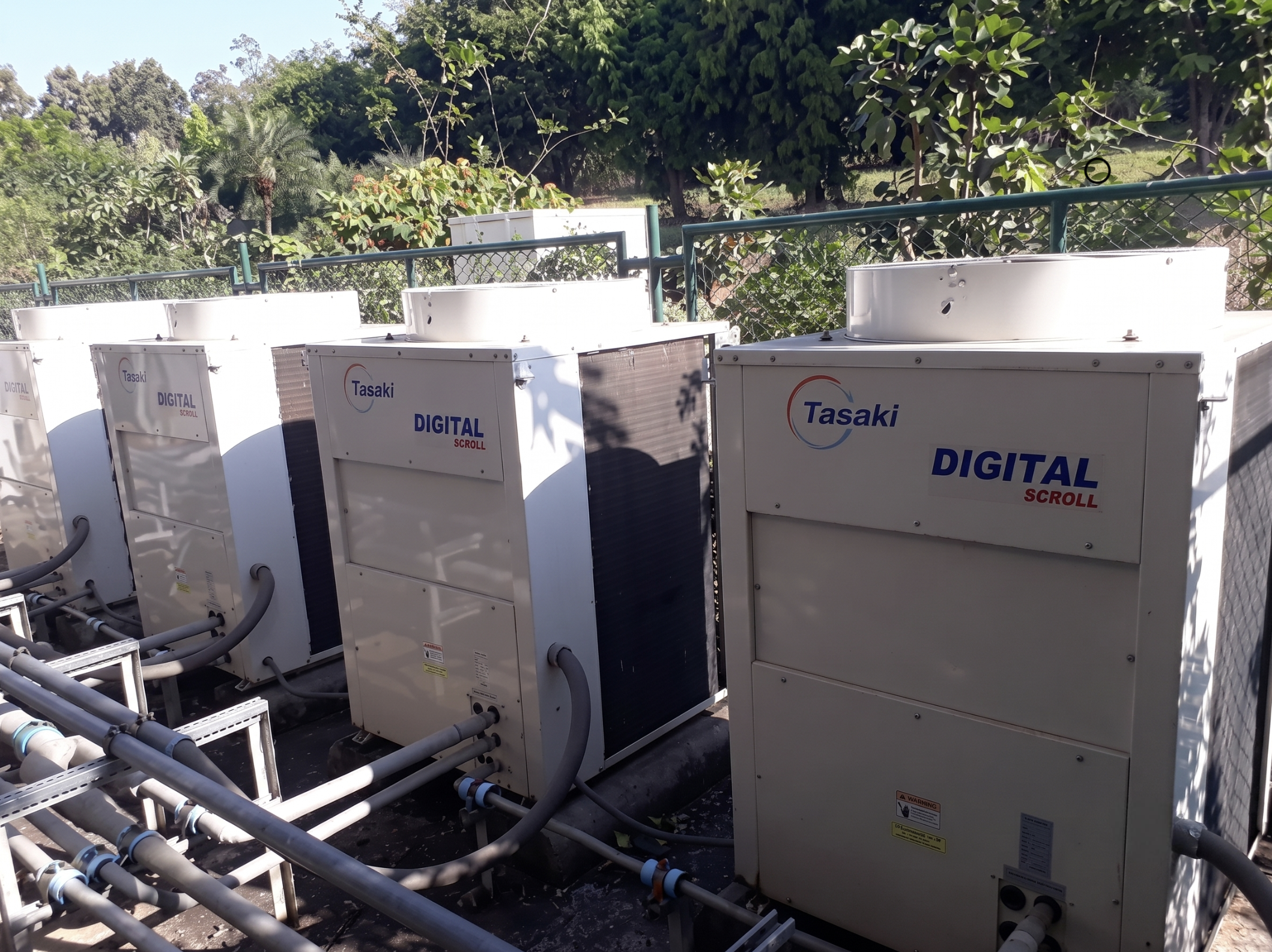
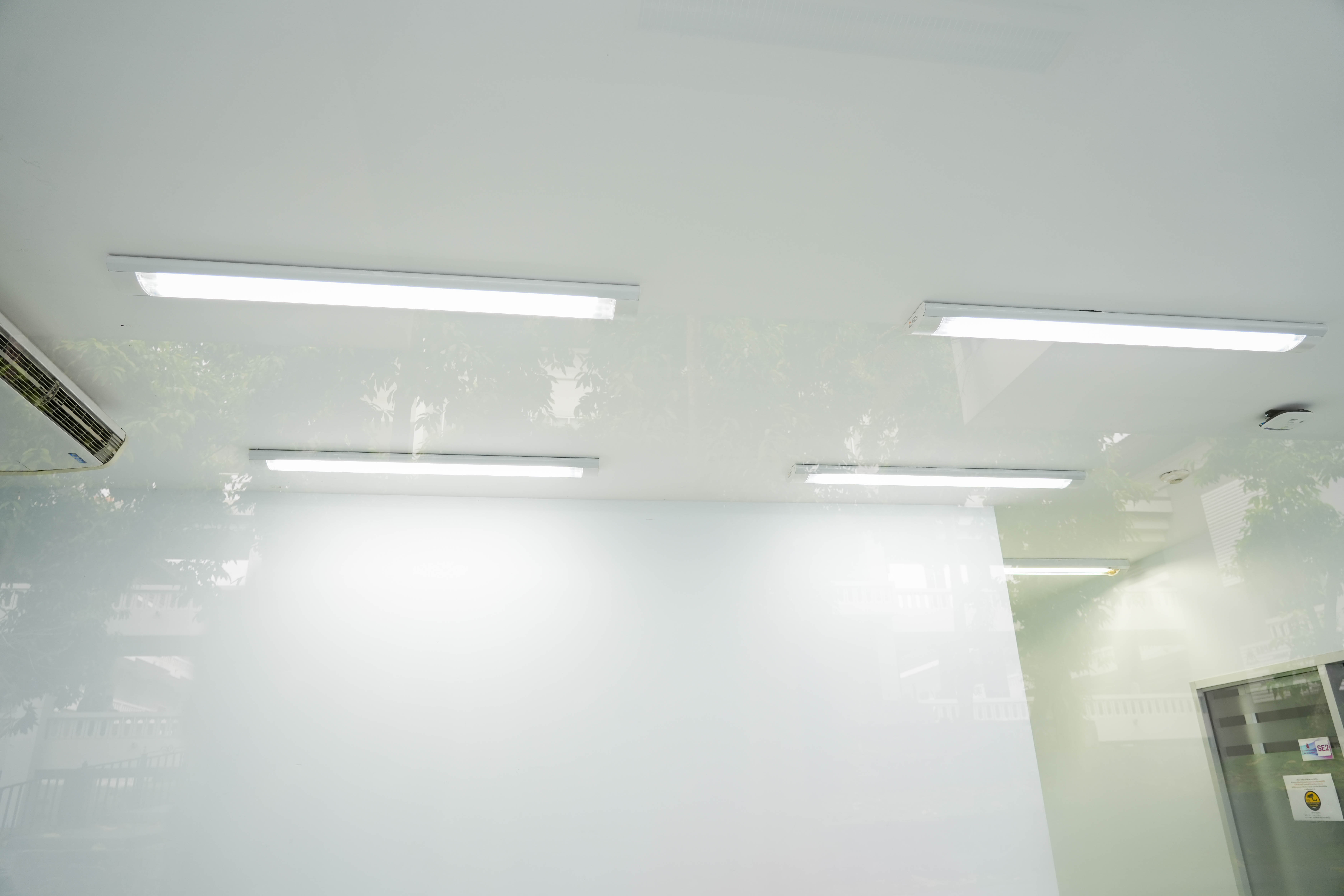
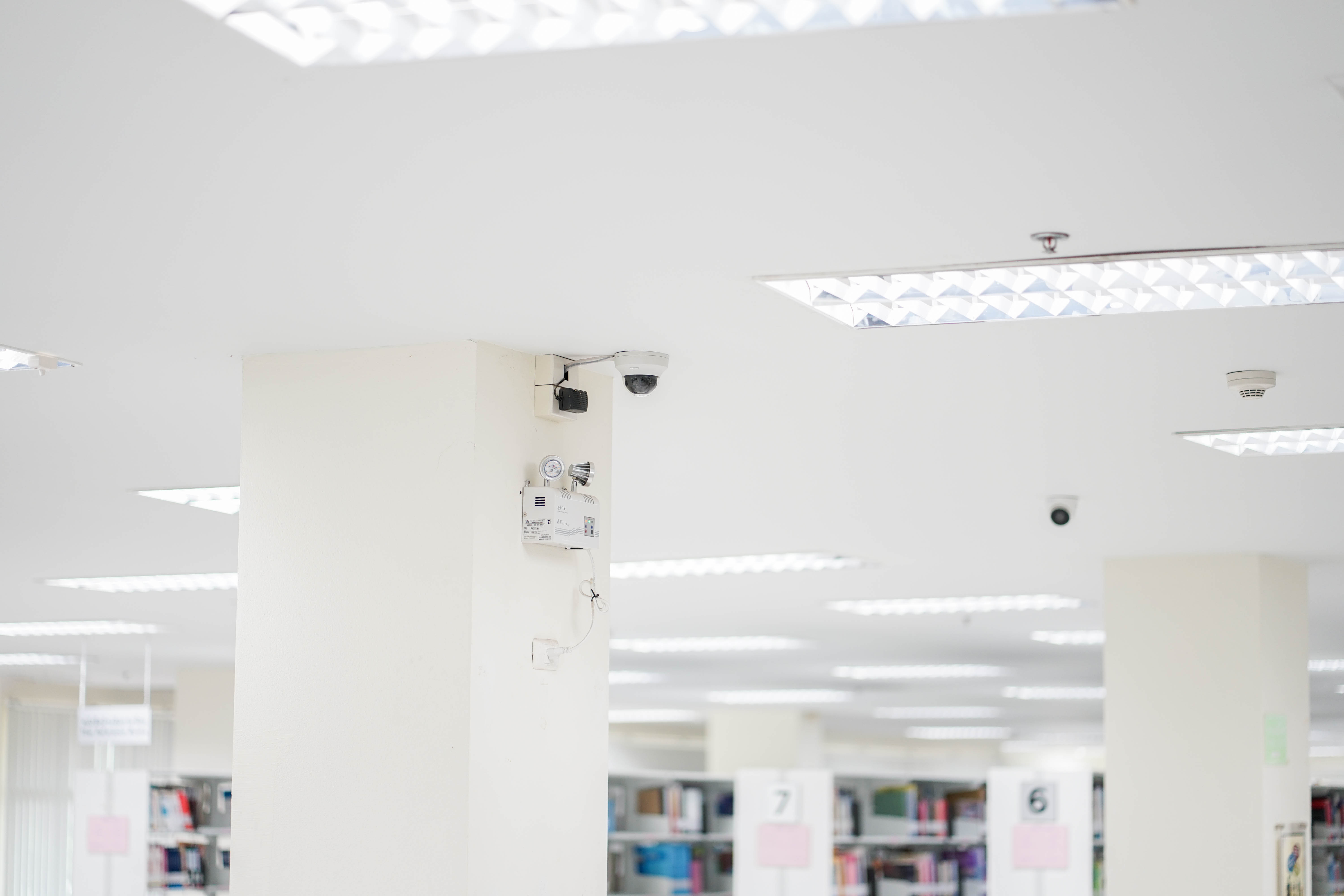
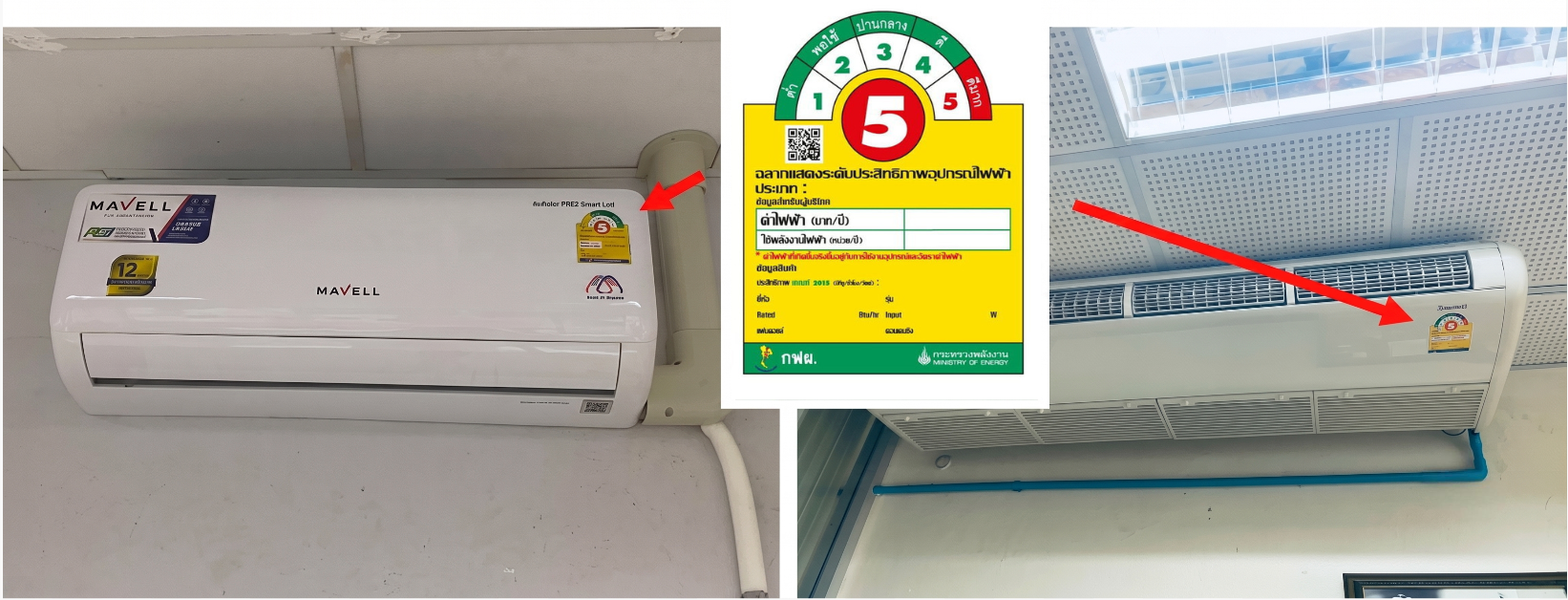
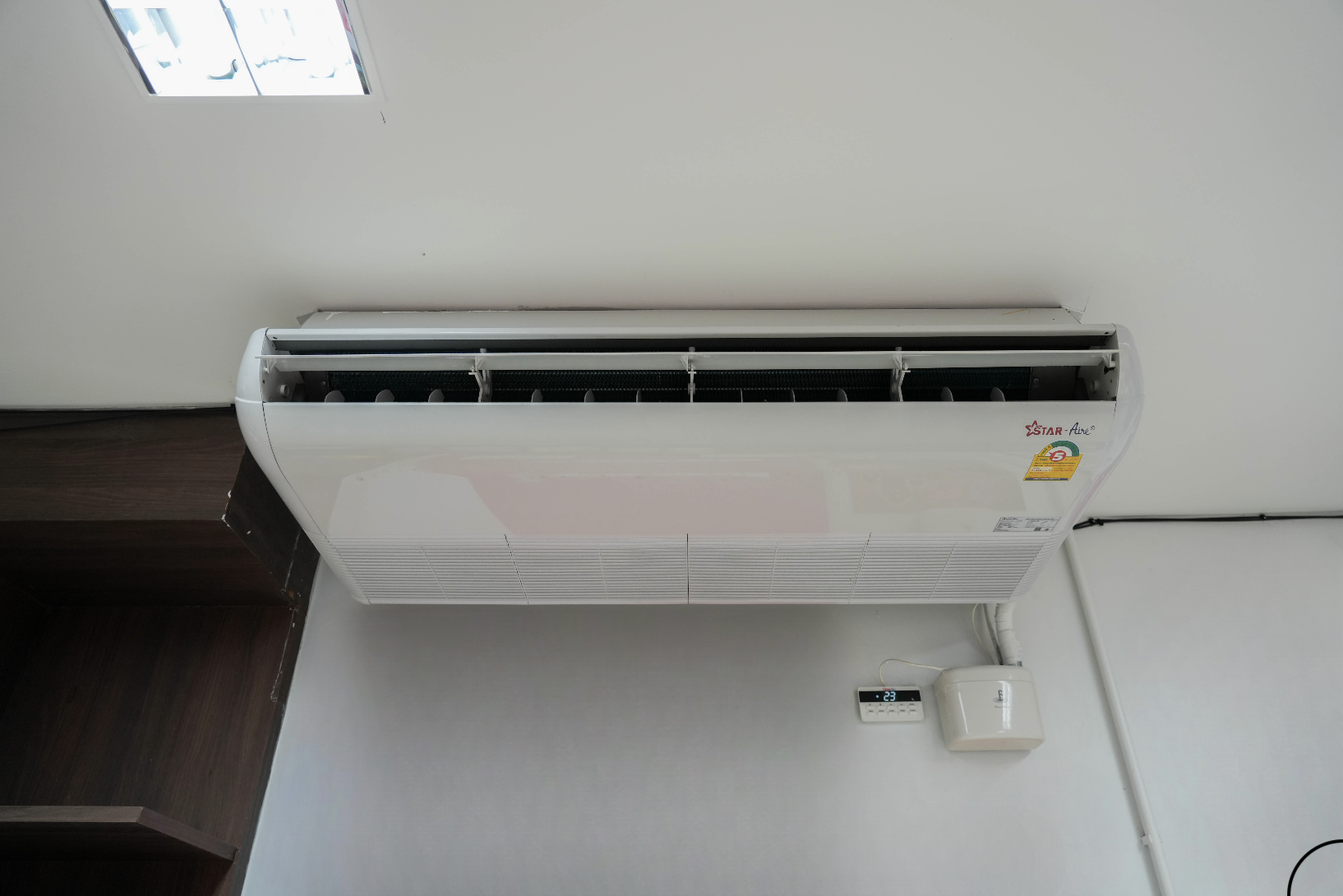
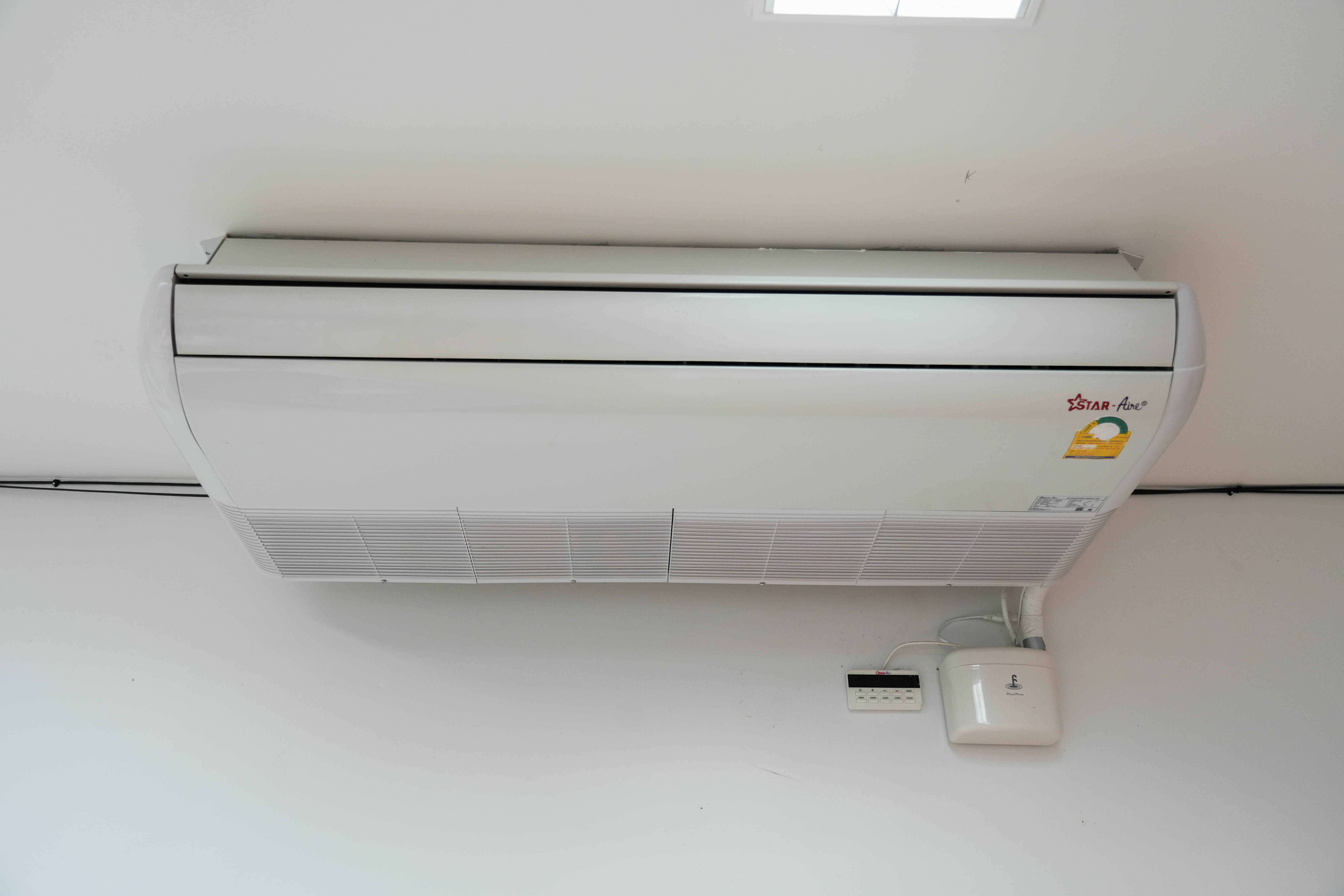
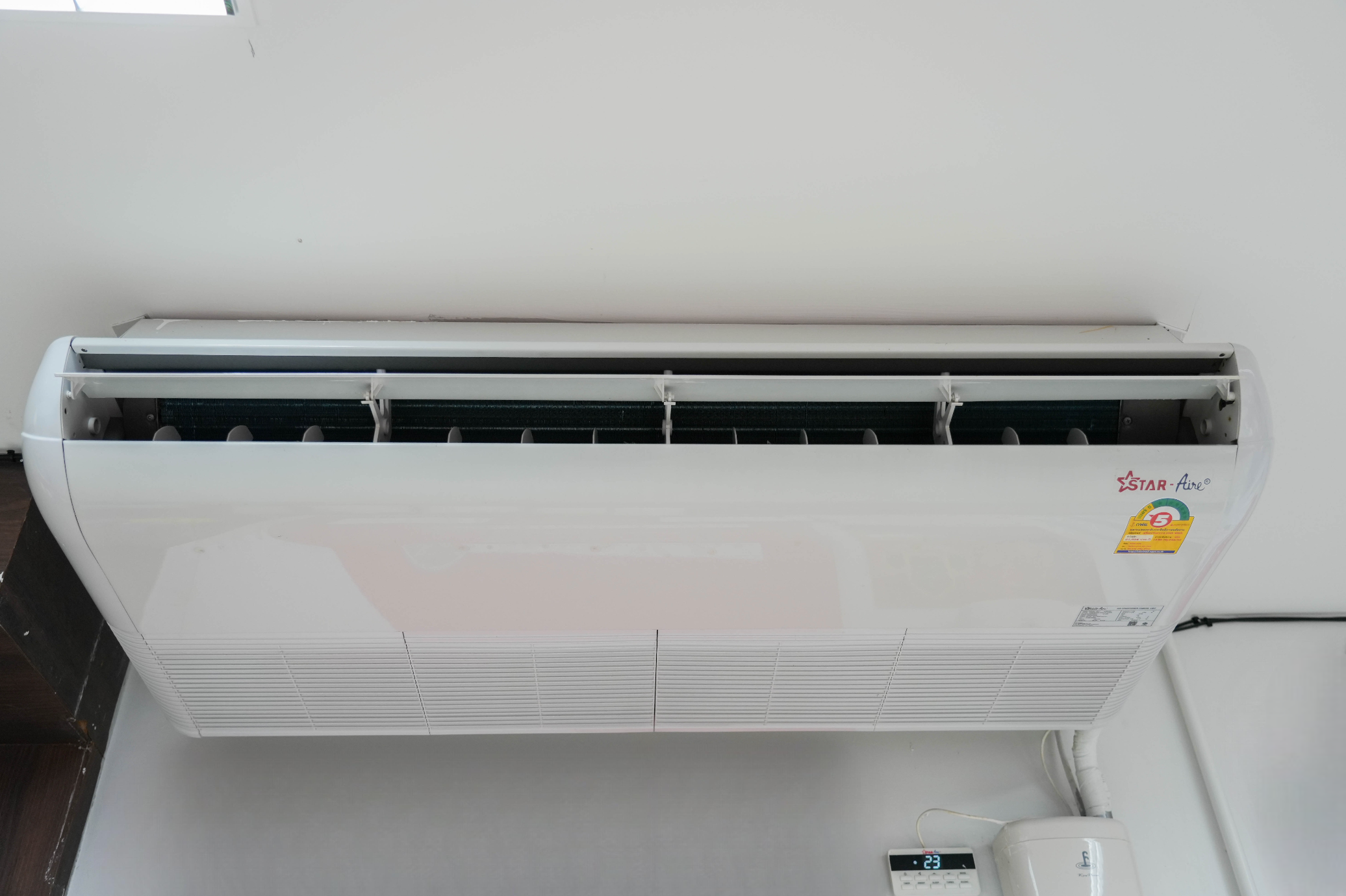
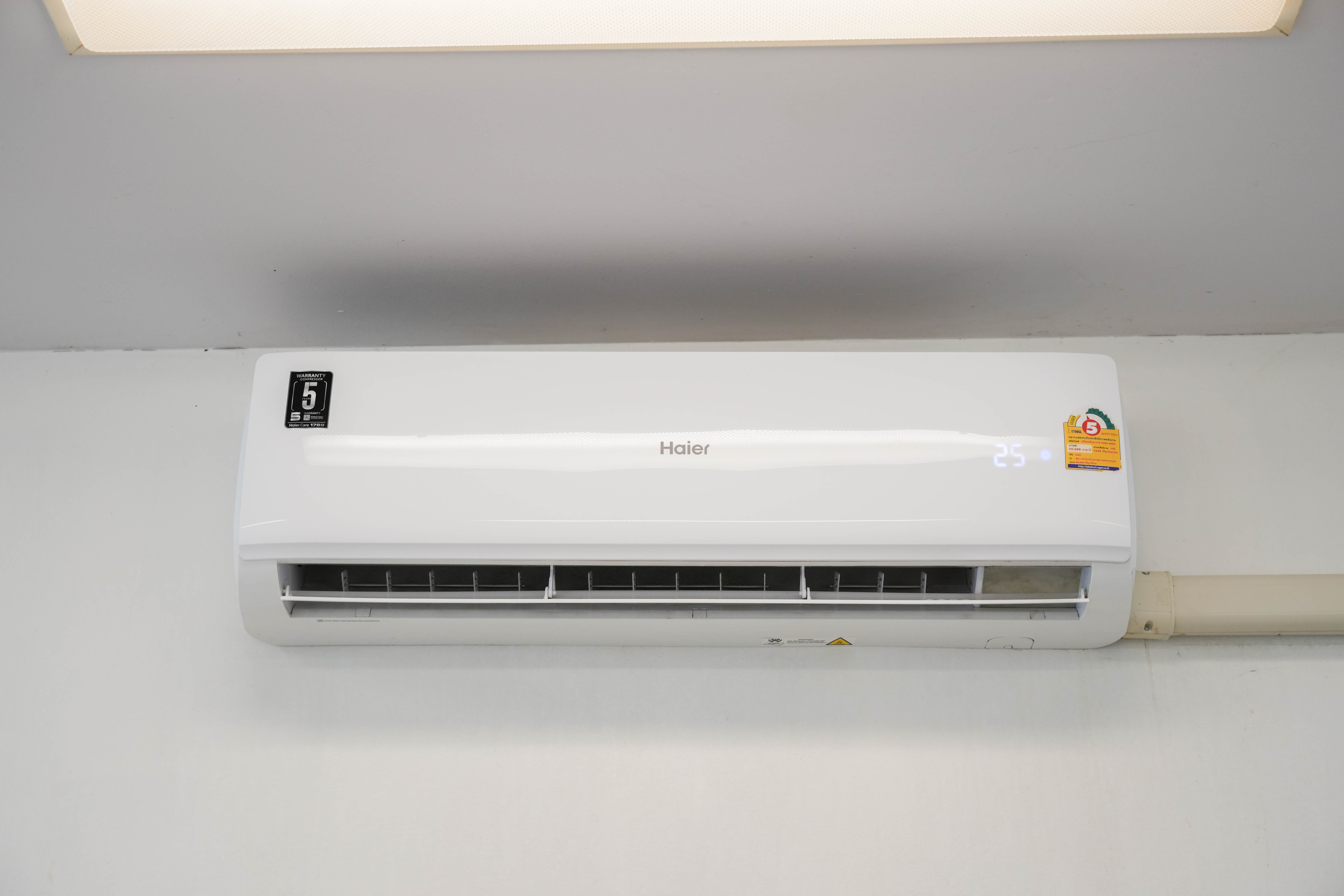
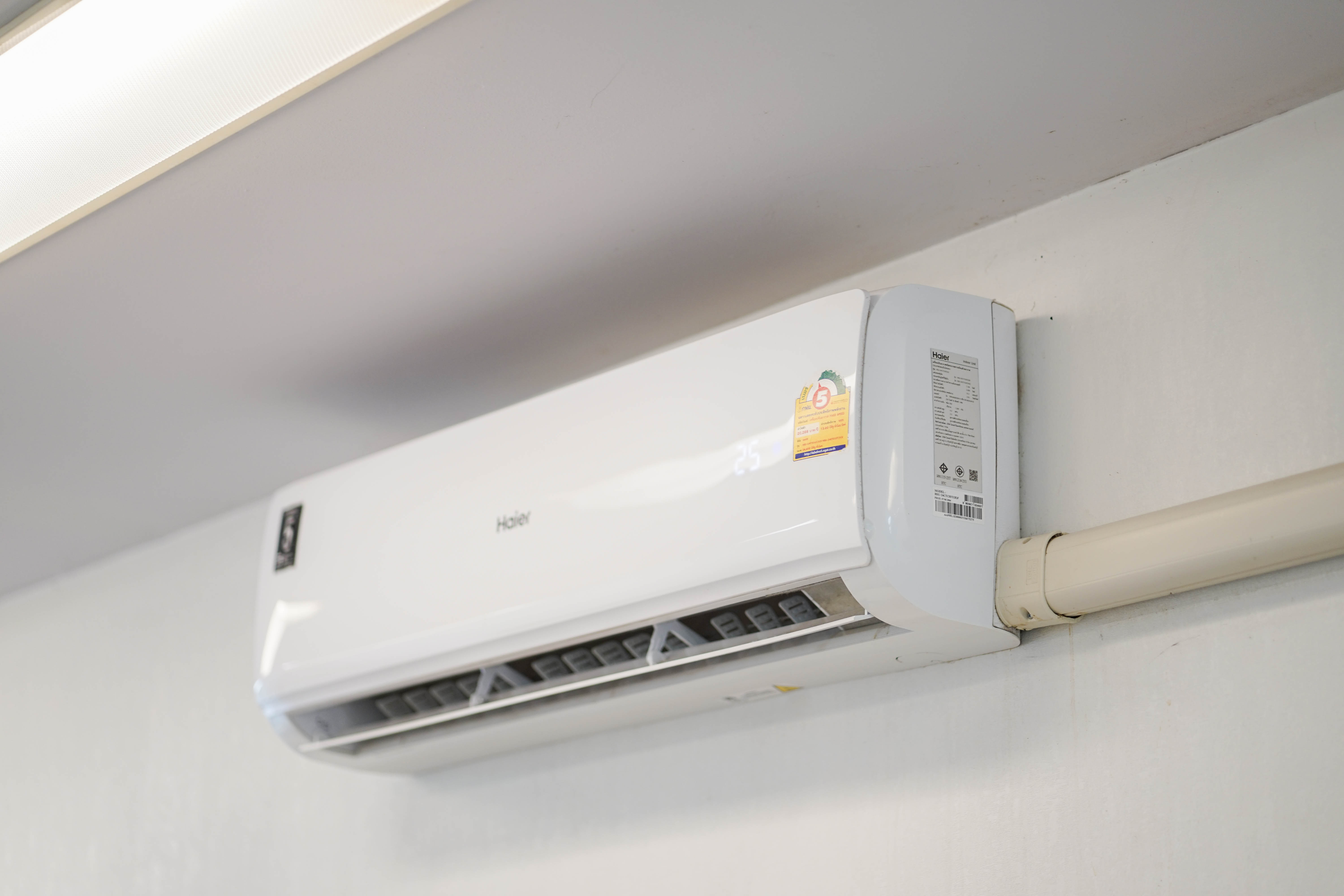
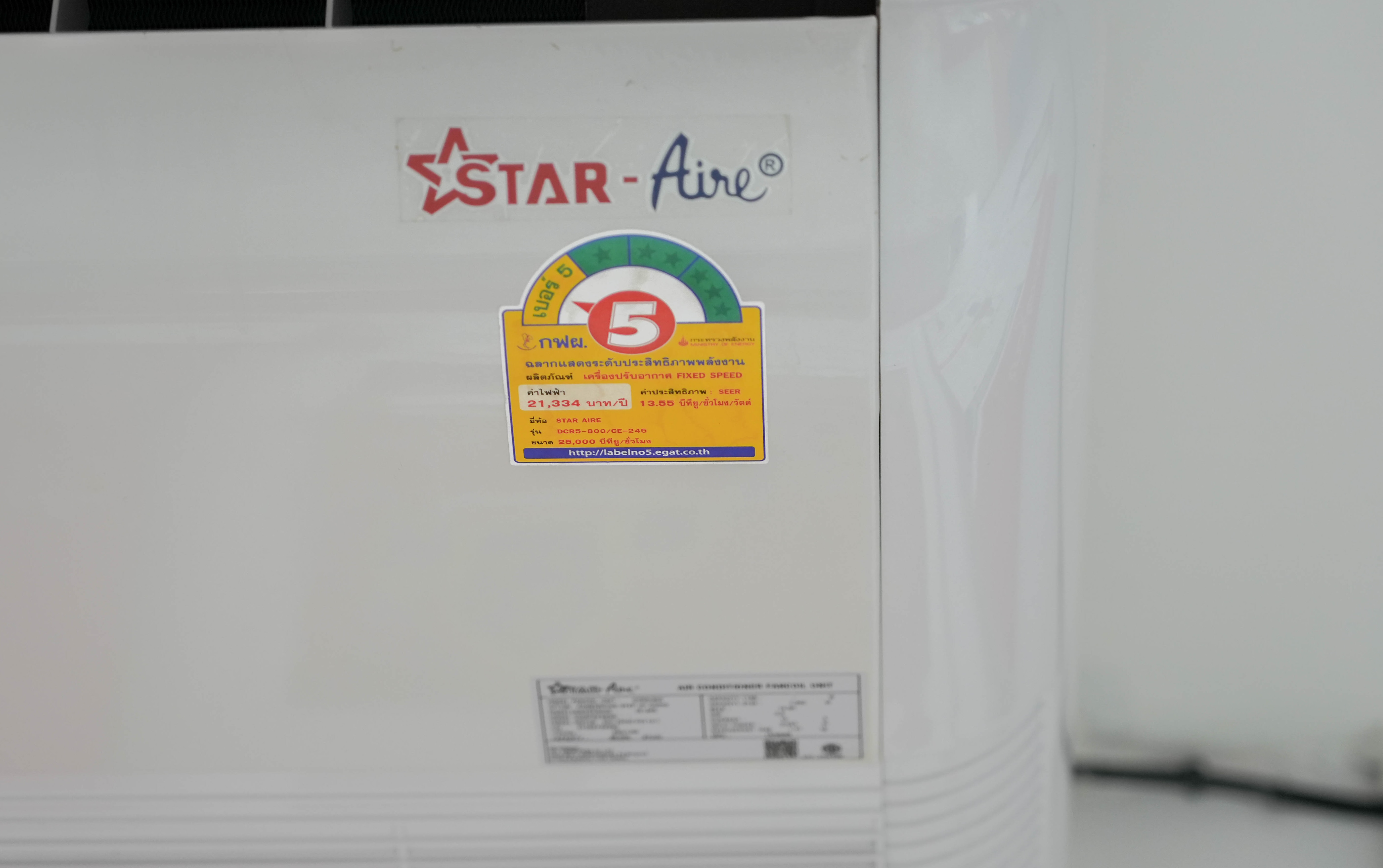
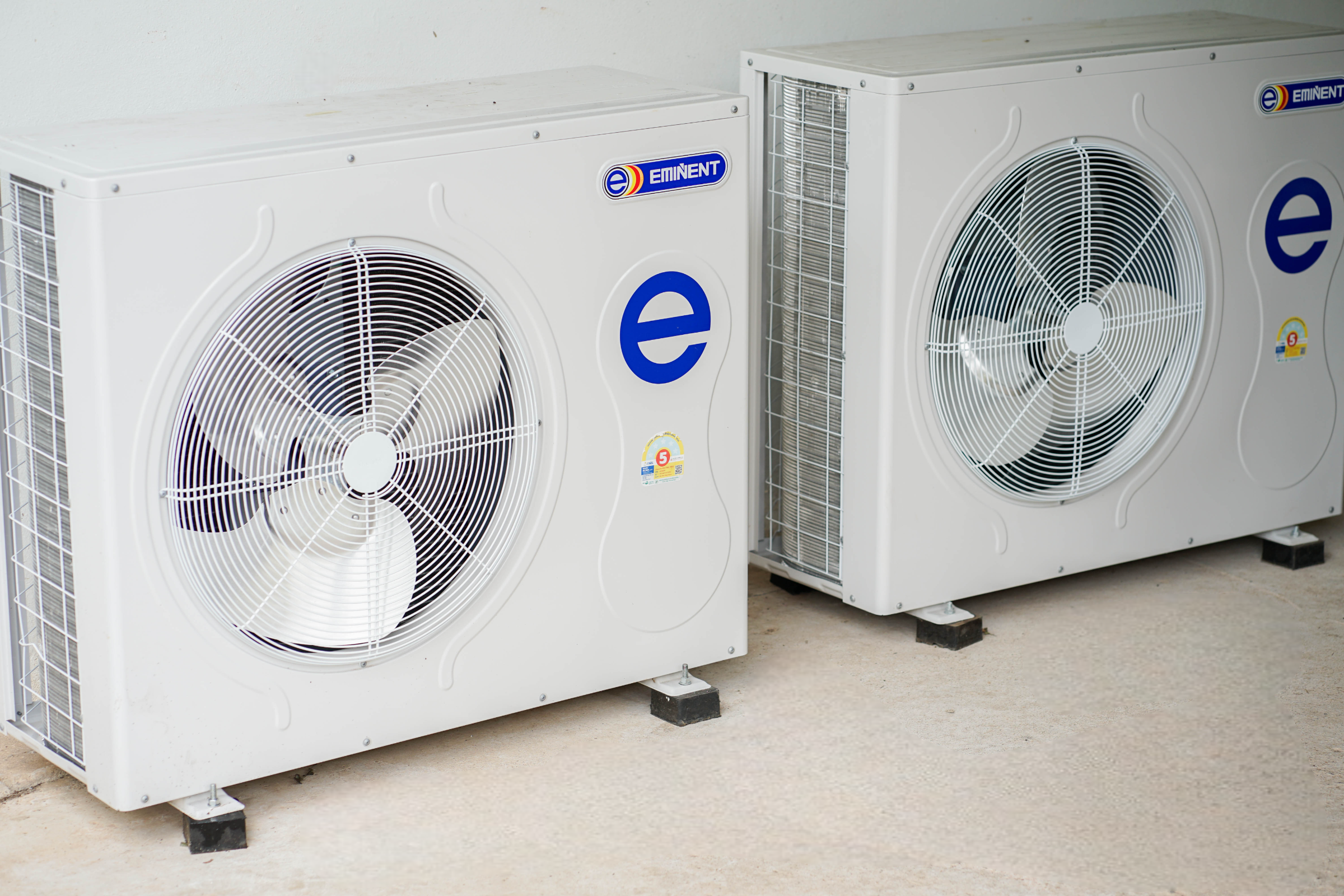
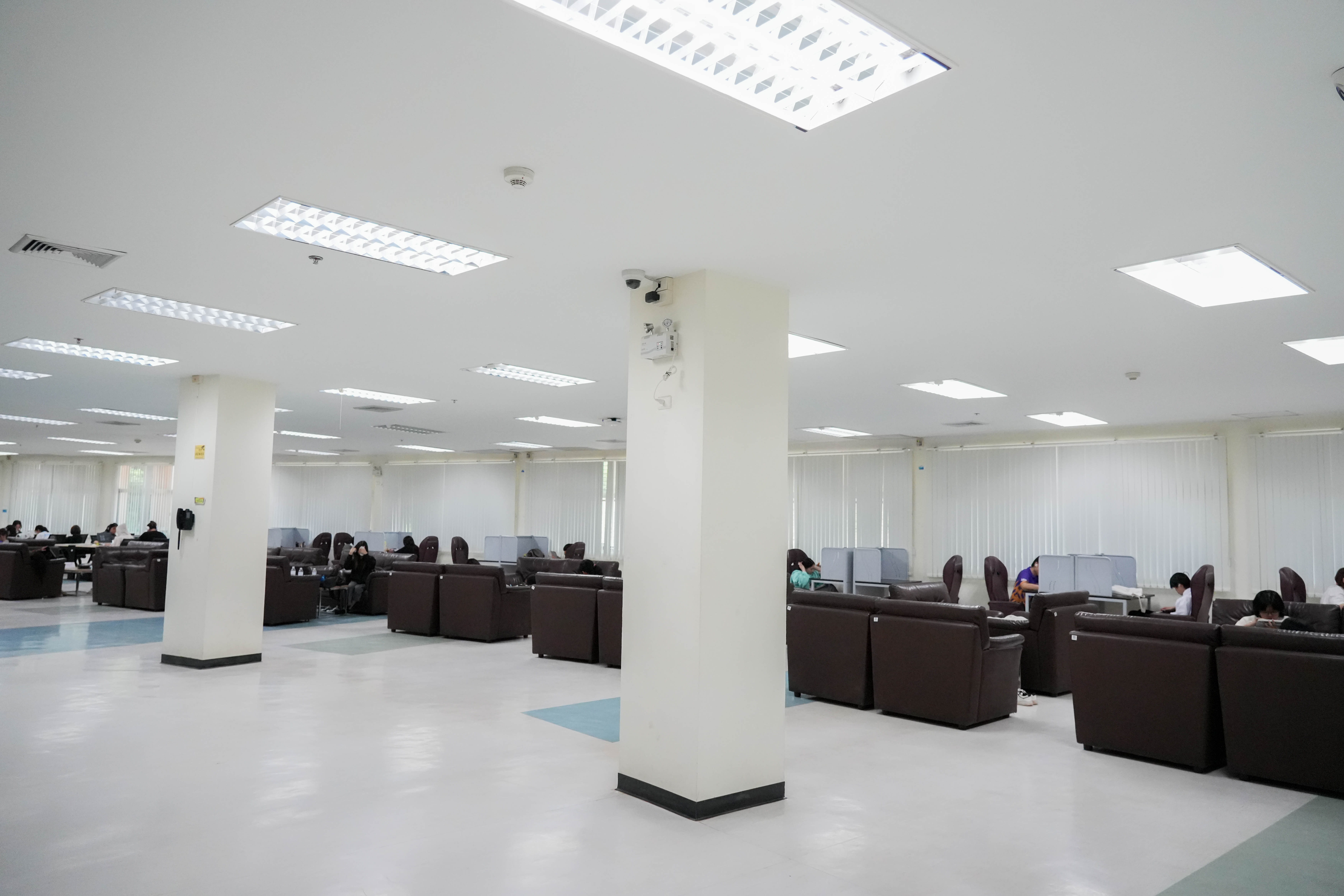 Energy-saving Label No.5 air conditioners with an inverter system can save 20–30% of electrical power.

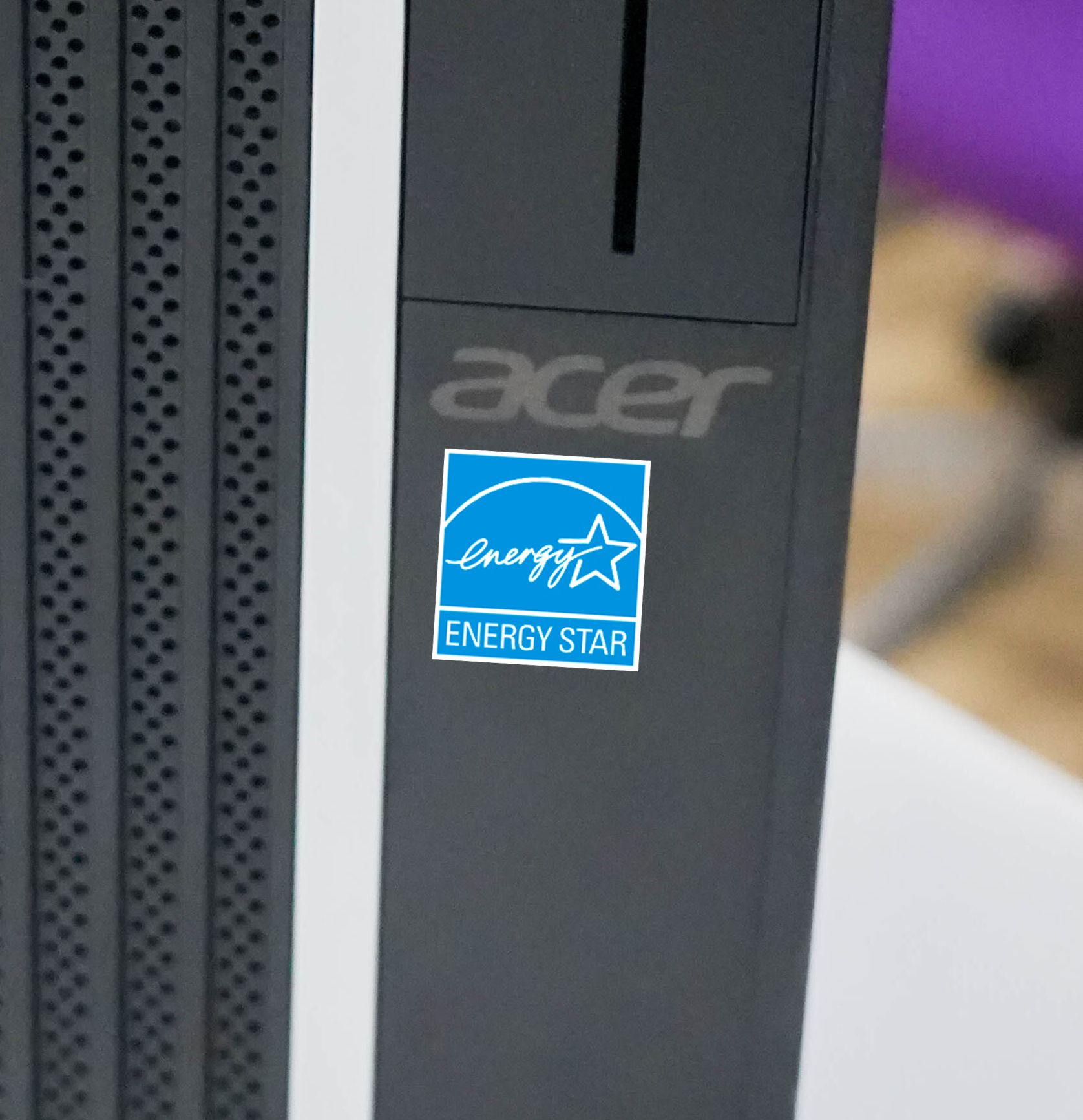
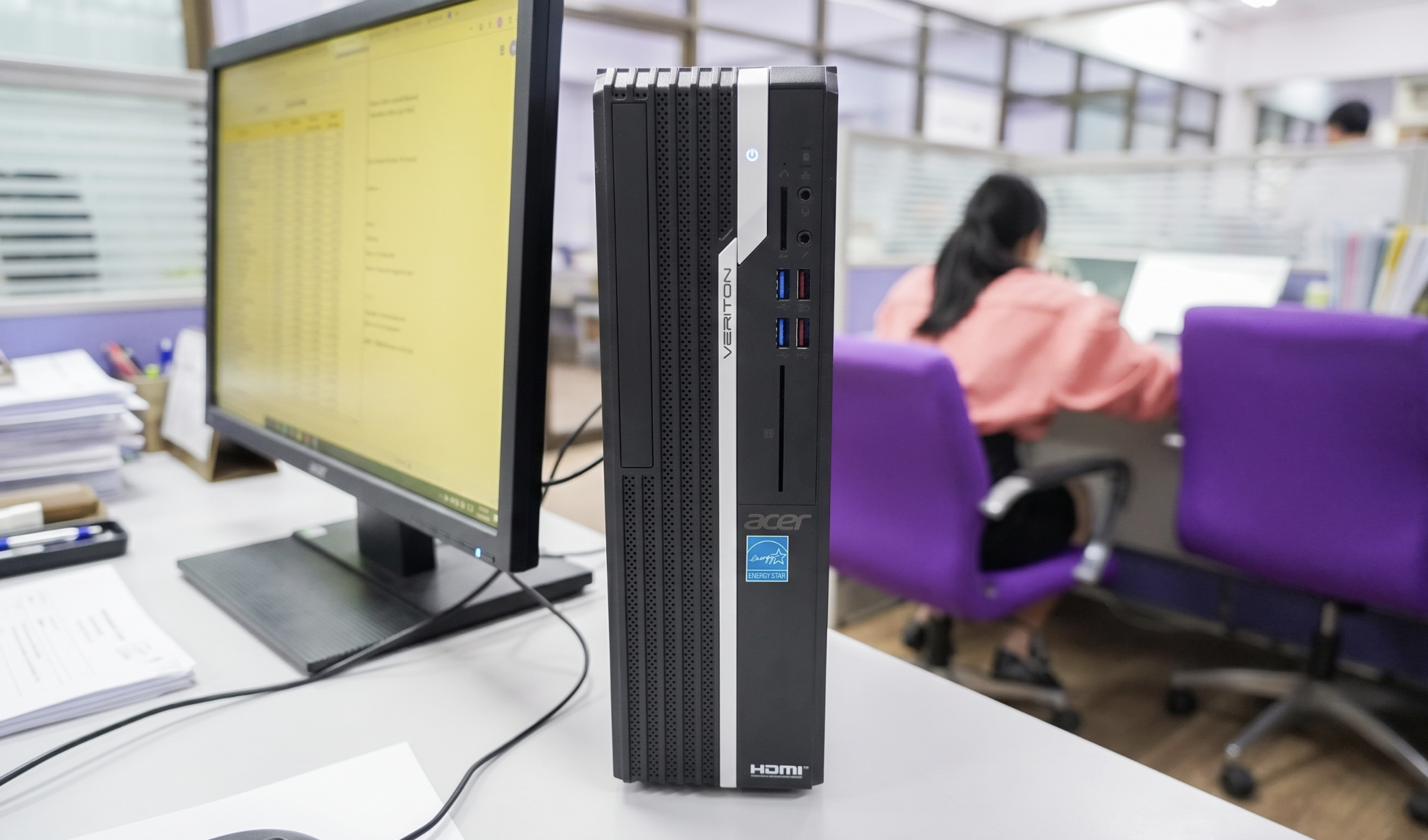
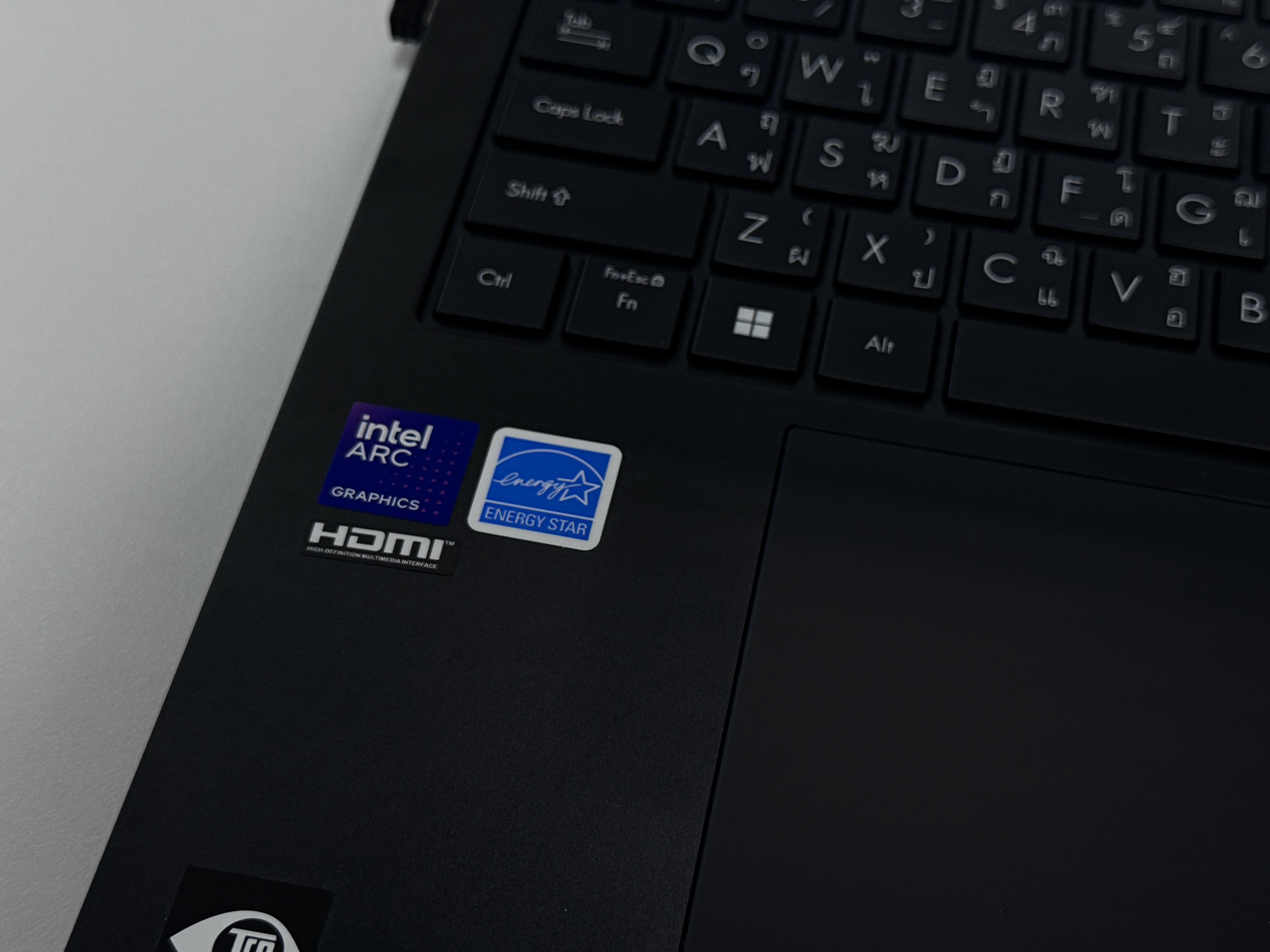
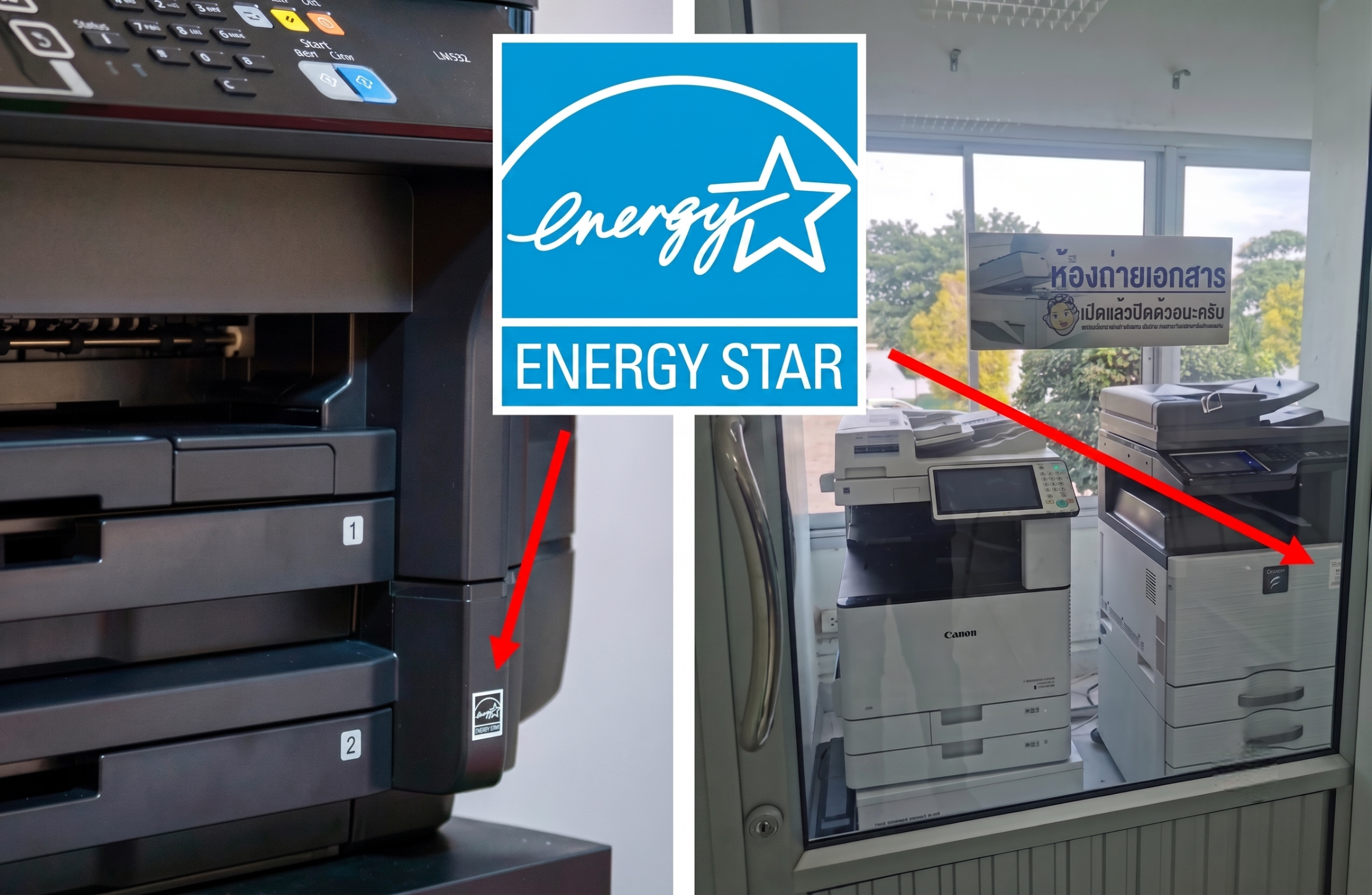 ENERGY STAR is a standard designed for electronic products that can save more than 20–30% of energy, including IT products. This ENERGY STAR global warming reduction logo can be seen on computers, notebooks, power supplies, cooling systems, motherboards, and more. Selecting an ENERGY STAR product can save up to 55% of energy even when the power is turned off — helping users save on electricity costs while also helping to conserve the environment and reduce global warming.
 Green Label is Thailand's environmental label — a type-one label certified by a central organization, indicating that the components of the production process, use, and disposal of the certified product have less impact on the environment than the same type of products that are not certified. Consumers or users who want environmentally friendly products can choose to buy items displaying the "Green Label" on the product.
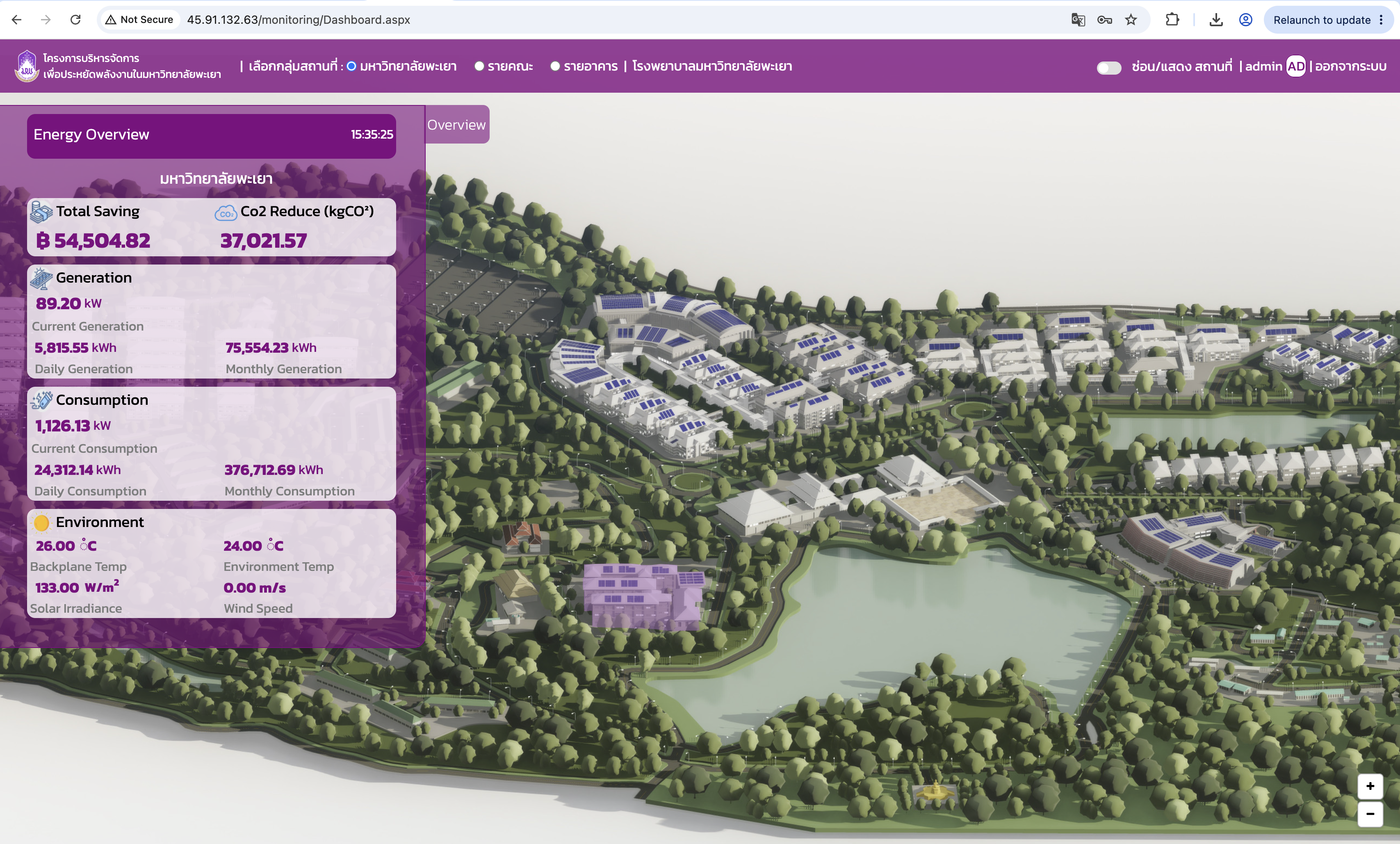 University of Phayao's electricity usage reporting system not only displays electricity consumption but also reports on greenhouse gas emission reductions.
Current Status: In 2026, 96.38% of appliances are energy-efficient appliances. Energy efficiency has become a crucial agenda for leading universities worldwide, as educational institutions are typically high-energy consumers. Energy demand arises from teaching and learning facilities, research laboratories, air conditioning systems, lighting systems, and various electrical appliances used by staff and students. University of Phayao has recognized the importance of energy and environmental management and thus established clear policies and measures to increase the proportion of energy-efficient appliances. Furthermore, University of Phayao has undertaken infrastructure upgrades and adopted sustainable energy management approaches to ensure long-term efficiency. University of Phayao announced the guideline of electrical energy conservation policy for all departments in the university. The principle is to use electricity efficiently and cost-effectively, starting from choosing electrical appliances that are effective and suitable for use, as well as knowing how to use those appliances correctly. This not only helps to save energy but also has a good impact on the public, in terms of preserving nature and the environment. University of Phayao pays close attention to energy management, with an average energy-efficient appliance adoption rate of 96.38%. The specific breakdown for each appliance type is as follows:
- LED Lamps — this category has the highest volume of adoption, with 180,480 units, representing 98.27% of the lamps in use, while conventional models make up only 1.73%.
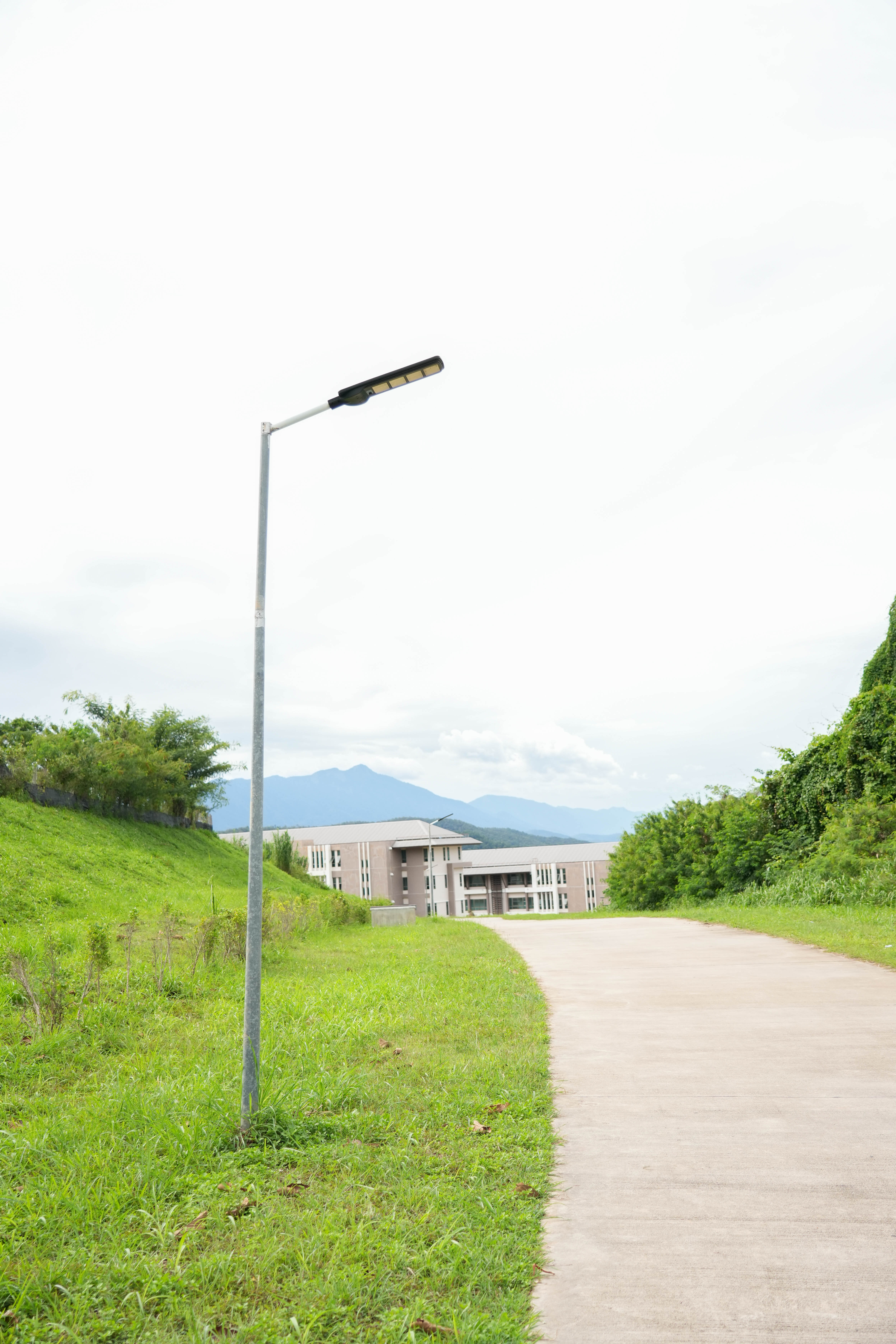
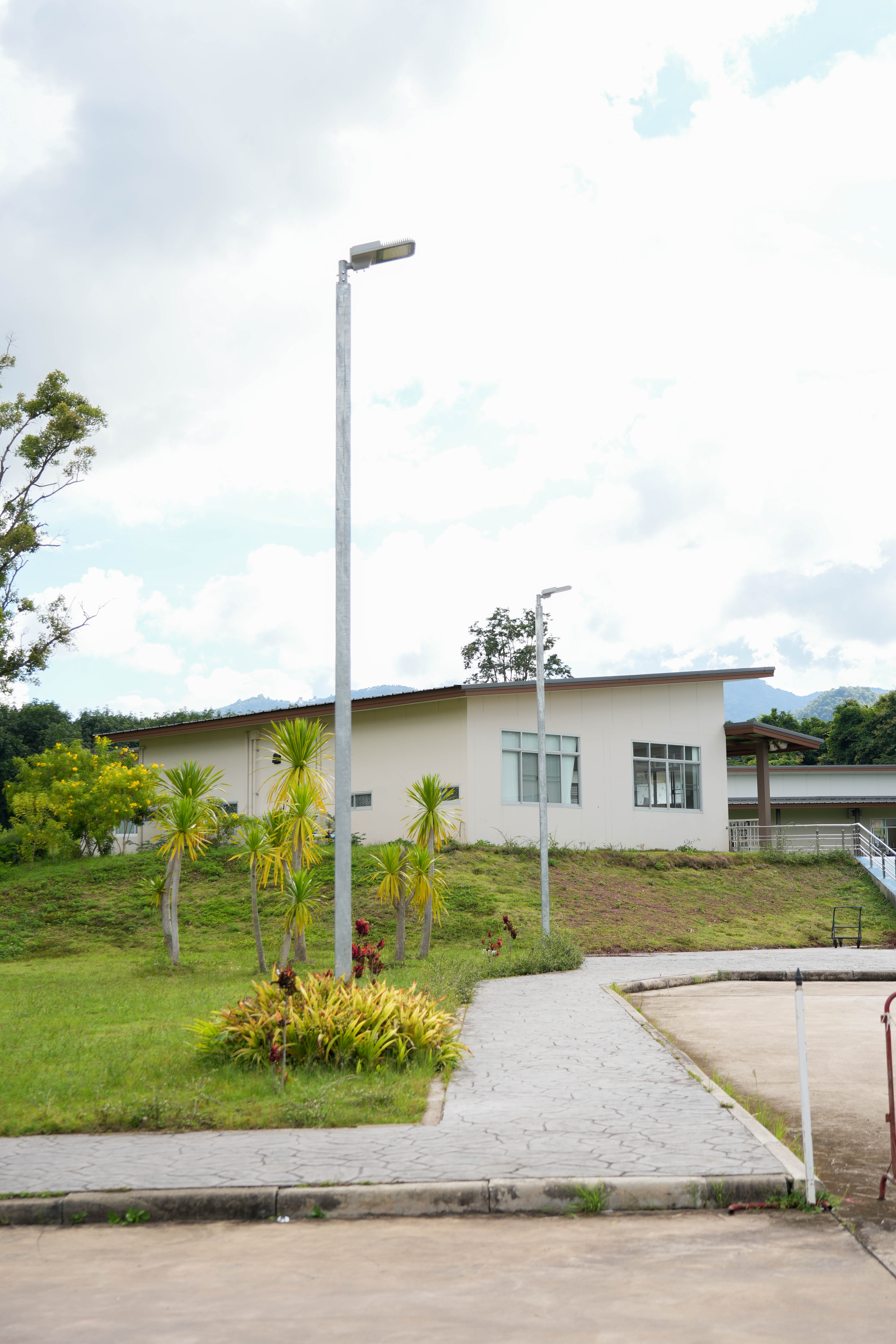
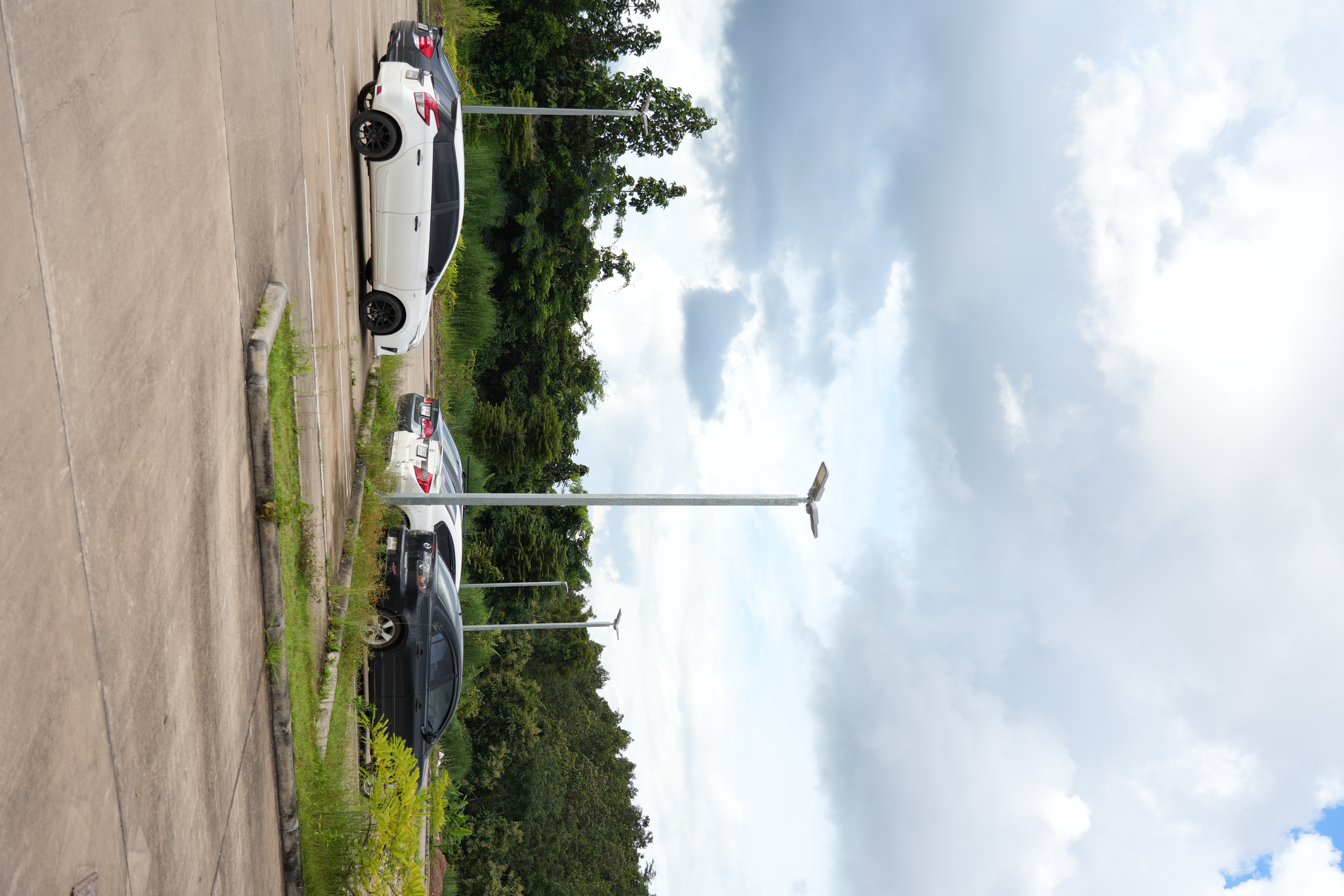
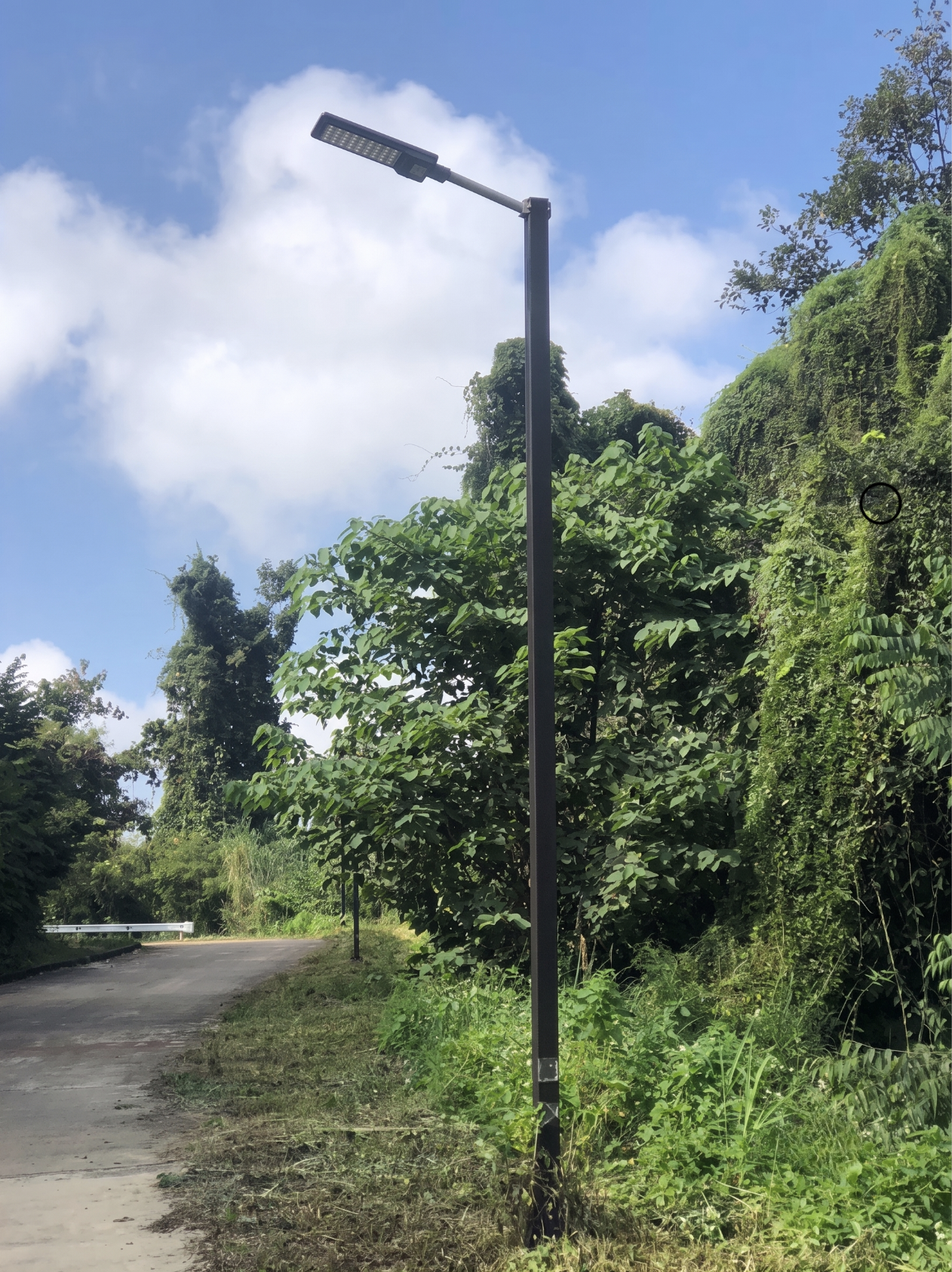
- Solar Lighting — this category has achieved 100% adoption, meaning no conventional lighting is used in this specific group, though the total number of units is relatively small at 450.
- Computers with Energy Star certified models — these models see a very high adoption rate of 98.24%, totaling 9,824 units.
- Air conditioning units with energy-efficient models — while the total number of units is significant at 25,785, this category has a slightly lower adoption rate compared to others, at 88.56%, with conventional models still accounting for 11.44%.
- Other energy-saving appliances — there are 1,249 units in this miscellaneous category, maintaining a high adoption rate of 96.85%.
Current Status and Targets of University of Phayao
University of Phayao has set forth ambitious and forward-looking targets in line with its sustainability agenda, particularly concerning energy efficiency and responsible energy consumption. Recognizing the role of higher education institutions in combating climate change and promoting sustainable development, University of Phayao aims to serve as a role model for universities in Thailand and the ASEAN region by systematically reducing its environmental footprint while fostering a culture of sustainability among staff, students, and stakeholders. The university has announced two primary goals in this area:- Achieving 100% usage of energy-efficient appliances by 2027. This target emphasizes University of Phayao's strong commitment to ensuring that every electrical appliance, ranging from lighting systems, computers, and air conditioning units to laboratory equipment, complies with the highest energy-saving standards available. The transition is not only about replacing old appliances with newer, more efficient ones but also about embedding sustainability into the university's procurement policy, ensuring that all future purchases adhere to strict energy efficiency criteria.
- Reducing the university's total electricity consumption by 40% by 2030 (compared with the baseline year of 2020). This long-term target reflects University of Phayao's proactive approach to energy management, combining infrastructure improvement, behavior change campaigns, and integration of renewable energy systems. By focusing on both efficiency and conservation, University of Phayao intends to minimize unnecessary energy waste, optimize building performance, and encourage a shift toward greener lifestyles across the campus community.
Awareness Raising
The university targets students, staff, and surrounding communities to foster a sustainable energy-conscious environment. This is done through various media channels, including posters and roadshow activities conducted by the Carbon Sustainovation group, aimed at educating and encouraging energy-saving behaviors.Technical Application
The university has set a specific energy reduction target of 35% by the year 2030, compared to energy use in 2020. To achieve this, all departments on campus share the responsibility for promoting energy conservation. A critical strategy is the replacement of all traditional office equipment and appliances with energy-efficient models by 2027. This dual approach — combining community awareness and practical appliance upgrades — aligns with the university's sustainability goals and commitment to reducing environmental impact through effective energy management.Appliance Replacement Criteria and Expected Benefits
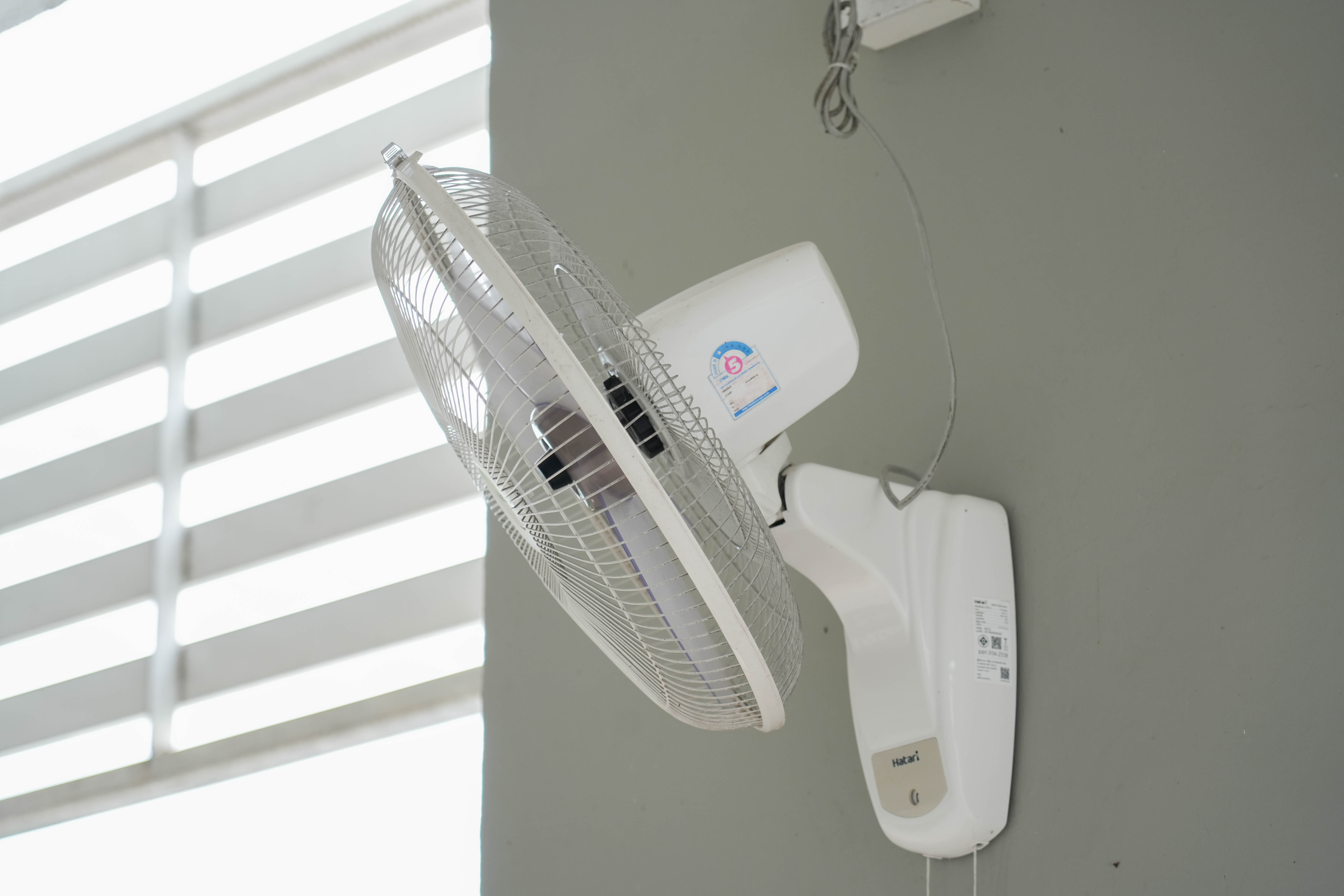
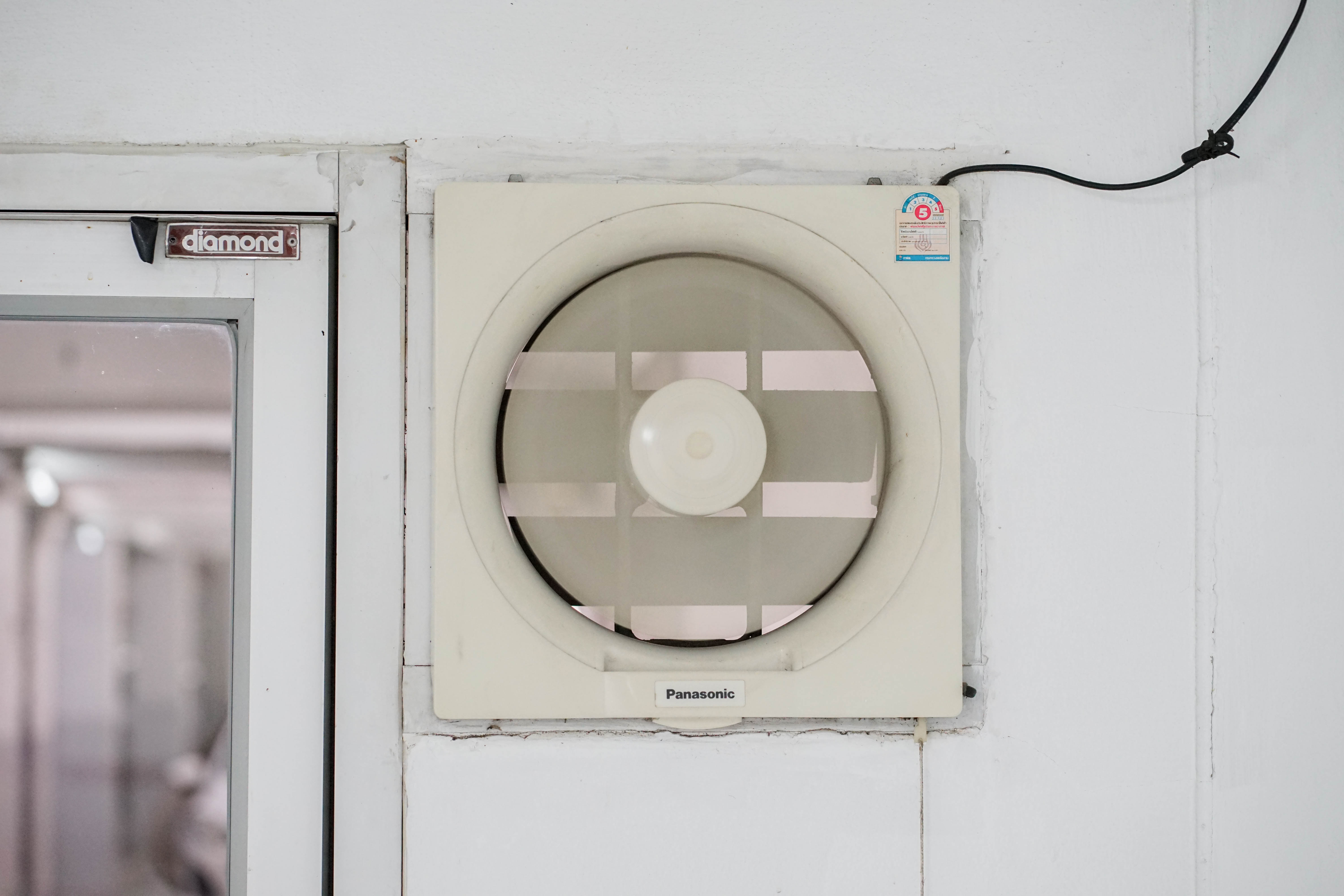
The focus is on appliances bearing key energy labels such as Energy Label No.5, the High Energy Efficiency label, and Energy Star certification. These labels indicate products that use less electricity to deliver the same performance as conventional models. Implementing energy-efficient appliances is expected to lead to cumulative energy savings and significant reductions in CO₂ emissions across the campus.
The UP Carbon towards the Sustainable University
University of Phayao places great importance on ensuring that all equipment used to support teaching and learning is both modern and energy-efficient. Efficient energy use not only helps reduce energy consumption and costs but also contributes to solving environmental problems, promoting a sustainable society. Recently, the Electricity Generating Authority of Thailand (EGAT) introduced higher energy-saving standards for appliances and products under the new "Label No.5 with Stars," raising the benchmark from the previous "Electricity Saving Label No. 5." This presents an opportunity for University of Phayao to adopt these new technologies and apply them in various areas, aligning with the university's energy-saving policies. The use of energy-efficient equipment is part of the "UP Carbon" strategy for sustainable development. Reducing electricity consumption helps lower greenhouse gas emissions and conserves natural resources. Moreover, it reduces energy costs within the university. Selecting appliances that meet energy efficiency standards, such as devices with the Electricity Saving Label No. 5 for highly efficient technologies like LED lighting or inverter air conditioners, will further enhance energy efficiency. Promoting proper usage knowledge among staff is another crucial step toward sustainable energy use.
Solar absorption Air Conditioning system
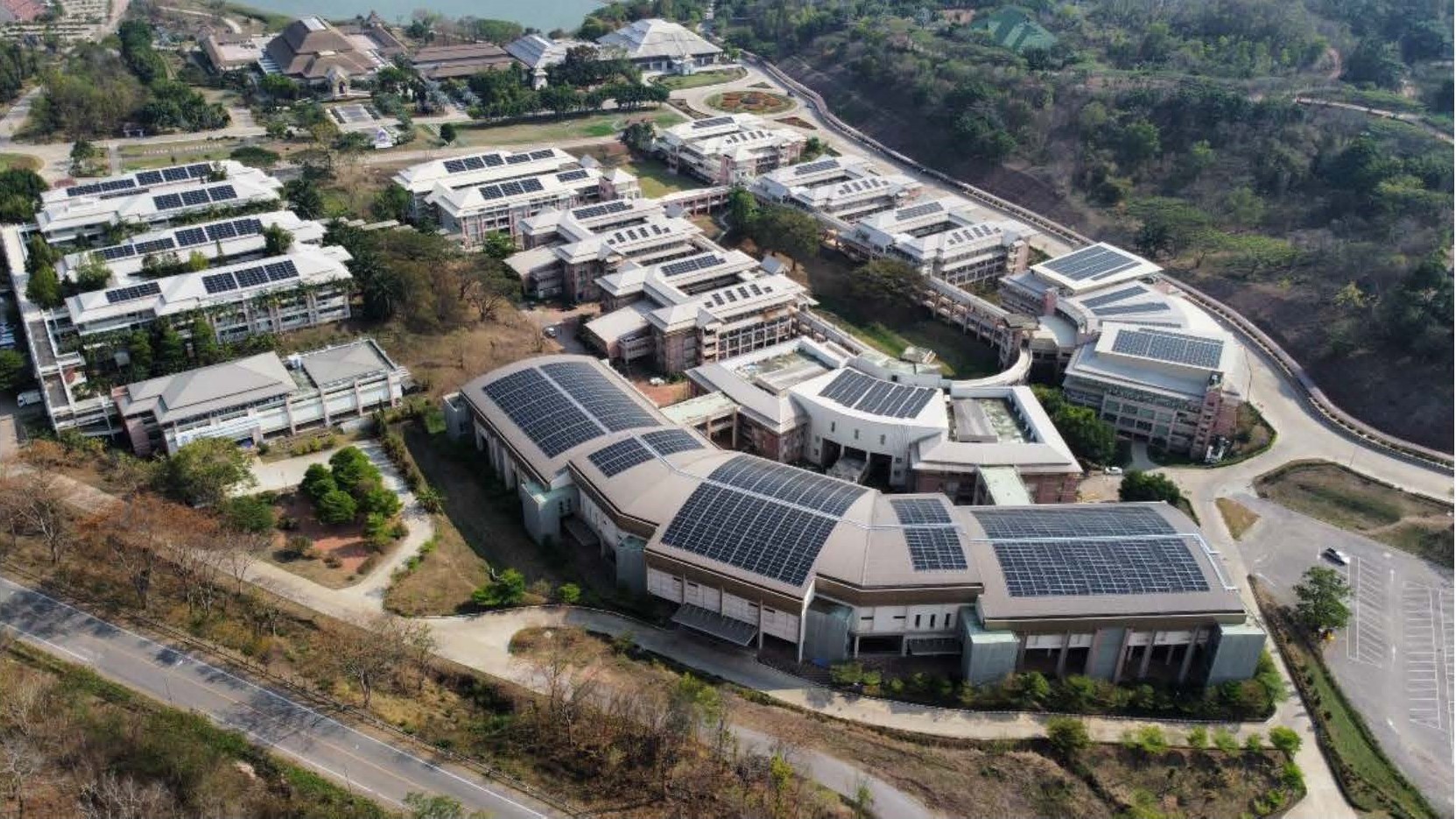
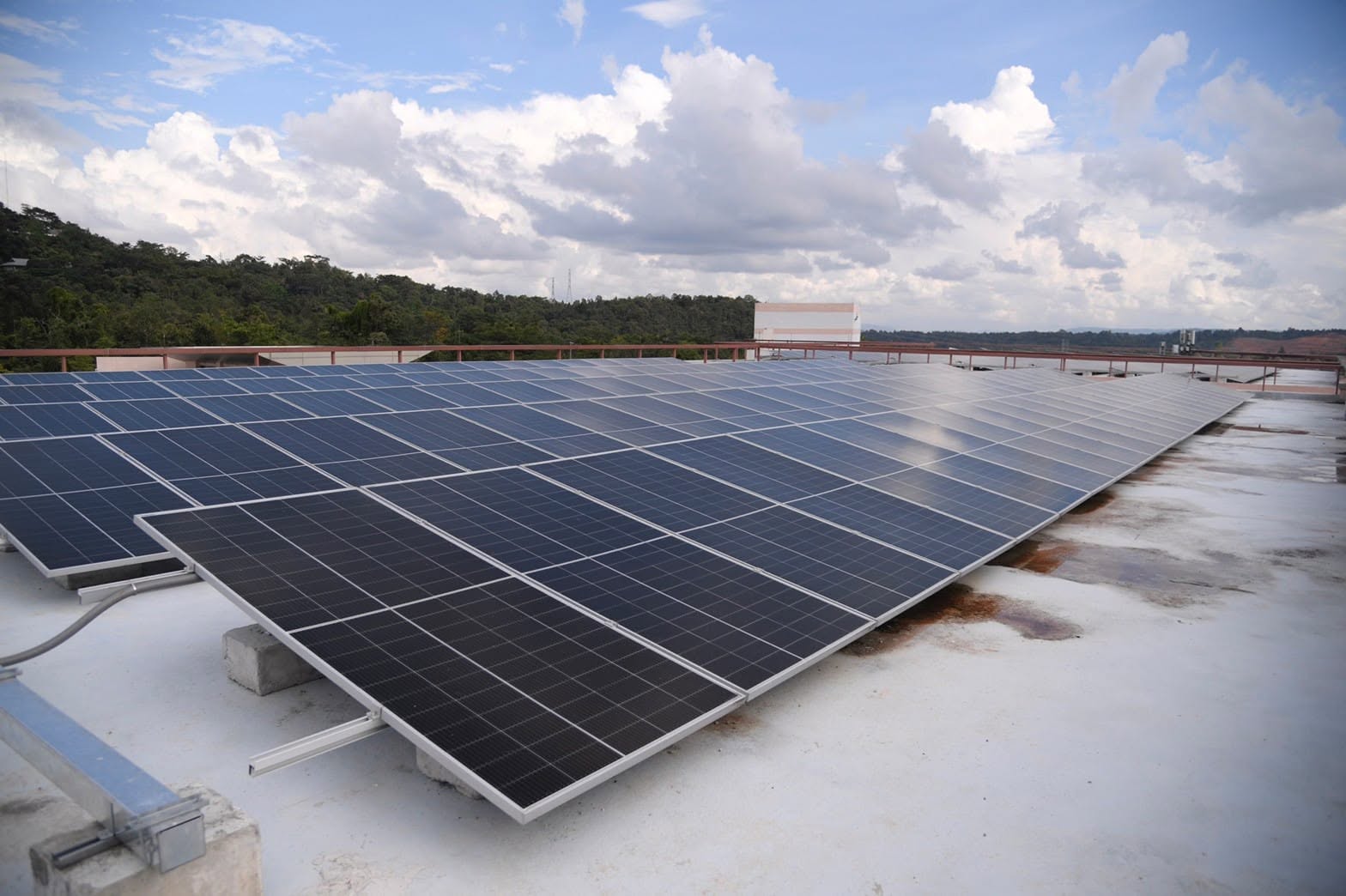
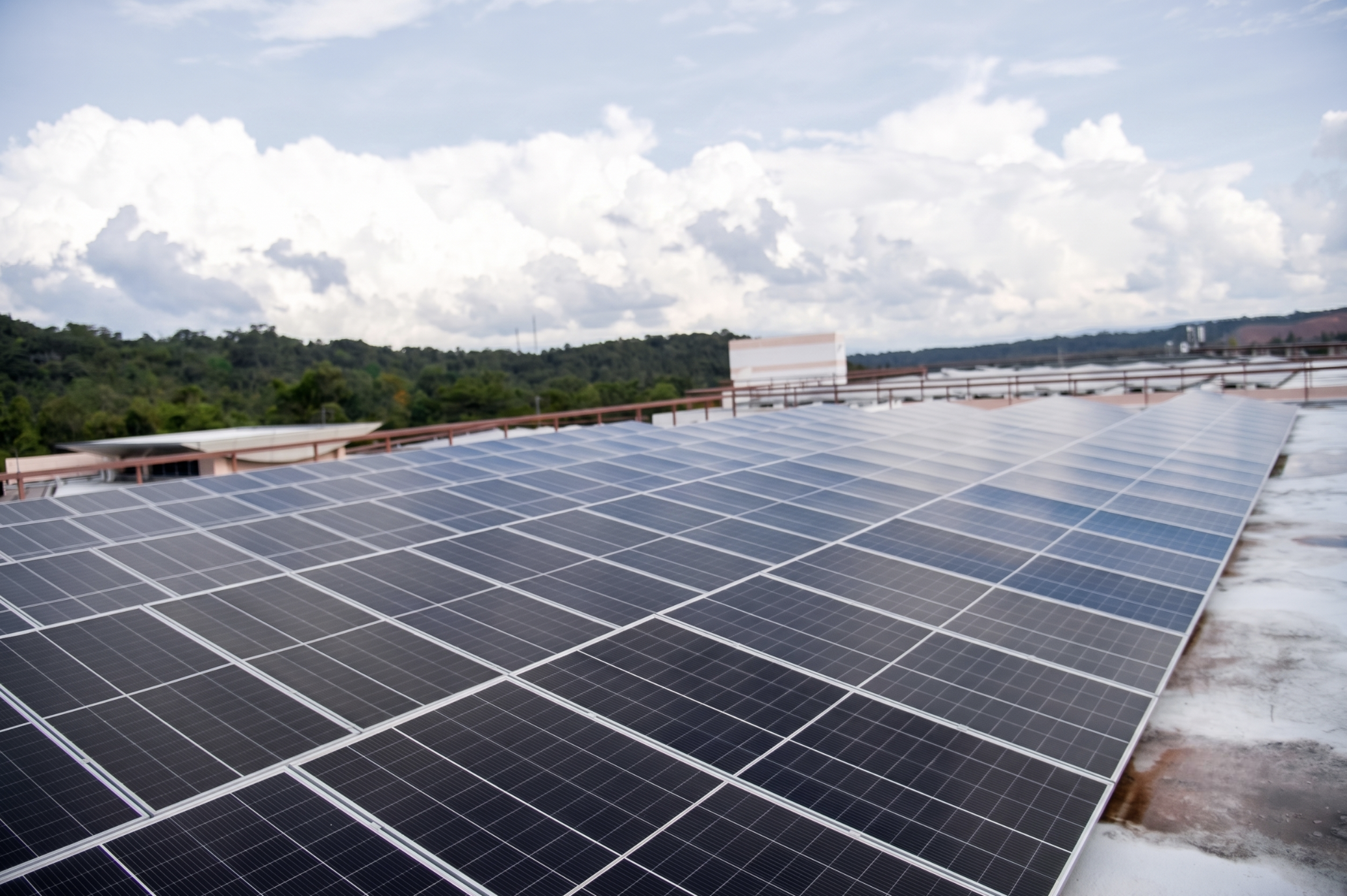
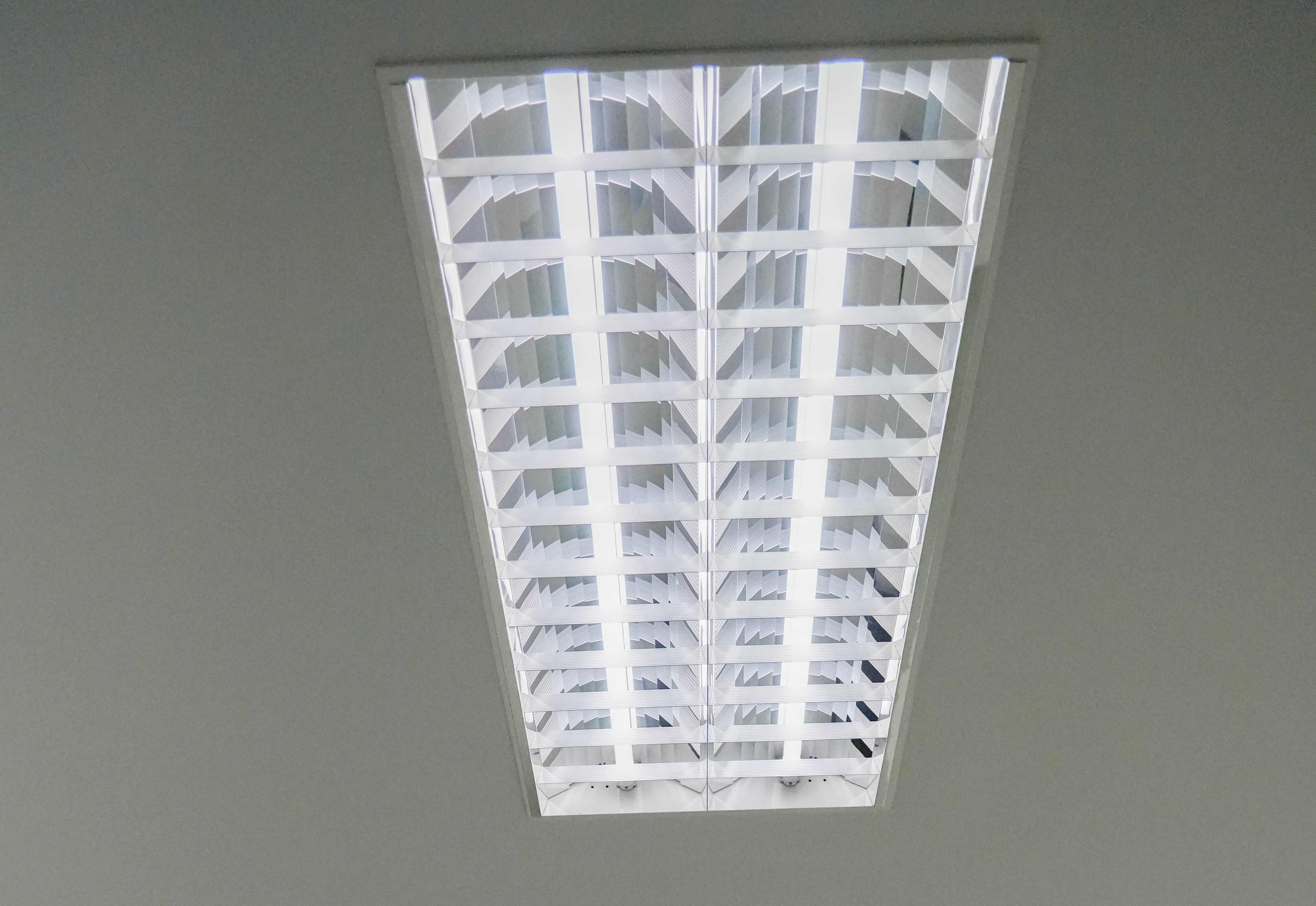
Looking ahead, University of Phayao continues to integrate cutting-edge technologies such as smart energy management systems, renewable energy installations (solar PV rooftops and battery storage), and green building design. Combined with policy mechanisms, awareness programs, and continuous monitoring, these strategies ensure that the university will not only meet but potentially surpass its energy sustainability targets. In conclusion, University of Phayao's strategic focus on energy-efficient appliances and electricity consumption reduction stands as a testament to its role as a sustainability leader in the region. By aligning with global climate commitments and the UN SDGs, the university demonstrates that higher education institutions can act as powerful change agents in the transition toward a sustainable future. LED light bulbs have been replaced in some areas to save energy, including the air conditioning units which have saving labels as stated in No.5.
Energy-saving Label No.5 air conditioner
Energy-saving Label No.5 air conditioner with invertor system can save 20–30% of electrical power.
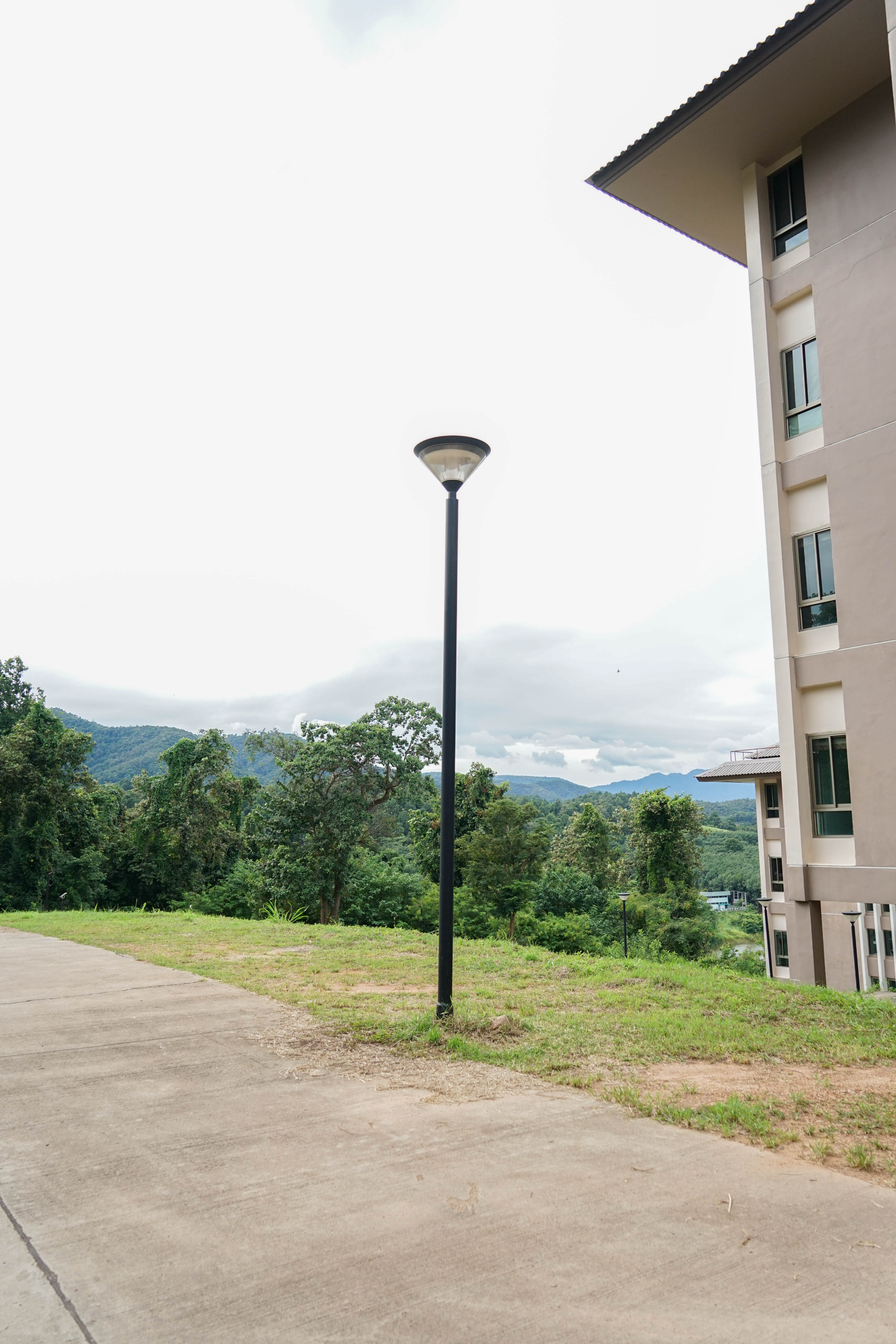
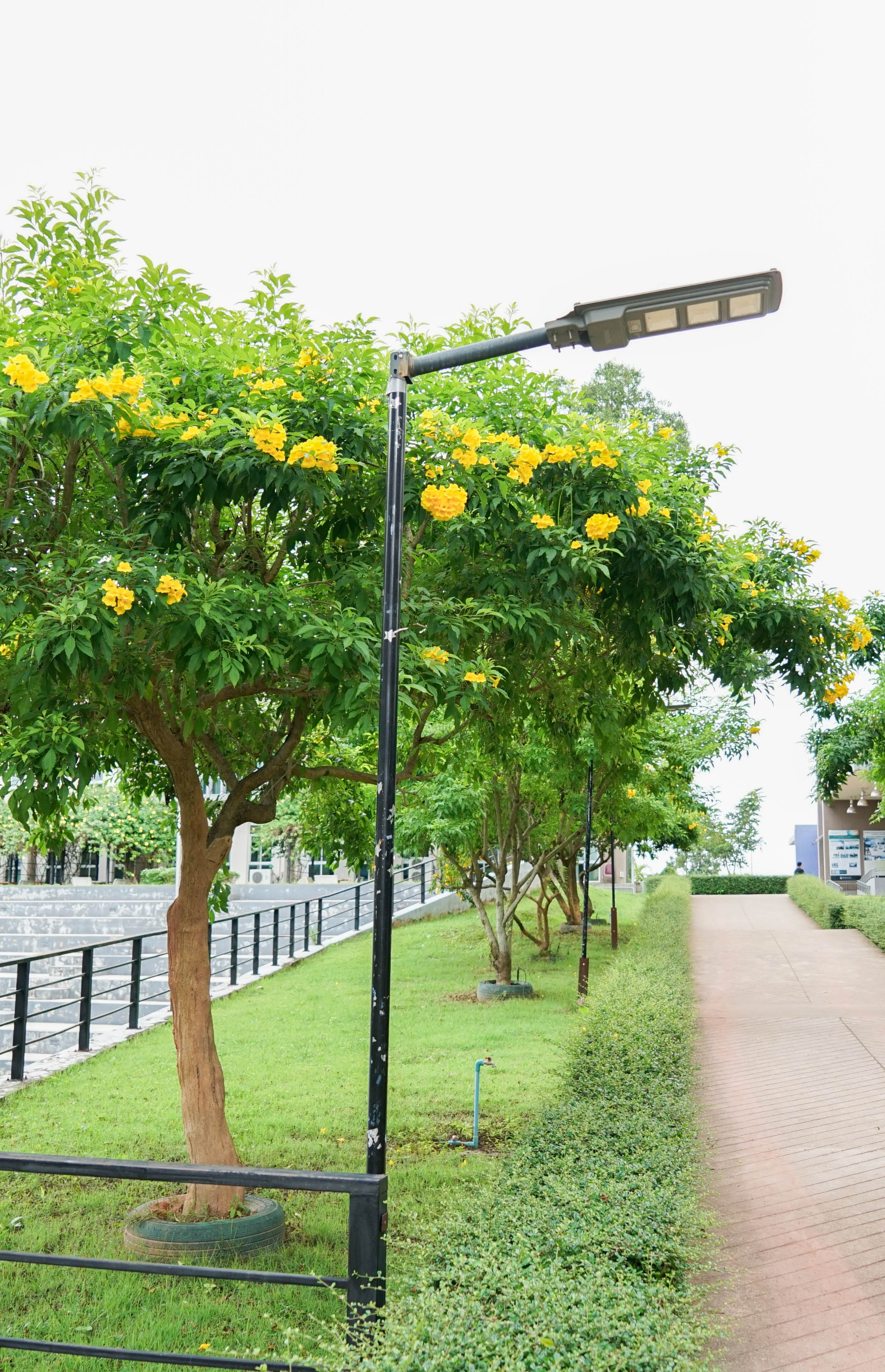
LED Solar Streetlights
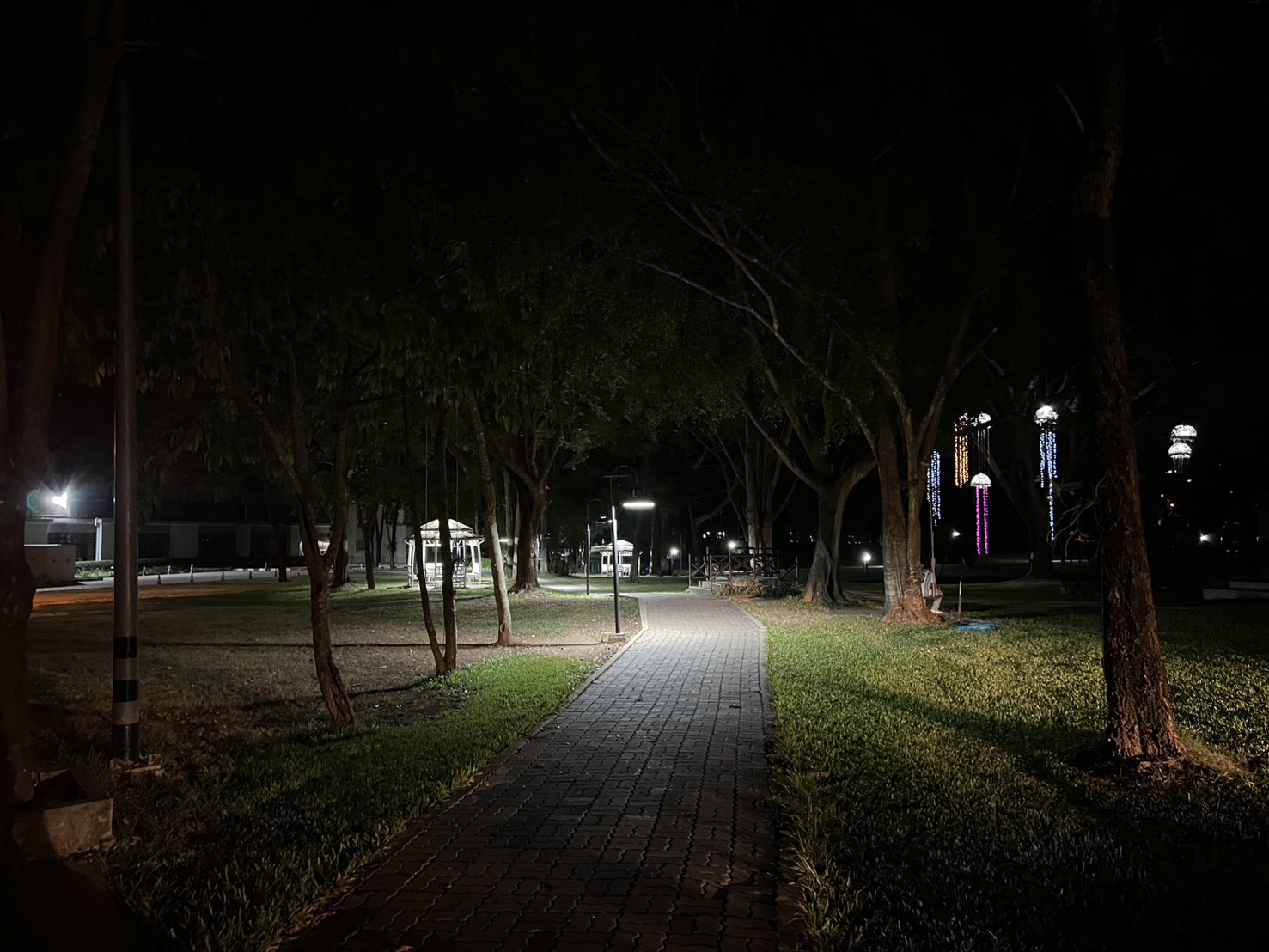
University of Phayao conducted a project on changing to LED Solar streetlights. They are brighter and save 90–95% of electrical consumption.
LED Solar Streetlights
Street lamp for pedestrian at night
Photocopier Energy Star
Electrical appliances with electricity saving Label No.5
Energy and Climate Change
University of Phayao is firmly committed to addressing the pressing challenges of energy use and climate change by taking proactive measures across multiple dimensions. The university's ongoing efforts include reducing overall energy consumption, promoting the adoption of energy-efficient appliances, increasing the use of renewable energy, expanding green spaces, and implementing climate-responsive strategies. These initiatives are designed not only to meet the institution's energy and climate targets by 2025 but also to contribute to the global sustainability agenda under the United Nations Sustainable Development Goals (SDGs), particularly SDG 7 (Affordable and Clean Energy), SDG 13 (Climate Action), and SDG 15 (Life on Land). By emphasizing affordable, reliable, sustainable, and modern energy solutions, the university seeks to ensure that its community has access to clean and efficient energy systems, reflecting a broader institutional commitment to carbon reduction, climate resilience, and long-term sustainability. University of Phayao's policies and programs encompass a wide range of initiatives: the systematic replacement of conventional appliances with energy-efficient alternatives, the development of smart and green buildings, the monitoring and reduction of overall electricity consumption, and the implementation of targeted energy conservation measures. Furthermore, the university advances strategies for both climate change mitigation — such as reducing greenhouse gas emissions — and adaptation, ensuring that its operations and infrastructure remain resilient in the face of environmental uncertainties. In addition, University of Phayao aims to play a leading role in fostering clean energy technology and innovation, encouraging investment in renewable energy infrastructure, supporting research and development in energy efficiency, and advancing cleaner and more sustainable fossil fuel technologies — positioning the university as both a hub of innovation and a model of sustainable energy transition.Providing Knowledge on Energy Conservation and Energy Saving
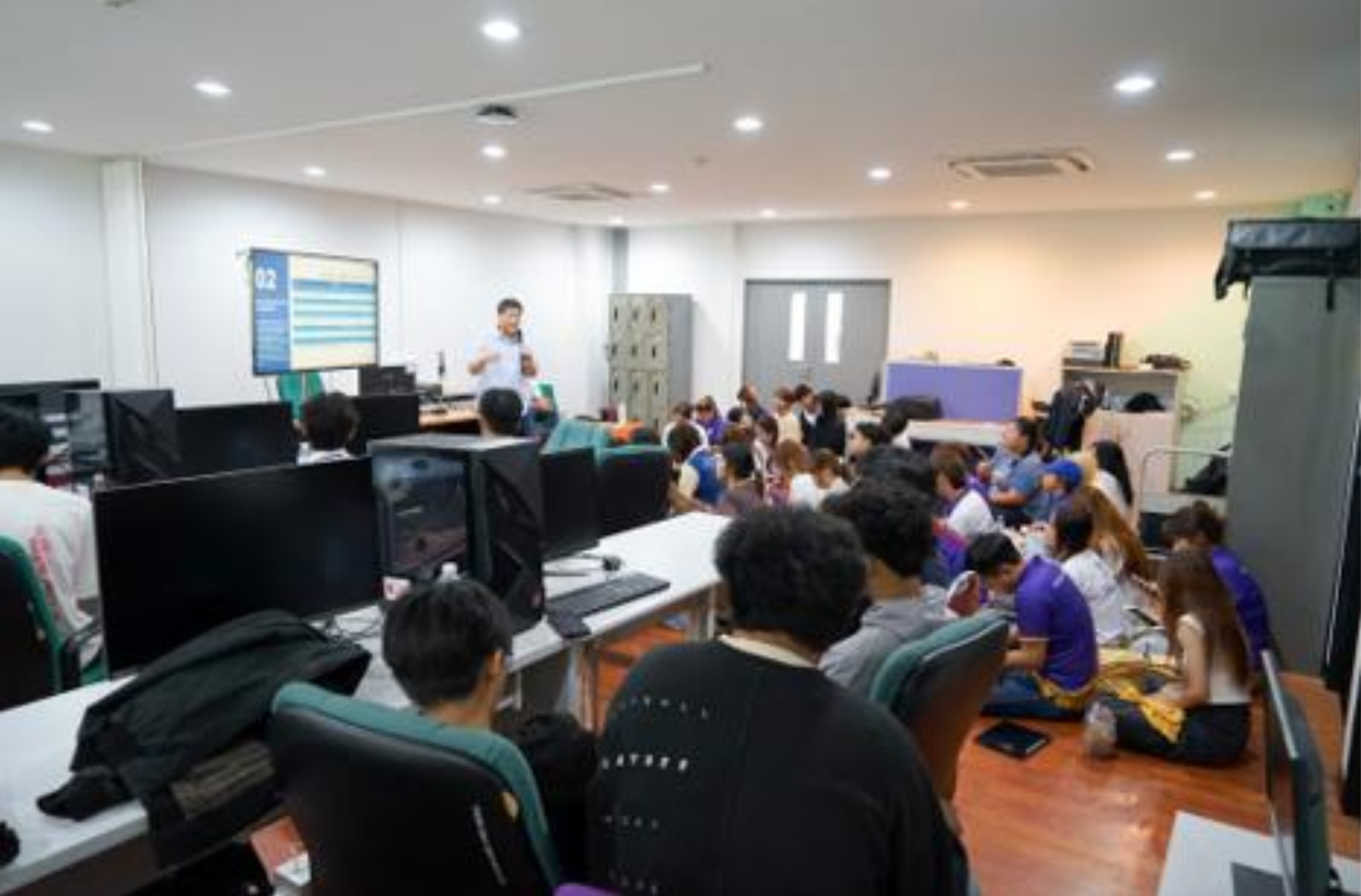
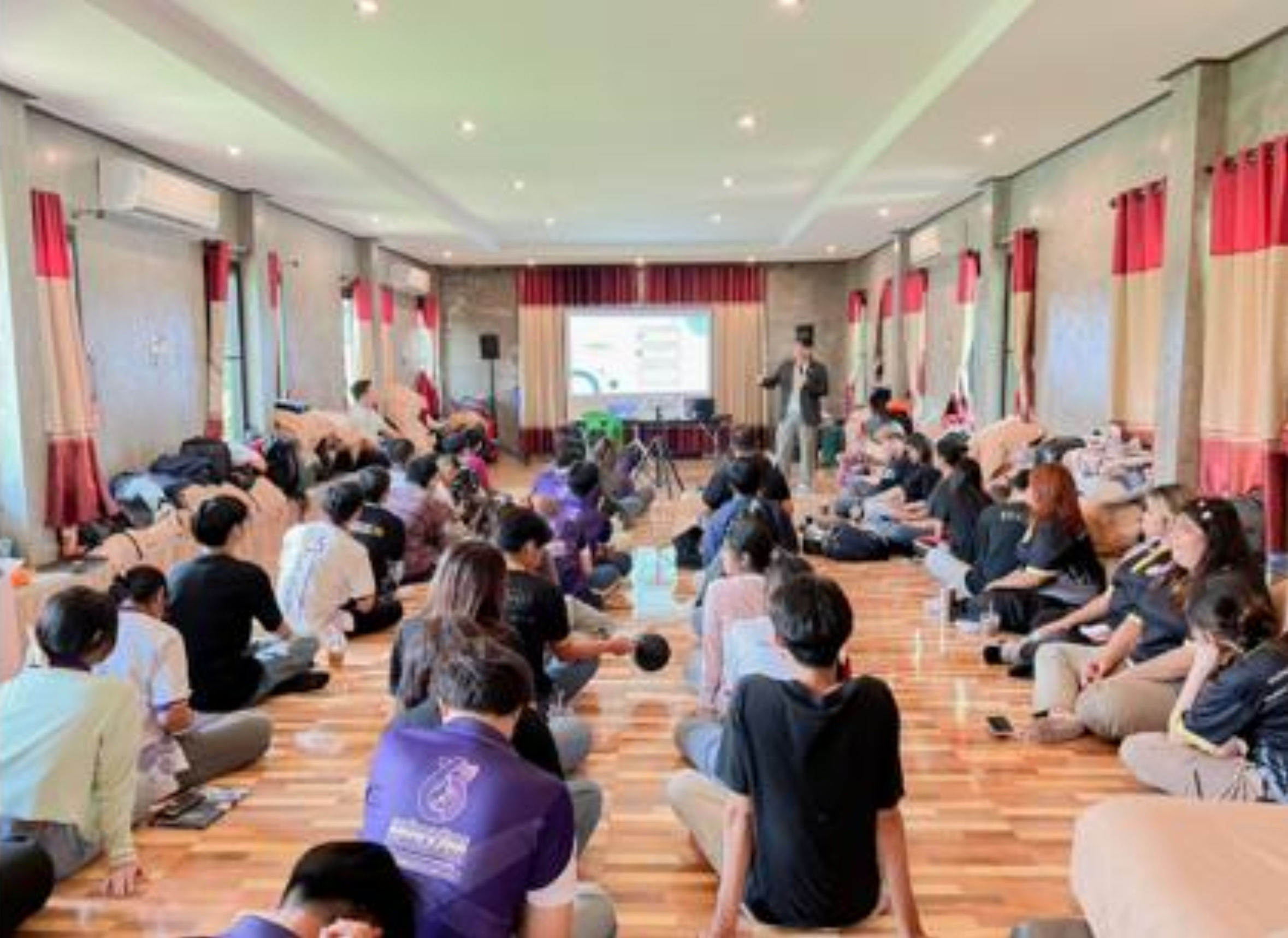
Energy training and workshops in energy conservation and energy saving have been provided not only for the energy conservation team and energy conservation workers, but also for students and staff. All training and workshops are operated by the Environmental Section, Division of Buildings and Facilities, with 16 courses per year. These activities provide simple tips and techniques for energy saving and greenhouse gas emission reduction, along with brainstorming and knowledge sharing. As a result, more than 1,000 attendees have participated over 2 years.
The Benefits in Line with the UP Carbon
In summary, adopting energy-efficient appliances aligns with the "UP Carbon" strategy as it represents a key step in addressing climate change and building a sustainable future:- Reducing Energy Costs: using energy-efficient appliances helps lower electricity consumption, directly reducing expenses for households and businesses.
- Minimizing Environmental Impact: reducing energy use cuts greenhouse gas emissions, decreases fossil fuel consumption, and mitigates pollution, which are major factors in climate change.
- Developing Green Technology: the "UP Carbon" strategy emphasizes developing technologies that promote energy efficiency and sustainability, such as LED bulbs or appliances with the Electricity Saving Label No. 5, allowing for balanced use of natural resources.
- Raising Awareness: educating consumers about choosing energy-efficient appliances and using electricity wisely fosters a collective effort to protect the environment.
- Meeting Future Energy Demands: as the global population and technology continue to grow, the demand for energy will increase, and energy-efficient appliances will help meet future energy needs.
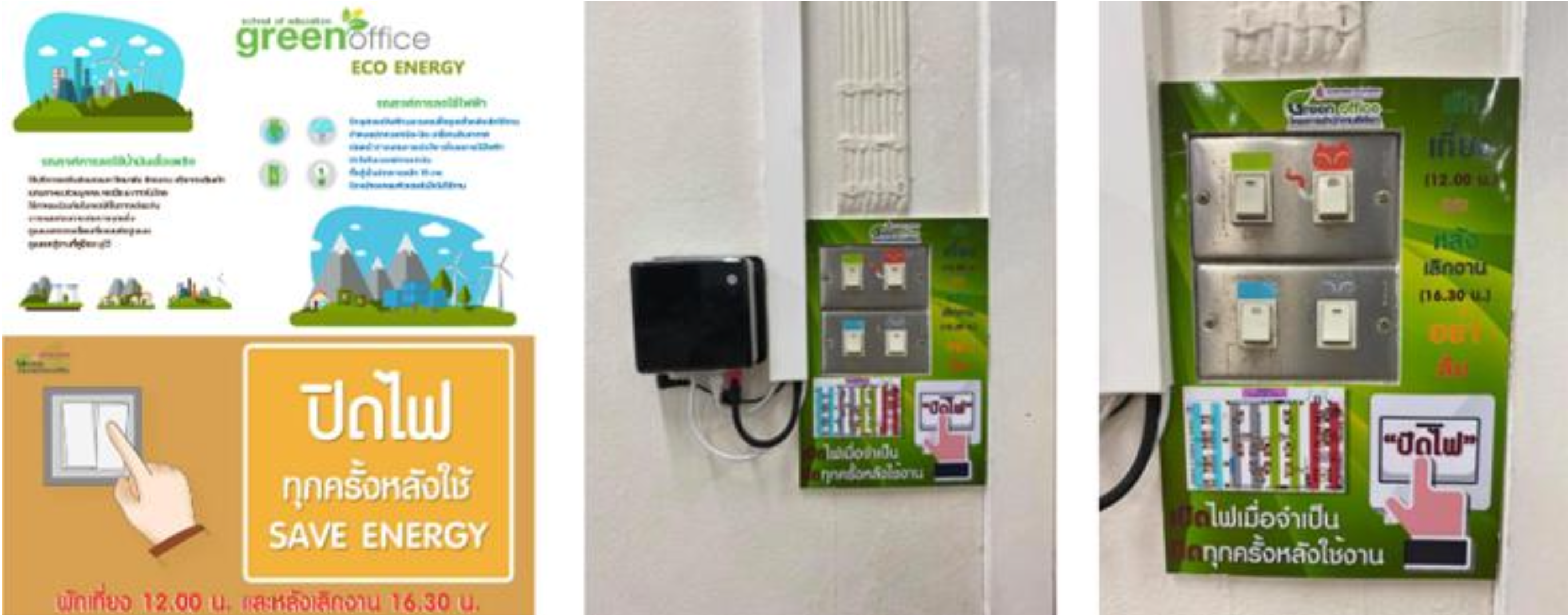
Resource and Energy Saving Guide
Link: http://45.91.132.63/monitoring/Login.aspx