Zero Emission Vehicles (ZEV) policy on campus has been formulated by University of Phayao to support pollution-free travel within the university by promoting the use of vehicles that reduce carbon dioxide emissions and noise pollution in order for students and personnel to avoid using various types of cars and turn to public transportation that the university provides more.
The university's operations take into account environmental sustainability, proper use of resources and value awareness, reducing greenhouse gas emissions, and the thorough distribution of wealth are economies that all countries must adopt as a means of development.
All University of Phayao sites are cyclist and pedestrian friendly. Many have vehicle-free paths for these users. There is a 35 mph speed limit on all internal roads, and cycle paths on the public roads. All sites have cycle racks in a variety of designs. The University offers free showers to cyclists, runs a "Cycle to Work" scheme for staff as well as encouraging cycling through a number of services, events and groups, and providing free bikes to students.

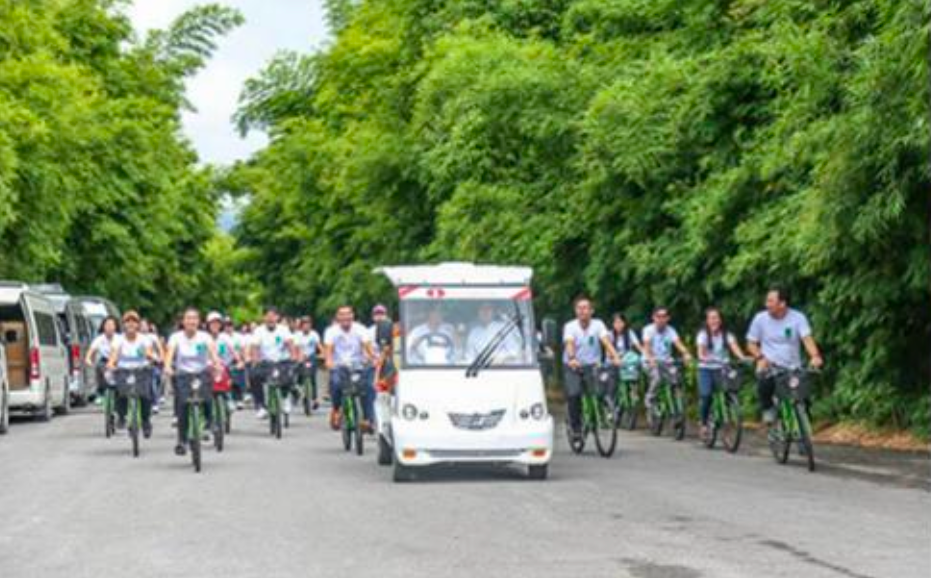
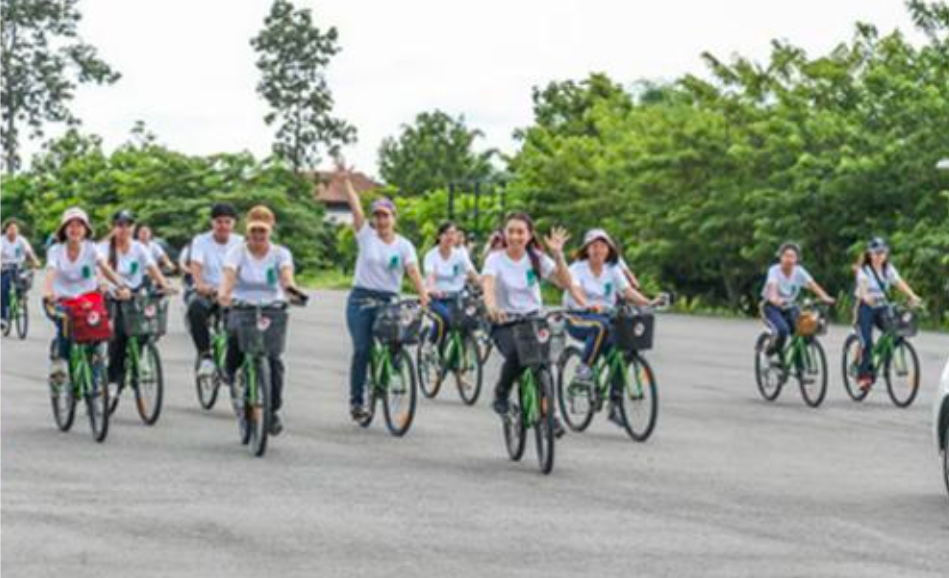 (357) Bicycles + (724) Electric Bicycles
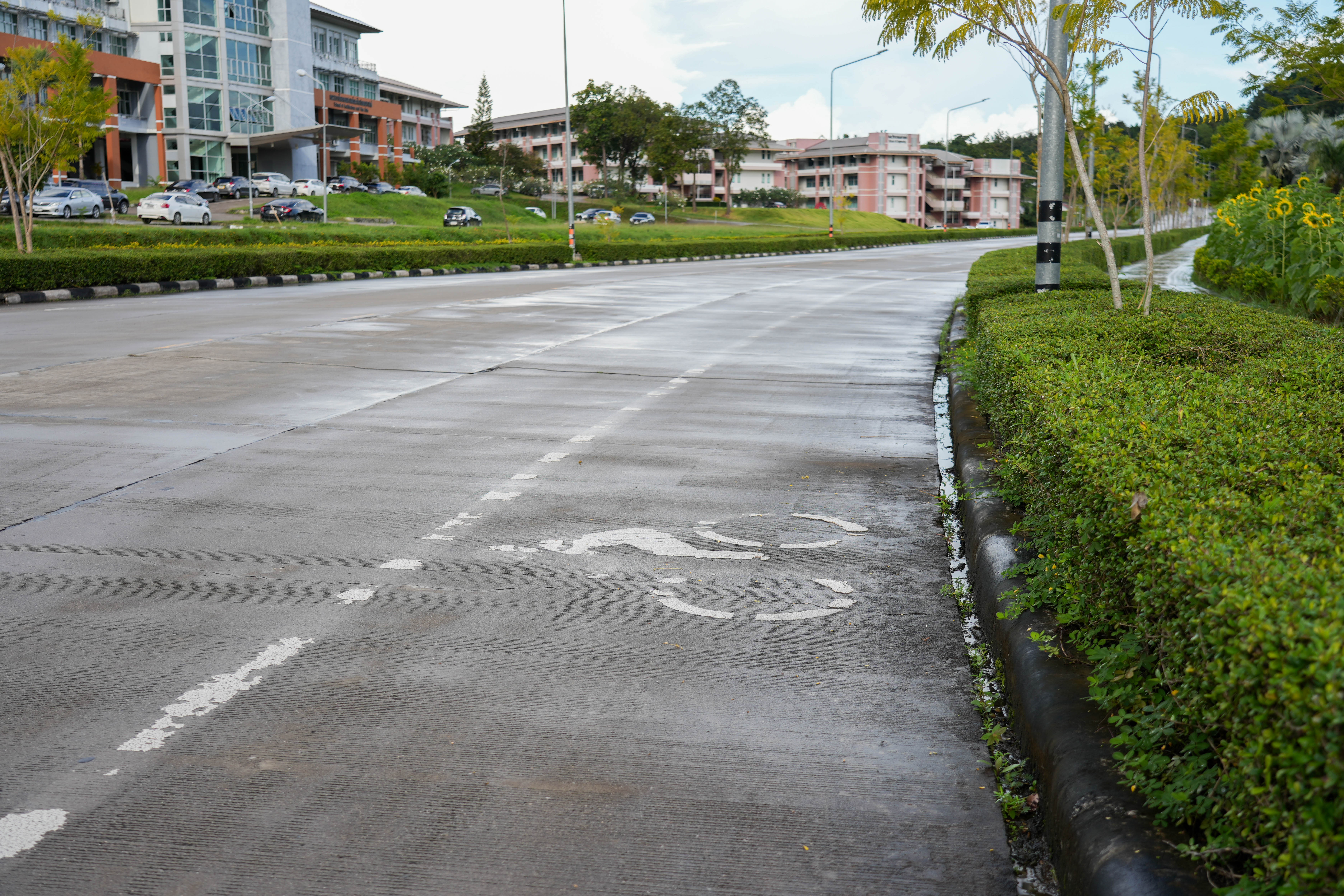
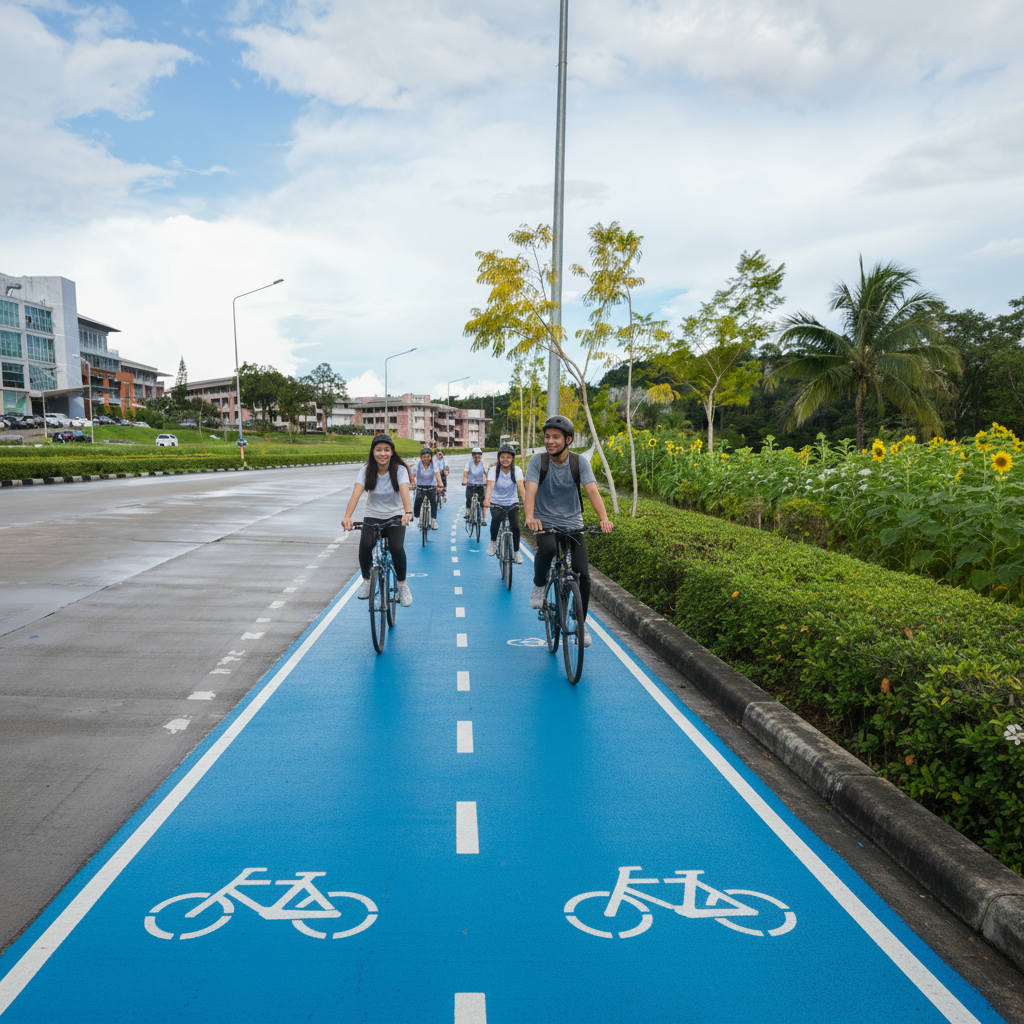
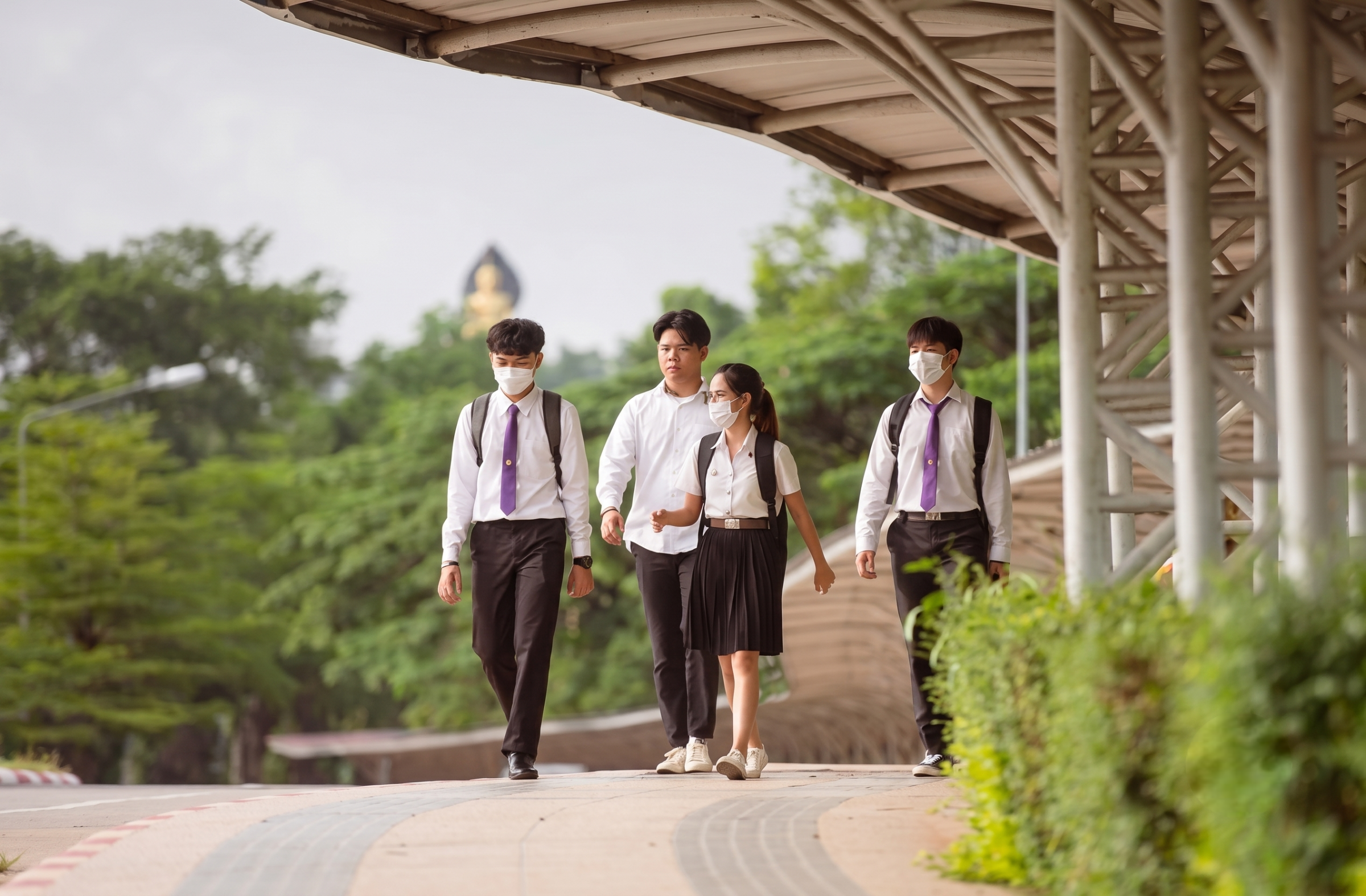
University of Phayao is a university that promotes a walk-and-bike society. The university provides dedicated bicycle lanes, especially around the campus.
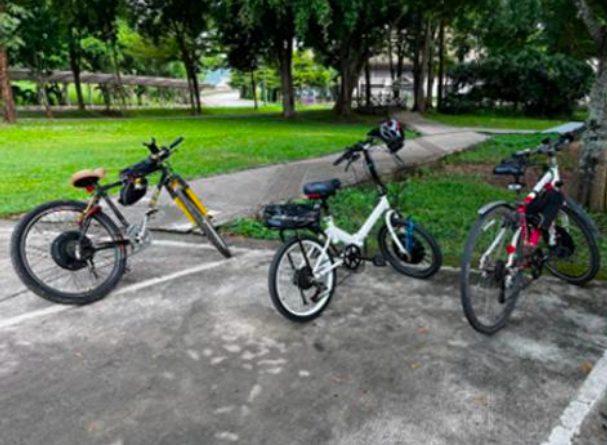
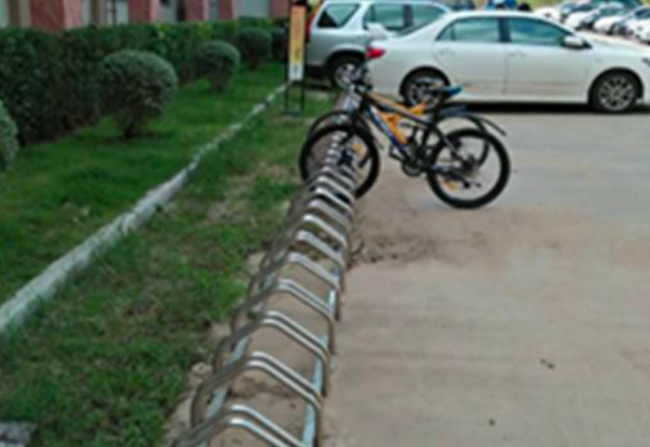 University of Phayao promotes bicycle riding campaigns to serve all riders from both within campus and surrounding community. Those campaigns hope to support not only carbon emission reduction but also health promotion with creative solutions.


Formula: ((5.10)/(1.12+1.14)) = 1,183 / (22,334+2,050) = 0.049
According to the University of Phayao's transportation policy, restrictions on the number of private vehicles and parking spaces have been implemented since 2010. Although the university has a strict policy prohibiting private motorcycles on campus and provides electric shuttle services, a segment of the community still relies on private vehicles for transportation.
Therefore, the University of Phayao is promoting a shift from private vehicles to sustainable transportation options (buses, vans, cycling, and walking) to improve health and quality of life. This involves enhancing pedestrian-friendly areas, increasing the number of electric shuttles to meet demand, and revising the master plan to limit private vehicle use and reduce parking spaces to incentivize students and staff to use public transportation more. Furthermore, the benefits of carpooling include lower fuel costs, decreased greenhouse gas emissions, alleviated traffic congestion, and minimized parking space requirements.
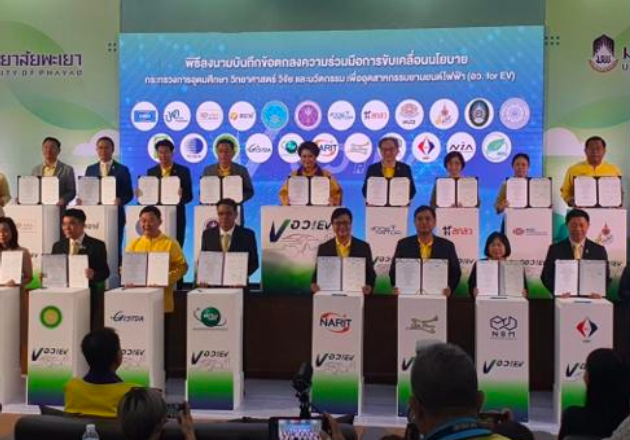
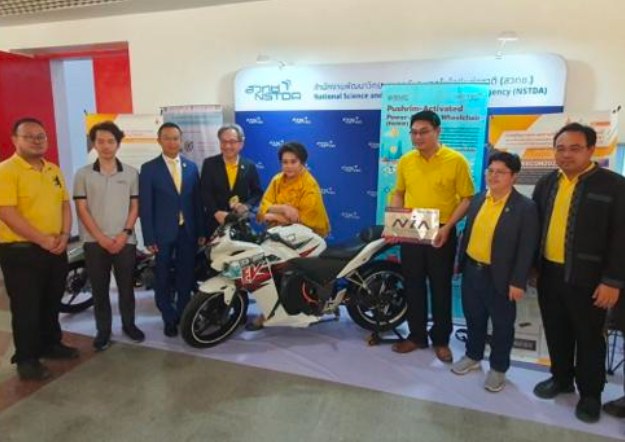
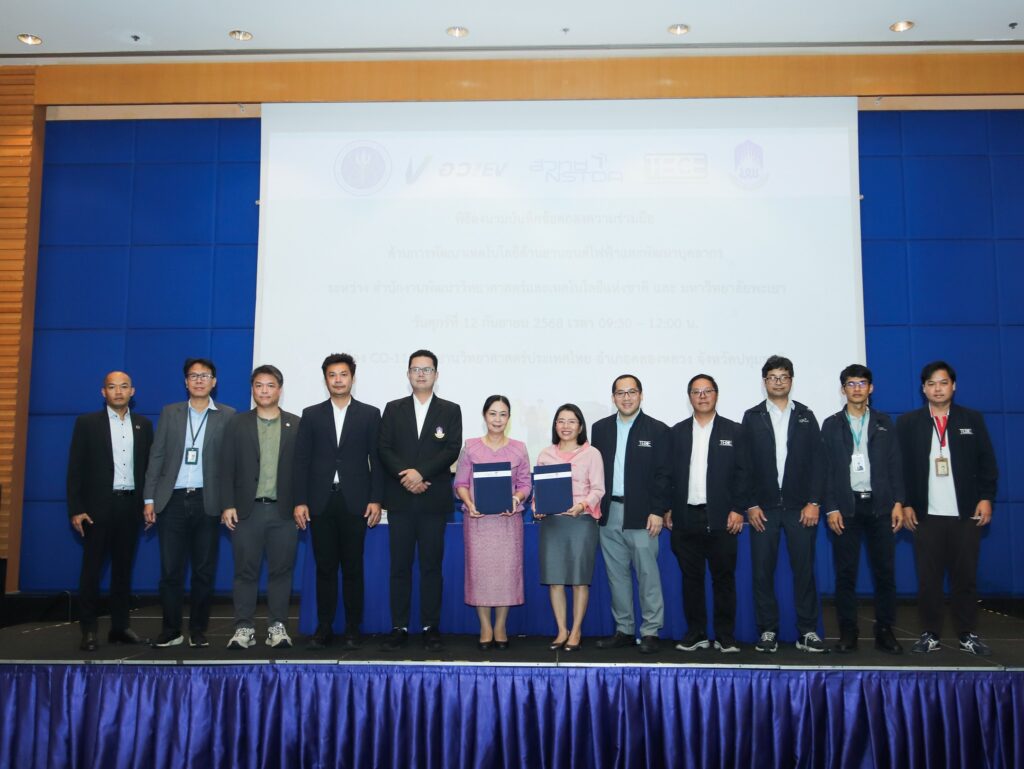 This collaboration marks a significant step in advancing Thailand's electric vehicle industry through research, innovation, and capacity-building for highly skilled human resources to support the growth of this future-oriented sector. It also aligns with the nation's policy to achieve sustainable development and carbon neutrality by 2050, a mission that the University of Phayao has embraced in its roadmap to becoming a green and socially responsible university.
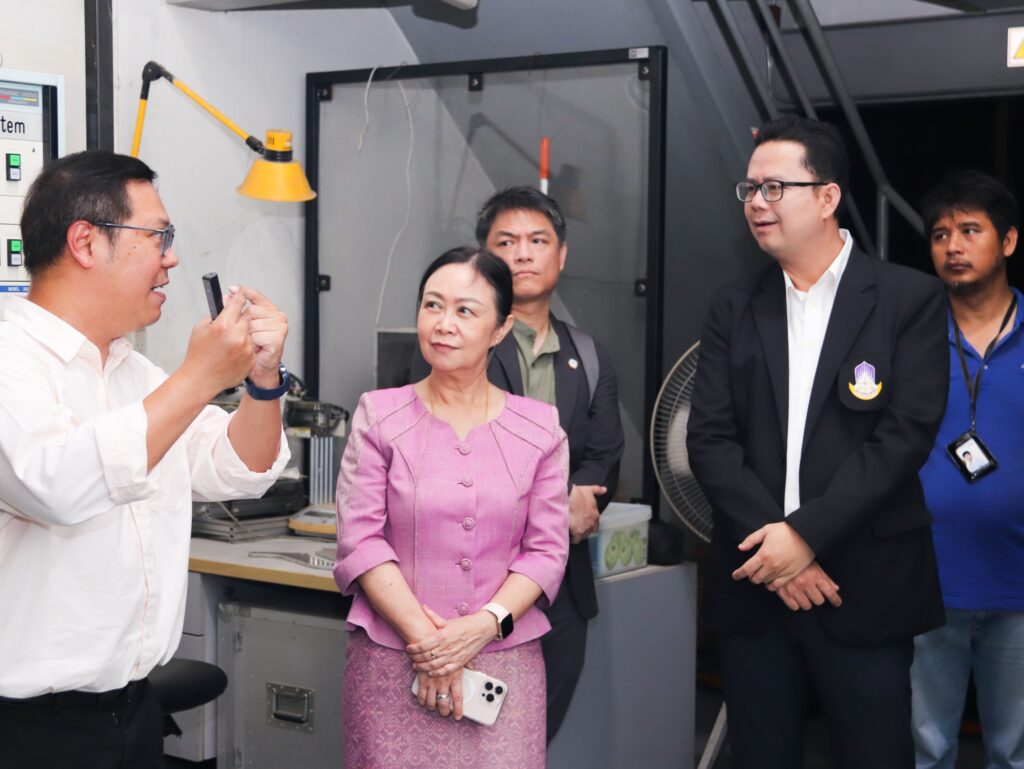
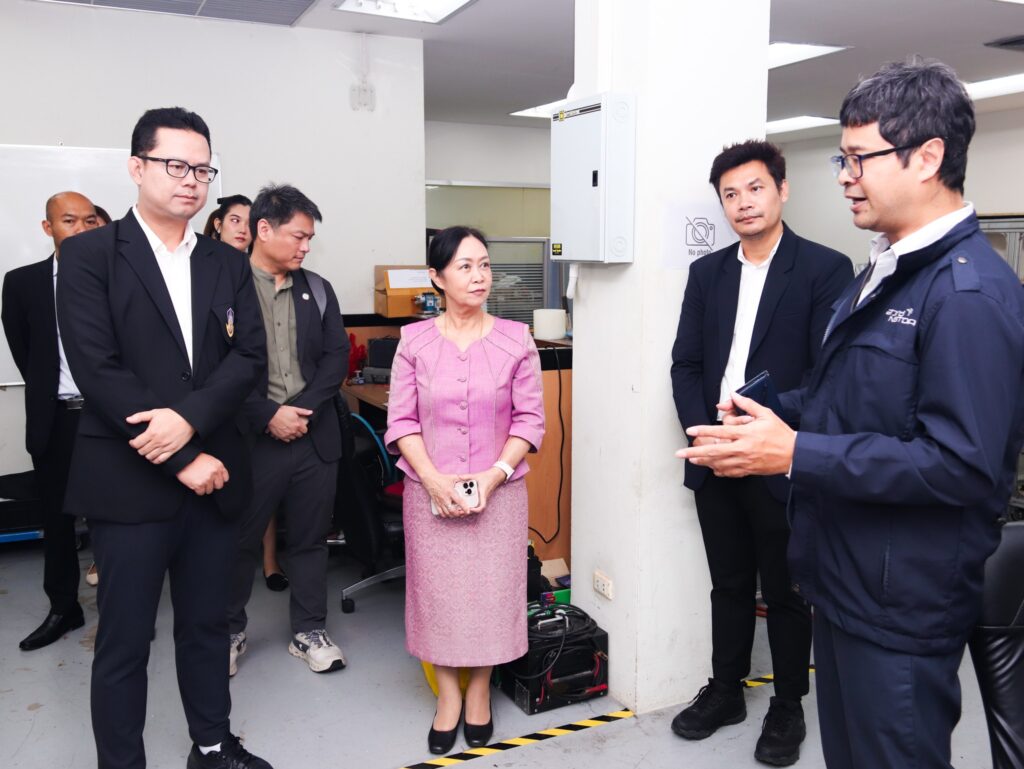 The partnership is therefore recognized as an essential starting point for advancing knowledge, cultivating specialized professionals, and strengthening the competitiveness of Thailand's EV industry for a sustainable future.
The university's operations take into account environmental sustainability, proper use of resources and value awareness, reducing greenhouse gas emissions, and the thorough distribution of wealth are economies that all countries must adopt as a means of development.
All University of Phayao sites are cyclist and pedestrian friendly. Many have vehicle-free paths for these users. There is a 35 mph speed limit on all internal roads, and cycle paths on the public roads. All sites have cycle racks in a variety of designs. The University offers free showers to cyclists, runs a "Cycle to Work" scheme for staff as well as encouraging cycling through a number of services, events and groups, and providing free bikes to students.
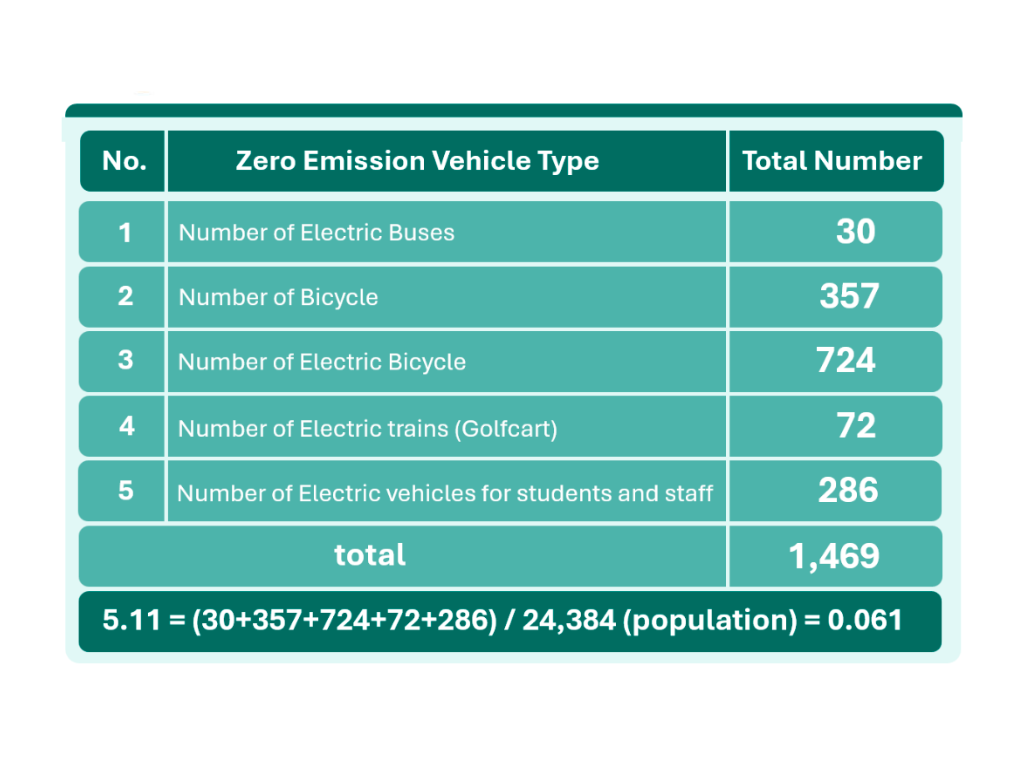
AVERAGE NUMBER OF 1,469 ZEV ON CAMPUS PER DAY
| No | Zero Emission Vehicle Type | Total |
|---|---|---|
| 1 | Electric Buses | 30 |
| 2 | Bicycle | 357 |
| 3 | Electric Bicycle | 724 |
| 4 | Electric trains (Golfcart) | 72 |
| 5 | Electric vehicles for students and staff | 271 |
ZEV Provided by the University Free of Charge
Electric Car, Electric Motorcycle and Electric Charging Station
University of Phayao continues to develop its infrastructure to achieve its goal of providing an efficient, zero-emission internal transportation system. This includes transitioning to electric shuttle buses and increasing the number of charging stations, which has led to a dramatic increase in the number of electric cars and motorcycles used by students and staff on campus each year.
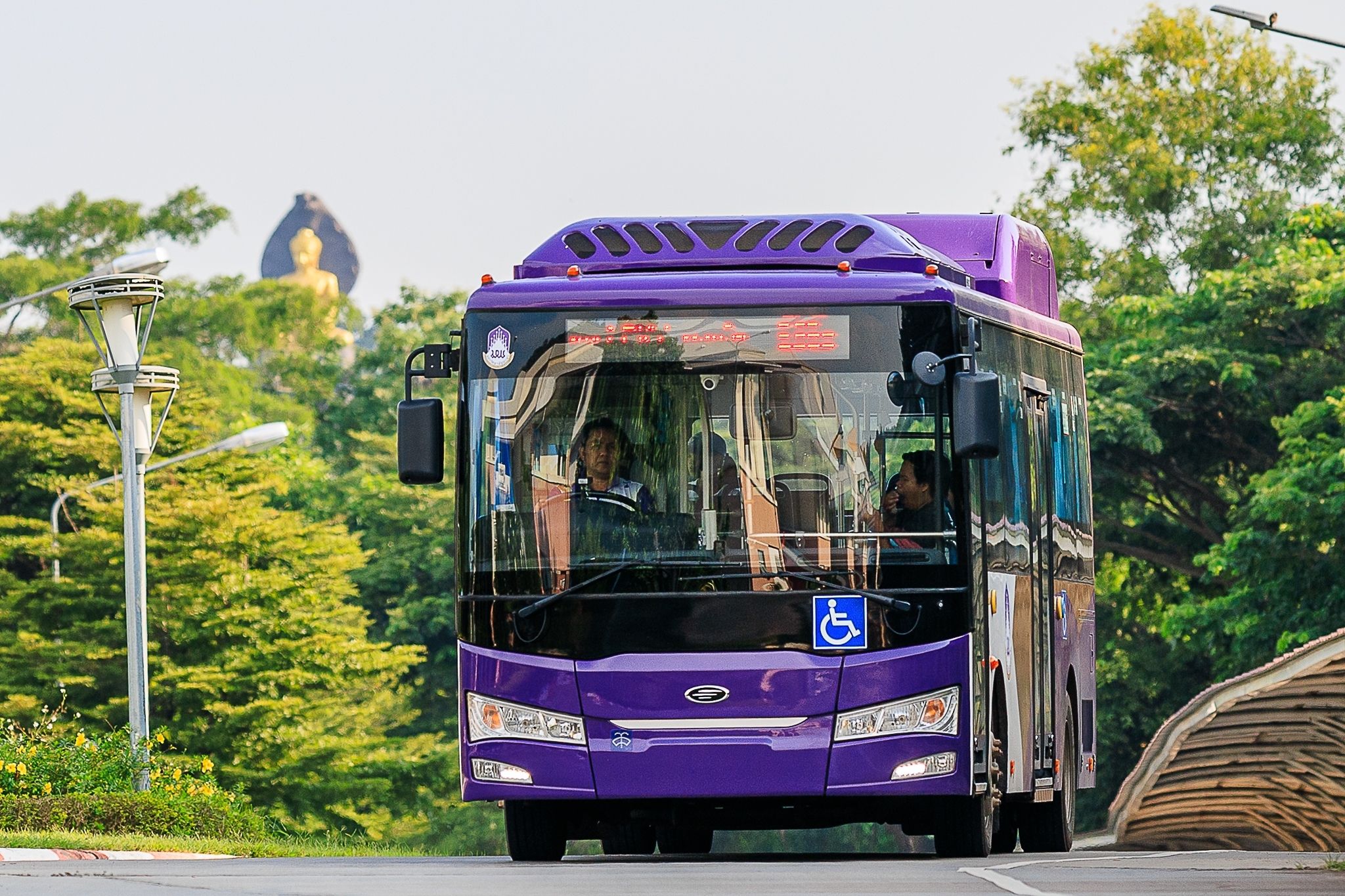
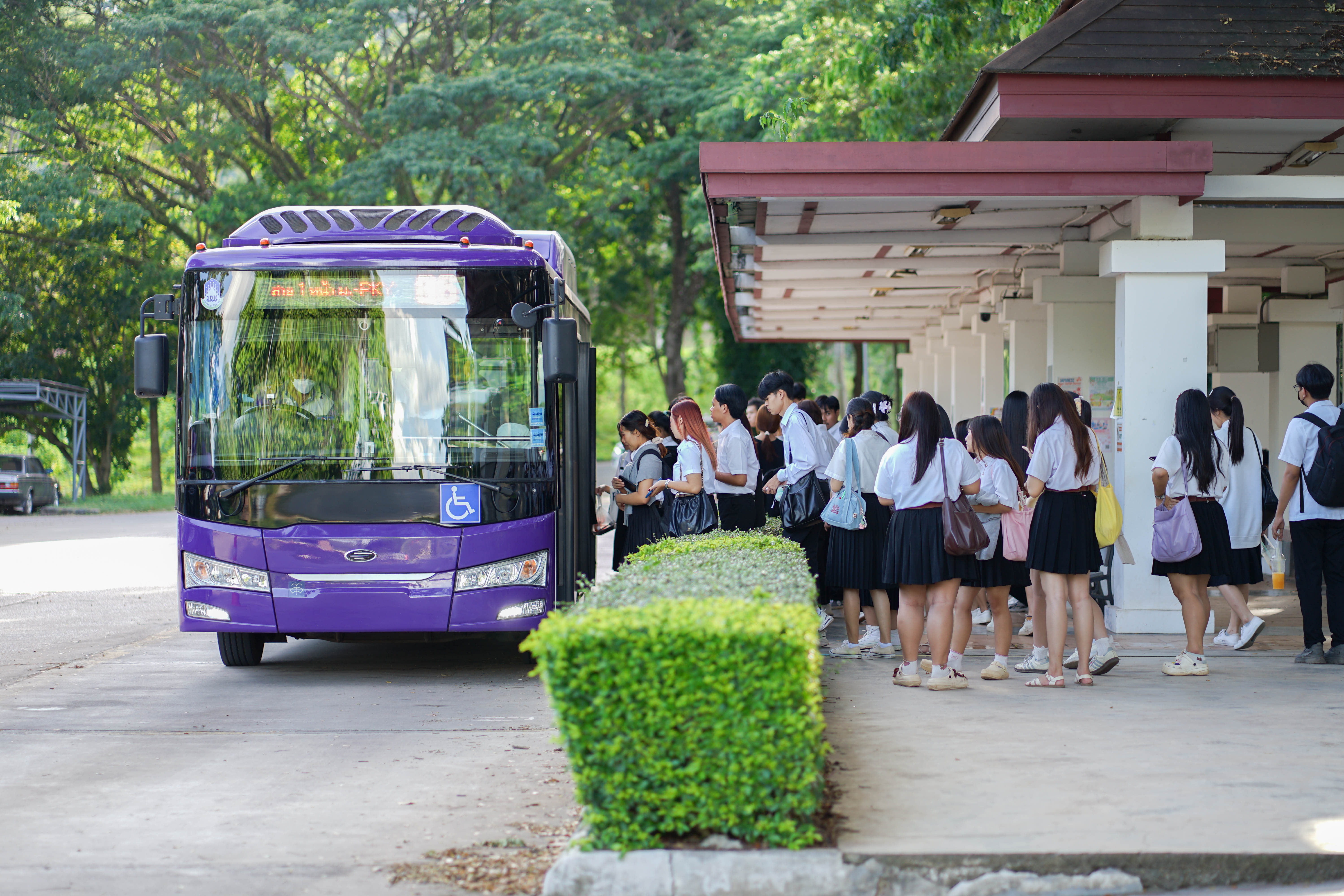
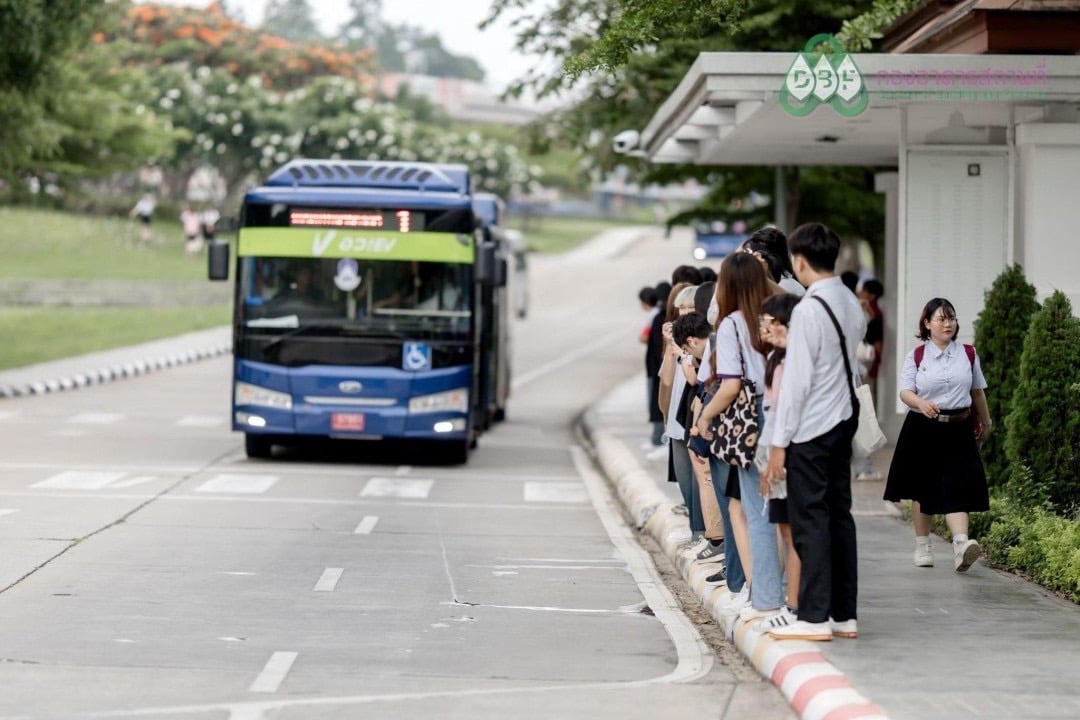
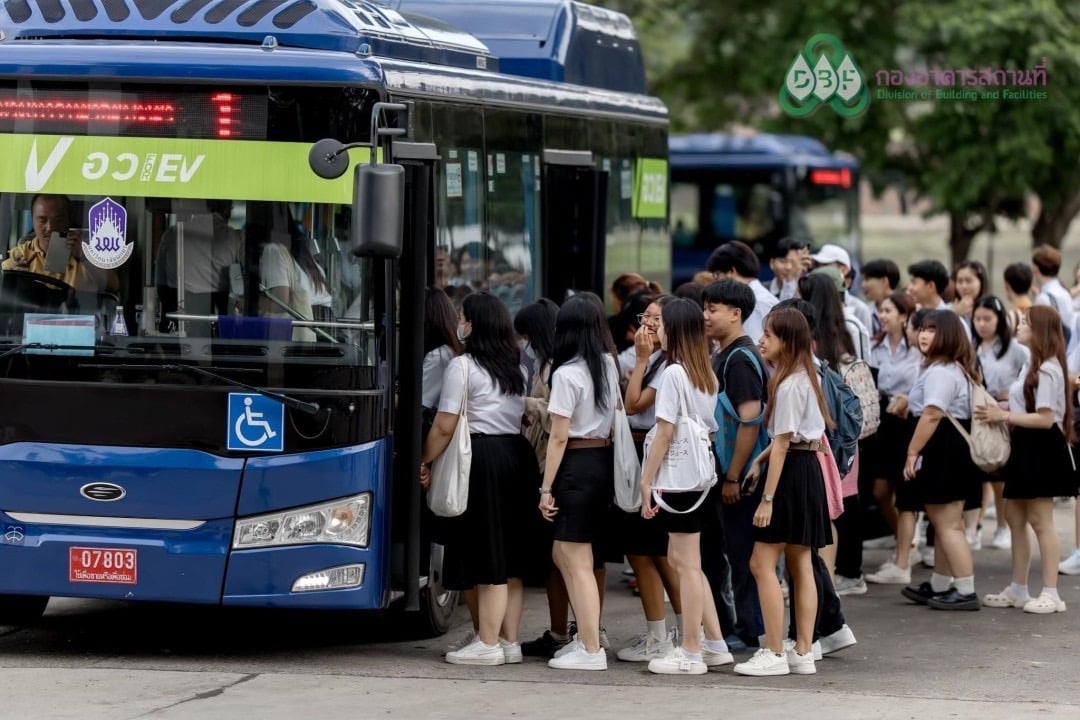
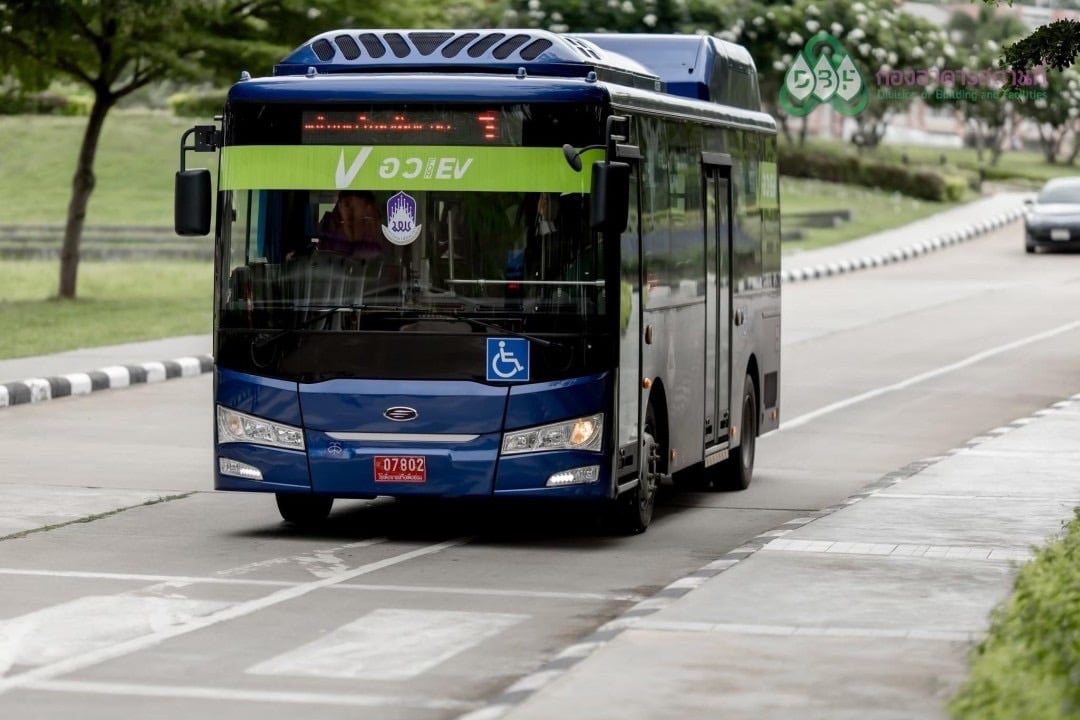
Electric Bus (30 buses)
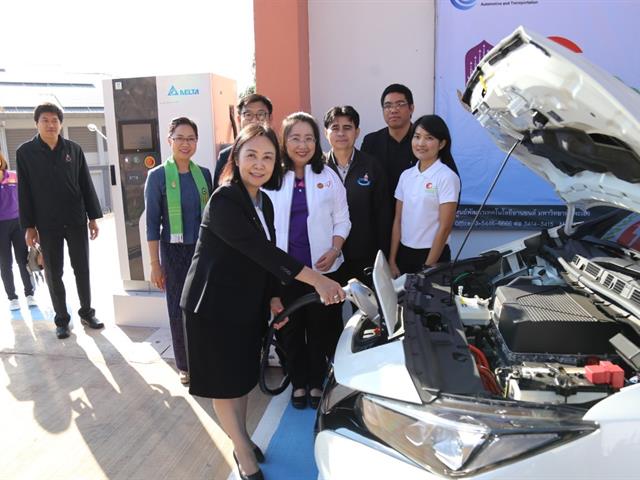
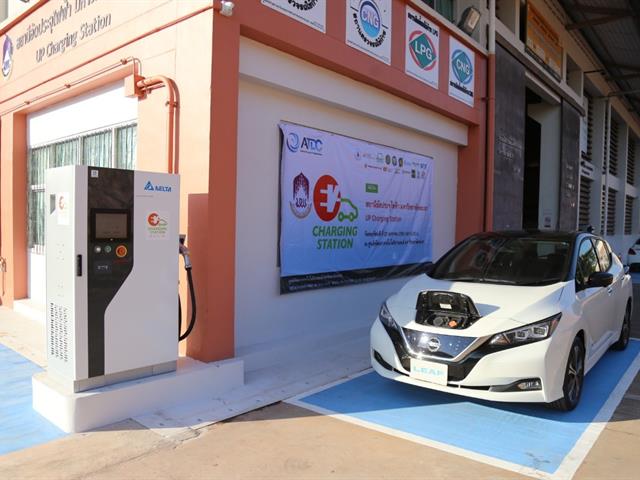
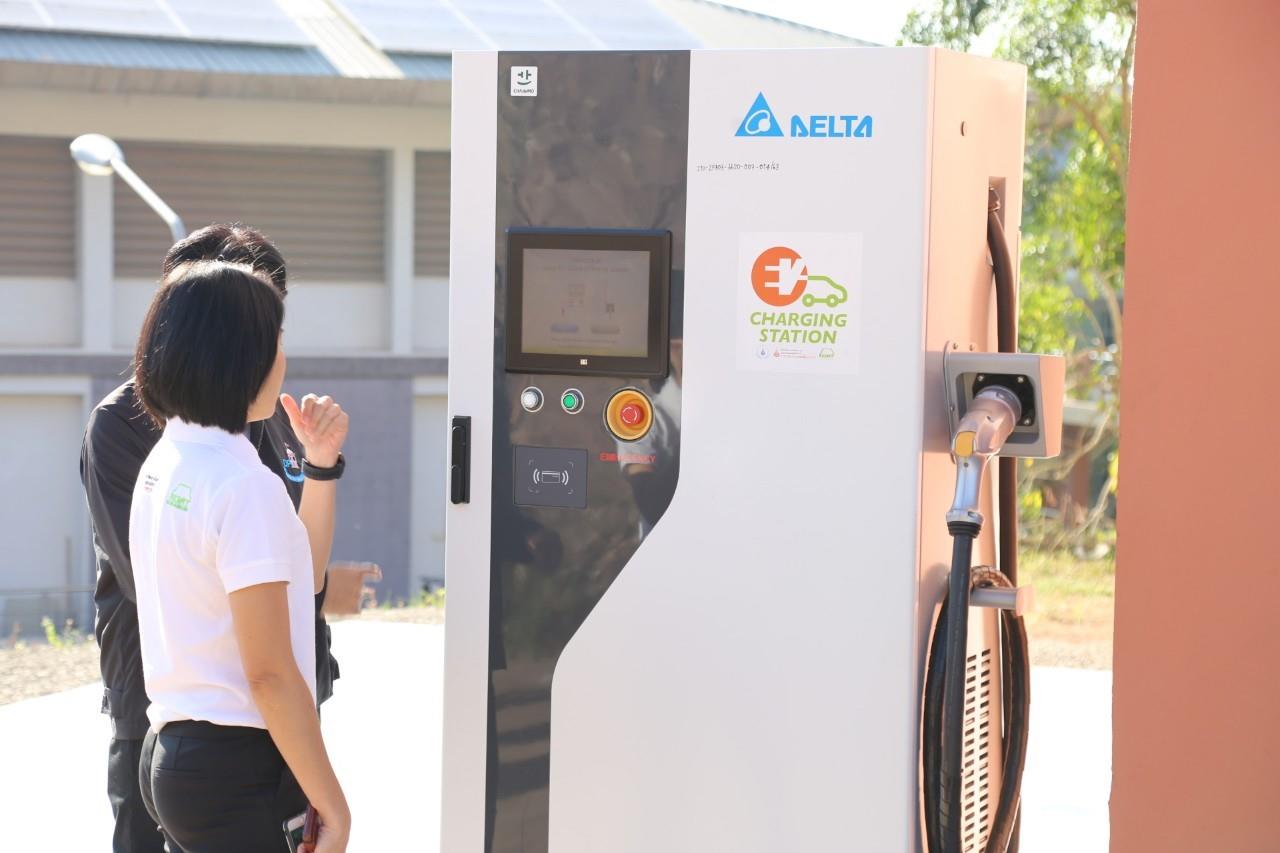
The University of Phayao has installed electric vehicle (EV) charging stations where students and staff can park and charge their vehicles. This initiative aligns with the Sustainable Development Goals (SDGs) and aims to reduce greenhouse gas emissions from transportation on campus. The university recognizes the importance of behavioral changes in vehicle usage among students and staff, shifting from a reliance on fossil fuels to the use of more environmentally friendly vehicles.
Electric vehicle charging station
Bike Share Services
University of Phayao provides more than 1,080 bikes and electric bicycles around University of Phayao. Only a Student Identity Card is required to register before bike rental with free of charge.
University of Phayao is a university that promotes a walk-and-bike society. The university provides dedicated bicycle lanes, especially around the campus.
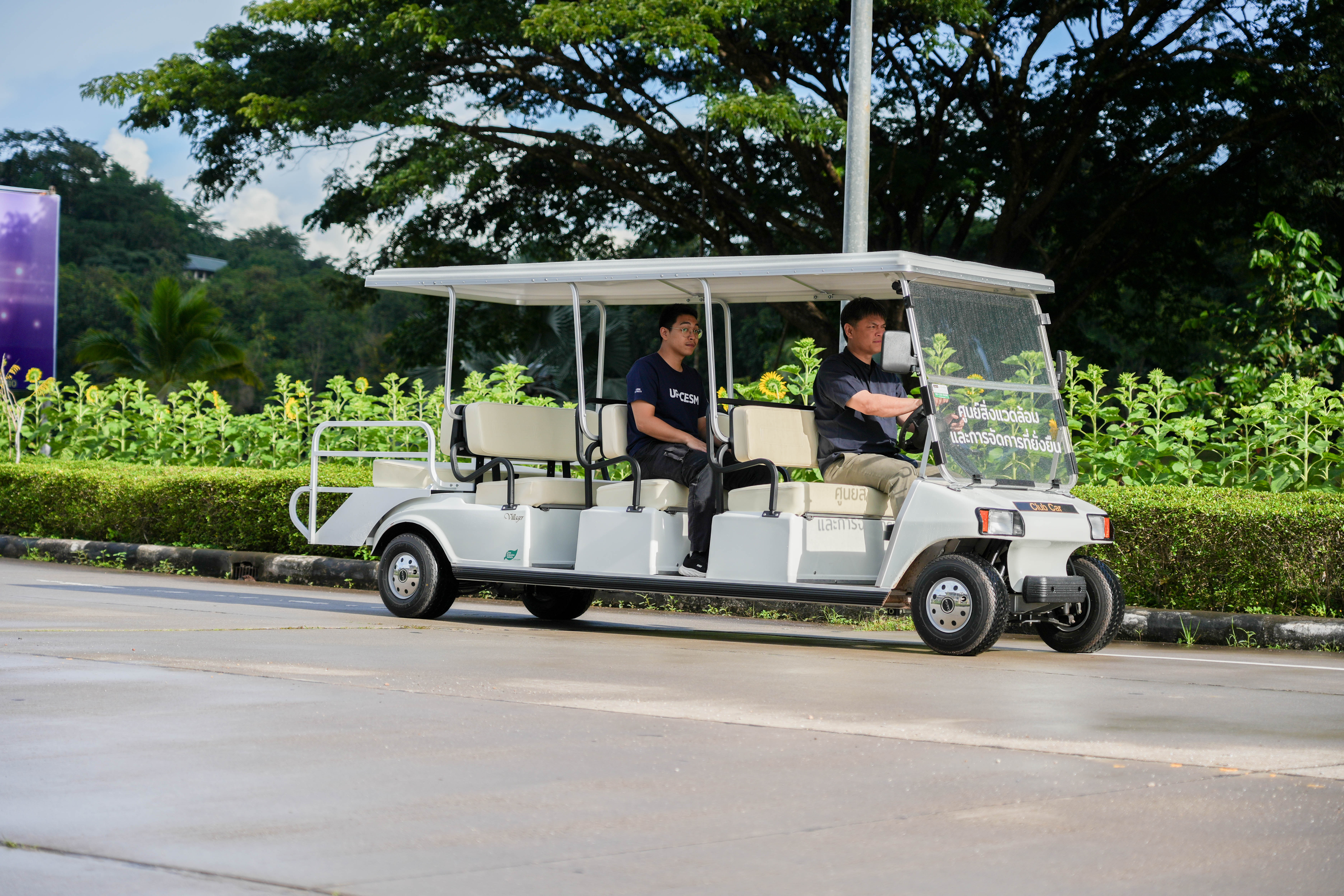
Encourage Agencies to Use Golfcart to Coordinate within University of Phayao instead of Cars or Motorcycles
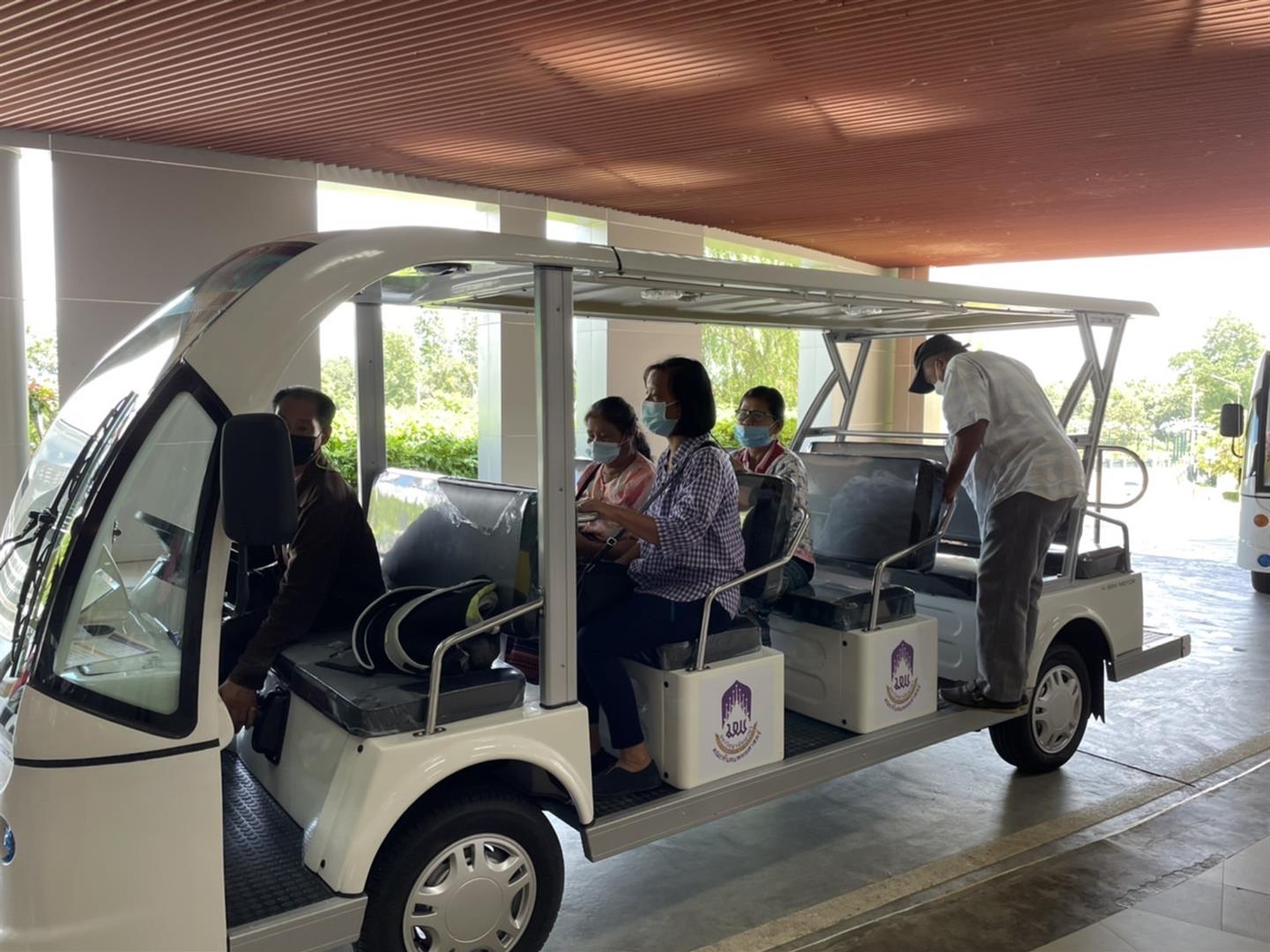
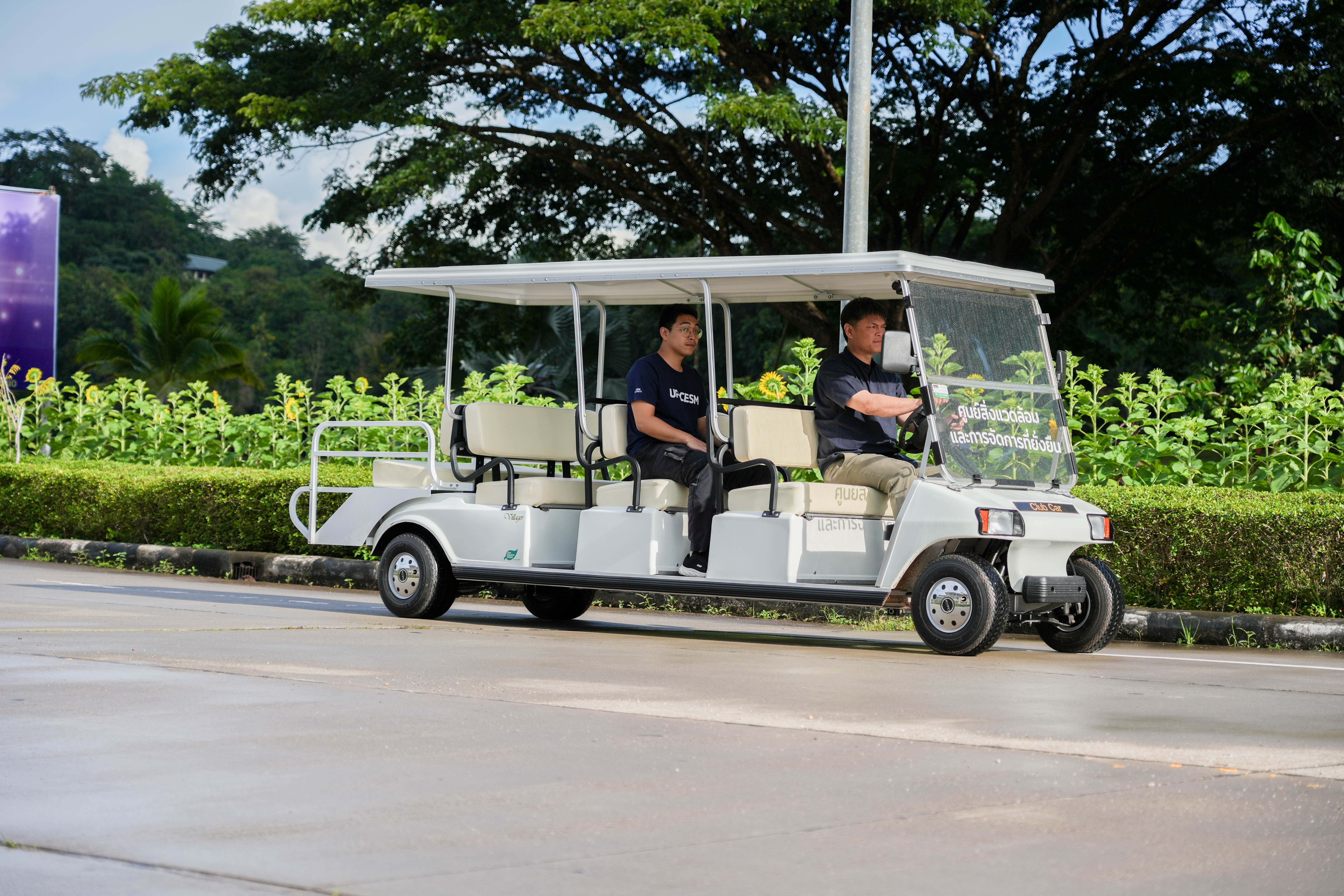
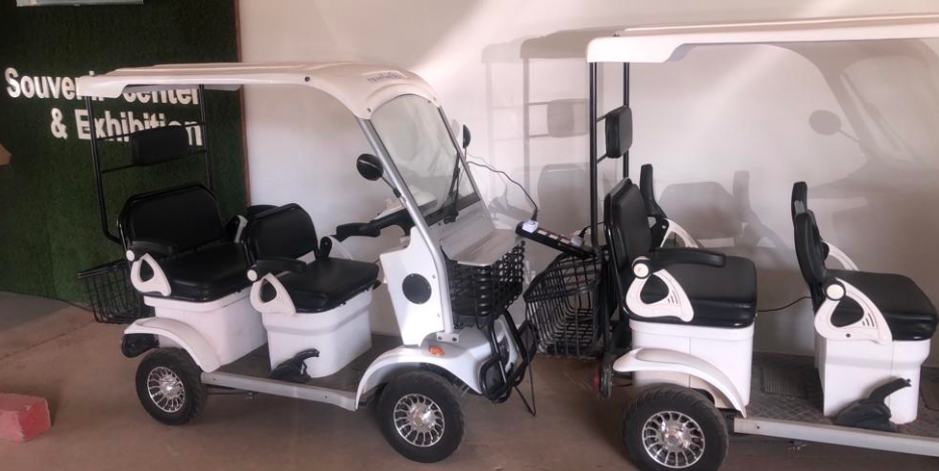
University of Phayao has a policy to reduce the number of personal cars and motorcycles to reduce road accidents and reduce greenhouse gas emissions. by encouraging the use of public transport more, such as electric golf carts, for use in traveling within the university, for coordination between units, or for student activities, in order to reduce the use of private vehicles and limit parking spaces in various buildings.
(72) Electric trains (Golfcart)
Pathway
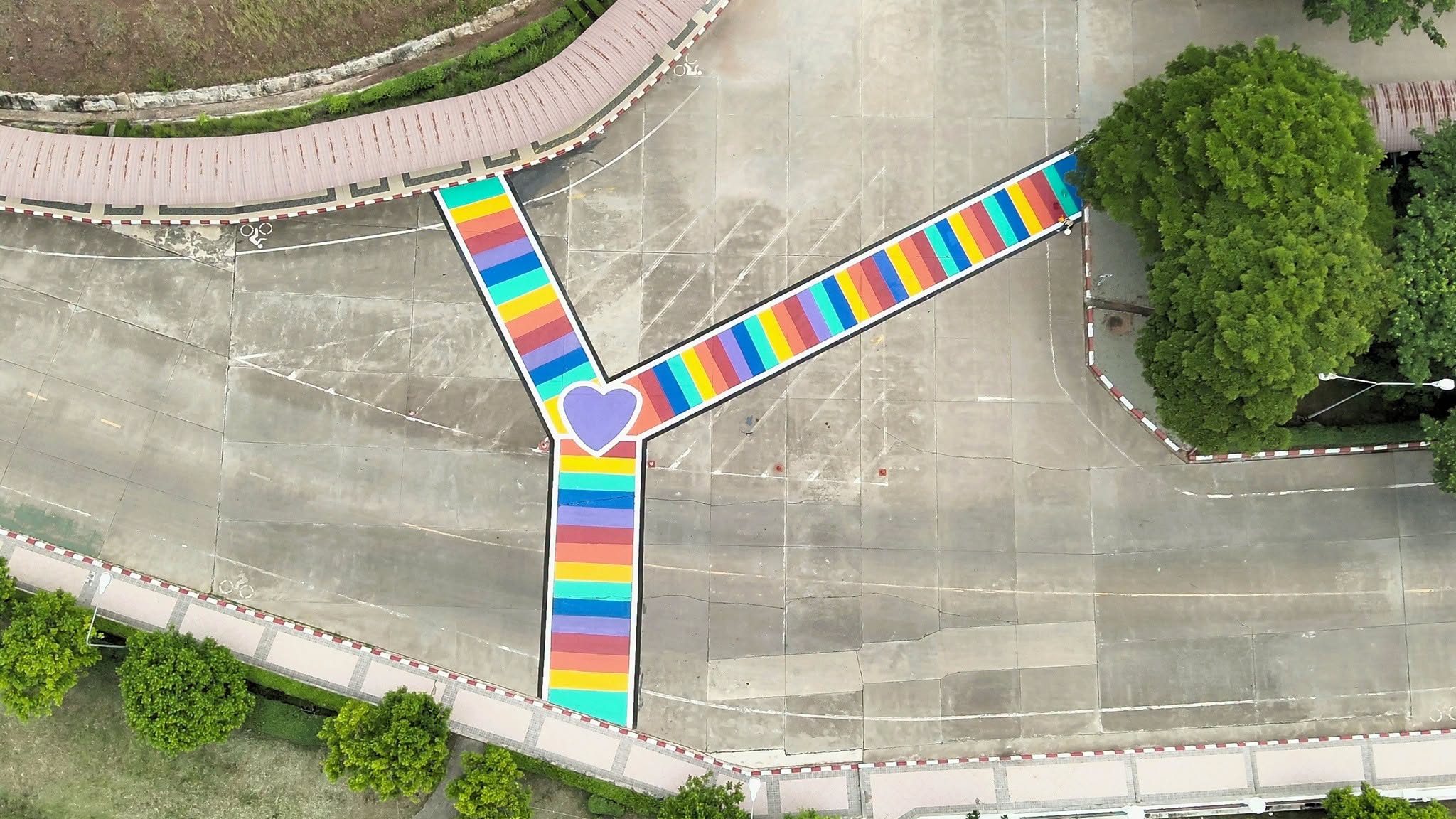
the width of pathway is 1.50-5.50 meters with smooth surface, non-slip, no barrier which may be harm to disabled. Pathway and bicycle lane on the main roads have benches along the way on both sides to share rest areas for public and disabled. Those rest areas have enough spaces for wheelchairs without traffic road blockage.
Pedestrian Path Policy on Campus
Policy to support the walk
The total number of Zero Emission Vehicles (ZEV) divided by total campus population.Formula: ((5.10)/(1.12+1.14)) = 1,183 / (22,334+2,050) = 0.049
According to the University of Phayao's transportation policy, restrictions on the number of private vehicles and parking spaces have been implemented since 2010. Although the university has a strict policy prohibiting private motorcycles on campus and provides electric shuttle services, a segment of the community still relies on private vehicles for transportation.
Therefore, the University of Phayao is promoting a shift from private vehicles to sustainable transportation options (buses, vans, cycling, and walking) to improve health and quality of life. This involves enhancing pedestrian-friendly areas, increasing the number of electric shuttles to meet demand, and revising the master plan to limit private vehicle use and reduce parking spaces to incentivize students and staff to use public transportation more. Furthermore, the benefits of carpooling include lower fuel costs, decreased greenhouse gas emissions, alleviated traffic congestion, and minimized parking space requirements.
"MHESI for EV" Pilot Project (Campus EV Transformation)
Project Overview & Official Framework
University of Phayao (UP) has been officially designated as the pioneering pilot institution under the Ministry of Higher Education, Science, Research and Innovation (MHESI) for the nationwide "MHESI for EV" (EV Transformation) initiative. This strategic transition was formalized through a comprehensive Memorandum of Understanding (MOU) with 23 leading public and private partner organizations, aiming to establish UP as a model for low-carbon institutional transportation and a sustainable Net Zero Campus.Implementation of Zero-Emission Vehicles (ZEV) Availability
- To completely eliminate transit-related greenhouse gas emissions within the core academic zone, the university enacted a total modal shift in its public transportation system.
- Fleet Decarbonization: The university has entirely phased out its legacy Natural Gas Vehicle (NGV) and fossil-fueled transit systems, replacing them with a modernized fleet of 30 fully electric buses (EV Buses).
- Zero-Cost Shuttle Service: This 30-EV-bus fleet operates as a complimentary campus shuttle service, executing daily fixed-route schedules connecting student residential zones (the "Wiang" dormitories), academic faculties, and the central transport terminal.
- Strict ICE Traffic Restriction: To maximize the utilization of ZEVs, the university enforces a strict restriction prohibiting students from operating internal combustion engine (ICE) motorcycles within the inner campus. All personal vehicles are rerouted to a designated "Park & Ride" terminal at the campus entrance, seamlessly connecting commuters to the free EV transit system.
Integrated Green Infrastructure (The Eco-System)
The EV Transformation project is supported by a robust renewable energy framework to ensure a genuinely green life cycle for campus transportation:- Solar-Powered Charging Grid: The university has integrated a 2.9-Megawatt (MW) Solar Rooftop system across major campus facilities and charging depots. The clean energy generated from these installations directly offsets the electricity consumed by the EV Bus charging stations.
- Academic Backing: The School of Energy and Environment utilizes the operational data from this ZEV network as a living laboratory for advanced research in energy management and sustainable transport innovations.
Quantifiable Environmental Impacts
The campus-wide implementation of the 100% ZEV shuttle service yields significant, verifiable reductions in environmental footprints:- Greenhouse Gas Mitigation: The project achieves an estimated reduction of 3,000 metric tons of CO₂ equivalent (tCO₂eq) per year.
- Local Air Quality Improvement (Annual Avoided Pollutants):
- Carbon Monoxide (CO) — 1,857 kg/year reduction
- Hydrocarbons (HC) — 3,096 kg/year reduction
- Nitrogen Oxides (NOₓ) — 8,669 kg/year reduction
- Particulate Matter (PM) — 123 kg/year reduction
UP Partners with NSTDA to Build EV Technology and Talent Capacity
University of Phayao attended the signing ceremony of a Memorandum of Understanding (MoU) for academic cooperation in the development of electric vehicle (EV) technology and human resource capacity. The MoU was signed between the University of Phayao and the National Science and Technology Development Agency (NSTDA). The ceremony took place at the Central Office Building of Thailand Science Park in Pathum Thani Province.