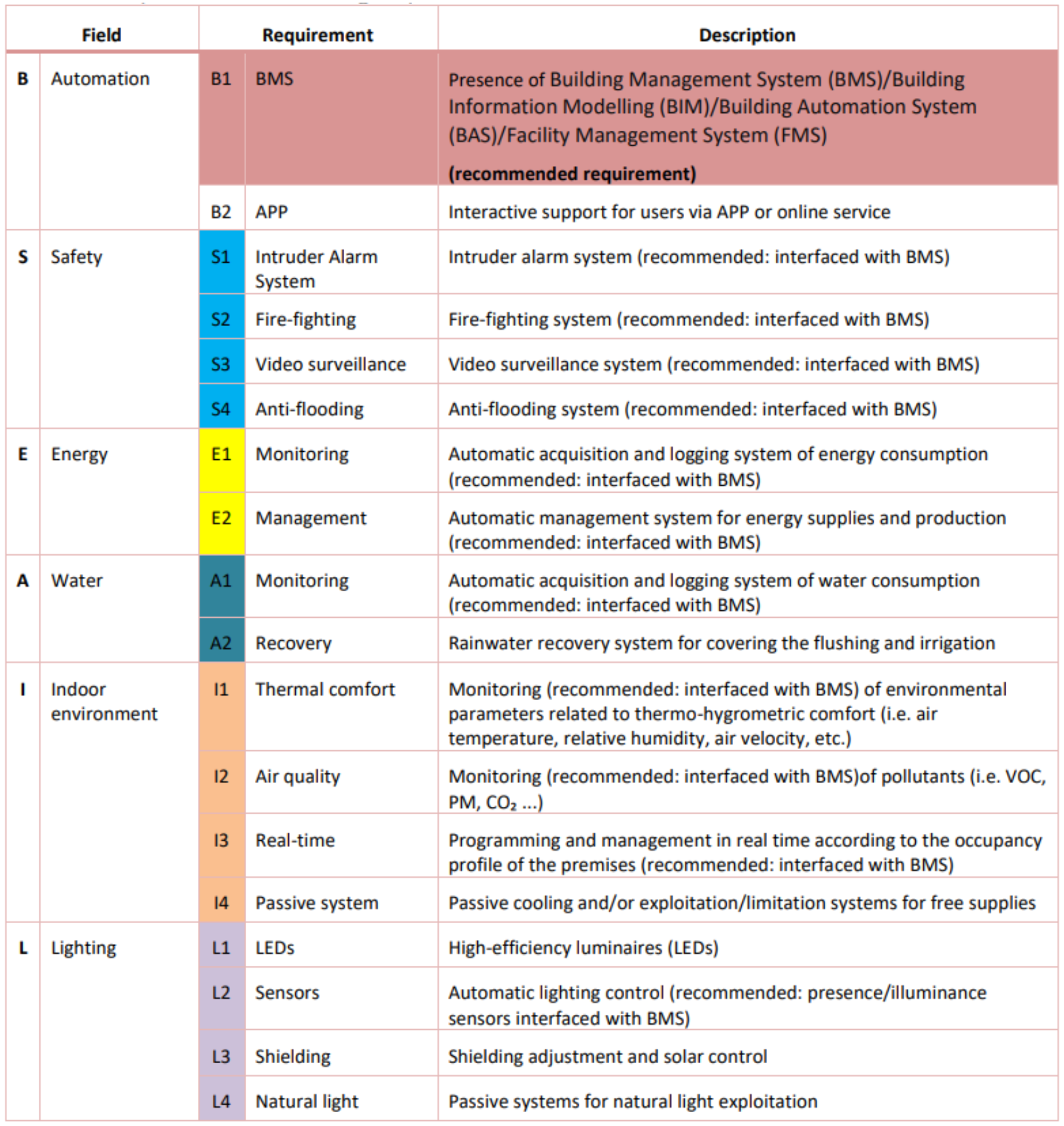
To qualify as a smart building, each building on campus must meet a minimum of five requirements across six categories: automation, safety, energy, water, indoor environment, and lighting. The table below compiles the requirements met by each building, along with its total floor area.
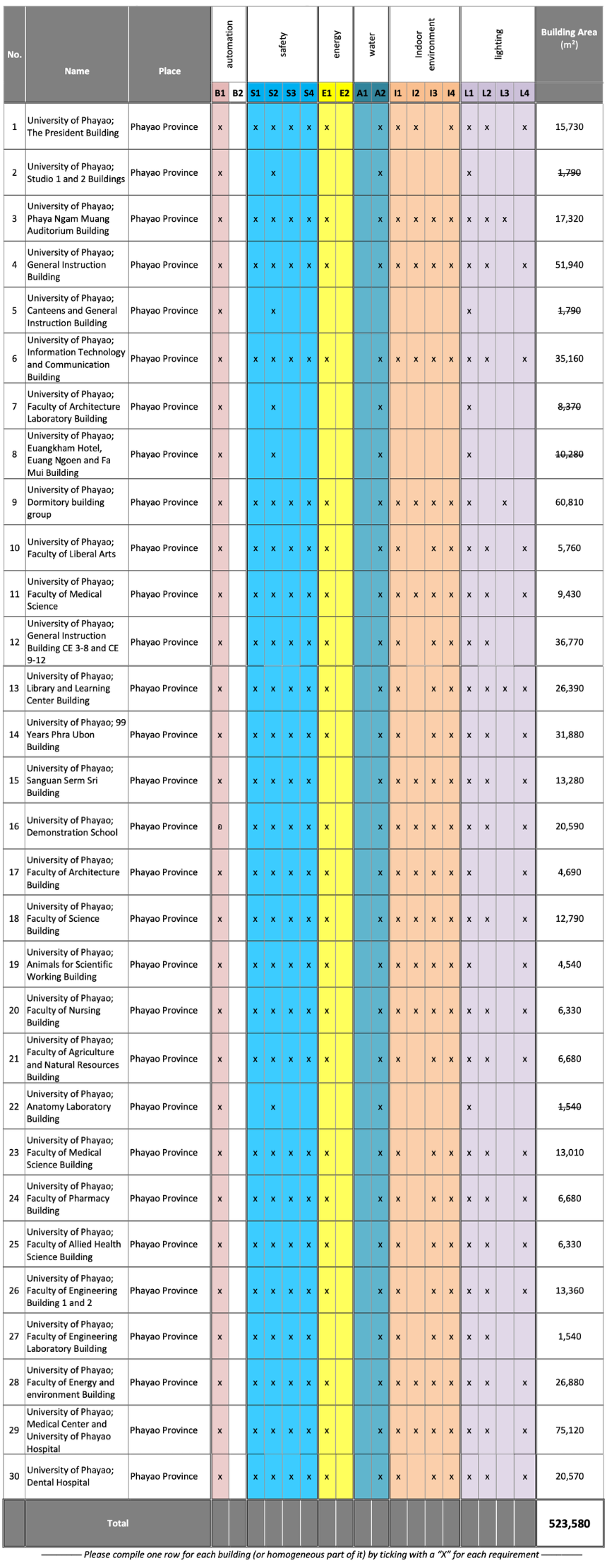 Note: One building is classified as a smart building if it meets a minimum of 5 requirements. Only buildings meeting this threshold are included in the total smart building area.
The total campus smart building area at University of Phayao represents the cumulative space of all buildings that have integrated modern smart and green building technologies. These are not simply conventional physical structures, but advanced facilities equipped with intelligent energy management systems, environmental monitoring technologies, and sustainable architectural designs that collectively support University of Phayao's mission of becoming a leading sustainable university. Smart buildings are designed to optimize energy efficiency, safety, and comfort — utilizing technologies such as automated lighting controls, intelligent air-conditioning and ventilation systems, motion and occupancy sensors, and digital monitoring of electricity, water, and thermal loads. These buildings also adopt sustainable construction materials and eco-friendly architectural designs that maximize the use of natural light and ventilation, reducing dependence on artificial energy sources. By consolidating these features, University of Phayao ensures that each square meter of its smart building area contributes significantly to lowering overall energy consumption and reducing greenhouse gas emissions.
University of Phayao emphasizes planning structures and architecture on campus with consideration for the environment, biodiversity, and energy conservation — designing buildings with an open space shape, and positioning building entrances toward roads or passenger transportation systems to support pedestrians. Designing of lighting and air conditioning emphasizes electrical equipment that saves energy and the environment, such as LED light bulbs and Label No.5 air conditioners. Green building assessment applies to new buildings with an area of more than 1,000 square meters, promoting them to be smart buildings. The university also zones green areas to prevent new construction, supports workplaces in becoming concrete Green Offices, promotes vertical planting around buildings, and makes use of abandoned or unusable areas for buildings and green spaces.
University of Phayao employs core building management systems according to international standards, including BMS (Building Management System), BAS (Building Automation System), BIM (Building Information Modeling), and FMS (Facility Management System), each with its own distinct functions and emphasis:
BMS (Building Management System): this system provides comprehensive management and centralized control of various building operations, such as electrical systems, CCTV, HVAC (Heating, Ventilation, and Air Conditioning), and access control.
Note: One building is classified as a smart building if it meets a minimum of 5 requirements. Only buildings meeting this threshold are included in the total smart building area.
The total campus smart building area at University of Phayao represents the cumulative space of all buildings that have integrated modern smart and green building technologies. These are not simply conventional physical structures, but advanced facilities equipped with intelligent energy management systems, environmental monitoring technologies, and sustainable architectural designs that collectively support University of Phayao's mission of becoming a leading sustainable university. Smart buildings are designed to optimize energy efficiency, safety, and comfort — utilizing technologies such as automated lighting controls, intelligent air-conditioning and ventilation systems, motion and occupancy sensors, and digital monitoring of electricity, water, and thermal loads. These buildings also adopt sustainable construction materials and eco-friendly architectural designs that maximize the use of natural light and ventilation, reducing dependence on artificial energy sources. By consolidating these features, University of Phayao ensures that each square meter of its smart building area contributes significantly to lowering overall energy consumption and reducing greenhouse gas emissions.
University of Phayao emphasizes planning structures and architecture on campus with consideration for the environment, biodiversity, and energy conservation — designing buildings with an open space shape, and positioning building entrances toward roads or passenger transportation systems to support pedestrians. Designing of lighting and air conditioning emphasizes electrical equipment that saves energy and the environment, such as LED light bulbs and Label No.5 air conditioners. Green building assessment applies to new buildings with an area of more than 1,000 square meters, promoting them to be smart buildings. The university also zones green areas to prevent new construction, supports workplaces in becoming concrete Green Offices, promotes vertical planting around buildings, and makes use of abandoned or unusable areas for buildings and green spaces.
University of Phayao employs core building management systems according to international standards, including BMS (Building Management System), BAS (Building Automation System), BIM (Building Information Modeling), and FMS (Facility Management System), each with its own distinct functions and emphasis:
BMS (Building Management System): this system provides comprehensive management and centralized control of various building operations, such as electrical systems, CCTV, HVAC (Heating, Ventilation, and Air Conditioning), and access control.
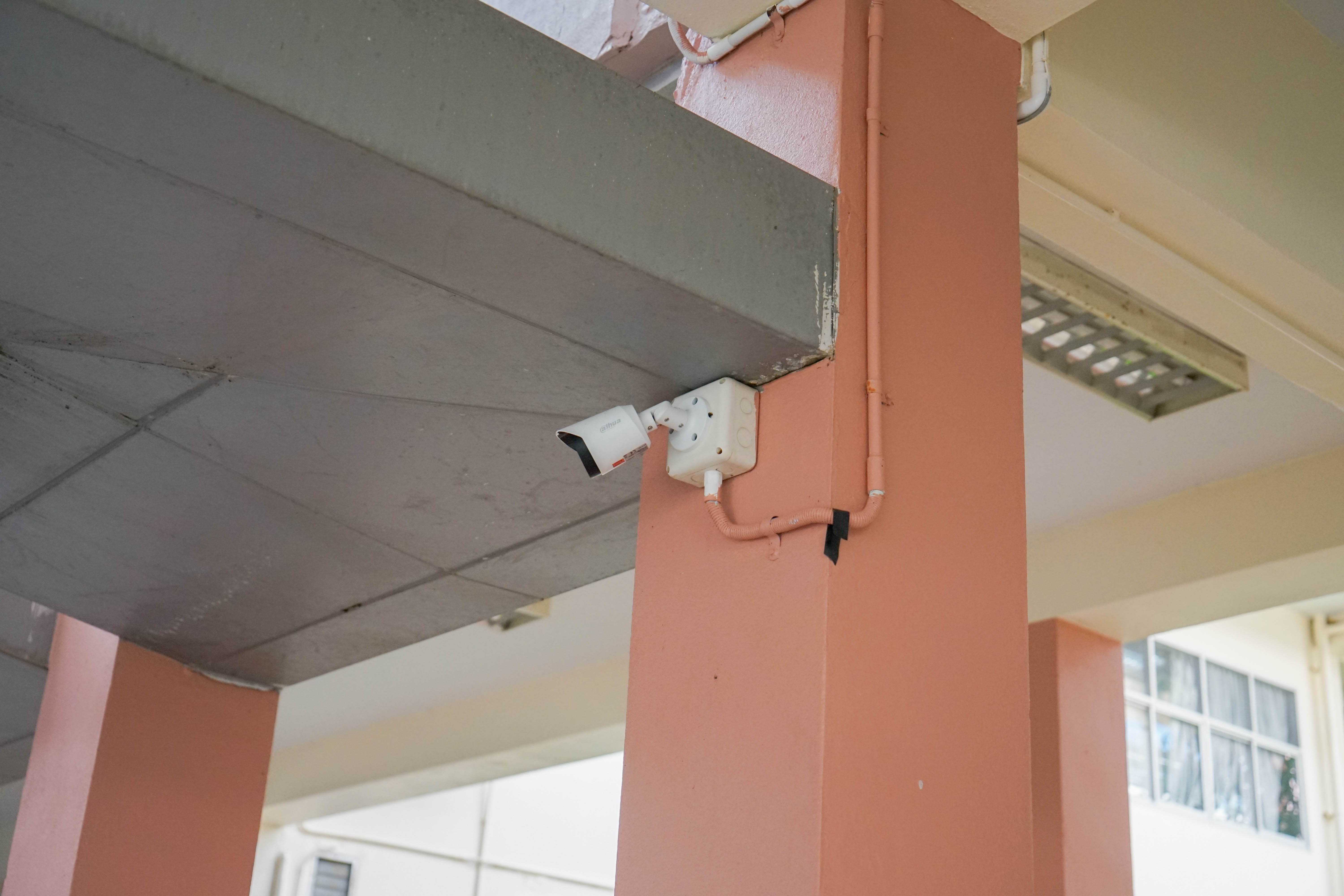
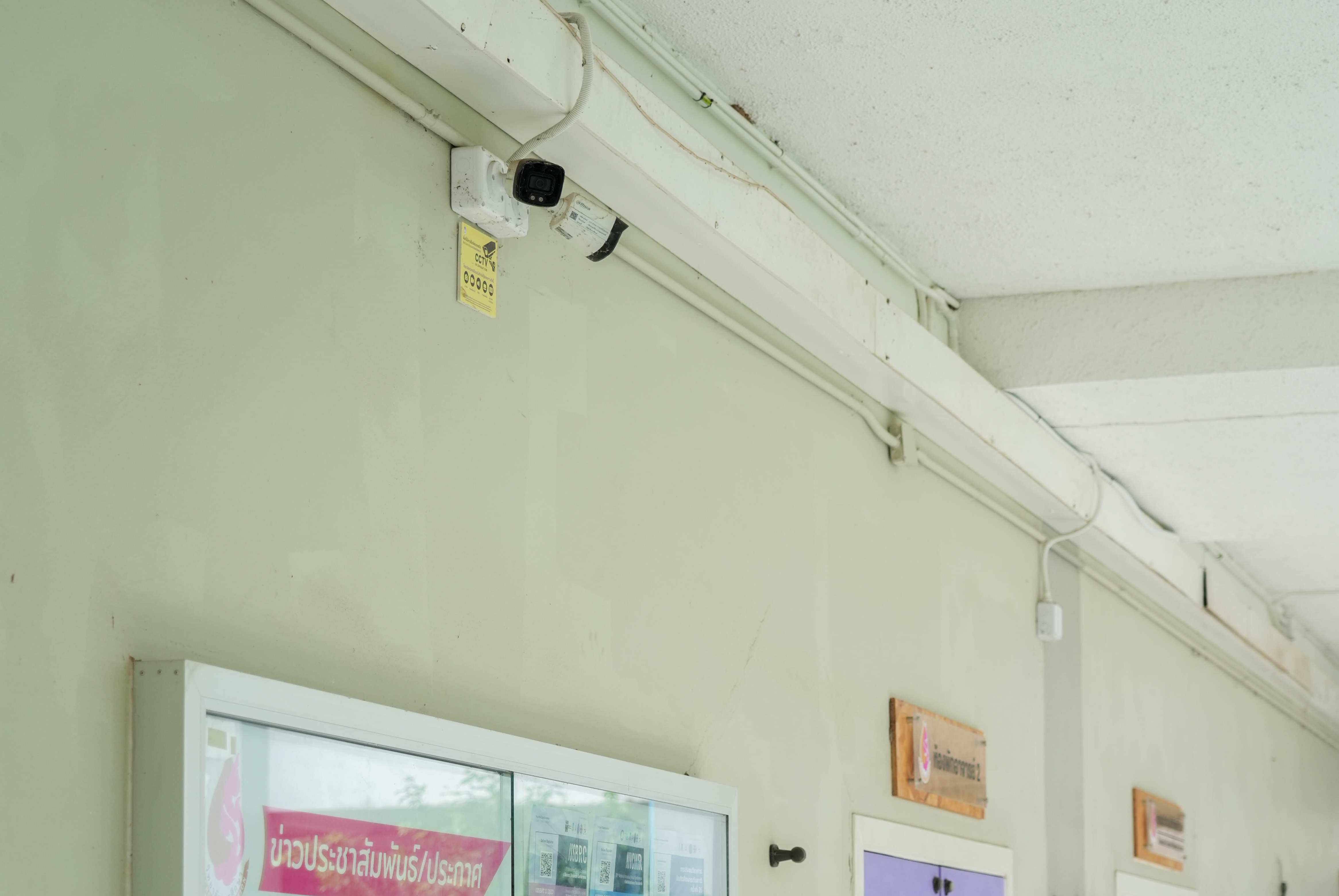
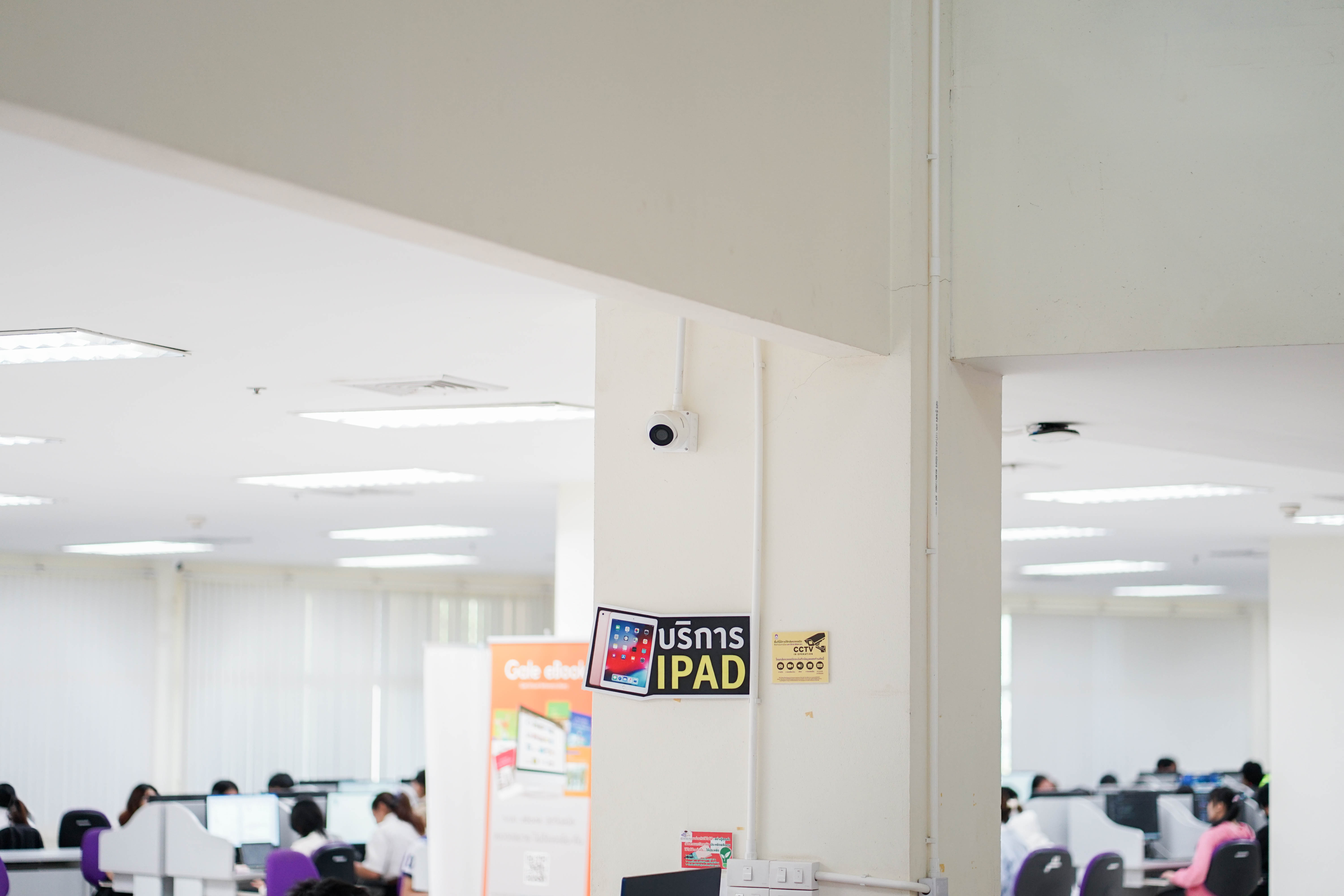
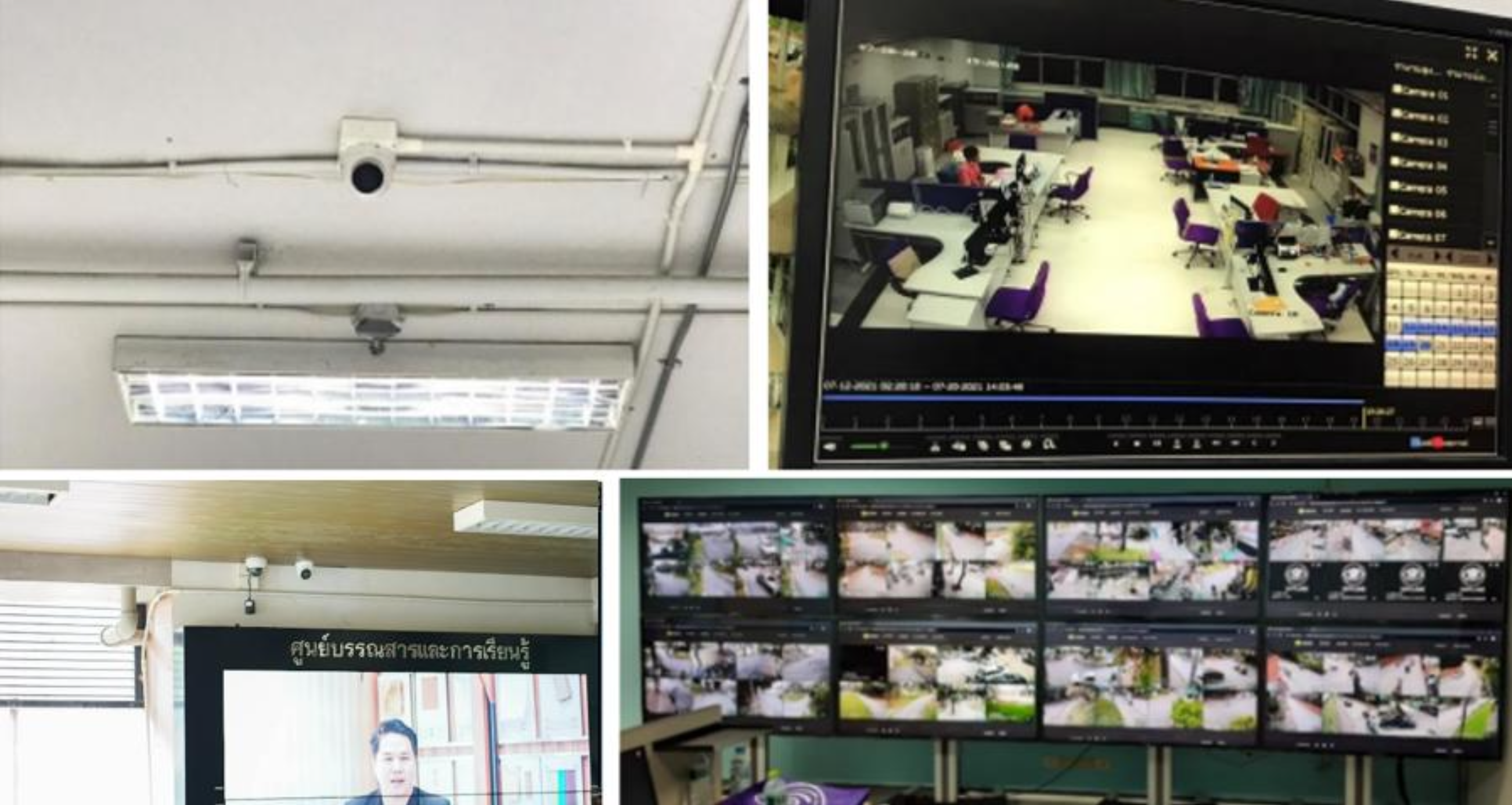
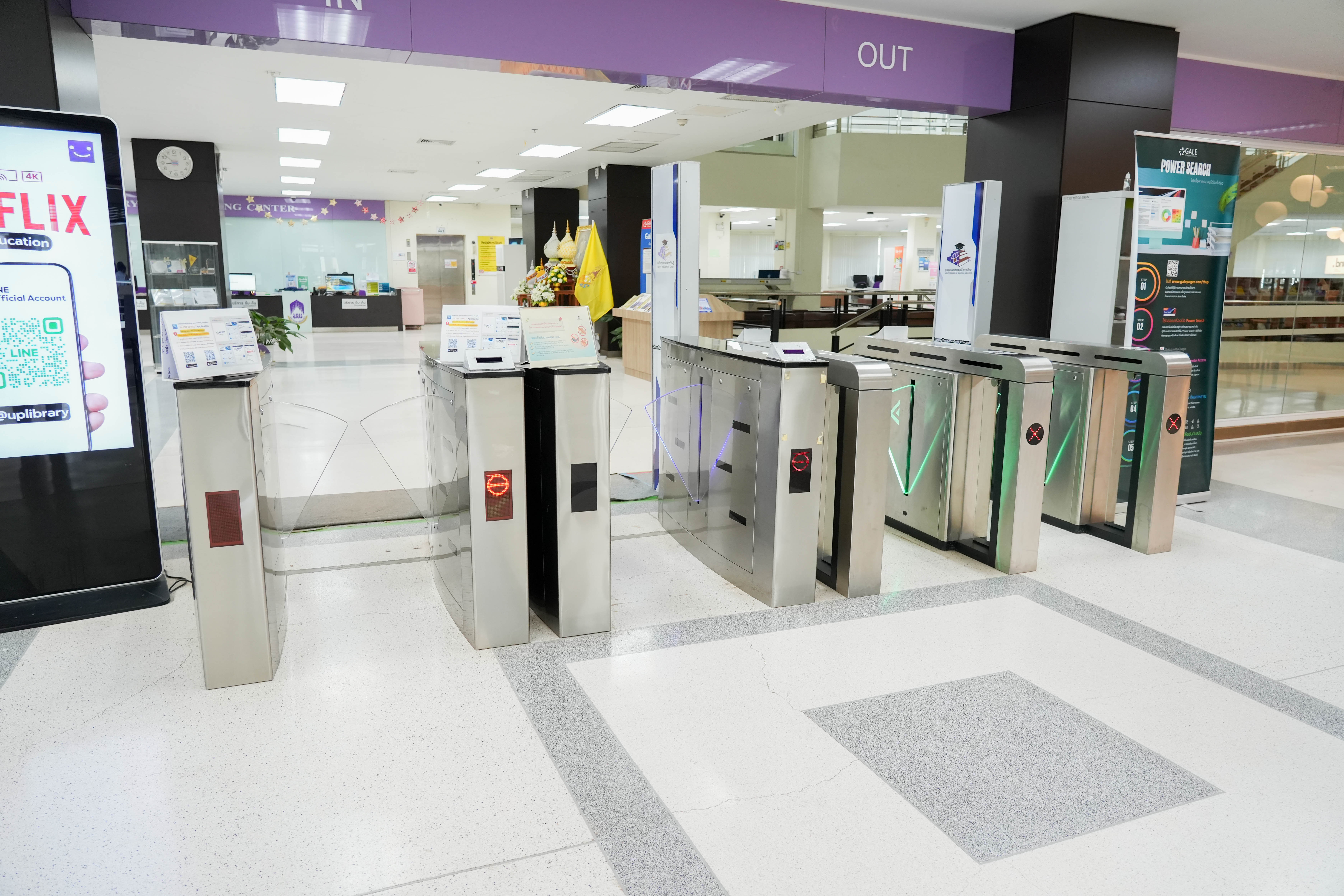
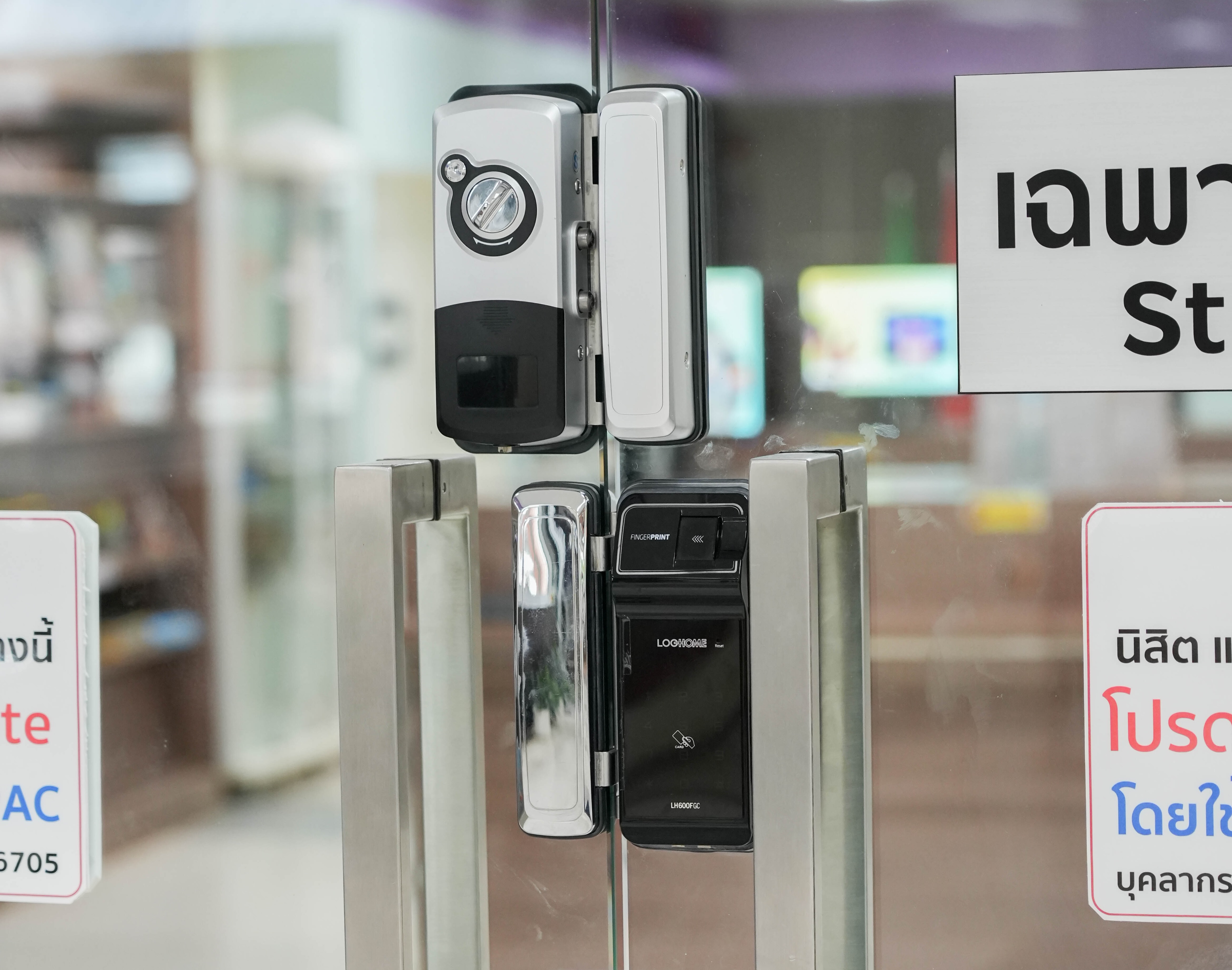
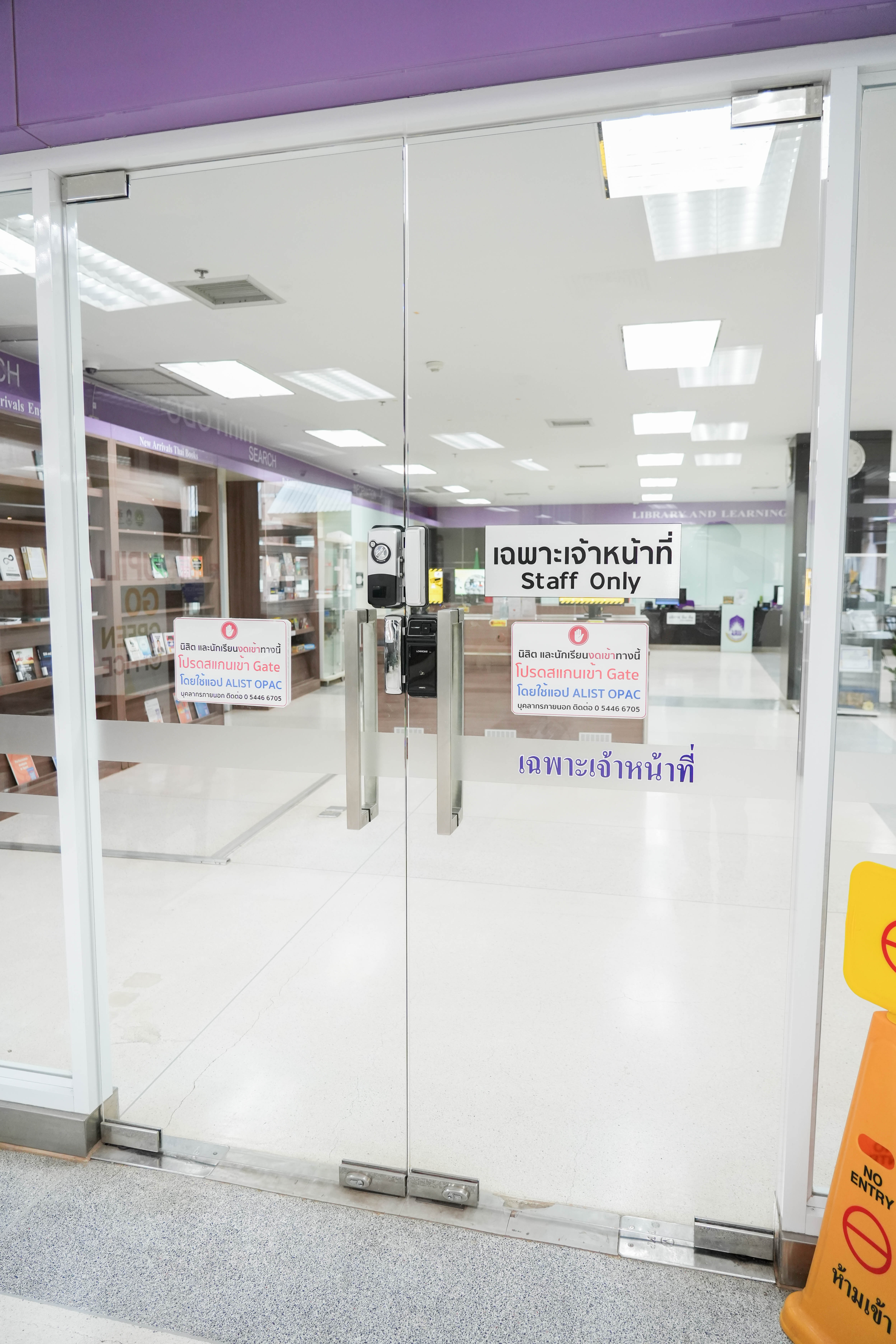
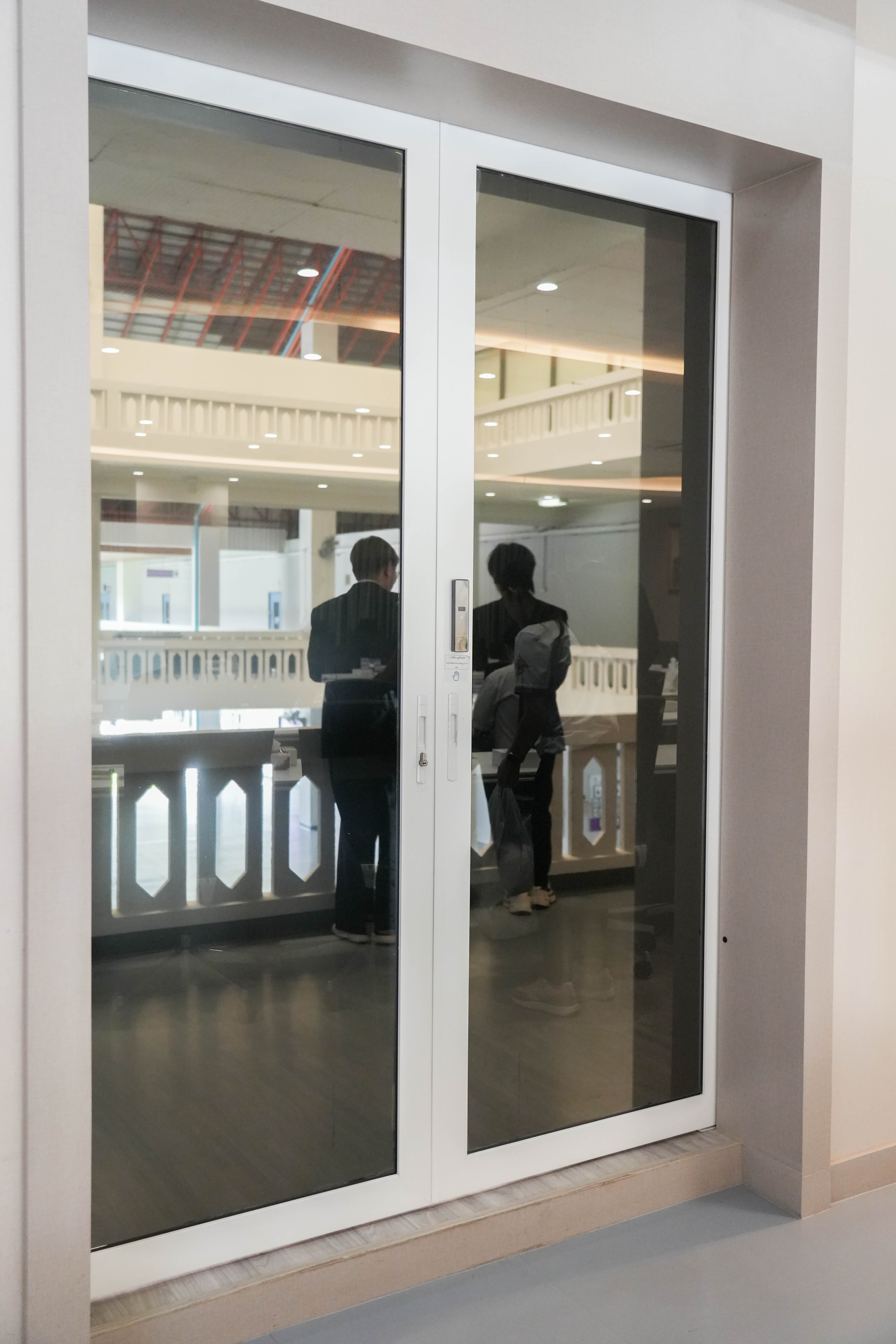


Safety: includes access control (e.g., keycard systems), presence sensors, and video surveillance/CCTV for enhanced security.
Energy: systems for monitoring and managing energy use, including smart meters and automatic load control to improve energy efficiency.
Water/Sanitation: features for water conservation and hygiene, such as sensor-based faucets, water-saving sanitary ware, and leak detection systems.
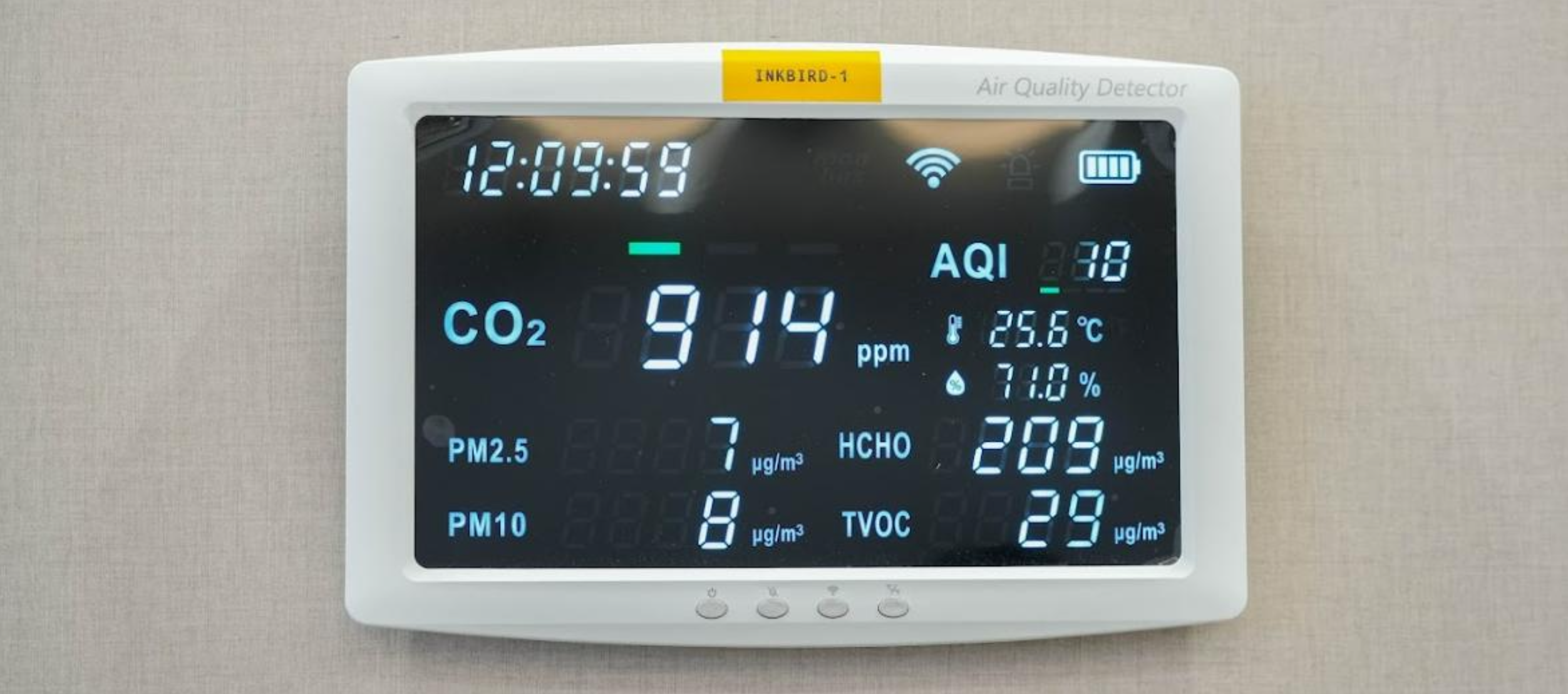
Indoor Environment: management of temperature, humidity, and air quality through advanced sensors and automated systems.
Lighting: automated lighting control based on natural light and occupancy, with the use of energy-saving solutions like LED lights. These systems work together to optimize building performance, deliver greater energy savings, improve operational oversight, and enhance safety and comfort for all university stakeholders.
Smart Building Implementation
total smart building area
total building area
× 100%
523,580
547,350
× 100% = 95.65%
CCTV system in buildings
CCTV system and access control
Reporting the total campus smart building area provides a critical indicator of the university's progress in transforming its infrastructure into a model of energy efficiency and environmental responsibility. It reflects the scale of adoption of advanced building management systems (BMS) and green building standards across the entire campus, and serves as a benchmark for evaluating how effectively University of Phayao is achieving its sustainability goals, particularly SDG 7 (Affordable and Clean Energy), SDG 11 (Sustainable Cities and Communities), and SDG 13 (Climate Action). The expansion of smart building areas also contributes to creating a conducive environment for both academic excellence and community well-being — students, researchers, and staff benefit from healthier indoor air quality, optimal thermal comfort, and spaces that encourage productivity and innovation. The availability of real-time data from smart systems further supports research in energy engineering, environmental science, and digital technology, positioning the campus as a "living laboratory" for sustainability-oriented learning and innovation. University of Phayao's smart building initiative also fosters resilience against climate change. With advanced monitoring and adaptive systems, the campus can respond dynamically to fluctuating environmental conditions, such as heatwaves or unexpected power demands — ensuring the university can continue its operations sustainably while serving as a national model for higher education institutions striving to integrate technology, sustainability, and resilience.
Building access control system
BAS (Building Automation System): BAS focuses on the automation of core building functions, including lighting, HVAC, and electrical systems, enabling efficient operation and energy savings.
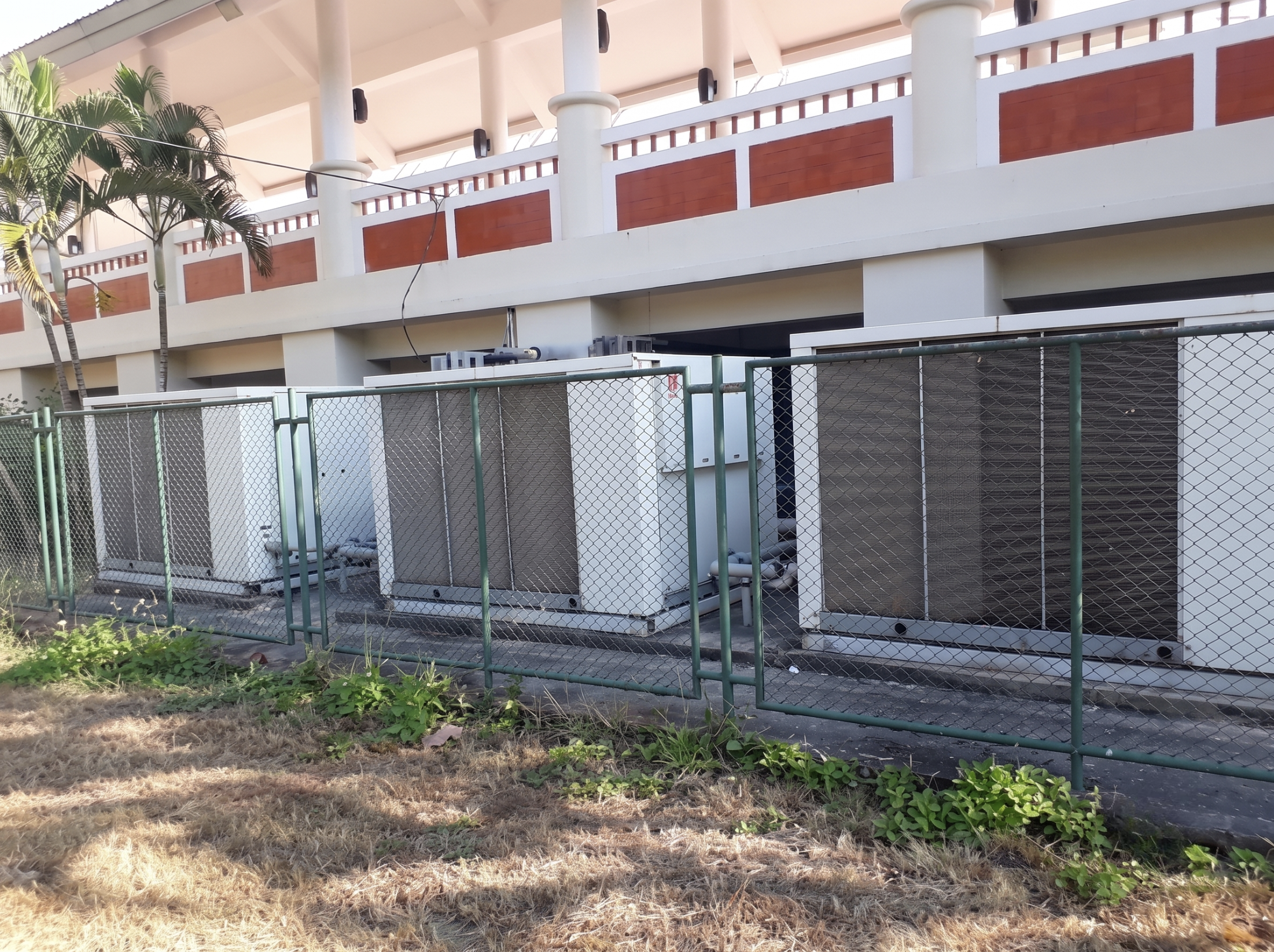
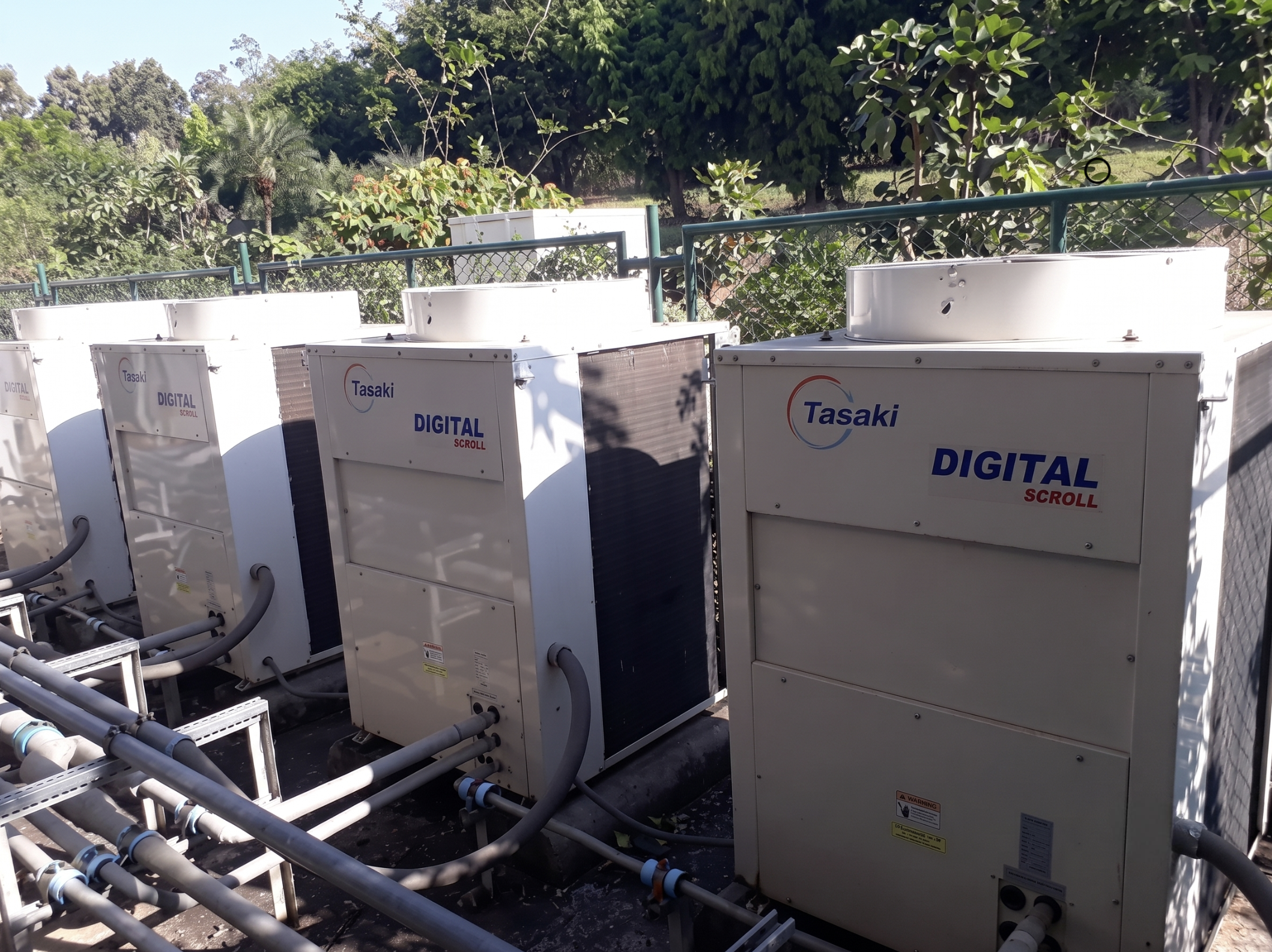
Solar absorption Air Conditioning system
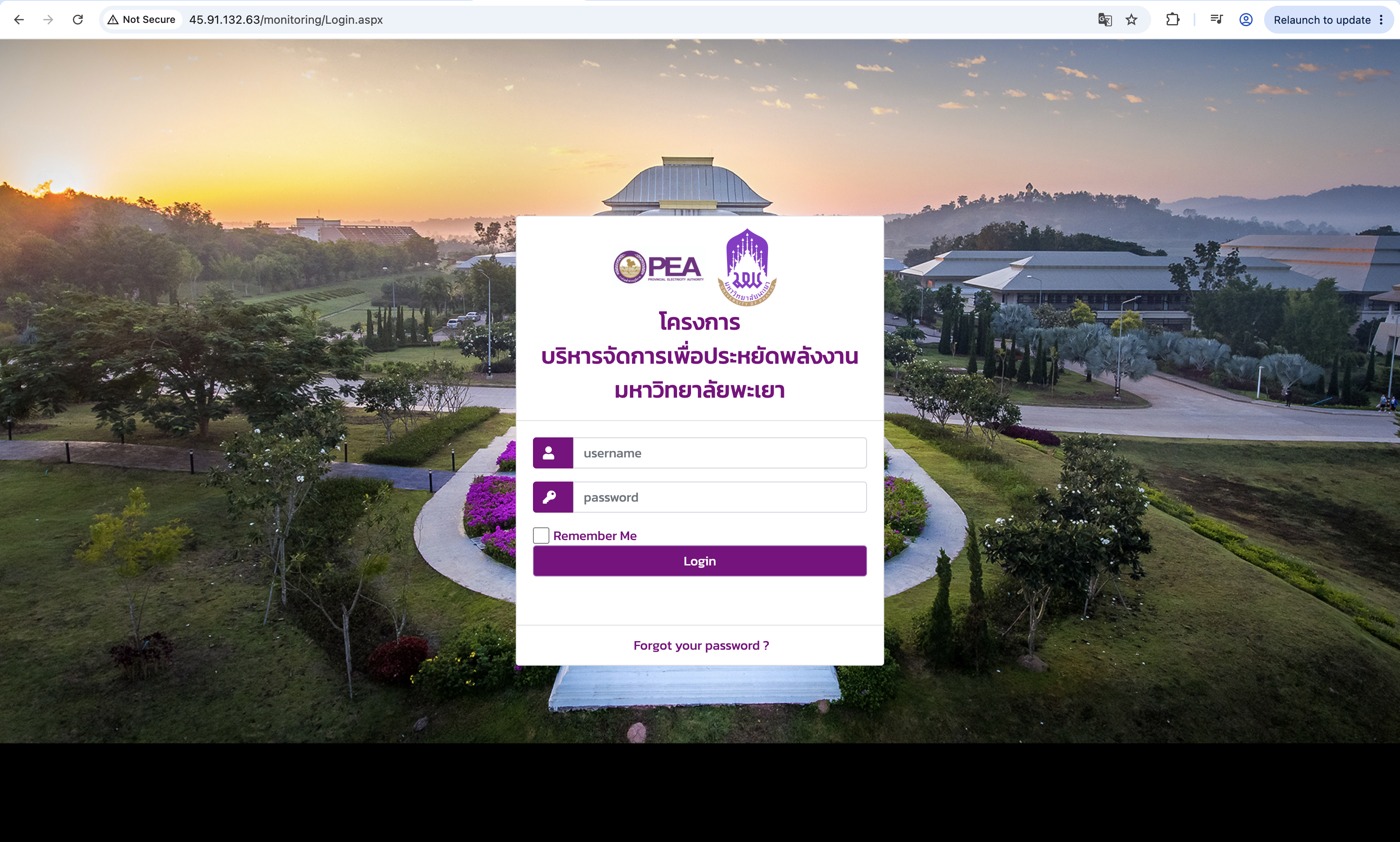
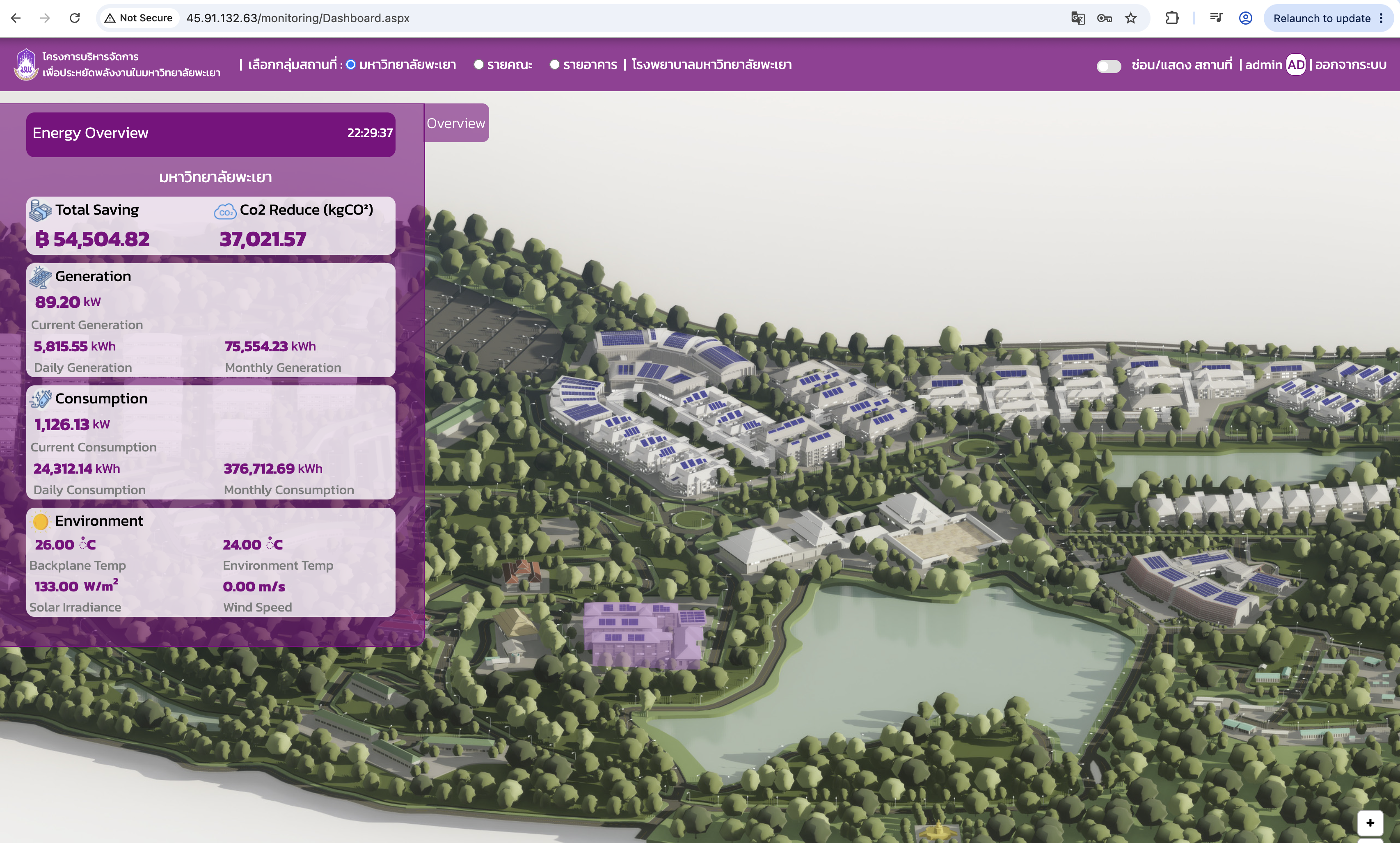
Electricity usage reporting system
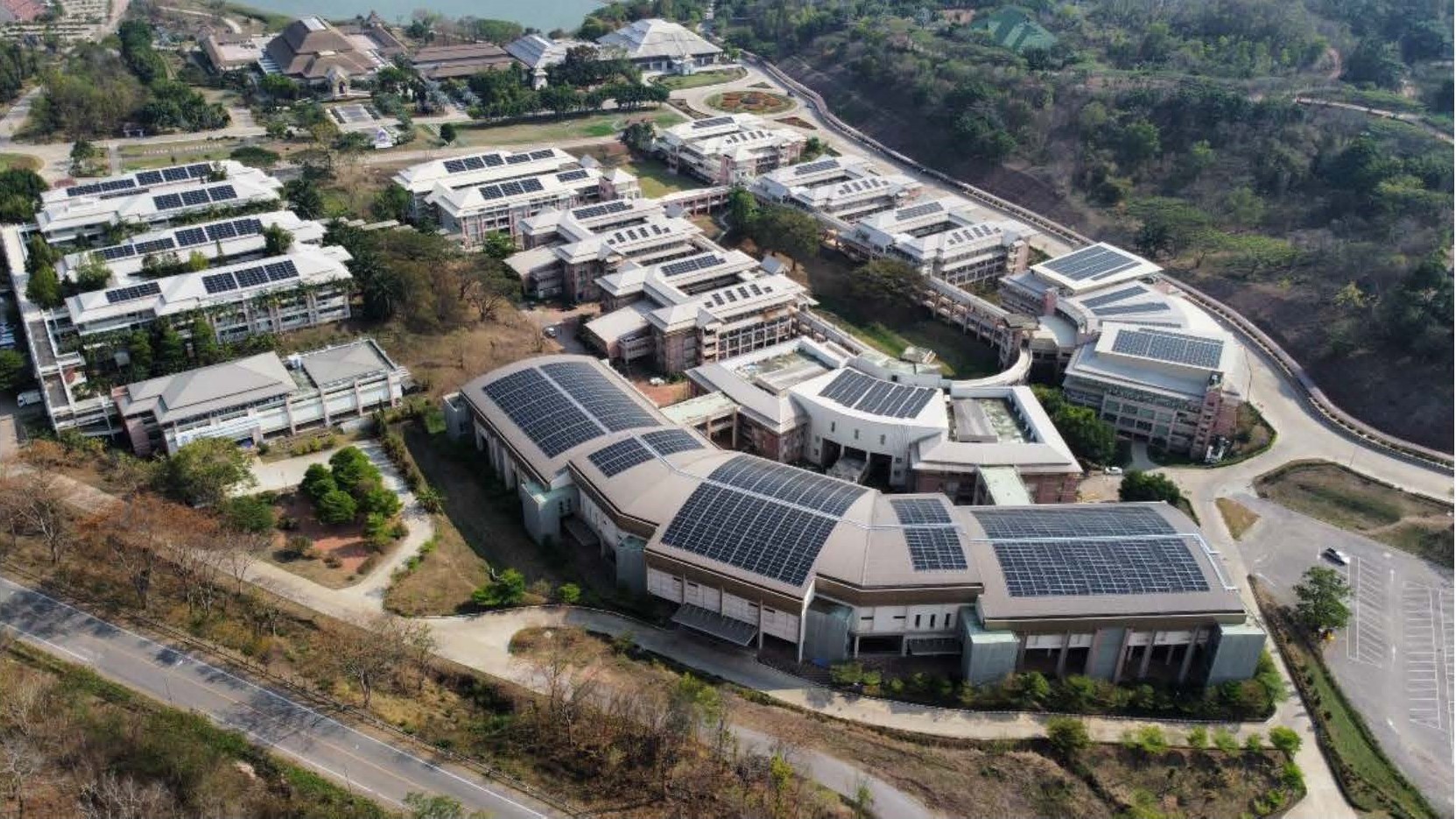
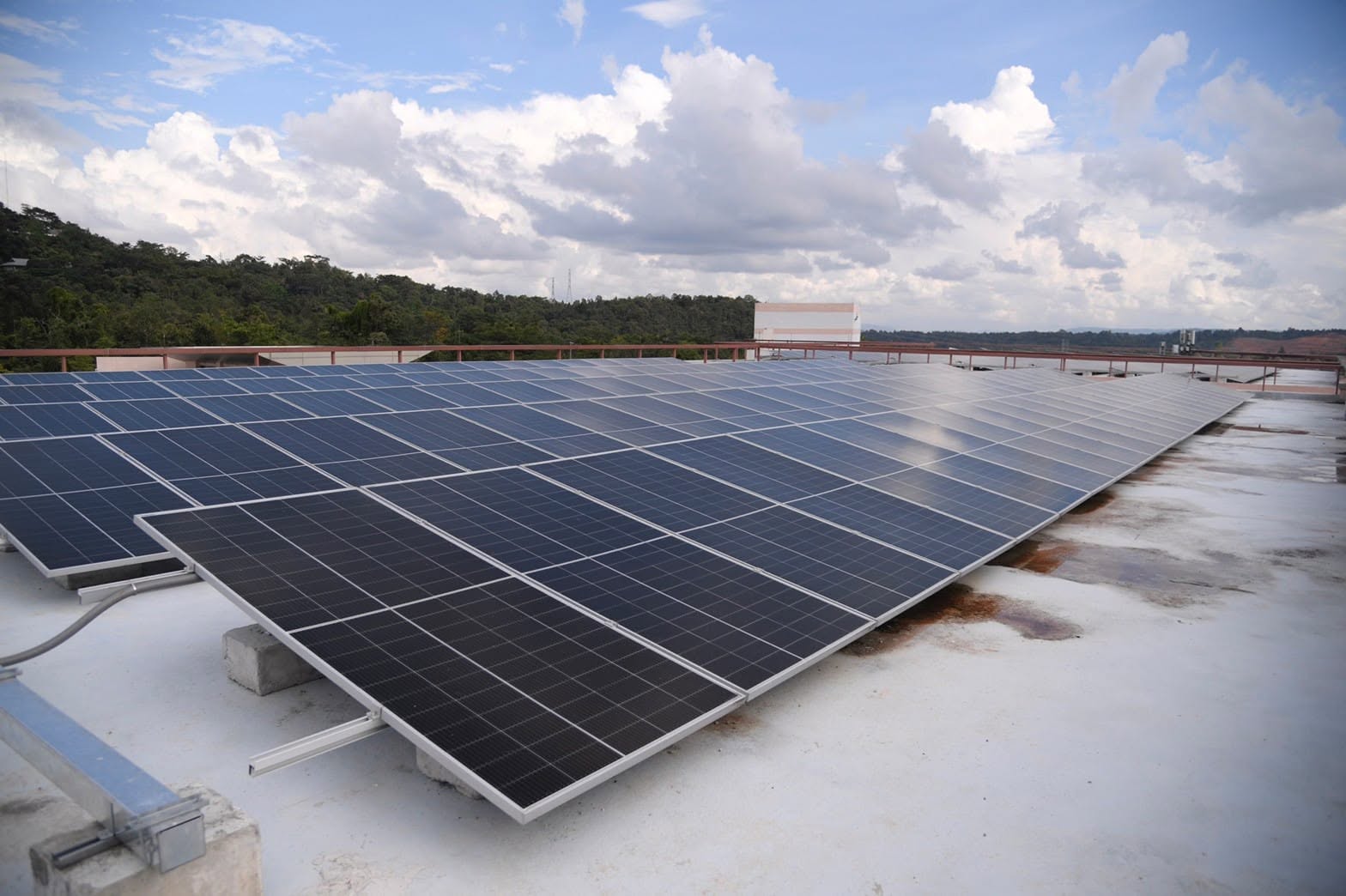
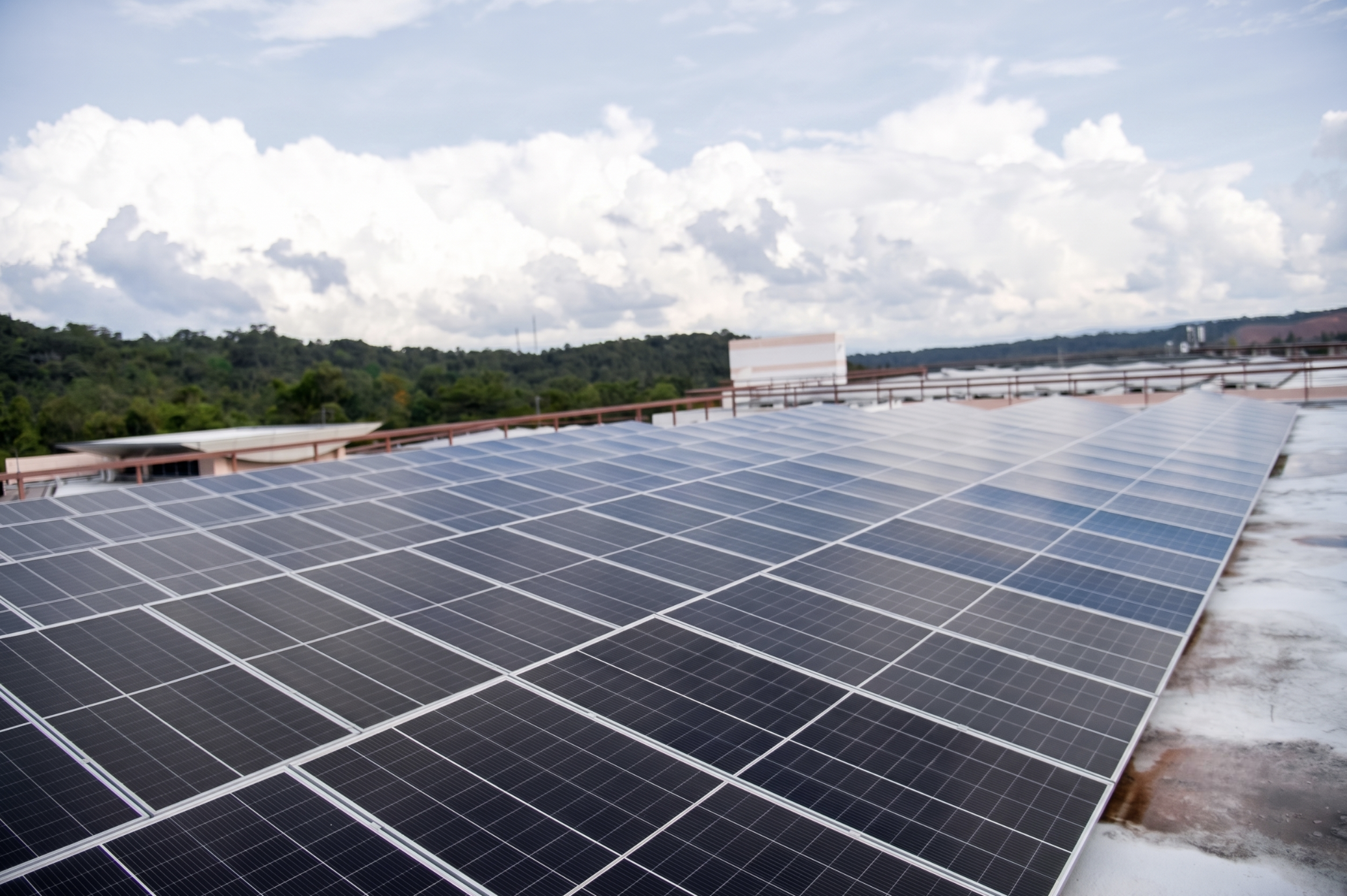
In the future, University of Phayao aims to continuously expand its total smart building area by retrofitting older facilities, constructing new green-certified academic buildings, and integrating renewable energy systems such as rooftop solar panels, battery storage, and microgrid technologies. This growth not only reduces the university's ecological footprint but also strengthens its role as a pioneer in sustainable urban development and energy-efficient education infrastructure.
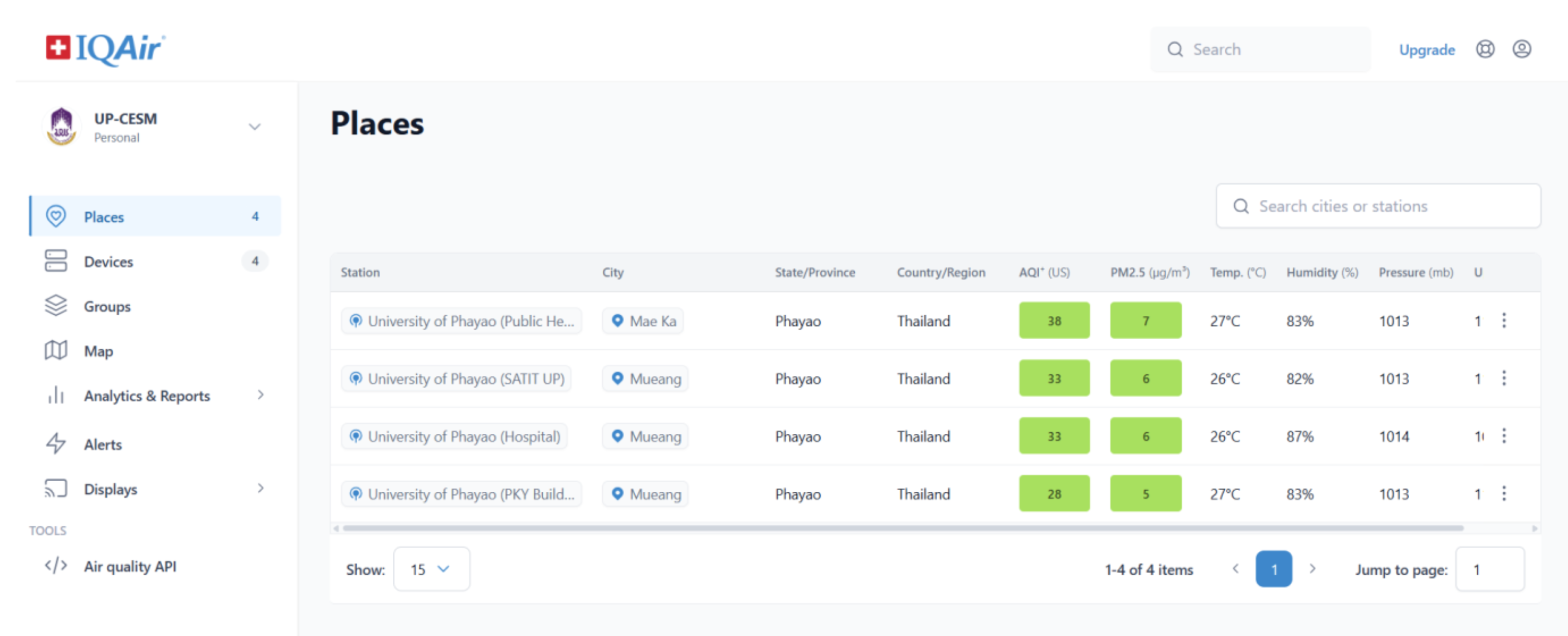
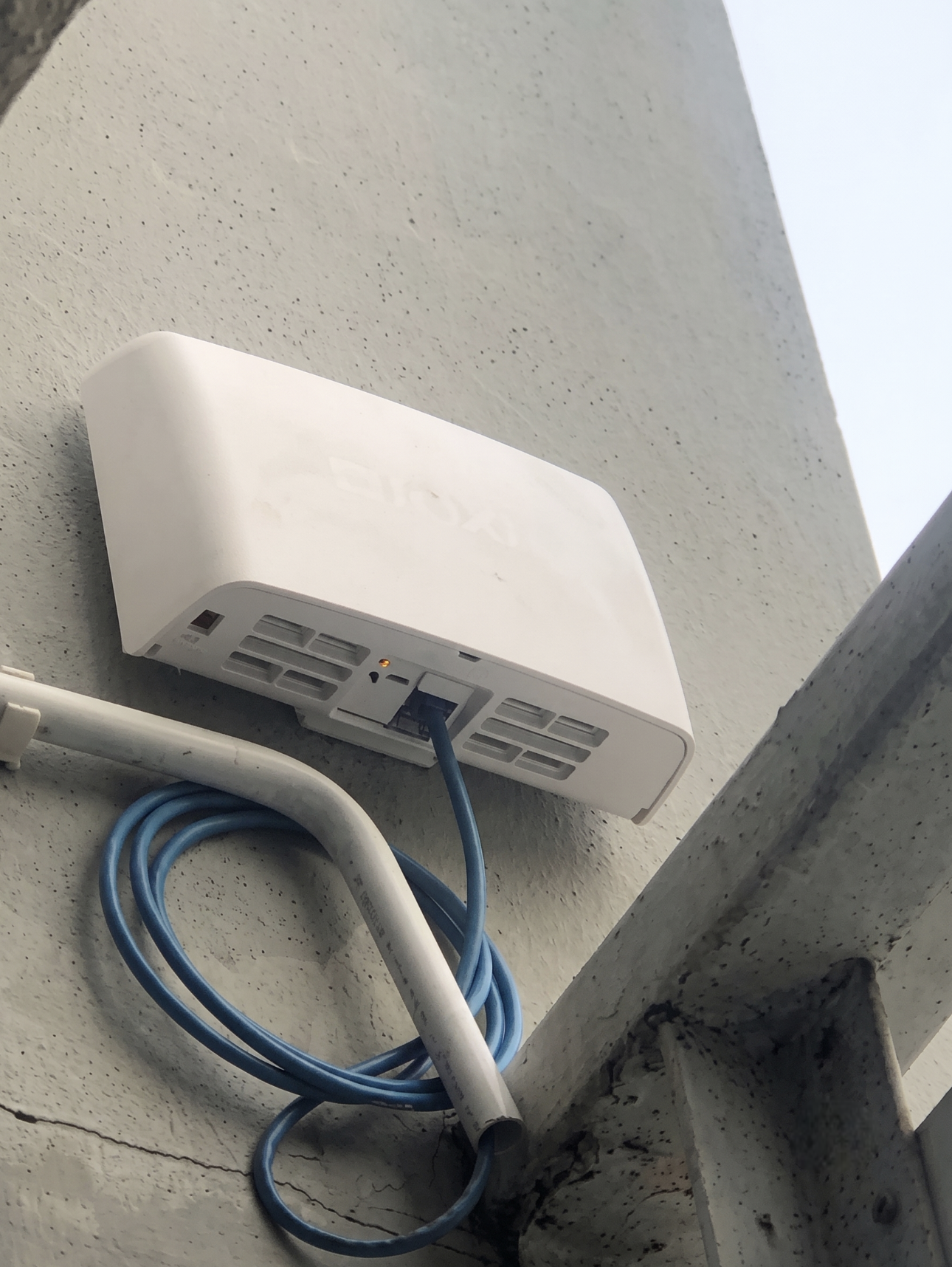
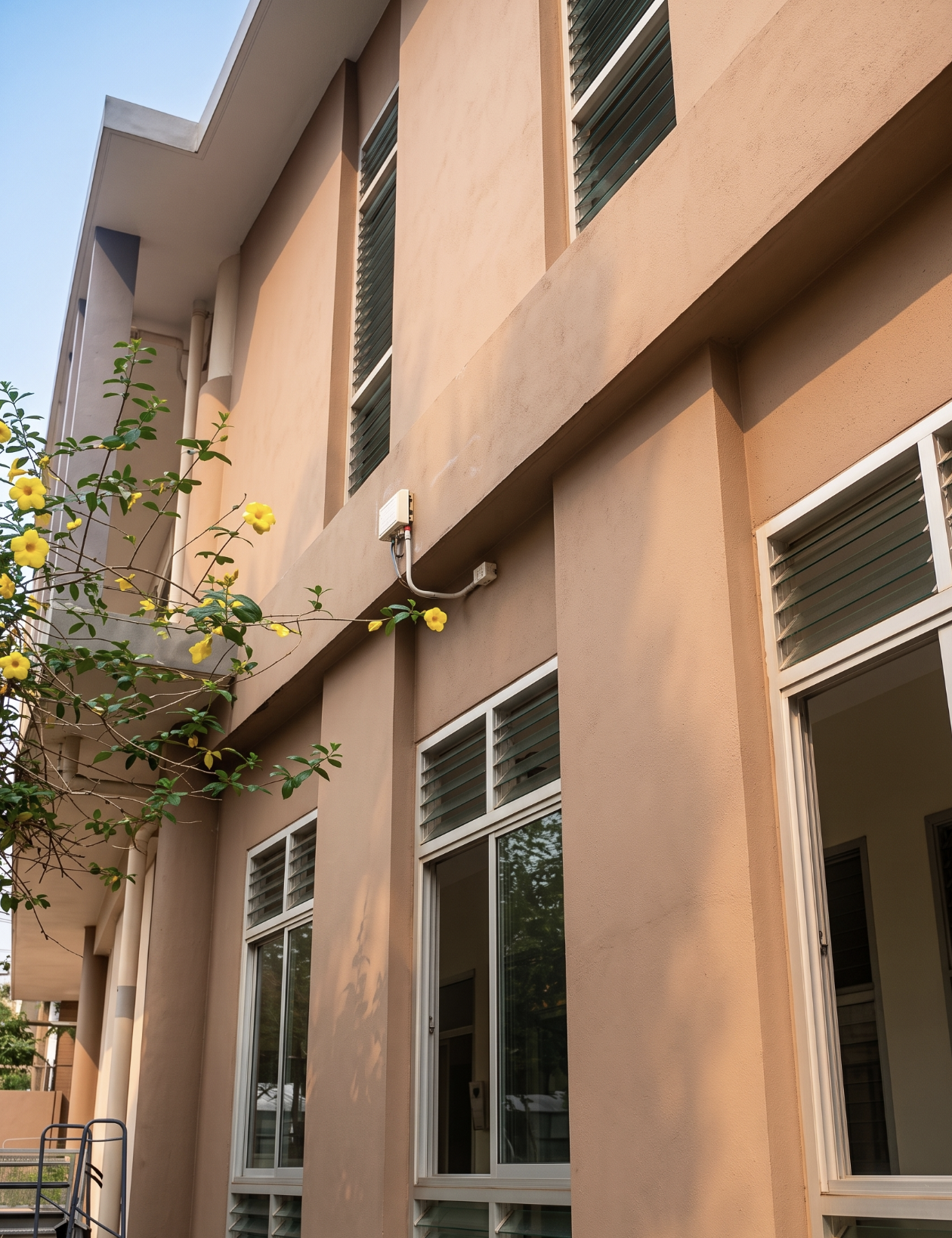
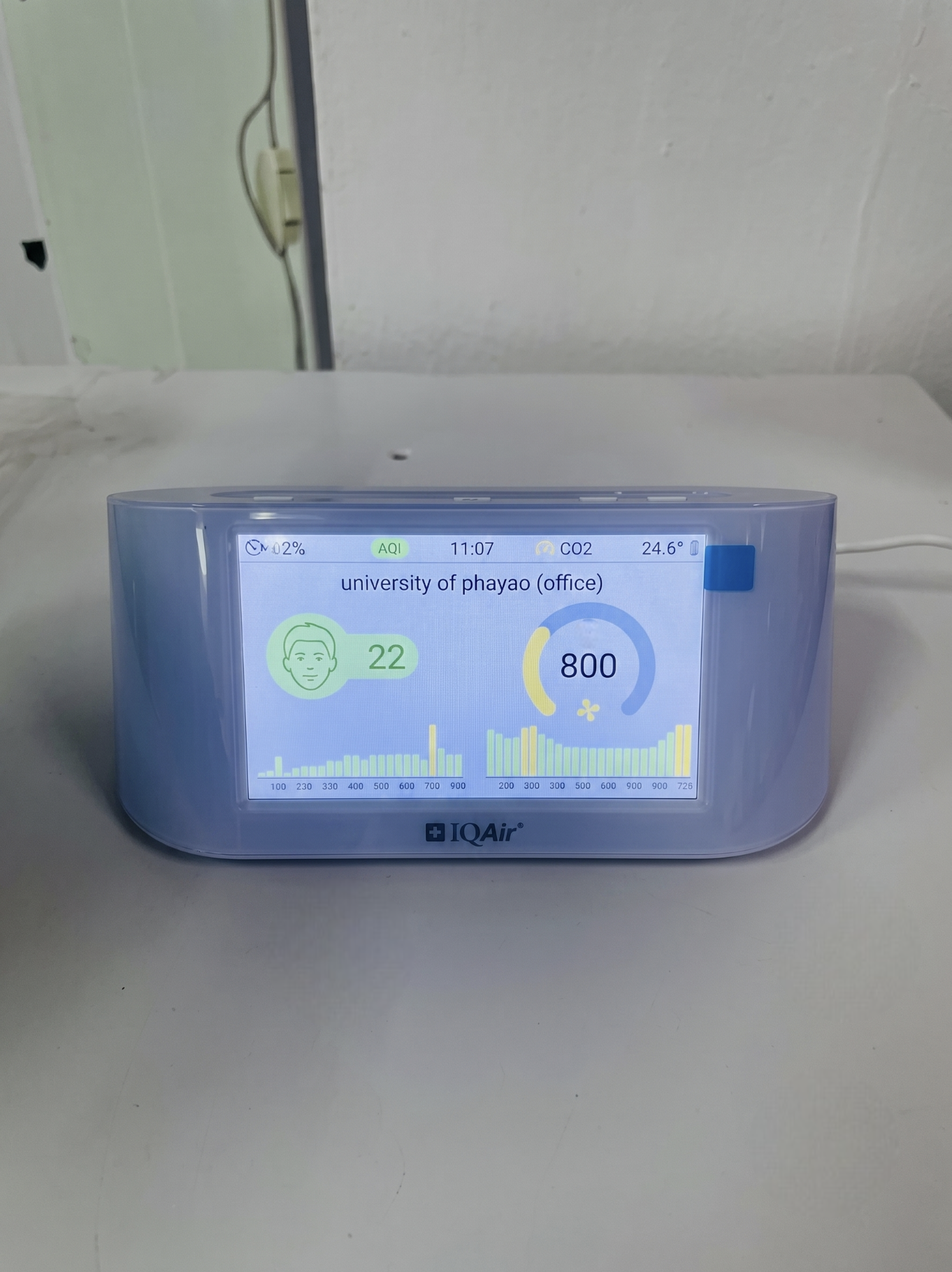
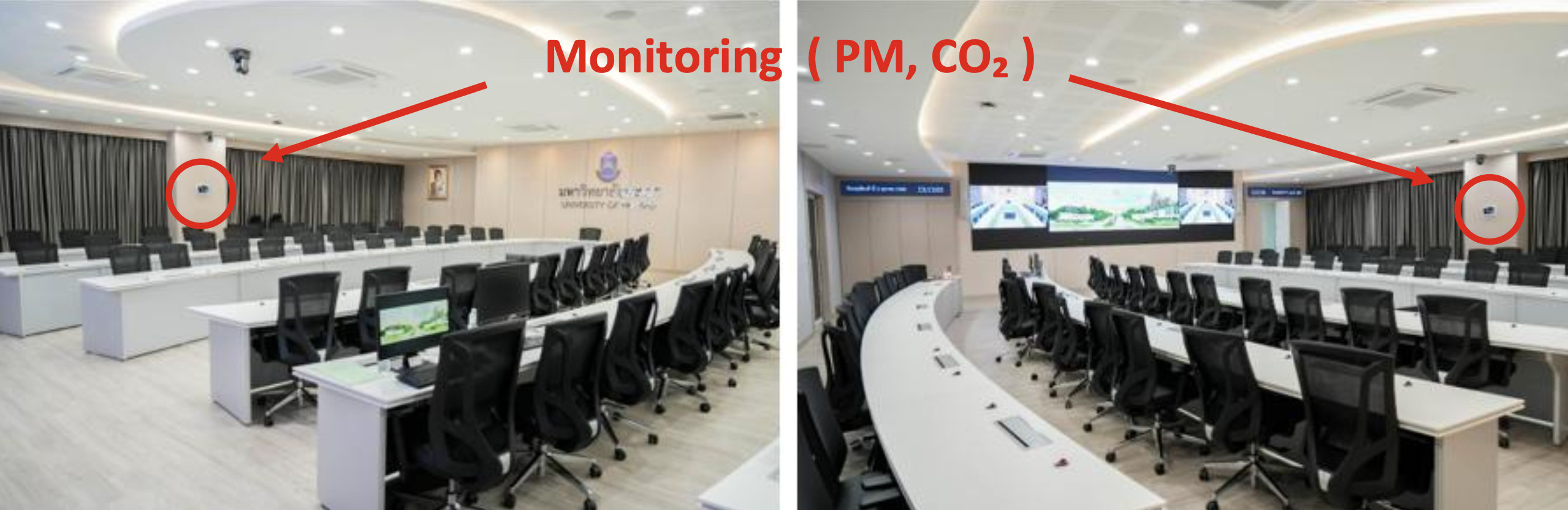
Air quality monitoring of pollutants (i.e. VOC, PM, CO₂ ...)
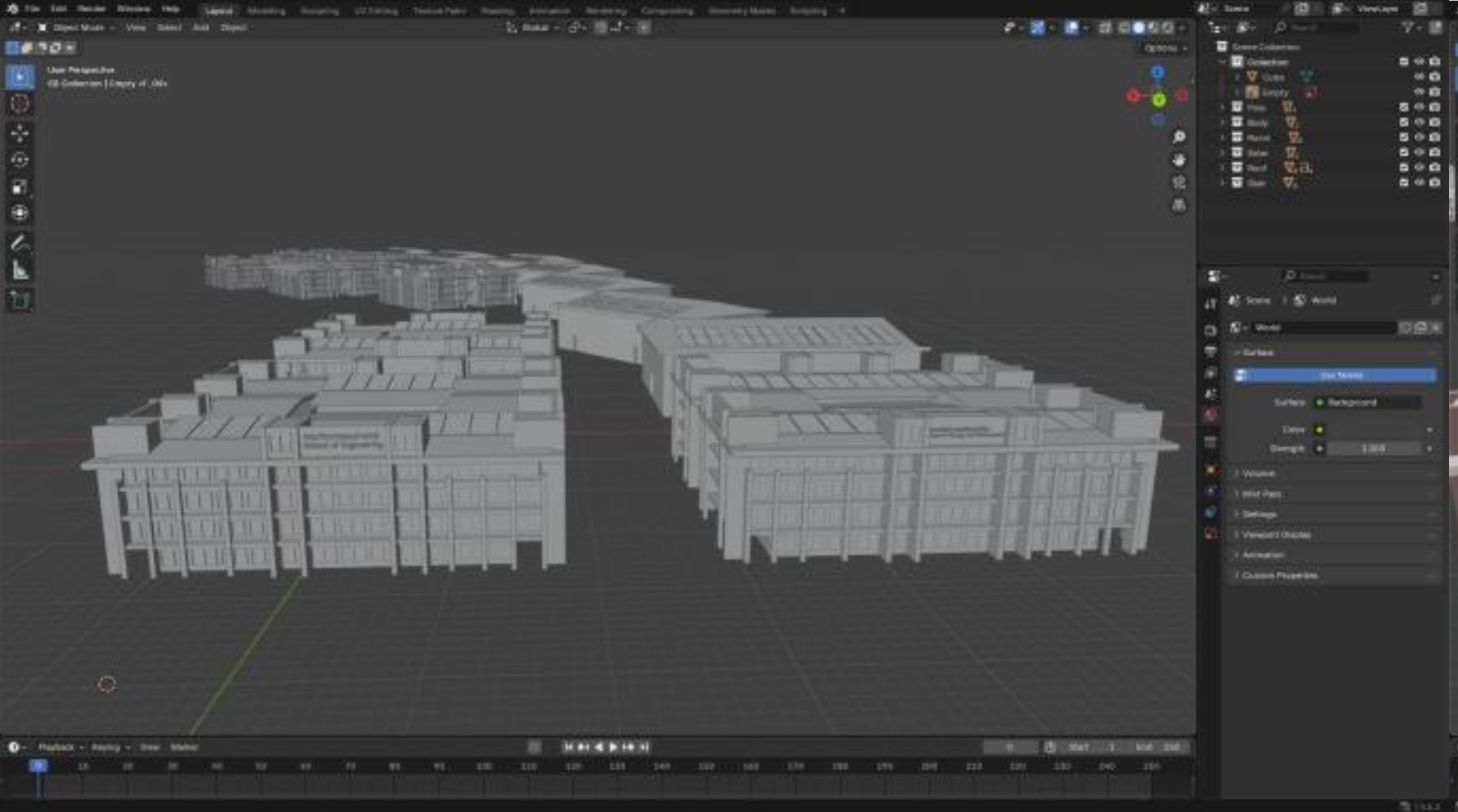
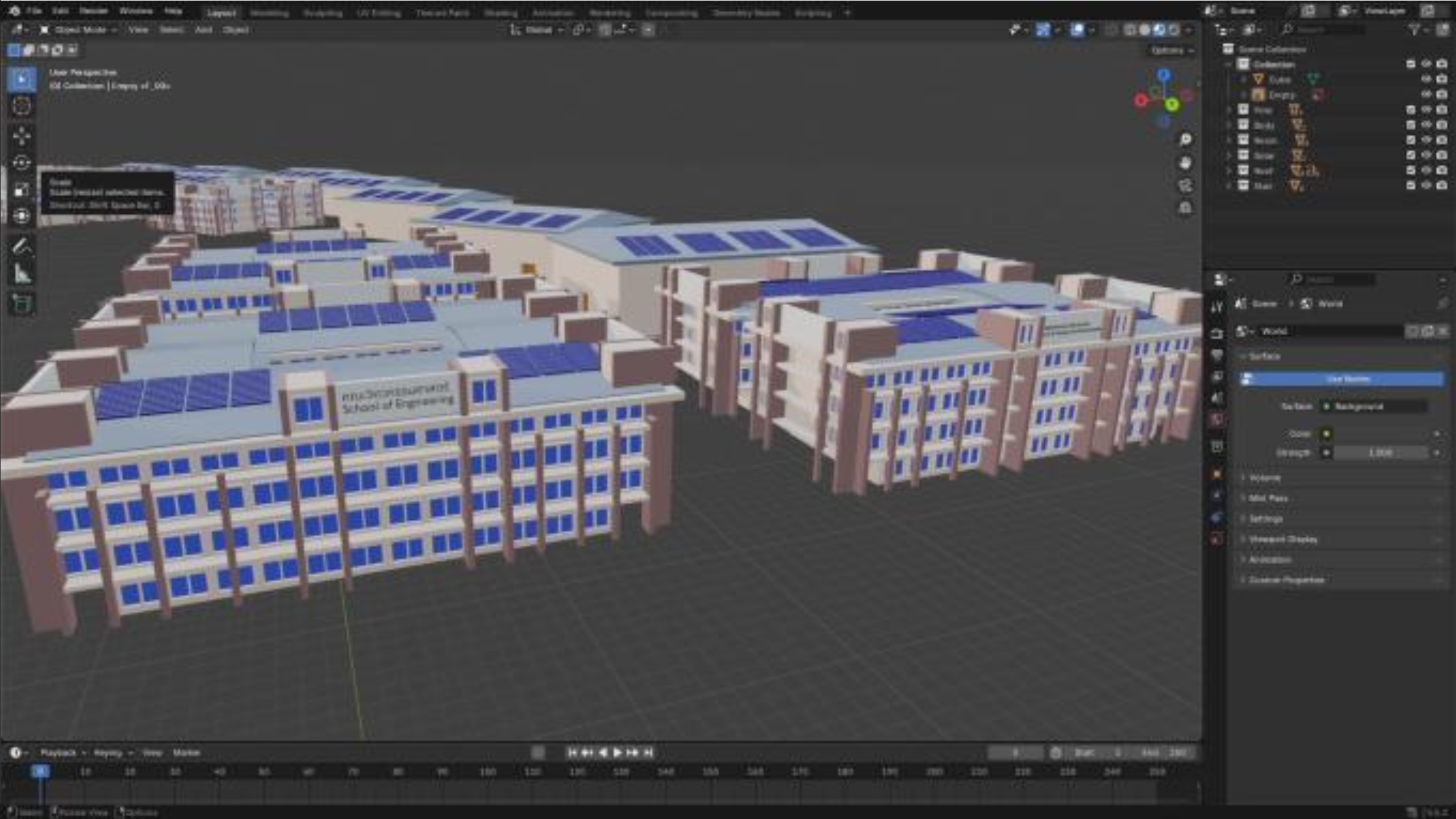
BIM (Building Information Modeling): BIM supports the design and construction phases by providing a three-dimensional digital model of building data, facilitating planning and management. BIM can be integrated with BMS/BAS for enhanced long-term building operation.
Digital model of building data
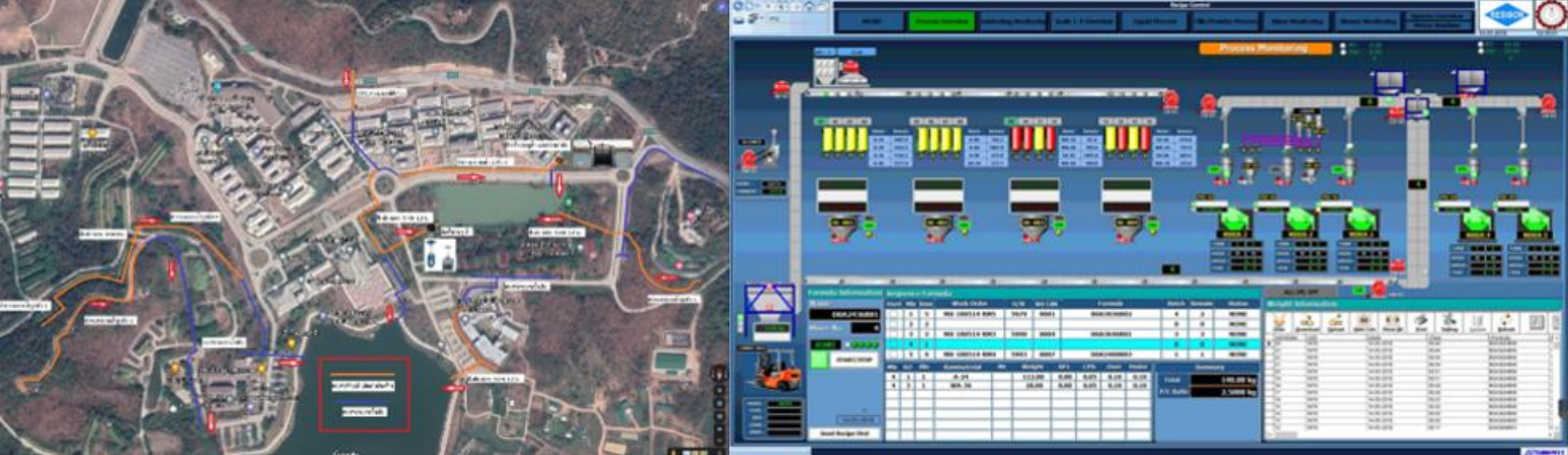
FMS (Facility Management System): this system is designed for facility-wide management, with an emphasis on maintenance, space planning, and managing building amenities and resources.
A digital water supply system
Monitoring (PM, CO₂)
Space planning and managing building amenities and resources
Space planning and managing building amenities and resources
For smart building requirements, University of Phayao implements at least five of six intelligent features, interfacing with the above core systems wherever applicable: Automation: automated control of building equipment such as electrical systems, lighting, and HVAC according to schedules and specific conditions.Safety: includes access control (e.g., keycard systems), presence sensors, and video surveillance/CCTV for enhanced security.
Energy: systems for monitoring and managing energy use, including smart meters and automatic load control to improve energy efficiency.
Water/Sanitation: features for water conservation and hygiene, such as sensor-based faucets, water-saving sanitary ware, and leak detection systems.
Indoor Environment: management of temperature, humidity, and air quality through advanced sensors and automated systems.
Lighting: automated lighting control based on natural light and occupancy, with the use of energy-saving solutions like LED lights. These systems work together to optimize building performance, deliver greater energy savings, improve operational oversight, and enhance safety and comfort for all university stakeholders.
Future Direction in Sustainable University
University of Phayao builds and renovates buildings and infrastructure with an emphasis on interior use to make buildings more efficient — ensuring residents have a good quality of life, health, and safety, including designing areas that are comfortable and accessible for all workers of all ages, including people with disabilities. Although energy-efficient appliances and environmentally friendly technologies may seem distant from everyday concerns, energy conservation and environmental sustainability are integral to adopting advanced technology. The development of smart appliances and electrical devices has been driven by the need to save energy and lower costs while promoting environmental friendliness. Appliances in modern buildings now incorporate innovations such as the Internet of UP (IUP), connecting devices to create a more efficient, energy-saving environment. IUP technology allows electrical devices in buildings to be interconnected and controlled via remote devices, facilitating the operation of smart buildings and smart cities — providing building managers with easy control over lighting, cooling, and security systems, creating eco-friendly, energy-saving buildings.The UP Carbon for a Sustainable University
University of Phayao is continuously developing and upgrading its infrastructure with a focus on sustainability. New buildings are designed to improve the efficiency of indoor spaces, ensuring a high quality of life, health, and safety for those occupying the facilities. Workspaces are made more comfortable and accessible for employees of all ages, including people with disabilities. "The UP Carbon" for developing Smart Buildings involves strategies and advanced technologies that increase building efficiency, safety, and energy conservation. The key guidelines for the development of Smart Buildings are as follows:- Use of Internet of UP (IUP): connecting various devices in the building, such as sensors, electrical appliances, and security systems, via the internet, enabling automatic building management — e.g., controlling lighting and air conditioning systems and managing energy use.
- Energy Management: technologies that improve energy efficiency, such as sensors that detect energy consumption and adjust lighting to work only when needed, or control air conditioning systems based on external temperatures.
- Data Analytics: collecting and analyzing data from various building systems to predict energy needs, perform preventive maintenance, and optimize space usage.
- Security Systems: smart security technologies, such as advanced CCTV, facial recognition, or keycard systems connected to cloud-based networks, to help manage building access.
- Automation Systems: automated systems for managing lighting and air conditioning, smart elevators that conserve energy, and automatic access controls.
- Renewable Energy Integration: incorporating renewable energy sources, such as solar panels and natural energy storage systems, to reduce dependence on finite resources.
- Health and Well-being: designing buildings that provide good air quality, control temperature and humidity, and enhance the health and comfort of occupants.
- Artificial Intelligence (AI) and Machine Learning: AI and machine learning can predict future building needs, such as energy usage and maintenance requirements, to optimize building management — improving comfort, safety, and long-term energy cost savings.
List and Description of Smart Building Requirements