- Waste minimization and reduction — reducing hazardous chemical usage and encouraging products that can be reused or recycled.
- Reuse and repair — reusing equipment, materials, or chemicals, and repairing items that can be used efficiently again.
- Recycle — recycling aluminum/steel cans, cardboard, glass bottles, paper, plastic cartons, scrap metal, shoe and textile banks, toner, and ink-jet cartridges through recyclable waste banks.
- Treatment — managing solid and hazardous waste in standard practice and regulatory compliance.
- Responsible disposal — ensuring solid waste, hazardous waste, and e-waste are disposed of following standard practices and regulations.
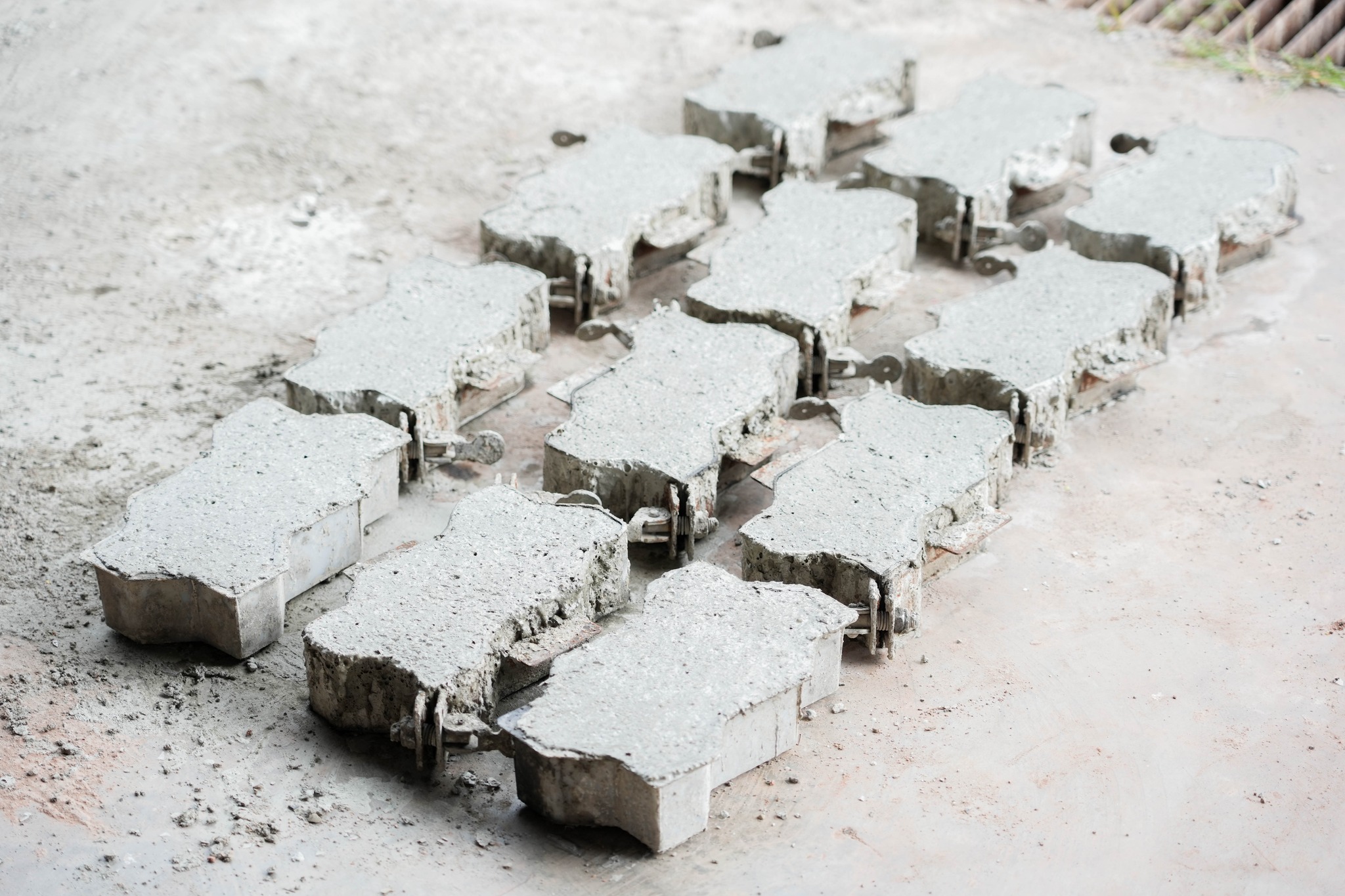
Recycling Program for University Waste
University of Phayao organizes more than 20 training sessions a year on waste management for student leaders, the student council, housekeepers, and waste collectors, keeping staff and students informed on waste management and the recycling program. The university's Waste Recycling Project raises awareness of waste separation among staff and students and promotes activities aligned with the university's policy of giving waste a second life as useful, reusable products. Through a comprehensive waste management system, including a dedicated sorting and processing facility, University of Phayao achieves a waste disposal rate of up to 90%. Notably, the university does not operate a landfill.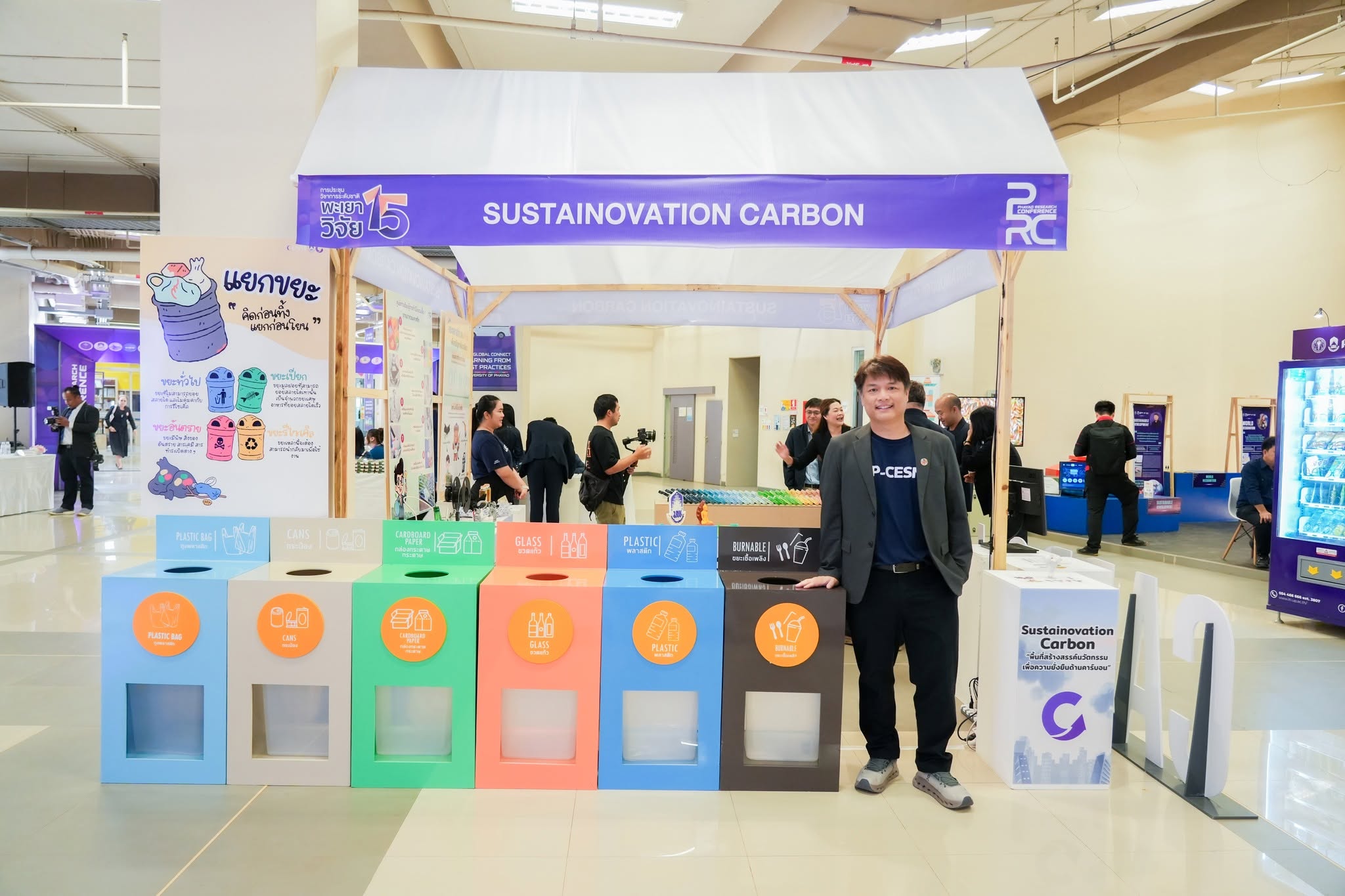
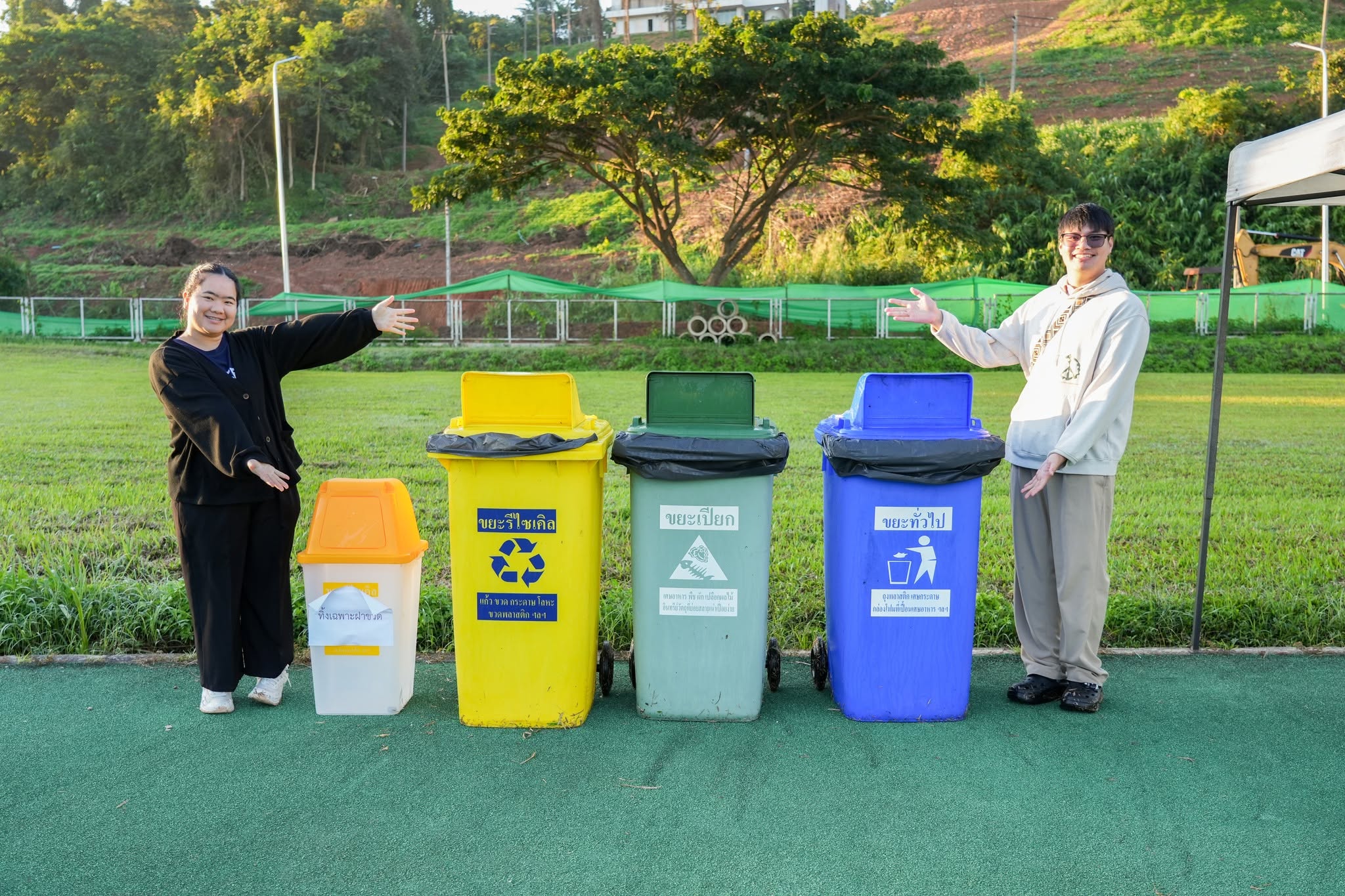
Waste management bins for source-separated waste collection
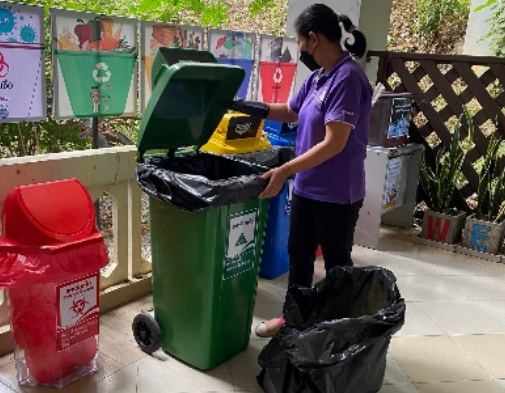
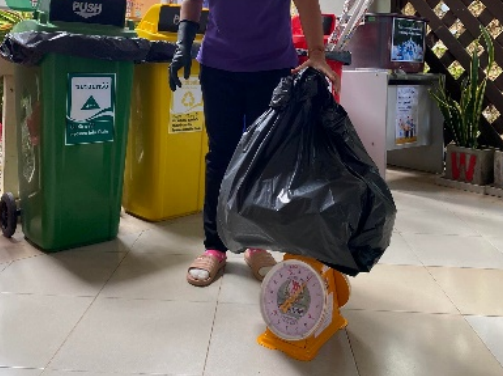
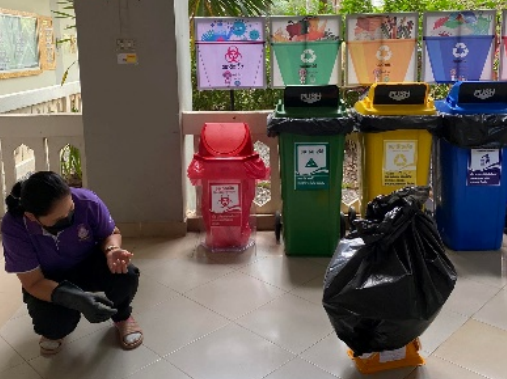
Waste Collection Points on Campus
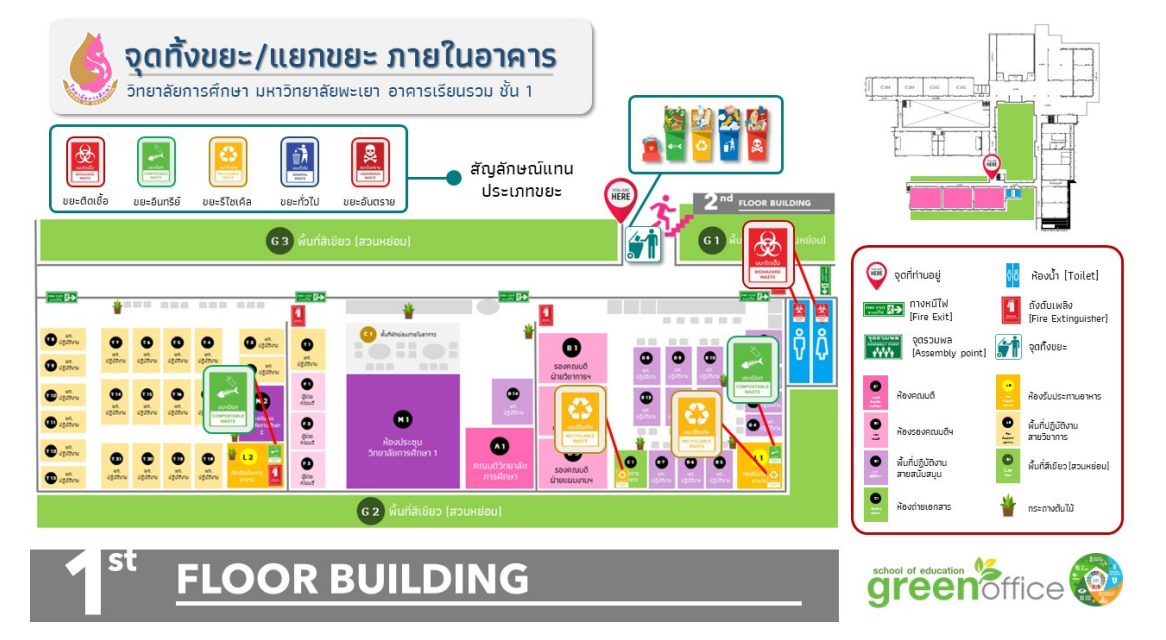
An example layout showing the locations of separate waste bins within campus buildings
University of Phayao does not place trash cans outside its buildings; bins are only available indoors. Outdoor bins instead serve as temporary storage points where waste awaits collection before being transported to the university's waste sorting and management plant. The university currently maintains 23 outdoor waste collection points. This policy has fostered discipline and awareness among staff and students regarding proper waste disposal and separation, while keeping building exteriors clean and litter-free.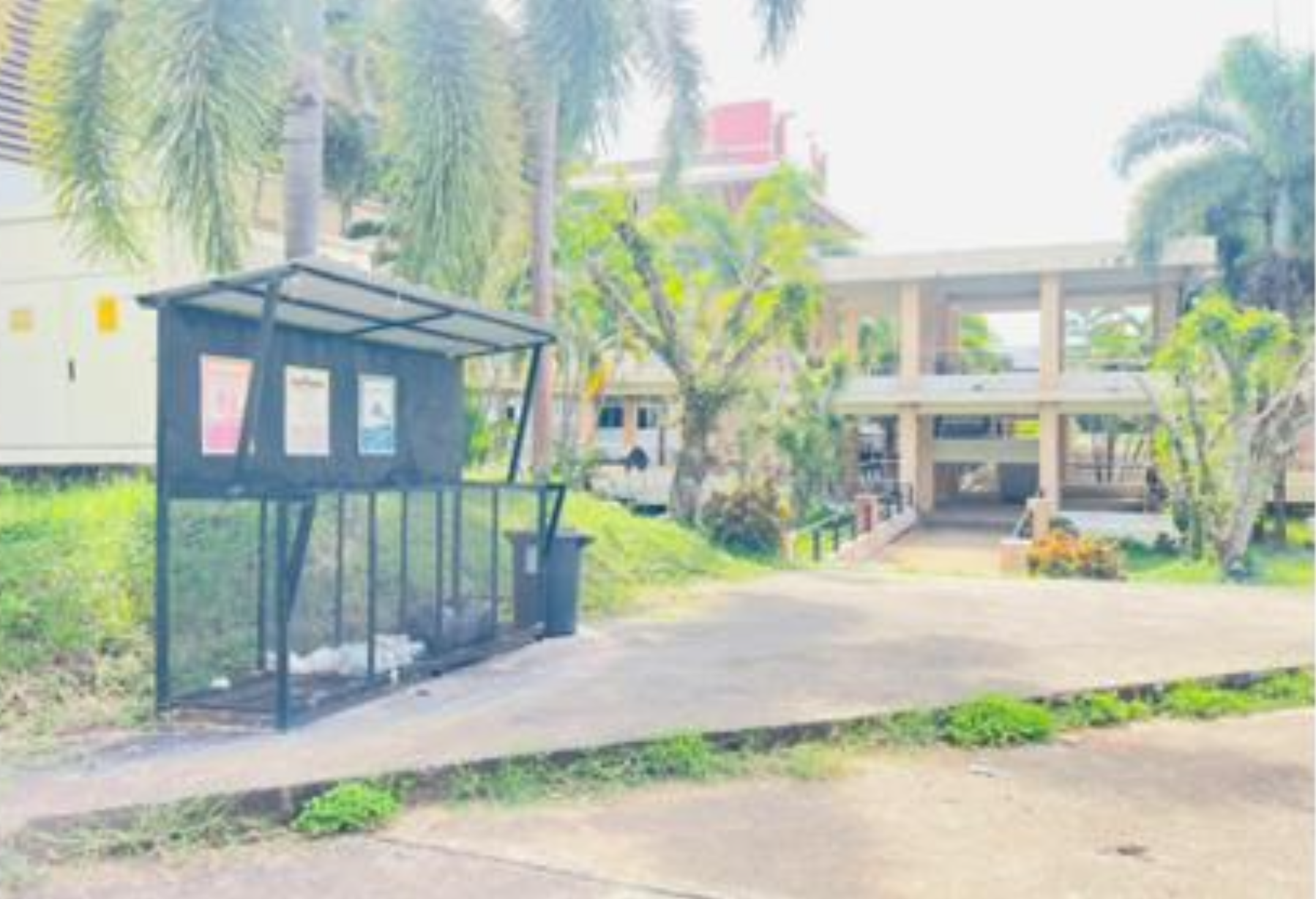
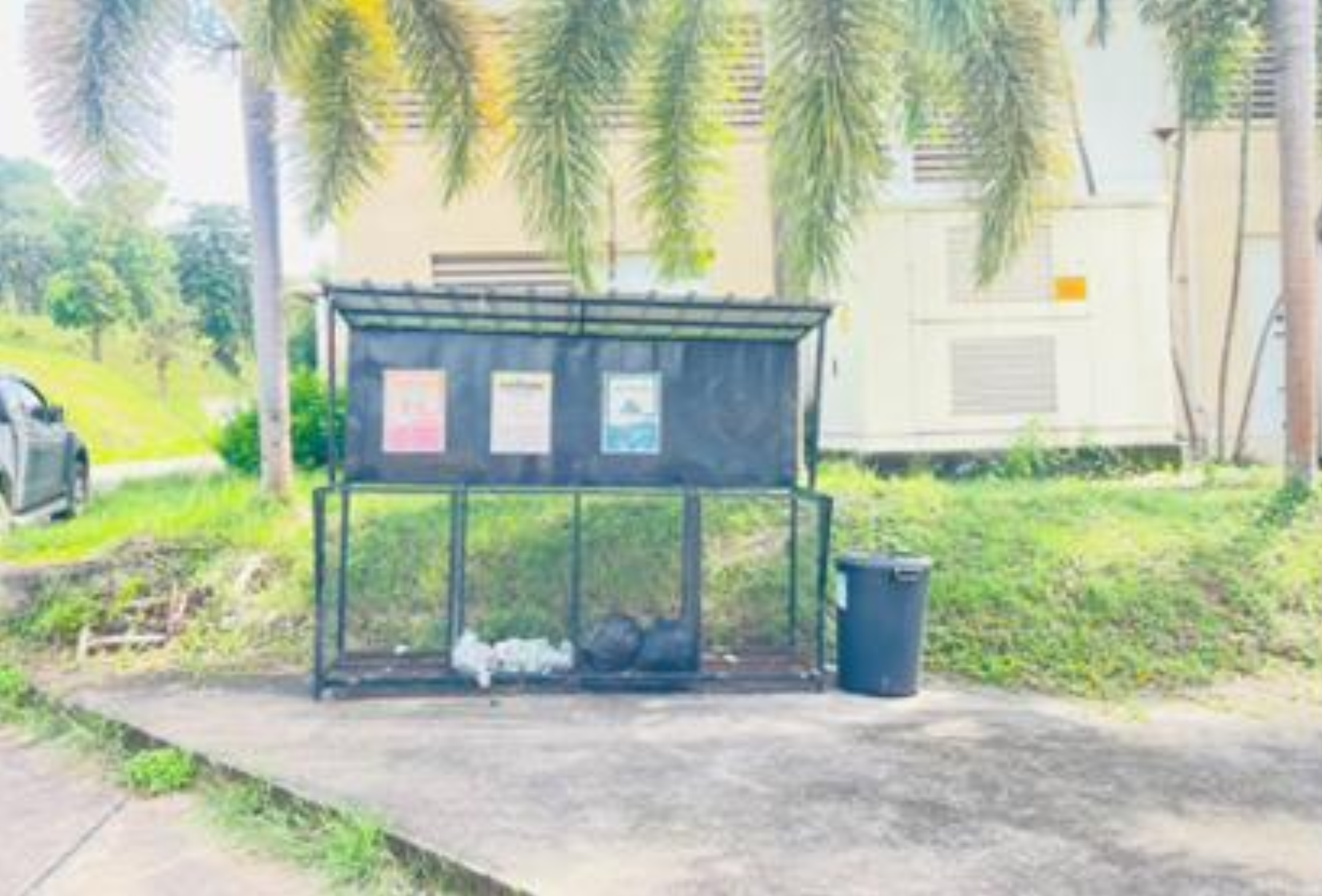
Outdoor waste collection points serving as temporary storage before transport to the sorting plant
Solid Waste
Target: 40% reduction in solid waste by 2030, compared to the 2006 baseline.Results: In 2025, solid waste was reduced by 33.78% compared to the 2006 baseline. In 2026 (January–May), the reduction reached 37.86%.
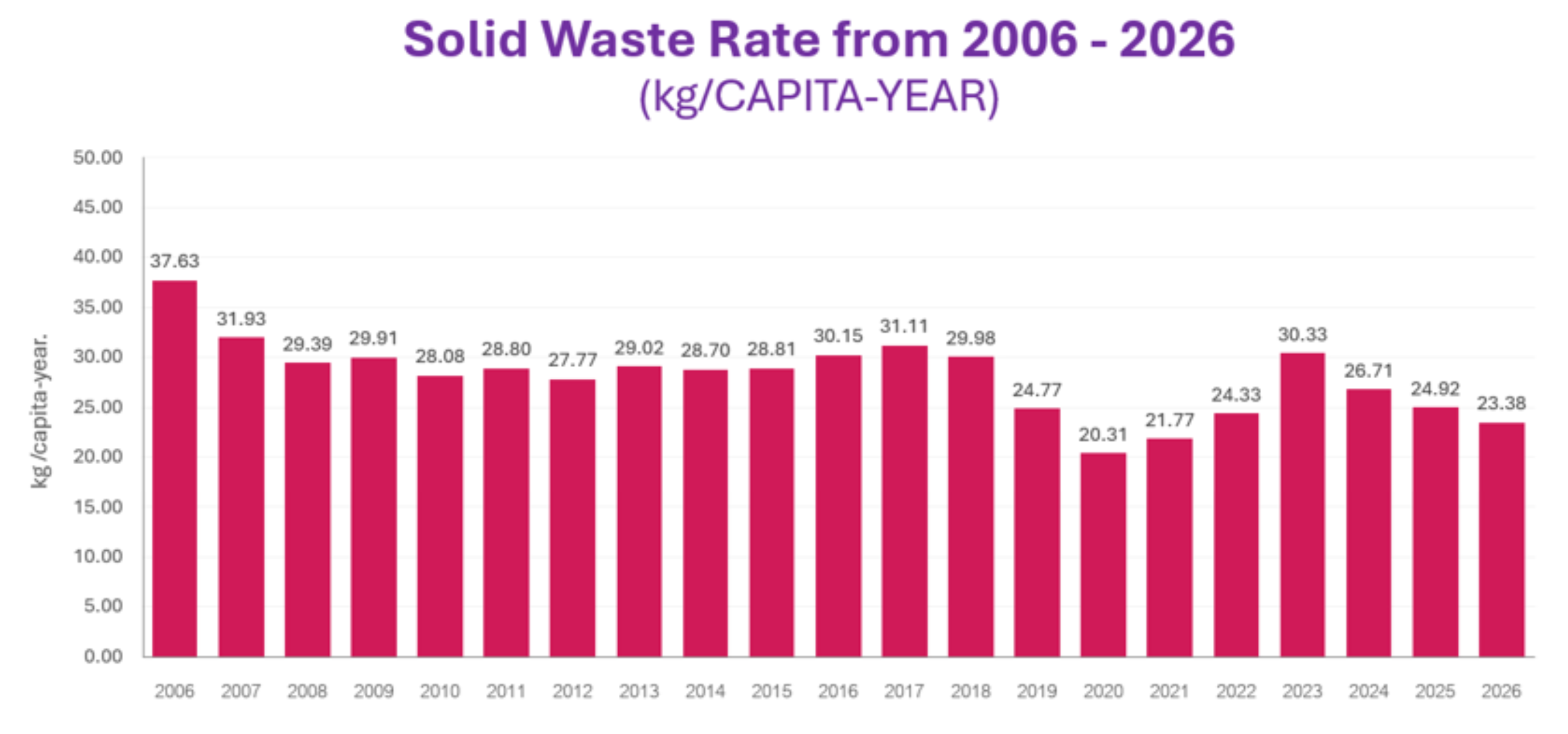
Solid Waste Rate from 2006–2026 (kg/capita-year)
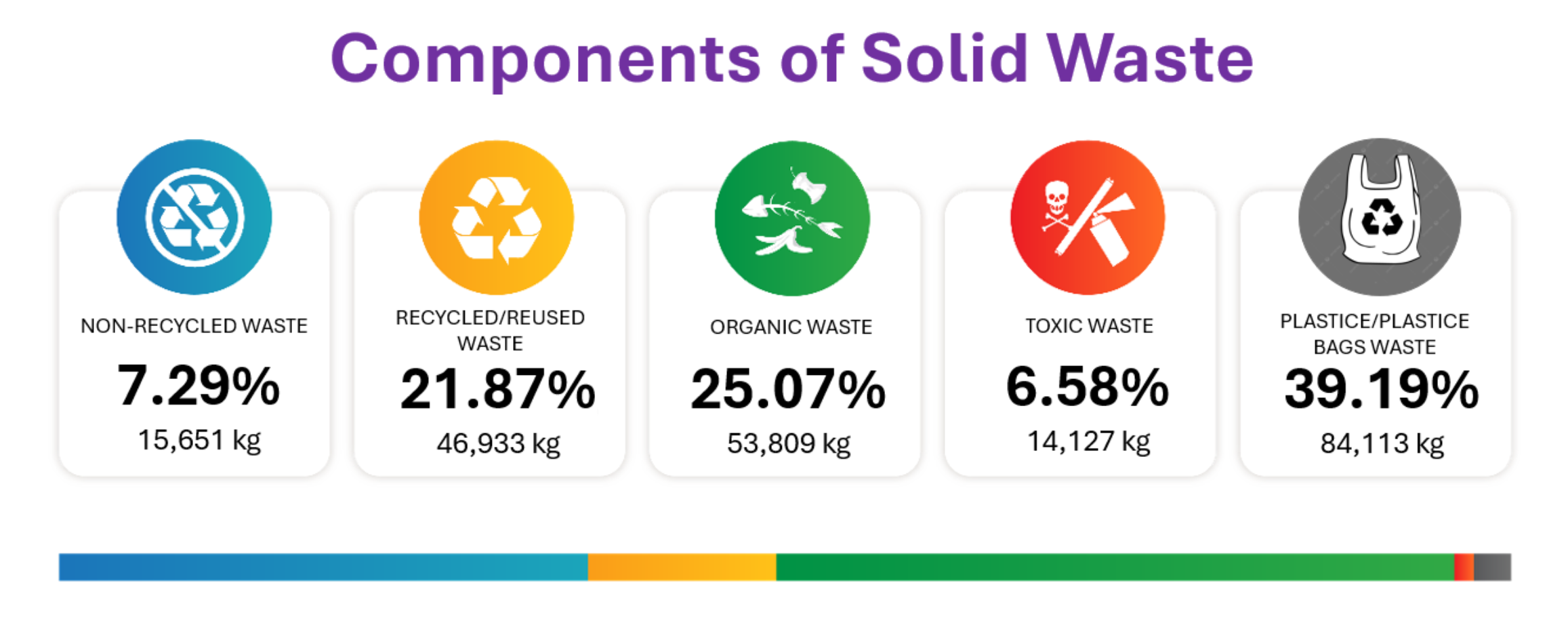
Components of Solid Waste at University of Phayao, 2026
In 2026, University of Phayao generated solid waste and garden waste totaling 214,633 kg (23.38 kg/capita-year), a 24.92% reduction compared to the 2006 baseline of 37.63 kg/capita-year. Recycled/reused waste made up the largest share at 46,933 kg (21.87%), followed by organic waste at 53,809 kg (25.07%), plastic/plastic bag waste at 84,113 kg (39.19%), non-recycled waste at 15,651 kg (7.29%), and toxic waste at 14,127 kg (6.58%).Campaign to Raise Awareness of Waste Sorting
University of Phayao runs campaign activities to raise awareness of waste separation from the source, using labels to classify waste at the university's trash bins so staff and students can sort garbage properly for greater utilization.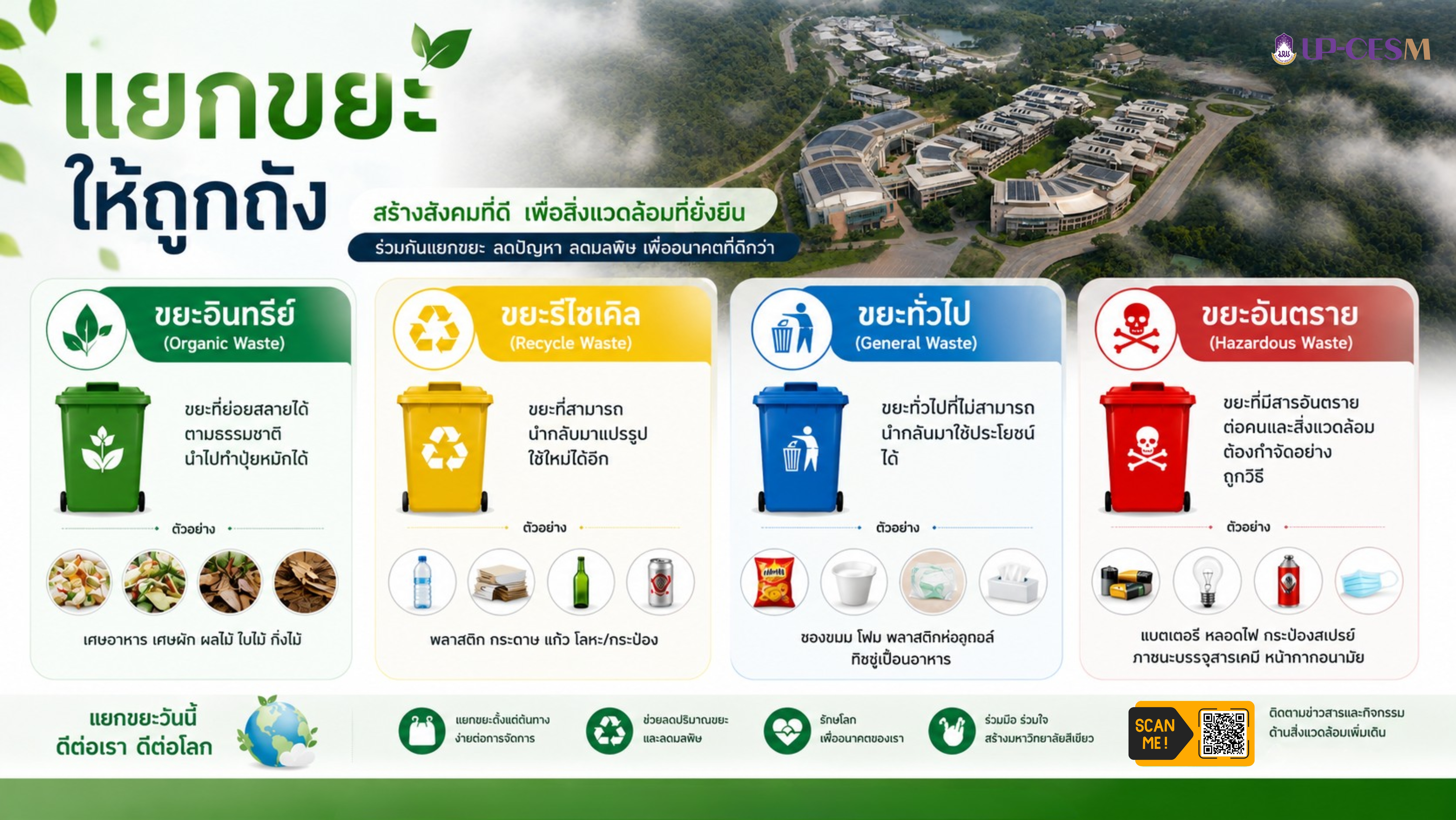
Signs for separating waste types at the dumping points
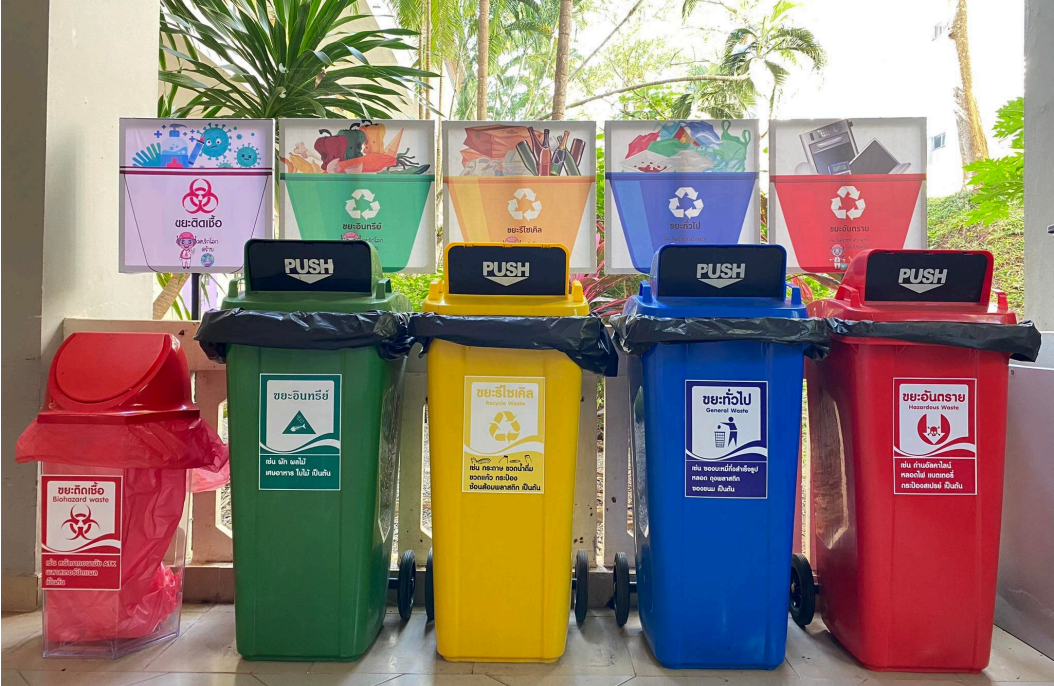
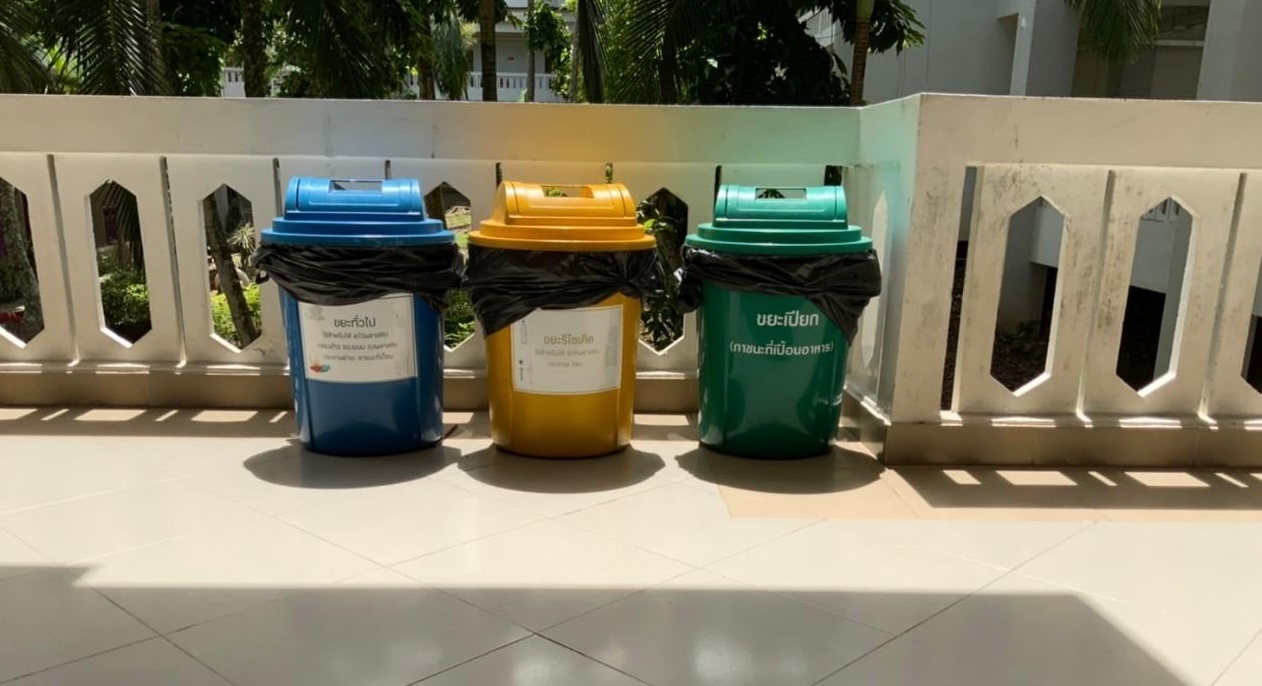
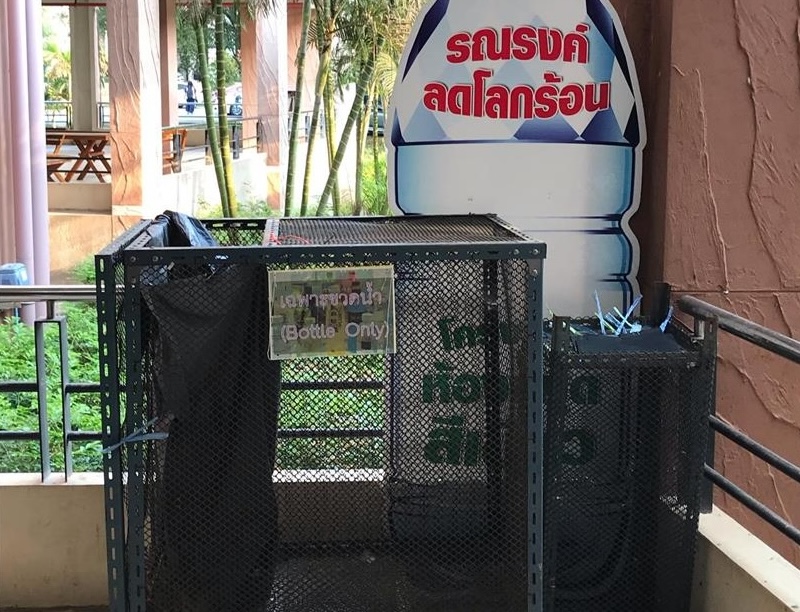
Examples of trash bins classified by waste collection points
Waste sorting at the source enhances waste management efficiency by up to 70%. Recyclable materials such as plastic bottles, paper, glass, and aluminum are separated at the point of generation and sold to recycling shops, supporting both environmental sustainability and economic value.Activities to Inspire Students on the 3Rs
- Organize roadshows across faculties and departments within the university.
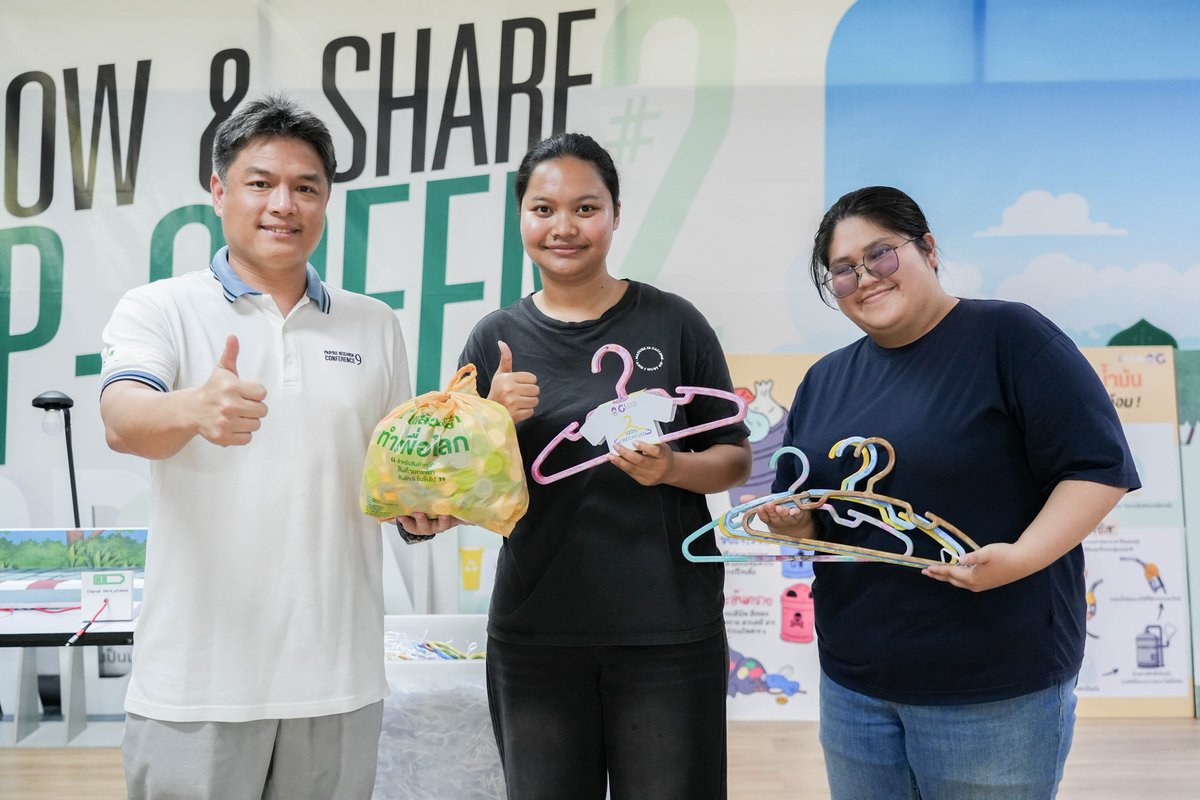
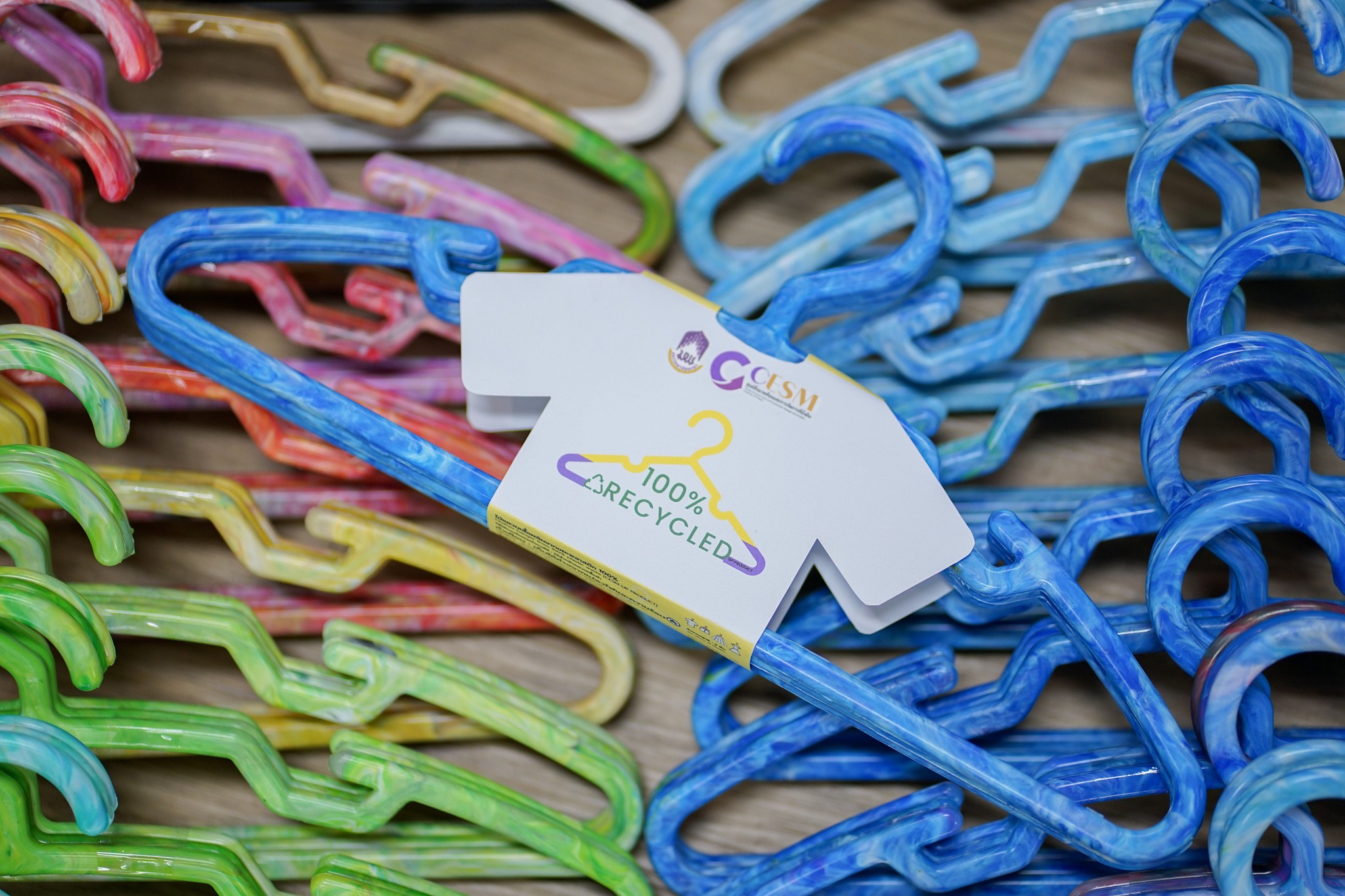
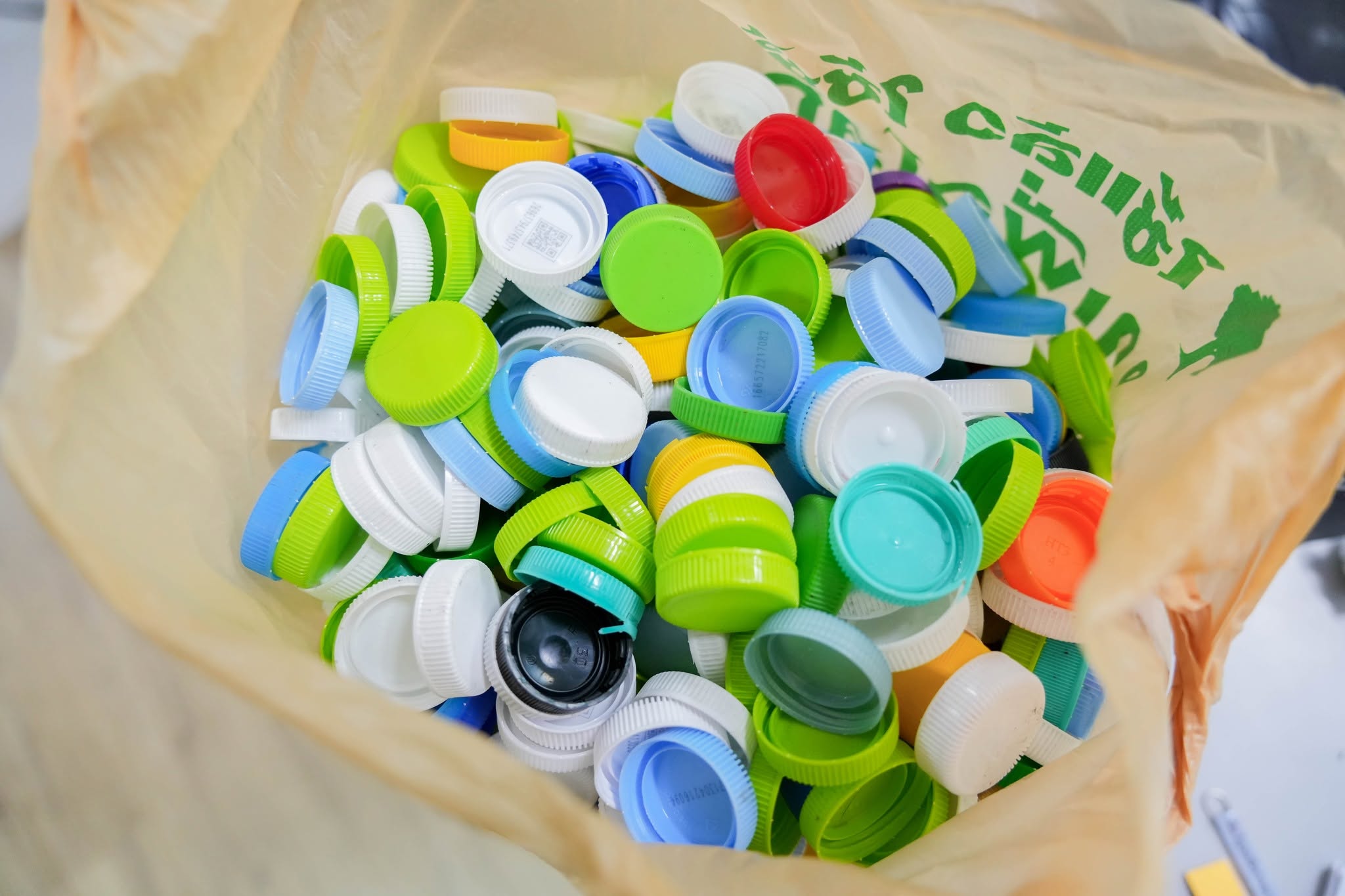
- Recycle plastic bottles by repurposing them into clothes hangers and Lego-style bricks.
- Host invention competitions to transform recyclable waste, such as plastics and beverage cartons, into useful products.
- Integrate waste management and recycling into the general curriculum, supporting research on innovations like plastic-waste roads and biodegradable bags.
- Share waste management knowledge with local schools and surrounding communities.
- Launch the "University of Phayao: Please Reuse" project to encourage the sharing and use of cloth bags.
- Conduct waste management training for cleaning staff, security personnel, and campus gardeners.
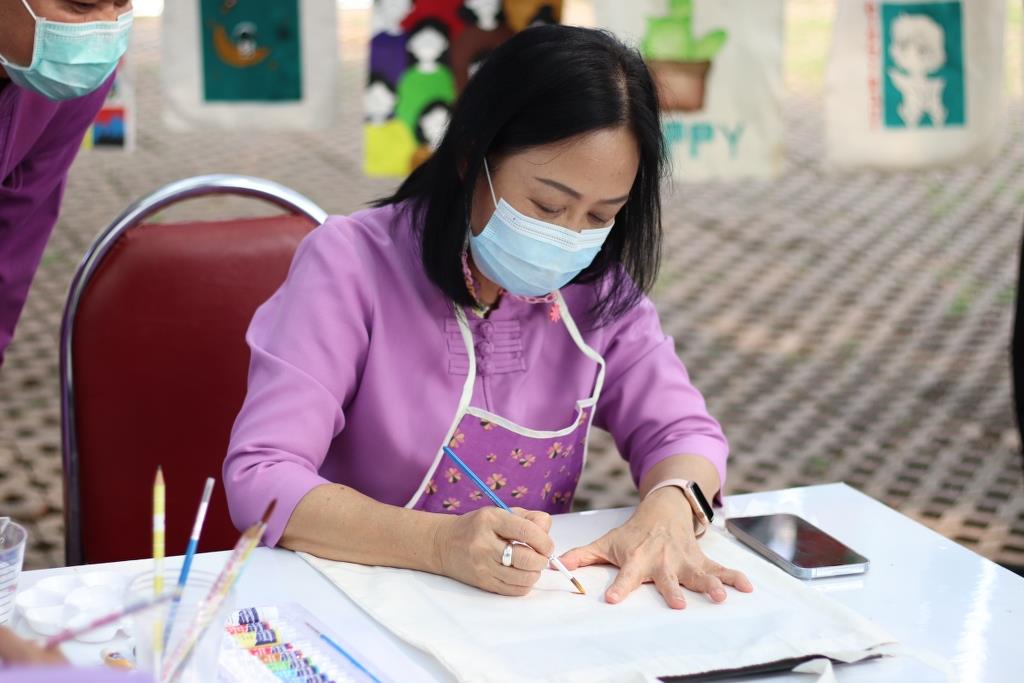
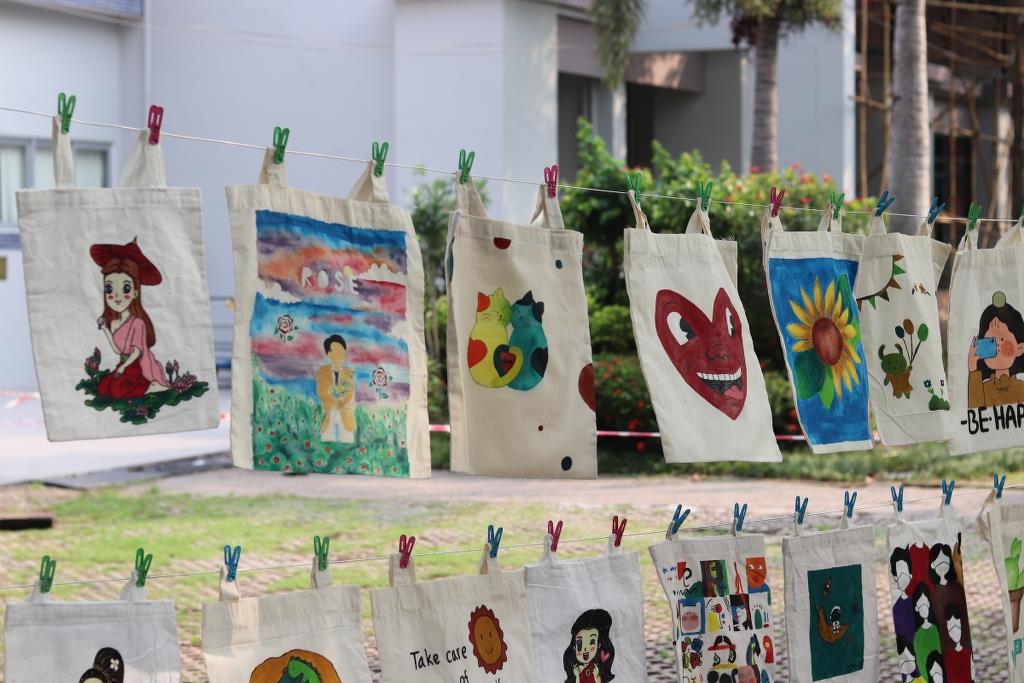
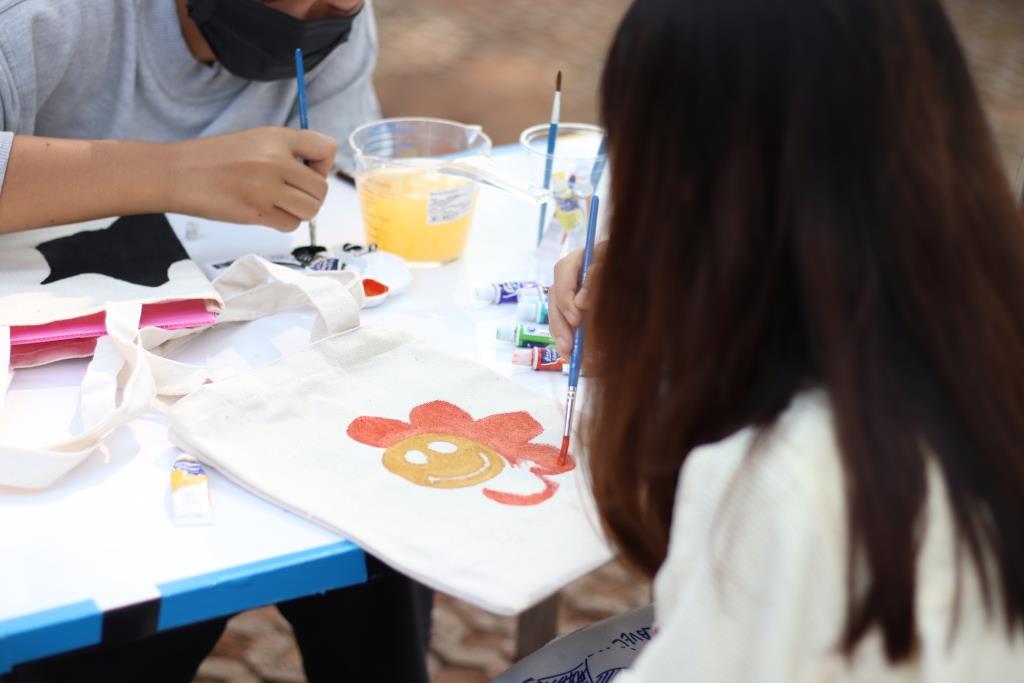
Volunteer activity: painting cloth bags to reduce plastic bag usage
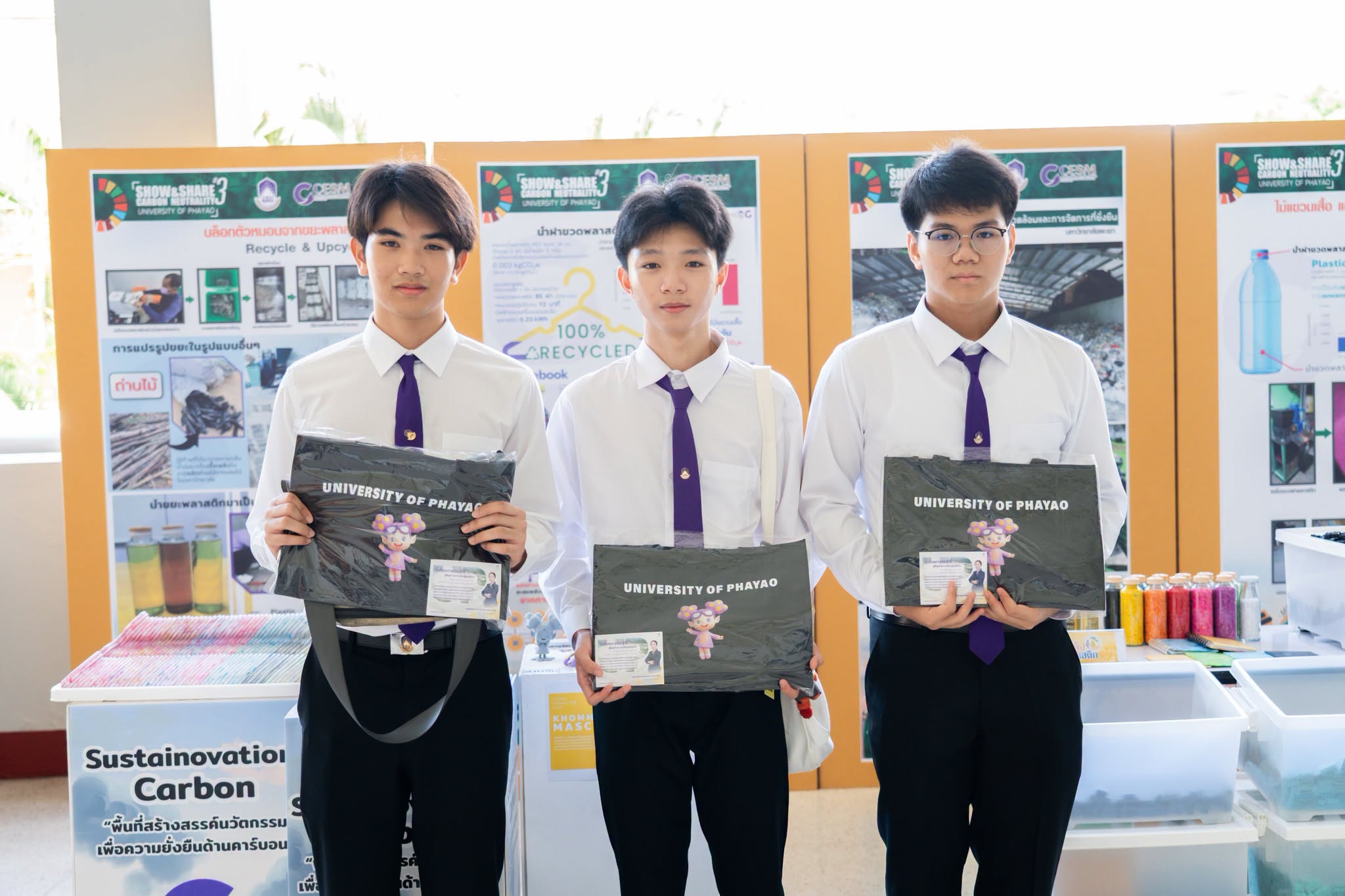
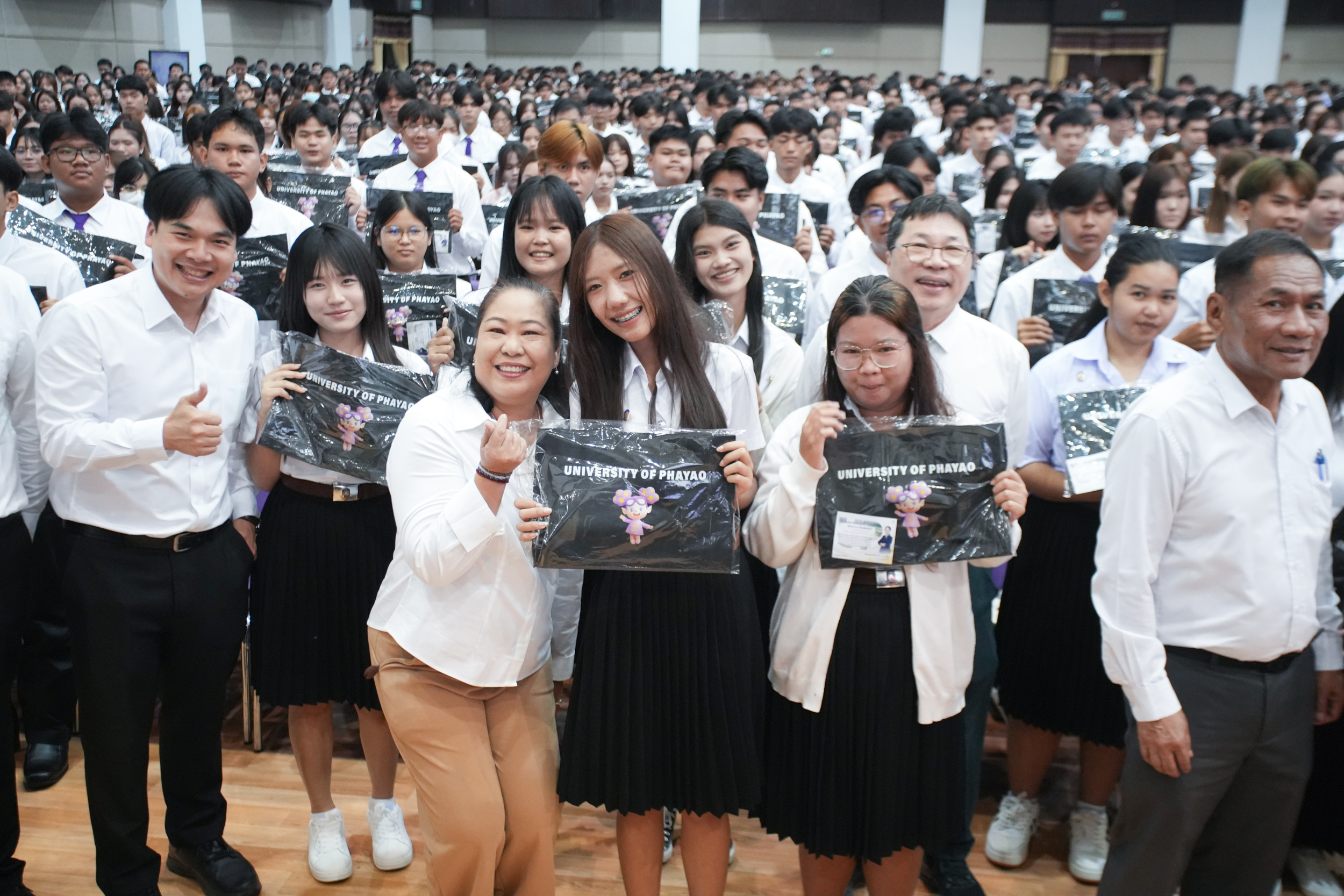
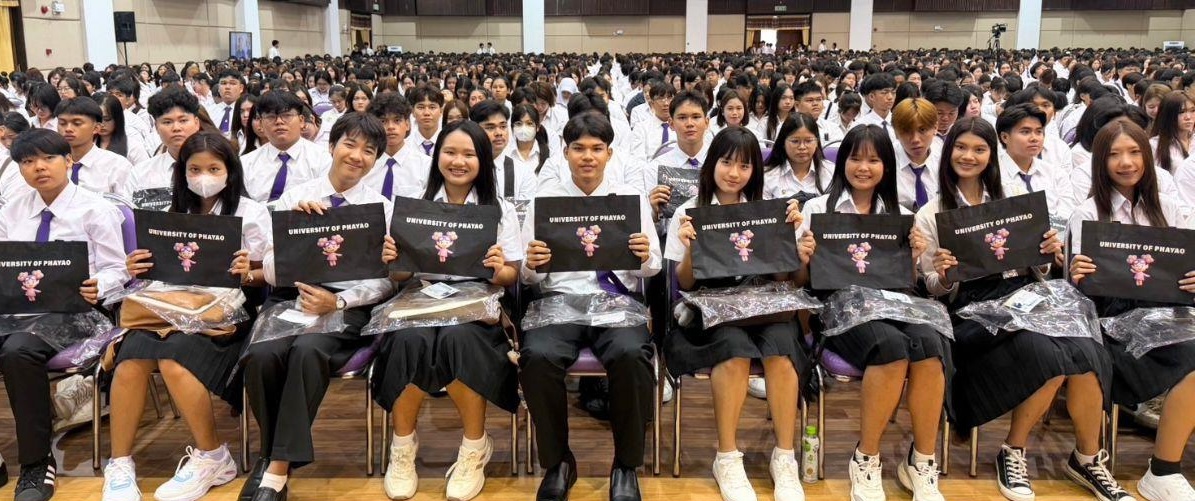
Campaign to stop using plastic bags
These activities have shown good results: shop operators within the university now cooperate by refraining from handing out plastic bags and plastic cutlery, and most staff and students recognize the importance of using cloth bags. The university aims to reduce plastic waste by at least 60% compared to the original volume.Bringing New Life to Broken Materials and Equipment
Led by the Buildings and Grounds Division in collaboration with the Gardens and Landscape Department, the "Bringing New Life to Broken Materials and Equipment" project transforms discarded items into new, functional assets — for example, repurposing broken chairs into tree swings, and using damaged tables and signs to build bridges over water features in garden areas, following the principles of reuse, repair, and recycling. Results: By 2026, over 86 broken items have been transformed into tree swings, walkways, and garden seating, with 25 new products created from recycled materials.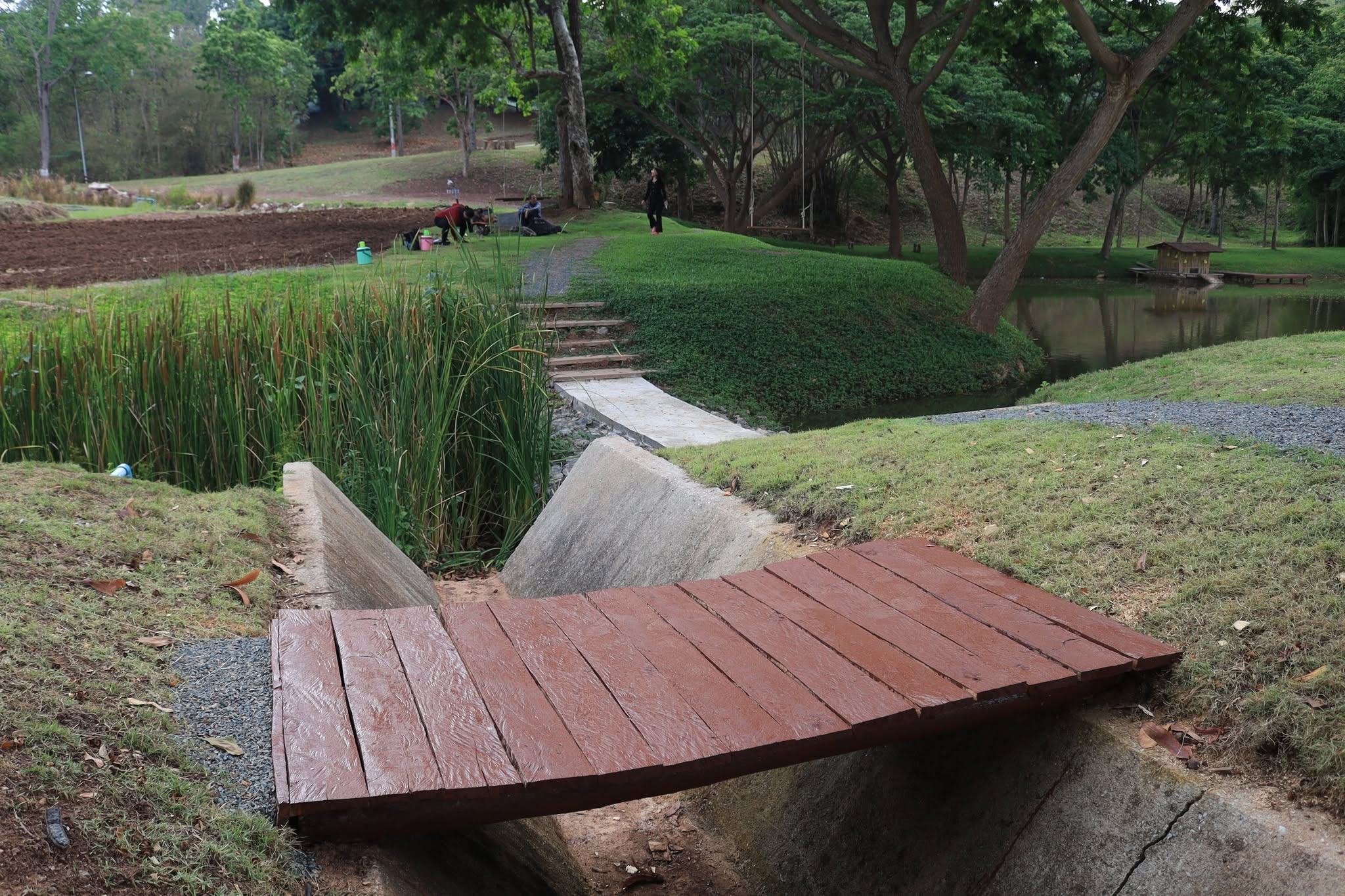
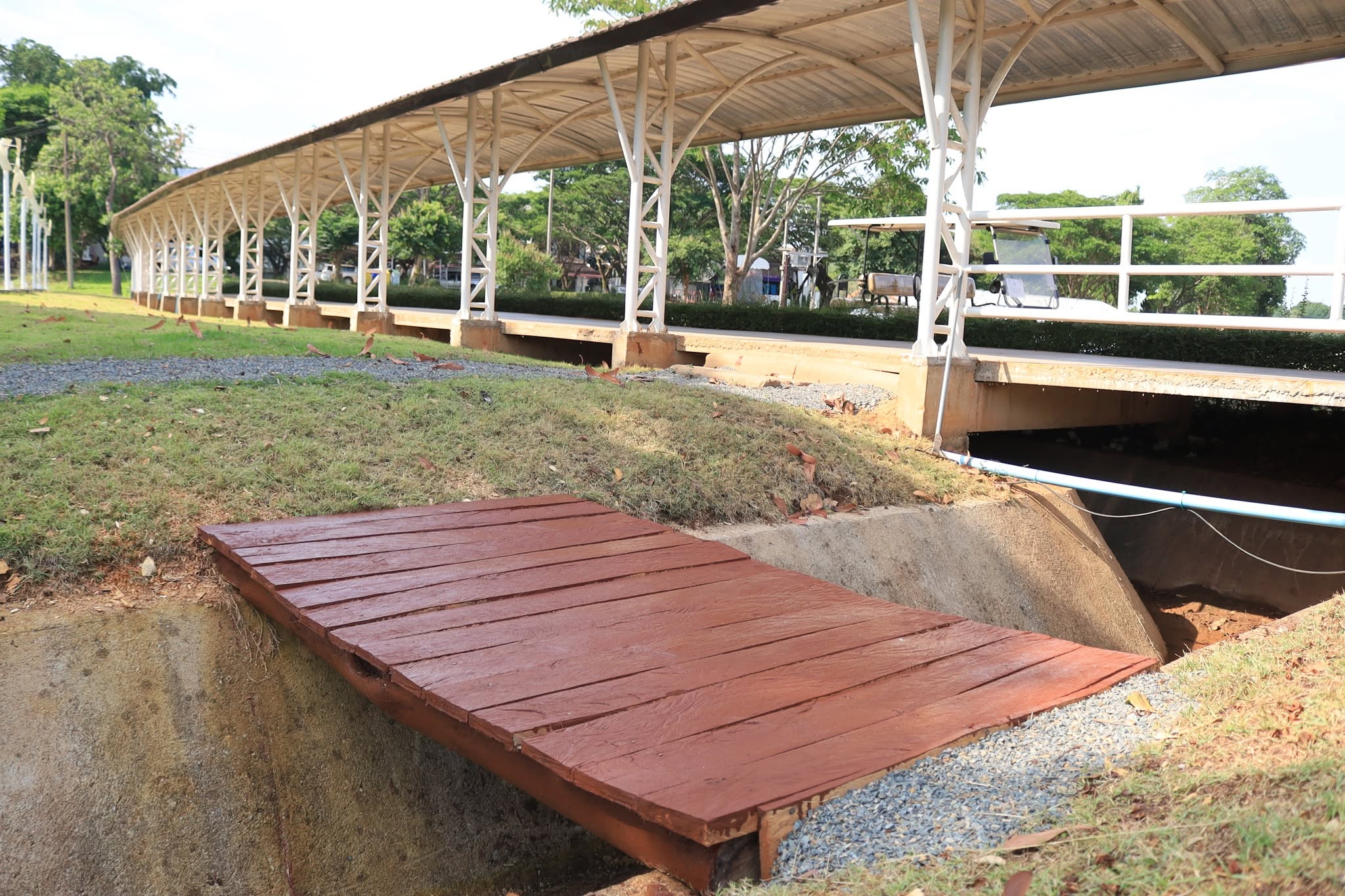
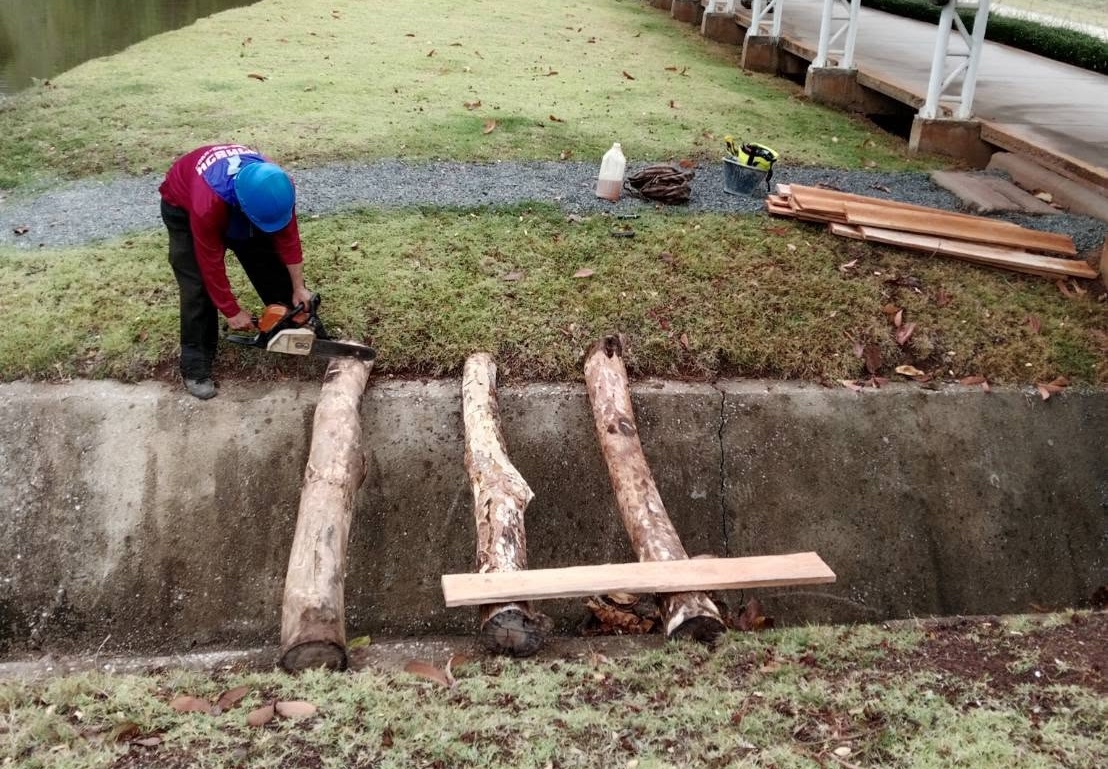
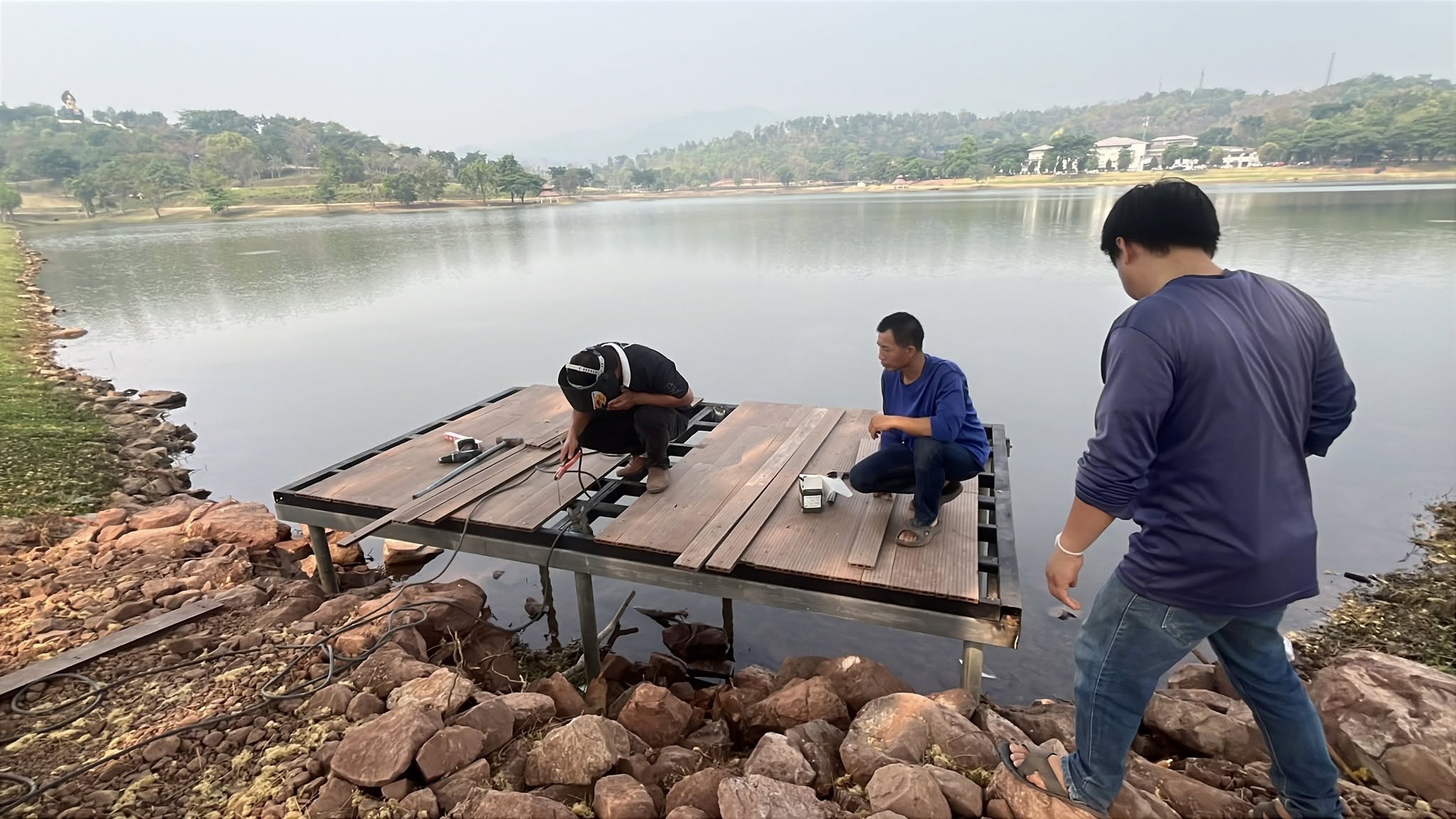
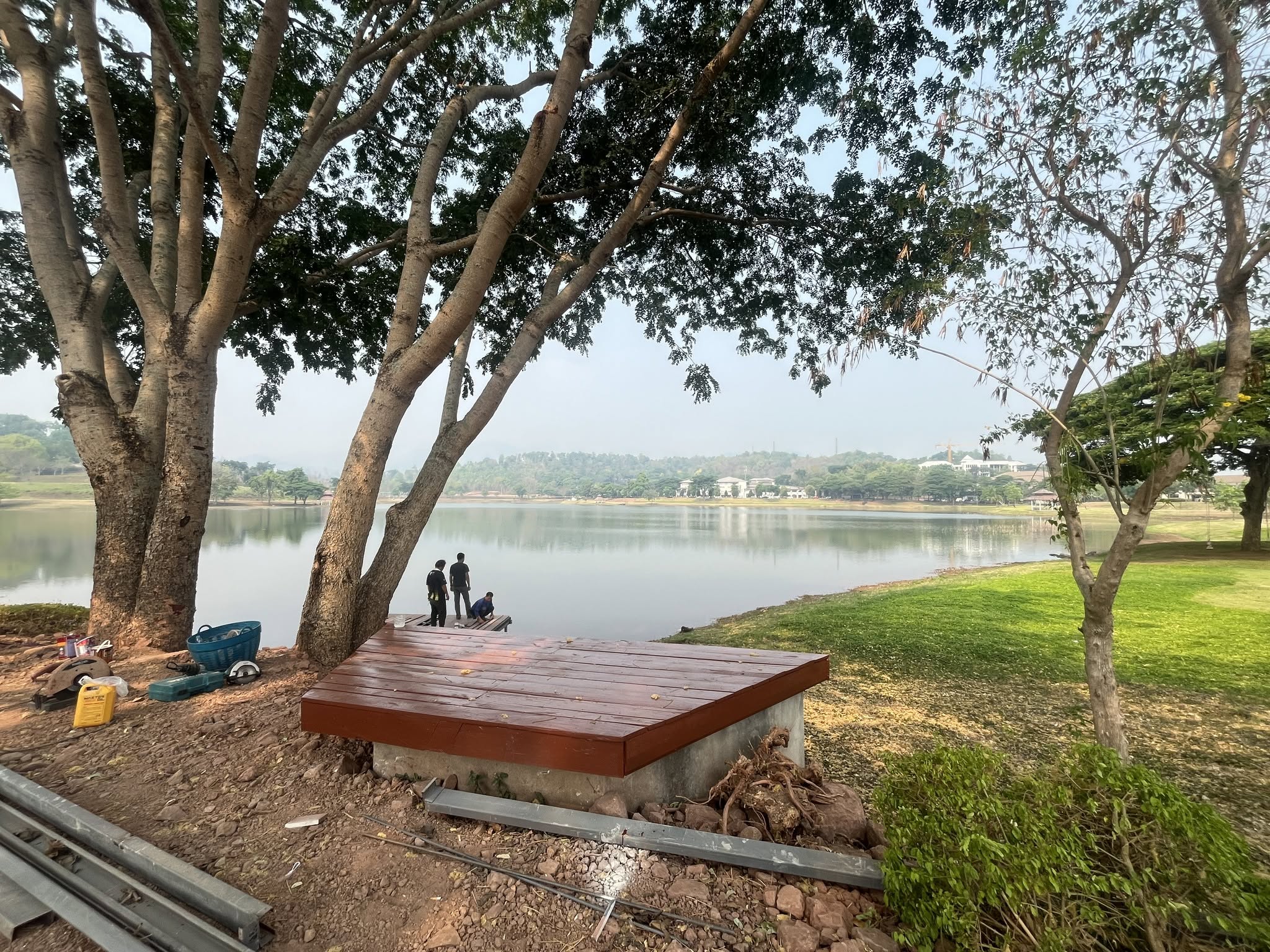
Using broken tables and signs to make a bridge across the water feature in the garden
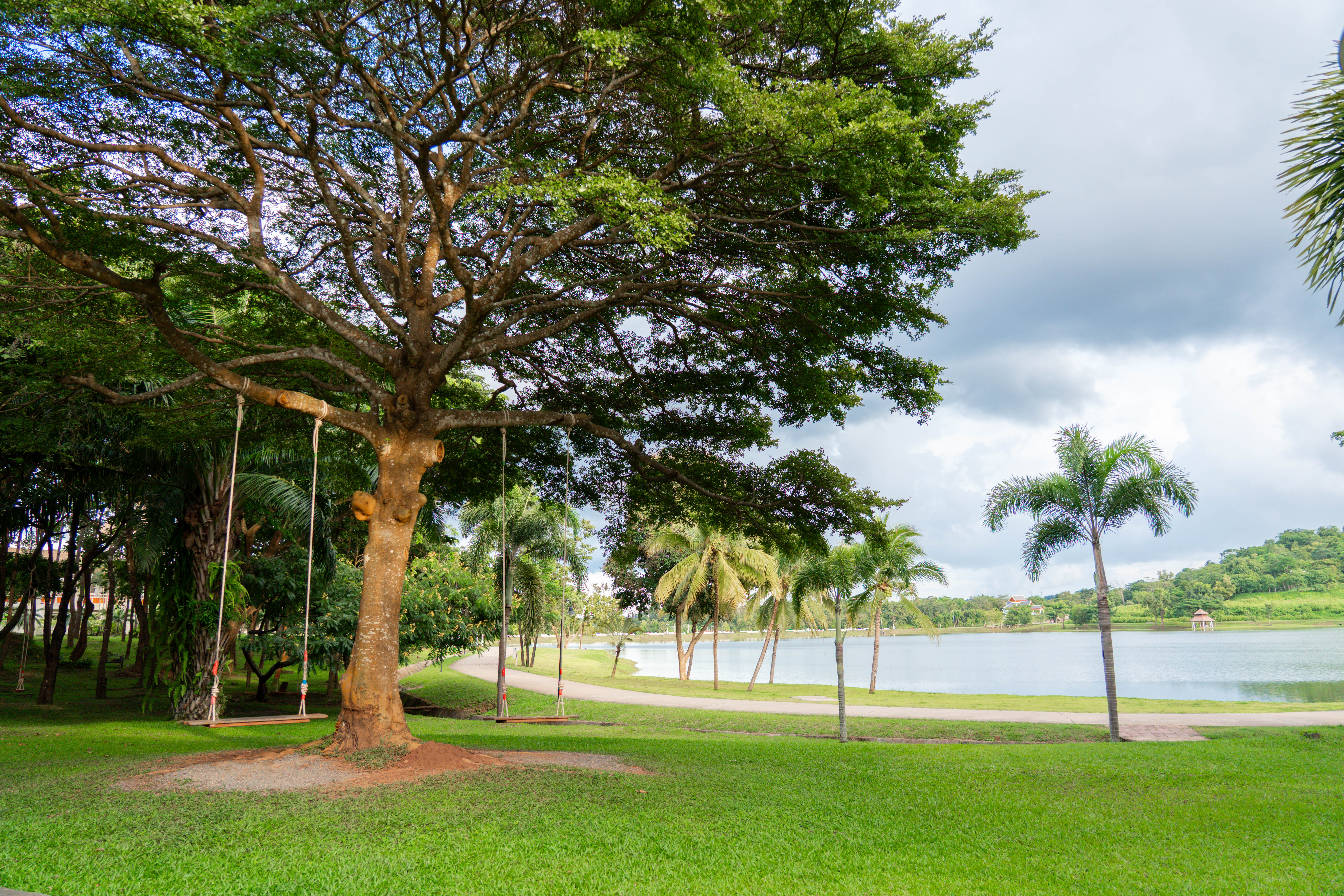
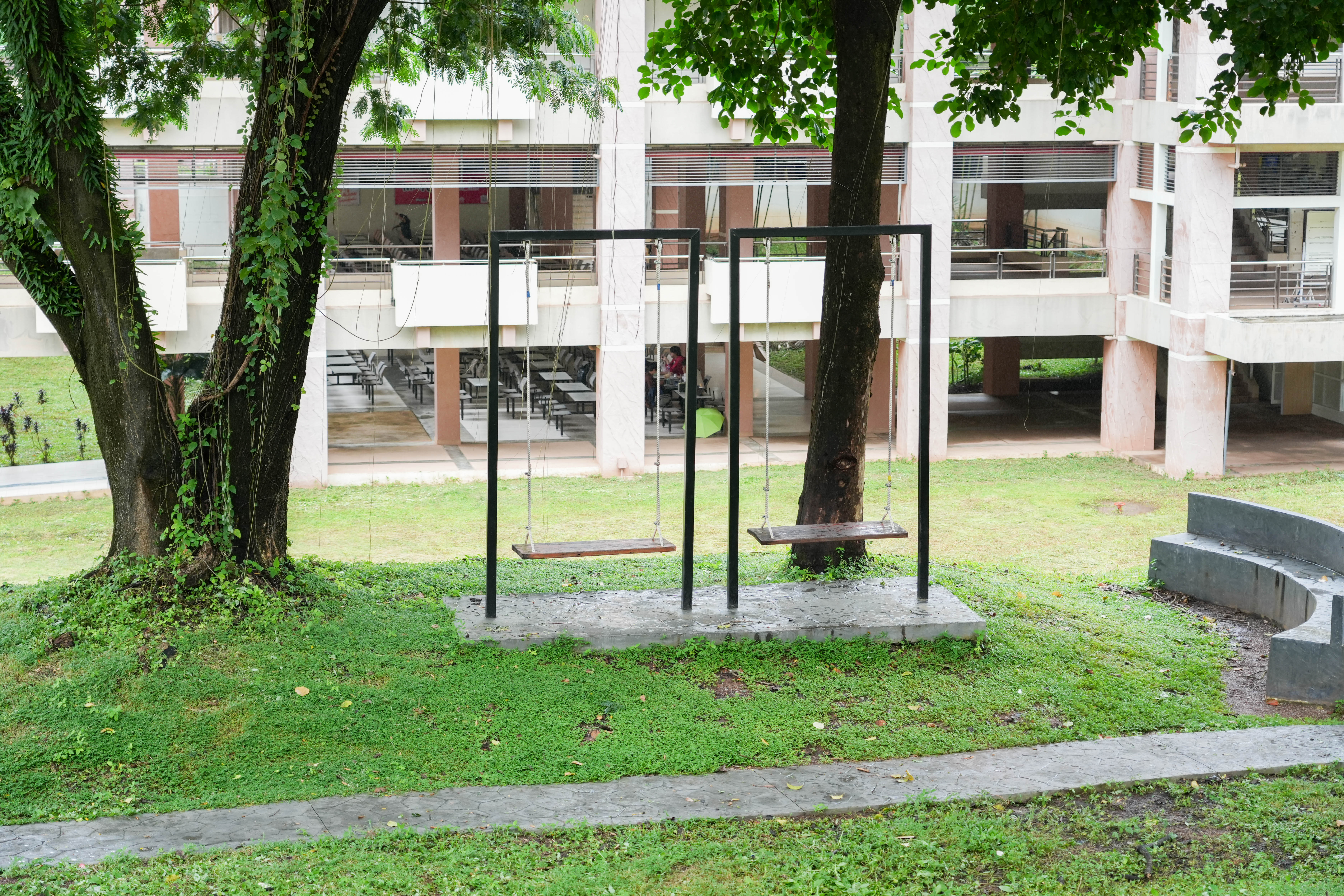

Reusing broken chairs to make tree swings
The 3R (Reduce, Reuse, Recycle) Project: 99.06% Efficiency
University of Phayao recycles up to 90% of its total waste through these combined programs, successfully managing and eliminating campus waste while preventing landfill accumulation. This achievement includes:- Separating 40.38 tons of recyclable waste for sale
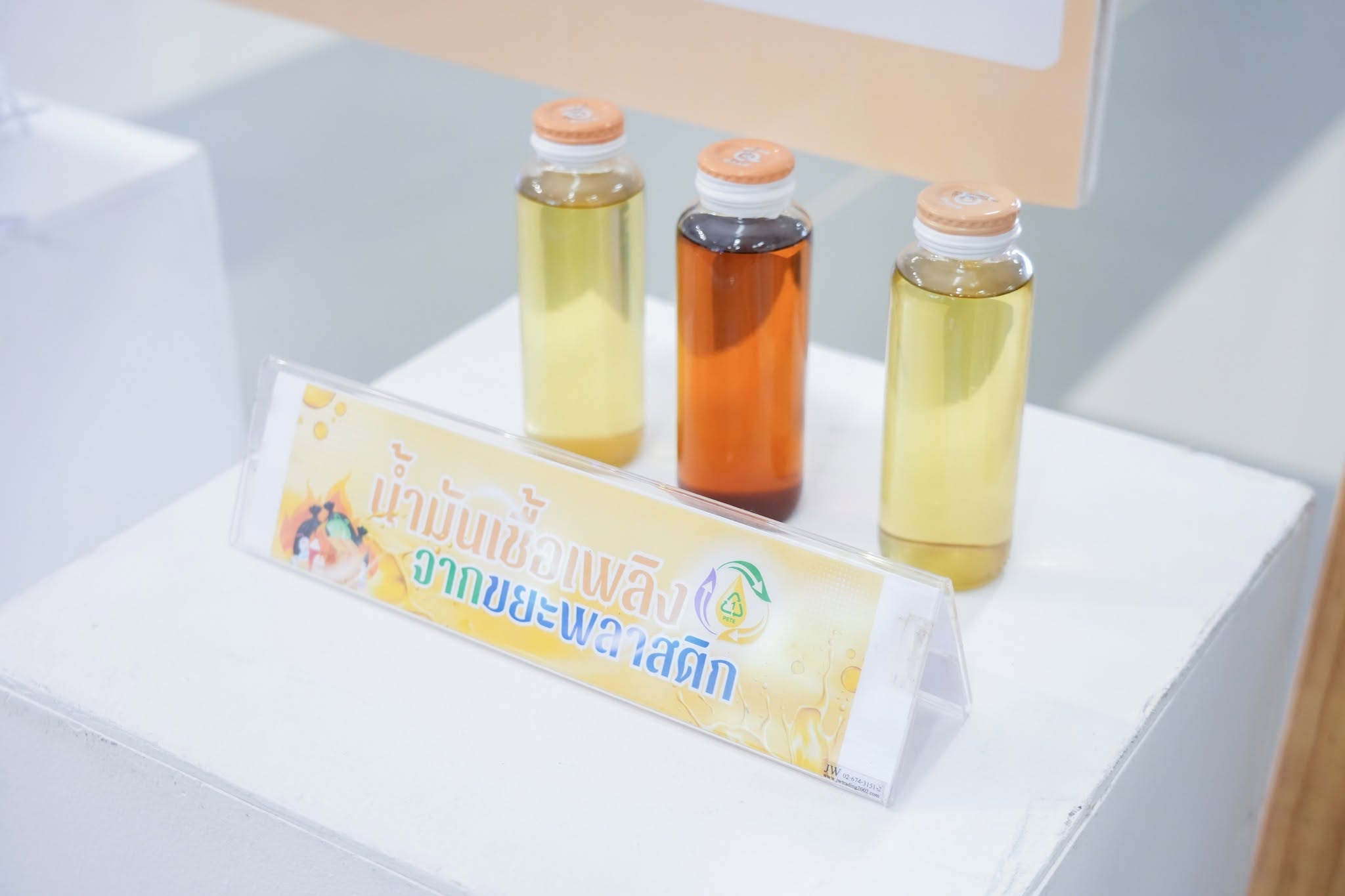
- Processing 80.38 tons of plastic and plastic bags into reusable products
- Converting 38.14 tons of organic and food waste into compost
- Handling 1.79 tons of hazardous waste through proper disposal, in partnership with Recycle Engineering Co., Ltd.