Conservation: Plant, Animal, and Wildlife Genetic Resources
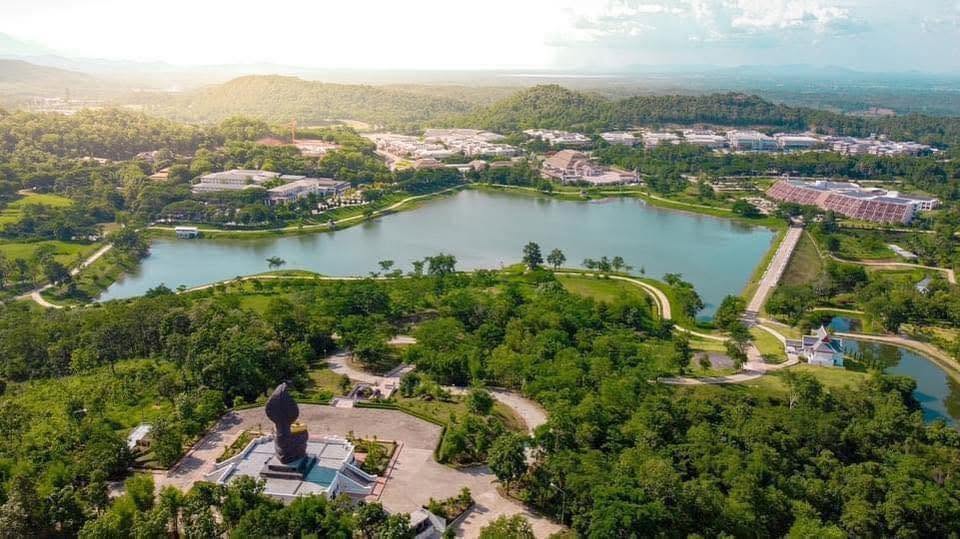
University of Phayao is situated within a lush forest ecosystem surrounded by natural water sources. This environment fosters a rich biodiversity, providing a vital habitat for numerous wildlife species, particularly amphibians and diverse bird populations. Recent avian population surveys on campus have documented over 50 bird species residing within the university grounds. To sustain this natural heritage, the university has actively organized dedicated initiatives over the past year to promote environmental conservation and enrich local flora and fauna populations.University of Phayao is located within the national reserved Mae Tum Forest, in Tambon Maeka, Amphur Muang Phayao, Phayao Province. In requesting permission to utilize the area, the university followed all requirements set by the Royal Forest Department and was granted permission to use the requested area.
Plant & Genetic Resources Conservation (RSPG-UP)
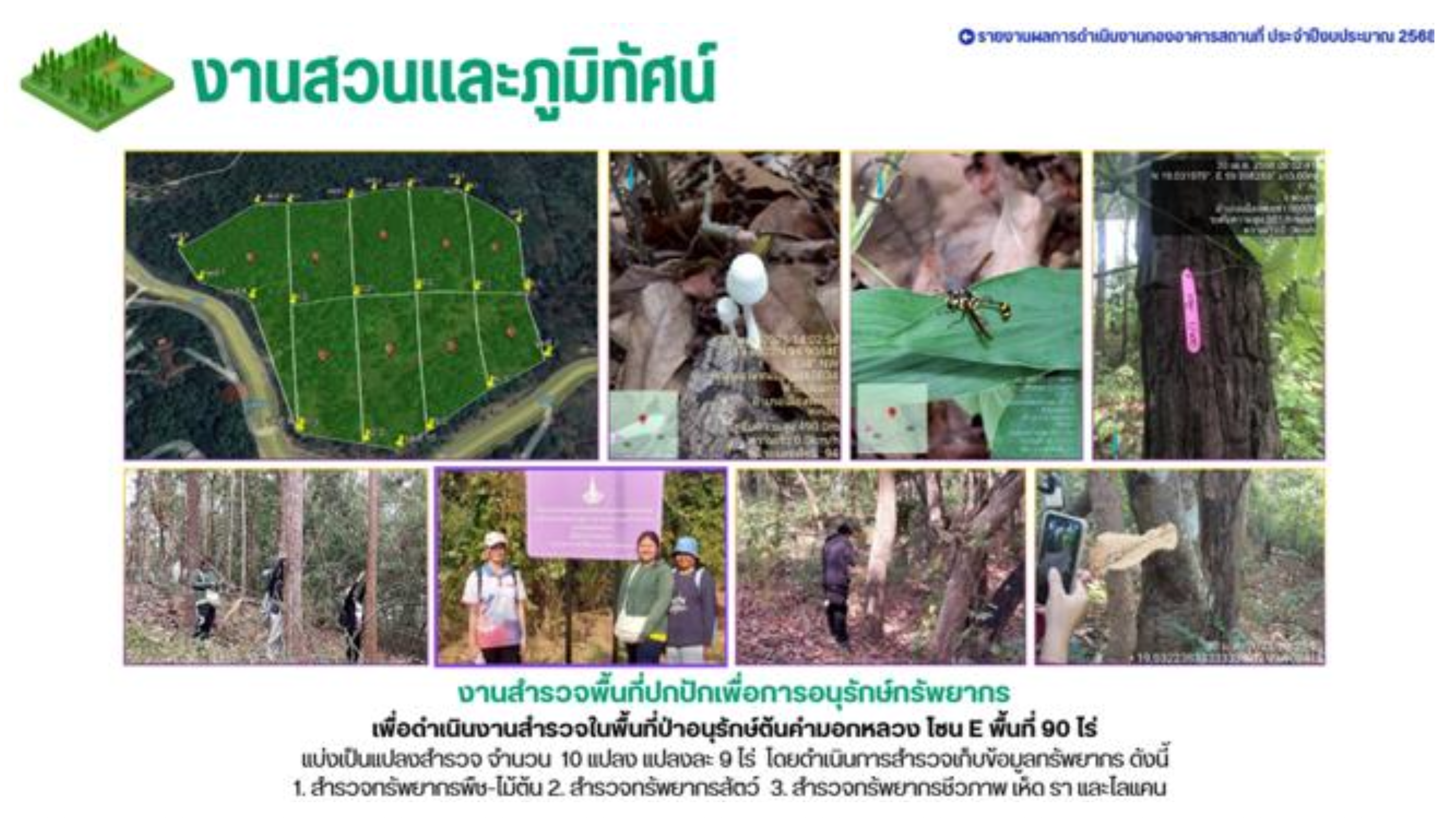
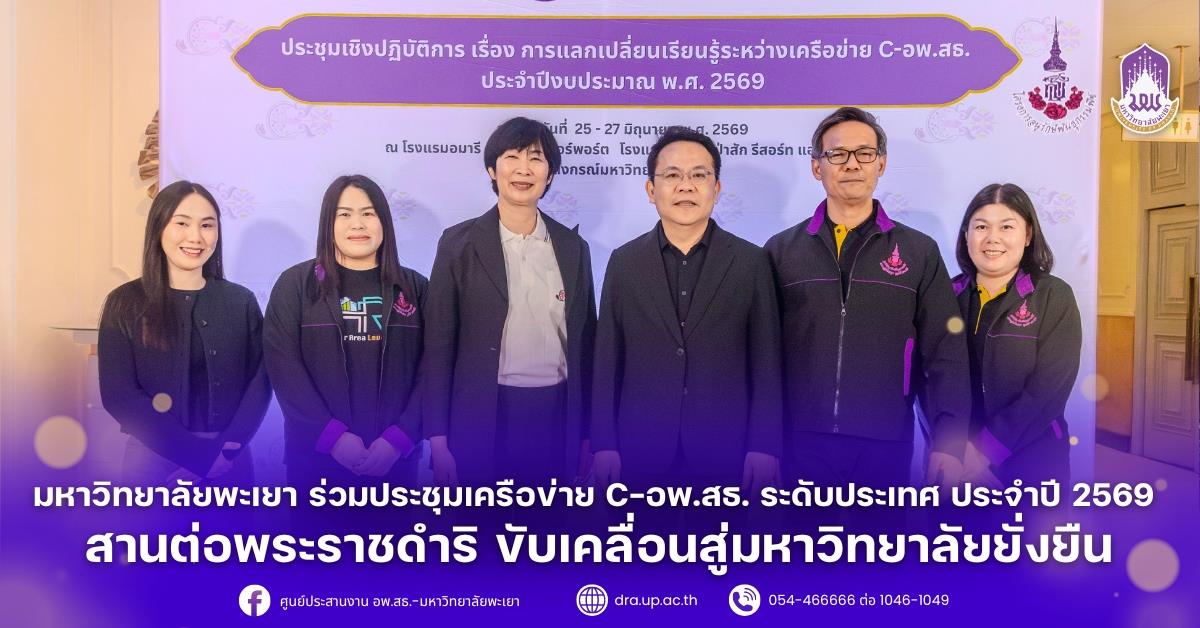
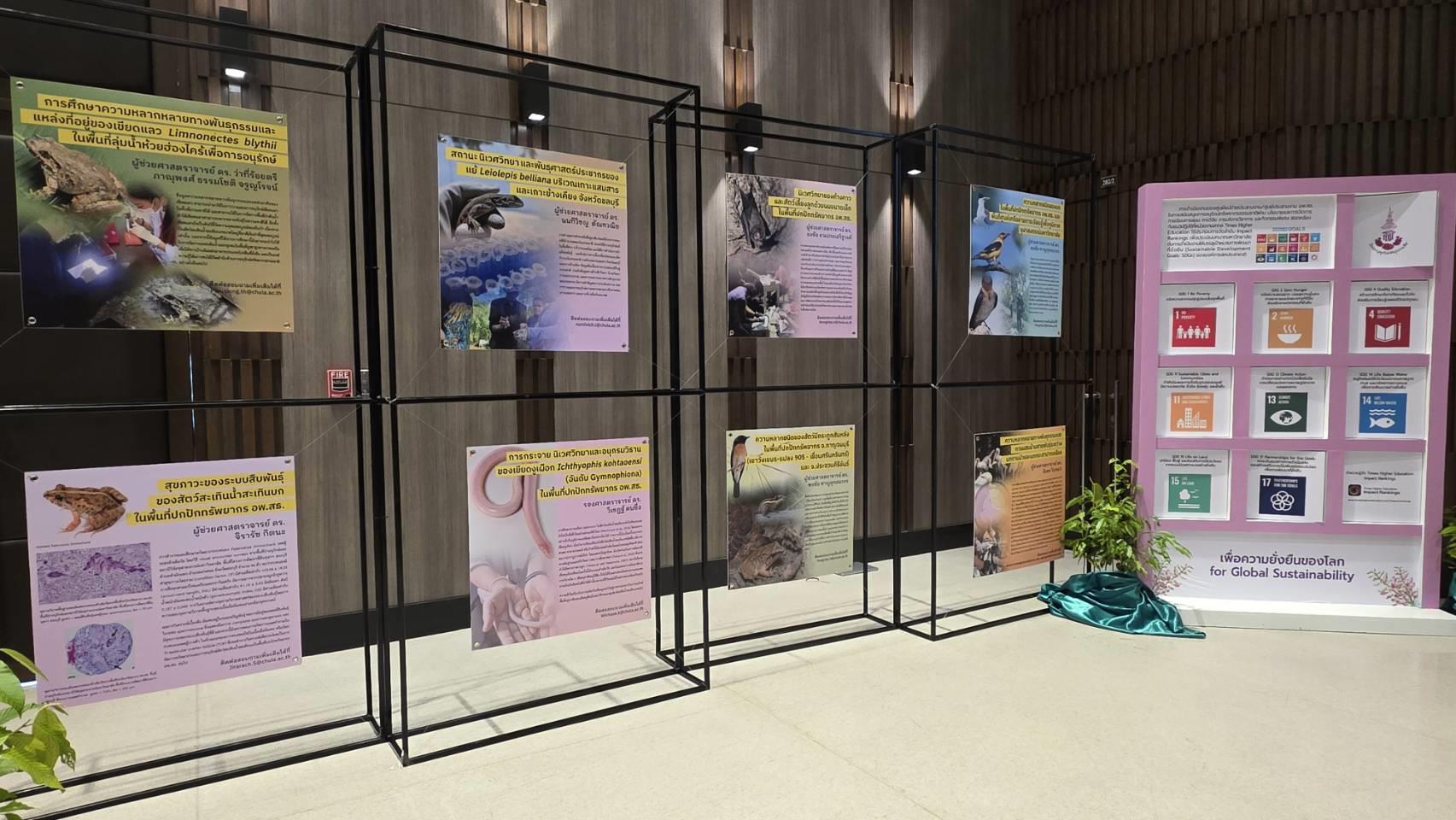
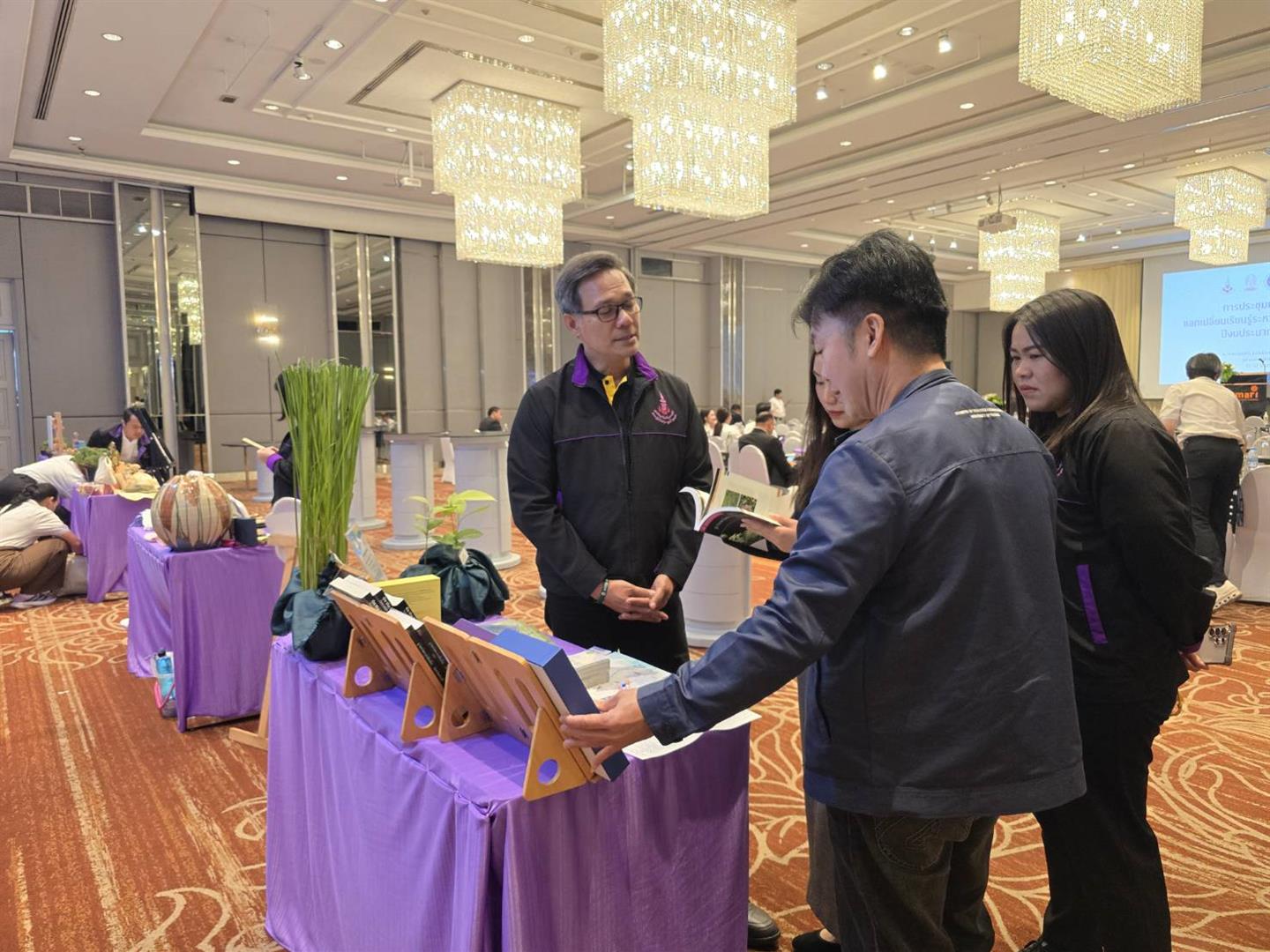
As an active member of the Upper Northern Network of the Plant Genetic Conservation Project Under the Royal Initiative of Her Royal Highness Princess Maha Chakri Sirindhorn (RSPG), University of Phayao has designated in-situ and ex-situ conservation zones on campus. This includes the Orchid Genetic Conservation Area, the preservation of the "Kammok Luang" forest — the university's symbolic native tree — and specialized gene/tissue-culture laboratories and greenhouses managed by the School of Agriculture and Natural Resources and the School of Pharmaceutical Sciences.From June 25 to 27, 2026, University of Phayao, led by Professor Dr. Samer Thanoi, Vice President for Research and Innovation, together with Assistant Professor Dr. Boonrit Sinkangam, Deputy Director of the RSPG Coordination Center, and the working committee, attended the national workshop "Knowledge and Learning Exchange Among the Networks of the Plant Genetic Conservation Project Under the Royal Initiative of Her Royal Highness Princess Maha Chakri Sirindhorn (C-RSPG) for Fiscal Year 2026," held at the Amari Don Muang Airport Hotel, Bangkok, and Chulalongkorn University's Saraburi Campus. The workshop served as a national platform for higher education institutions across Thailand to exchange knowledge, experiences, and best practices, with the objective of collaboratively driving royal initiatives on plant genetic conservation and safeguarding Thailand's natural resources. It also emphasized the integration of research, academic excellence, and community service to ensure sustainable resource conservation and utilization.
Kammok Luang Forest Garden
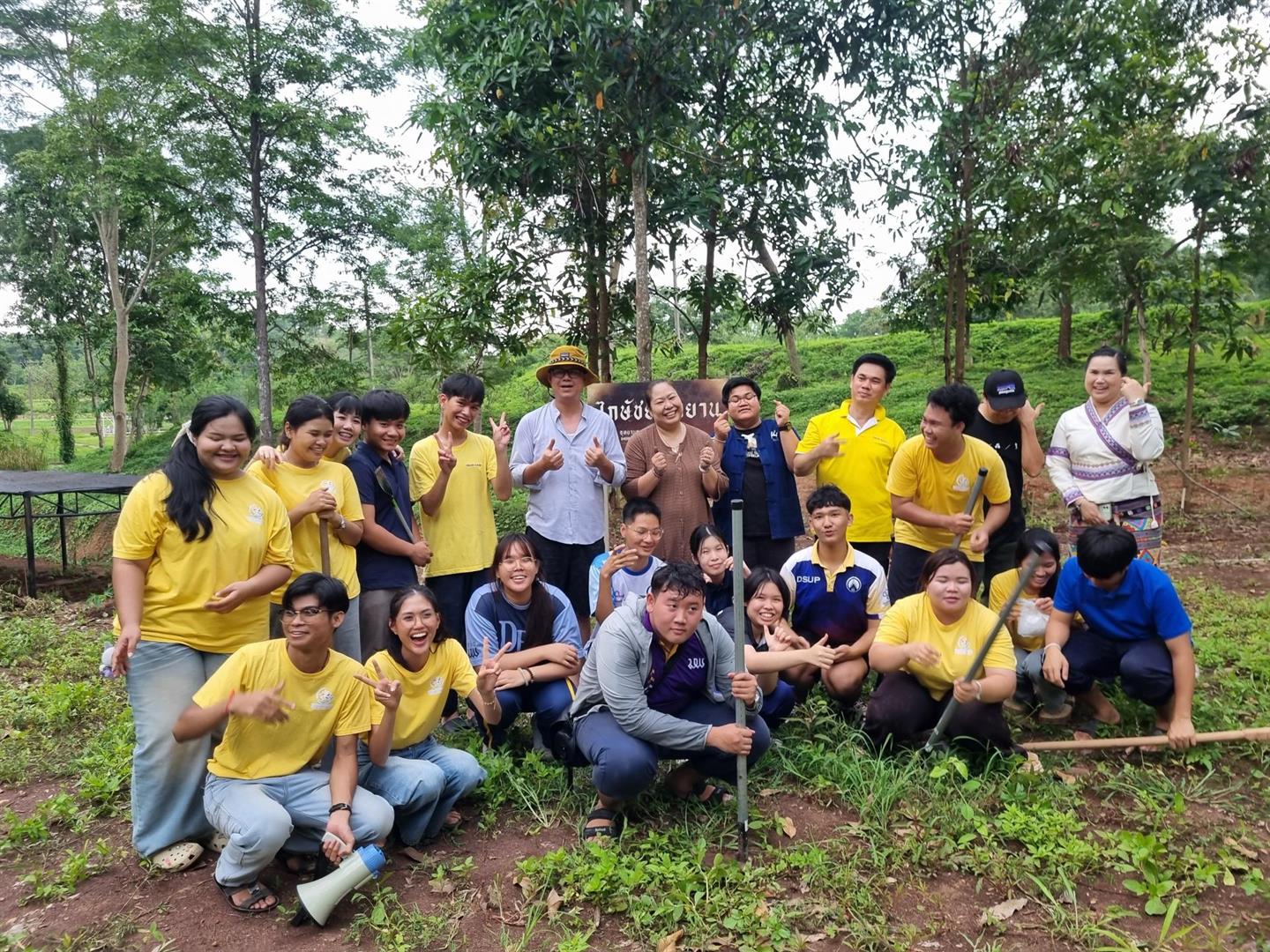
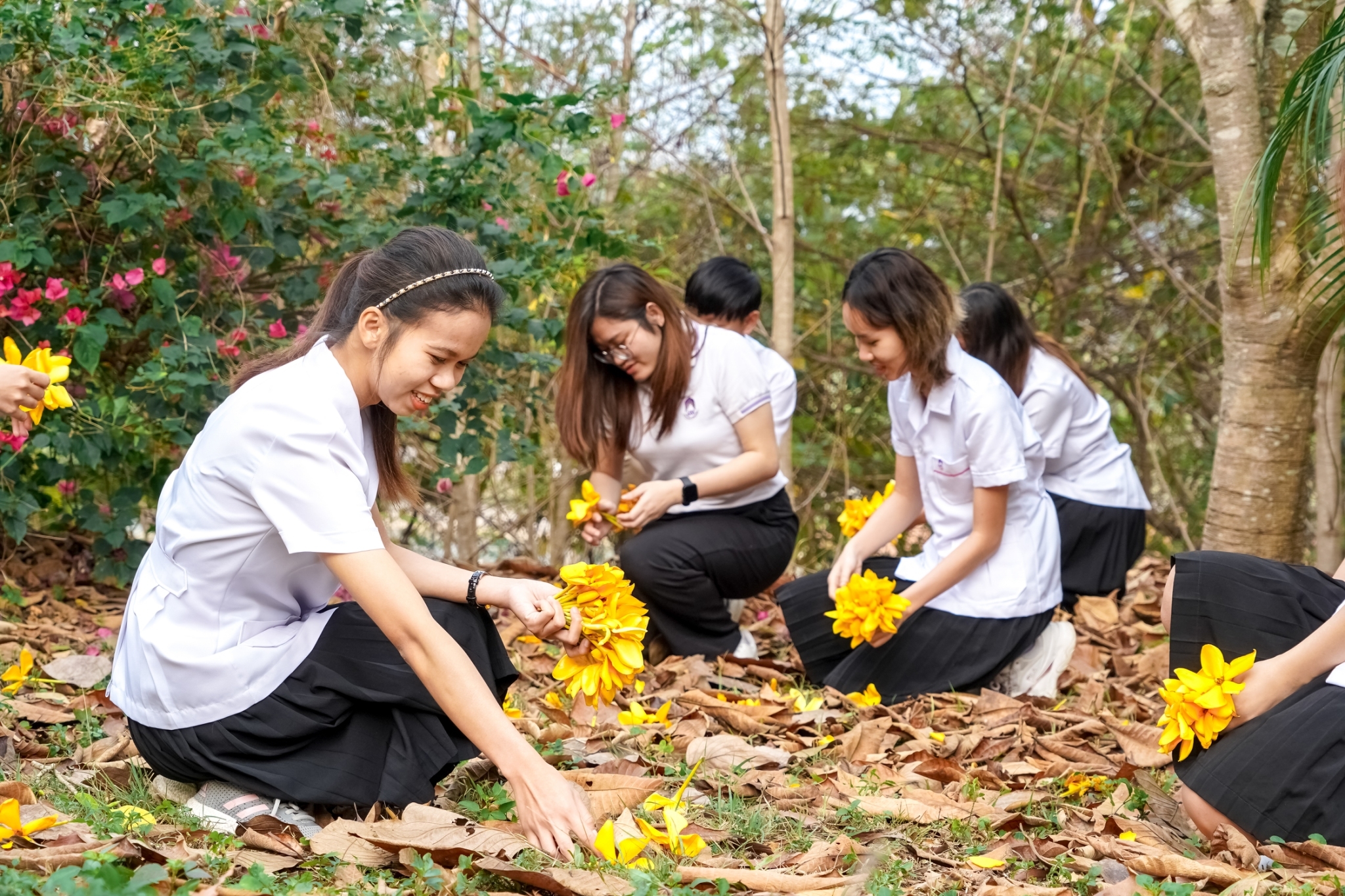
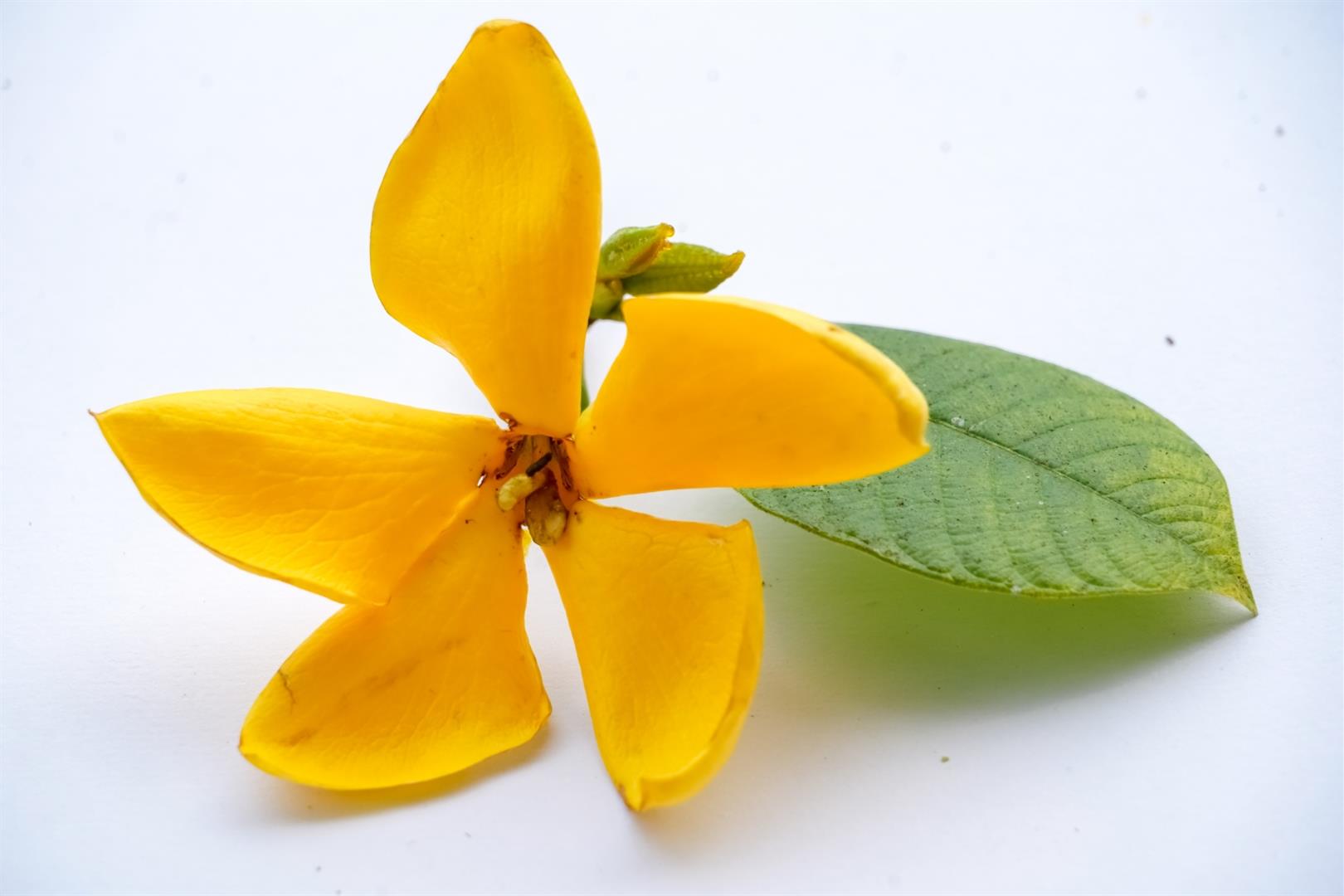
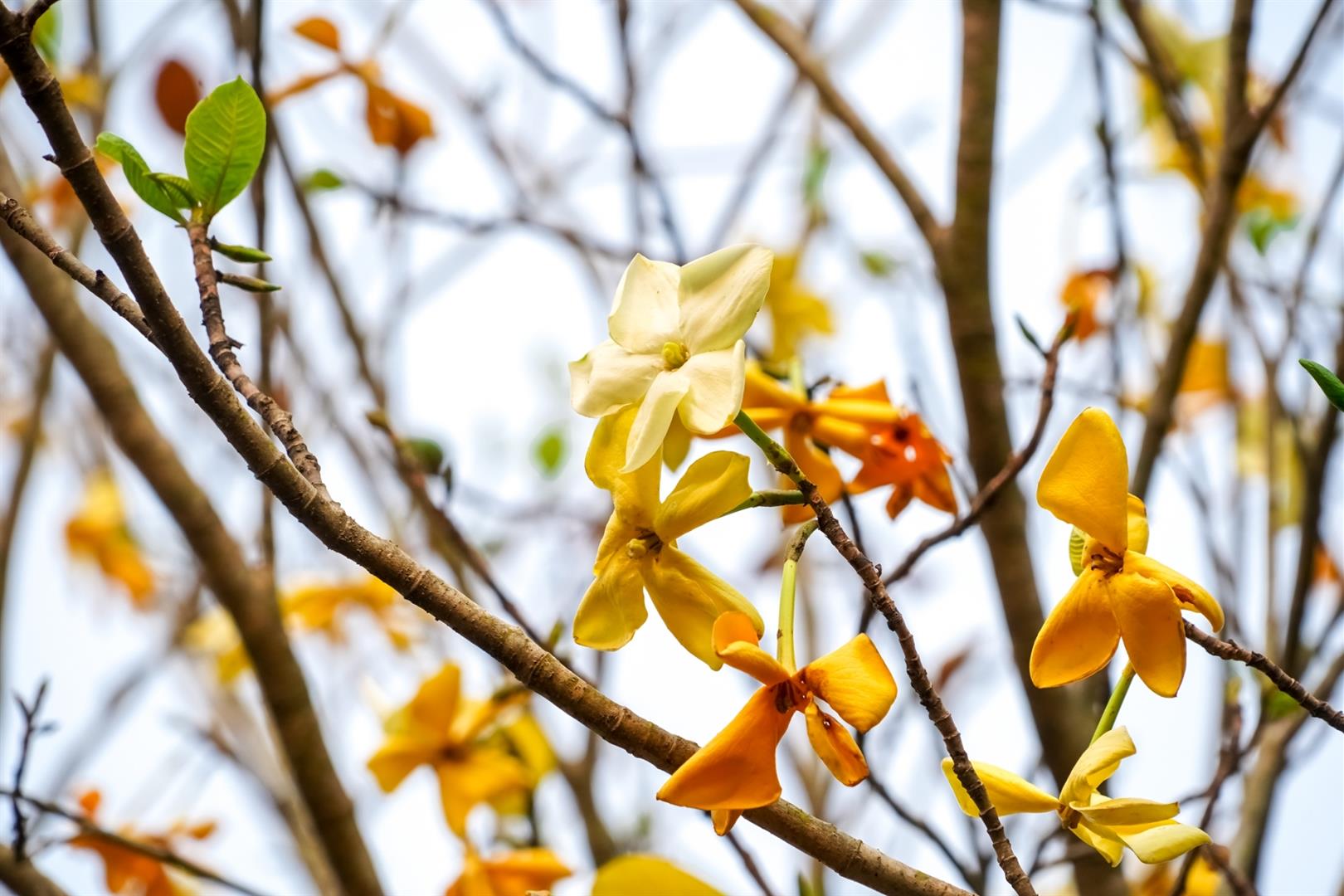
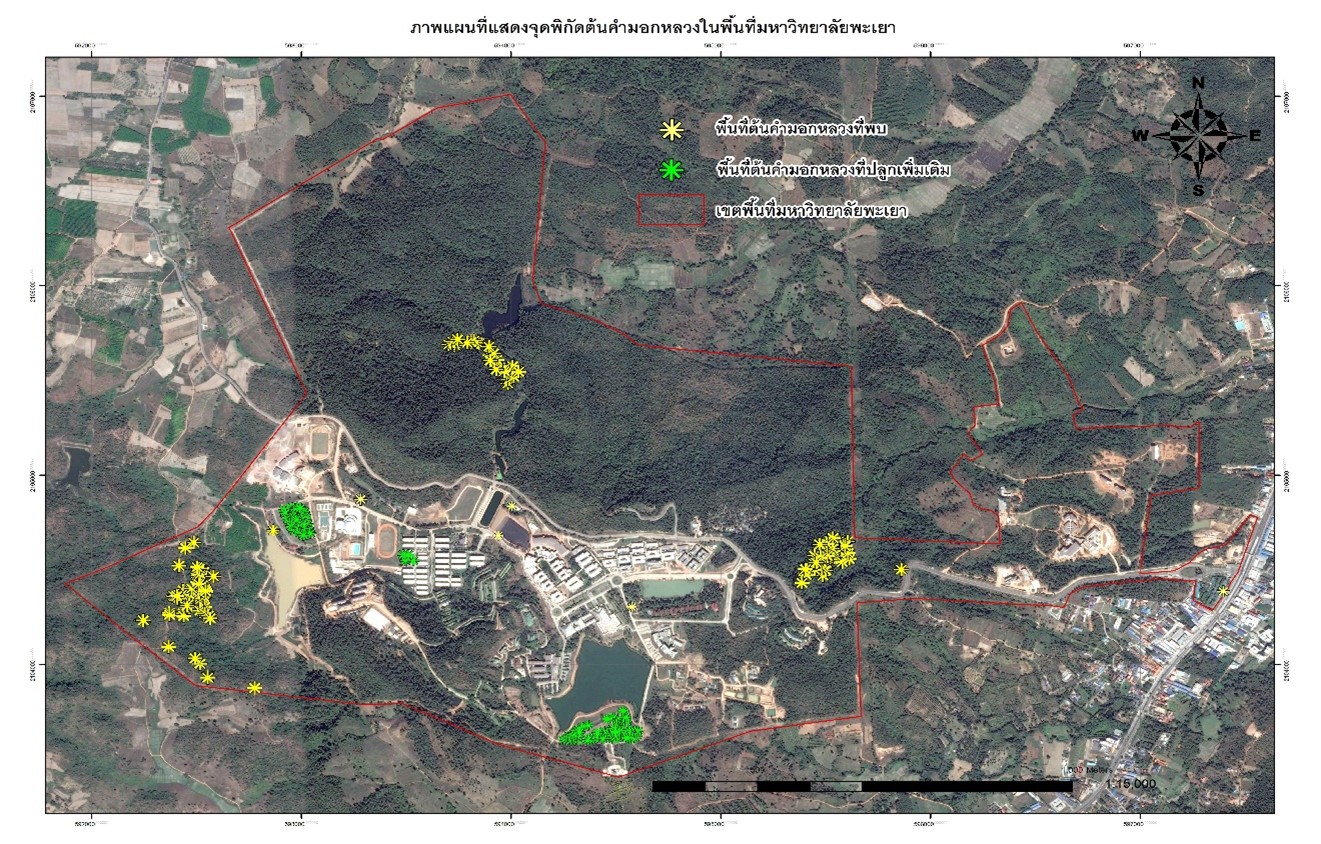
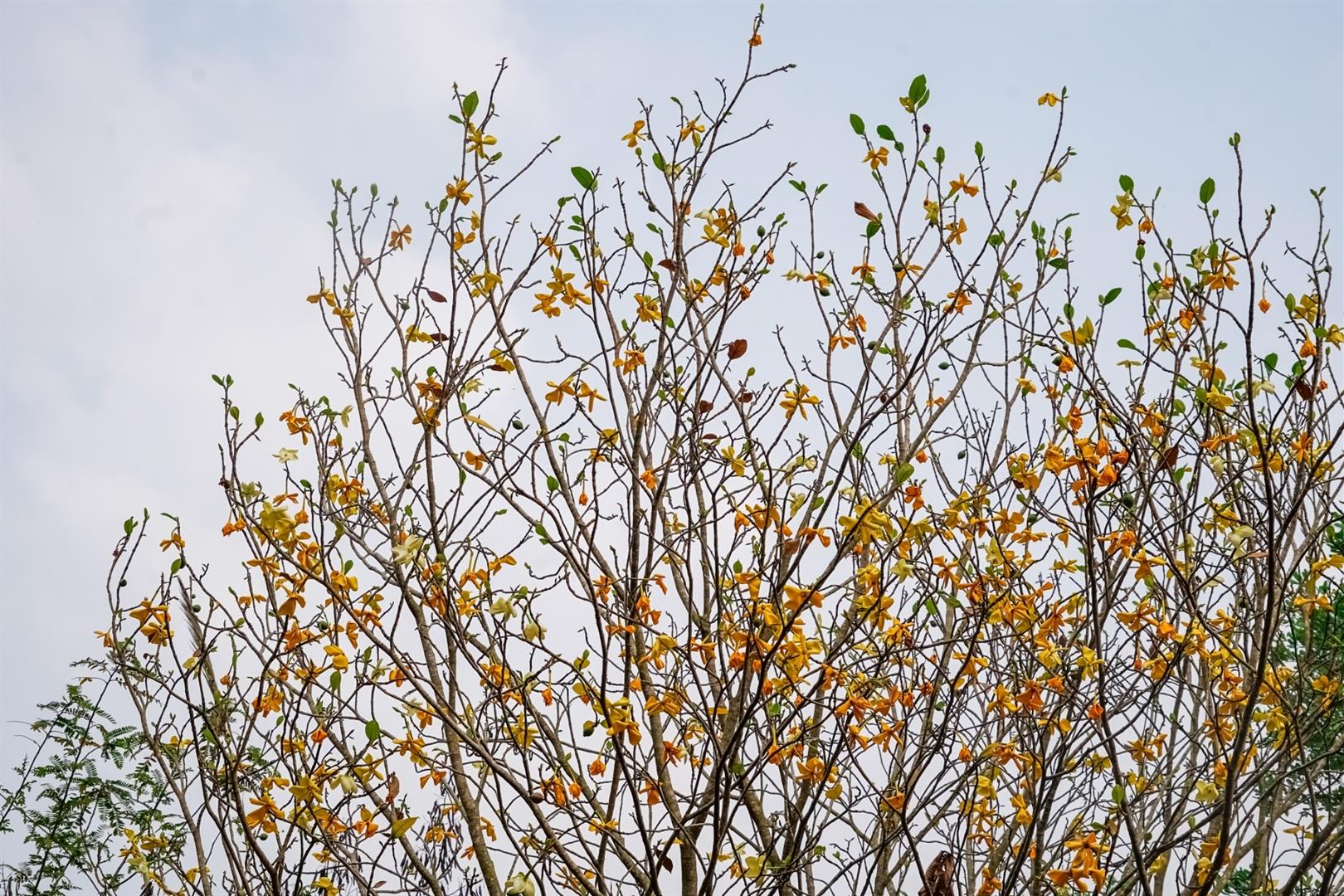
University of Phayao has officially designated a dedicated ecological "Green Zone" within its campus, transforming it into a forested park for both community relaxation and environmental preservation. A primary focus of this initiative is the in-situ and ex-situ conservation and propagation of "Kammok Luang" (Gardenia sootepensis Hutch.), the symbolic native tree of the university, driven in response to the Royal Initiative of the Plant Genetic Conservation Project (RSPG).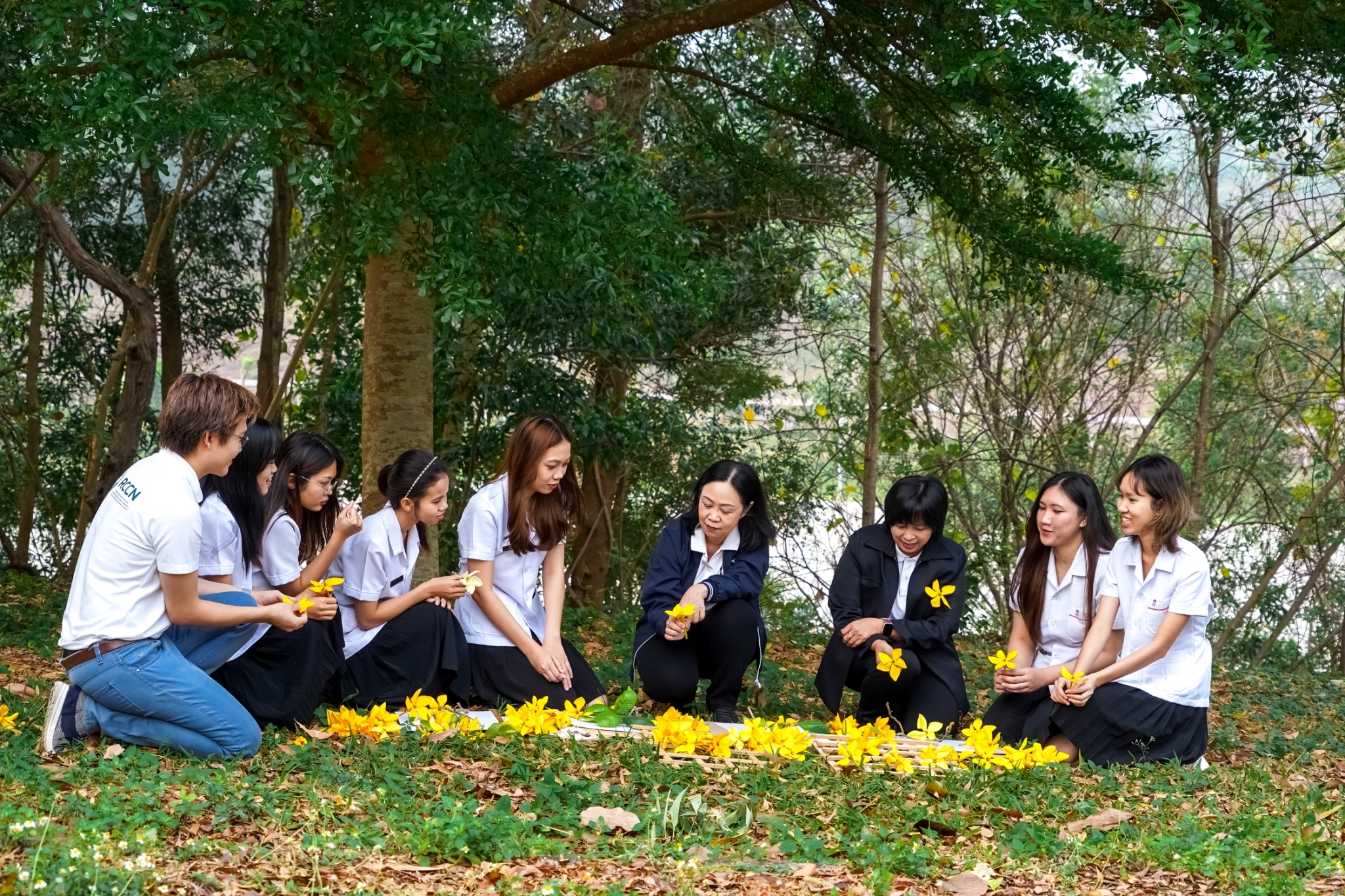
Phai Luang Cotton Garden
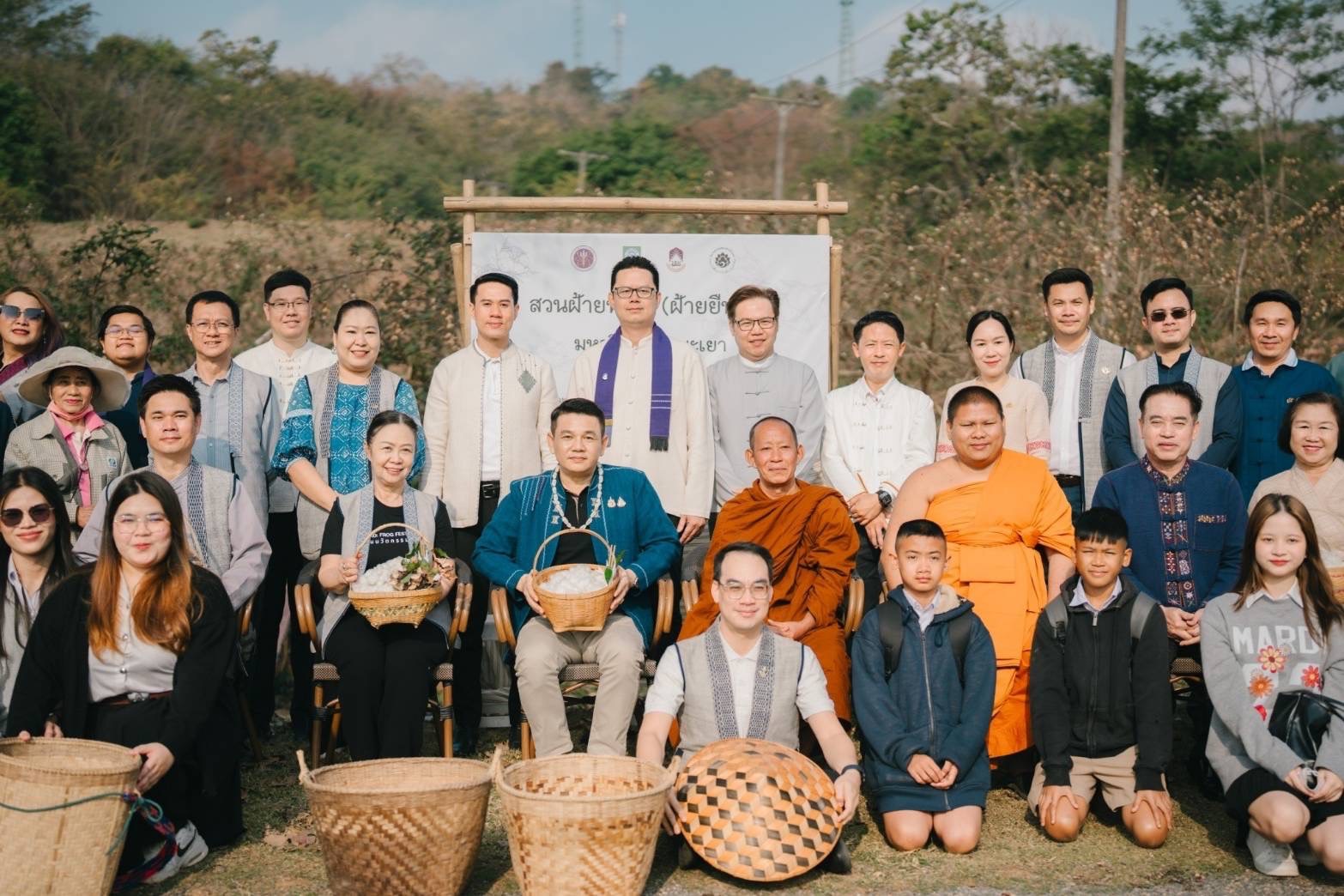
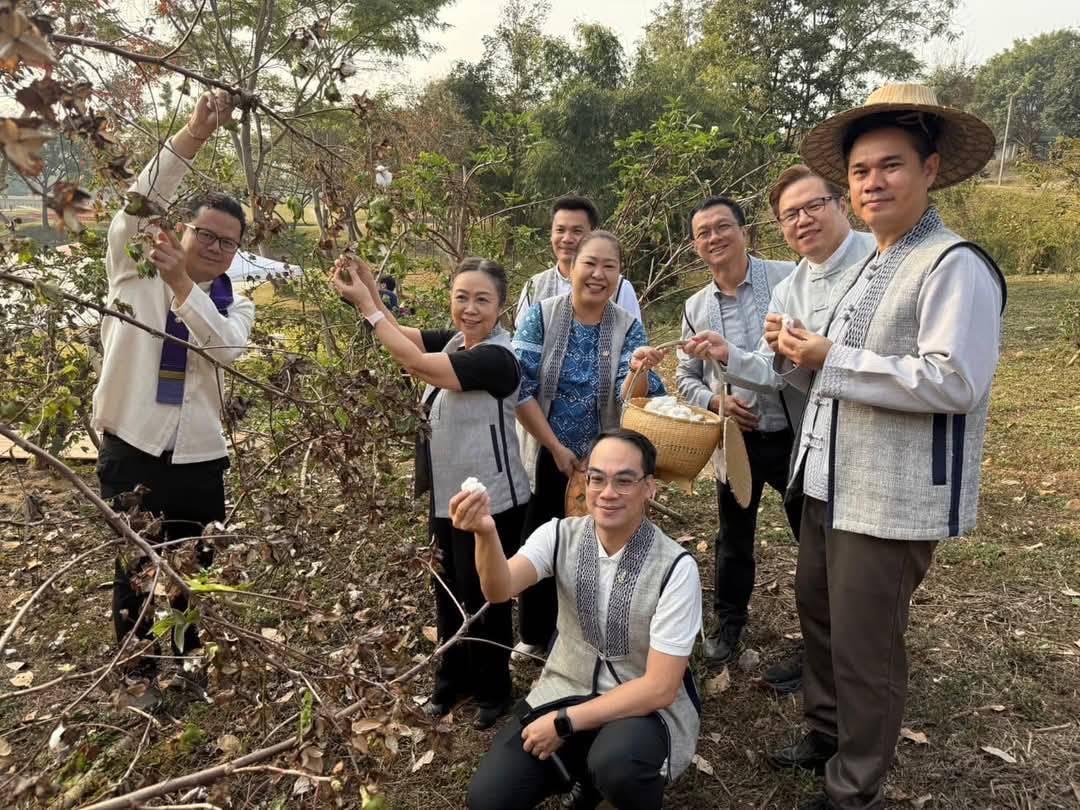
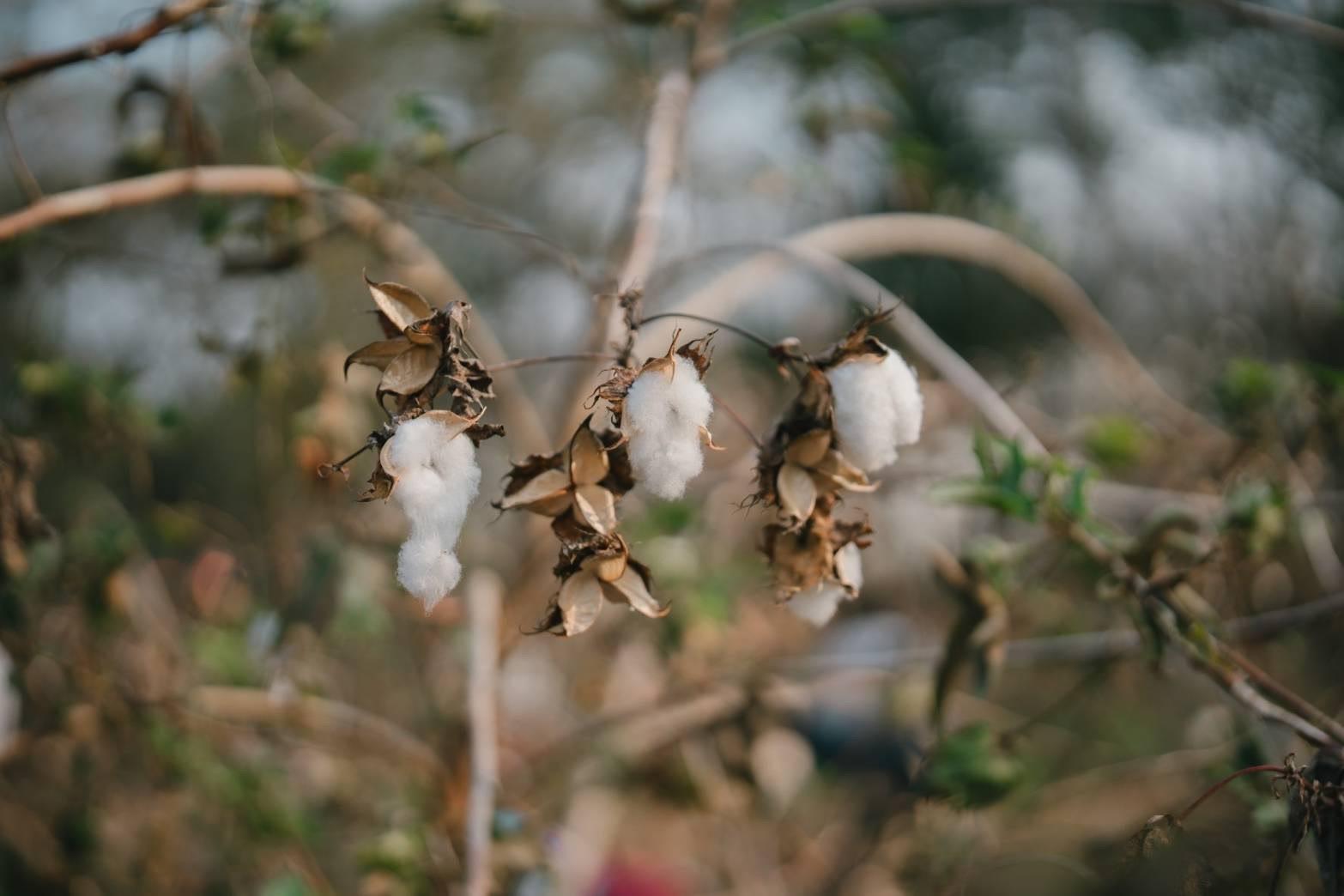
Associate Professor Dr. Supakorn Pongbangpho, President of University of Phayao, presided over the official opening of the "Phai Luang Cotton Garden," co-inaugurated by Mr. Thawat Sutthawong, President of the Phayao Provincial Administrative Organization, and attended by the university's executive team, staff, students, and local community networks. The garden is a strategic collaboration between the Division of Student Affairs and the research project "Research and Development of Phai Luang Cotton for Income Generation and Community Sustainability," fully funded and supported by the National Research Council of Thailand (NRCT).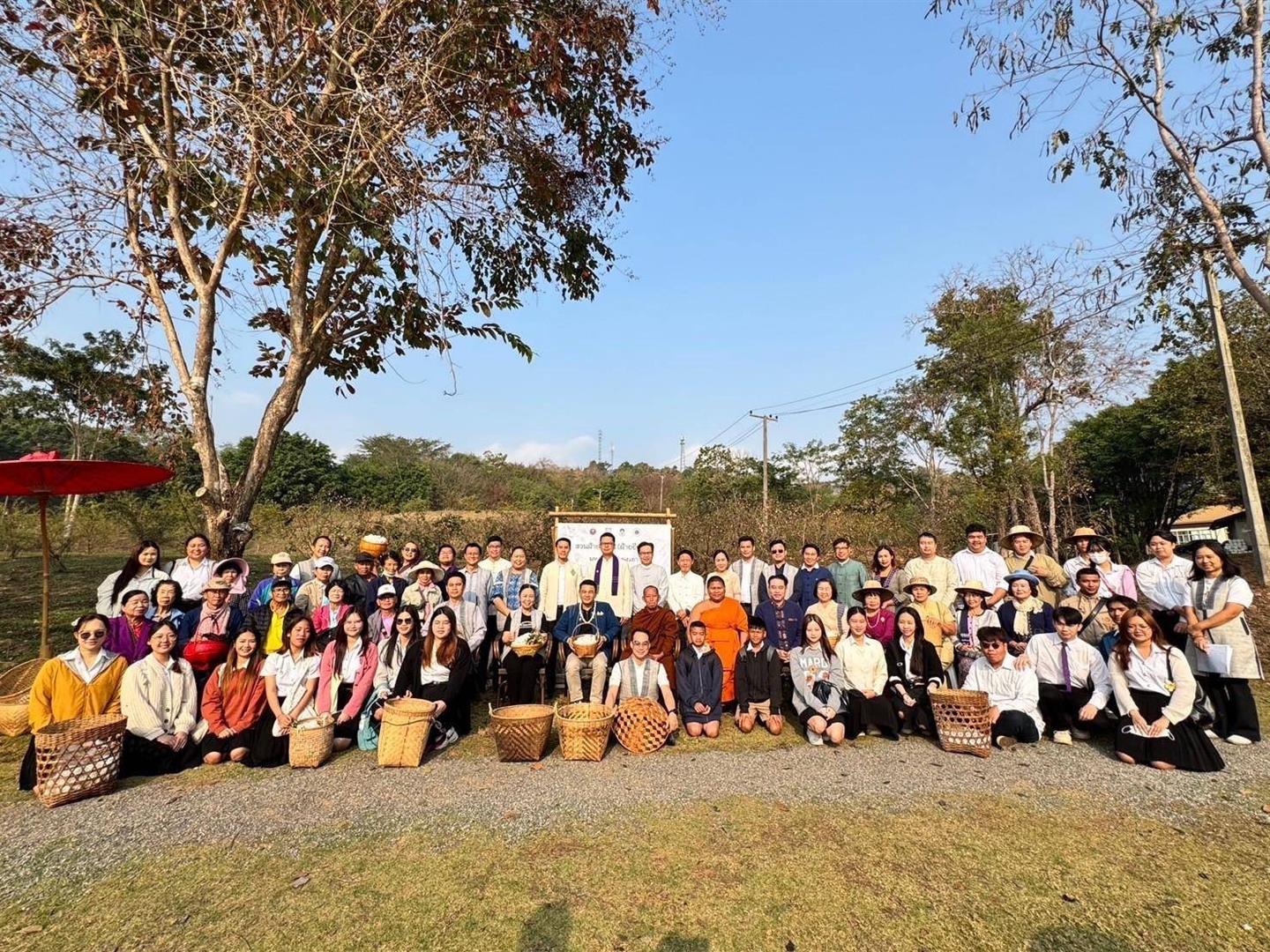
Animal & Wildlife Conservation
Thai Green Peacock Sanctuary
The university campus serves as a vital natural habitat for the endangered Thai Green Peacock (Pavo muticus). University of Phayao has established the "Thai Peacock and Wildlife Conservation Forest" to safeguard their nesting and foraging grounds, working in tandem with local communities under the "Peacock and Forest Conservation Network" to monitor and protect wildlife population genetics.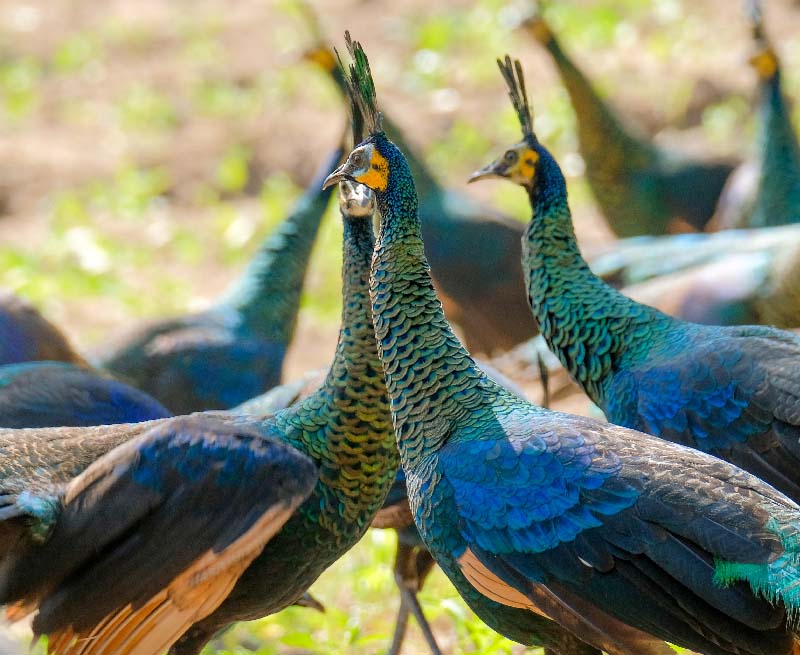
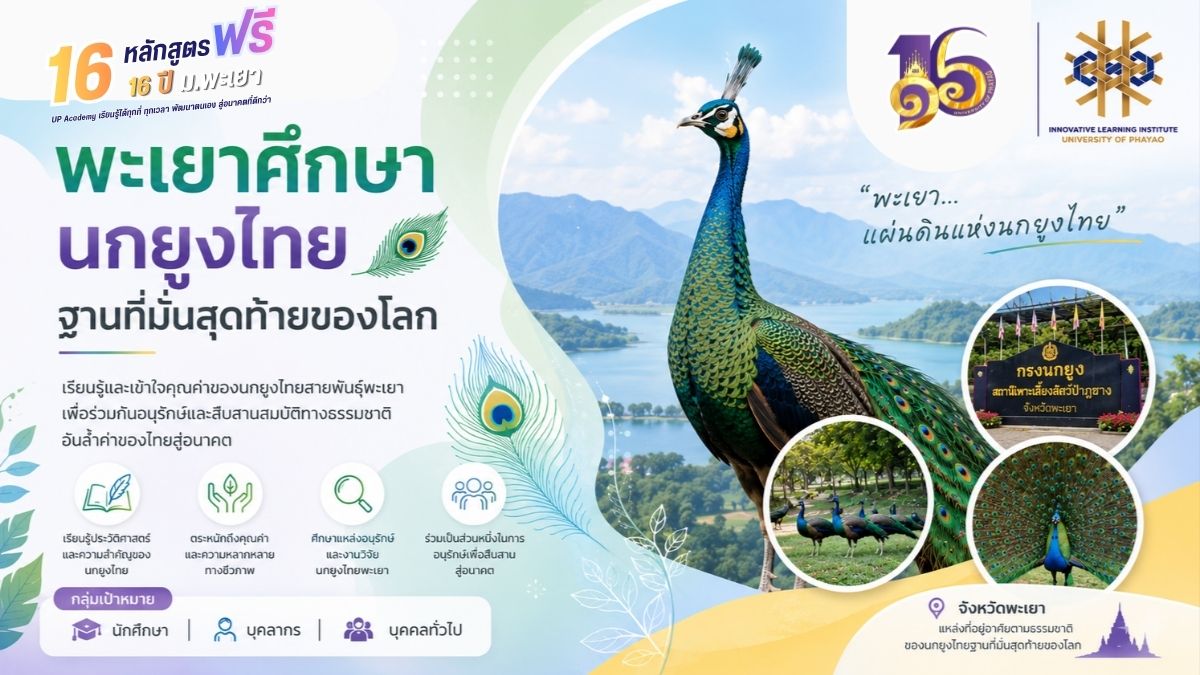
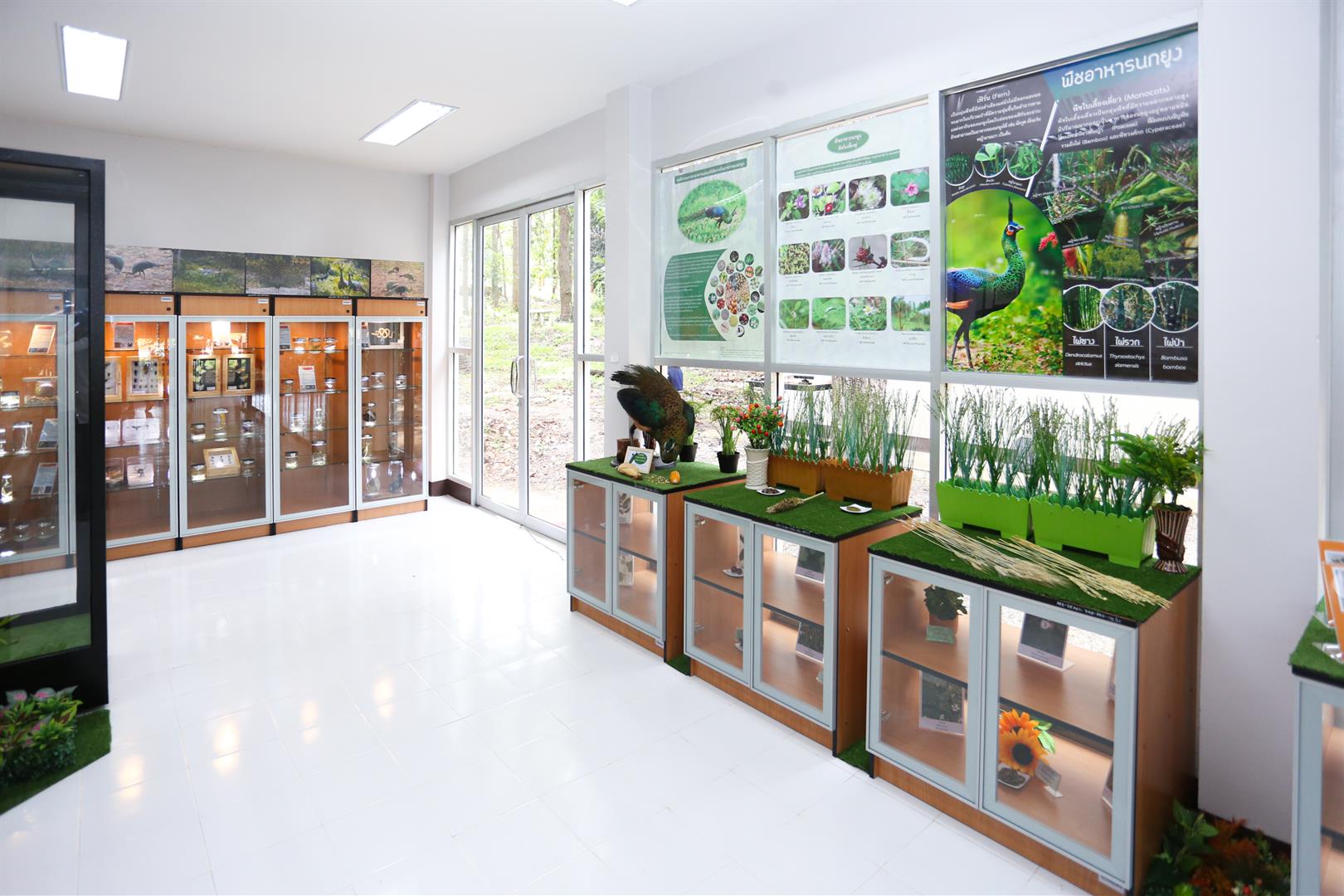
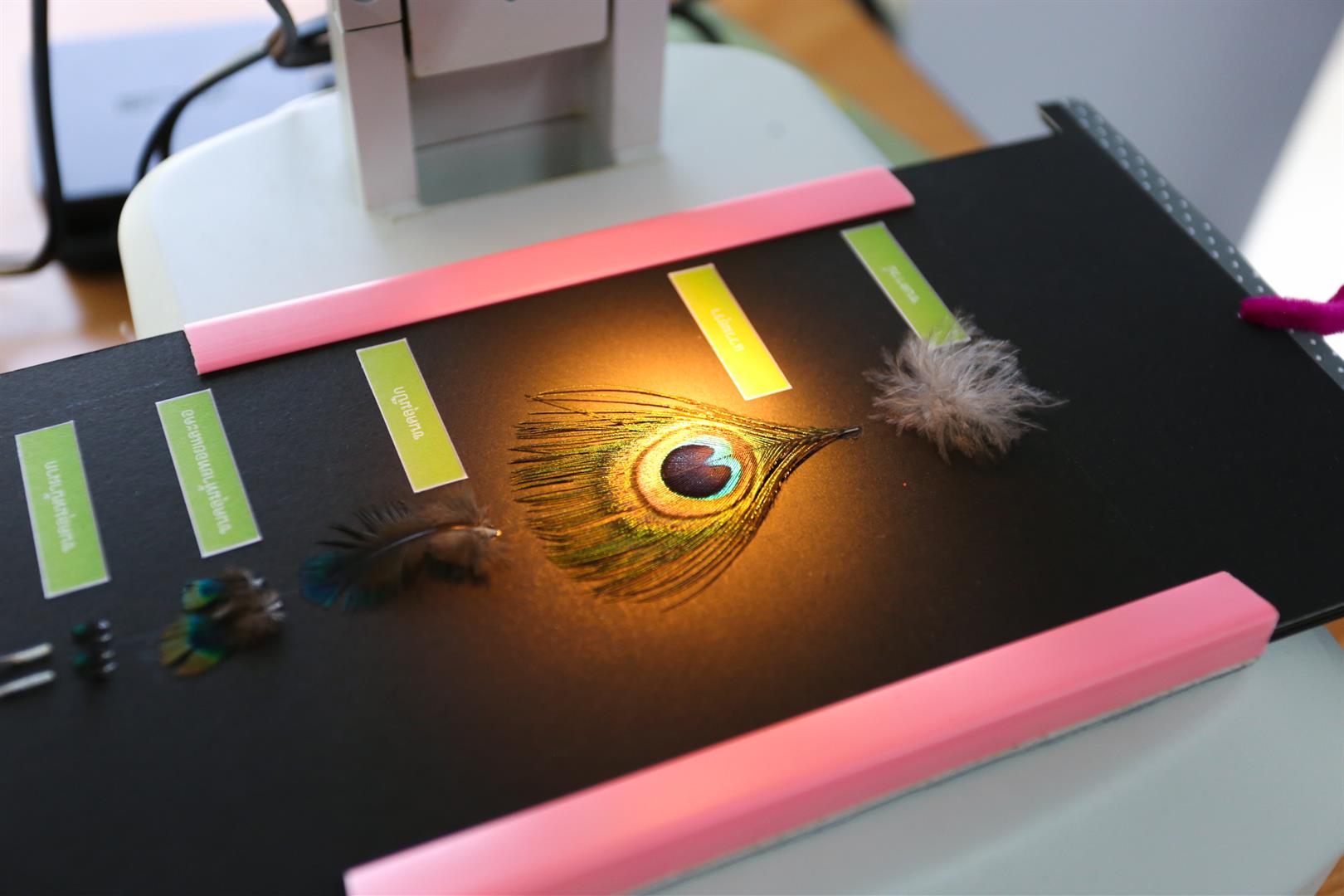
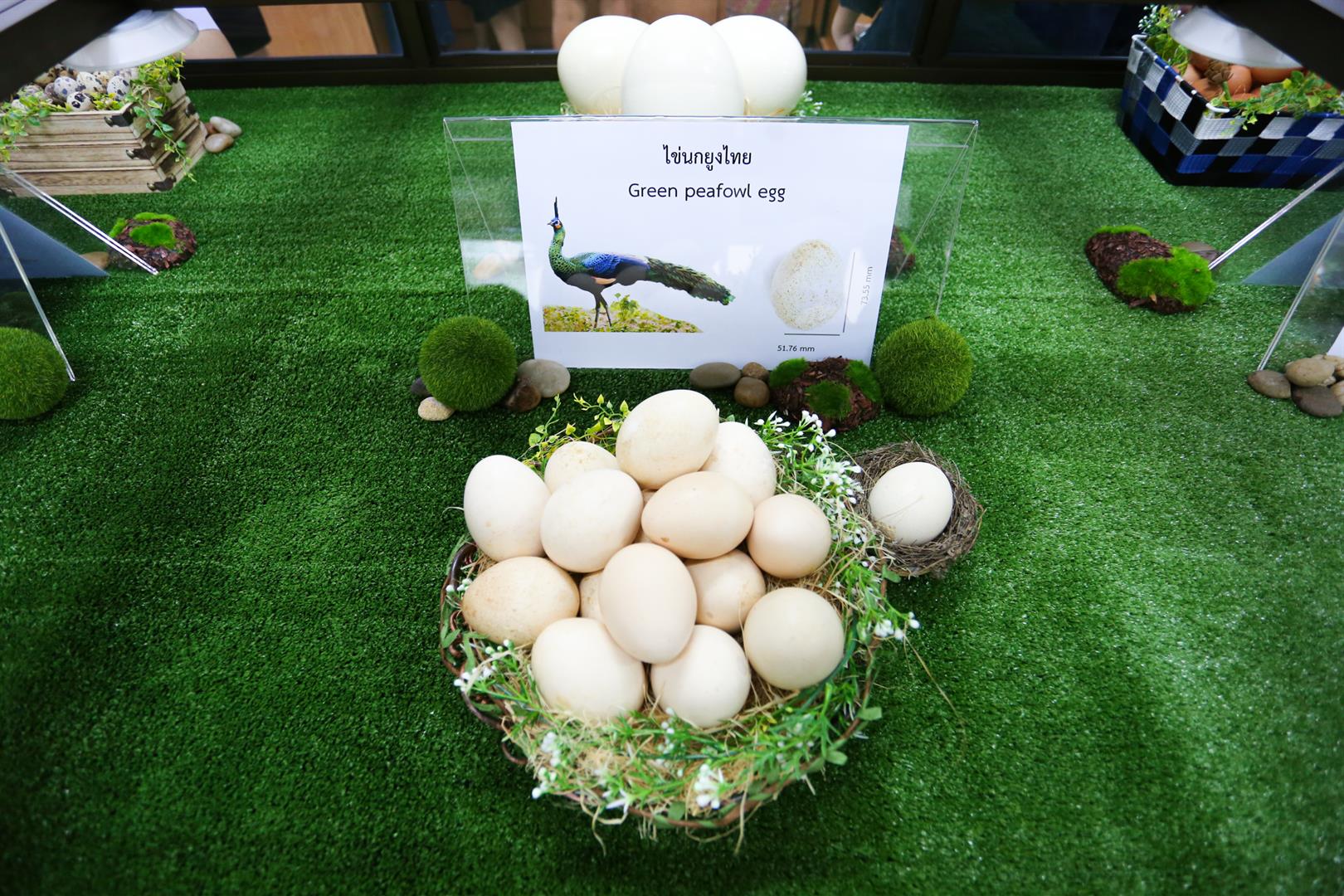
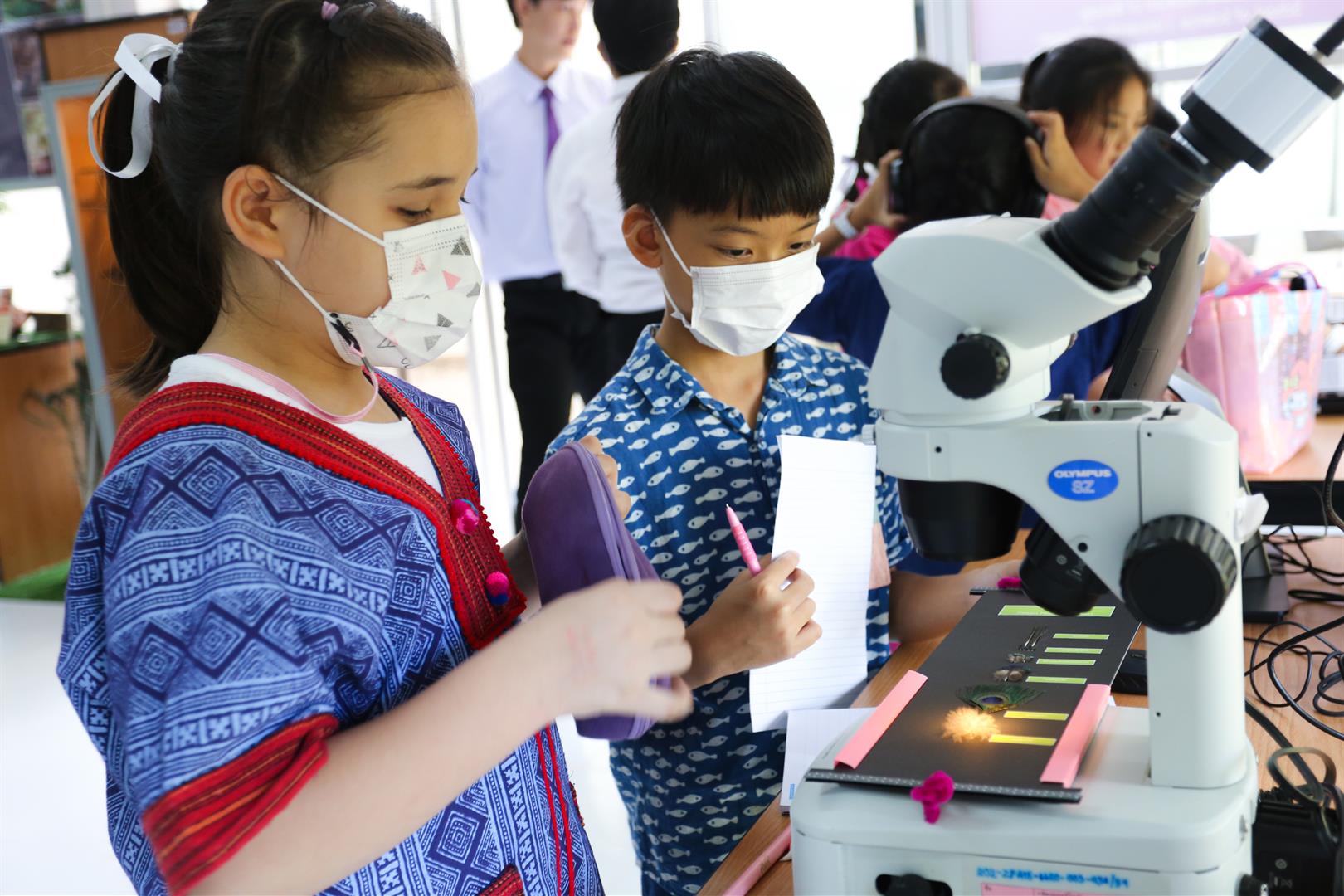
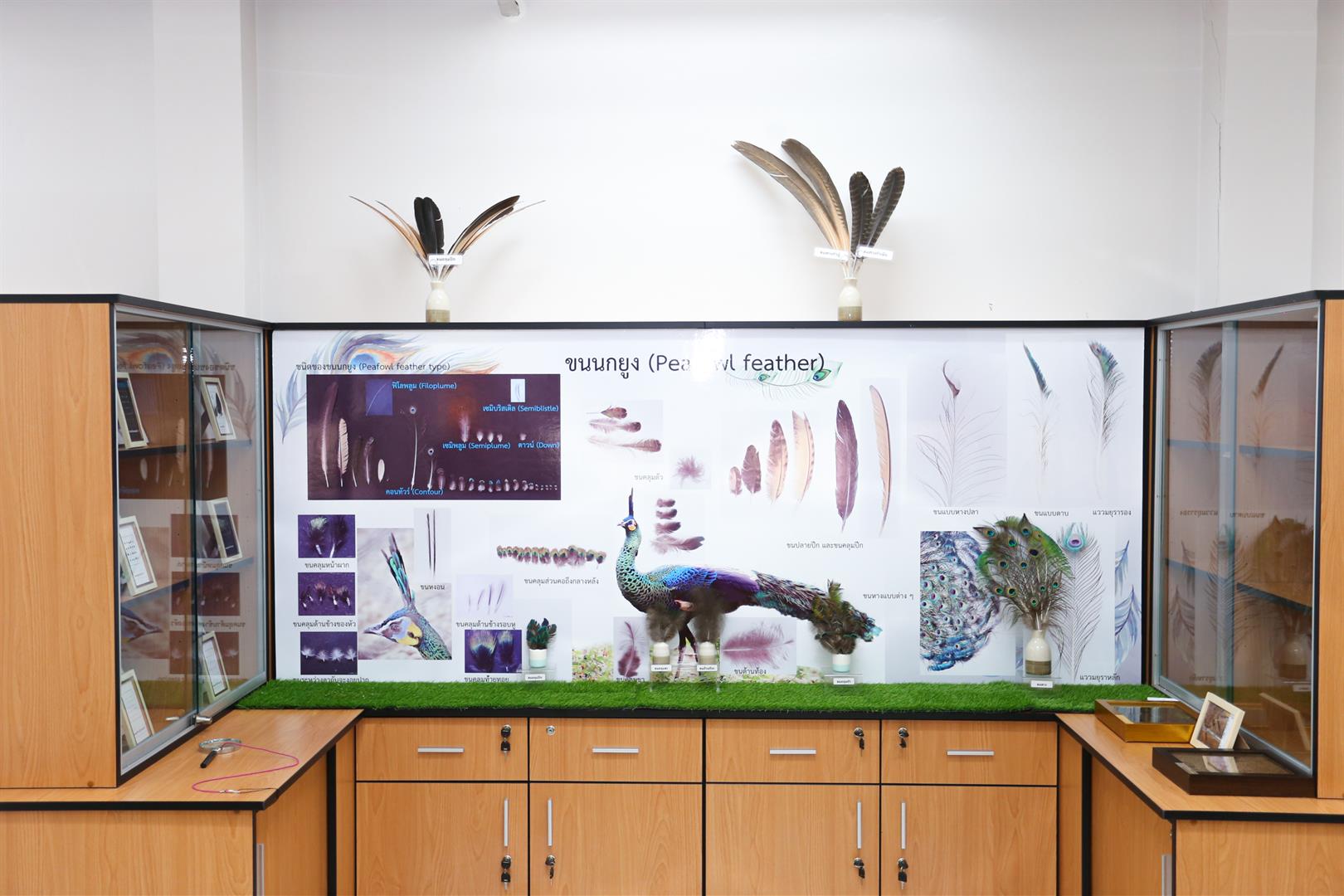
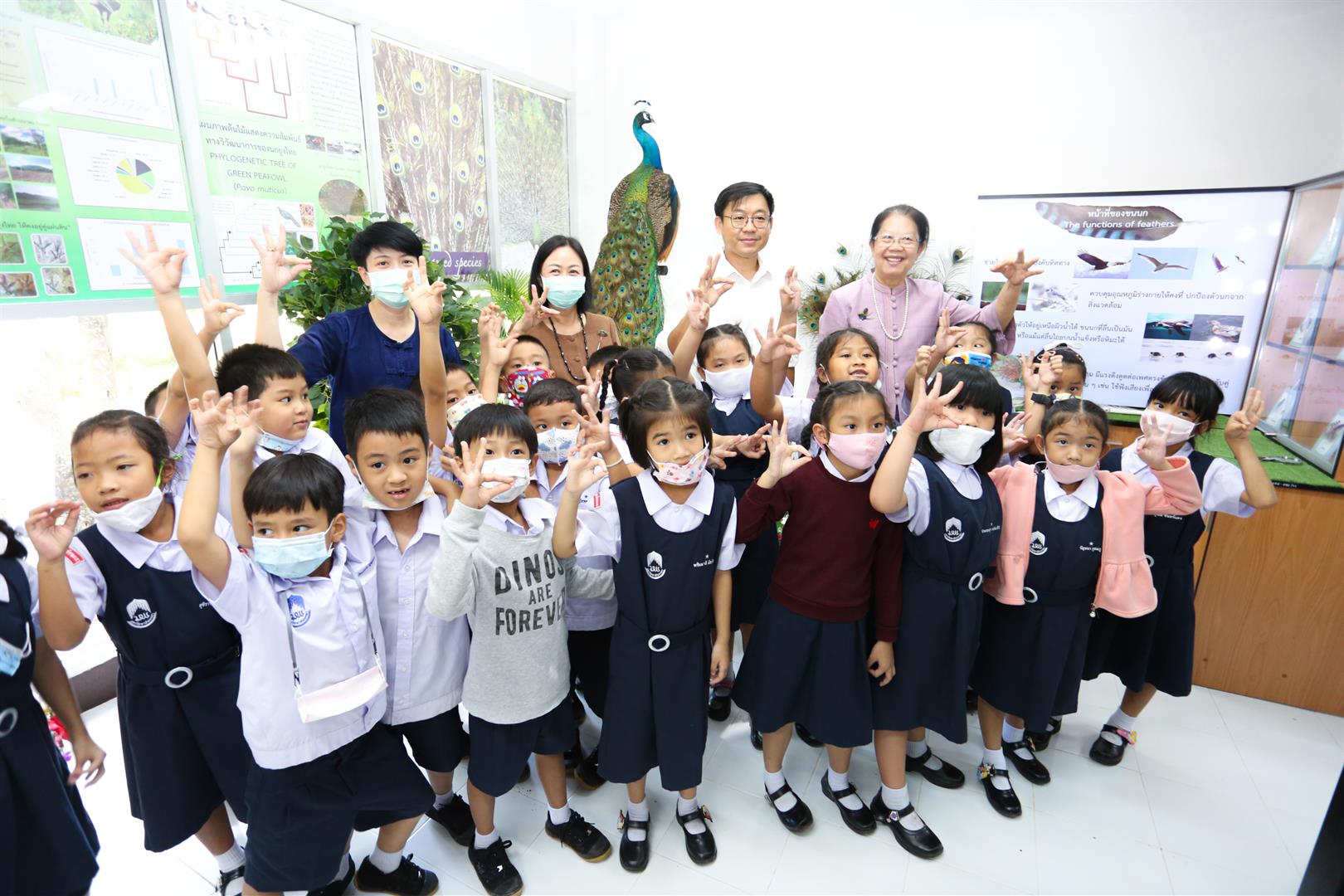
- Education and conservation through DNA studies, leading to the conservation of authentic Green Peafowl species and conservation guidelines by cultivating both in habitat and outside the habitat.
- Promoting the community economy from bio-based knowledge — extending biological knowledge that is valuable in academics to create economic value, bringing well-being to humans and Green Peafowl living together in a caring and sustainable way.
- Preserving arts and culture as an intellectual asset leading to a creative economy of cultural tourism alongside environmental conservation, drawing on Green Peafowl's role in the civilization of various ethnic groups in Asia to support the conservation of Thai peacocks for sustainability.
The Silence of the Frogs: Ueng Phao Bank
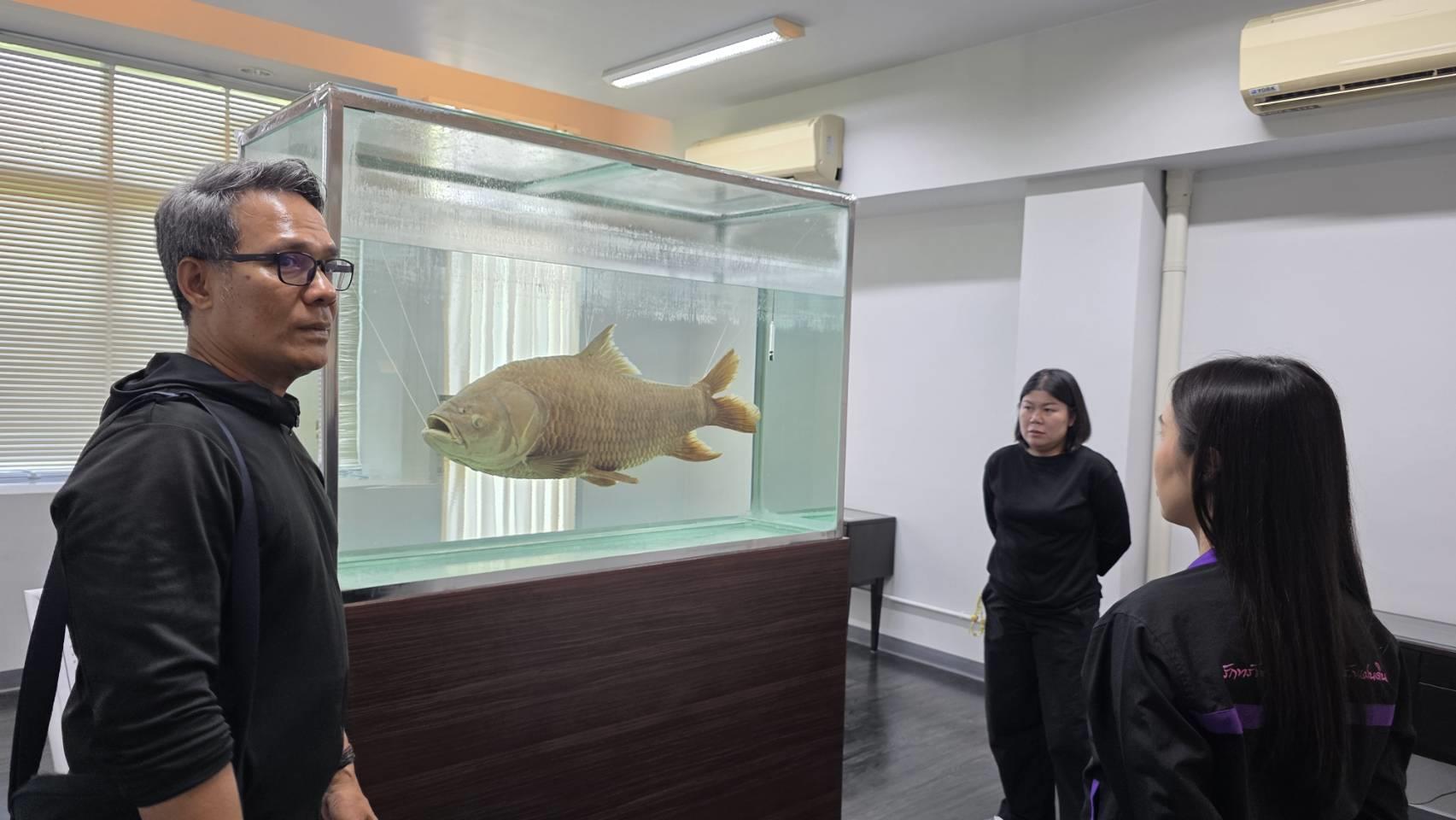
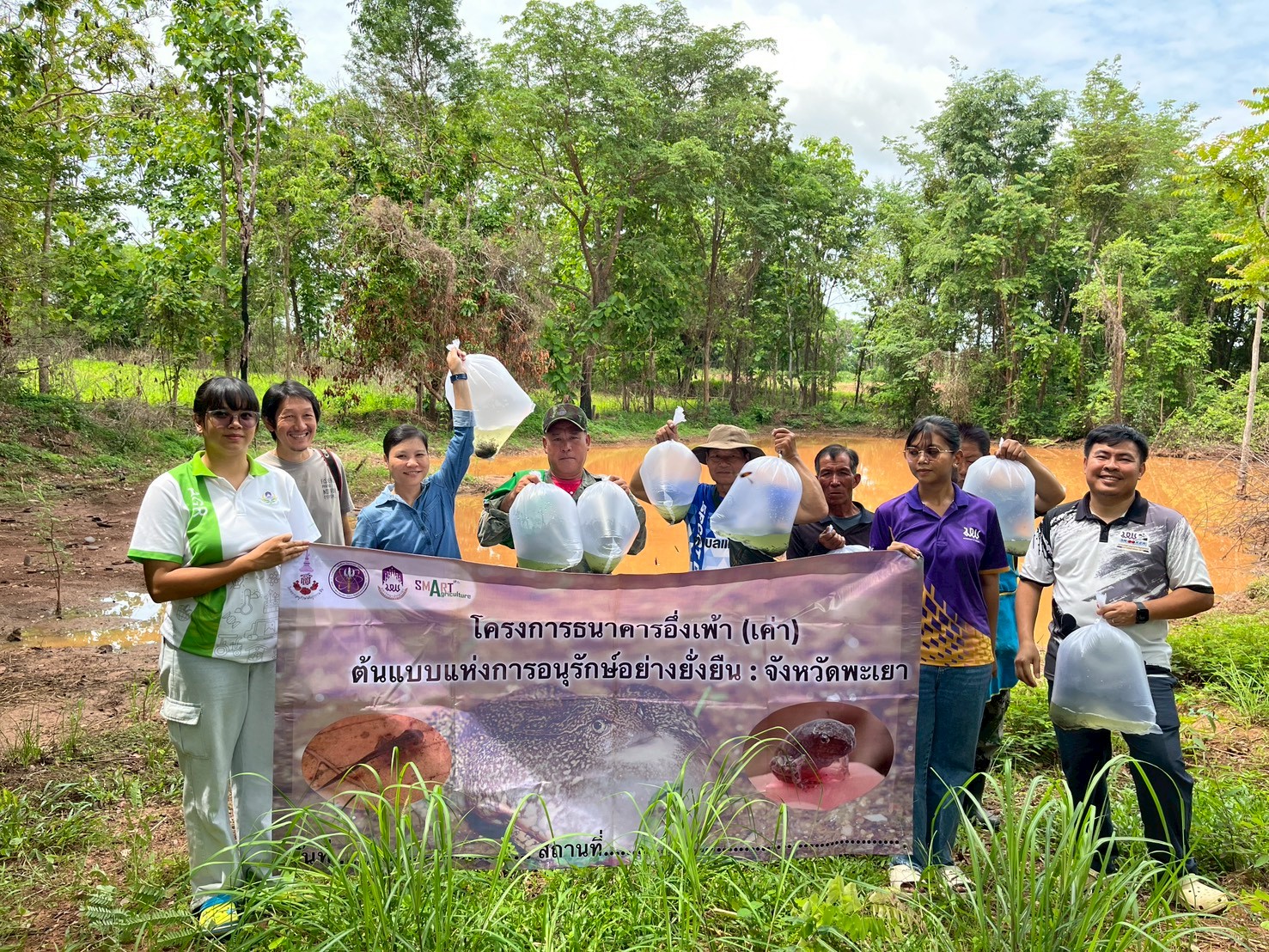
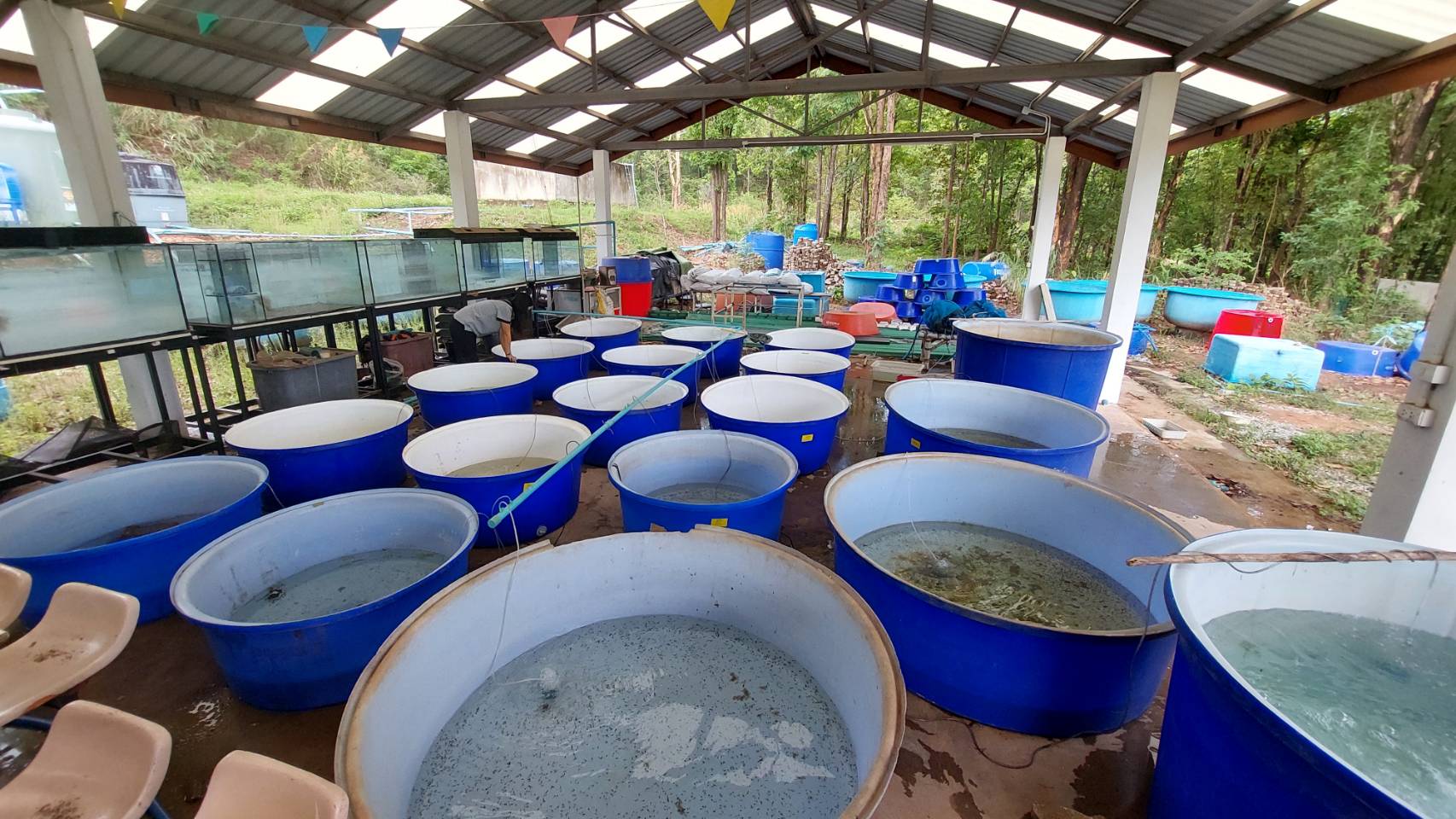
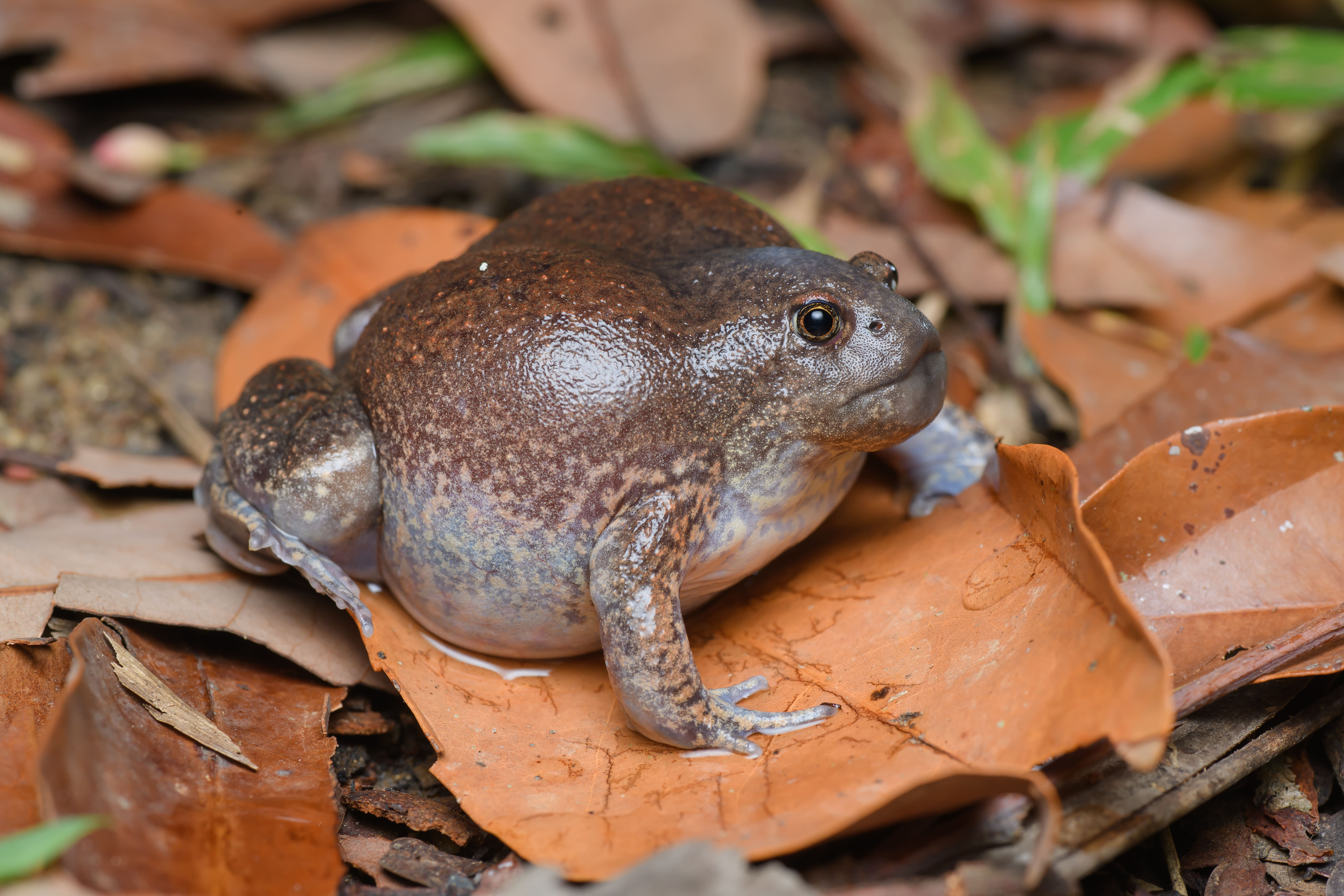
The School of Agriculture and Natural Resources has worked on frog conservation for over eight years. The "Ueng Phao Bank" project, led by Assistant Professor Kriengkrai Seetapan and the Fisheries Technology and Innovation team, operates under the royal initiative of Her Royal Highness Princess Maha Chakri Sirindhorn (RSPG Project) to bring frogs back together with the communities who depend on them. Villagers collect breeding pairs of Ueng Phao from their own community forests and bring them to the university, where researchers breed the frogs in controlled conditions and raise the tadpoles to healthy juveniles before releasing them back into the exact community forest their parents came from.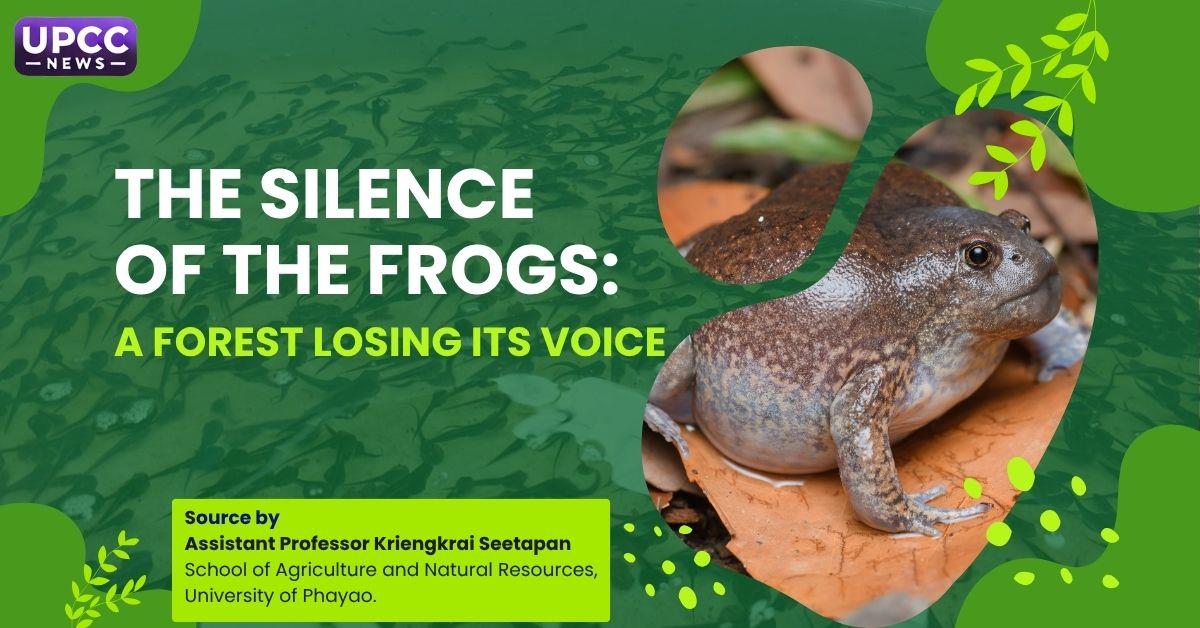
Waterfowl and Aquatic Weed Management
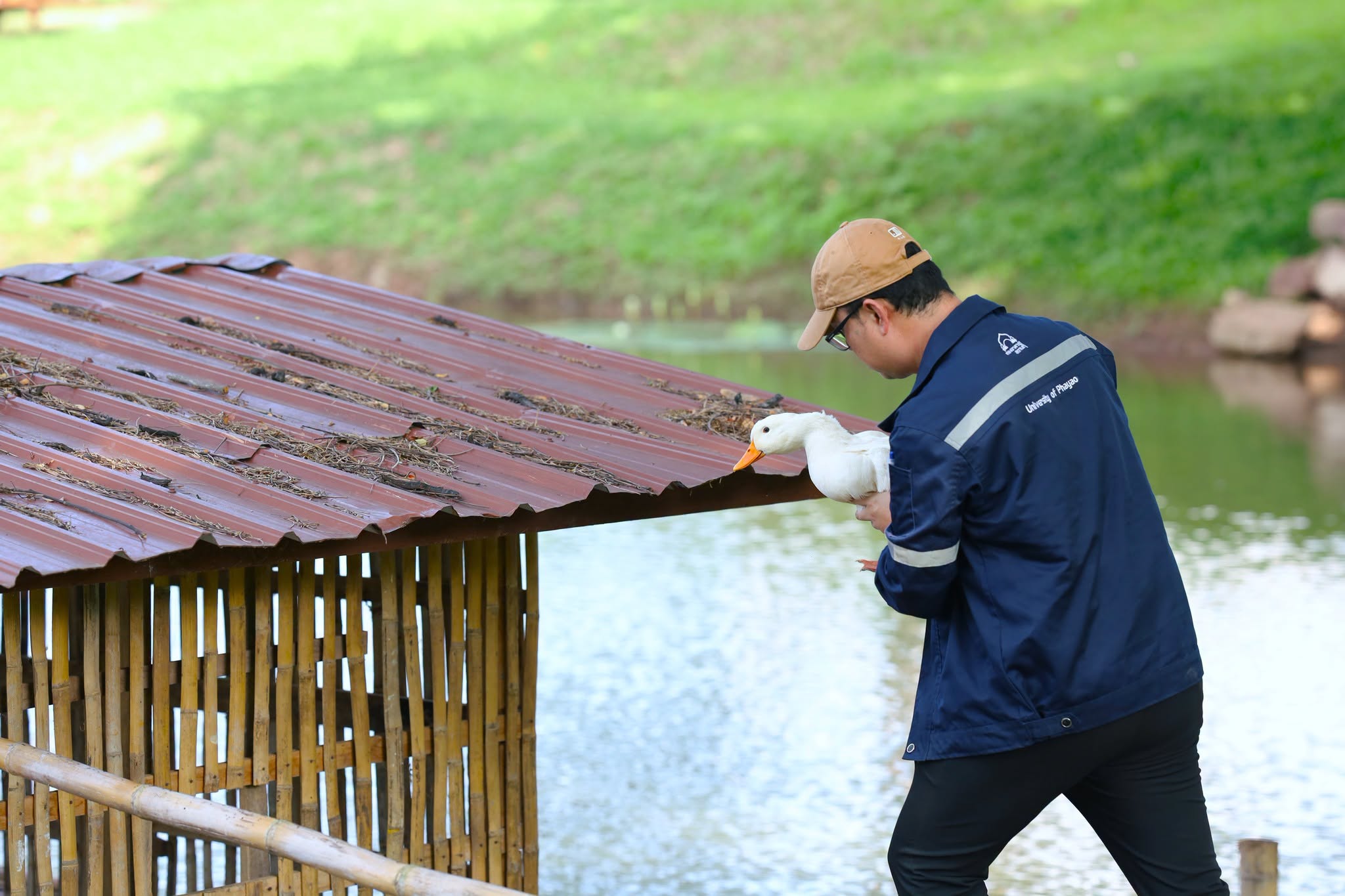
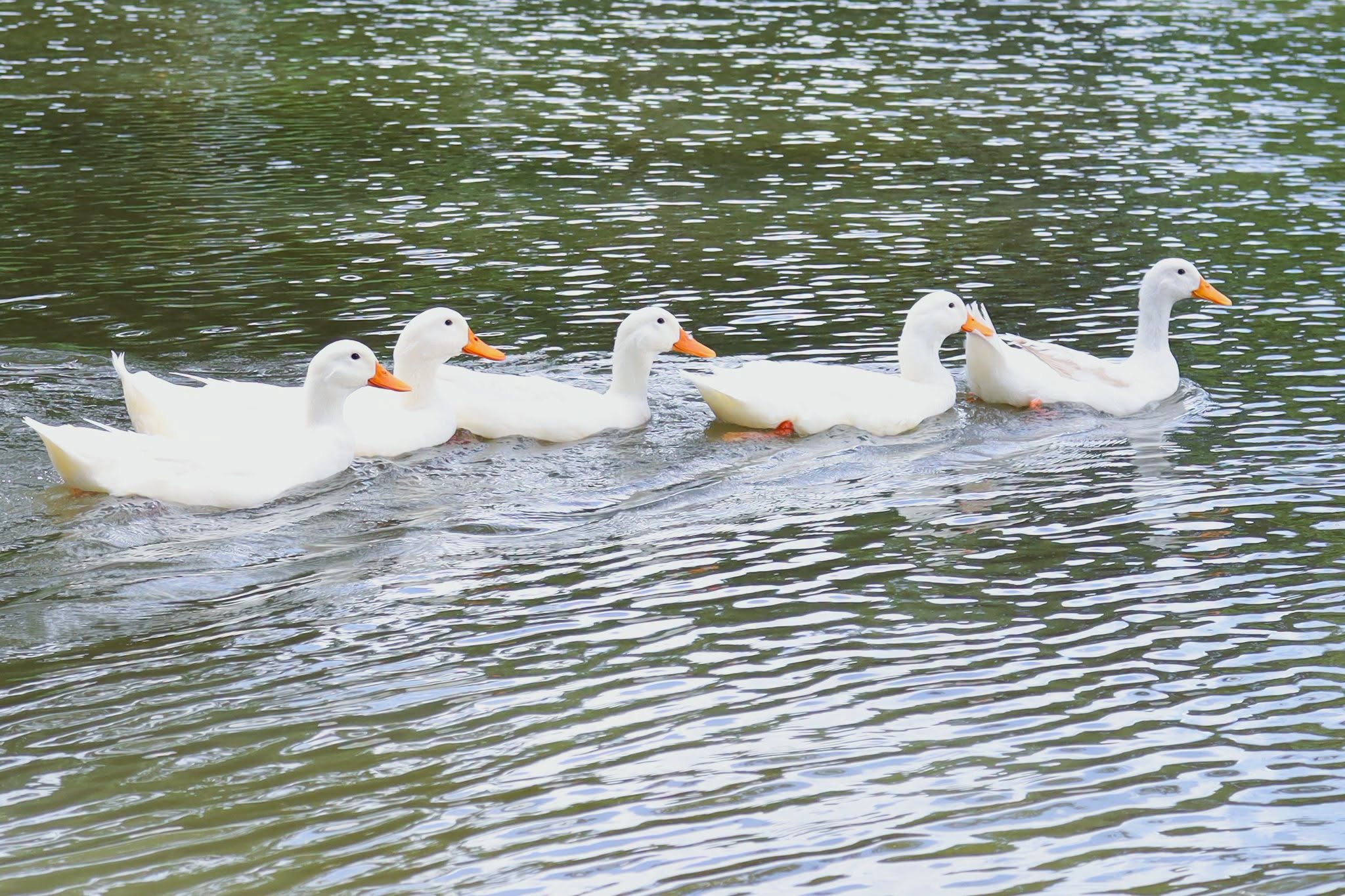
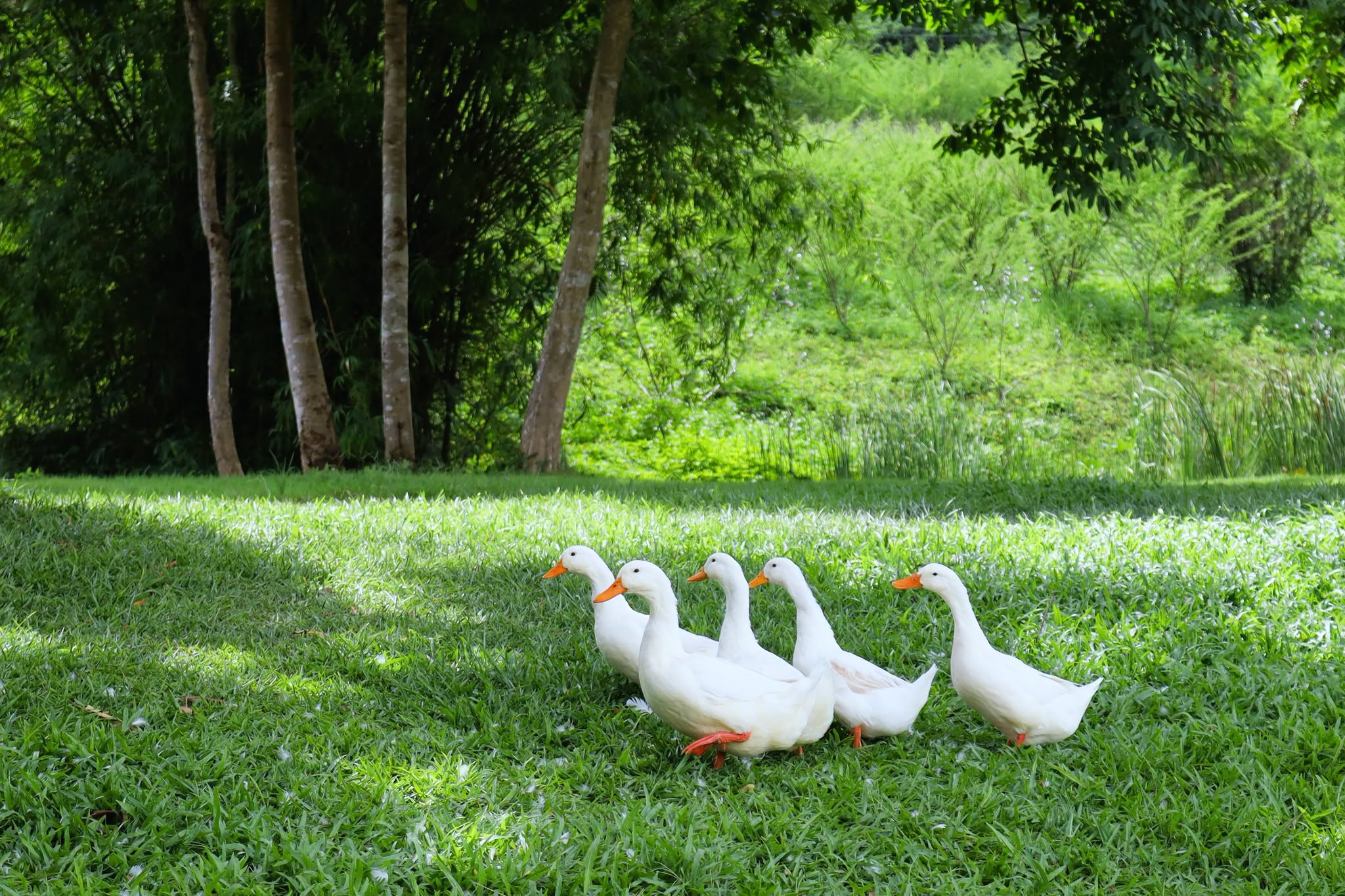
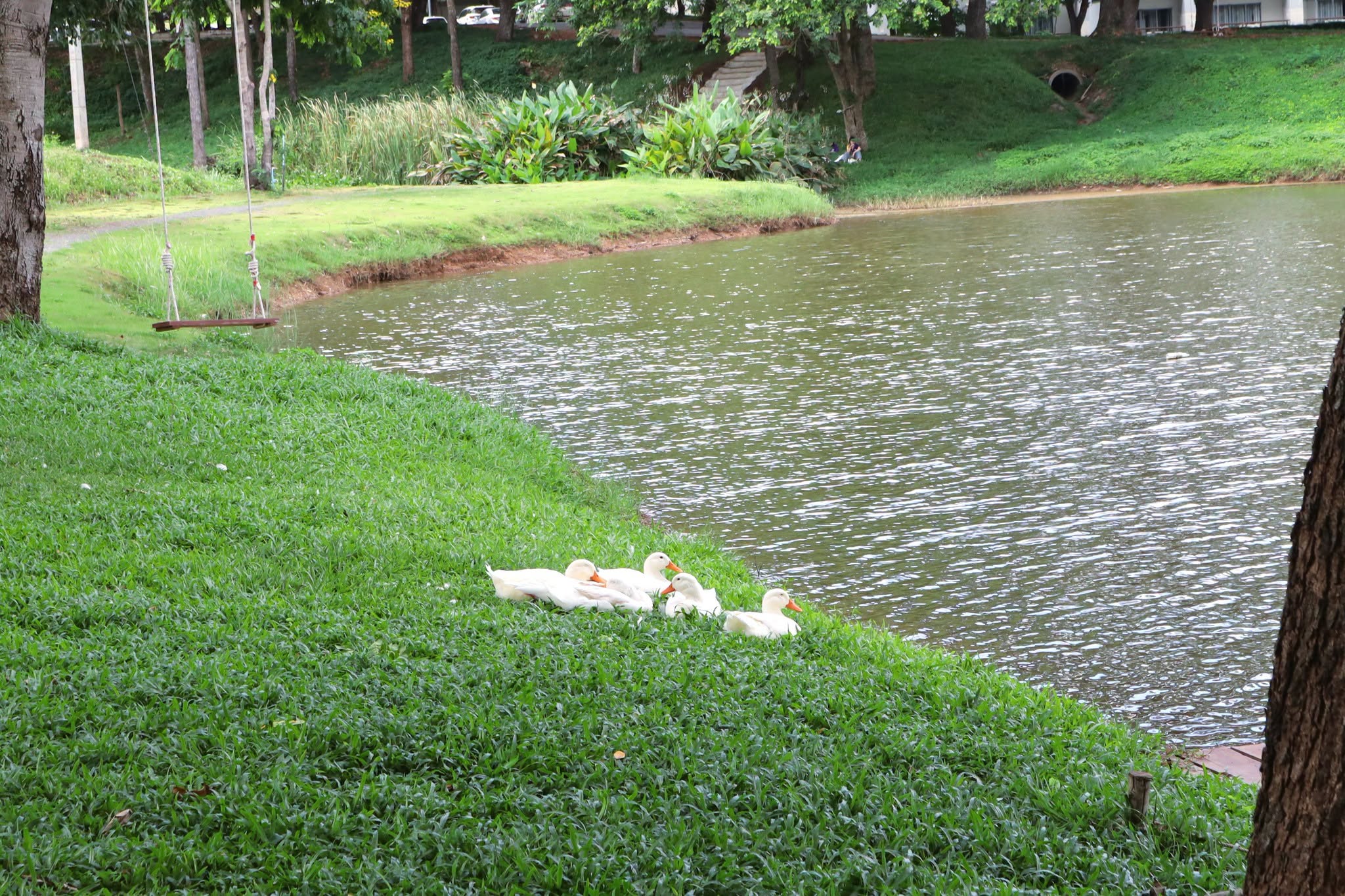
University of Phayao released 10 baby ducks to add color to public parks and water sources. Raising ducks enriches the area's greenery and biodiversity while naturally controlling duckweed and other aquatic weeds on the surface of natural water sources, supporting ecological balance and sustainable land and water management.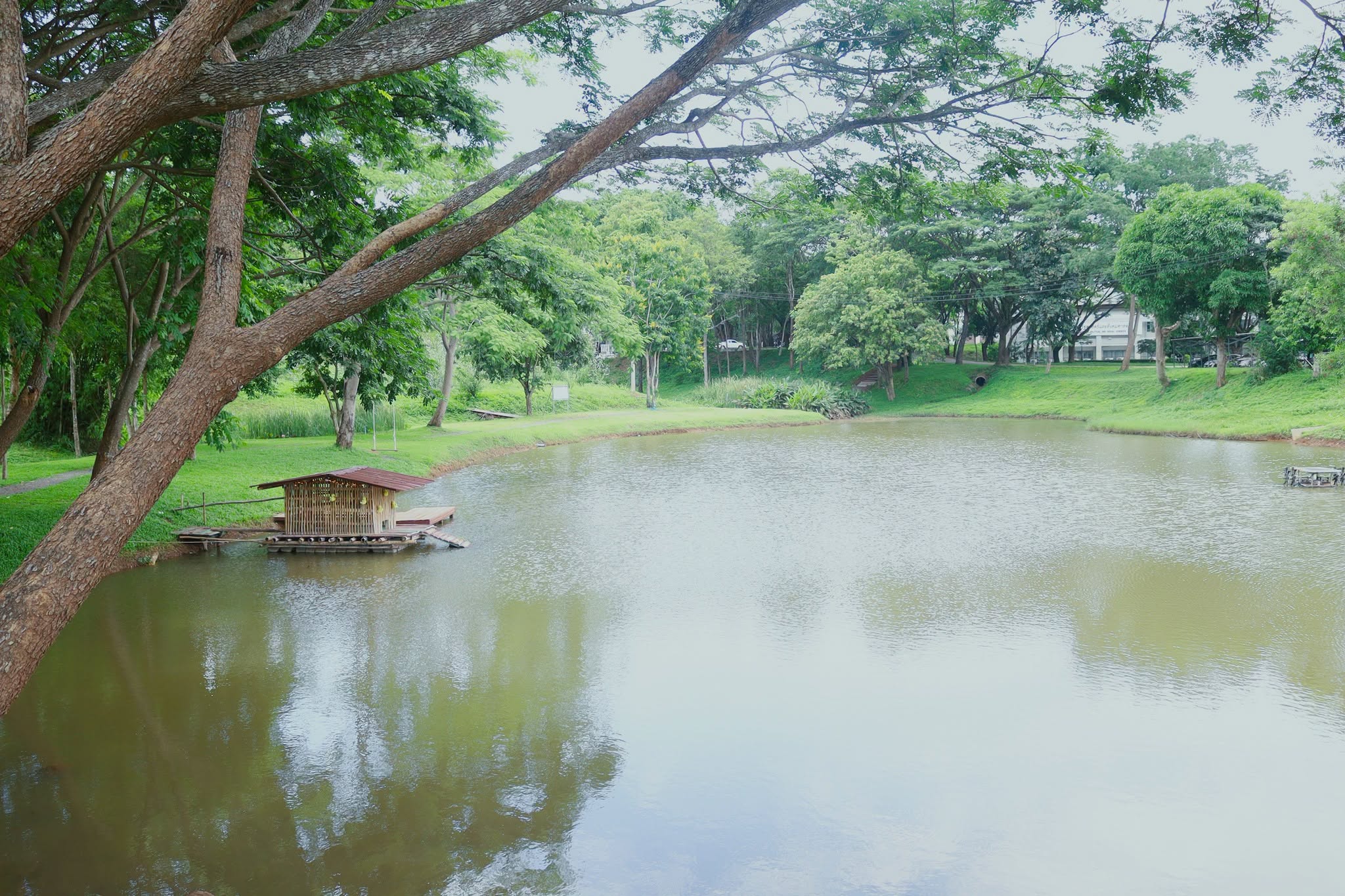
Innovative Community Network for High-Quality Buffalo Production
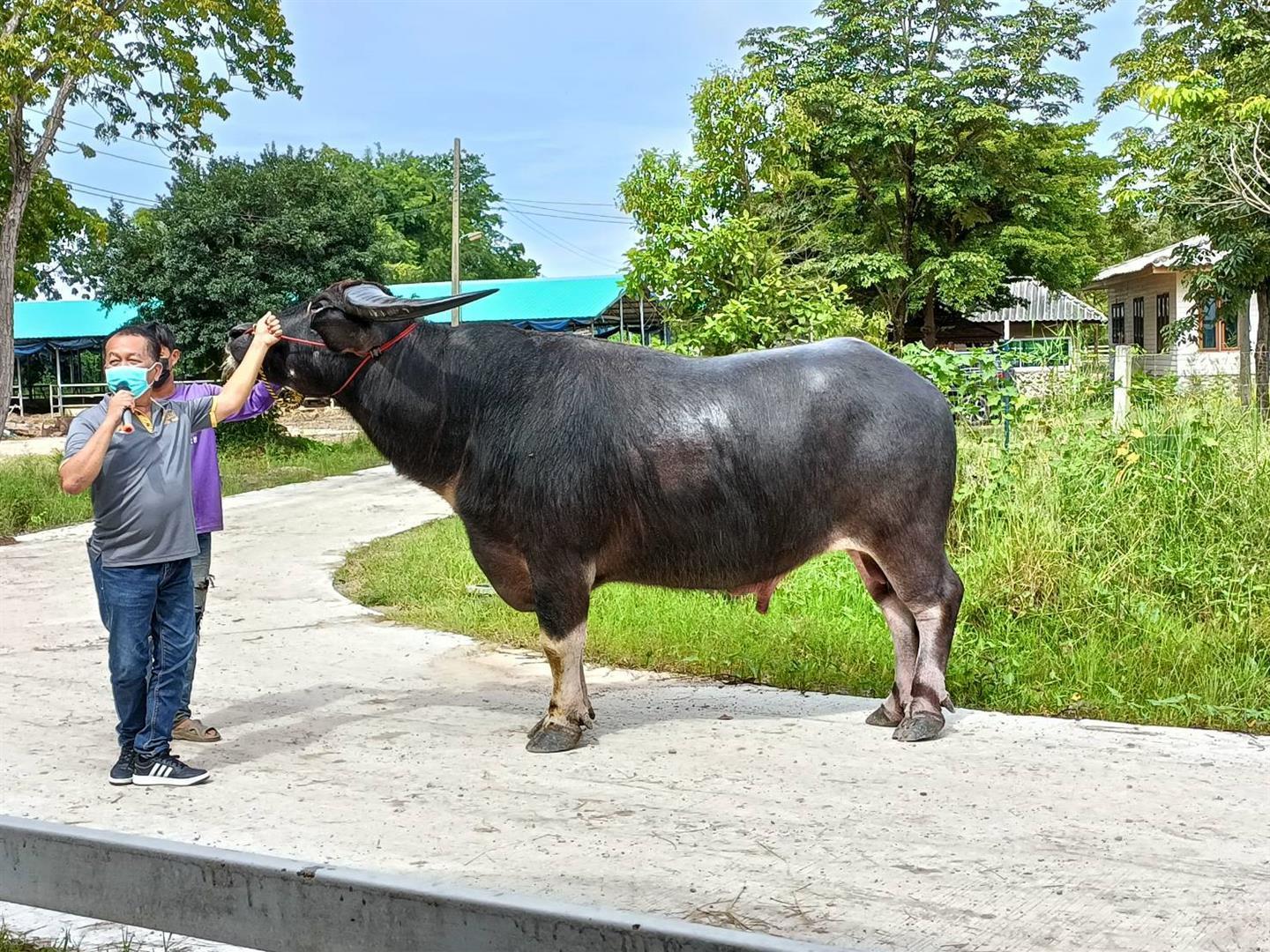
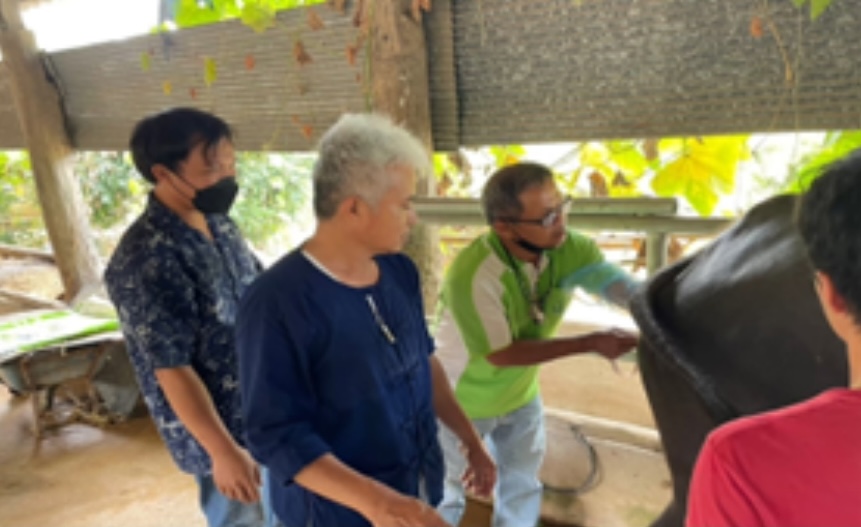
University of Phayao has developed a research project on an innovative community network for high-quality buffalo production, catering to domestic and international trade. The project establishes model learning areas and community innovators to solve and manage buffalo farming careers in Phayao and Chiang Rai provinces, improving income, well-being, and quality of life sustainably, and promoting value chain and area transformation through community innovators.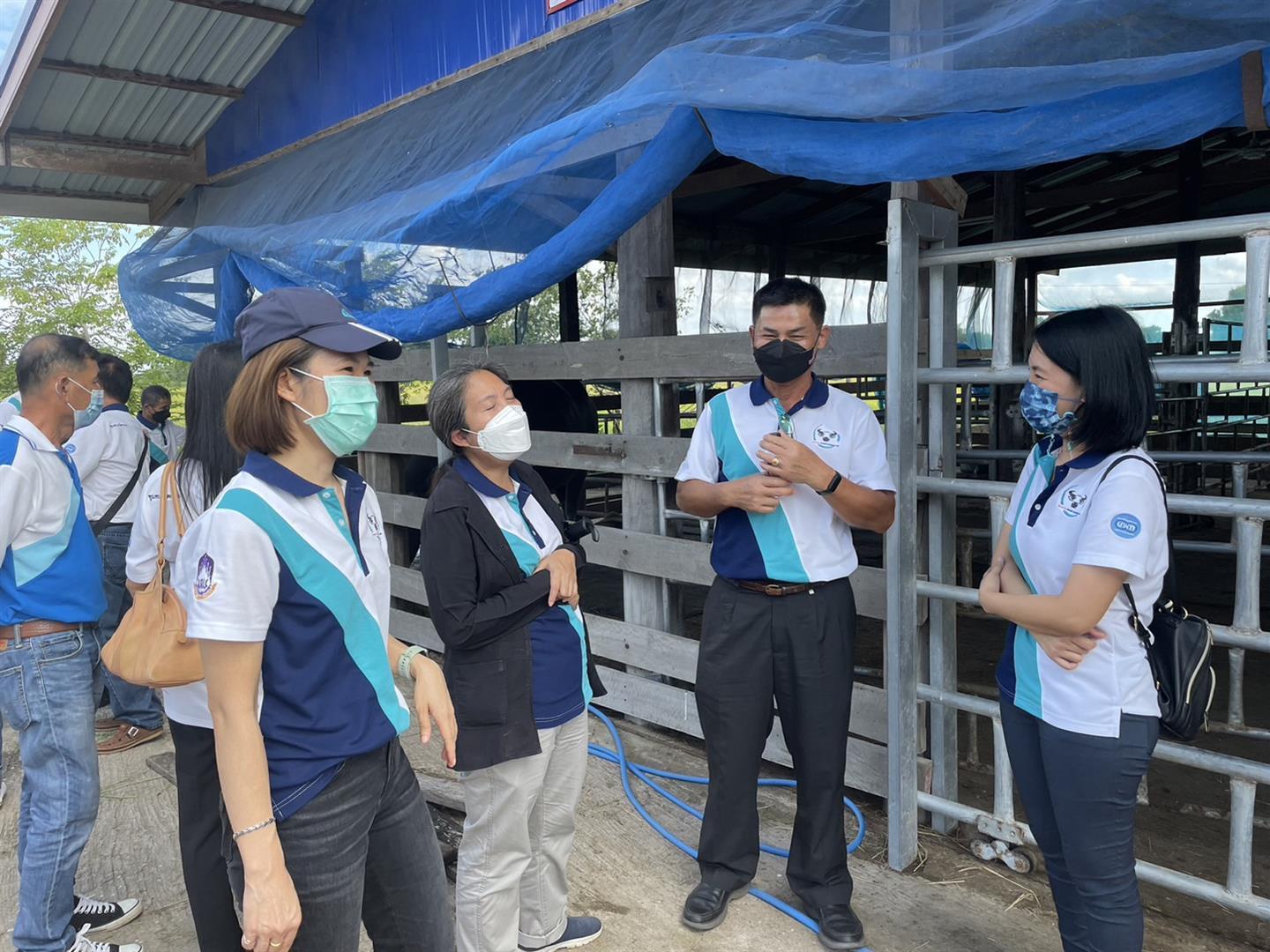
Bullfrog (Glyphoglossus molossus) Conservation
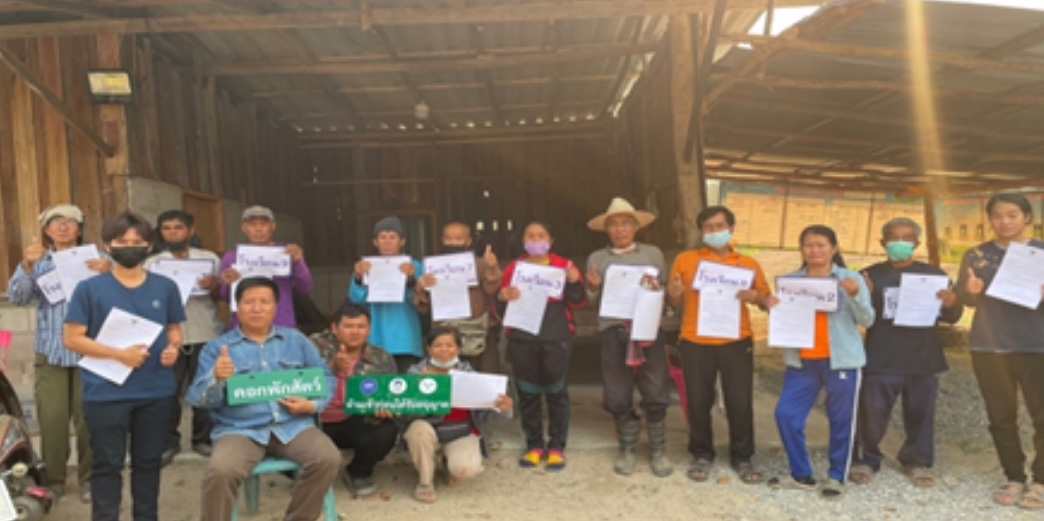
The Innovation and Technology Transfer Institute, together with the School of Agriculture and Natural Resources, implemented the project "Technology and Innovation of Community Water Management for Economic and Social Enhancement for the New Normal Life" under the Integrated Economic and Social Upgrade Program (1 Tambon 1 University). Led by Dr. Sitthisak Pinmongkolkul, project leader in fisheries, the initiative released bullfrogs to increase natural protein food sources in local communities: more than 64,000 released to Pong and Oi Sub-districts, Pong District; more than 70,000 released to Fai Kwang and Mae Lao sub-districts, Chiang Kham District; more than 10,000 tadpoles released by people in Mae Suk Sub-district, Mae Jai District; and more than 20,000 tadpoles released in the genetic conservation area at the Sufficiency Economy Center, University of Phayao.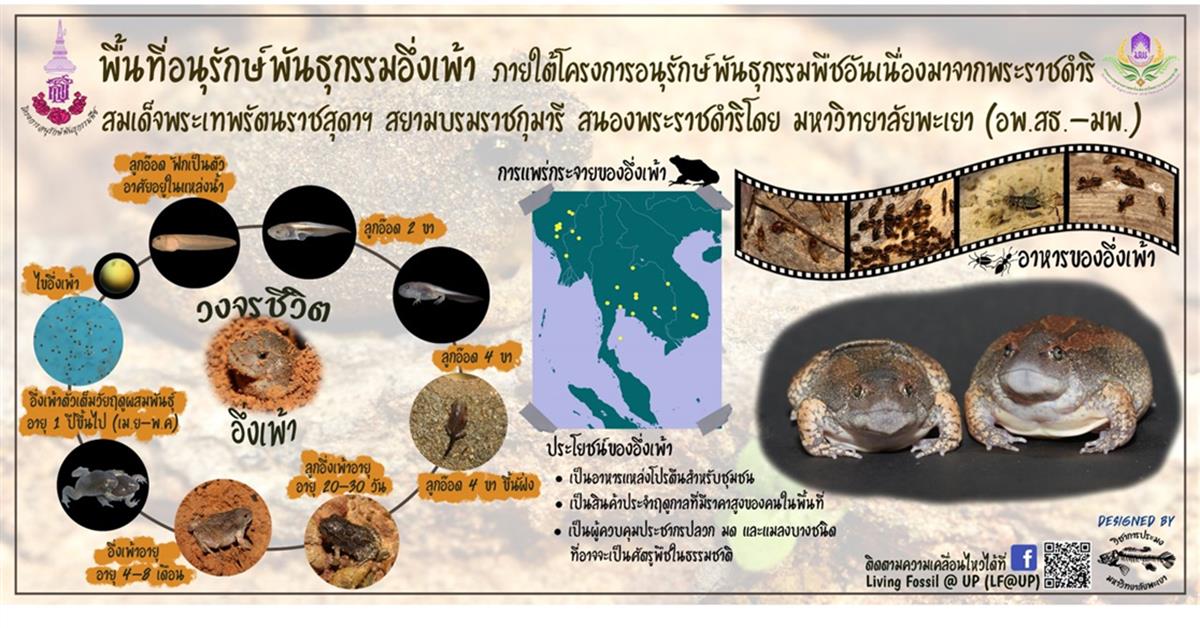
Aquatic Biodiversity and Food Security
University of Phayao utilizes its campus water reservoirs, including the Huai Thap Chang Reservoir, as protected aquatic conservation zones to maintain fish genetic diversity, support local ecosystems, and serve as an open learning laboratory for sustainable agriculture.Sufficiency Economy Learning Center
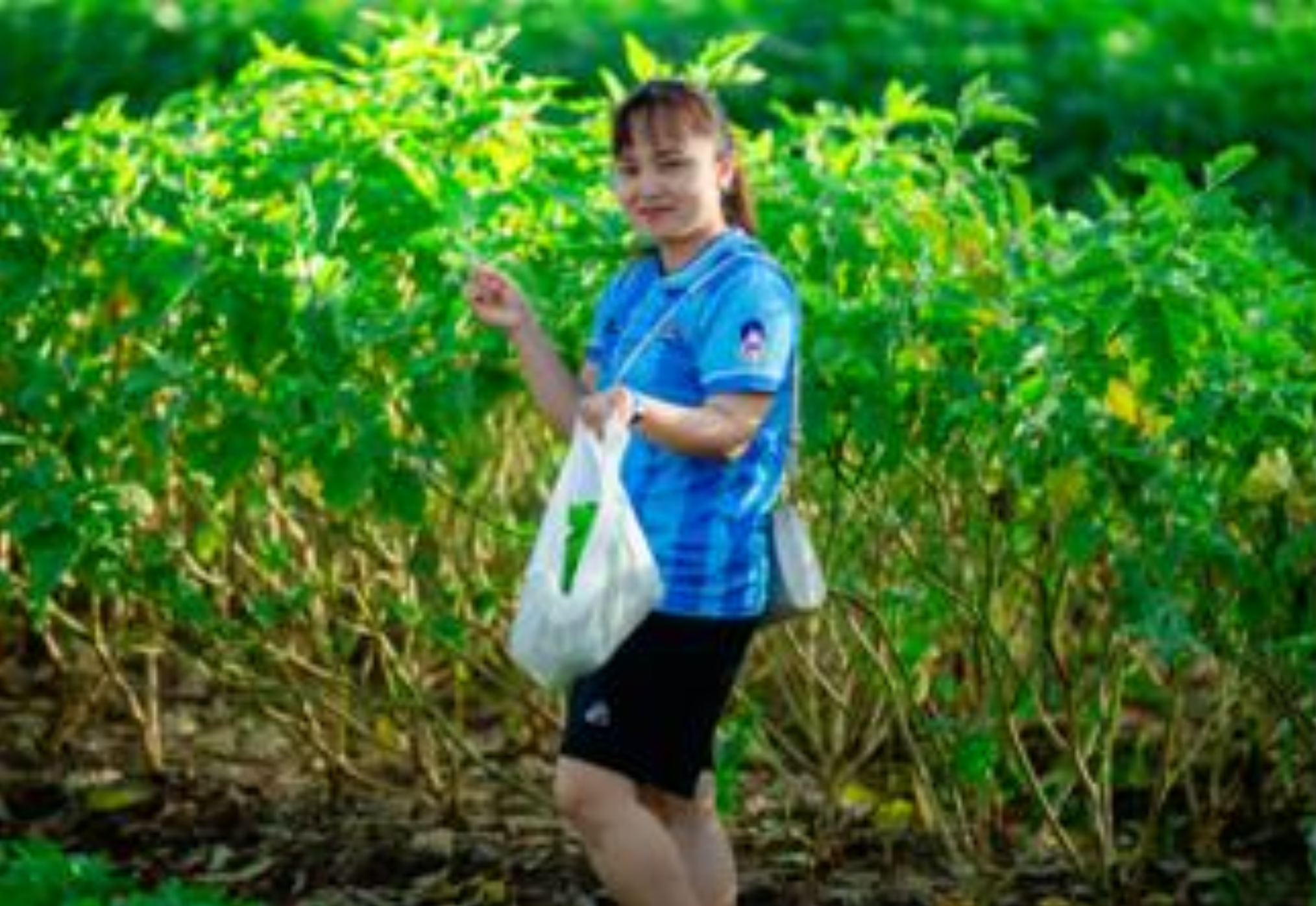
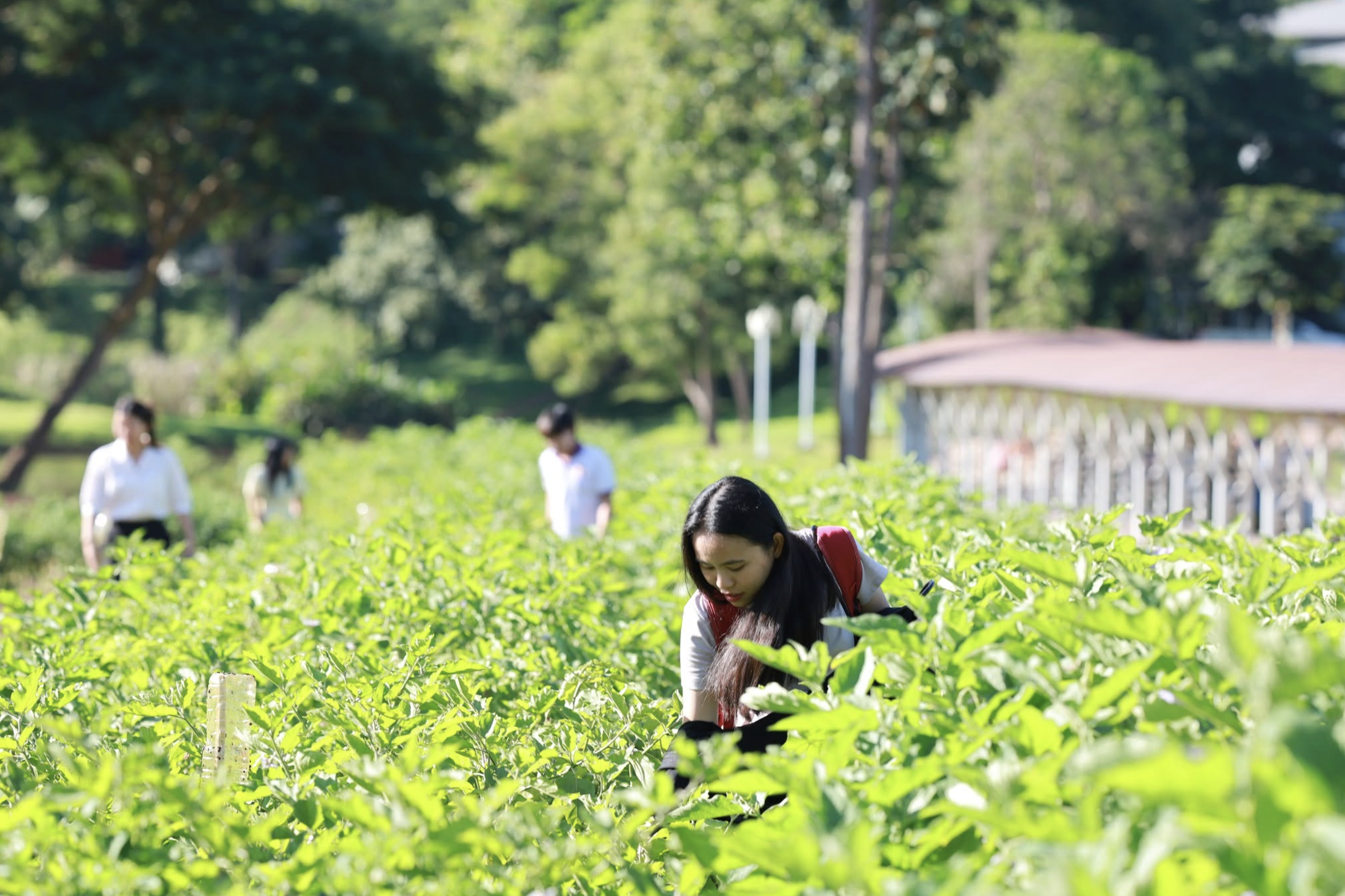
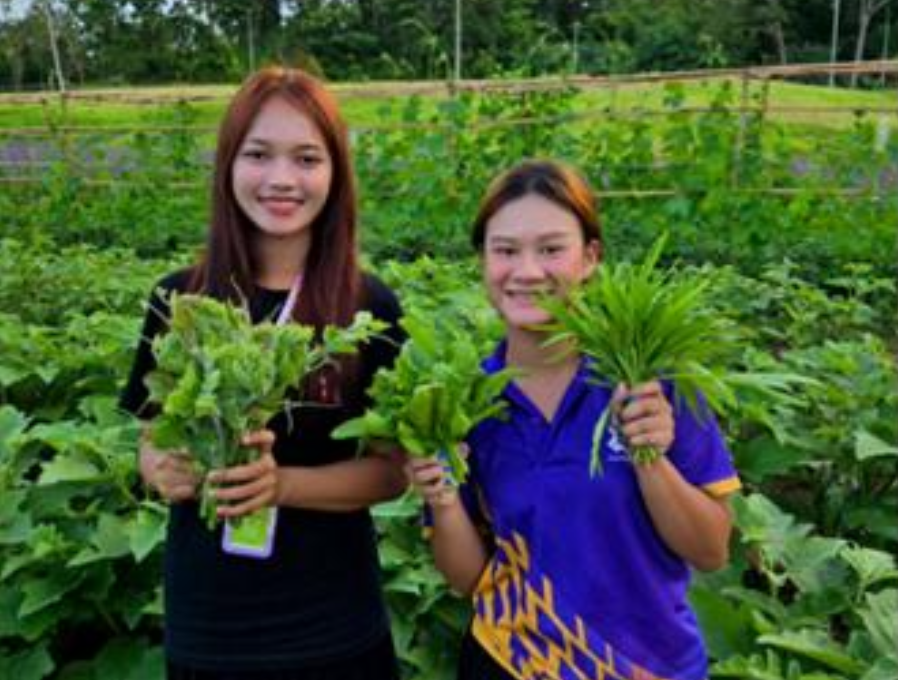
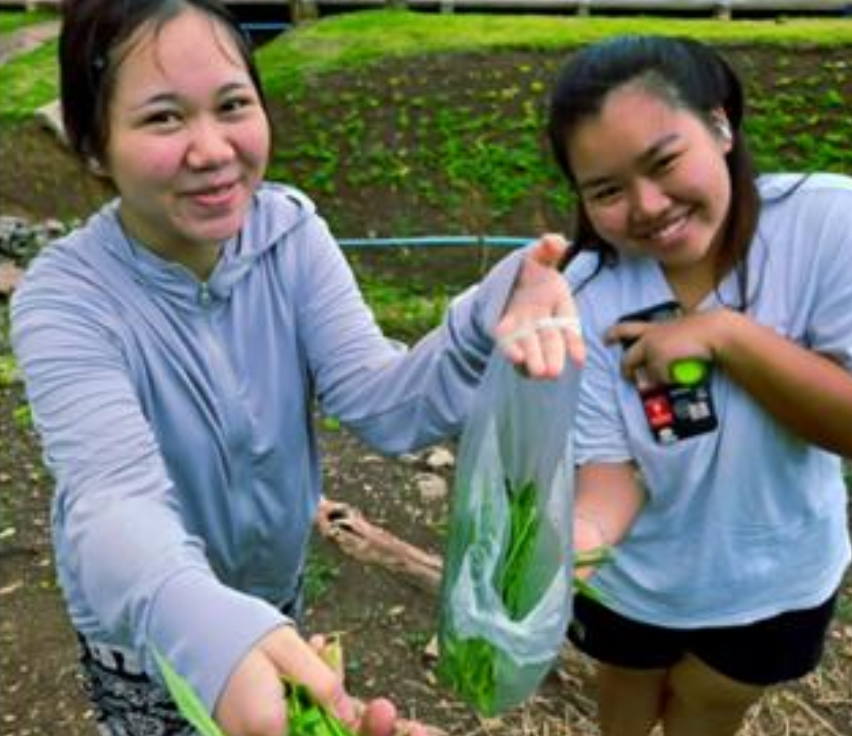
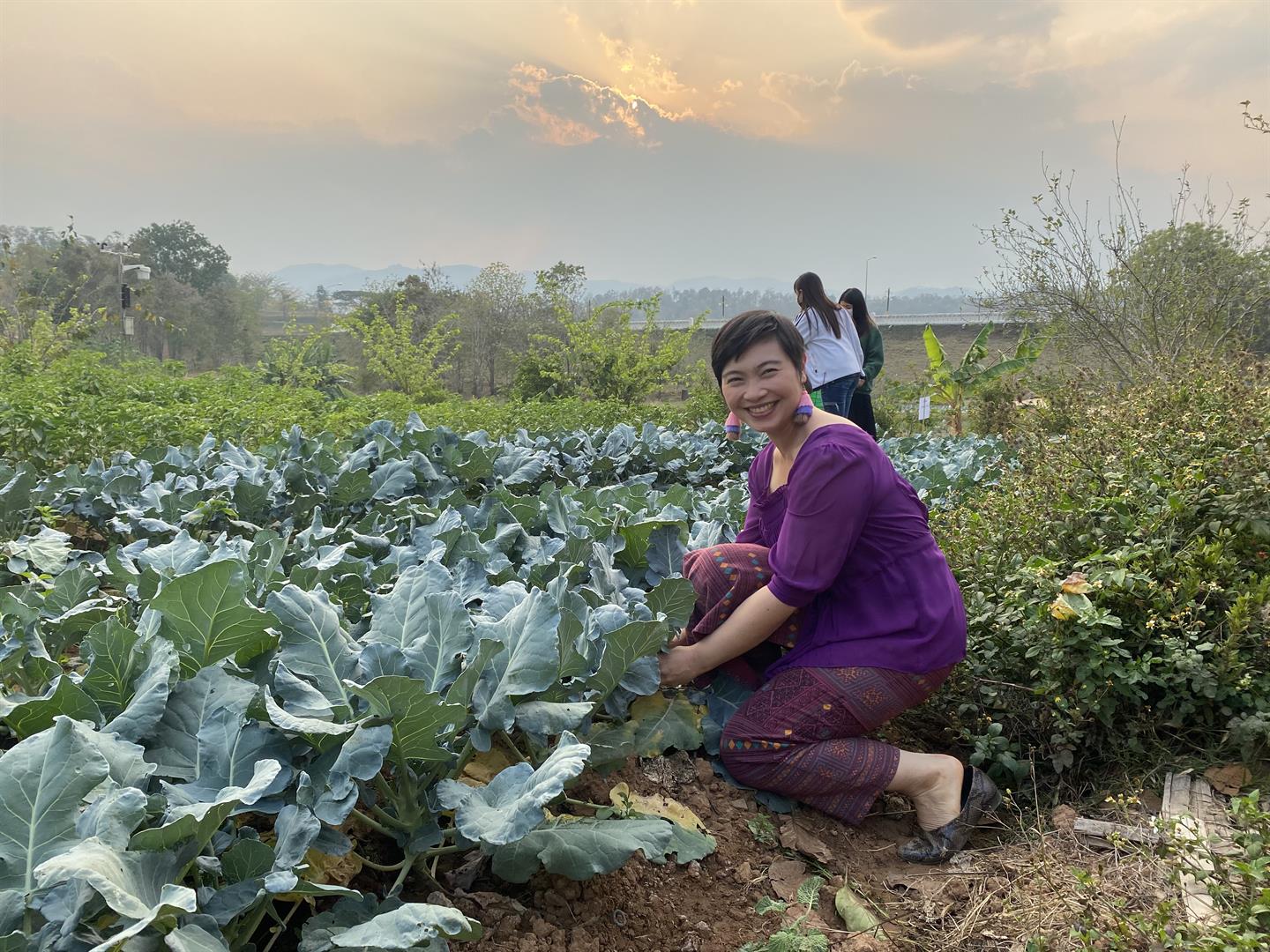
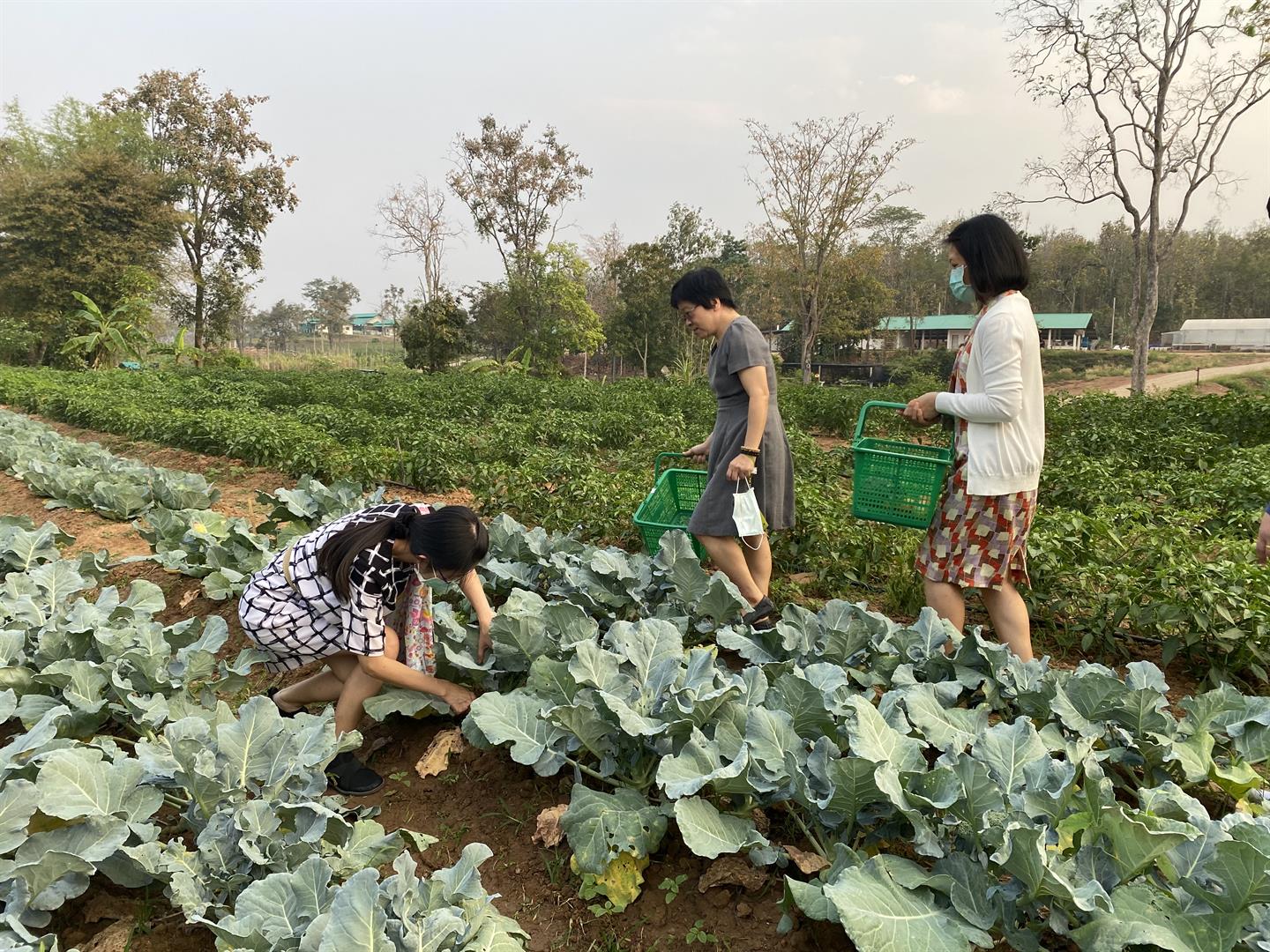
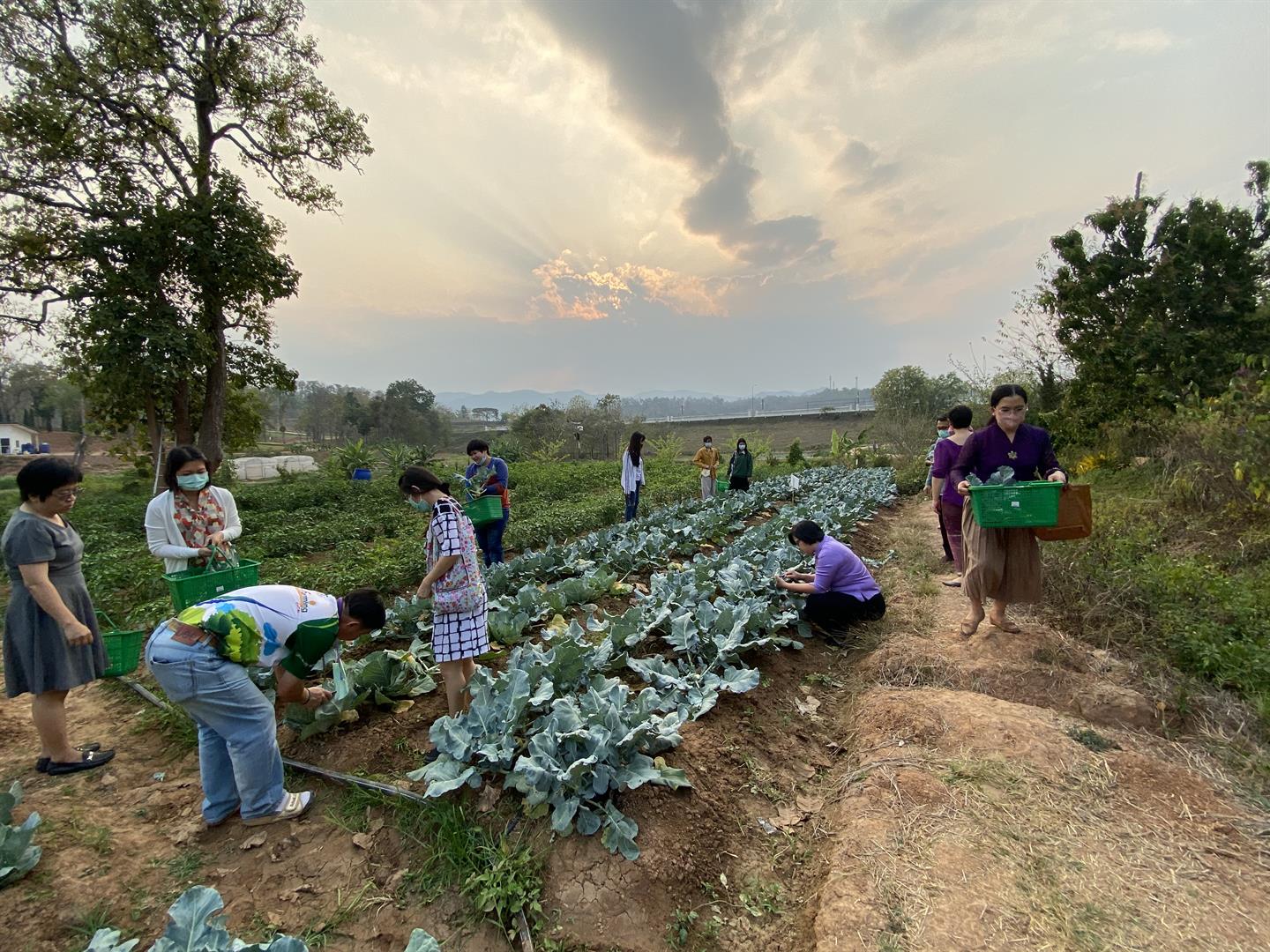
The Faculty of Agriculture and Natural Resources operates the Sufficiency Economy Learning Center to bring the philosophy of the Sufficiency Economy to life, serving as a model for students and a learning resource for nearby farmers to apply in their own contexts. The center, covering an area of over 150 rai, has adopted the New Theory Agriculture on the Sufficiency Economy Philosophy of His Majesty King Rama IX, and opens its facilities for technology transfer, training, and study visits on plant varieties, agriculture, livestock, fisheries, and product processing.Activities are open to the public, personnel, and students, including picking fresh, clean, safe, chemical-free vegetables at prices starting at 10 baht, with varieties such as 10 types of salad vegetables, broccoli, heart-shaped cabbage, tomatoes, cucumbers, flower seedlings, and many other vegetables.
Rice Planting Activities During the Rainy Season
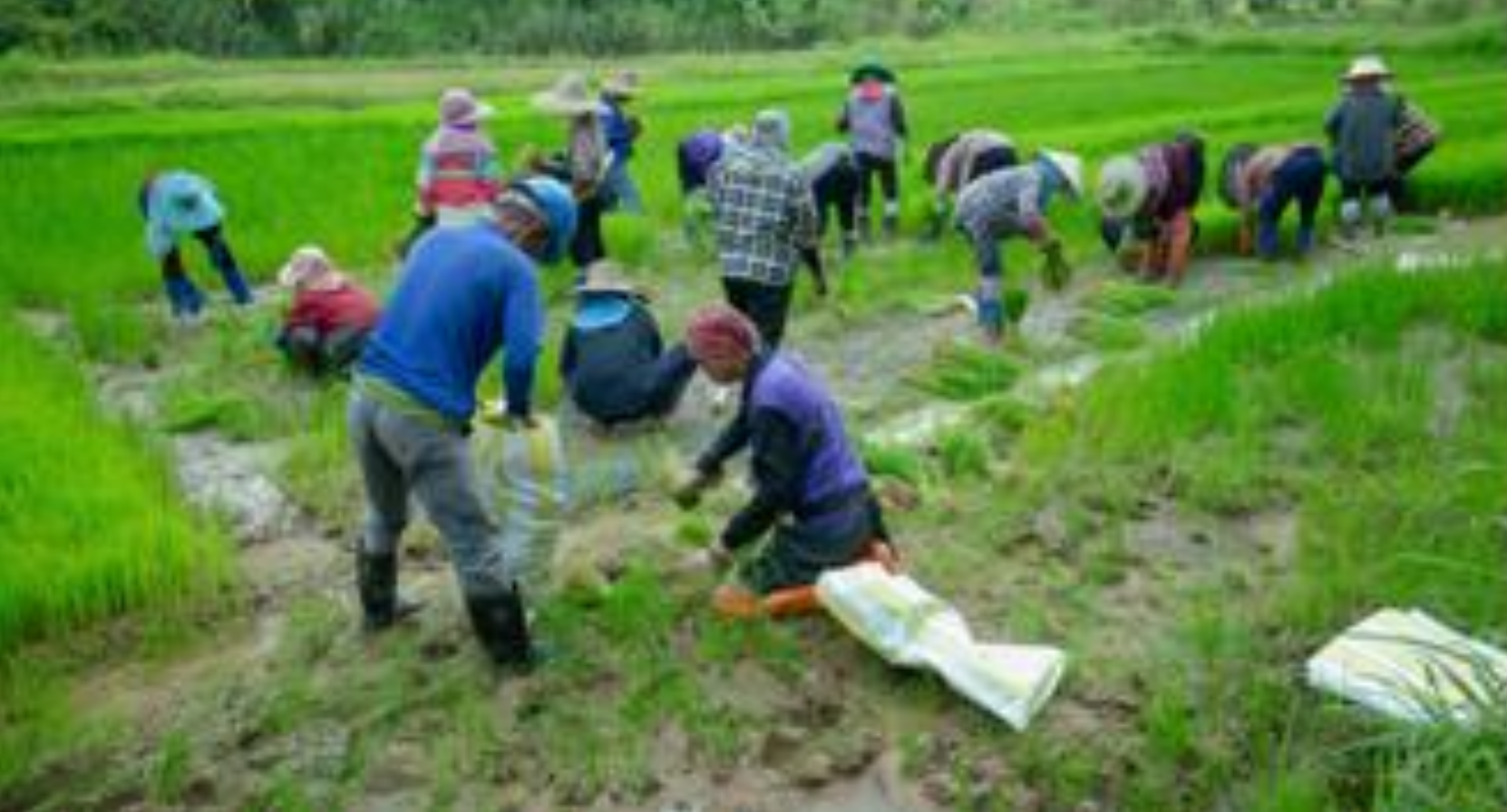
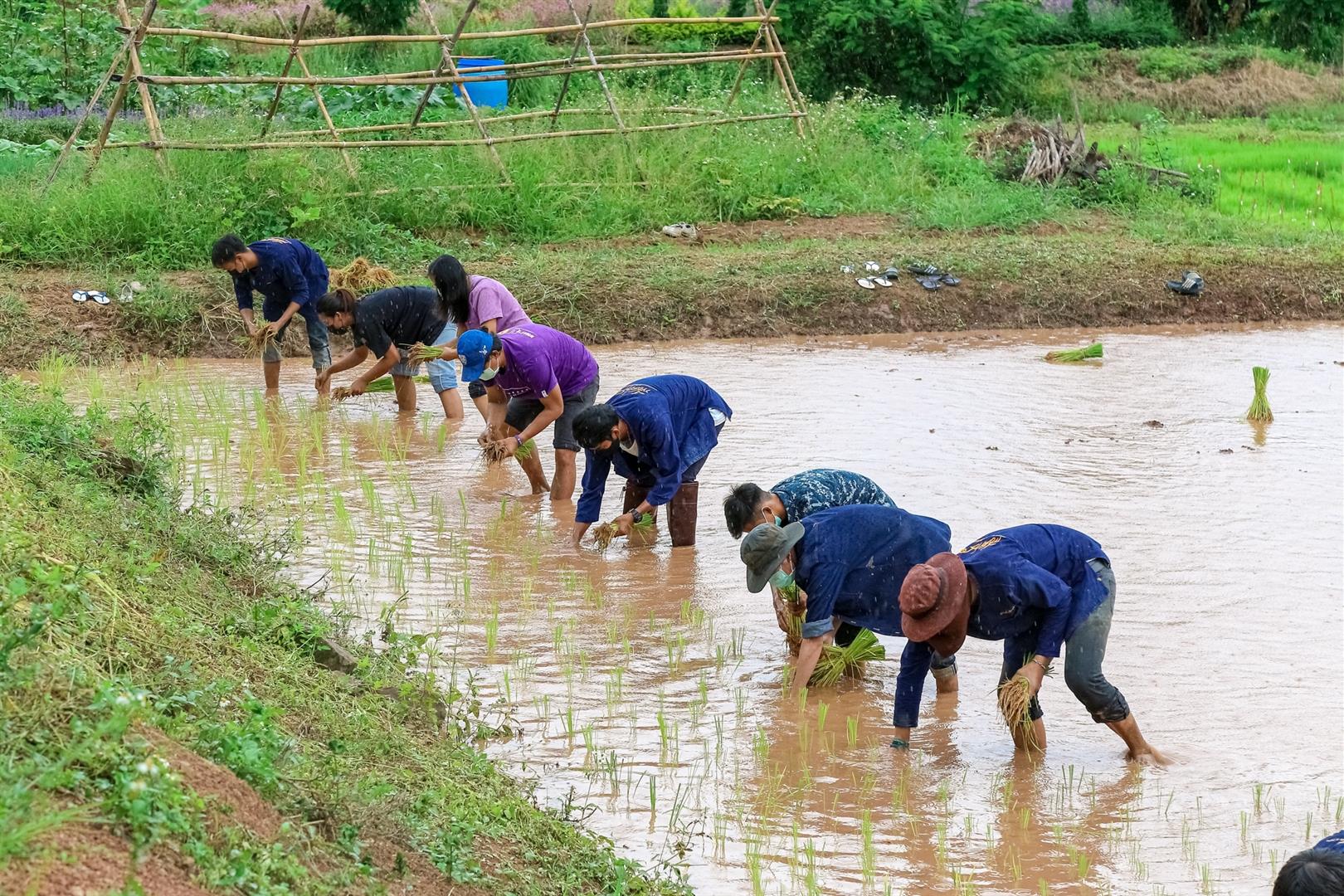
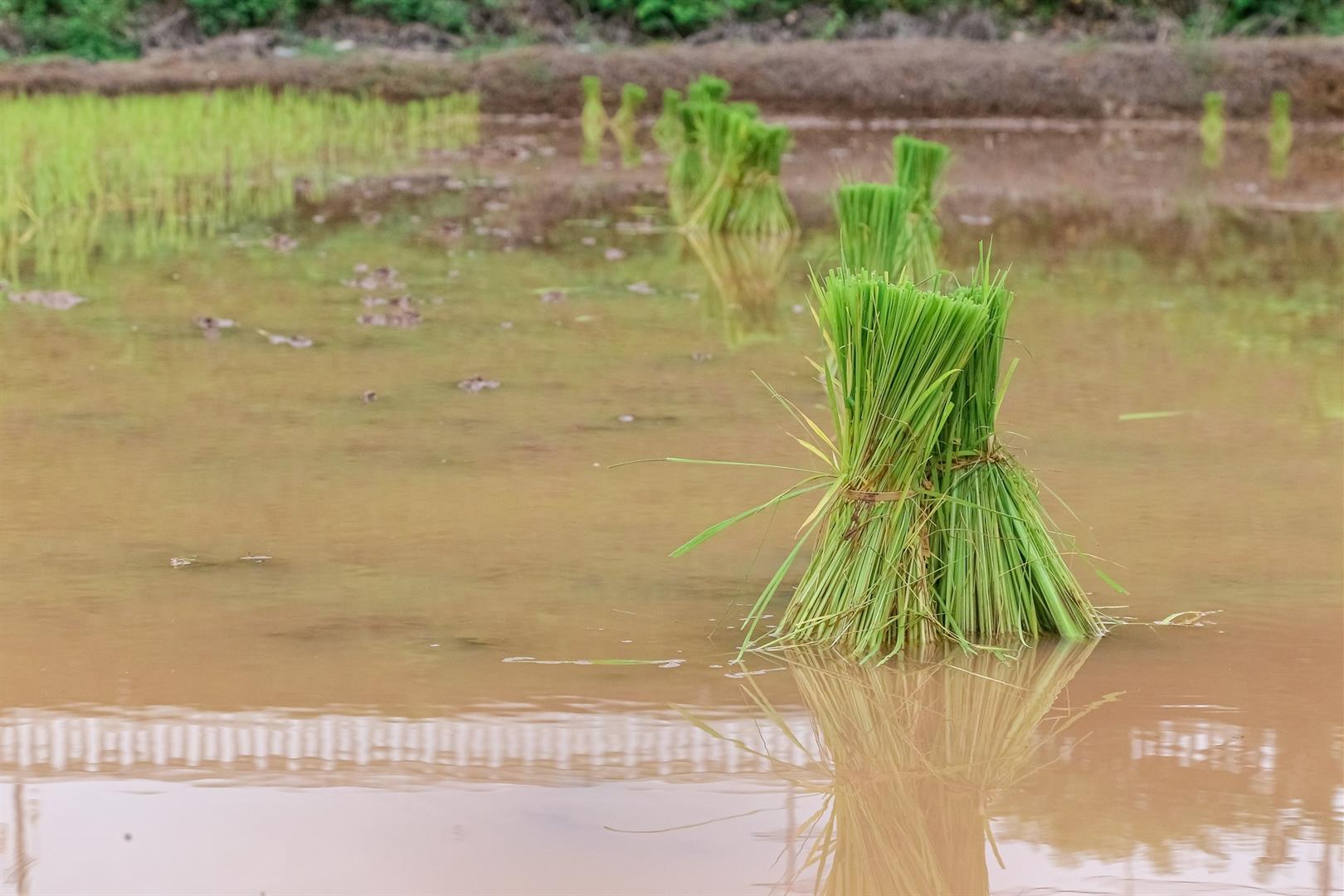
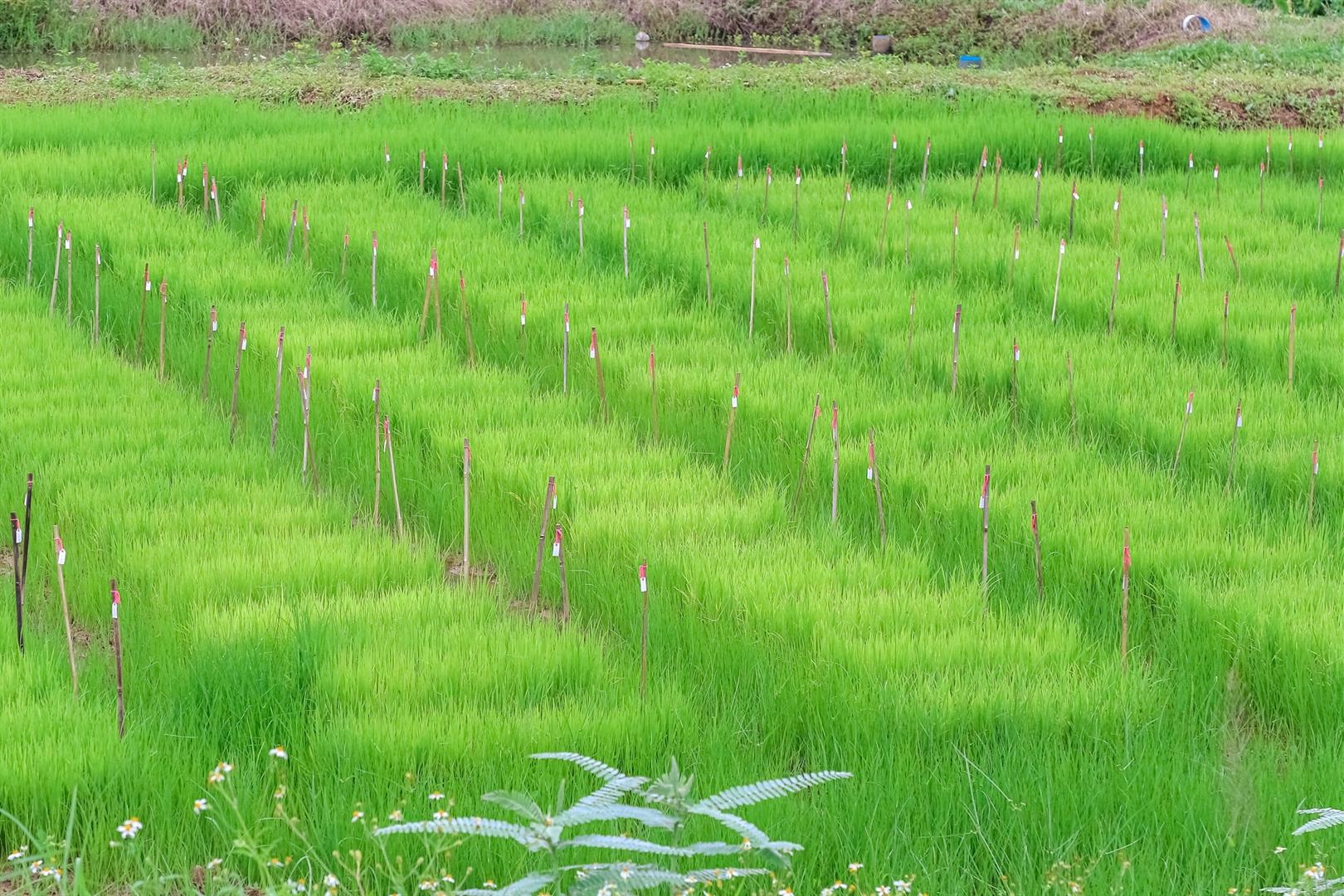
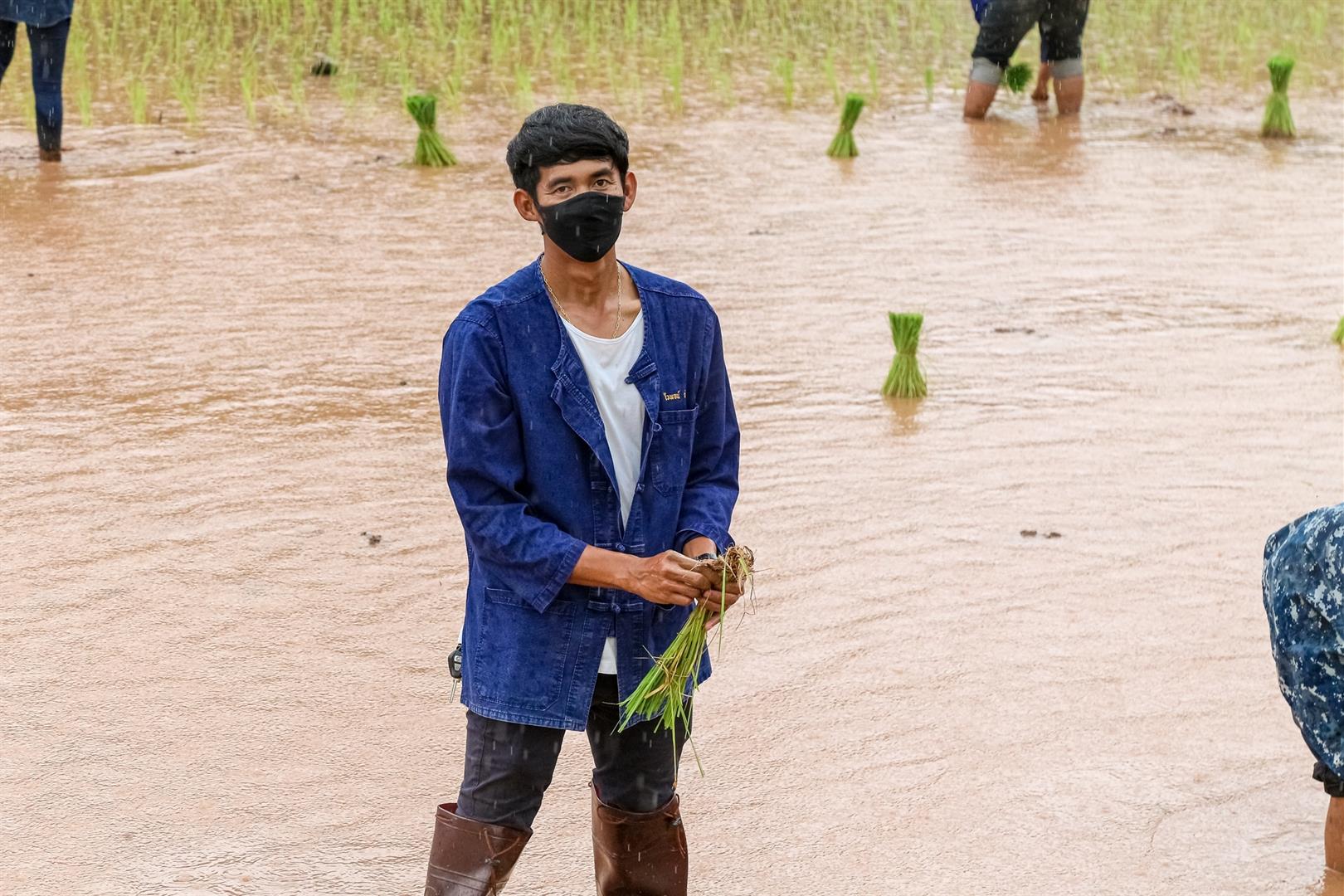
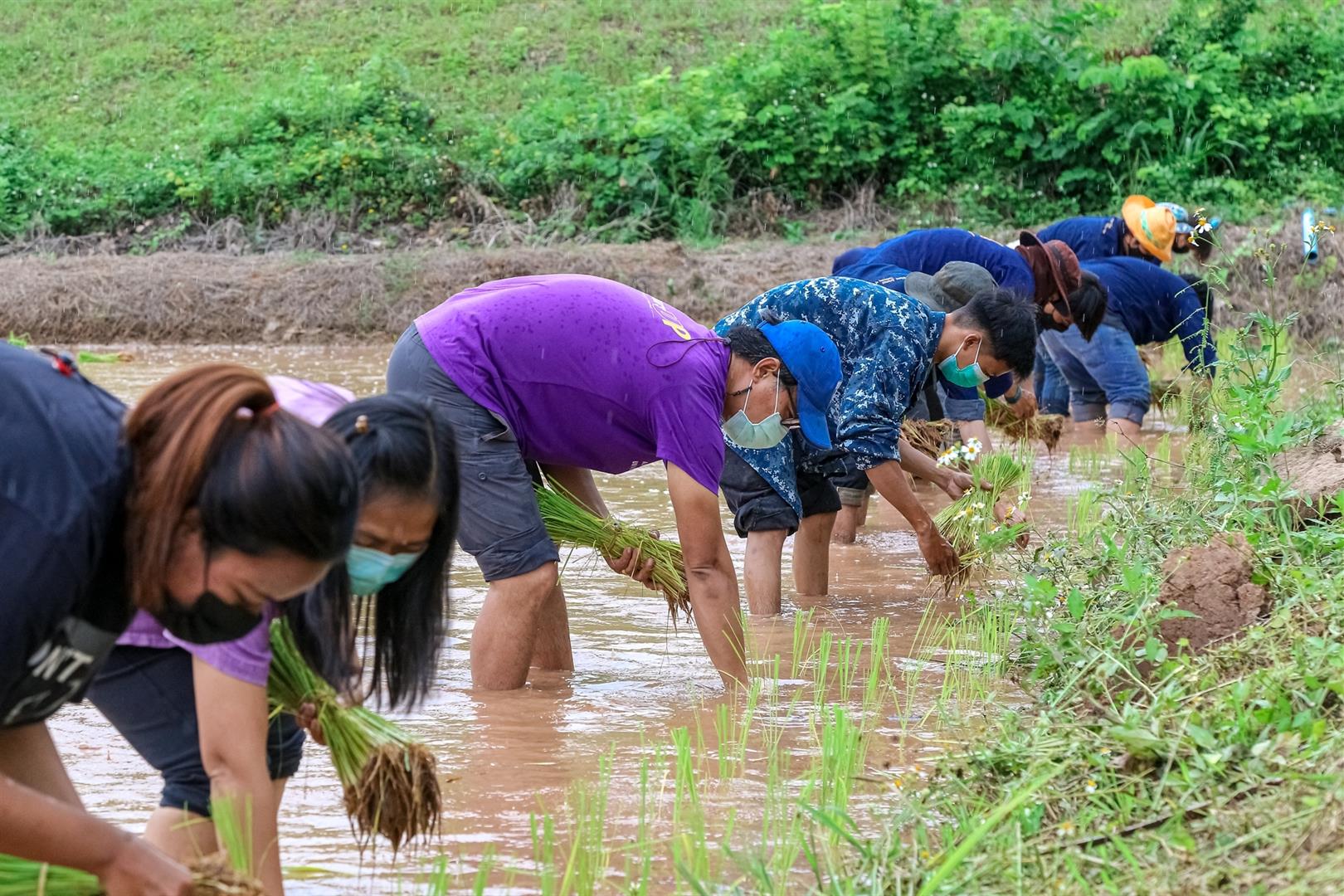
University of Phayao organizes rice planting activities at the beginning of the rainy season, considered a good start to farming since rice requires a large amount of water. Heavy rain between August and September helps the rice plants flower and produce good ears. The harvested products are donated to areas experiencing poverty, helping to relieve suffering and reduce household expenses.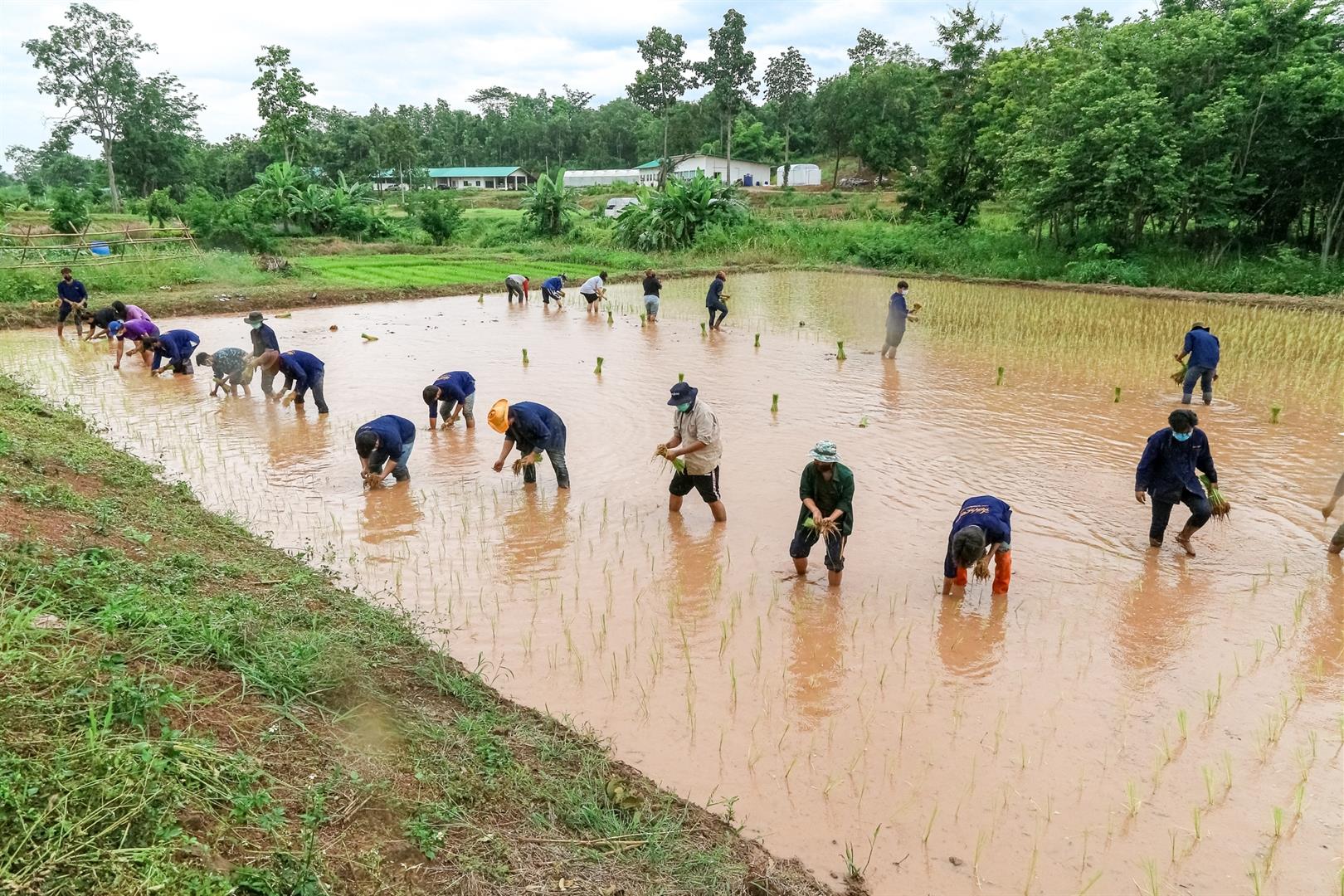
Black Soldier Fly (BSF): Reducing Aquaculture Feed Costs
As aquaculture — raising aquatic species such as tilapia, catfish, and frogs — faces rising feed costs, with commercial feeds in 20-kilogram bags now ranging from 300 to 450 THB, the Black Soldier Fly (BSF), an insect containing up to 40% protein, has shown promise as a sustainable, cost-effective feed for both aquatic and terrestrial animals. The School of Agriculture and Natural Resources began BSF research in 2019, utilizing vegetable scraps and leftover food from university canteens as larvae feed. The results were remarkable: BSF reduced aquaculture feed costs by up to 100% for certain fish species while simultaneously tackling the food waste problem.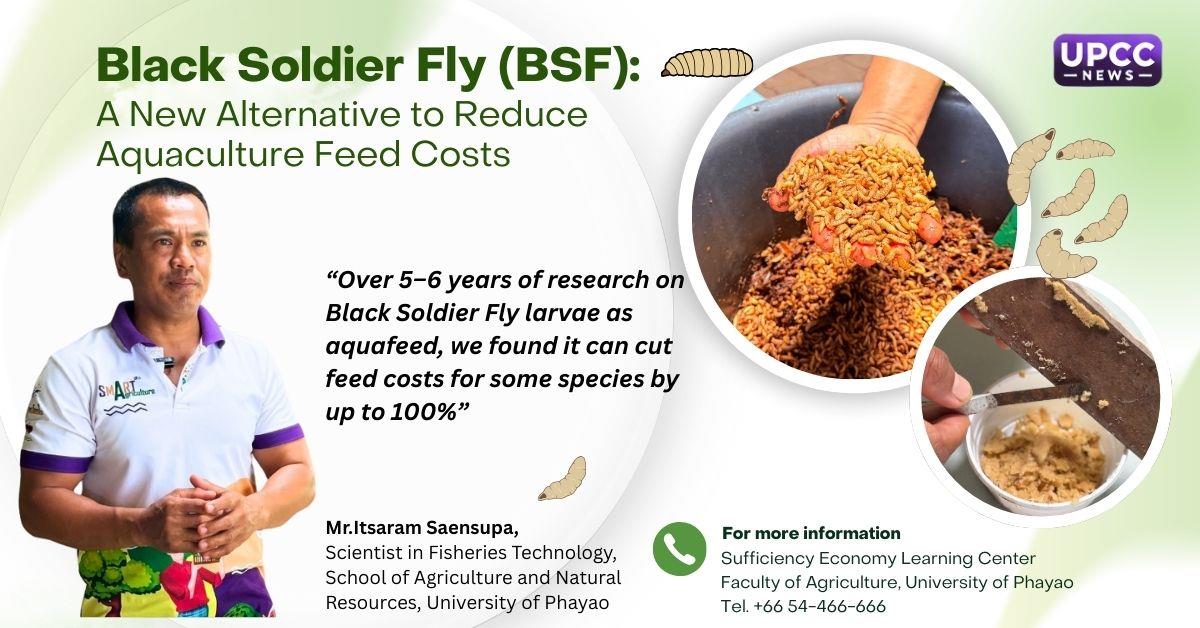
Local Flora and Fauna
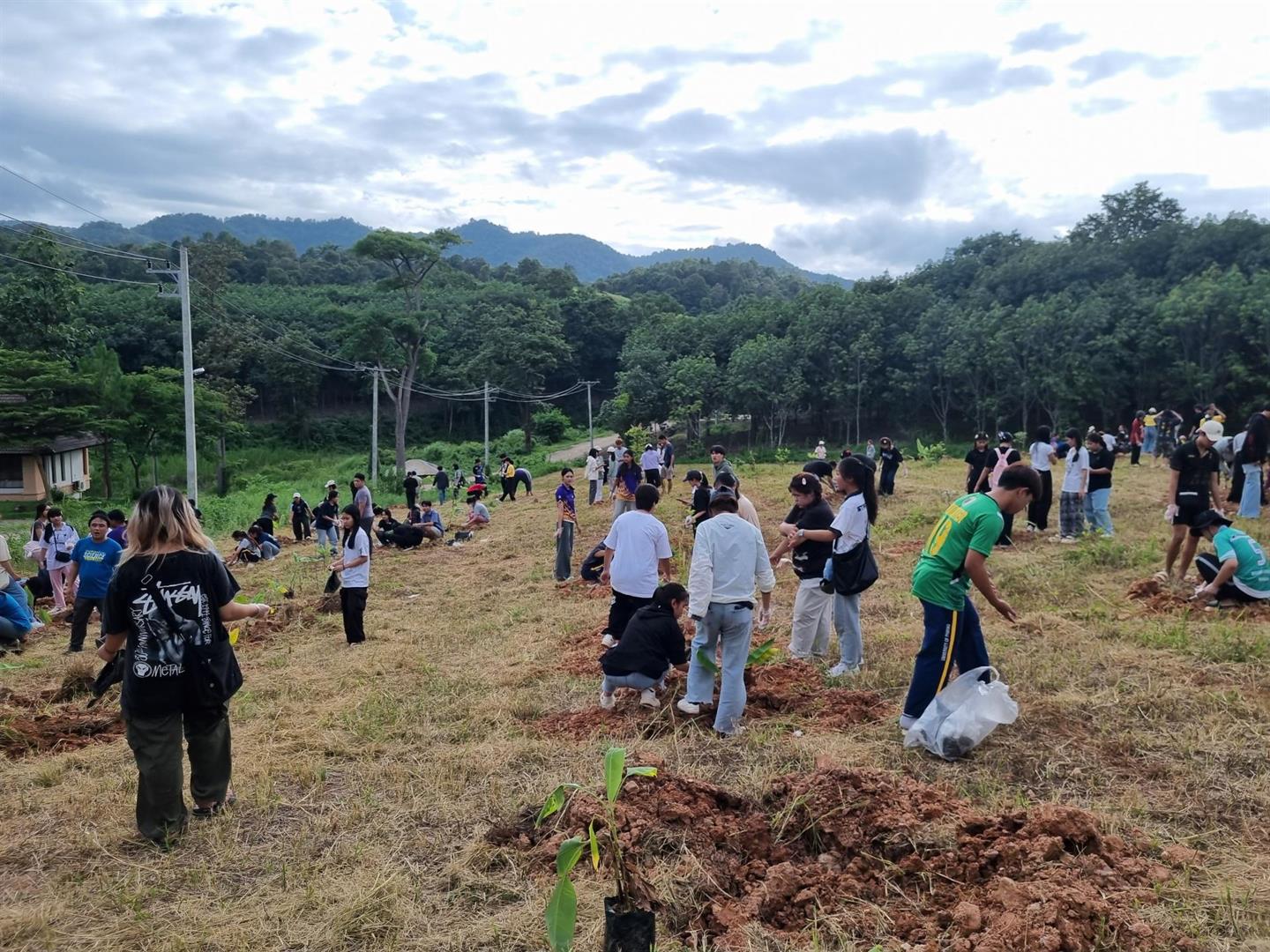
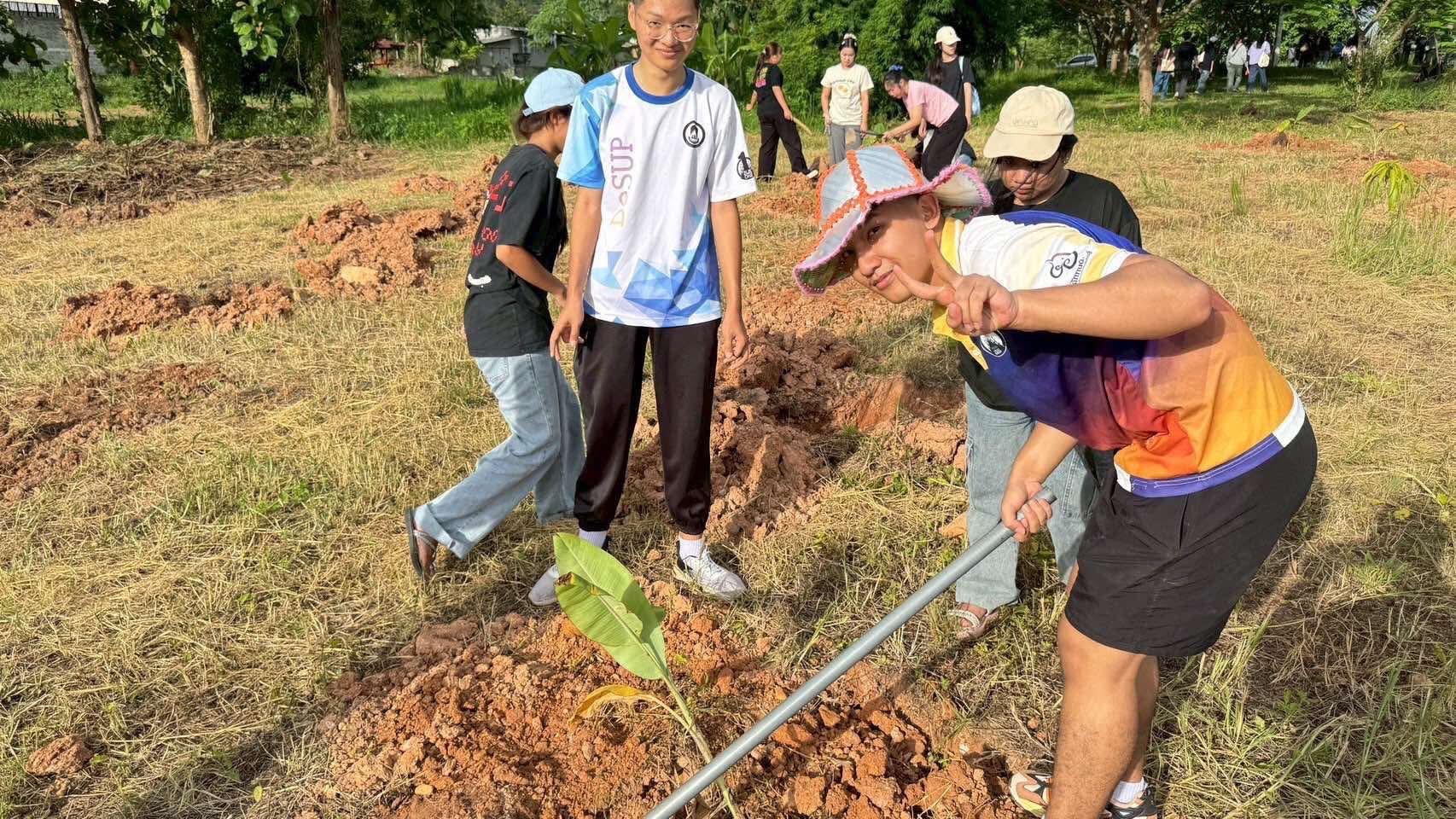
University of Phayao preserves local plants from extinction, planting them in various areas such as along campus roads, around school and office buildings, and within the university's forest area.