
The University recognizes that providing access to higher education alone is not sufficient if students do not receive appropriate support. Therefore, it has developed comprehensive support systems across multiple dimensions to enable female students to complete their studies and fully develop their potential.
Financial support is an important mechanism for reducing economic barriers. In Academic Year 2025, the University awarded scholarships to 672 students, with a total value of more than 18 million baht, helping students from economically disadvantaged families continue their education.
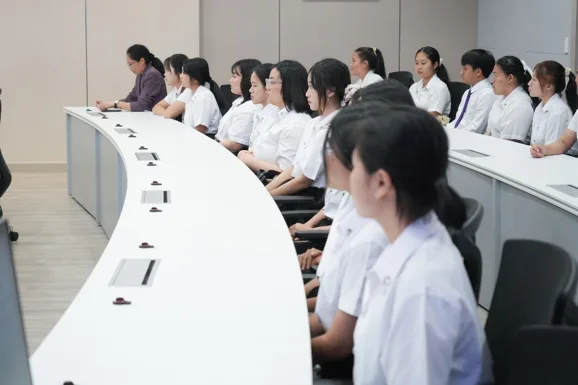
Figure 1: Annual Scholarship Award Ceremony, Academic Year 2025
The University has also a Counseling Center to provide professional mental health and counseling services to students, staff, and school students. Psychologists and clinical psychologists provide counseling, mental health assessments, well-being promotion, stress-reduction activities, and psychological resilience-building support. These services help students prepare for learning and reduce risk factors that may affect educational success.

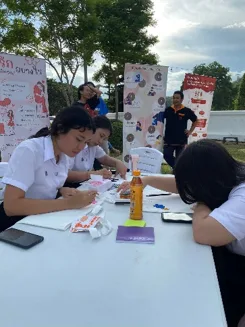
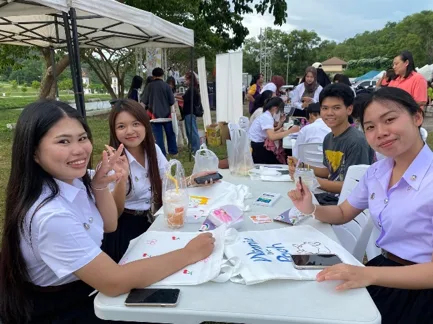
Figure 2: Counseling Center with the stress-reduction activities
In addition, the University provides Disability Support Services (DSS), offering counseling, accessibility facilities, scholarships, accommodation, and assistive technologies for students with disabilities, so that women with disabilities can have equal opportunities in education.
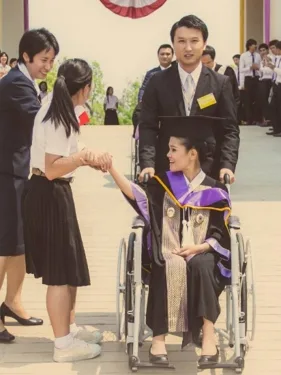
Figure 3: Students with Disabilities
In terms of capacity development, the University promotes student leadership through the UP Leadership Program, mentoring activities, and student organization development. Female students play important roles in leadership activities, teamwork, networking, and community service, which help strengthen their confidence, leadership capabilities, and readiness for future careers.
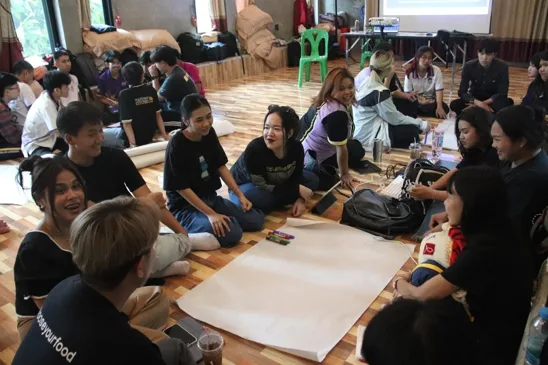
Figure 4: UP Leadership Program
The University also provides activities to prepare students for entry into the labor market through professional experience, cooperative education, and career skills development. These initiatives support female students, including those in the Faculty of Engineering, in making an effective transition from education to employment.
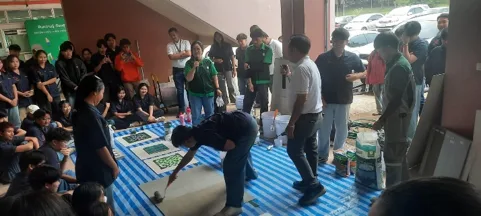
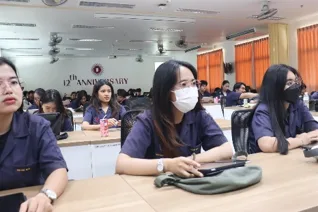
Figure 5: Cooperative Education, Faculty of Engineering