The Information and Communication Technology Center has developed online information systems to support the learning, work, and administrative activities of students, faculty members, and university personnel. These systems help reduce the need for physical travel while also minimizing the use of paper resources.
A key example is the UP DMS system, which is used for the submission, approval, and tracking of official documents, meeting notifications, travel authorization requests, and communication between university units.
The system supports paperless operations, reducing document printing and the need to physically deliver documents between offices. This, in turn, helps reduce greenhouse gas emissions associated with the University’s administrative operations.
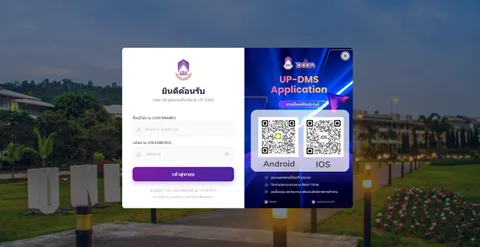
Figure: UP DMS System
The University has developed a network of pedestrian walkways and bicycle lanes connecting different areas across the campus to promote non-motorized transportation.
The walkways are approximately 1.50–5.50 meters wide, with smooth, non-slip surfaces and clear, unobstructed pathways. Benches and rest areas are provided along the routes, and the infrastructure is designed to accommodate wheelchair users and people with disabilities in accordance with universal design principles.
This infrastructure helps improve travel safety, encourage physical activity, reduce pollution, and ensure that the University campus is accessible and inclusive for all users.
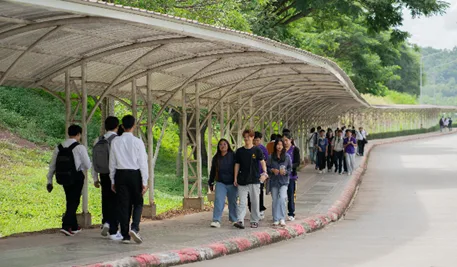
Figure: Pedestrian Walkway