The University of Phayao provides knowledge and services to schools, communities, and the public through a variety of activities, such as:
- Community health check-ups by the School of Allied Health Sciences and the Family School Project by the School of Law. These activities allow students to apply classroom knowledge in real situations while developing professional skills, public-mindedness, and social responsibility. At the same time, communities receive knowledge, services, and skills that can be applied to improve their quality of life.
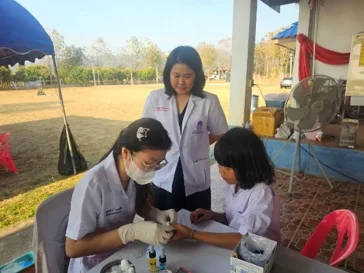
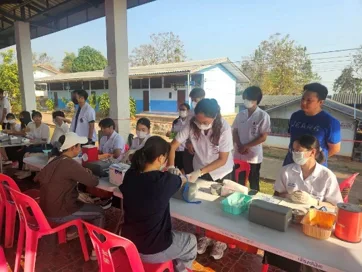
Figure 7: Community Health Check-up Activity by the School of Allied Health Sciences
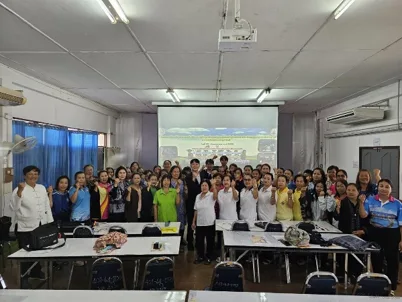
Figure 8: Family School Project by the School of Law
The University also plays an important role in driving the Phayao Learning City project, which aims to create a lifelong learning system for people of all ages through collaboration among the University, Phayao Municipality, the Provincial Administrative Organization, government agencies, the private sector, and communities, totaling 12 partners. The initiative focuses on transforming local wisdom into skills, occupations, and income while promoting access to learning, reducing inequality, and improving quality of life. As a result, Phayao Province has been recognized as a member of the UNESCO Learning Cities Network. Activities under the project include:
- “Connecting ‘Us,’ Connecting the ‘World’: Phayao Birdwatching Festival,” 3rd Edition
The 3rd Phayao Birdwatching Festival is an outdoor learning activity organized by the University of Phayao to promote learning about biodiversity and nature conservation. It provides children, youth, and the public with opportunities to develop observation, bird identification, teamwork, and scientific learning skills through birdwatching competitions. Conservation organizations contributed to route design and activity planning. The activity builds environmental awareness, promotes lifelong learning, and encourages participants to recognize the value of nature and biodiversity sustainably.
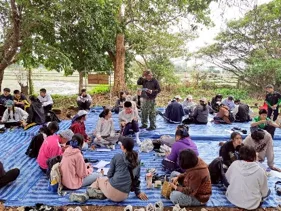
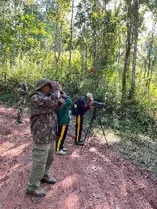
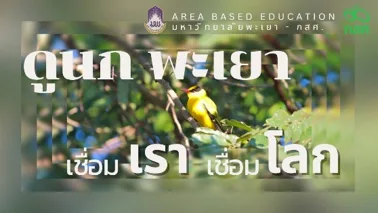
Figure 9: Birdwatching Festival
- One Stop Service Learning Station Project: “Learning Never Stops,” a project that enables participants to learn from real experiences and put learning into practice in Phayao, while providing new inspiration through meaningful activities.
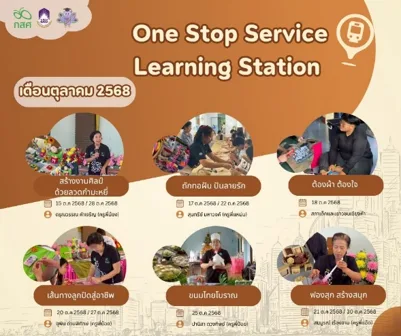
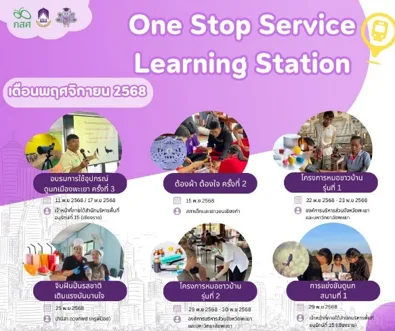
Figure 10: One Stop Service Learning Station Project
- Activities under the Learn to Earn concept for 40 Grade 11 students from Phayao Pittayakom School, promoting creative thinking, product design, and skills that can be used to create career opportunities.
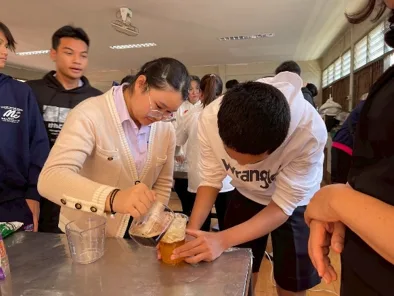
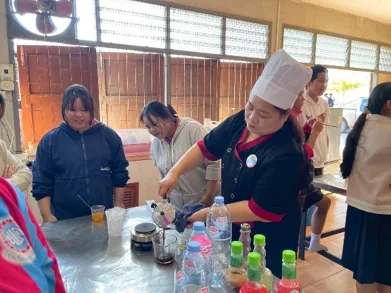
Figure 11: Activities under the Learn to Earn Concept
- The “Weaving Dreams, Sharing Loving Patterns” activity, which gives children and youth outside the formal education system opportunities to learn creative textile embroidery with instructors from different generations. The activity facilitates the transfer of local wisdom, develops vocational skills, and promotes intergenerational learning.
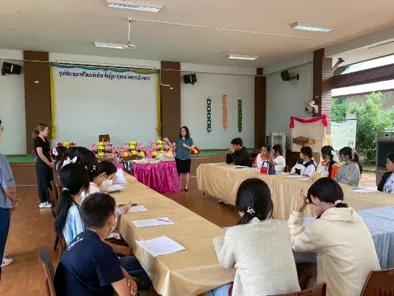
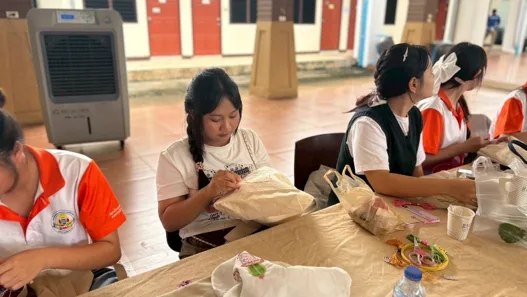
Figure 12: “Weaving Dreams, Sharing Loving Patterns” Activity
Research on Early Childhood Education
The University of Phayao promotes research and innovation in educational quality development, teacher development, child and youth learning, area-based education, and skills development for people of all ages. The University aims to ensure that knowledge generated by the University can be applied concretely to reduce educational inequality and improve learning quality in schools and communities.
A key example is the project “Bilingual Stories from Phayao Soft Power: Developing Teachers and Learners’ Reading, Writing, and Analytical Thinking Skills,” implemented by the School of Liberal Arts on August 30–31, 2025, in Chiang Kham District, Phayao Province. Teachers and students from five schools participated. The project used community stories and cultural capital as learning media to develop Thai and English language, reading, writing, and analytical thinking skills, while developing teachers’ capacity to create bilingual stories, assessments, and learning materials that reflect the local context.
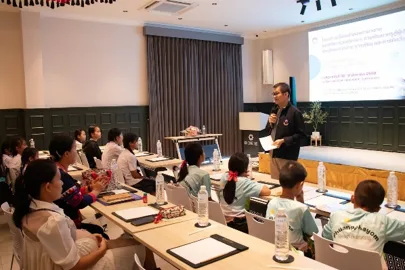
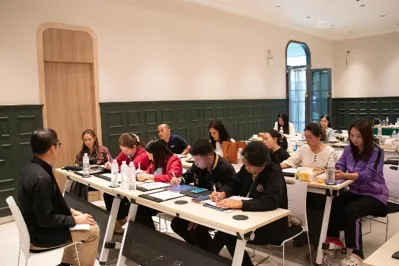
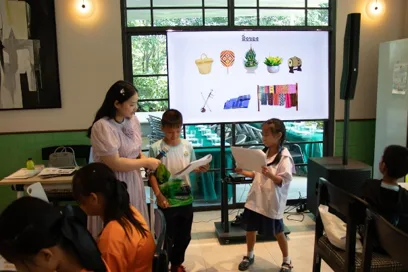
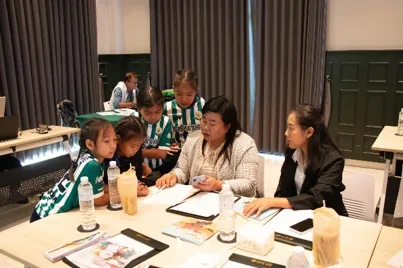
Figure 13: “Bilingual Stories from Phayao Soft Power: Developing Teachers and Learners’ Reading, Writing, and Analytical Thinking Skills”
Another example is the project “Improving English Vocabulary Learning Achievement among Ethnic Minority Students in Grades 1–3 at Inthri Arsa Learning Center through an Integrated Linguistic and Play-Based Learning Process.” The University of Phayao developed an English learning innovation for primary school ethnic minority students in remote areas to address educational inequality, the shortage of specialized English teachers, and the lack of learning materials appropriate to learners’ contexts. The project integrated linguistic knowledge with play-based learning, alongside the development of model teachers, a mentoring network, and English vocabulary textbooks for Grades 1–3 that reflect the context of ethnic minority communities. The implementation enabled teachers to conduct learning more effectively and extend the practices to teachers of other subjects, while students showed clear improvements in English vocabulary achievement and learning skills. The project also developed a learning model that can be scaled to other remote schools, increasing access to quality education, reducing educational inequality, and generating a Social Return on Investment (SROI) of 4.91 times, demonstrating concrete and sustainable social impact.
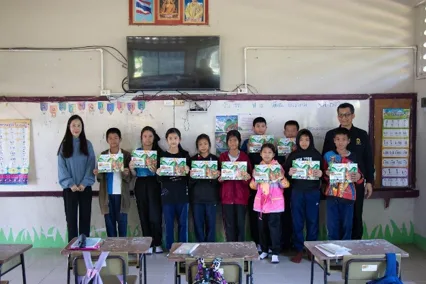
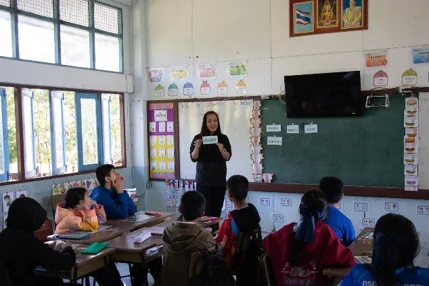
Figure 14: “Improving English Vocabulary Learning Achievement among Ethnic Minority Students in Grades 1–3 at Inthri Arsa Learning Center through an Integrated Linguistic and Play-Based Learning Process”